

How Long Does Sod Take to Root: Complete Installation Guide
 James ThorntonLawn Equipment & Maintenance Expert | 20 Years
As an Amazon Associate we earn from qualifying purchases.
How Long Does Sod Take to Root: Complete Installation Guide
New sod goes through a predictable rooting process, from loosely sitting on top of your yard to acting like a fully established lawn. If it roots correctly, you get a dense, durable turf. If it does not, you can end up with seams, dry spots, and sod that lifts like a carpet.
The core search question is simple: how long does sod take to root? The full answer depends on grass type, soil prep, season, and how you water and mow during the first few weeks. Cool-season sod often tacks in within 7 to 10 days in spring or fall, while warm-season sod may need hotter weather and more time to fully establish.
Rooting speed matters because your schedule for watering, mowing, fertilizing, and foot traffic must match each stage. Cut too early, walk too much, or underwater in a heat wave, and rooting slows or fails. With a good plan, most lawns reach shallow rooting in 1 to 2 weeks, stronger rooting in 3 to 4 weeks, and functional, durable turf in about 6 to 12 weeks.
This complete installation guide covers what rooting actually is, realistic timelines, how grass type changes the schedule, how to prepare soil for faster rooting, step-by-step installation, troubleshooting slow rooting, and long-term care that keeps roots deep for years.
In average conditions, sod starts to root in 7 to 14 days, reaches intermediate rooting by 2 to 4 weeks, and is usually well established after 6 to 12 weeks. Cool-season grasses like tall fescue and perennial ryegrass typically tack in slightly faster than warm-season types, as long as you install in spring or early fall and keep the soil evenly moist.
You can verify rooting by gently lifting a corner of sod. If it pulls up easily and you do not feel resistance, rooting is still shallow. When you feel the sod resist and see white roots penetrating the soil underneath, the lawn is transitioning to intermediate rooting. During the first two weeks, keep traffic minimal and never let the sod dry out at the edges, or rooting will stall and seams may open.
The fix for slow rooting is almost always better soil contact, consistent moisture, and correct timing for mowing and fertilizing. Avoid heavy foot traffic and do not over-fertilize during the first 3 weeks. With proper care, you can usually move from “no roots” to “light traffic OK” in about 3 to 4 weeks, and to “normal use” by the 8 to 12 week mark, depending on grass type and climate.
Understanding Sod Rooting Basics
What “Rooting” Actually Means
When sod is installed, it arrives as a thin layer of soil and grass that was grown on a sod farm. There, the grass is grown densely on prepared soil and cut with a machine that slices most of the roots, leaving a thin mat. After harvest, the grass has many cut root tips and a shallow root zone, so it needs to attach to your native soil all over again.
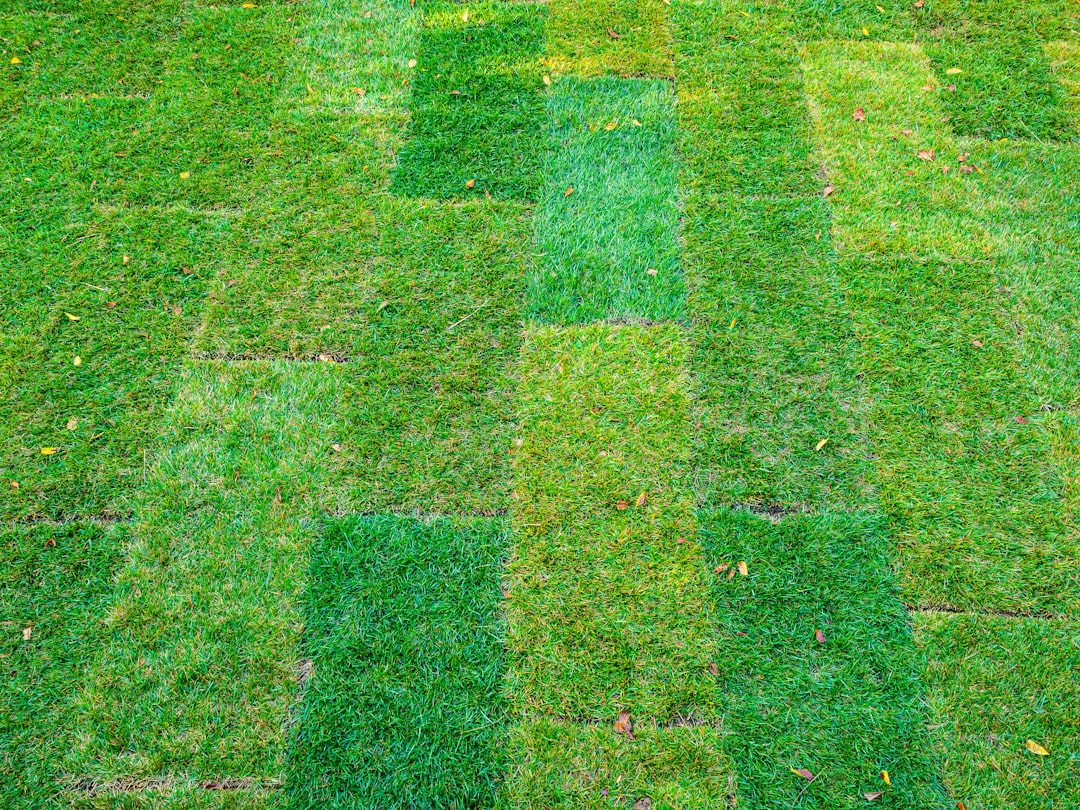
There are two main rooting stages you should think about. The first is shallow or initial rooting, sometimes called “tacking in.” This is when tiny roots grow out of the sod into the top inch or so of your soil. At this stage, the sod stops slipping when you walk on it and no longer lifts easily at the corners, but it is still vulnerable to drought and heat.
The second stage is deep rooting. Here, roots extend several inches into the native soil, allowing the grass to access more water and nutrients. Deep roots improve drought tolerance, reduce the need for constant irrigation, and help the lawn recover from wear and minor mistakes. Sod that only has shallow roots can look fine for several weeks, then suddenly decline when irrigation is reduced or temperatures spike.
If the soil is compacted, dry, or poorly prepared, the sod may “sit on top” for weeks with minimal rooting. In that situation, you can often lift pieces by hand and see a clear layer between the sod and soil. This indicates weak contact, poor moisture, or air gaps that prevent roots from penetrating downward.
Typical Sod Rooting Timeline (High-Level Overview)
For most home lawns, an ideal rooting timeline looks like this:
Initial rooting usually begins within 7 to 14 days after installation when soil is warm, moisture is consistent, and the sod was installed tightly. At this stage, you should start to feel some resistance when you tug up on a corner, but the roots are still shallow and easily damaged if the sod dries out.
Intermediate rooting typically takes place between 2 and 4 weeks. You will see more resistance when lifting corners, the seams start to disappear visually, and the grass can tolerate a first or second mowing. Foot traffic can be increased gradually, but heavy play or equipment use is still risky.
Full establishment usually takes 6 to 12 weeks, sometimes longer in harsh or cold climates or with slow-growing warm-season species like zoysia. At this stage, roots have penetrated several inches into the soil, and the lawn behaves similar to a seeded lawn of the same age. You can begin normal mowing, moderate sports use, and more typical irrigation schedules.
These ranges shift depending on several conditions. Cool-season sod (tall fescue, Kentucky bluegrass, perennial ryegrass) typically roots faster in spring and early fall when soil temperatures are between about 55 and 75 degrees Fahrenheit and rainfall supports consistent moisture. Warm-season sod (Bermuda, zoysia, St. Augustine, centipede) roots faster when soil temperatures are consistently above about 65 to 70 degrees Fahrenheit and daytime air temperatures are in the 80 to 90 degree range.
Soil structure is also crucial. Loose, well-prepared soil allows roots to penetrate in days, while hard, compacted soil can delay meaningful rooting for several weeks. Microclimates matter: sod in full sun typically roots faster than sod in dense shade, and areas against hot pavement may dry out and lag behind cooler sections of the yard.
Key Factors That Affect How Long Sod Takes to Root
Several key factors control sod rooting speed, and understanding them helps you predict and manage your specific lawn.
The first is grass species and cultivar. Perennial ryegrass and tall fescue are known for quick early root growth, while Kentucky bluegrass builds dense rhizomes but can be slower at first. Among warm-season grasses, Bermuda is very aggressive when warm, while zoysia and centipede are naturally slower to push new roots.
Soil preparation quality is a second driver. If you install sod on unprepared, compacted subsoil, rooting takes noticeably longer, and water and fertilizer are less efficient. Proper tilling, grading, and removing debris before installation significantly shortens rooting time.
Moisture management during the first 2 to 3 weeks is the most critical daily task. Roots will not grow into bone-dry soil, and saturated, waterlogged soil can cause rooting to stall and may lead to disease. The goal is consistently moist soil in the top 2 to 3 inches, not standing water. Generally, that means light, frequent watering in the first 7 to 10 days, tapering gradually as the roots grow deeper.
Temperature and season of installation can either accelerate or delay rooting. Cool-season sod installed in the heat of summer often struggles, while warm-season sod installed in cold spring soil may just sit there until soil temperatures rise. Sun levels, shade, and local microclimates cause different parts of the same yard to root at different speeds, so you may need to adjust watering by zone.
Foot traffic, mowing timing, nutrient availability, and initial fertilization also play roles. Walking heavily on new sod before initial rooting can shear developing roots. Mowing too early, or cutting more than one-third of the blade height, stresses the grass. Lack of nitrogen during the early weeks can slow top growth and rooting, but over-fertilizing with high-nitrogen products can burn roots and push weak, shallow growth.
How Grass Type Affects Sod Rooting Times
Cool-Season Grasses (Fescue, Kentucky Bluegrass, Perennial Ryegrass)
Cool-season grasses are commonly used in northern and transition-zone lawns. Their sod is typically installed in spring or early fall, when temperatures are moderate. This timing often lines up with faster rooting and less stress compared to summer installation.
Tall fescue sod tends to root relatively quickly. In good conditions, you may see initial rooting in about 7 to 10 days, intermediate rooting around 2 to 3 weeks, and functional establishment by 6 to 8 weeks. Its thicker roots and deep-rooting habit make it more forgiving of minor watering mistakes once it is established.
Kentucky bluegrass sod may be slower in the first week or two but develops dense, interconnected rhizomes over time. Initial rooting often occurs within 10 to 14 days, with stronger rooting by weeks 3 to 4. Full establishment, including rhizome spread, can take 8 to 12 weeks. Once established, Kentucky bluegrass can recover from damage via its rhizomes, especially if you follow good Overseeding Best Practices in thin areas.
Perennial ryegrass sod is usually the fastest to look “finished” early on. It germinates rapidly from seed and also tends to root quickly. Many ryegrass sods show good initial rooting in about 7 days and can often tolerate a first mowing near the 2 week mark, assuming conditions are favorable. However, ryegrass can be more disease-prone in hot, humid summers, so proper watering and mowing height are essential.
Cool-season sod installed in early fall often roots more quickly and thoroughly than spring sod. Soil is warm, air temperatures are moderating, and weed pressure is lower. In wet, cool climates, you may need to manage disease pressure carefully by avoiding overwatering and by mowing at recommended heights, usually 2.5 to 3.5 inches for most cool-season lawns.
Warm-Season Grasses (Bermuda, Zoysia, St. Augustine, Centipede)
Warm-season sod dominates southern and coastal regions. These grasses love heat and tend to root slow or even go dormant if installed when soil is too cool. For most warm-season sod, late spring through mid-summer is the best installation window, when soil temperature at 2 inches is consistently above about 65 to 70 degrees Fahrenheit.
Bermuda sod is known for aggressive rooting when conditions are right. In full sun with temperatures in the 80 to 95 degree range and consistent moisture, initial rooting can happen in 7 to 10 days, with strong rooting by 3 to 4 weeks. Its stolons and rhizomes help it knit together quickly, making it a popular choice for sports fields and high-traffic yards.
Zoysia sod is slower and more methodical. It prefers warmth but does not usually explode with growth the way Bermuda does. Initial rooting may take 10 to 14 days, and full establishment can extend to 8 to 12 weeks or more, especially in marginal climates. Patience is required. Once established, zoysia forms a very dense, resilient turf that can require less frequent mowing.
St. Augustine sod has a moderate rooting speed but is sensitive to cold and drought. You may see initial rooting in about 10 days under warm conditions, with usable establishment around 6 to 10 weeks. It spreads mostly through stolons, so tight soil contact and good moisture at the surface are especially important.
Centipede sod is naturally slow-growing and can be slow to root in cooler or shaded locations. It prefers acidic, low-fertility soils and can struggle in compacted or alkaline conditions. In warm, sandy soils, you may see initial rooting in about 10 to 14 days, but full establishment often takes 10 to 12 weeks or longer. Over-fertilizing centipede can cause decline, so nutrient management needs to be conservative.
Installing warm-season sod too early in spring, before soil temperatures warm, often results in sod sitting with minimal rooting for weeks. If you see little or no resistance when lifting corners after 2 to 3 weeks in cool soil, it usually means the grass is simply waiting for warmer conditions. On the other side, installing too late in fall can leave sod partially rooted when the first cold snap arrives, increasing the risk of winter kill or spring thinning.
Specialty Situations: Shade-Tolerant and Mixed Sod
Many homeowners install sod in areas that do not get full sun all day. Shade-tolerant sod blends or specific shade cultivars can survive with fewer hours of direct sunlight, but rooting is typically slower in these locations. Less light means less photosynthesis, and less energy available for new root growth.
In partial shade, expect initial rooting to lag by a few days compared to full-sun portions of your yard. For example, a tall fescue sod in full sun might tack in at 7 to 10 days, while the same sod in dappled shade may need 10 to 14 days. In heavy shade under large trees, the sod may never fully develop deep, dense roots, even with perfect care, because light and water competition from tree roots limit growth.
Mixed sod blends, such as Kentucky bluegrass combined with perennial ryegrass, are common. In these blends, ryegrass often roots and greens up first, making the lawn look established sooner, while the bluegrass develops more slowly underneath. Over the first season, the slower species typically fill in, especially if you follow good Overseeding Best Practices to maintain density.
Pre-Installation Planning: Setting Up for Faster Rooting
Assessing Your Site Before Ordering Sod
Before you order sod, a site evaluation saves time and speeds rooting. It is also the moment to pin down your budget, and our guide to the cost to install sod covers pallet pricing, site prep, and DIY versus pro. Start with soil type. Sandy soils drain quickly and warm faster in spring, which can help rooting but also mean you must water more frequently during the first weeks. Clay soils hold water longer and may compact easily, slowing root penetration unless properly loosened.
Walk your yard after a normal rain or a deep irrigation cycle. Identify drainage and low spots where water pools for more than 24 hours. Standing water deprives roots of oxygen and often leads to rot or disease. Leveling and improving drainage before sod installation is much easier than trying to fix it once sod is down.
Next, map sun and shade patterns. Note areas in full sun (6+ hours), partial shade (3 to 6 hours), and heavy shade (less than 3 hours). Sod in full sun will root faster and need a different watering schedule than sod tucked between buildings or under trees. If you choose a single sod type for very different light conditions, rooting times will vary by area.
Think about traffic expectations. Yards with kids, dogs, or sports use need more durable grass species and may require longer establishment periods before heavy use. If you plan to install a playset, create a dog run, or support regular sports, you must plan to keep traffic off the new sod for at least 3 to 4 weeks, and sometimes up to 8 weeks depending on rooting progress.
Finally, run a soil test before installation whenever possible. A basic lab test will give pH, phosphorus, potassium, and sometimes organic matter. If pH is very low (for example, below 5.5 for most cool-season grasses), roots will struggle to access nutrients. Applying lime or sulfur months before sod goes down can bring pH into a healthy range and support better rooting speed.
- Penn State Extension recommends testing soil at least every 3 years and adjusting pH to around 6.0 to 7.0 for most home lawns to improve root growth and fertilizer efficiency.
If your soil test shows very low phosphorus, you may need a starter fertilizer at installation or soon after, following local regulations. In some regions, phosphorus use is restricted, so confirm with your local rules and your extension recommendations.
Soil Preparation for Fast Rooting
Once you understand your site, the next step is physical soil preparation. This step has more influence on how long sod takes to root than nearly any other factor you can control.
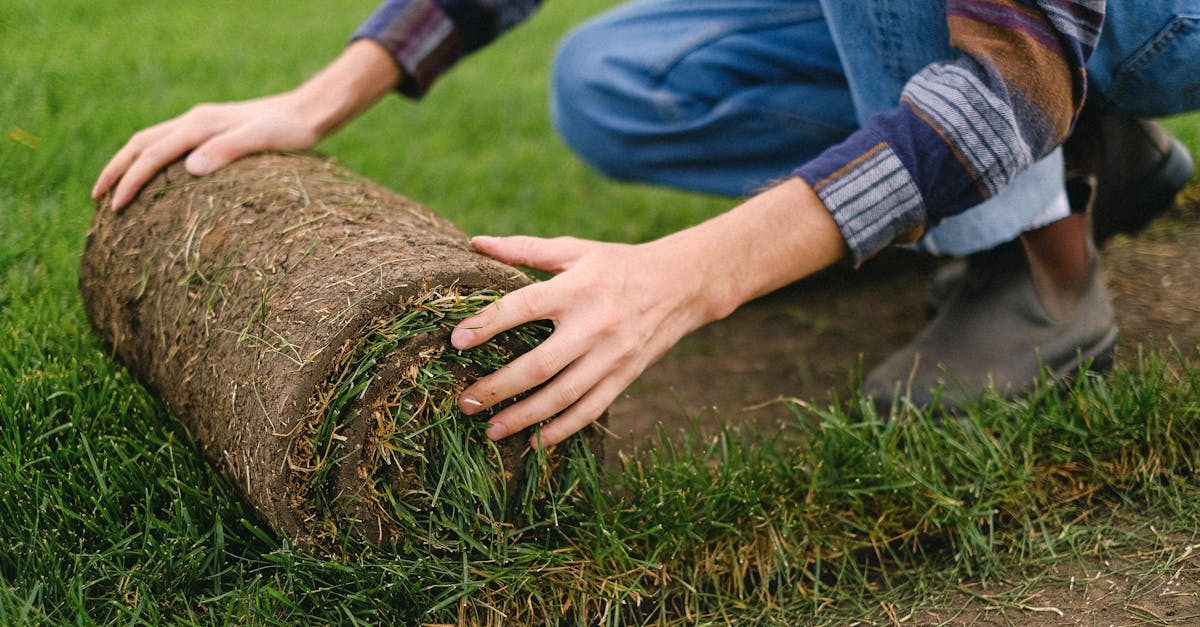
Remove all existing vegetation by scalping and using a non-selective herbicide where allowed, or by physically removing turf and weeds. Dead thatch and roots left on the surface can create a poor contact layer that slows sod rooting. Aim for a clean, mostly bare soil surface.
Loosen the top 4 to 6 inches of soil with a tiller or core aerator. For heavy clay, adding 1 to 2 inches of compost and incorporating it into the top layer can improve structure and water infiltration. Avoid simply adding a thin layer of topsoil on top of hard subsoil. That creates a “bathtub” effect that traps water and roots. Instead, blend any amendments into the existing soil.
After tilling, grade the area to ensure smooth, even slopes away from buildings. Remove rocks, debris, and large clods. Use a rake to create a fine, level surface without depressions. A typical target is to leave the grade about 1 inch below sidewalks or driveways so the finished sod surface sits flush once installed.
Lightly roll or walk over the area to lightly firm the soil, then water it a day or two before installation so the top few inches are moist but not muddy. Dry, powdery soil under sod makes poor contact and dries quickly, slowing root growth. Conversely, saturated mud can make it difficult to install sod tightly without creating gaps.
If your soil test suggests a starter fertilizer, apply it now and lightly rake it into the top inch of soil. A common starter fertilizer rate is around 0.5 to 1 pound of actual nitrogen per 1,000 square feet, but always follow the product label and local rules. This provides nutrients close to the emerging roots without overwhelming them.
Step-by-Step Sod Installation for Better Rooting
Timing Your Sod Delivery and Installation
Rooting speed begins with how quickly you install sod after it leaves the farm. Sod is a living product, and as soon as it is cut, it starts losing moisture and heat builds up in the stack. Plan to have your soil fully prepared and lightly watered just before delivery, and install the sod the same day if possible.
When scheduling delivery, avoid extremely hot, windy afternoons if you can. Heat and wind dry out exposed edges and can cause early stress. For large projects, start early in the morning so you can get the majority installed and watered before afternoon heat peaks.
In cool-season regions, aim for spring when soil has warmed and is not overly soggy, or fall when temperatures are mild. In warm-season areas, late spring through mid-summer is ideal, once the soil has warmed and the risk of cold snaps is low. Installing at the right time shortens the waiting period for rooting and makes irrigation more forgiving.
Proper Laying Technique
Start laying sod along the longest straight edge such as a driveway or sidewalk. Unroll or place the first row carefully, making sure it is straight. Press the sod firmly into the soil so there are no air gaps underneath. Do not stretch the pieces, as they may shrink later and open seams.
Stagger the joints in a brick-like pattern, so the ends of adjacent rows do not line up. This reduces erosion paths and creates a stronger, more interlocked surface. Butt the edges and ends of each piece tightly together, but avoid overlapping. Gaps greater than about 0.25 inch can dry out and slow rooting along seams.
On slopes, install sod across the slope instead of up and down where possible. Use sod staples or biodegradable pins on steeper slopes to help hold pieces in place until rooting is strong enough to resist movement. On very steep grades, rooting may take longer because water tends to run off quickly.
As you work, avoid kneeling repeatedly in the same spot, which can create depressions. Use plywood sheets as temporary walkways on very soft soil to distribute weight and preserve the grading. Once a section is installed, lightly roll it with a lawn roller about one-third full of water to ensure good contact between sod and soil.
Watering New Sod in the First Weeks
Correct watering is the single most important factor you control day to day. During the first 7 to 10 days, the goal is to keep the sod and the top 1 to 2 inches of soil consistently moist. Most lawns need watering 2 to 4 times per day in short cycles during this period, especially in hot, dry, or windy weather.
Immediately after installation, water the sod thoroughly so water penetrates at least 4 to 6 inches into the soil. You can confirm depth by lifting a corner or using a screwdriver test. The screwdriver should push in easily to at least 4 inches if soil moisture is adequate. After this deep initial watering, switch to lighter, more frequent watering for the first week.
As roots begin to penetrate, usually after 7 to 10 days, start to reduce frequency and increase depth. For example, move from 3 to 4 light waterings per day to 1 to 2 slightly longer cycles, then by weeks 3 to 4, work toward a schedule that provides roughly 1 to 1.5 inches of total water per week from irrigation and rainfall, delivered in 2 or 3 deeper waterings. This encourages roots to chase moisture downward rather than staying shallow at the surface.
Watch for signs of overwatering as well. If the sod is spongy, footprints remain visible for minutes, or water stands on the surface for more than a short period, reduce runtime or frequency. Overly wet soil deprives roots of oxygen and can promote disease, which slows rooting and can create yellow or thinning patches.
Mowing and Traffic During Rooting
Mowing timing has a direct impact on how long sod takes to root. If you mow too early, wheels and turning can shear off shallow roots. If you let the grass grow excessively tall, it can shade its own lower leaves, weaken the turf, and make the first cut stressful.
A good rule is to wait to mow until the sod has tacked in and the grass reaches about one-third above your target mowing height. For many cool-season grasses, the target height is 2.5 to 3.5 inches, so your first mowing might occur when the grass is around 3 to 4 inches tall. For many warm-season grasses like Bermuda that are maintained shorter, the first mowing may occur sooner in height, but still generally after about 2 to 3 weeks when you feel clear resistance pulling up the sod.
For the first mowing, make sure the soil surface is fairly dry to reduce rutting, use a sharp blade, and only remove the top one-third of the leaf blade. Avoid tight turns and sudden stops that can lift edges. If at any point you notice sod shifting or lifting during mowing, stop and wait several more days before trying again.
Foot traffic should be minimized for at least the first 2 weeks. That includes children playing, pets running, or using wheelbarrows and equipment. After intermediate rooting around weeks 3 to 4, you can gradually introduce normal walking and light use. High-impact activities like sports or frequent dog racing should ideally wait until near full establishment around 6 to 8 weeks, or longer for slower rooting species and in cooler climates.
Recommended products
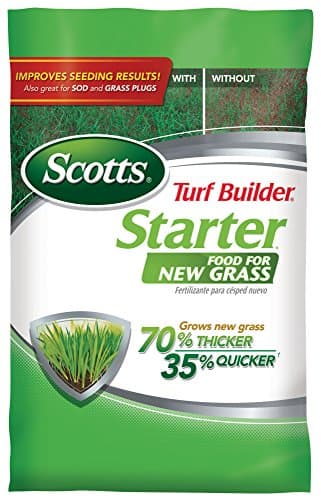
Scotts Turf Builder Starter Food for New Grass
A phosphorus rich starter fertilizer for new sod and seedlings.
MySoil Soil Test Kit
A mail in soil test that reports pH and thirteen nutrients with lawn specific rates.
Ashman Galvanized Landscape Staples (200 pack)
Six inch galvanized staples for pinning sod seams and edges on slopes.
How to Tell if Your Sod is Rooting Properly
Simple Rooting Checks
The easiest way to see whether your sod is rooting is the “tug test.” Starting about 7 days after installation, gently lift a corner of sod in several locations. If it lifts with almost no resistance and you do not see new white roots penetrating the underlying soil, rooting is still minimal. If you feel resistance and can see white, threadlike roots attached to the soil beneath, initial rooting has begun.
By weeks 2 to 3, corners and seams should be noticeably more difficult to lift. In many cases, you will only be able to lift a small flap, and some roots may tear as you pull back. That indicates intermediate rooting. At this stage, you can start transitioning to less frequent watering and consider the first or second mowing if grass height calls for it.
By 6 to 8 weeks (longer in slow-growing species or cool weather), lifting a corner should be very difficult, and roots should be intertwined with the native soil several inches deep. At that point, your sod has essentially become an established lawn in terms of rooting, though it will continue to mature over the next season.
Visual and Performance Signs
In addition to physical checks, the lawn’s appearance gives clues. Even color across the lawn with minimal seam visibility usually indicates good rooting progress, assuming watering is uniform. If certain zones stay pale, wilt first, or dry quicker, it often signals that those areas are rooting more slowly or that water coverage is uneven.
If you see slight wilting between waterings around weeks 3 to 4 but the lawn recovers quickly when irrigated, that can indicate you have successfully started weaning the lawn toward deeper, less frequent irrigation. However, if wilting becomes severe, blades fold or turn gray, and recovery is slow, your watering schedule may be too aggressive in reducing frequency for the current rooting depth.
Traffic tolerance is another indicator. If light walking or mowing starts to leave depressions or cause shifting, roots likely have not penetrated deeply enough. In contrast, if the lawn feels firm underfoot and recovers quickly from mowing, rooting is generally on track.
Troubleshooting Slow or Uneven Rooting
Common Symptoms of Rooting Problems
Slow or uneven rooting usually shows up as one or more of these symptoms: sod lifting easily in some spots even after 3 to 4 weeks, edges that brown or curl, persistent visible seams, or patchy color where some pieces thrive and others lag.
If you notice sod that feels spongy or smells sour when you lift it, that often points to overwatering and poor oxygen, especially on heavy soils. Conversely, crispy, shrunken seams or corners that pull away from the soil usually indicate the sod dried out between waterings, particularly along edges and sunny slopes.
Another red flag is visible algae or moss forming on the soil surface near seams. That usually means constant surface moisture and poor drainage, both of which slow root penetration and can encourage disease.
Diagnosing the Causes
To narrow down the cause, start with moisture. Use the screwdriver test in problem areas: try pushing a screwdriver 6 inches into the soil. If it will not go beyond 1 to 2 inches, the soil is too dry or heavily compacted, and roots may be trapped near the surface. If it slides in easily and the soil feels soupy, overwatering or drainage issues are likely slowing rooting.
Next, lift small sections of struggling sod. If the underside is slimy, has a foul odor, or shows blackened roots, waterlogging or disease is probable. If the roots look dry, brittle, and sparse, under-watering or poor soil contact is usually the culprit. Check whether the underside of the sod is making firm contact with the soil or if you see visible air gaps or clumps preventing contact.
Consider sun exposure and temperature differences. Sod that struggles primarily in shaded corners or north-facing slopes may simply be rooting slower due to reduced energy. Sod along hot pavement or on south-facing slopes might be drying faster than other areas, needing adjusted irrigation.
Fixes for Slow Rooting
Once you know the cause, you can adjust. For under-watered sod, increase the frequency or duration of irrigation, focusing especially on edges, corners, and sunny slopes. Sometimes an additional short mid-day cycle is enough to prevent drying while roots are still shallow. For over-watered sod, reduce duration, increase the time between cycles, or adjust sprinkler coverage to avoid constant surface saturation.
If the main issue is poor soil contact, you may need to carefully lift and relay small sections. Shake off excess soil clods, regrade the base, and firmly press the sod back down. In severe cases with compacted soil, you might consider using a hand aerator around the worst spots after 3 to 4 weeks, once you are sure some rooting is present, to help air and water move into the profile.
For compaction diagnosed by a tough screwdriver test and poor infiltration, full-core aeration is usually better delayed until the lawn is more established, often 8 to 12 weeks after installation. At that point, following guidance from How to Aerate Your Lawn the Right Way can help deepen roots and correct ongoing compaction issues.
If disease seems likely, such as with slimy roots and areas that stay wet, first reduce watering and improve drainage. Consult local extension or a lawn care professional for specific disease identification before applying fungicides. Many new sod diseases can be managed with cultural corrections alone.
- Contact your local extension office with photos and a description of symptoms if you suspect disease or severe rooting problems. They can often help identify issues and recommend targeted fixes.
Seasonal Timelines for Sod Rooting
Spring Installation
Spring is a common time for sod installation, especially for cool-season grasses. Soil warms gradually, and natural rainfall can reduce irrigation demands. In many regions, sod installed in mid to late spring will reach initial rooting in 7 to 14 days, intermediate rooting by 3 to 4 weeks, and good establishment by 8 weeks, provided temperatures do not spike too quickly into summer heat.
However, early spring installations on cold, wet soil can lag. If your soil temperature is below about 50 to 55 degrees Fahrenheit at 2 inches deep, root growth will be slow regardless of how well you water. In that case, you might feel little resistance lifting sod even 2 weeks after installation, and you will need to maintain a gentle, protective watering schedule longer.
In warm-season regions, spring can work well for Bermuda and zoysia sod once soil warms, but installing too early, while nights are still cool, may delay rooting and extend the early-care period. Waiting until daytime temperatures consistently reach the 70s and soil temperatures are in the 60s often gives better results.
Summer Installation
Summer presents both advantages and challenges. On the positive side, soil is warm and root growth potential is high. Warm-season grasses especially can root aggressively when temperatures are in the 80 to 95 degree range. On the negative side, evaporation is high, and new sod can dry out quickly, especially in full sun and wind.
Cool-season sod installed in summer needs very careful watering and may experience heat stress. Rooting timelines can still be 7 to 14 days for initial rooting and 6 to 8 weeks for establishment, but failures are more common if watering lapses for even a single hot afternoon. Watch closely for wilt, and schedule irrigation in the early morning and possibly early afternoon for the first week.
Warm-season sod installed in early to mid-summer can root rapidly, often on the faster end of the general ranges. For example, Bermuda sod may show strong rooting and traffic tolerance by 4 to 6 weeks if watering and mowing are well managed. However, new sod is still vulnerable to extreme drought, so do not pull back irrigation too aggressively until you confirm deeper rooting with a tug test.
Fall Installation
Fall is often the best season for cool-season sod. Soil remains warm from summer, air temperatures are cooler, and weed pressure is lower. In many northern and transition regions, sod installed in early fall can root very quickly: initial rooting in about 7 days, strong rooting by 3 to 4 weeks, and solid establishment by late fall.
The main caution in fall is timing relative to first frost and winter. You want at least 4 to 6 weeks of active growth before the lawn enters dormancy. If you install too late, sod may not root deeply before cold weather arrives. In that case, it can still survive, but rooting will remain shallow until growth resumes in spring. During winter, avoid heavy traffic and keep the lawn free of heavy objects that could smother or shift poorly rooted sod.
Warm-season sod installed in fall is risky in areas that experience frost. As temperatures drop, growth slows or stops, and unrooted sod may suffer winter injury. In frost-prone regions, it is generally better to finish warm-season sod installations by late summer.
Winter and Dormant Sod Installation
In milder southern climates, some homeowners install dormant warm-season sod in late fall or winter. In these cases, the top growth is brown and inactive, and rooting does not begin in earnest until soil warms in spring. You can lay dormant sod on suitable soil if you keep it moist enough to prevent desiccation, but do not expect much rooting until temperatures rise.
This approach can work where winter temperatures are not severe and the soil does not freeze deeply. It allows you to take advantage of off-season pricing or schedule considerations. However, you must protect dormant sod from extended dryness and from heavy traffic during the winter, since roots are minimal until spring.
Long-Term Care After Sod Rooting
Transitioning to a Mature Irrigation Schedule
Once your sod has moved from initial to intermediate rooting, roughly 3 to 4 weeks in average conditions, your focus should shift from keeping the surface constantly moist to encouraging deep, resilient roots. The key is gradually reducing watering frequency while maintaining adequate total weekly water.
For most established lawns, a good target is about 1 to 1.5 inches of water per week, including rainfall, delivered in 1 to 3 deeper irrigation sessions. To confirm how long your sprinklers need to run to deliver that amount, use tuna cans or rain gauges placed around the yard. Run your system and measure how much water is applied in, for example, 20 minutes, then adjust total run time accordingly.
As roots deepen, allow the top inch or two of soil to dry slightly between waterings. This trains roots to explore deeper layers. If you see mild wilt that recovers within a few hours of watering, you may be at a good stress threshold. If wilt is severe or persistent, increase either the amount delivered per session or slightly increase frequency.
Fertilizing New Sod
Fertilization timing also affects rooting. Many sod farms apply fertilizer before harvest, so your new lawn may not need immediate nitrogen. A reasonable guideline is to apply a light starter fertilizer at or shortly after installation only if a soil test or local guidance suggests it. Then, wait about 4 to 6 weeks before making the first standard nitrogen application, adjusting timing for your grass type and climate.
For cool-season lawns, a common recommendation is about 0.75 to 1 pound of nitrogen per 1,000 square feet per application, up to 3 to 4 pounds per 1,000 square feet per year, split into several feedings. Fall is usually the most important fertilization window. For warm-season lawns, more nitrogen is applied in late spring and summer while the grass is actively growing, and minimal to none in fall as the lawn approaches dormancy.
Too much nitrogen early on can stimulate excessive top growth at the expense of roots. If you see very lush, dark green blades but the sod still lifts easily, it is a sign that nutrient levels may be high but rooting is lagging due to other factors like water or soil contact.
Aeration and Overseeding After Sod Establishment
Once your sod has fully rooted, usually by the end of the first growing season, core aeration becomes a valuable maintenance tool, especially in high-traffic or clay soils. By pulling plugs 2 to 3 inches deep, you relieve compaction and allow water and oxygen to reach the root zone more effectively. This can further deepen roots and improve drought resistance.
For cool-season lawns, fall is often the best time to aerate, particularly when combined with overseeding to thicken the turf. The guide Overseeding Best Practices covers details on timing, seed selection, and aftercare. For warm-season lawns, aeration is best done in late spring through summer when the grass is aggressively growing and can quickly recover.
As your sod ages, you may also need to repair localized damage or thin areas. The resource How to Repair Bare Patches in Your Lawn explains how to patch spots with either seed or small pieces of sod, matching them to your existing turf and caring for them so they root quickly.
What Other Guides Miss
Many quick answers to “how long does sod take to root” give a single number, such as 2 weeks, without explaining that initial rooting and full establishment are very different things. Homeowners often assume that once sod resists a gentle tug, it is ready for sports or heavy traffic, which is rarely the case before at least 6 to 8 weeks.
Another common omission is confirmation tests. Instead of guessing, you should regularly use the tug test, screwdriver test, and simple moisture checks to see how your specific lawn is progressing. Rooting can differ by several weeks between shaded and sunny sections, or between compacted and well-prepared soil, even within one yard.
Finally, many guides underemphasize soil preparation and compaction. Installing premium sod on rock-hard soil with no loosening or grading often leads to chronically shallow roots, no matter how well you water. Addressing compaction, drainage, and pH before sod arrives is one of the most powerful ways to shorten rooting time and build a lawn that stays healthy long term.
Conclusion: Matching Expectations to Rooting Reality
Sod nearly always follows the same pattern: initial rooting in about 7 to 14 days, intermediate rooting by 2 to 4 weeks, and full establishment by 6 to 12 weeks, adjusted for grass type, season, soil, and care. What varies is how closely your lawn matches those averages. Cool-season fescue or rye in early fall on well-prepared soil can root very quickly, while zoysia on compacted clay in cool spring weather may lag for weeks.
By focusing on soil prep, tight installation, consistent moisture, careful first mowings, and gradual transitions to deeper irrigation, you can significantly speed rooting and reduce risk. Use simple confirmation tests rather than calendar dates alone to decide when to mow, when to increase traffic, and when to reduce watering.
If you want to go deeper into post-sod care and thickening your lawn, especially after the first season, check out Overseeding Best Practices and How to Aerate Your Lawn the Right Way. With a solid understanding of how long sod takes to root and what each stage needs, you can turn freshly rolled turf into a durable, healthy lawn that lasts for years.
Top Picks
- Scotts Turf Builder Starter Fertilizer for New GrassCheck price on Amazon
- Outsidepride Fireball & Hattrick Perennial Ryegrass Blend (5 lb)Check price on Amazon
- Jacklin Seed by Barenbrug Heisman Kentucky Bluegrass Blend (5 lb)Check price on Amazon
As an Amazon Associate we earn from qualifying purchases.
Free Lawn Care Tools
Gently lift a corner of the sod and see how it feels. If it pulls up easily with little resistance, rooting is still shallow. When you feel resistance and see white roots penetrating into the soil below, the sod is in the intermediate rooting stage and starting to anchor properly. You should also see seams beginning to close and the sod no longer slipping when you walk on it lightly.
For the first 1 to 2 weeks, foot traffic should be kept to an absolute minimum so shallow roots are not torn. Light traffic can usually begin around the 3 to 4 week mark once intermediate rooting has developed. Normal use, including moderate sports and regular activity, is safest after about 6 to 12 weeks when the lawn is fully established. Heavy equipment and intense play should always wait until deep roots are in place.
Loose, well-prepared soil lets roots penetrate within days, speeding up both shallow and deep rooting. If sod is laid on compacted, unprepared subsoil, the pieces can sit on top for weeks with little attachment and visible gaps underneath. Proper tilling, grading, and debris removal before installation dramatically shortens rooting time and makes water and fertilizer more effective. Poor soil contact is one of the most common reasons sod roots slowly or not at all.
During the first 7 to 10 days, aim for light, frequent watering to keep the top 2 to 3 inches of soil consistently moist but never waterlogged. As roots begin to grow deeper over the next couple of weeks, gradually reduce frequency and increase the depth of watering to encourage deeper rooting. Completely dry edges or bone-dry soil will stall root growth, while standing water can suffocate roots and promote disease. The goal is steady moisture, not constant saturation.
Yes, cool-season sod like tall fescue, Kentucky bluegrass, and perennial ryegrass typically begins to tack in within 7 to 10 days when installed in spring or early fall. Warm-season sod such as Bermuda, zoysia, St. Augustine, and centipede often needs consistently warm soil and air temperatures and can take longer to fully establish. Bermuda tends to root aggressively in heat, while zoysia and centipede naturally root more slowly. Overall, both types usually reach full establishment somewhere in the 6 to 12 week range, depending on conditions.
If sod still lifts easily and you see a clear layer between the sod and soil, poor soil contact, inconsistent moisture, or compacted soil are likely issues. Focus on improving contact by gently pressing the sod down, keeping the top few inches of soil evenly moist, and avoiding heavy traffic. Check for dry edges or hot spots near pavement and adjust watering in those microclimates. With better soil contact and moisture management, rooting usually begins to improve within a couple of weeks.
Photos: Rasa Kasparaviciene / Unsplash, Anna Shvets / Pexels, thiago japyassu / Pexels

Beat weeds and brown spots from your phone
Snap a photo, get the fix, and follow a plan timed to your soil and weather. Free on iPhone.
Related Articles
 Seeding/Overseeding & Establishment
Pennington Smart Seed Planting Guide: Step-by-step Instructions
Mar 29, 2026•7 min read Lawn Care Tips
Gray Leaf Spot in Lawns: How to Identify and Treat It
Sep 13, 2026•6 min read Seeding/Overseeding & Establishment
Growing Grass from Seed How Long: Complete Care Guide
Dec 18, 2025•12 min read

