How to Aerate Your Lawn the Right Way
 James ThorntonLawn Equipment & Maintenance Expert | 20 Years
As an Amazon Associate we earn from qualifying purchases.
Patchy grass, standing water, and rock-hard soil all point to the same underlying issue: your lawn is compacted and starved of air. Lawn aeration corrects this by opening channels through the soil so roots can grow deeper and the lawn can recover.
For most home lawns in cool-season regions, fall is the most effective time to aerate. Soil is still warm, air temperatures are cooler, and natural rainfall is more consistent. This combination allows grass to repair quickly and build stronger roots before winter, which leads to a thicker, greener lawn in spring.
Core aeration directly addresses several common lawn problems:
- Thin or patchy grass even when you fertilize
- Compaction from kids, pets, and regular mowing
- Water that runs off or puddles instead of soaking in
- Excess thatch that keeps air and water from reaching soil
Most homeowners searching for lawn aeration information fall into three groups: those asking whether their lawn actually needs aeration, those trying to choose between spike aeration and core aeration, and DIY-focused homeowners looking for clear, step-by-step instructions they can follow on a weekend.
This guide explains when, why, and how to aerate your lawn correctly, with an emphasis on core aeration as the most effective method for most yards. You will see how aeration fits into overseeding, fertilizing, and your broader lawn maintenance schedule, and when to time each step. For broader context on seasonal care and planning, see related resources like Common Lawn Care Mistakes Beginners Make, How to Create a Lawn Maintenance Schedule, and Essential Lawn Care Tools Every Homeowner Needs.
If you've noticed your lawn is struggling with thin grass, puddles, or hard soil, it might be time for aeration. To confirm compaction, try the screwdriver test: if a screwdriver doesn’t penetrate the soil easily, it's compacted. With compacted soil, grass roots can't access the air, water, and nutrients they need, leading to an unhealthy lawn.
For a healthier lawn, core aerate during the fall when soil temperatures are still warm, typically between 55°F and 65°F. This process pulls out plugs of soil, relieving compaction and allowing roots to grow deeper. Following aeration, overseed and fertilize to encourage thicker grass growth. Within four to six weeks, you'll notice a lusher, greener lawn ready for winter.
Understanding Lawn Aeration Basics
What Is Lawn Aeration?
Lawn aeration is the process of creating openings in the soil so that air, water, and nutrients reach the grass root zone more efficiently. In practical terms, it means punching holes through the thatch and into the soil to relieve compaction and improve root growth.
There are three primary approaches to aerating a lawn:
Core aeration (plug aeration)
Core aeration uses a machine, or in smaller spaces a manual tool, that removes small cylindrical plugs of soil from the lawn. Each core is usually 2 to 3 inches deep, about a half inch in diameter, and spaced a few inches apart. According to Penn State Extension, core aeration is the most effective way to relieve soil compaction in home lawns because it physically removes soil and creates permanent voids that roots and water can occupy.
Spike aeration
Spike aeration uses solid tines or spikes to punch holes into the soil without removing any material. This can be done with spike shoes, manual fork-style tools, or certain tow-behind units. The spikes push soil aside rather than extracting it. Purdue University Extension notes that this action compresses soil laterally, which means that over time spike aeration can increase compaction in clay-heavy soils instead of relieving it.
Liquid aeration
Liquid aeration involves spraying or spreading bottled products that contain surfactants, humic acid, or other soil conditioners. These products are marketed as chemical or biological aerators. Ohio State University Extension explains that such products can improve soil structure and water infiltration at the surface, but they do not create the physical voids that mechanical core aeration produces. They function more like soil conditioners than substitutes for plug aeration.
For most compacted home lawns, especially in clay or silt soils, core aeration is the gold standard because it directly removes soil and thatch, allows room for expansion, and creates long-lasting channels for roots, water, and fertilizer to move deeper.
Why Your Lawn Needs Aeration (Especially in Fall)
Soil compaction occurs whenever soil particles are pressed tightly together, reducing pore space. In a lawn, the most common causes are foot traffic, lawn equipment, and naturally dense soil textures such as clay. New construction sites also leave soils heavily compacted from heavy machinery.
Compaction causes several specific problems:
Restricted root growth
When pore space between soil particles is reduced, roots physically cannot grow as deep or as wide. NC State Extension explains that shallow roots restrict the lawn's ability to access moisture and nutrients, which makes grass more vulnerable to drought, heat, and wear. Shallow-rooted turf also recovers more slowly from regular foot traffic.
Reduced water infiltration and increased runoff
Compacted soil sheds water instead of absorbing it. This leads to puddling, runoff across sidewalks and driveways, and wasted irrigation. According to Kansas State University Extension, aerated soils can absorb rainfall and irrigation more efficiently, which reduces runoff and improves drought tolerance.
Lower nutrient uptake and fertilizer effectiveness
When soil is compacted, fertilizer and lime remain closer to the surface and are more likely to be lost through runoff. Roots are also shorter and less dense, so they capture fewer nutrients. Core aeration increases the contact between soil, roots, and applied nutrients, which makes fertilization more efficient.
Timing aeration in fall adds several advantages:
- Soil is still warm enough for active root growth, typically in the 50 to 65 degree Fahrenheit soil temperature range for cool-season grasses.
- Air temperatures are cooler, which reduces stress on the turf while it recovers.
- Rainfall patterns in many regions are more consistent, which keeps soil moist and supports regrowth.
- Fall is the ideal time to combine aeration with overseeding and fall fertilization in cool-season lawns.
According to University of Missouri Extension, fall aeration followed by overseeding is the most effective single strategy to thicken thin cool-season lawns, especially tall fescue and Kentucky bluegrass.
Signs Your Lawn Needs Aerating
A lawn that needs aeration usually shows a combination of visual symptoms and physical indicators in the soil. Identifying these signs helps you decide whether aeration is necessary and how often to schedule it.
Visual and physical signs in the lawn
Several above-ground symptoms signal compaction or poor air exchange:
- Water puddling or running off in low areas or near downspouts instead of soaking in evenly.
- Thin, weak, or patchy grass that does not respond well to fertilizing and watering.
- Areas that brown out quickly in summer while less-trafficked areas stay greener.
- Hard, crusted soil surface that is difficult to penetrate with a screwdriver or trowel.
- Visible thatch layer greater than 0.5 inches thick when you slice vertically into the turf.
A heavy thatch layer in particular blocks water and nutrients from entering the soil. According to Iowa State University Extension, when thatch thickness exceeds one-half inch, core aeration becomes an important part of thatch management because it mixes soil into the thatch and encourages microbial breakdown.
Environmental and site clues
Even before visible symptoms appear, the site conditions can indicate the need for core aeration:
- Lawns growing on clay or silt-heavy soils, which compact more easily than sandy soils.
- High-traffic areas such as kids' play zones, dog runs, sports areas, and footpaths.
- New subdivisions where topsoil was removed and heavy equipment compressed the subsoil.
- Lawns regularly mowed with heavy equipment or vehicles driven over the turf.
At-home compaction tests
You can confirm compaction using simple tools:
- Screwdriver test: Push a 6 to 8 inch screwdriver or long nail into the soil after normal rainfall or irrigation. If it stops or requires significant force in the top 2 to 3 inches, the soil is compacted and aeration is warranted.
- Shovel or soil probe test: Slice out a small section of turf 3 to 4 inches deep. If the top 2 inches are very dense with few visible roots penetrating deeper, the lawn needs core aeration.
Lawns with sandy soils and light traffic may pass these tests easily and require aeration less frequently. Clay soils and heavily used yards usually fail these tests and benefit from annual or biennial core aeration.
Choosing the Right Type of Lawn Aeration
Core Aeration vs Spike Aeration vs Liquid Aeration
Selecting the correct method makes the difference between a temporary cosmetic change and a long-term improvement in soil health. Each method has a specific function and best-use case.
Core aeration (plug aeration)
Core aeration removes plugs of soil and thatch, typically 0.5 to 0.75 inches in diameter and 2 to 3 inches deep. Machines range from small walk-behind units to larger, drum-style or cam-style aerators. According to Michigan State University Extension, core aeration with closely spaced holes, ideally 2 to 3 inches apart in heavily compacted sites, significantly reduces bulk density and improves root growth.
Key advantages of core aeration:
- Relieves true soil compaction by creating space for soil to relax and expand.
- Increases air exchange at the root zone.
- Improves water infiltration, reducing puddles and runoff.
- Mixes soil into thatch, helping microbes break it down.
- Creates ideal seed-to-soil contact points when overseeding immediately after.
Spike aeration
Spike aeration tools use solid tines that push soil aside to create narrow holes. Devices include manual forks, step-on tools, spiked roller drums, and spike shoes. Because they do not remove soil, the surrounding soil is pushed tighter together.
Spike aeration has limited but specific uses:
- Suitable for lightly compacted or sandy soils where the risk of added compaction is low.
- Useful for small spot treatments, such as around tree roots or localized wet spots.
- Can serve as a short-term solution when core aeration is not available, but should not replace annual core aeration in compacted lawns.
Purdue University Extension notes that in heavy clay soils, repeated spike aeration increases bulk density, which worsens compaction over time. For this reason, spike tools work best as supplementary tools, not primary aeration methods, in such soils.
Liquid aeration
Liquid aeration products typically contain surfactants, humic or fulvic acids, and sometimes microbial stimulants. Their primary function is to help water move into and through the soil and to support better aggregation of soil particles at a microscopic level.
Ohio State University Extension describes these products as soil conditioners that can enhance infiltration at the surface and improve structure over long periods when combined with organic matter additions. However, they do not mechanically relieve deep compaction or remove thatch. They also do not create the physical voids that a plug aerator does, which means they lack the immediate physical benefits that core aeration provides.
Summary: why core aeration should be your primary method
In an intermediate-level lawn care program, core aeration should be the primary method used to manage compaction and thatch, especially on cool-season lawns in clay or silt soil. Spike aeration and liquid conditioners can be used in combination, but they do not replace the structural changes that plug removal achieves.
When Core Aeration Is Essential (and When It’s Optional)
Core aeration is not necessary for every lawn every year, but certain conditions make it essential.
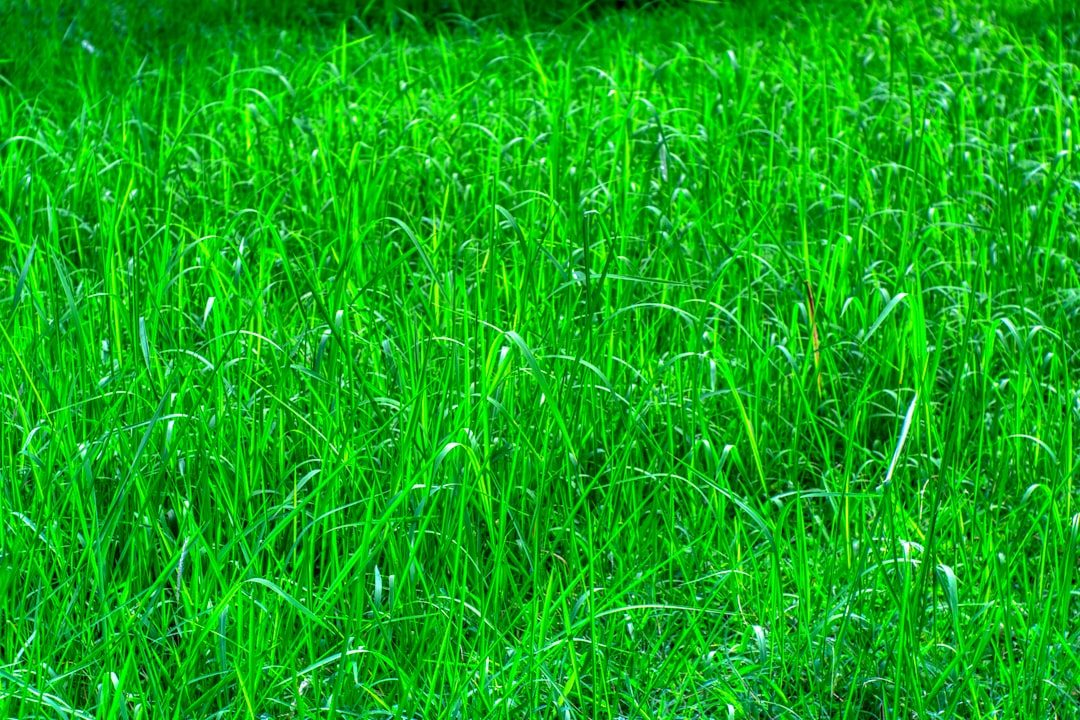
Situations where core aeration is a must
- Clay or silt-heavy soils: These soils compact easily and drain poorly. Annual core aeration in fall, and in many cases again in spring if traffic is extreme, effectively maintains pore space.
- High-traffic lawns: Yards used intensively by kids, dogs, or sports play accumulate compaction quickly. Aerating once per year is appropriate.
- New construction lawns: Subdivisions frequently have compacted subsoil with only a thin layer of topsoil. Core aeration every fall for the first several years significantly improves root depth.
- Lawns with thatch over 0.5 inches: When thatch exceeds this threshold, University of Kentucky Extension recommends core aeration as a key component of a thatch reduction plan.
- Lawns being overseeded to repair thin turf: For cool-season grasses, aerating immediately before overseeding improves germination and seedling survival.
Situations where aeration is optional or less frequent
- Sandy soils with low traffic: These soils naturally resist compaction and drain quickly. Aeration every 2 to 3 years, or only in localized problem areas, is sufficient.
- Newly sodded lawns under one year old: Sod needs time to root in. Most university extensions recommend waiting at least one full growing season before core aeration to avoid pulling up poorly rooted sod.
- Lawns in consistently excellent condition with deep, dense roots and no compaction indicators can be aerated less often, focusing on spot aeration where traffic is heaviest.
In warm-season regions, aeration timing shifts to late spring or early summer when grasses like Bermuda or zoysia are actively growing, but the same diagnostic logic applies. For guidance on tying aeration frequency into a full yearly plan, see How to Create a Lawn Maintenance Schedule.
How to Aerate Your Lawn the Right Way
Step 1: Choose the Best Time to Aerate
Timing aeration correctly ensures rapid recovery and maximum benefit.
For cool-season grasses (fescue, bluegrass, perennial ryegrass)
- Primary window: Early to mid fall, typically September through early October in many regions.
- Soil temperature target: 50 to 65 degrees Fahrenheit at a 2 inch depth.
According to Penn State Extension, aerating cool-season lawns in this fall window aligns with peak root growth, which allows the turf to heal before winter and leverage the new pore space for root expansion.
For warm-season grasses (Bermuda, zoysia, St. Augustine)
- Primary window: Late spring to early summer, once the lawn is fully green and actively growing.
- Avoid: Aerating within 4 to 6 weeks of expected first frost, since recovery slows significantly.
Weather and soil moisture considerations
Aerate when the soil is moist but not saturated. A practical guideline is to water the lawn one day before aeration if natural rainfall has been lacking. Soil that crumbles when squeezed lightly in your hand is ideal. If it forms a sticky ball, it is too wet; if it is powdery and hard, it is too dry.
Step 2: Prepare the Lawn
Proper preparation ensures the aerator reaches the effective depth and operates smoothly.
Mow slightly shorter than usual
Set the mower about 0.5 inch lower than your normal height for one mowing before aeration. For example, if you usually mow tall fescue at 3.5 inches, mow to about 3 inches. Do not scalp the lawn; the goal is simply to reduce leaf height so the aerator tines can penetrate more easily and seed (if overseeding) reaches the soil surface.
Mark irrigation components and shallow utilities
Identify and mark with flags or spray paint:
- Sprinkler heads and valve boxes
- Dog fences or shallow wires
- Landscape lighting cables close to the surface
This step prevents damage from the aerator tines. Most cores are 2 to 3 inches deep, so anything at that depth needs to be avoided.
Water 24 hours before aeration (if needed)
If the soil is dry, irrigate with about 0.5 inch of water the day before. This softens the soil and produces longer, cleaner cores. Michigan State University Extension notes that aerating in very dry soil reduces penetration depth and can stress the turf.
Step 3: Select and Set Up the Right Tools
You can choose from several core aeration tools, depending on lawn size and budget.
Rental walk-behind core aerators
These machines are widely available from equipment rental stores. They suit medium to large lawns and typically feature hollow tines on a drum or reciprocating arm. Choose a machine that:
- Produces cores at least 2 inches deep under normal conditions.
- Spaces holes 2 to 4 inches apart along the path.
- Is heavy enough to penetrate your soil type; clay soils require more weight.
Tow-behind plug aerators
These are pulled behind a lawn tractor or riding mower and can work well in larger yards if weighted properly. Add the maximum recommended weight so the tines penetrate fully. Avoid spike-only models for compacted clay soils.
Manual core aerators
Step-on or lever-action manual plug aerators work in small yards or for spot treatments. They pull two to five cores at a time and require more physical effort but provide excellent control. They are also useful around obstacles where large machines cannot maneuver.
Tool settings and passes
Adjust depth settings to target a 2 to 3 inch core depth. Then plan to cover the lawn at least twice in different directions, for example, once north-south and once east-west. This cross pattern increases hole density without creating straight-line weak zones in the turf.
Step 4: Aerate the Lawn
With preparation complete and tools ready, the actual process is straightforward.
- Start at the perimeter and make one pass around the edges of the lawn. This creates a turning area and ensures full coverage.
- Run straight passes across the lawn, slightly overlapping each row so you do not leave untouched strips.
- Make at least two passes in different directions on compacted areas. For extremely compacted zones, three passes are appropriate.
- Slow down in high-traffic or problem areas to increase hole density.
- Avoid tight turns while the tines are in the ground to prevent turf tearing. Lift or disengage the tines when turning.
Expect the lawn to look messy immediately after aeration, with visible plugs scattered on the surface. This is normal and indicates successful core removal.
Step 5: What to Do With the Plugs
The soil plugs left on the lawn are an important part of the process.
Leave the plugs on the lawn
Most university extension services, including Penn State and Iowa State, recommend leaving the cores to break down naturally. Rain, irrigation, and mowing gradually crumble the plugs, and the soil particles filter back down into the thatch layer. This improves thatch decomposition and returns soil microorganisms to the surface.
Under normal conditions, plugs decompose in 2 to 4 weeks. In very heavy clay soils, or in late fall when microbial activity slows, decomposition can take longer. Regular mowing during this period speeds the process.
When to break up or collect plugs
In specific cases, you may want to:
- Break plugs up by dragging a light mat or section of chain-link fence across the lawn. This helps if plugs are large and clumpy.
- Collect some plugs if you are topdressing with a different soil type and want a more uniform surface. However, complete removal is rarely necessary.
Step 6: Pair Aeration With Overseeding and Fertilizing
Aeration creates ideal conditions for overseeding and nutrient uptake. Combining these tasks maximizes the return on your effort.
Overseeding right after aeration
The holes and broken soil around each core provide natural seed-to-soil contact points. For cool-season lawns that are thin or have bare patches, overseed directly after aeration, before plugs dry out.
General guidelines:
- Seed selection: Use high-quality seed suited to your region and sun exposure. For many cool-season lawns, turf-type tall fescue or a fescue and Kentucky bluegrass blend works well.
- Seeding rate: Follow label rates for overseeding, commonly 3 to 5 pounds of tall fescue seed per 1,000 square feet.
- Application method: Use a broadcast or drop spreader to evenly distribute seed. Aim to cover the lawn in two perpendicular passes for even coverage.
For detailed repair instructions, see How to Repair Bare Patches in Your Lawn and Overseeding Best Practices, which explain patch-specific techniques and aftercare.
Fertilizing after aeration
Apply a balanced lawn fertilizer after aeration, and if you overseeded, choose a starter fertilizer formulated with higher phosphorus (where legal) to support root development. According to University of Nebraska-Lincoln Extension, fertilizing in conjunction with aeration and overseeding significantly improves seedling establishment.
Timing:
- Apply fertilizer immediately after aeration and seeding or within a few days.
- Water lightly after fertilizing to move nutrients into the holes and root zone.
For homeowners building a seasonal nutrient plan, integrating aeration with fall feeding is a key component of an effective yearly schedule.
Step 7: Watering and Aftercare
Post-aeration care ensures the lawn recovers quickly and, if overseeded, that new seedlings establish successfully.
Watering schedule
If you did not overseed, resume a normal deep and infrequent irrigation pattern, for example 0.75 to 1 inch of water once or twice per week depending on weather, so that the soil remains evenly moist but not saturated.
If you overseeded, follow this pattern:
- Week 1 to 3: Keep the top 0.5 to 1 inch of soil constantly moist with light irrigation one to three times per day, depending on weather.
- Week 3 to 5: Transition to once-daily, deeper watering.
- Week 5 to 8: Move toward the normal deep, infrequent schedule.
Mowing after aeration and overseeding
- Resume mowing when the grass reaches one-third above your target mowing height.
- Ensure mower blades are sharp to avoid tearing tender new grass.
- Mow at a higher height for the first several cuts after overseeding, then gradually return to your normal height.
Traffic management
Limit heavy traffic on newly aerated and overseeded lawns for at least 2 to 3 weeks. Young seedlings are particularly vulnerable to wear, and concentrated pressure in aerated areas can disturb seed-to-soil contact.
How Often Should You Aerate?
Frequency Guidelines by Soil Type and Lawn Use
The ideal aeration schedule depends on soil texture, lawn use, and the presence of thatch.
Clay and silt soils
- Recommended frequency: Once per year in fall for cool-season lawns or once per year in late spring for warm-season lawns.
- In extremely compacted or heavily trafficked areas, consider a second aeration outside of peak stress periods.
Loam soils
- Recommended frequency: Every 1 to 2 years, depending on traffic.
- Aerate annually if you notice increasing runoff, thinning turf, or heavy traffic.
Sandy soils
- Recommended frequency: Every 2 to 3 years or as spot treatment in high-traffic zones.
- Focus aeration efforts where wear damage and puddling appear rather than blanket aeration.
According to Colorado State University Extension, athletic fields on clay soils are aerated multiple times per season due to extreme wear, but typical home lawns rarely require that intensity if traffic is moderate.
Integrating Aeration Into a Year-Round Lawn Plan
Core aeration is most effective when it is part of a structured annual maintenance strategy instead of a one-time fix. A sample cool-season lawn schedule might look like this:
- Late summer (August): Evaluate compaction using screwdriver and shovel tests. Schedule aerator rental for fall.
- Early fall (September): Core aerate, overseed thin areas, and apply starter fertilizer.
- Mid fall (October): Continue watering and mowing, apply a fall lawn fertilizer.
- Late fall (November): Final mowing and winterizing tasks.
For a warm-season lawn, shift aeration and overseeding tasks into the late spring or early summer window during active growth. For more detail on building this into your own calendar, refer to How to Create a Lawn Maintenance Schedule.
Aeration Mistakes to Avoid
Aerating at the Wrong Time
Aerating when grass is not actively growing slows recovery and exposes turf to stress.
- Cool-season grasses: Avoid aeration during peak summer heat or in mid winter when growth is minimal.
- Warm-season grasses: Avoid aeration in early spring before green-up or in late fall close to frost.
Aeration during dormant periods opens the soil to drying and weed invasion without giving turf the opportunity to regrow roots and fill in the holes.
Using the Wrong Equipment
Relying exclusively on spike shoes or low-quality spike tools in compacted clay soils compresses the soil further and does not correct underlying problems. Similarly, using a tow-behind spike-only unit on a heavily compacted lawn improves surface appearance but fails to relieve deep compaction.

For meaningful change in soil structure, use true core aeration equipment that removes plugs, verified by checking that hollow tines and extracted cores are present.
Over or Under Aerating
Under aerating, such as making one quick pass with widely spaced tines, does not create enough openings to significantly reduce compaction. Aim for a hole spacing of 2 to 4 inches in each direction in compacted areas.
Over aerating, such as aerating multiple times in a single season in a low-traffic lawn, is unnecessary and can weaken turf by disrupting roots excessively. Follow the soil-based frequency guidelines outlined earlier.
Ignoring Thatch and Soil Structure
Aeration alone cannot correct all thatch or structural problems. If thatch exceeds 1 inch, power raking or vertical mowing, combined with core aeration and proper fertilization, is necessary. Heavy, layered thatch that has accumulated from years of overwatering and excessive nitrogen requires a more comprehensive approach, which is discussed in detail in Common Lawn Care Mistakes Beginners Make.
Practical Tools and Products That Support Aeration
Essential Tools for Effective Aeration
For most homeowners, the key tools involved in aeration are:
- Core aerator (rental or tow-behind) to create plugs at the proper depth and spacing.
- Lawn mower with adjustable height to prepare the turf before aeration and manage plugs after.
- Marking flags or paint to identify irrigation and utility components.
- Broadcast or drop spreader if you plan to overseed and fertilize after aeration.
- Garden hose and sprinkler or in-ground irrigation to manage pre and post aeration moisture.
For a full overview of equipment that simplifies seasonal care, consult Essential Lawn Care Tools Every Homeowner Needs.
Helpful Add-ons: Topdressing and Soil Conditioners
Topdressing after core aeration with a thin layer of quality compost or sand/compost mix improves soil structure over time. According to University of Minnesota Extension, applying about 0.25 inch of compost and brushing it into holes gradually increases organic matter in the topsoil, which supports better aggregation and water infiltration.
Liquid soil conditioners can be used in addition to core aeration to enhance infiltration and microbial activity, especially in thatch-prone lawns. Apply these after aeration and watering so they move through the open channels into the root zone.
Recommended products
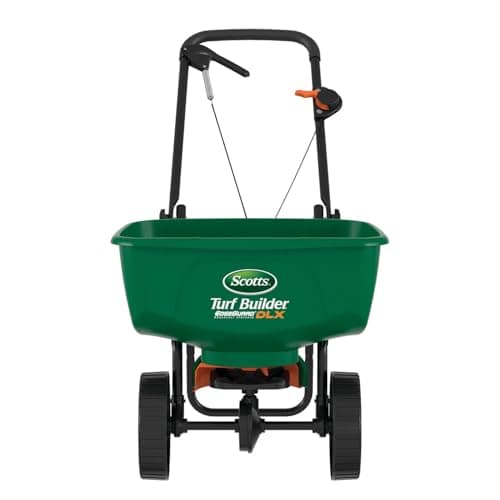
Scotts Turf Builder EdgeGuard DLX Broadcast Spreader
A broadcast spreader for putting seed and starter fertilizer down right after coring.

Jonathan Green Black Beauty Ultra Grass Seed (7 lb)
A tall fescue blend that pairs well with core aeration on cool-season lawns.
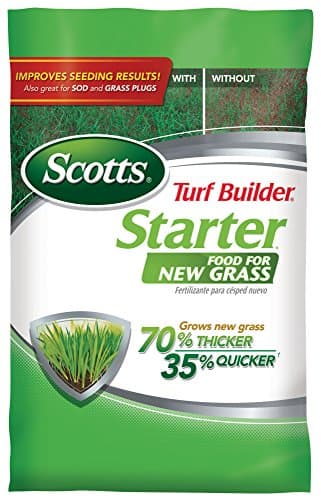
Scotts Turf Builder Starter Food for New Grass
A phosphorus-forward feeding for seed dropped into fresh aeration holes.
Putting It All Together: A 4-Week Fall Aeration Action Plan
The following timeline illustrates how to integrate core aeration into a focused fall renovation plan for a cool-season lawn.
Week 1
- Perform screwdriver and shovel tests to confirm compaction.
- Schedule aerator rental for the following weekend.
- Mow lawn slightly shorter than usual and mark irrigation heads.
- Water 0.5 inch one day before aeration if soil is dry.
Week 2
- Core aerate the entire lawn with at least two passes in different directions.
- Overseed immediately after aeration if the lawn is thin or patchy.
- Apply starter fertilizer at label rates.
- Begin light, frequent watering to keep the seedbed moist.
Week 3
- Continue seedling irrigation schedule.
- Resume mowing once grass reaches one-third over the target height.
- Monitor for emerging weeds and hand pull if necessary, avoiding herbicides that could harm seedlings.
Week 4
- Transition toward deeper, less frequent watering.
- Plan a follow-up fall fertilizer application, typically 4 to 6 weeks after seeding.
- Evaluate coverage and identify any remaining bare areas for spot treatment.
This structured approach combines mechanical aeration, seed, fertilizer, and water management into a cohesive plan that significantly improves lawn density and health heading into winter.

Conclusion
Core lawn aeration directly solves the compaction and thatch problems that cause thin turf, poor drainage, and weak root systems. By selecting true plug aeration, timing it to active growth in fall for cool-season lawns or late spring for warm-season lawns, and pairing it with overseeding and proper fertilization, you turn a single weekend project into a long-term improvement in soil and turf health.
The next steps are straightforward: assess your soil with simple at-home tests, place aeration and fall renovation dates on your calendar, and choose the right tools for your lawn size and soil type. For comprehensive guidance on what to pair with aeration across the season, explore Common Lawn Care Mistakes Beginners Make, How to Create a Lawn Maintenance Schedule, Essential Lawn Care Tools Every Homeowner Needs, and Overseeding Best Practices so you can build a resilient, dense lawn on a solid foundation of healthy soil.
Top Picks
- Segway Navimow i210 AWD Robot Lawn MowerCheck price on Amazon
- Simple Lawn Solutions Liquid Soil LoosenerCheck price on Amazon
- Sun Joe 24V Cordless Scarifier & DethatcherCheck price on Amazon
As an Amazon Associate we earn from qualifying purchases.
Free Lawn Care Tools
Lawn aeration is the process of creating openings in the soil so that air, water, and nutrients reach the grass root zone more efficiently. In practical terms, it means punching holes through the thatch and into the soil to relieve compaction and improve root growth.
For most cool-season lawns, fall is the most effective time to aerate. Soil is still warm, air temperatures are cooler, and rainfall is usually more consistent, which helps grass recover quickly. Aerating in fall also lines up perfectly with overseeding and fall fertilization, leading to a thicker, greener lawn the following spring.
Core aeration removes small plugs of soil and creates open channels down into the root zone. These openings allow water to soak in instead of sitting on the surface or running off onto sidewalks and driveways. As a result, rainfall and irrigation are absorbed more efficiently, improving drought tolerance and reducing waste.
Core aeration pulls out cylindrical plugs of soil, creating permanent voids that relieve compaction and give roots room to grow. Spike aeration pushes solid tines into the ground without removing soil, which can actually compress soil sideways, especially in clay-heavy lawns. For compacted home lawns, core aeration is the preferred method because it truly loosens the soil.
Aeration in fall sets the stage for both overseeding and fertilizing by opening the soil so seed, water, and nutrients can reach the root zone more easily. After core aeration, grass seed can fall into the holes and make better soil contact, and fertilizer can move deeper where roots can use it. This combination is one of the most effective ways to thicken thin cool-season lawns like tall fescue and Kentucky bluegrass.
Common signs include water that puddles or runs off instead of soaking in, thin or patchy grass that doesn’t respond well to fertilizer, and areas that brown out quickly under foot traffic or summer stress. A hard, crusted soil surface that resists a screwdriver and a thatch layer thicker than about half an inch are also strong indicators. Lawns on clay or silt-heavy soils and high-traffic areas are especially likely to benefit from regular core aeration.
Photos: Thomas Kinto / Unsplash, ANH LÊ / Pexels, Gustavo Fring / Pexels

Beat weeds and brown spots from your phone
Snap a photo, get the fix, and follow a plan timed to your soil and weather. Free on iPhone.