What Type of Grass Is Most Resistant to Drought in Wisconsin Lawns?
 James ThorntonLawn Equipment & Maintenance Expert | 20 Years
As an Amazon Associate we earn from qualifying purchases.
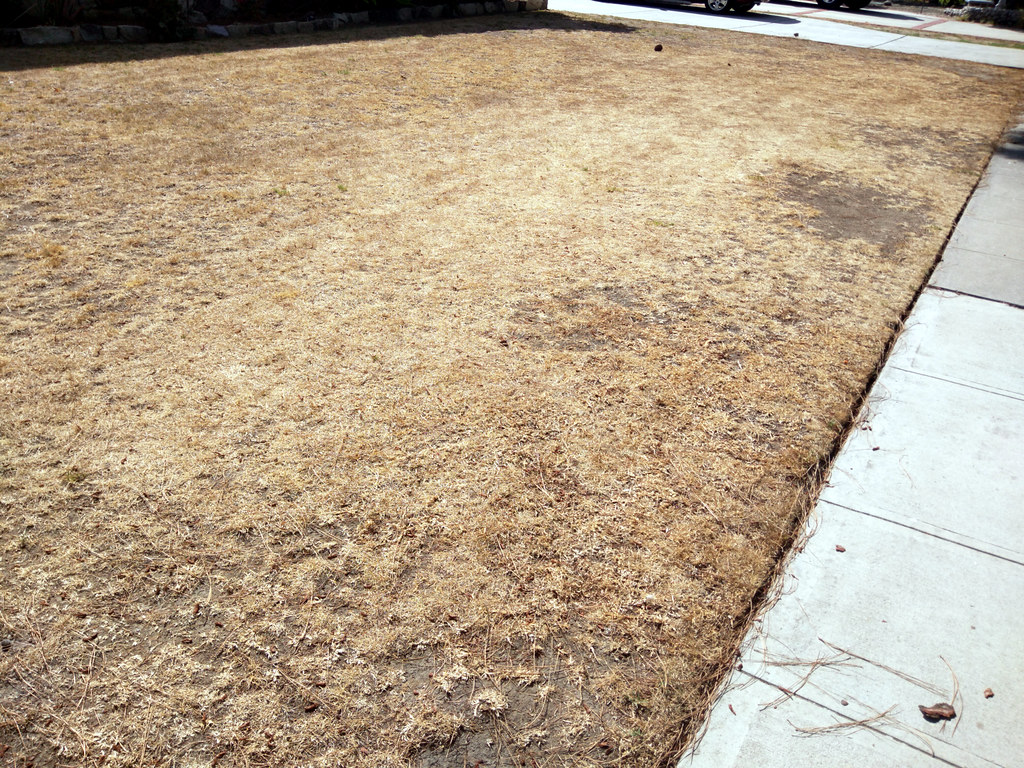
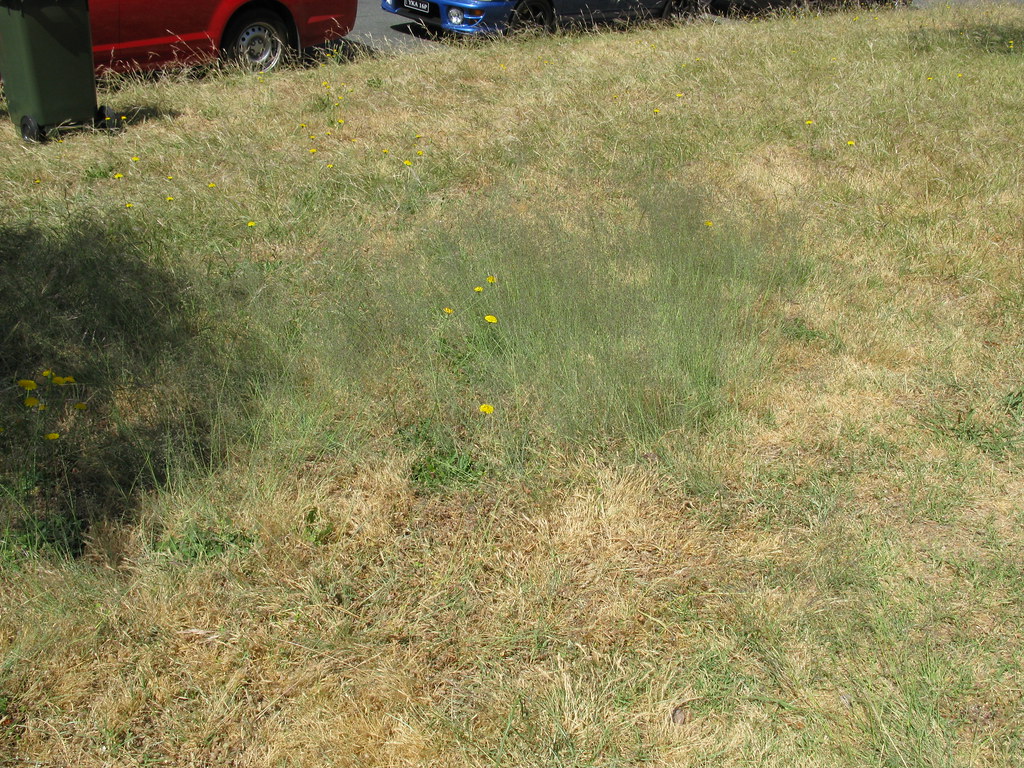
Brown Wisconsin lawns in late July usually fall into two categories: grass that has gone dormant to ride out the dry spell, or grass that has been pushed past its limit and is actually dying. The reason your neighbor's yard sometimes stays greener or recovers faster often comes down to one thing: the type of grass in the lawn and how it was managed.
When we talk about what type of grass is most resistant to drought in Wisconsin lawns, we are not talking about desert grasses. We are working with cool-season species that also need to survive subzero winters, heavy clay soils, and freeze-thaw cycles. Drought resistance here means grass that can handle 2 to 4 weeks of hot, dry weather with less irrigation and still bounce back quickly once rain returns.
In this guide, I will break down how cool-season grasses actually handle water stress, compare the main grass types you will see in Wisconsin, and give you clear recommendations for sunny yards, shady yards, clay soils, and sandy soils. I will also show you how to overseed and maintain those grasses so you get a lawn that can handle our increasingly dry summers. This is aimed at homeowners and serious DIYers, and pairs well with topics like How to Overseed a Lawn in Wisconsin, Best Time to Aerate Your Lawn in Wisconsin, and How Often Should You Water Your Lawn in Wisconsin?
If you are just looking for what type of grass is most resistant to drought in Wisconsin lawns, the most drought-resistant cool-season species you can practically use are turf-type tall fescue and the fine fescues (hard, sheep, and chewings fescue). Tall fescue wins for full-sun, high-use areas, while fine fescues shine in low-input and partially shaded areas. Traditional Kentucky bluegrass and perennial ryegrass are more common, but they need more water to stay green and handle only short droughts without going dormant.
The catch is that no single grass species is perfect for every Wisconsin yard. Clay soils, shade, and foot traffic all change the best choice. In most real lawns, the best approach is a blend: 40 to 60 percent turf-type tall fescue mixed with 20 to 40 percent Kentucky bluegrass, and optionally 10 to 30 percent fine fescues in lower-traffic or shadier sections. To confirm what you already have, look closely at blade width and texture, and dig a small plug to see how dense the roots are. If the grass has very fine blades and stays somewhat green on a hot, dry hill while the rest turns tan, you are likely looking at fine fescue or tall fescue patches already.
If you plan a renovation or overseeding, the best window for most of Wisconsin is late August through mid-September, when soil is warm and fall rains help new seedlings root deeply. Do not scalp the lawn or dump seed into bone-dry soil and expect drought resistance. Instead, mow to about 2.5 to 3 inches, core aerate if the soil is hard, topdress thin areas with a quarter inch of compost, then seed at labeled rates and keep the seedbed lightly moist for 2 to 3 weeks. The payoff is not instant; full drought resistance improves over one full growing season as roots reach 4 to 6 inches deep.
Understanding Drought Resistance in Wisconsin Lawns
What “Drought Resistance” Really Means in a Wisconsin Lawn
People use "drought resistant" pretty loosely, so let us pin it down in terms that fit real Wisconsin lawns.
Drought resistance is the overall ability of a grass plant or lawn to survive and recover from limited water. It combines three ideas:
- Drought avoidance: Grasses that grow deep, extensive roots and access water that shallower-rooted plants cannot reach. They delay stress by "finding" more water.
- Drought tolerance: Grasses that can physiologically handle being dry by rolling leaves, slowing growth, and managing internal water efficiently.
- Drought escape (dormancy): Grasses that respond to stress by going dormant, turning tan above ground but keeping crowns and roots alive to regrow when moisture returns.
In cool-season lawns like we have in Wisconsin, you see a lot of dormancy and recovery. The important distinction is dormancy versus death. Dormant grass:
- Turns tan or straw-colored fairly evenly across an area.
- Greens back up within about 7 to 21 days after consistent rain or irrigation returns.
Dead grass, on the other hand, pulls up easily, often has brittle crowns, and may be overrun by weeds or bare soil that stays exposed even after rains. If you keep a cool-season lawn completely dry for 6 to 8 weeks in peak heat, some of it will cross from dormancy into death, especially perennial ryegrass.
Wisconsin’s climate adds a twist. We are dealing with:
- Cool-season growing windows in spring and fall, with hot, sometimes dry periods typically in July and August.
- Heavy clay soils in many areas that hold water but drain slowly and compact easily, and pockets of sandy soils that drain fast and dry out quickly.
- Cold winters with freeze-thaw cycles and variable snow cover that can damage some otherwise drought-strong species if they are not cold-hardy enough.
So the goal is not to find some mythical grass that never browns. The real target is a grass or blend that can:
- Survive repeated, moderate droughts without large dead patches.
- Recover quickly when rain returns.
- Handle Wisconsin winters and our common soil types.
- Still look acceptable at a realistic mowing height and input level.
How Cool-Season Grasses Handle Water Stress
After maintaining thousands of lawns, the pattern is clear: the lawns that ride out dry spells best are built on deep roots and healthy soil, not just a fancy seed label. Here is what is actually happening in the plant.
Root depth and structure are the big levers. A lawn with roots mostly in the top 2 to 3 inches will suffer quickly in a hot, dry week, because that upper soil dries out first. A lawn with roots reaching 6 to 8 inches, or more in looser soils, can tap deeper moisture and avoid stress much longer.
Among our common cool-season grasses:
- Turf-type tall fescue usually develops the deepest, most extensive root system in Wisconsin lawns. Well-managed stands often root 6 inches or deeper.
- Fine fescues (hard, sheep, chewings, creeping red) can develop surprisingly deep roots in low-input areas and do well where soil is not compacted.
- Kentucky bluegrass has a moderate root system by default, but with proper mowing, watering, and aeration, it can root reasonably deep and survive dormancy well.
- Perennial ryegrass tends toward a shallower, more sensitive root system and shows stress sooner.
Above ground, grasses use a few visible strategies to conserve water:
- Leaf rolling or curling to reduce exposed surface area.
- Reduced growth rate, where you suddenly notice you are mowing less when it is dry and hot.
- Color change from deep green to a dull, gray-green, then to tan as dormancy kicks in.
Under the surface, they rely heavily on stored carbohydrates in crowns and roots. A grass that has built up reserves in spring and fall can "live off savings" for a while in summer. This is why lawns that are overfertilized, mowed too short, or scalped before a heat wave often crash: they have burned through reserves forcing top growth instead of building storage and roots.
Soil conditions control how long plants can make use of those strategies:
- Sandy soils drain quickly and hold less available water, so even drought-resistant grasses stress faster. These lawns benefit most from grasses with deep roots and from building organic matter.
- Clay soils hold a lot of water but can be dense and poorly aerated. They bake hard in summer and crack as they dry. Here, soil structure and compaction management matter as much as species choice.
- Organic matter in the soil acts like a sponge. Even raising organic matter by 1 or 2 percent over time can noticeably improve how long the lawn stays green between rains.
The Trade-Offs: Drought Resistance vs Aesthetics and Maintenance
Skip the marketing claims - here is what I have seen actually work and how it looks in real yards.
The grasses that are best at handling drought in Wisconsin often have a slightly different appearance and maintenance profile compared to the classic, ultra-dark, fine-textured "golf-course" bluegrass lawns you see in ads.
Color and texture:
- Turf-type tall fescue has a medium to slightly coarse blade, somewhat wider than Kentucky bluegrass. Newer cultivars have improved color and density, but side by side, you will notice it looks a bit different, especially at low mowing heights.
- Fine fescues have very narrow, thread-like blades and a softer, wispy appearance. Color can be a lighter or more "blue-green" tone, and the lawn usually looks less "perfectly manicured" and more natural.
- Kentucky bluegrass is usually the darkest green and finest textured of the common cool-season species in Wisconsin. Many homeowners like this look, but it comes with higher water expectations if you want it to stay lush through summer.
Mowing and fertilizer needs:
- Most drought-tolerant cool-season grasses look and perform best at a mowing height of 3 to 4 inches. Taller blades mean deeper roots and better shading of the soil surface.
- Lower nitrogen rates (for example, 2 to 3 pounds of nitrogen per 1,000 square feet per year, instead of 4 to 5) usually improve drought performance. Less forced growth above ground means more energy to roots and reserves.
- Fine fescues in particular prefer low fertility; if you push them with heavy nitrogen, you invite disease and stress.
It is also important to set expectations. Even the most drought-resistant grass types in Wisconsin will often go tan in a long, hot, dry spell if you do not irrigate. The advantage is that:
- They stay dormant and alive longer before dying.
- They recover faster and more completely once moisture returns.
- They need fewer rescue overseedings after dry summers.
The Best Drought-Resistant Grass Types for Wisconsin Lawns
Overview: Ranking Grass Types for Wisconsin Drought Resistance
When people ask what type of grass is most resistant to drought in Wisconsin lawns, they usually want a ranking. Based on field performance, not brochure photos, here is the practical order for common cool-season species:
- Turf-type tall fescue: Best overall drought resistance and heat tolerance that still fits Wisconsin winters in most of the state.
- Fine fescues (hard, sheep, chewings, some creeping red): Excellent drought and low-input performance, especially in partial shade and low-traffic areas.
- Improved Kentucky bluegrass (elite, compact, or Texas hybrid types): Moderate drought resistance, strong recovery from dormancy, good cold tolerance.
- Perennial ryegrass: Poor drought resistance compared to the others, but excellent for quick cover and overseeding in specific cases.
At the species level, turf-type tall fescue and the better fine fescues are the winners for drought resistance in Wisconsin. At the lawn level, the best approach for most homeowners is a custom seed blend that matches sun, soil, and use.
For example:
- Full sun, average to heavy clay, regular use: 60 to 80 percent turf-type tall fescue, 20 to 40 percent Kentucky bluegrass.
- Partial shade, low to moderate traffic: 40 to 60 percent fine fescues, 20 to 40 percent Kentucky bluegrass, optional 10 to 20 percent tall fescue if you want more toughness.
- Sandy or drought-prone sites: Heavy on turf-type tall fescue, with a minor component of fine fescue or drought-tolerant bluegrass where appearance is a priority.
Turf-Type Tall Fescue: The Workhorse for Drought and Heat
Turf-type tall fescue is my top recommendation when a Wisconsin homeowner asks for a lawn that can stand real-world heat and dry spells without becoming a patchwork of weeds and bare soil.

Key characteristics:
- Deep, extensive roots: In decent soil, tall fescue routinely develops roots 6 inches or deeper, often outcompeting other turf species during drought.
- Good heat tolerance: It handles sustained 80s and low 90s better than most cool-season grasses, so it stays functional through typical Wisconsin summers.
- Moderate to good cold tolerance: Turf-type cultivars bred for the transition zone perform fine through Wisconsin winters, as long as you choose northern-adapted seed mixes.
- Bunch-type growth: Unlike Kentucky bluegrass, tall fescue forms clumps instead of spreading aggressively by rhizomes. This affects how you overseed and repair it.
Appearance and feel:
Modern turf-type tall fescues are much finer and denser than the old pasture-type tall fescue. Grown alone, they make an attractive lawn. Compared side by side with a high-end bluegrass lawn, you will notice slightly wider blades and a different sheen, but most homeowners are happy with the look, especially when it is still green while neighbor lawns are struggling.
Where tall fescue works best in Wisconsin:
- Sunny front and back yards with average to high use.
- South-facing slopes or windy sites that dry out quickly.
- Lawns on lighter or mixed soils that tend to go dry between rains.
Because it is bunch-type, tall fescue benefits from periodic overseeding (every 2 to 4 years) to keep the stand dense and fill gaps from wear or winter damage. Renovation and overseeding steps for tall fescue are very similar to other cool-season grasses, which we will cover later.
Fine Fescues: Low-Input Champions With High Drought Resilience
Fine fescues get less attention in big-box seed aisles, but they are quietly some of the best drought and shade performers in Wisconsin lawns, especially for homeowners who do not want to baby the yard.
Fine fescues include:
- Hard fescue
- Sheep fescue
- Chewings fescue
- Creeping red fescue
Strengths:
- Excellent performance in low-fertility, low-input settings. They actually prefer less nitrogen and fewer applications.
- Good to excellent drought resistance, especially when mowed on the higher side and not overwatered or overfertilized.
- Solid shade tolerance, especially in dappled or part shade beneath trees.
- Fine, soft texture that some homeowners really like, especially in smaller yards and side areas.
Limitations:
- Not ideal for heavy traffic areas like kids' soccer fields or big dogs that run a lot.
- Some types, especially creeping red fescue, can be more prone to certain diseases if overwatered.
- They can look a bit patchy or wispy if mixed incorrectly with very aggressive bluegrass types.
Fine fescues are a great option for:
- Side yards with partial shade and low use.
- Front lawns where the owner wants lower fertilizer and water input.
- Hillsides and out-of-the-way areas where you want cover and erosion control without weekly attention.
Kentucky Bluegrass: Common, Recovering, but Not the Drought King
Kentucky bluegrass is probably the most common lawn grass in Wisconsin, especially from older or generic seed mixes. It has a lot going for it: rich color, dense growth, and good recovery thanks to its rhizomes that spread underground.
From a drought perspective, Kentucky bluegrass is not the most resistant species, but it does have one valuable trait:
- It can go dormant and recover well, as long as the dormant period is not excessively long and the crowns stay alive.
Improved cultivars, like elite and compact-types, and newer Texas hybrids, offer slightly better heat and drought performance than old common types. However, in real yards, I have consistently seen pure bluegrass lawns show stress and go into dormancy faster than tall fescue or fine fescue when irrigation is limited.
This is why I like Kentucky bluegrass as a component of a drought-aware mix, not the solo star. In a mix with tall fescue, for example, the bluegrass provides:
- Better self-repair from damage due to its rhizomes.
- A darker color and smoother texture in the blend.
- Some insurance if individual tall fescue plants die in a harsh winter or very long drought.
Perennial Ryegrass: Useful Tool, Weak on Drought
Perennial ryegrass is fast to germinate and quick to cover bare soil, which makes it popular in some contractor and patch repair mixes. But from a drought-resistance standpoint in Wisconsin, it is at the bottom of the cool-season list.
Typical traits:
- Germinates in 5 to 7 days under good conditions, far faster than bluegrass.
- Offers quick green cover, good for erosion control or short-term repair.
- Shows stress early and has relatively poor drought survival compared to tall fescue or fine fescues.
I do not recommend relying on perennial ryegrass as the dominant species in a Wisconsin lawn you want to be drought-resistant. It has its place as a minor component (for example, under 15 percent of a mix) for faster early coverage during establishment, but long term, you want other species carrying the load.
Choosing the Right Drought-Resistant Grass for Your Wisconsin Yard
Step 1: Evaluate Your Site Conditions
Before you buy any seed based on what is most drought-resistant on paper, match it to your yard. The grass that works on a flat, shady Madison lot with silt loam is not the same as what you want on a sunny, windy hill with sandy soil in central Wisconsin.
Walk your yard and note:
- Sun exposure: Full sun (6+ hours), partial shade (3 to 6 hours), or heavy shade (less than 3 hours).
- Soil type: Clay-heavy (sticky when wet, cracks when dry), loam (balanced), or sandy (gritty, drains quickly). A simple jar test or feel test can help if you are unsure.
- Traffic level: Kids and dogs using the lawn daily, occasional use, or mostly visual.
- Existing grass type: Fine-bladed vs coarse, bunch-type clumps vs creeping, current drought behavior (which spots stay greener longest).
Step 2: Match Grass Types to Conditions
Here is how I match species to typical Wisconsin yard conditions.
Full sun, average soil, medium to high traffic:
- Base: Turf-type tall fescue (around 60 to 80 percent of mix).
- Plus: Kentucky bluegrass (20 to 40 percent) for recovery and aesthetics.
- Avoid: Heavy perennial ryegrass content; it will be the first to burn out.
Partial shade with moderate use:
- Base: Fine fescues (40 to 60 percent), especially chewings and creeping red for turf use.
- Plus: Kentucky bluegrass (20 to 40 percent) for open sunny pockets.
- Optional: Some tall fescue (up to 20 percent) in sunnier, higher-traffic portions.
Low-input or vacation home lawns:
- Base: Fine fescues with a focus on hard and sheep fescue (50 to 80 percent).
- Plus: A smaller component of Kentucky bluegrass.
- Plan for: Minimal irrigation and 2 pounds of nitrogen or less per 1,000 square feet per year.
Sandy or drought-prone soils:
- Base: Turf-type tall fescue (up to 80 percent).
- Plus: Fine fescue (10 to 20 percent) and some Kentucky bluegrass if you want a darker color in moist years.
- Also: Focus heavily on organic matter, compost topdressing, and mulch mowing to improve water-holding over time.
Step 3: Check Seed Labels and Cultivars
Once you know the mix you want, read the seed tag carefully. A few guidelines:
- Look for blends labeled "turf-type" tall fescue, not "forage" or generic tall fescue.
- For fine fescues, mixes that name hard, sheep, chewings, or creeping red fescues specifically are better than vague "fescue" labels.
- Prefer northern or cool-season blends suited for USDA zones that match Wisconsin, not mixes targeting the deep transition zone or South.
- Avoid mixes that rely heavily (more than 20 to 25 percent) on perennial ryegrass for long-term stands if drought resistance is a goal.
- Purdue Extension recommends choosing turf-type tall fescue for drought-prone, full-sun lawns in cool-season regions, citing its deeper rooting and better summer performance compared to Kentucky bluegrass at similar management levels.
Renovation and Overseeding Strategies for Drought-Resistant Lawns
When to Renovate or Overseed in Wisconsin
If you are changing grass type to improve drought resistance, timing is critical. In Wisconsin, your main window for cool-season grass establishment is:
- Late August through mid-September in most of the state.
This window works because:
- Soil is still warm enough for rapid germination.
- Air temperatures are dropping out of summer highs, so seedlings face less heat stress.
- We typically get more regular rainfall in fall compared to mid-summer.
Spring seeding (April to early May) is possible, but those seedlings must survive their first summer within a few months, making drought resistance harder to build. If drought resilience is your priority, fall seeding almost always beats spring seeding.
Step-by-Step: Converting to a More Drought-Resistant Grass Mix
Here is a simple, efficient process to renovate or heavy-overseed a Wisconsin lawn for better drought performance:
- Decide on full renovation vs overseeding
If more than about 40 to 50 percent of the lawn is thin, weedy, or filled with weak species like perennial ryegrass, a full renovation is usually more efficient. If most of the lawn is decent Kentucky bluegrass but you want to add tall fescue and fine fescue for drought, overseeding into the existing stand works. - Prepare the site
Mow the existing lawn down to about 2 to 2.5 inches and bag the clippings. If you are doing full renovation, you may spray a non-selective herbicide per label directions 10 to 14 days before seeding to kill existing turf and weeds. For overseeding, killing is optional but removing heavy thatch and weeds is important. - Address compaction
Do a screwdriver test: if you cannot push a screwdriver or soil probe 6 inches into the soil with firm hand pressure, the soil is compacted. In that case, core aerate the lawn in at least two passes, ideally in perpendicular directions, before seeding. This creates seed-to-soil contact and helps roots penetrate deeper. - Topdress where needed
On thin or bare areas, spread about 1/4 inch of screened compost or good topsoil. This helps seed germinate evenly, especially on heavy clay or very sandy spots. - Spread the seed
Use a broadcast or drop spreader at the label rate for the species mix you chose. As a general rule of thumb for renovation:- Turf-type tall fescue: about 6 to 8 pounds per 1,000 square feet.
- Fine fescues: about 4 to 5 pounds per 1,000 square feet.
- Blends: follow the bag instructions, but stay within that overall range.
- Ensure seed-to-soil contact
After seeding, lightly rake or drag the surface to pull some seed down into the top 1/8 inch of soil. Then roll lightly if you have a lawn roller, which presses seed into the soil without burying it too deep. - Water correctly for establishment
For the first 2 to 3 weeks, keep the seedbed consistently moist but not waterlogged. This usually means:- Watering 2 to 3 times per day for 5 to 10 minutes per zone, depending on your soil and sprinkler output.
- First mowing and early care
Make the first mow when the grass reaches about 3 to 3.5 inches, and only cut off the top third. Use a sharp blade and avoid turning sharply on the young turf. Light fertilizer (0.5 pound of nitrogen per 1,000 square feet) 4 to 6 weeks after germination supports establishment, especially if you did not fertilize at seeding time.
Building Long-Term Drought Resilience
Once the new mix is in place, your long-term practices will either support or undermine drought resistance.
Focus on three habits:
- Mow high: Keep your regular mowing height at 3 to 4 inches. This alone is one of the most powerful ways to deepen roots and reduce water use.
- Water deeply and infrequently: Instead of 10 minutes every day, water long enough to apply about 0.5 inch each time, and only when the lawn shows early stress (bluish tint, footprints that linger). Target about 1 to 1.5 inches per week including rainfall, adjusting for soil type.
- Feed moderately: Use 2 to 3 pounds of nitrogen per 1,000 square feet per year, with the bulk in fall (September and late October) rather than heavy spring doses that push weak, thirsty growth.
- Michigan State University Extension suggests that cool-season lawns maintained at 3 inches or higher and watered deeply but infrequently can reduce irrigation needs by up to 30 percent compared to shorter, lightly watered lawns, while maintaining acceptable color and density.
Recommended products

Jonathan Green Black Beauty Ultra Grass Seed
A tall fescue blend with roots that reach deep enough to ride out a dry Wisconsin August.

Outsidepride Legacy Fine Fescue Blend
A fine fescue blend for the shaded, sandy, low-water corners where tall fescue struggles.
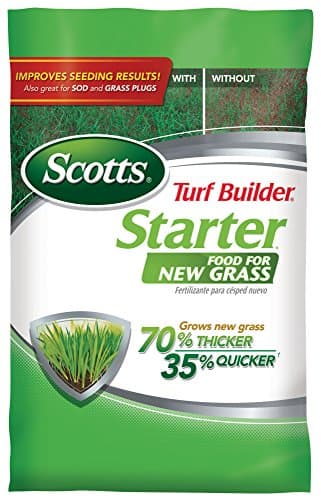
Scotts Turf Builder Starter Food for New Grass
A phosphorus-forward starter fertilizer that pushes root growth on newly seeded areas.
Soil and Maintenance Practices That Boost Drought Resistance
Improve Soil Structure and Organic Matter
Even the best drought-resistant grass types cannot perform well in concrete-like clay or beach-sand soil that drains in minutes. Over several seasons, you can noticeably change how your lawn holds water.
Key practices:
- Core aeration in fall every 1 to 3 years on compacted lawns, especially in clay. Removing 2 to 3 inch deep plugs reduces compaction and creates channels for roots and water.
- Topdressing with compost after aeration, at a rate of about 1/4 inch across the surface, helps increase organic matter and improve structure. On a 5,000 square foot lawn, that is roughly 3 to 4 cubic yards of compost.
- Mulch mowing grass clippings instead of bagging returns organic material and nutrients to the soil. Over time, this builds a healthier root zone.
Manage Thatch and Compaction
Moderate thatch (less than about 1/2 inch) is not a big problem, but thick thatch layers act like a dry sponge sitting on top of the soil, stealing water before it reaches roots. If you see:
- A spongy feel when you walk.
- A thatch layer thicker than 1/2 inch when you slice a wedge of turf.
Then plan for:
- Core aeration as your first tool, which naturally breaks thatch and mixes it with soil.
- Dethatching only if the layer is excessive and aeration alone will not correct it. Dethatching is more disruptive and is best done in early fall in Wisconsin so the lawn can recover.
Compaction issues show up where the lawn turns brown first in drought, even if your water coverage is good. The screwdriver test mentioned earlier is your go-to confirmation step. If you cannot push a screwdriver 6 inches in those brown-first areas but can in greener areas, compaction is part of the drought problem and aeration is the fix.
Watering Strategy for Drought-Resistant Grass Types
Having drought-resistant species does not mean "never water." It means you can:
- Stretch intervals between watering.
- Accept some summer dormancy without killing the lawn.
- Use water more efficiently.
For an established lawn with tall fescue and fine fescue in Wisconsin, a good in-season target is:
- 1 inch of water per week (from rain and irrigation combined) in normal summer conditions.
- Up to 1.5 inches per week in extended heat waves or on sandy soils.
Instead of a schedule like "20 minutes every other day," use a simple verification step:
- Place a few shallow containers (tuna cans work well) in the zone you are watering and time how long it takes to collect 0.5 inch of water. That is your run-time per deep watering.
- Water when the lawn shows early drought signs: a bluish-gray cast, leaves folding, and footprints that stay visible for more than a minute or two.
What Other Guides Miss
Most online answers to what type of grass is most resistant to drought in Wisconsin lawns focus only on the species name and skip the two big pieces that control whether that grass actually performs in your yard: soil and mowing height.
Three common misses to avoid:
- Ignoring soil type: Recommendations that do not distinguish between heavy clay and sand are incomplete. In clay, compaction and poor structure can make even tall fescue struggle. In sand, drought hits faster, so organic matter and deeper roots matter twice as much. Always pair grass choice with a plan for aeration and organic matter.
- Overlooking mowing height: Many guides show manicured, short lawns and then talk about drought resistance. For cool-season grasses in Wisconsin, mowing shorter than 2.5 inches consistently works directly against deep rooting. If you want drought resilience, 3 inches is a bare minimum, and 3.5 to 4 inches is better for tall and fine fescues.
- No confirmation tests: You often see "switch to tall fescue" with no mention of how to confirm what you currently have or whether your soil is the real issue. Before you spend on seed, do the screwdriver test for compaction and dig a small plug in a green spot and a brown-early spot during a dry spell. Comparing root depth and density in those plugs will tell you if species, soil, or both are the limiting factor.
Conclusion: Putting It All Together for a Drought-Resistant Wisconsin Lawn
Across thousands of Wisconsin lawns, the pattern holds: the yards that stay functional and recover fast after dry summers are built on the right cool-season grasses, planted in improving soil, and managed with higher mowing and smarter watering.
If you want to know what type of grass is most resistant to drought in Wisconsin lawns, turf-type tall fescue and fine fescues are your main tools. Use tall fescue as the backbone in sunny, active areas, fine fescues in lower-traffic and partially shaded zones, and Kentucky bluegrass as a supporting species for recovery and appearance. Then back that up with fall overseeding, core aeration where the soil fails the screwdriver test, mowing at 3 to 4 inches, and deep, infrequent watering.
If you are planning a full renovation or just want to tune up a tired yard, check out How to Overseed a Lawn in Wisconsin for specific seeding techniques and Best Time to Aerate Your Lawn in Wisconsin to line up aeration with your renovation plan. You do not need expensive equipment for this; what actually matters is choosing the right seed mix for your site and following a simple, consistent maintenance routine.
Free Lawn Care Tools
For cool-season lawns in Wisconsin, turf-type tall fescue and fine fescues (hard, sheep, and chewings fescue) are the most drought-resistant species. Tall fescue is best in sunny, higher-traffic areas, while fine fescues excel in low-input and partially shaded spots. Most homeowners get the best results with a mix that combines these grasses with some Kentucky bluegrass for recovery and appearance.
Yes, overseeding Kentucky bluegrass with turf-type tall fescue is a practical way to improve drought performance without a full renovation. Do it in late August to mid-September, mow to about 2.5 inches, core aerate compacted areas, and seed at 4 to 6 pounds of tall fescue per 1,000 square feet. Keep the seedbed lightly moist for 2 to 3 weeks until seedlings are established.
You will see initial improvements in 6 to 8 weeks as new seedlings fill in and begin rooting, but full drought resistance develops over one full growing season. Roots need time to reach 4 to 6 inches or deeper, especially in heavier soils. With proper mowing, watering, and fall fertilization, the lawn will handle the following summer's dry spells much better than the first.
Even drought-resistant grasses need some water to stay healthy. In a normal Wisconsin summer, aim for about 1 inch of water per week, including rainfall, applied in one or two deep soakings. In extended heat or sandy soils, you may need up to 1.5 inches, but always water based on early stress signs like a bluish tint and lingering footprints rather than a fixed calendar schedule.
Fine fescues are not ideal for heavy foot traffic or active play areas because they do not tolerate wear as well as tall fescue or Kentucky bluegrass. They are best in low-traffic sections, partial shade, or low-input lawns where minimal mowing and watering are goals. For busy yards, use turf-type tall fescue as the main species and reserve fine fescues for side yards or shaded corners.
The best time to plant drought-resistant cool-season grasses in Wisconsin is late August through mid-September. Soil temperatures are still warm for fast germination, while air temperatures are cooling and fall rains are more reliable. Spring seeding is possible, but new grass must face summer heat sooner, so fall planting gives you a more established, drought-resilient lawn by the following year.

Your lawn plan, in your pocket all season
Grass ID, a season plan, soil-timed reminders, and a lawn journal that remembers what you did. Free on iPhone.