
About Buffalo Grass
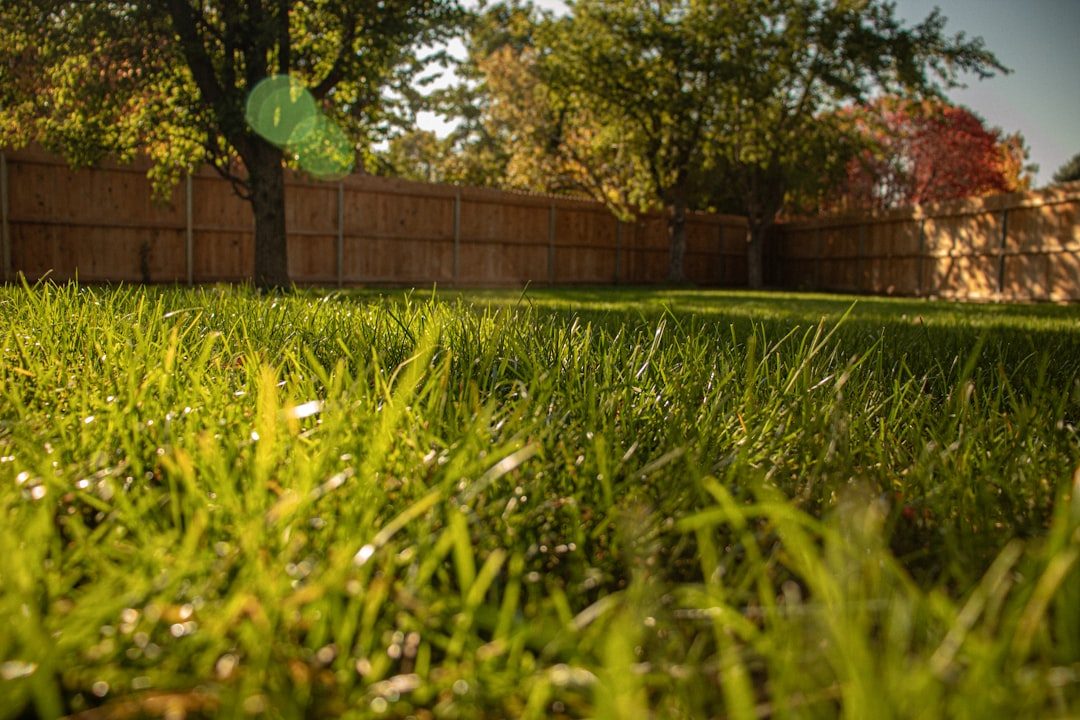
Buffalo grass (Bouteloua dactyloides, written buffalograss in university extension publications) is the only commonly used lawn grass that's actually native to North America. For thousands of years, it covered the Great Plains from Montana to Texas, surviving droughts, blizzards, prairie fires, and everything in between without any help from anyone. That toughness translates directly to your lawn, and it's why I recommend this grass to every homeowner in the Great Plains who wants a beautiful lawn without the constant work.
This is the grass for people who want a lawn they can basically ignore. I'm not exaggerating. Buffalograss needs almost no supplemental water, little to no fertilizer, and can be mowed as infrequently as once a month. Some homeowners don't mow it at all, letting it develop a natural prairie look that maxes out at about 4-6 inches. It's the ultimate low-input, eco-friendly lawn option, and in a world where water conservation and environmental impact matter more every year, Buffalograss is increasingly the smart choice.
But I want to be honest with you: Buffalograss requires a different mindset. If you're expecting a dark green, perfectly manicured carpet that stays green from March through November, this isn't your grass. Buffalo is gray-green during the growing season, goes dormant and tan for a longer stretch than most grasses, and has a looser, more natural appearance. It's beautiful in its own way, but it's a different kind of beautiful. You need to appreciate what it is rather than wishing it were Bermuda.
One naming note before we go further: in Australia, "buffalo grass" refers to a completely different species (Stenotaphrum secundatum, what Americans call St. Augustine grass). This guide covers the North American native prairie grass. If you're reading from Australia, our St. Augustine grass guide is the one you want.
Key Characteristics
- Blade width: Fine (1-2mm), soft and gently curling. Among the finest blades of any lawn grass
- Color: Blue-green to gray-green during the growing season, tan to straw-colored when dormant
- Growth habit: Spreading via stolons (above-ground runners), but slow and non-aggressive compared to Bermuda
- Texture: Soft and fine, genuinely pleasant to walk on barefoot. Kids and dogs love it
- Height: 4-6 inches when left unmowed, creating a natural meadow look. Self-limiting, meaning it stops growing at that height on its own
- Root depth: Moderate at 4-6 inches, but incredibly efficient at extracting every bit of available moisture from the soil
- Growth rate: Very slow. This is both a blessing (less mowing) and a challenge (slow to establish and recover from damage)
Why Choose Buffalograss?
If you live in the Great Plains or western states with alkaline soil and limited water, Buffalograss is an outstanding choice. It's also perfect if you want to reduce your environmental footprint: less water, less fertilizer, less gas for mowing, and typically no pesticides needed. I've worked with homeowners who cut their lawn care water usage by 80% by switching from Kentucky Bluegrass to Buffalograss. That's real savings, both for your wallet and for the aquifer.
The Honest Trade-offs
- Long dormancy: Buffalograss goes dormant earlier in fall and greens up later in spring than almost any other lawn grass. Depending on your location, you might have 5-6 months of tan lawn. Some homeowners love the golden winter color; others find it depressing
- Slow establishment: Getting a Buffalo lawn established takes patience. Expect 1-2 full growing seasons for complete coverage. During that time, weed control is a constant battle
- Shade intolerant: Buffalo needs full sun. In anything less than 8 hours of direct sunlight, it thins out and gets outcompeted by weeds and other grasses
- Low traffic tolerance: Buffalo doesn't hold up well to heavy, concentrated foot traffic. It recovers too slowly to handle the wear that Bermuda or KBG shrug off
- Weed vulnerability: Because Buffalo grows slowly and isn't very dense, aggressive weeds (especially Bermudagrass) can invade and take over if you're not vigilant
- Not for humid climates: If you're east of the Mississippi or in an area with more than 30 inches of annual rainfall, Buffalo will be outcompeted by more aggressive grasses
What Does Buffalo Grass Look Like? How to Identify It
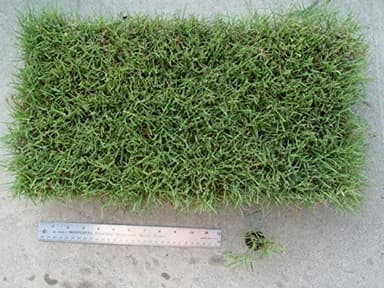
What Buffalograss looks like
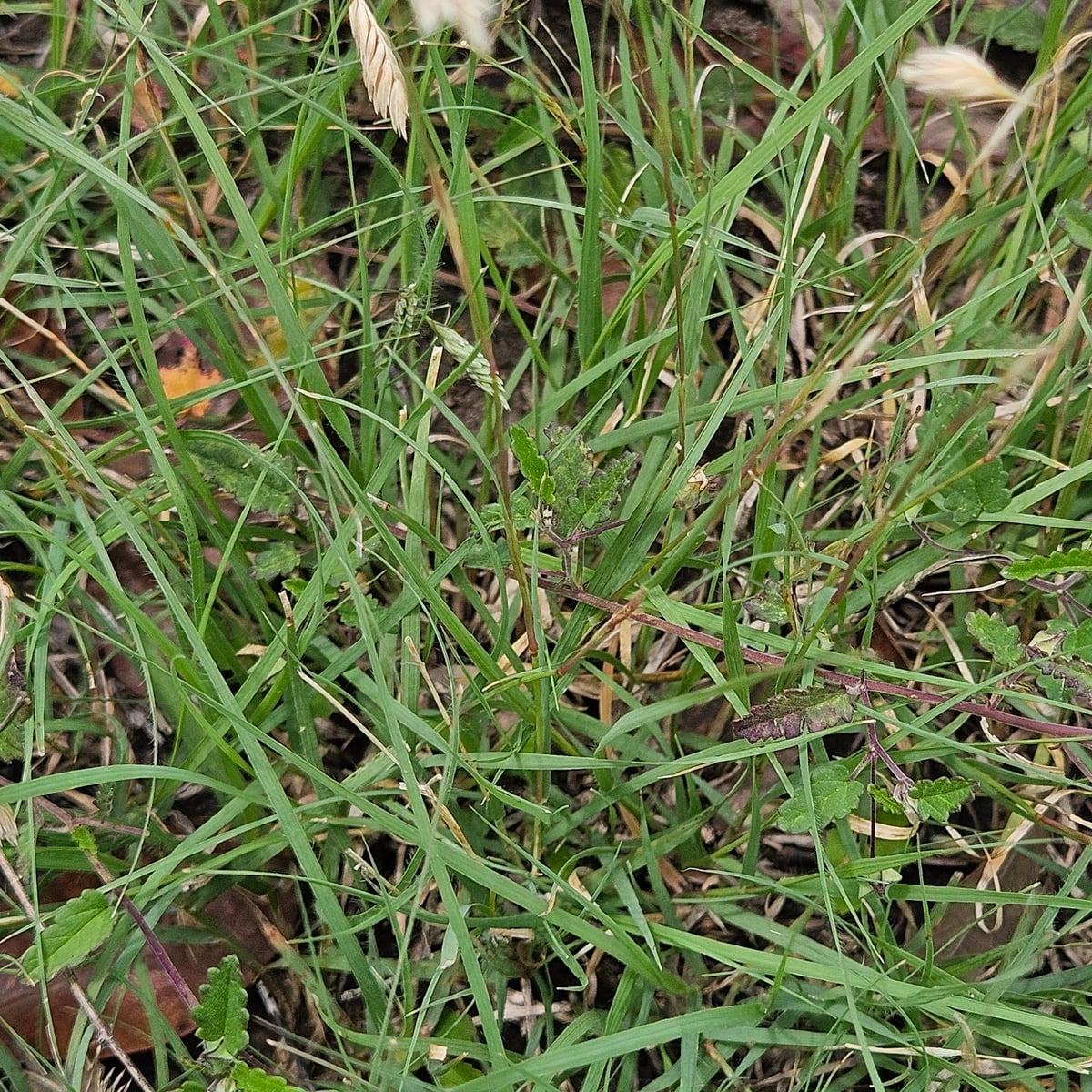
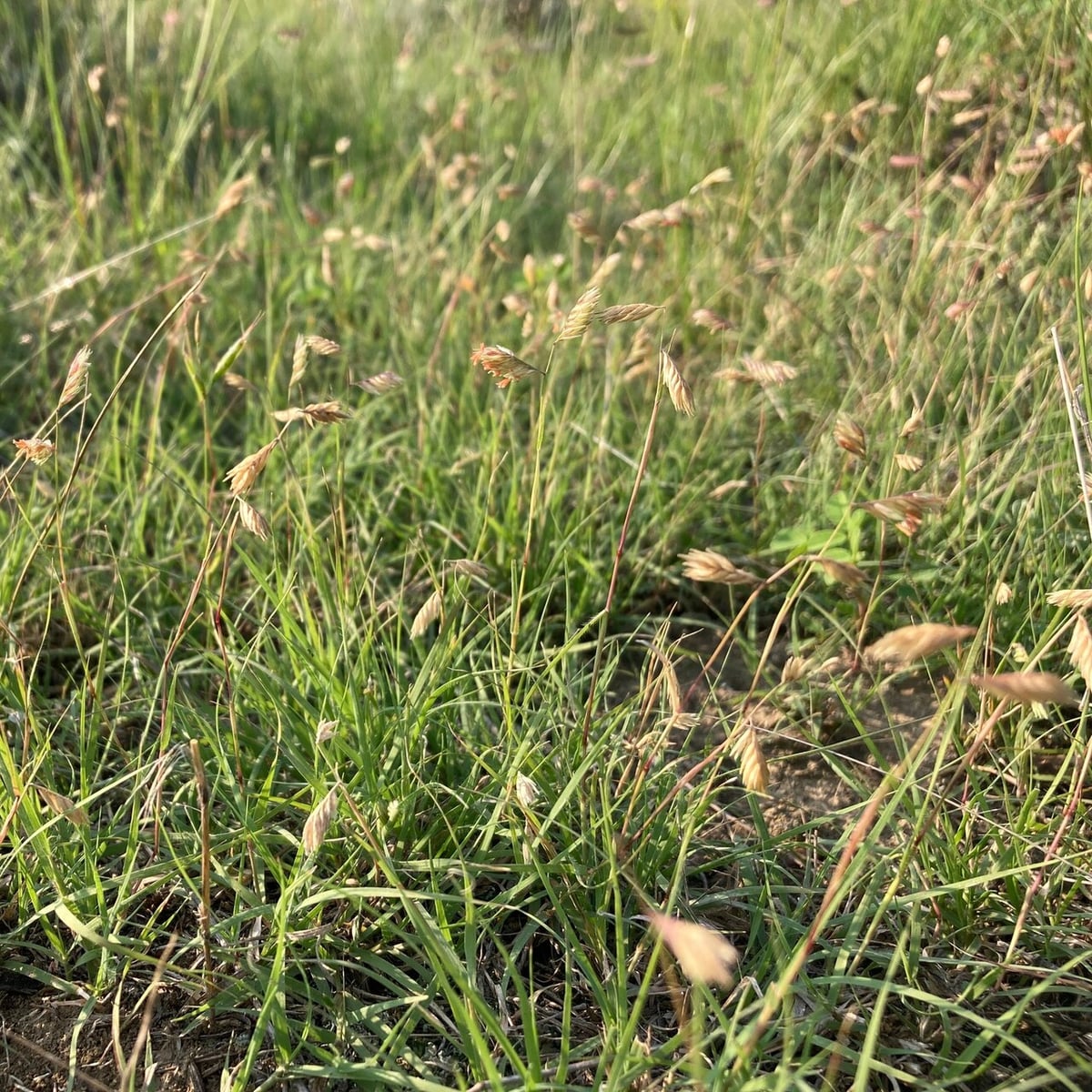
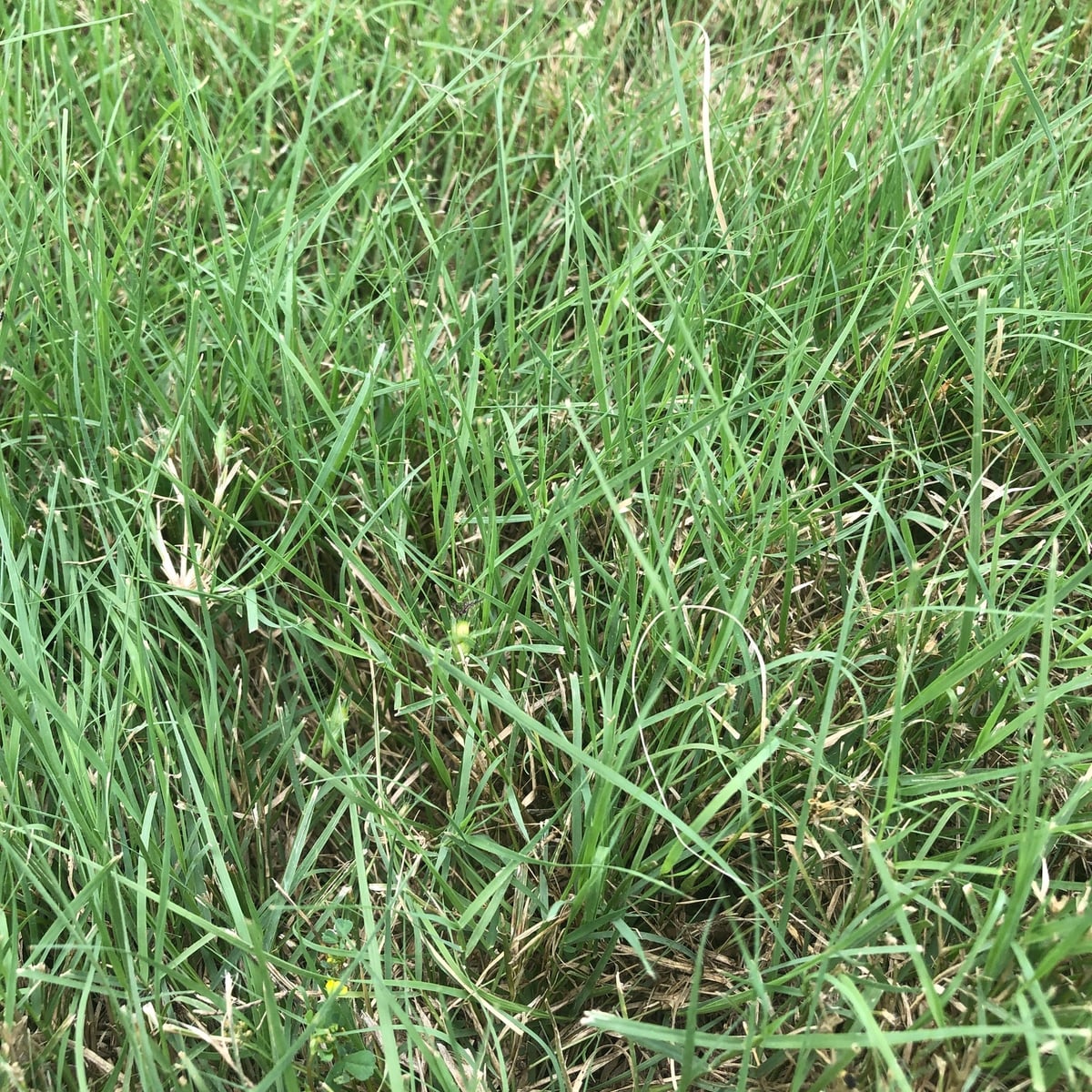
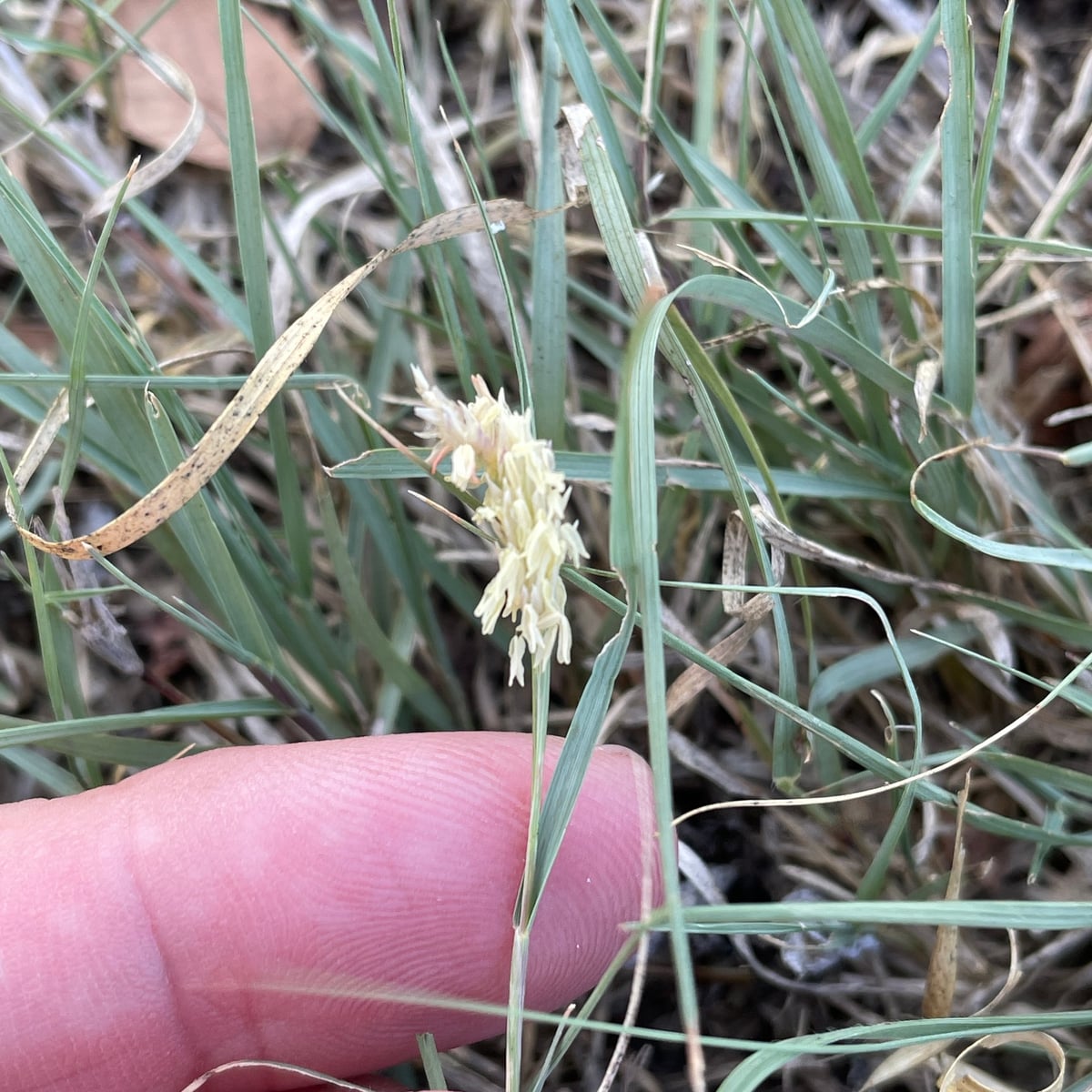
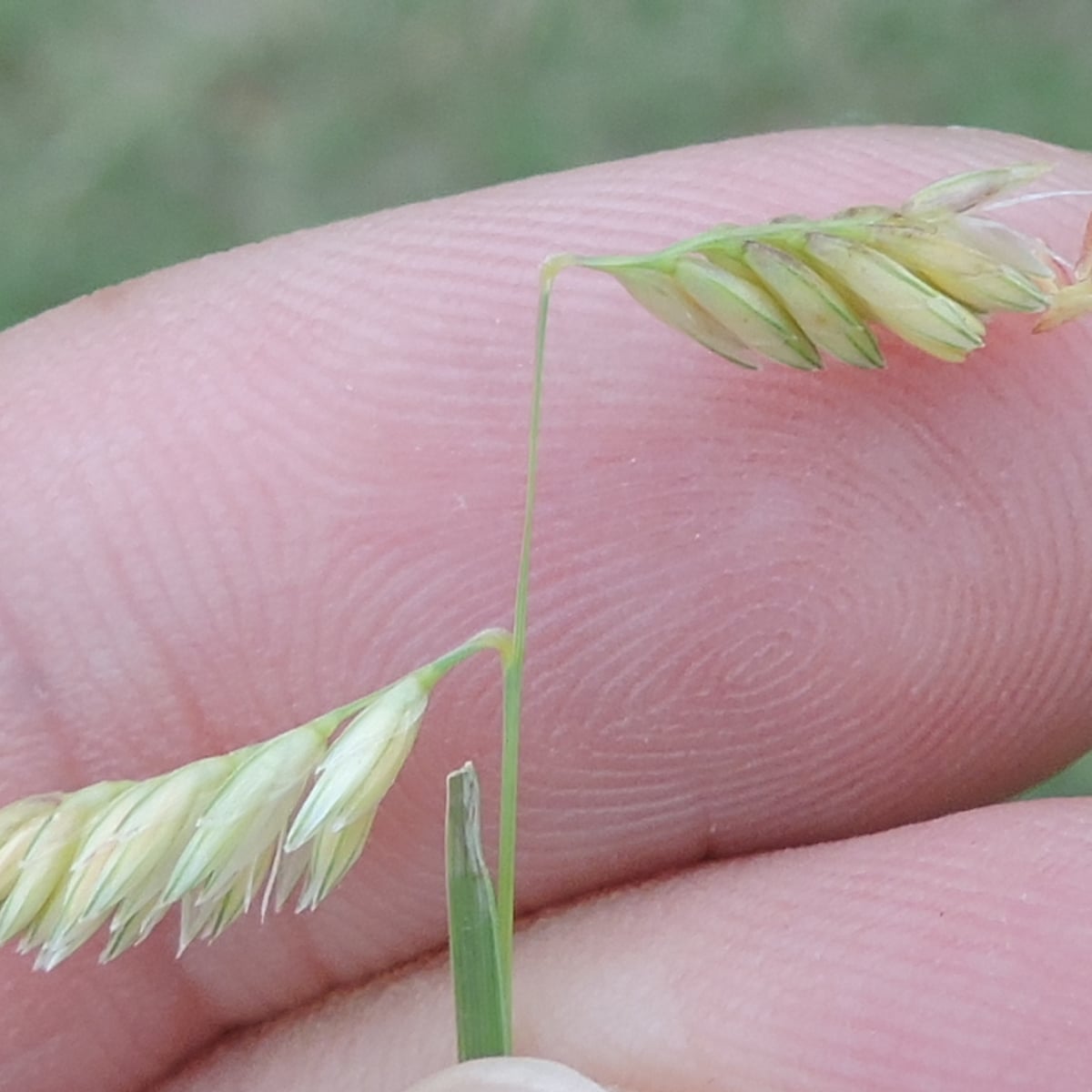
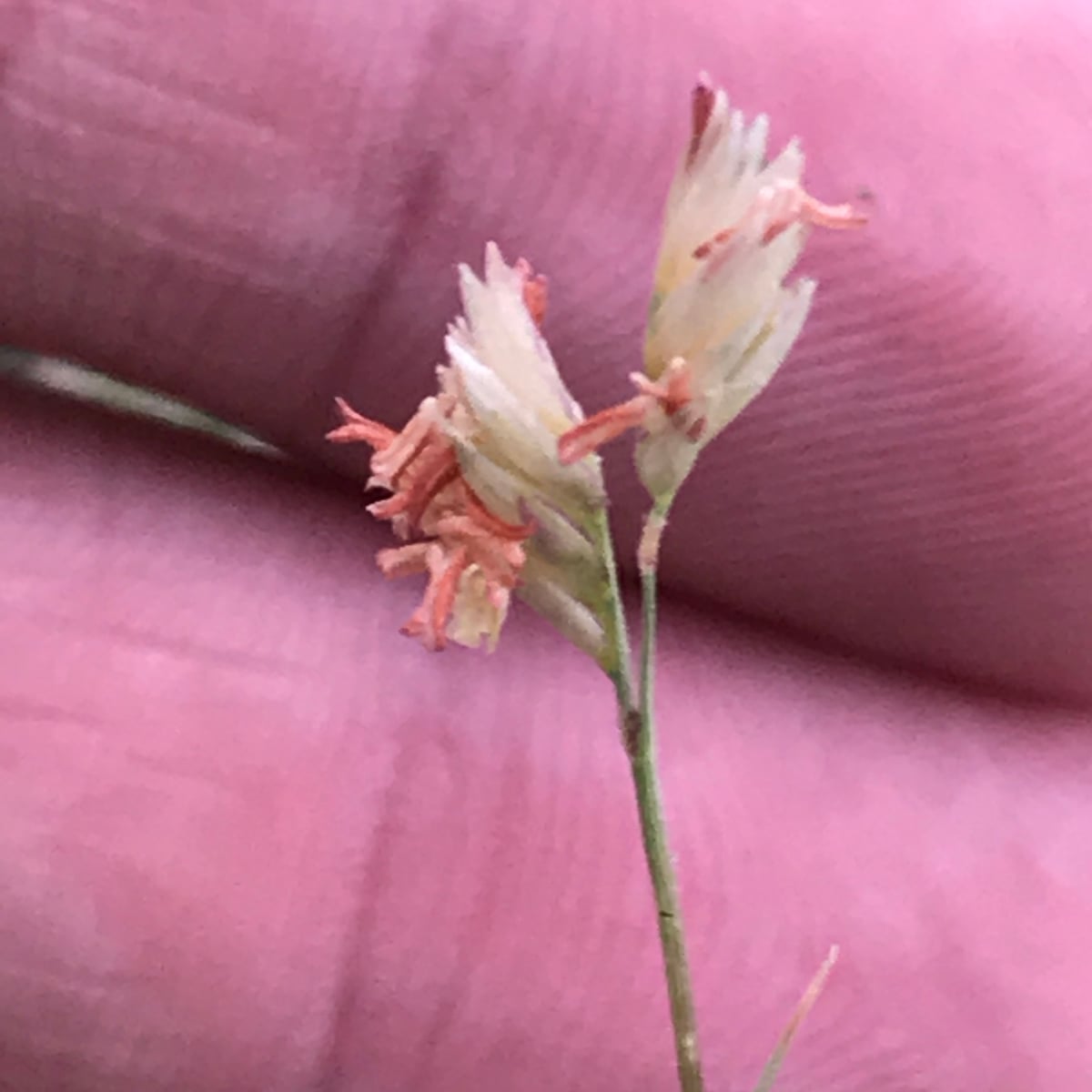
Buffalo grass has a distinctive look that sets it apart from other lawn grasses, but it can be confused with a few similar species if you don't know what to look for. Here's how to tell if what you're growing is actually Buffalo.
The Softness Test (The Easiest Way)
Run your hand across the lawn. Buffalograss feels genuinely soft, almost like brushing your hand across a plush carpet. Bermudagrass, which is the most common look-alike, feels wiry and slightly prickly. Blue grama, another native grass, feels stiffer. If the grass is soft, fine-textured, and gray-green, you're almost certainly looking at Buffalo grass.
The Blade Test
Pull a single blade and examine it closely. Buffalograss blades are very fine (1-2mm wide), slightly curly, and have a distinct blue-green to gray-green color. The blade surface has fine hairs visible with close inspection. The tip is pointed but soft, not sharp like Bermuda. If you fold the blade, it feels flexible and soft rather than stiff and springy.
The Stolon Test
Look at the base of the plants. Buffalograss spreads via above-ground stolons, but they're noticeably less aggressive than Bermuda stolons. Buffalo stolons are thinner, lighter in color, and tend to creep along the ground slowly rather than racing across it. If you see aggressive, thick runners traveling several feet in a single season, that's Bermuda, not Buffalo.
Seed Head Identification
Buffalograss is dioecious, meaning individual plants are either male or female. This is unusual for a lawn grass, and the seed heads look completely different depending on the sex of the plant.
- Female plants: Produce small, bur-like seed heads nestled close to the ground among the leaves. These are small (about 1/4 inch) and easy to miss unless you look closely. The burs can sometimes be felt when walking barefoot
- Male plants: Produce thin flag-like seed heads on stalks that rise 3-6 inches above the canopy. These are more visible and can give the lawn a slightly hazy appearance when abundant
- Improved varieties: Many named cultivars (like Prestige and UC Verde) are all-female selections that don't produce the visible male seed heads, giving the lawn a cleaner appearance
Growth Pattern
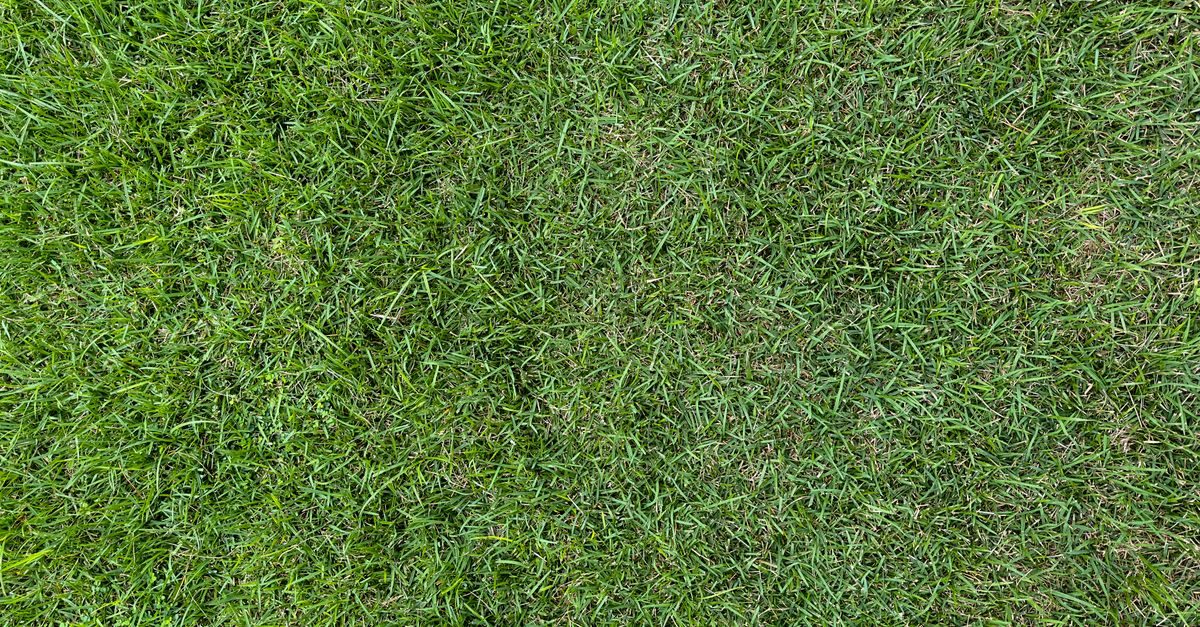
Buffalograss grows in a soft, billowy pattern that looks very different from the tight, manicured appearance of Bermuda or Zoysia. When mowed, it creates a fine-textured, even turf with a grayish cast. When left unmowed, it develops a natural prairie aesthetic with gentle waves in the breeze. The overall impression is natural and relaxed, not formal.
Buffalo vs. Common Look-alikes
- Bermudagrass: The most common confusion. Bermuda is wiry and stiff; Buffalo is soft. Bermuda is vivid green; Buffalo is gray-green. Bermuda spreads aggressively; Buffalo spreads slowly. Bermuda has both stolons and rhizomes; Buffalo has only stolons
- Blue grama: Another native grass that sometimes grows alongside Buffalo. Blue grama has distinctive eyelash-like seed heads and grows in clumps (bunch-type) rather than spreading via stolons. The two are often found in the same prairie habitats
- Fine fescue: Similar fine texture, but fine fescue is a cool-season bunch grass with a different growth pattern and darker green color. Fine fescue stays green through winter when Buffalo would be dormant
Want confirmation? Upload a photo to our free grass identifier for an instant analysis.
Best Zones & Climate
Buffalo grass is perfectly adapted to the semi-arid climate of the Great Plains, performing best in USDA Zones 5-8. This grass evolved in one of the harshest climates on the continent: blistering summers, brutal winters, minimal rainfall, and relentless wind. If your climate is anything like that, Buffalo will feel right at home.
Ideal Climate Conditions
- Air temperature: 80-95°F for peak growth. Buffalo loves hot summers, which makes sense given its prairie origins
- Soil temperature: 65°F+ for active growth. Buffalo is one of the last warm-season grasses to green up in spring, typically 2-3 weeks after Bermuda in the same area
- Heat tolerance: Excellent. Evolved for hot, dry summers where temperatures routinely exceed 100°F
- Cold tolerance: Excellent for a warm-season grass. Buffalo handles temperatures well into the teens and below, surviving winters that would kill Bermuda. Some varieties handle temps down to -20°F while dormant
- Drought tolerance: Outstanding. Can survive on as little as 12 inches of rainfall per year. For perspective, most lawn grasses need 25-40 inches. Buffalo survives on roughly half of what even drought-tolerant Bermuda needs
Where Buffalograss Thrives
The Great Plains states are Buffalo country: Kansas, Nebraska, Oklahoma, the Texas panhandle, Colorado's eastern plains, South Dakota, and eastern Montana and Wyoming. These areas share the conditions Buffalo evolved in: hot summers, cold winters, 15-25 inches of annual rainfall, alkaline clay soils, and lots of sunshine.
Buffalo also works well in parts of the Southwest with alkaline soil, including New Mexico, western Texas, and parts of Arizona at higher elevations. Anywhere the annual rainfall is 12-30 inches and the soil is neutral to alkaline is potential Buffalo territory.
Where Buffalograss Struggles
Humid Climates
Buffalo does not do well in humid climates like the Southeast. The combination of high humidity, heavy rainfall, and warm temperatures favors faster-growing, more aggressive grasses that outcompete Buffalo for space and light. If you're in Alabama, Georgia, or the Carolinas, look at Bermuda, Zoysia, or Bahia instead.
High-Rainfall Areas
If your area receives more than 30 inches of annual rainfall, Buffalograss will struggle. It sounds counterintuitive, but more water actually hurts Buffalo by promoting the growth of competing grasses (especially Bermuda and crabgrass) that grow faster and steal Buffalo's sunlight. Buffalo wins the survival game in dry conditions. Take away that advantage and it loses to more aggressive species.
Shade
Buffalo needs full sun, and I mean genuinely full sun. A minimum of 8 hours of direct sunlight per day. Even 6 hours of sun produces noticeably thinner turf. Under trees, on the north side of buildings, or in any situation with significant shade, Buffalo will thin out, get weedy, and eventually disappear. There is no shade-tolerant Buffalograss variety, despite what some marketing materials claim.
Acidic Soils
Buffalo evolved in alkaline prairie soils with a pH of 6.5-8.0. If your soil is acidic (below 6.0), which is common in the eastern United States and Pacific Northwest, Buffalo will perform poorly. Don't try to fight your soil chemistry. Choose a grass that matches your natural conditions.
The Transition Zone Question
Buffalograss can work in the western transition zone (Kansas, Oklahoma, north Texas) where conditions overlap with its native range. In the eastern transition zone (Missouri, Tennessee, Kentucky), it's generally not a good choice because rainfall is too high and humidity promotes competing grasses. If you're in a borderline area, check your annual rainfall and soil pH before committing. Under 25 inches of rain and pH above 6.5? Buffalo can work. Over 30 inches and acidic soil? Look elsewhere.
Soil Preparation & pH
Buffalograss has the most unusual soil preference of any lawn grass: it actually prefers the alkaline, heavy clay conditions that make most homeowners despair. If you've been fighting your clay soil for years trying to grow Kentucky Bluegrass or Tall Fescue, Buffalograss might be your answer. Instead of fighting your soil, you'd be working with it.
Ideal Soil Conditions for Buffalograss
- pH range: 6.5-8.0 (neutral to alkaline). This is the opposite of what most grasses want. While Kentucky Bluegrass prefers 6.0-7.0 and Bermuda likes 6.0-6.5, Buffalo is happiest in the 7.0-8.0 range that most lawn grasses would consider too high
- Soil type: Clay and clay-loam soils are ideal. Buffalograss evolved in the heavy prairie soils of the Great Plains, and its root system is specifically adapted to extract moisture and nutrients from dense clay
- Drainage: Moderate. Buffalo tolerates heavier soils that other grasses can't handle, but it doesn't like persistent standing water. Brief pooling after heavy rain is fine; perpetual wetness is not
- Organic matter: Low to moderate is fine. Prairie soils naturally have 2-4% organic matter, and Buffalo is adapted to those levels. You don't need to add compost
Why This Matters for Your Lawn
If you live in an area with alkaline, clay soil (common throughout the Great Plains, from north Texas to the Dakotas), you've probably struggled to grow traditional lawn grasses. I talk to homeowners in Kansas and Oklahoma all the time who've spent years and thousands of dollars trying to keep Kentucky Bluegrass or Tall Fescue alive in soil with a pH of 7.8 and heavy clay. They amend the soil, they water constantly, they fertilize aggressively, and the grass still struggles because it's fundamentally wrong for those conditions.
Buffalograss flips that equation. Your "problem" soil is exactly what this grass wants. Don't try to amend your soil to lower the pH or lighten the clay. You'd be spending money to create conditions that are actually worse for Buffalo.
Soil Testing
Before planting Buffalograss, get a soil test from your local extension office ($15-25). You're primarily checking two things: pH and the presence of any existing Bermudagrass rhizomes in the soil (more on that in the weed control section). If your pH is between 6.5 and 8.0 and your annual rainfall is under 30 inches, you're in excellent Buffalo territory.
The soil test will also reveal nutrient levels, but honestly, Buffalograss needs so little fertility that deficiencies rarely matter. The main value of the test is confirming your pH is in the right range.
Soil Preparation for New Lawns
Minimal preparation is usually needed for Buffalograss, but there are a few critical steps that make the difference between success and frustration.
Step 1: Eliminate Existing Vegetation
This is the single most important step, and it's where most failures happen. Buffalograss grows so slowly that any existing weeds or aggressive grasses will overwhelm it before it establishes. Bermudagrass is the biggest threat. If there's any Bermuda in the area, it must be completely eliminated before planting Buffalo.
- Apply glyphosate to all existing vegetation and wait 2 weeks for it to fully die
- If Bermudagrass is present, you may need 2-3 glyphosate applications over 6-8 weeks. Bermuda is tenacious and will regrow from any surviving rhizome
- Water the area between applications to encourage Bermuda regrowth so the next application can kill it
Step 2: Light Soil Work
Once vegetation is dead, lightly till or rake the top 1-2 inches to create a smooth seedbed. Don't deep-till clay soil. Deep tilling destroys the natural soil structure that Buffalo's roots are adapted to, and it can bring buried weed seeds to the surface. A light surface preparation is all you need.
Step 3: Grade and Firm
Ensure the surface drains away from buildings and doesn't have any low spots where water would pool. Roll lightly with a lawn roller to create a firm seedbed. Buffalo seed needs good soil contact to germinate, and a too-loose, fluffy seedbed will dry out quickly and leave seeds stranded.
What NOT to Do
- Don't add topsoil or compost over clay. You'll create a layering problem where roots struggle to transition between the amended layer and the native clay beneath
- Don't add sand to clay soil. Despite the persistent myth, adding sand to clay creates something close to concrete, not better soil
- Don't try to lower your soil pH. Buffalo wants alkaline conditions
Recommended Products
- 1Check price
 Top pick
Espoma Organic Lightning Lime (Fast-Acting Pelletized Lime)
Fast-acting pelletized lime for low-pH lawns when a soil test confirms you need to raise pH before fertilizing harder. Covers up to 5,000 sq ft.
- 2Check price
 Best value
GS Plant Foods Liquid Humic Acid
Leonardite-derived humic acid that improves soil structure and nutrient availability. OMRI listed, 1 gallon.
As an Amazon Associate we earn from qualifying purchases.
Fertilizer Program
Here's where Buffalograss is truly remarkable: it needs almost no fertilizer. In fact, applying too much fertilizer is one of the worst things you can do to a Buffalo lawn, and I see this mistake constantly. Homeowners who switch from Bermuda or KBG bring their old fertilizer habits with them and proceed to create the exact conditions that cause their Buffalo lawn to fail. More fertilizer does not equal a better Buffalo lawn. It equals a weedy, thin, disappointing Buffalo lawn.
Annual Fertilizer Requirements
- Nitrogen: 0-1 lb per 1,000 sq ft per year. Yes, zero is genuinely an option. Many Buffalo lawns do perfectly fine with no supplemental nitrogen at all
- Phosphorus: Based on soil test only. Usually not needed. Most prairie soils have adequate phosphorus
- Potassium: Based on soil test only. Usually not needed. Clay soils retain potassium well
Compare this to Kentucky Bluegrass at 3-4 lbs N per year or Bermuda at 3-5 lbs. Buffalo needs a fraction of the input, which translates directly to less money, less time, and less environmental impact.
Fertilizer Schedule
Option 1: No Fertilizer (Yes, Really)
In many areas, Buffalograss does perfectly fine with no supplemental fertilizer at all. If your lawn looks healthy and reasonably green during the growing season (remember, "green" for Buffalo is gray-green, not the dark green of fertilized Bermuda), leave it alone. The grass evolved to thrive in nutrient-poor prairie soils. Adding fertility is doing something it doesn't need and didn't ask for.
I have clients in Kansas and Nebraska whose Buffalo lawns have gone 5+ years without any fertilizer application and look great. The grass gets what it needs from natural soil processes, clipping decomposition, and whatever nutrients rainwater delivers.
Option 2: Light Annual Application
If you want a slightly denser, greener lawn (and there's nothing wrong with wanting that), apply 0.5-1 lb N per 1,000 sq ft once per year in late spring, typically June, when the grass is fully green and actively growing. Use a slow-release formula so the nitrogen trickles out over weeks rather than hitting the lawn all at once. That single application is your entire fertilizer program for the year.
Timing Is Everything
If you do fertilize, the timing of that single application matters more than the amount. Here's what to know:
- Wait until Buffalo is fully green. In most of its range, that means June. Buffalo is one of the last grasses to green up in spring (often 2-3 weeks behind Bermuda), and fertilizing before it's active feeds weeds, not your lawn
- Never fertilize in early spring. A March or April nitrogen application on dormant Buffalo is essentially a weed fertilizer. The weeds are awake and your grass isn't
- Never fertilize in fall. Buffalo is winding down for dormancy and can't use the nutrients. You're just feeding cool-season weeds that are entering their peak growth period
What NOT to Do
- Do not apply more than 1 lb N per 1,000 sq ft per year. Excess nitrogen encourages competing grasses (especially Bermuda and crabgrass) to invade. These fast-growing species respond to fertilizer much more aggressively than Buffalo does, and they'll use that extra nitrogen to outcompete your Buffalo for light and space
- Do not use "weed and feed" products. The nitrogen content is almost always too high for Buffalo, and the herbicide component may not be labeled for use on Buffalograss
- Do not apply quick-release nitrogen. A sudden surge of readily available nitrogen promotes a flush of growth from weeds and competing grasses. Slow-release is always the right choice for Buffalo
- Do not follow your Bermuda-loving neighbor's fertilizer schedule. What works for Bermuda is actively harmful to a Buffalo lawn. Bermuda wants 3-5 lbs N per year; Buffalo wants 0-1 lb. These are fundamentally different grasses with fundamentally different needs
Iron as an Alternative
If you want your Buffalo to look a little greener without the risks of nitrogen fertilization, chelated iron applied as a foliar spray can deepen the color slightly without promoting growth. Apply at 2 oz per 1,000 sq ft during the growing season. Don't expect dramatic results. Buffalo is naturally gray-green, and iron won't turn it into Bermuda-green. But it can provide a subtle improvement that some homeowners appreciate.
Recommended Products
- 1Check price
 Top pick
Milorganite 6-4-0 (32 lb)
Lower-nitrogen, slow-release option that is a better fit for centipede and other lawns that burn easily with aggressive feeding.
- 2Check price
 Best value
The Andersons PGF Complete 16-4-8
Balanced slow-release fertilizer for established lawns that need steady feeding without a quick flush of top growth.
As an Amazon Associate we earn from qualifying purchases.
Month-by-Month Care Calendar
Buffalograss has the simplest care calendar of any lawn grass. Most months, the best thing you can do is nothing. I realize that's hard for lawn care enthusiasts to hear, but with Buffalo, restraint is the skill you need to develop. Doing too much is far more damaging than doing too little.
Winter (November to March)
Buffalograss is dormant and tan or straw-colored. This is completely normal. The dormant period is longer than most warm-season grasses, often 5-6 months depending on your location. In Kansas, Buffalo might not green up until late May, meaning you could have 6 months of dormancy. This is the trade-off for a grass that needs almost no maintenance during the growing season.
- No action needed. Don't mow, don't fertilize, don't water
- Minimal foot traffic is best since dormant Buffalo is slow to recover from physical damage
- The golden-tan winter color is actually attractive in its own right, especially with frost or light snow on it. Many homeowners come to appreciate the seasonal change
- Use this time to sharpen mower blades, plan for spring weed control, and inspect for any bare areas that might need attention
Early Spring (April to May)
This is the danger zone for Buffalo owners, because the temptation to "do something" is strongest right now. Resist it.
- Buffalograss is one of the last grasses to green up. While your neighbor's Bermuda is turning green in April, your Buffalo may stay brown well into May. Be patient. This is completely normal
- Apply pre-emergent herbicide if crabgrass or Bermuda invasion has been a problem. Prodiamine (Barricade) works well and is safe on established Buffalo. Apply when soil temperature reaches 55°F for 3 consecutive days
- Do not fertilize. The grass isn't awake yet, and any nitrogen you apply feeds weeds exclusively
- Do not water to "wake it up." Buffalo greens up on its own schedule when soil temperatures are warm enough. Adding water just encourages competing species
- Hand-pull any winter annual weeds that are going to seed before your Buffalo wakes up
Late Spring (June)
Buffalo enters active growth, and this is your window for the few maintenance tasks it actually needs.
- Once fully green, apply your sole fertilizer application for the year if desired (0.5-1 lb N per 1,000 sq ft, slow-release). Or skip it entirely
- Begin mowing if you prefer a maintained look. Set height to 2-3 inches
- Spot-treat any broadleaf weeds that emerged during spring with a selective herbicide (2,4-D is safe on established Buffalo)
- Check for Bermudagrass invasion and address it immediately. Bermuda is most visible now as it starts its aggressive summer growth
Summer (July to August)
Peak growing season. Buffalo is at its best right now.
- Mow every 2-4 weeks if maintaining a mowed lawn. Buffalo grows so slowly that monthly mowing is sufficient for many lawns
- If leaving unmowed, the grass maxes out at 4-6 inches and stops, creating a natural prairie appearance
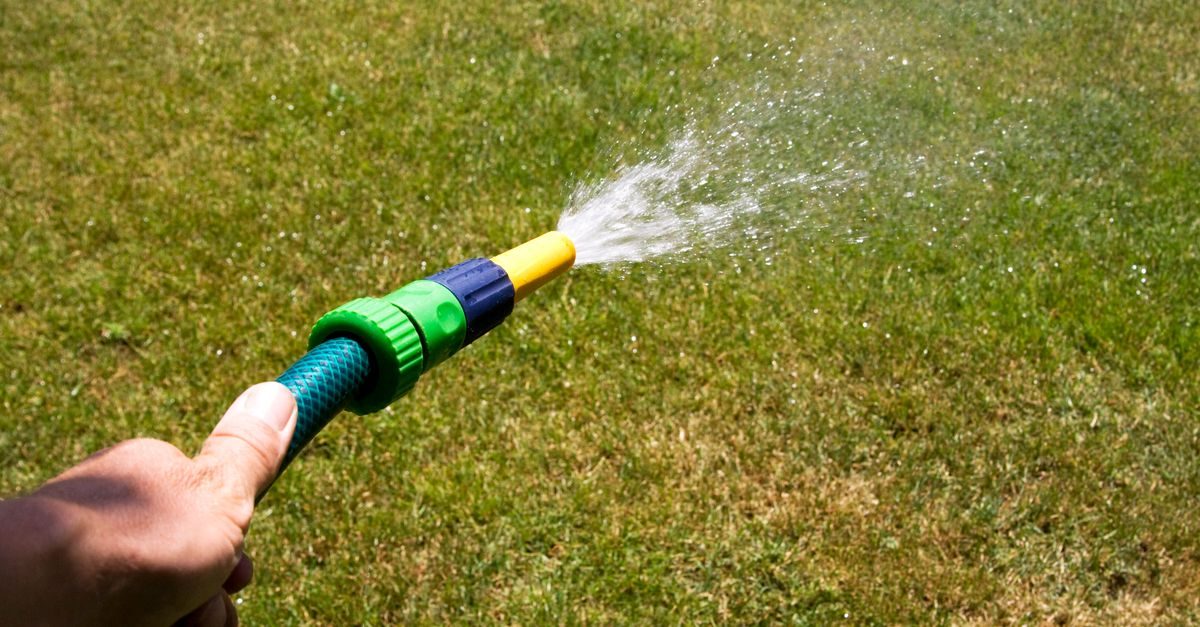
- Water only during extreme drought. If temperatures exceed 100°F for extended periods and the grass is showing severe stress, a deep watering every 2-3 weeks is sufficient. Otherwise, let natural rainfall do the work
- Watch for competing grasses trying to invade, especially Bermuda. Address invasions immediately while they're small
- Enjoy the fact that you're spending a fraction of the time and money on your lawn compared to everyone around you
Early Fall (September to October)
- Growth slows as days get shorter and temperatures cool
- Final mow of the season if desired. Buffalograss doesn't need a specific final mowing height like KBG does, since snow mold isn't a concern for this grass
- Buffalo begins transitioning to dormancy. You'll notice the color shifting from gray-green to tan, starting at the tips
- Do not fertilize. The grass is winding down and can't use the nutrients
- If you're planning to overseed any bare spots, the window has closed. Wait until next June
Late Fall (November)
- Buffalo is fully dormant or nearly so in most locations
- No action needed. Leave the lawn alone and let it rest
- Remove any fallen leaves if they're thick enough to smother the turf, but a light leaf covering is not a problem
Mowing Guide
Buffalograss gives you a choice that no other lawn grass does: you can mow it for a traditional lawn look, or you can leave it completely unmowed for a natural prairie appearance. Both approaches are completely valid, and many homeowners actually combine them, mowing the front yard for a manicured look and leaving the backyard natural. It's one of the things I love about this grass.
Mowed Lawn Approach
- Height: 2-3 inches. This creates a fine-textured, even turf with a soft, gray-green color
- Frequency: Every 2-4 weeks during the growing season (June through September). Buffalo grows incredibly slowly. Where Bermuda might need mowing every 5-7 days, Buffalo is fine at every 14-28 days
- Annual mowings: You're looking at roughly 8-12 total mowings per year. Compare that to 25-30 for Bermuda or 20-25 for KBG
No-Mow / Prairie Approach
- Height: Buffalo reaches 4-6 inches naturally and stops growing. It's self-limiting, which means it won't turn into a jungle
- Mowing: Once or twice per year at most. A spring cleanup mow in June (to remove dead material from winter) and an optional mid-season mow in August if you want to tidy things up
- Result: A flowing, natural prairie look that ripples in the wind. It genuinely looks beautiful, especially on larger properties where the meadow aesthetic works naturally
Why Height Matters
If you choose to mow, staying in the 2-3 inch range is important. Cutting Buffalo below 2 inches stresses the grass and encourages weed invasion because you're removing the leaf area the grass needs for photosynthesis. Buffalo doesn't have the aggressive regrowth ability of Bermuda, so a scalped Buffalo lawn may take weeks to recover, giving weeds a wide-open window to move in.
On the other end, there's no penalty for letting it grow taller. Buffalo self-limits at 4-6 inches, so you're not risking an overgrown mess by going a month without mowing.
The 1/3 Rule
Never remove more than 1/3 of the blade height in a single mowing. If your target is 3 inches, mow when the grass reaches about 4.5 inches. Because Buffalo grows so slowly, you'll almost never violate this rule with monthly mowing. However, if you skip two months and the grass reaches its full 6-inch height, you'll need to bring it down in stages rather than cutting from 6 inches to 3 inches in one pass.
Mowing Tips
- A standard rotary mower works fine at 2-3 inches. No special equipment needed
- Clipping management: Because you mow infrequently, clippings may be heavier than what you're used to. If they clump visibly on top of the lawn, bag them or rake them. Otherwise, mulch them in place. They decompose quickly and return nutrients to the soil
- Sharpen blades before the season. With only 8-12 mowings per year, one sharpening per season is usually sufficient
- Mow when dry for a cleaner cut. Buffalo's fine blades tend to bend over when wet, resulting in an uneven cut
- Alternate direction each mowing to prevent the grass from developing a "grain" that leans one way
The Environmental Perspective
Here's a number that might surprise you: the average American spends 40-70 hours per year mowing their lawn. With Buffalograss at monthly mowing intervals, you're looking at maybe 8-15 hours per year, depending on lawn size. That's 75% less time, 75% less gasoline, and 75% less emissions. If you go with the no-mow approach, those numbers drop to nearly zero. For homeowners who chose Buffalo partly for environmental reasons, this is a major part of the value proposition.
Watering Schedule
Buffalograss evolved to survive on the rainfall of the Great Plains, which averages 15-25 inches per year. For context, that's about half of what most lawn grasses need and roughly one-third of what Kentucky Bluegrass demands. This is the most drought-tolerant lawn grass available, period. And the watering strategy reflects that: the best thing you can do is mostly leave it alone.
Weekly Water Requirements
- Spring: 0.25-0.5 inch per week (or nothing if it rains)
- Summer: 0.5-0.75 inch per week (or nothing in a normal rainfall year)
- Fall: 0.25-0.5 inch per week (or nothing)
- Winter: None. The grass is dormant
Notice a pattern? "Or nothing" is a valid answer for every season. In most of Buffalo's native range, natural rainfall alone is sufficient to keep the lawn alive and reasonably attractive. Supplemental irrigation is truly optional, not just low priority.
The "Don't Water" Philosophy
The best approach with Buffalograss is to not water at all unless you see severe drought stress. I know this goes against everything you've been told about lawn care, but it's genuinely the right strategy for this grass. Here's why:
- Buffalo doesn't need it. The root system is specifically adapted to extract moisture from dry soil. Regular irrigation gives it water it can't even use efficiently
- Irrigation promotes invasion. Supplemental water creates favorable conditions for Bermudagrass and crabgrass, which are the two biggest threats to a Buffalo lawn. Bermuda especially loves consistent moisture and will aggressively invade an irrigated Buffalo lawn
- Natural stress tolerance improves without irrigation. Unirrigated Buffalo develops deeper roots and better drought adaptation than irrigated Buffalo. You're actually making the grass tougher by not watering it
Drought Response: What to Expect
During severe drought, Buffalograss goes dormant and turns tan. This is a survival mechanism, not death. The grass is essentially hibernating, shutting down above-ground growth to conserve water for the crown and root system. Once moisture returns (whether from rain or irrigation), it greens back up within 1-2 weeks.
Buffalograss can survive 6-8 weeks of complete drought without permanent damage, which is longer than any other common lawn grass. I've documented Buffalo lawns in western Kansas that survived 8+ weeks without rainfall during a severe summer drought and recovered fully with the September rains. Bermuda would have suffered significant loss in those same conditions. KBG would have been destroyed.
When You Should Actually Water
There are situations where even Buffalo needs help:
- Extreme heat plus drought: If temperatures exceed 100°F for an extended period (2+ weeks) AND there's been no rainfall, a deep watering every 2-3 weeks prevents the grass from going fully dormant. This keeps the lawn green and active rather than letting it go tan
- During establishment: Newly seeded or sodded Buffalo needs consistent moisture until roots are established, typically 4-6 weeks. After that, start backing off irrigation immediately to train deep roots
- Recovery from damage: If the lawn has been damaged by traffic, pests, or other factors, light irrigation can speed recovery. But only temporarily
How to Water (When You Must)
If you do need to water, make it count:
- Deep and infrequent: Apply 0.5-0.75 inches in a single session, enough to wet the soil 4-6 inches deep. Then don't water again for 2-3 weeks
- Early morning: Water between 4 AM and 8 AM to minimize evaporation and allow blades to dry quickly
- Clay soil adjustment: Buffalo typically grows in clay, which absorbs water slowly. Run your sprinklers in 2-3 short cycles with 30-minute breaks between cycles to prevent runoff. For example, three 15-minute cycles rather than one 45-minute session
Common Watering Mistakes
- Putting Buffalo on an automatic irrigation schedule. This is the number one mistake I see. Fixed daily or every-other-day watering keeps the soil surface constantly moist, which promotes Bermuda invasion, encourages shallow roots, and wastes enormous amounts of water on a grass that doesn't need it
- Watering because the grass "looks dry." Buffalo's natural gray-green color can look drought-stressed to people used to the vibrant green of irrigated Bermuda or KBG. Before you water, do the footprint test: walk across the lawn and check if your footprints stay visible for more than 30 seconds. If the grass springs back, it's fine. If footprints persist, the grass is actually stressed
- Watering to maintain green color through drought. If you're irrigating Buffalo just to keep it green during a dry spell, you're working against the grass's natural systems. Let it go dormant. It will come back
Seeding & Establishment
Establishing a Buffalograss lawn requires more patience than any other grass I work with. Buffalo grows slowly by nature, and there's no way to rush that. But the payoff is a lawn that, once established, essentially takes care of itself for years. The investment is front-loaded: harder to establish, easier to maintain forever after.
Establishment Methods
Buffalograss can be established from seed, sod, or plugs. Each has its place, and the right choice depends on your budget, timeline, and the size of the area.
Seed
The most economical option for large areas. Common (seeded) varieties like Texoka, Bison, and Cody are widely available and affordable. The downside is slower establishment and less predictable results compared to named vegetative varieties.
Sod
Gives you instant coverage, but Buffalo sod can be hard to find outside of its native range. Named varieties like Prestige, UC Verde, and Legacy are typically only available as sod or plugs and offer noticeably better density, color, and weed resistance than common seeded types. Sod is the premium option and costs significantly more, but establishment is measured in weeks rather than seasons.
Plugs
A middle ground between seed and sod. Plant 2-inch plugs on 12-18 inch centers and let them fill in over 1-2 growing seasons. This works well for named varieties that aren't available as seed, and it's more affordable than full sod coverage. The downside is the patchy appearance during fill-in and the need for diligent weed control between plugs.
Best Time to Plant
Late spring to early summer (May to July) when soil temperatures are consistently above 65°F. Buffalograss seed needs warm conditions to germinate, and planting too early in cool soil results in poor, uneven germination. In Kansas and Nebraska, mid-May is usually the earliest safe date. In Oklahoma and the Texas panhandle, late April can work.
Do not plant in fall. Buffalo doesn't have time to establish before winter dormancy, and you'll lose most of your investment to winter kill and spring weeds.
Seeding Rates
- Treated (bur) seed: 3-6 lbs per 1,000 sq ft. The burs are the natural seed covering that protects the seed. Treated seed has been soaked or chemically treated to break dormancy and improve germination
- De-burred seed: 1-2 lbs per 1,000 sq ft. The bur has been removed, exposing the actual seed, which flows through spreaders more easily and germinates more uniformly
- Always buy treated/pre-soaked seed. Untreated Buffalo seed has natural dormancy mechanisms that can result in erratic, staggered germination over weeks or even months. Treated seed germinates much more uniformly
Germination Timeline
Buffalograss seed germinates in 14-21 days under ideal conditions (warm soil, consistent moisture). But full coverage takes patience. Expect the following timeline:
- Week 2-3: First sprouts visible. The lawn looks sparse and hopeful
- Month 2-3: Plants are established but the lawn is still thin with visible gaps between plants
- End of first growing season: Roughly 50-70% coverage. Better in ideal conditions, worse if establishment was rough
- End of second growing season: 90-100% coverage in most cases. The stolons have spread to fill gaps and the lawn looks like a real lawn
During that 1-2 season establishment period, weed control is your primary challenge. Buffalo grows too slowly to outcompete weeds on its own, so you're essentially the weed control department until the lawn can defend itself.
Critical Establishment Tips
- Eliminate ALL existing vegetation before planting. This is not optional. Any surviving Bermudagrass, crabgrass, or other aggressive weeds will overwhelm Buffalo during establishment. If you skip this step, you will likely fail
- Buy treated/pre-soaked seed for faster, more reliable germination. The extra cost ($2-3 per lb more) is absolutely worth it
- Keep soil moist (not soaked) until germination. Light watering 1-2 times daily for the first 2-3 weeks. After germination, immediately start reducing watering frequency to train deep roots
- After germination, reduce watering aggressively. Many people baby their new Buffalo with daily watering long after it's established. This promotes shallow roots and, worse, creates conditions that favor Bermuda invasion
- Hand-pull or spot-spray weeds during establishment. Be cautious with pre-emergent herbicides on newly planted Buffalo; some can inhibit its slow establishment. Hand-pulling is the safest approach for the first 60 days
- Be patient. Buffalo fills in slowly but creates a beautiful, sustainable lawn once established. If you're the type who needs instant results, consider sod or plugs instead of seed
Plugs: A Practical Middle Ground
If you want a named variety (which I recommend for residential lawns) but can't afford wall-to-wall sod, plugs are an excellent option. Plant 2-inch plugs on 12-18 inch centers across the prepared area. Closer spacing (12 inches) fills in faster but costs more. Wider spacing (18 inches) is cheaper but takes longer.
Keep the area between plugs weed-free through hand-pulling or careful spot-spraying. The stolons will gradually creep outward from each plug, connecting to form a continuous lawn over 1-2 seasons. Mulching between plugs with a light layer of straw (not too thick) helps retain moisture and suppress weeds during this period.
Recommended Products
- 1Check price
 Top pick
UC Verde Buffalograss Plugs
Live UC Verde buffalograss plugs — the practical way to start a low-water buffalograss lawn, since buffalo establishes more reliably from plugs than from its slow, pricey seed.
As an Amazon Associate we earn from qualifying purchases.
Weed Control
Weed control in Buffalograss is different from other lawn grasses because the biggest threat isn't broadleaf weeds like dandelions or clover. It's other grasses, especially Bermudagrass, which will aggressively invade and eventually take over a Buffalo lawn if left unchecked. Understanding this changes your entire weed control strategy.
The Bermuda Problem
I cannot overstate this: Bermudagrass is the number one enemy of Buffalograss lawns. It's faster-growing, more aggressive, and more responsive to sunlight, water, and nutrients than Buffalo. In any area where both grasses can survive, Bermuda will gradually outcompete Buffalo through sheer speed and aggression.
How Bermuda Invades
Bermuda spreads through both stolons (above-ground runners) and rhizomes (underground runners). Its stolons can grow 6+ inches per week in peak summer, compared to Buffalo's stolons at maybe 1-2 inches per week. The invasion typically starts at lawn edges where Bermuda creeps in from neighboring properties, sidewalk cracks, or areas that weren't fully killed during preparation.
How to Fight Bermuda
- Small patches (under 2 sq ft): Hand-pull stolons and dig out any visible rhizomes. Do this early and often. A small Bermuda patch in June becomes a 10 sq ft invasion by August
- Larger patches: Spot-treat with a grass-selective herbicide. Fluazifop (Fusilade II) and sethoxydim (Segment) are options that can suppress Bermuda without killing Buffalo, but check current labels carefully for Buffalograss compatibility. Results are slow and multiple applications are usually needed
- Prevention is easier than cure. Don't overwater (Bermuda loves moisture), don't overfertilize (Bermuda responds to nitrogen more aggressively than Buffalo), and maintain a vigilant eye on lawn edges where invasion typically starts
Pre-Emergent Herbicides
Pre-emergent herbicides prevent weed seeds from germinating, and they're important for Buffalo lawns because the grass is too slow-growing to outcompete annual weeds naturally.
- Use with caution during establishment. Some pre-emergents can inhibit Buffalograss growth, especially in newly seeded or plugged lawns. Wait until the lawn has been through at least one full growing season before applying pre-emergents
- Once established, apply in early spring if crabgrass has been a problem. Prodiamine (Barricade) is generally safe for established Buffalo and provides excellent crabgrass prevention
- Timing: Apply when soil temperature reaches 55°F for 3 consecutive days, just like any other warm-season pre-emergent application
- Fall pre-emergent: Apply in September if winter annual weeds (annual bluegrass, henbit) are a problem. This is especially useful because these cool-season weeds germinate during Buffalo's dormancy, when the grass can't compete at all
Post-Emergent Herbicides
Buffalograss is sensitive to some common herbicides, so always check the label for Buffalograss compatibility before applying anything. Here's what to know:
- Broadleaf herbicides: Standard products containing 2,4-D and dicamba are generally safe at label rates for established Buffalo. These handle dandelions, clover, plantain, and most common broadleaf weeds
- MSMA and DSMA: Avoid these. They can damage Buffalograss
- Atrazine: Not labeled for Buffalograss. Don't use it
- Spot-treating is always preferred. Because Buffalo is sensitive to some products and grows slowly, blanket applications carry more risk than spot-treating individual weeds
Common Buffalo Weeds and How to Handle Them
- Crabgrass: The second-most-common invader after Bermuda. Spring pre-emergent is your primary defense. If it breaks through, hand-pull young plants before they seed
- Dandelions: Spot-treat with 2,4-D or dig them out. Not a major threat to established Buffalo, just an aesthetic nuisance
- Bindweed: Common in the Great Plains and very difficult to eradicate. Spot-treat with triclopyr or 2,4-D. Multiple applications over multiple seasons are usually needed
- Annual bluegrass (Poa annua): A cool-season weed that thrives during Buffalo's dormancy. Fall pre-emergent in September is the best prevention
The Cultural Approach: Conditions That Favor Buffalo
The single best weed control strategy for Buffalograss is maintaining conditions that favor it over competing species. This means:
- Don't overwater. Limited moisture favors drought-adapted Buffalo over water-hungry invaders like Bermuda and crabgrass
- Don't overfertilize. Low fertility favors Buffalo, which evolved in poor soils, over aggressive feeders that thrive on nitrogen
- Keep the lawn dense and healthy. A well-established Buffalo lawn with full coverage and no bare spots gives weeds nowhere to germinate
- Accept the aesthetics. If you try to make Buffalo look like Bermuda through heavy watering and fertilizing, you'll create conditions that invite Bermuda to replace it
Recommended Products
- 1Check price
 Top pick
Barricade 4FL Herbicide Concentrate (4 Fl Oz)
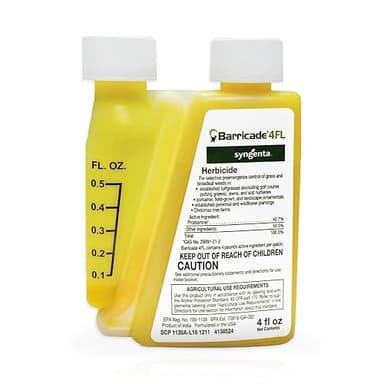
Prodiamine pre-emergent concentrate for established lawns when the guide specifically calls for long-residual crabgrass prevention. The 4 oz bottle treats roughly half an acre at the standard label rate.
- 2Check price
 Best value
IMAGE Southern Lawn Weed Killer
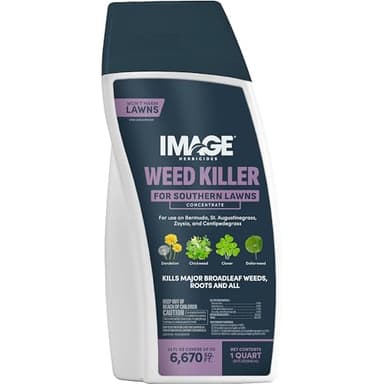
Broadleaf weed killer labeled for several southern grasses, including St. Augustine, centipede, bahiagrass, buffalograss, and zoysia.
As an Amazon Associate we earn from qualifying purchases.
Pest & Disease Management
One of the best things about Buffalograss is its remarkable resistance to pests and diseases. As a native grass that evolved over thousands of years without any human intervention, it has natural defenses against most common lawn problems. This is a genuine advantage, not just marketing. In 15+ years of working with Buffalo lawns, I've treated pest or disease problems on fewer than 10% of them. Compare that to the 50-60% of Bermuda or KBG lawns that need some kind of pest or disease intervention annually.
Disease Issues
Buffalograss has very few disease problems. The combination of its open growth habit (good air circulation), preference for dry conditions (most fungal diseases need moisture), and native resistance means disease is rarely a concern.
Leaf Spot
Brown spots on individual blades during extended humid weather. This is the most common disease you'll see on Buffalo, and "most common" is relative, because it's still uncommon. The spots are typically small, dark brown, and scattered across individual blades rather than concentrated in patches. Leaf spot is almost always cosmetic and resolves on its own as weather dries out. No treatment is typically needed. If it persists, improve air circulation and make sure you're not overwatering.
False Smut
Black, powdery masses on seed heads, replacing the normal seed structure with dark, swollen fungal growth. It looks alarming but is purely cosmetic and doesn't affect the health of the lawn at all. The fungus only attacks seed heads, not the vegetative parts of the plant. If it bothers you, remove affected seed heads. No fungicide treatment is warranted.
Take-all Root Rot
A soil-borne fungal disease that can occasionally affect Buffalo in poorly drained, overwatered conditions. Symptoms include thinning patches that don't respond to fertilizer or water. The key phrase here is "overwatered conditions." If you're following the proper Buffalo watering strategy (which is to barely water at all), take-all root rot is virtually impossible. This disease is another reason why overwatering Buffalo is counterproductive.
Pest Issues
Chinch Bugs
The most significant pest for Buffalograss, though "significant" is relative since they're still uncommon. Chinch bugs are tiny, sap-sucking insects that cause irregular yellow patches, usually in the hottest, driest areas of the lawn (near driveways, sidewalks, south-facing slopes). The damage looks like drought stress, and in fact chinch bugs are most active during hot, dry weather.
To check for chinch bugs: push a bottomless tin can into the turf at the edge of a yellow patch, fill with water, and watch for small black and white insects floating to the surface. If you count more than 15-20 per square foot, treatment is warranted. Apply bifenthrin in the evening. In most cases, simply watering the stressed area provides enough relief for the grass to outgrow the damage.
Mealybugs
White, cottony masses on stems and stolons near the soil surface. Mealybugs feed on plant sap and can thin the turf if populations get high. Check for them by parting the grass canopy and looking at the base of the plants. If you see cottony white masses clustered on stems, those are mealybugs.
Treatment is needed only if populations are high enough to cause visible thinning. Insecticidal soap is the gentlest option and works well for moderate infestations. Bifenthrin granules work for severe cases. Water the product into the turf since mealybugs live at the soil surface, not on the leaf blades.
White Grubs
The larvae of various beetles can occasionally feed on Buffalo roots, but this is less common than in other grasses. Buffalo's slow growth means it recovers poorly from grub damage, so prevention is better than cure. If you've had grub problems in the past, apply chlorantraniliprole (GrubEx) in late spring as a preventive. Otherwise, don't worry about it unless you see symptoms (brown patches that peel up).
The Native Grass Advantage
Because Buffalograss is native and adapted to its environment, it has co-evolved with local insects and diseases over thousands of years. This co-evolution means Buffalo has natural resistance mechanisms that introduced grasses like Bermuda and KBG simply don't have. Local insects have their own natural predators in balanced ecosystems where Buffalo grows, so pest populations rarely reach damaging levels.
This is one of the major environmental benefits of choosing a native grass. Less pesticide use means less chemical runoff, healthier soil biology, and a healthier yard ecosystem overall. For homeowners who care about pollinators, wildlife, and environmental impact, Buffalo's natural pest resistance is a significant advantage.
When to Call a Professional
If your Buffalo lawn is developing persistent brown patches or thinning that doesn't match normal seasonal changes, and you've ruled out Bermuda invasion and water issues, contact your local extension office for a diagnosis. In my experience, the problem is almost never a pest or disease. It's usually one of three things: Bermuda invasion (most common), overwatering (second most common), or too much shade (third most common). True pest and disease problems on Buffalo are genuinely rare.
Aeration & Dethatching
Buffalograss rarely needs aeration or dethatching, which is consistent with the overall theme of this grass: it wants you to leave it alone. But there are specific situations where these services help, and understanding when to act (and when to resist the urge) will keep your Buffalo lawn healthy without unnecessary disruption.
Core Aeration
Does Buffalo Need Aeration?
In most cases, no. But the answer depends on your soil type and traffic patterns. Buffalograss's natural habitat is heavy clay soil, and its root system is specifically adapted to those dense conditions. The grass doesn't need the soil loosened to perform well. However, there's a difference between natural clay compaction and the extreme compaction caused by construction equipment, heavy traffic, or years of use.
When to Aerate
- Only if soil is severely compacted: If water pools on the surface of your Buffalo lawn for more than a few minutes after rain (even in clay, it should soak in eventually), that's a sign of severe compaction
- After construction or renovation: If heavy equipment has driven across the lawn, the compaction goes deeper than Buffalo's roots can handle
- High-traffic paths: Areas where foot traffic is concentrated (paths to the mailbox, routes kids take across the yard) may compact enough to warrant targeted aeration
Timing
- Best time: Late spring to early summer (June to early July) during active growth. Buffalo needs to be growing vigorously to recover from the disruption
- Frequency: Every 2-3 years at most, and only if compaction is clearly an issue. Many Buffalo lawns never need aeration
- Never aerate dormant Buffalo. The grass recovers extremely slowly from any disruption, and aerating when it can't grow back is asking for weed problems in the open holes
How to Aerate Buffalo
- Use a core aerator that pulls 2-3 inch plugs. Spike aerators are ineffective and can actually increase compaction around the holes
- One pass is usually sufficient. Buffalo doesn't need the aggressive double-pass treatment recommended for KBG on clay soils
- Leave plugs on the lawn to break down naturally. In clay soil, this takes longer than sandy soil, typically 3-4 weeks
- Water after aerating to help plugs break down and settle
The Recovery Factor
Here's the important caveat: Buffalograss recovers very slowly from aeration. Those holes may take 6-8 weeks to fill in completely, compared to 2-3 weeks for Bermuda or 4-6 weeks for KBG. During that 6-8 week window, the open holes are prime real estate for weed seeds. This is why I only recommend aerating Buffalo when there's a genuine compaction problem, not as a routine annual practice. The slow recovery makes routine aeration more of a liability than a benefit.
Dethatching
Does Buffalo Build Thatch?
Buffalograss rarely builds significant thatch because it grows so slowly. Thatch accumulates when organic matter (dead stems, stolons, and roots) builds up faster than soil organisms can decompose it. Since Buffalo produces organic matter at a fraction of the rate of aggressive grasses like Bermuda, thatch rarely becomes an issue.
How to Check
Cut a small wedge of turf with a knife. Measure the brown, spongy layer between the green blades and the soil. If it's under 1/2 inch, you're fine. If it's over 1/2 inch, address it. In my experience, I've checked thatch on hundreds of Buffalo lawns and found fewer than 5% with thatch exceeding 1/2 inch. It's just not a common problem with this grass.
If Dethatching Is Needed
- Only consider dethatching if thatch exceeds 1/2 inch, which is genuinely uncommon for properly managed Buffalo
- If needed, do it in late spring (June) during active growth when the grass has maximum recovery potential
- Use a light touch. Aggressive power dethatching can severely damage a Buffalograss lawn because the grass is too slow-growing to recover quickly from heavy mechanical disruption
- Core aeration is almost always a better alternative than dethatching for Buffalo. It addresses thatch by introducing soil organisms into the thatch layer while also relieving compaction. It's less destructive and the recovery is more manageable
- After any dethatching or aeration, water well and watch carefully for weed invasion in the disturbed areas
The Less-Is-More Principle
With Buffalograss, the theme across every care category is the same: do less. Less water, less fertilizer, less mowing, less aeration, less dethatching. This grass evolved to take care of itself, and after thousands of years on the Great Plains, it still does that remarkably well. Your job is mostly to keep aggressive weeds and grasses out and let Buffalo do its thing. Every time you're tempted to "help" your Buffalo lawn with some intervention, ask yourself: would this grass have needed this on the open prairie? If the answer is no, you probably don't need to do it either.