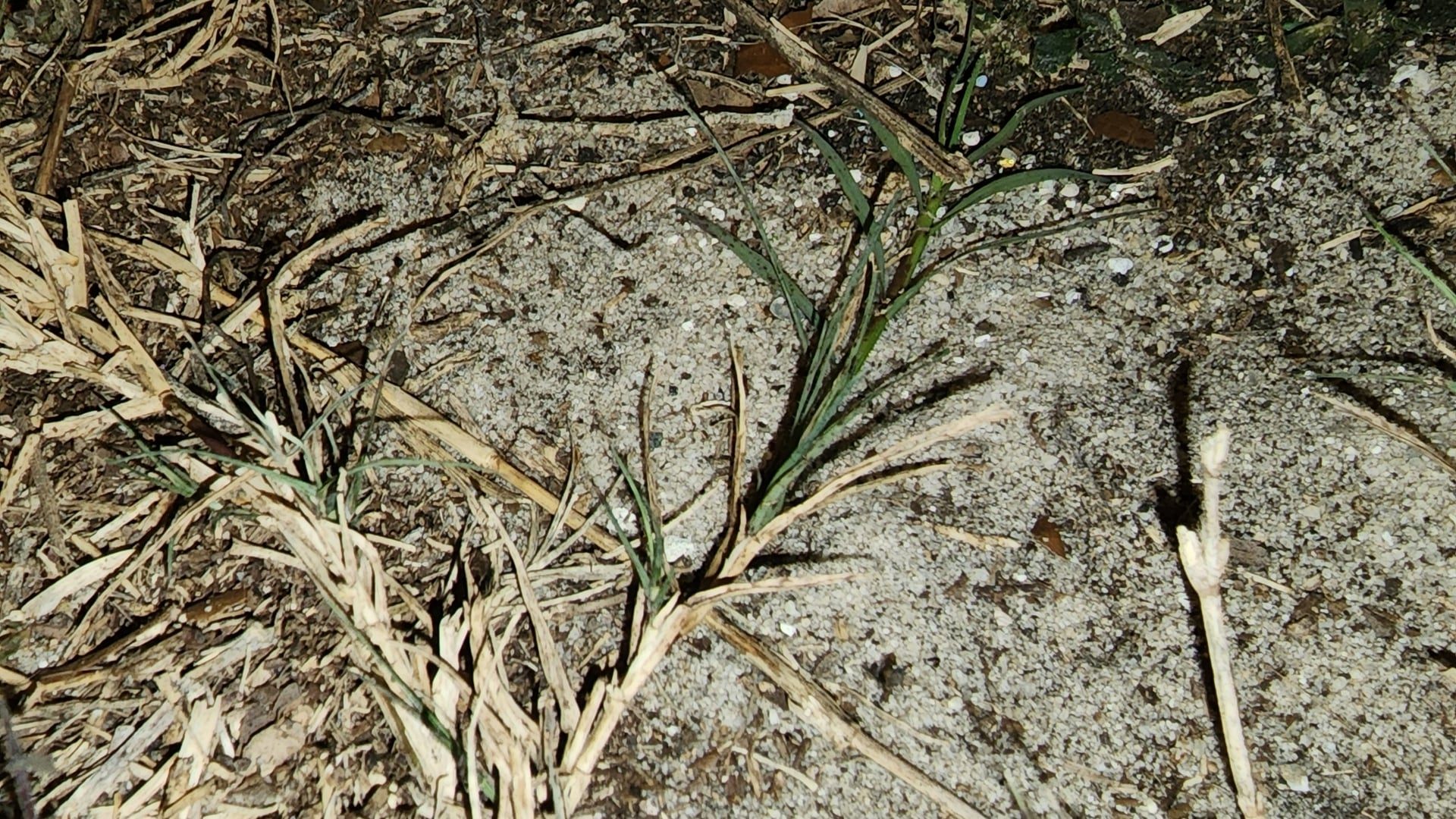
How to Build a Stress Proof Lawn Before the Summer Heat Hits
 Sarah MitchellLawn Diagnostics Specialist | 12 Years
As an Amazon Associate we earn from qualifying purchases.
Summer can turn even the healthiest-looking lawn into a patchwork of brown, brittle grass, thinning turf, and stubborn weeds almost overnight. As a lawn diagnostics specialist, I’ve seen firsthand how quickly heat stress, drought, and heavy foot traffic team up to undo a spring’s worth of effort. The real secret to a lush, resilient yard isn’t what you do in July - it’s what you do in the weeks and months before the summer heat hits. Waiting until grass shows visible signs of heat stress often means you’re already behind the curve, facing recovery that’s more expensive and less effective.
Proactive preparation is the foundation of a stress proof lawn. By diagnosing weak points, optimizing your lawn care routine, and building soil and root strength before temperatures soar, you can prevent brown patches, limit weed invasion, and save yourself from costly repairs. This comprehensive guide will walk you through the exact steps to build a stress proof lawn before the summer heat hits - covering assessment, advanced strategies, common mistakes, and pro-level tips tailored for every grass type and climate zone.
If your lawn looks healthy now but has struggled with brown patches, thinning, or weeds during previous summers, it’s likely vulnerable to heat stress. To check, push a screwdriver 6 inches into the soil; if it’s hard to penetrate, compaction is an issue. Examine soil moisture by digging a small hole - if soil is dry below 2 inches after watering, roots aren’t reaching deep enough. Weak, shallow roots and compacted soil leave grass prone to summer damage.
The fix: Start by aerating compacted zones and adjusting your mowing height (keep cool-season grasses at 3-4 inches, warm-season at 1-2 inches). Water deeply but less often, targeting 1-1.5 inches per week, applied in the early morning. Apply a slow-release fertilizer with added potassium in late spring, 2-4 weeks before peak heat, but avoid fertilizing once high temperatures arrive. Don’t dethatch or seed during hot spells, and never water lightly every day, as this encourages shallow roots. If you follow these steps now, you’ll see improved stress resistance within 3-6 weeks, just as the heat arrives.
Understanding Lawn Stress and Summer Challenges
Let’s diagnose this step by step: What does it mean for a lawn to be “stress proof”? In turf science, a stress proof lawn is one with the physical and biological resilience to withstand heat, drought, and heavy use without severe thinning, discoloration, or dieback. Stress shows up as wilting, faded green or brown patches, thinning density, and stunted growth. These symptoms typically signal compromised roots, poor water retention, or nutrient shortfalls - each made worse by summer’s extremes.
Recommended products
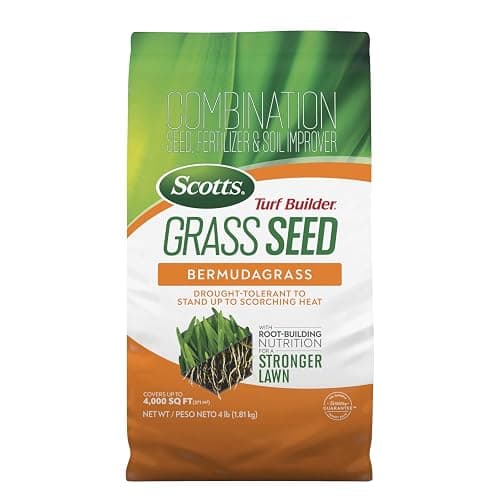
Scotts Turf Builder Grass Seed Bermudagrass (4 lb)
Heat and drought tolerant Bermuda seed with fertilizer and soil improver.
Scotts Turf Builder Grass Seed Bermudagrass
Heat-loving Bermuda seed for patching or starting common Bermuda lawns in full sun.

GS Plant Foods Kelp + Yucca Wetting Agent
Natural wetting agent that improves water penetration and heat/drought stress tolerance for lawns.
The science behind heat stress is simple: as temperatures climb above 85°F for cool-season grasses (like fescue, Kentucky bluegrass, ryegrass) or above 95°F for warm-season types (like Bermuda, zoysia, St. Augustine), the plant’s ability to photosynthesize, absorb water, and build new roots plummets. Under these conditions, shallow roots dry out fastest, and areas with compacted soil or thatch trap heat, exacerbating the damage. Cool-season grasses often enter dormancy or die back, while warm-season varieties may brown at the crown or thin out, especially if stressed in spring.
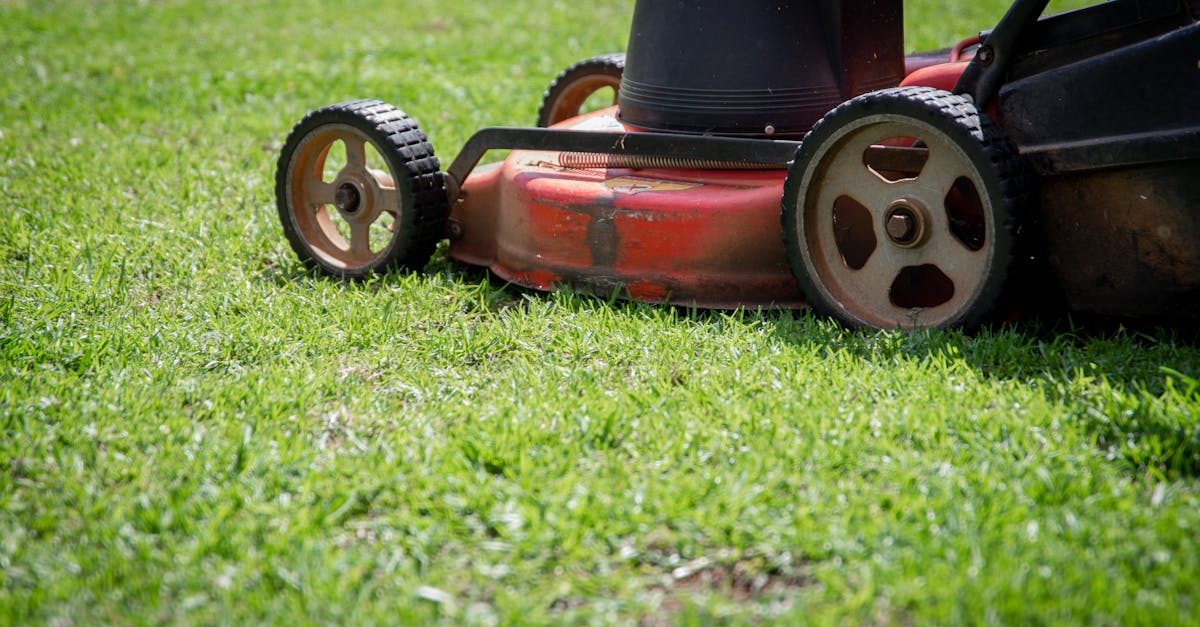
Summer is uniquely damaging because heat, drought, and increased foot traffic often hit at the same time. Lawns are walked on more, irrigation is often inconsistent, and the soil dries out quickly. Cool-season grasses struggle to survive, while even heat-tolerant species can suffer if unprepared. For more on species-specific care, see How to Identify Different Grass Types and Summer Lawn Care: Heat & Drought Strategies.
Assessing Your Lawn’s Current Condition
Conducting a Stress Test
Before you can build a stress proof lawn, you need to know where your lawn is vulnerable. Start with a hands-on stress test:
- Soil Compaction: Try pushing a screwdriver 6 inches into the soil in multiple spots. If it’s difficult or only penetrates 2 inches, compaction is a problem, especially in high-traffic or clay-heavy areas. Compacted soil blocks water, roots, and air, leading to rapid summer decline.
- Thatch Buildup: Use a hand trowel to remove a 3-inch-deep slice of turf. If you see a spongy brown layer between soil and green grass exceeding 0.5 inches, thatch is excessive. Thick thatch insulates roots from water and traps heat.
- Root Depth and Density: In the same sample, look for roots extending 4+ inches deep. Shallow roots (under 2 inches) signal past overwatering or shallow mowing.
- Water Penetration: Water your lawn as usual, then check soil moisture 3-6 hours later. If soil is dry below 2 inches, water isn’t reaching deep roots, a big risk when heat hits.
If most areas pass these tests but you have isolated problem spots, focus stress proofing on those zones. If you find widespread compaction, shallow roots, or thick thatch, your whole lawn will need a pre-summer upgrade. For complex issues or lawns over 10,000 sq ft, consider a professional lawn assessment with a soil probe and compaction meter.
Soil Health Analysis
Healthy soil is the foundation of a stress proof lawn. Soil testing reveals critical information: pH (ideally 6.0-7.0 for most grasses), nutrient reserves (especially nitrogen, phosphorus, potassium), and organic matter content. These factors determine how well your soil holds water, supports roots, and buffers against drought or heat.
To take a proper soil sample, use a clean trowel to collect cores 4-6 inches deep from 10-12 random spots across your lawn. Mix well, let dry, and send 1-2 cups to a local extension office or lab. Test results show if your soil is lacking key nutrients or has the wrong pH for grass growth. For summer stress resistance, pay close attention to potassium (K) levels, as this nutrient is key for heat tolerance and water regulation. For more detail, see How to Test Your Soil Like a Pro.
- Penn State Extension recommends soil potassium levels above 120 ppm for cool-season grasses to maximize summer stress resistance.
Interpreting your test results: If organic matter is below 3%, your soil will dry out faster and benefit from compost or topdressing. Low potassium or pH outside 6.0-7.0 should be corrected at least 4-6 weeks before summer heat for best results.
Evaluating Existing Lawn Care Practices
Review your current mowing, watering, and fertilization routine. Are you mowing too short (“scalping”), watering lightly every day, or fertilizing heavily in late spring? These common habits produce shallow roots and make lawns more vulnerable to heat. The symptom you’re seeing usually points to one of a few things: If grass thins out after mowing, it’s likely being cut too low. If brown patches appear after rain, compaction or thatch may be to blame. If weeds surge after fertilizing, you may be overfeeding at the wrong time. Use our Monthly Lawn Care Calendar to keep your practices in sync with the season.
Building a Stress Proof Lawn Before the Summer Heat Hits: Step-by-Step
Step 1: Optimize Mowing Techniques
Set your mower height to maximize root depth and shade the soil. For cool-season grasses (Kentucky bluegrass, fescue, ryegrass), keep blades at 3-4 inches. For warm-season types (Bermuda, zoysia), use 1-2 inches, as these grasses thrive when cut shorter. Avoid “scalping” - cutting off more than one-third of the grass blade at once, as this weakens roots and exposes soil to heat.
Frequency is just as important: mow often enough that you’re never removing more than a third of the blade at a time. Sharpen blades every 8-10 mowings for a clean cut that reduces disease risk. Decide whether to mulch or bag clippings based on your thatch level: If thatch is under 0.5 inches, mulching returns nutrients and helps retain moisture; if thatch is thick, bag clippings until you dethatch.
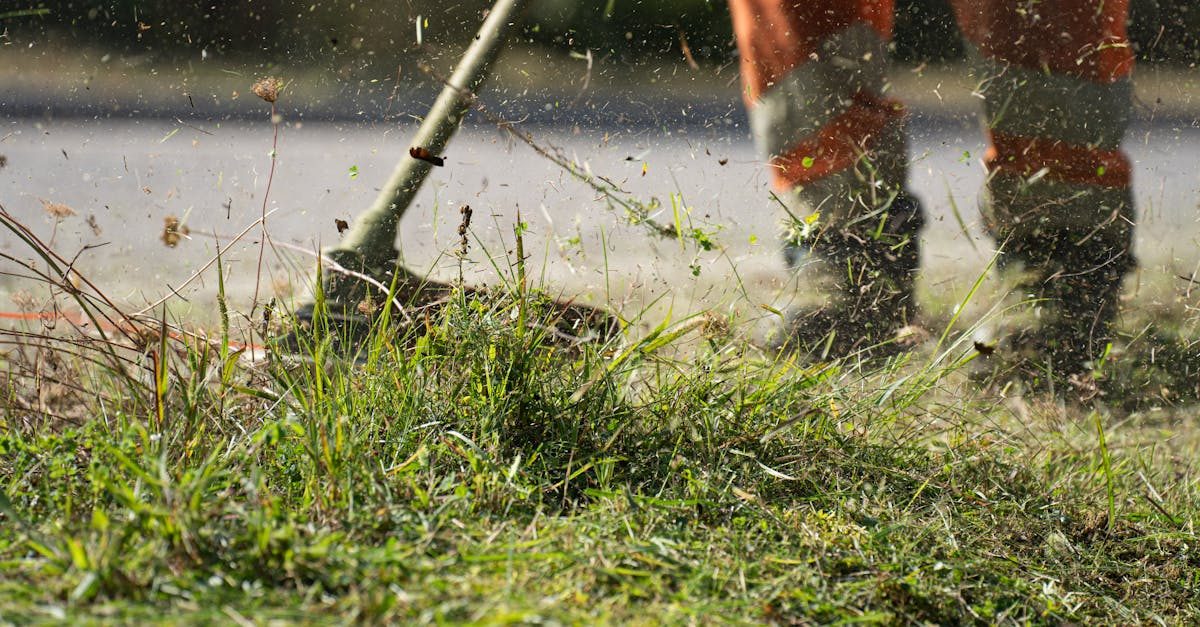
Our mowing data shows optimal heights for Bermudagrass at 1.0-2.0 inches and for fescue at 3.0-4.0 inches for maximum summer resilience. Adjust your mower accordingly 2-4 weeks before summer’s peak.
Step 2: Deep and Infrequent Watering
Water deeply and less often to promote roots that reach down into cooler, moister soil layers. Aim for 1-1.5 inches of water per week, either from rain or irrigation, applied in 1-2 sessions rather than daily sprinkles. This trains roots to grow deeper, making your lawn far more drought and heat tolerant.
Early morning is the best time to water - between 4am and 8am. This minimizes evaporation and gives grass time to dry out, reducing fungal risk. Evening watering is less ideal, as it can leave blades wet overnight, increasing disease risk. Ignore the myth that daily light watering helps; it only encourages shallow, weak roots.
For sandy soils or arid climates, split your watering into two 0.75-inch sessions per week. In humid regions, a single weekly deep soak is usually enough. Use a tuna can or rain gauge to measure your sprinkler’s output. Smart irrigation systems and soil moisture sensors can help ensure precise watering, especially if you travel or have a large property. For more details, see How to Water Your Lawn Efficiently.
Step 3: Fertilization for Resilience
Fertilizing correctly before the summer heat hits builds thicker roots and stronger blades. Use a slow-release fertilizer (organic or synthetic) with a balanced N-P-K ratio and extra potassium (K), which improves heat and drought tolerance. Avoid high-nitrogen fertilizers in late spring, as they can push tender new growth that burns in the heat.
Apply fertilizer 2-4 weeks before average daytime highs exceed 85°F (for cool-season) or 95°F (for warm-season). For most U.S. regions, this is late April to early May, but check local averages. Our Grass Database recommends 4.0 lbs of nitrogen per 1,000 sq ft annually for Kentucky Bluegrass, but split this into multiple applications, with a lighter dose before summer.
Watch for signs of fertilizer burn: yellowing tips or sudden browning after feeding usually means too much nitrogen or fertilizer applied to dry soil. Always water the lawn after applying fertilizer, unless the product instructions say otherwise. For pet- and kid-safe options, choose organic slow-release blends or compost-based products.
Step 4: Soil Improvement and Aeration
Compacted soil is one of the biggest barriers to summer resilience. Core aeration, performed in late spring before peak heat, relieves compaction and allows water, air, and nutrients to penetrate deeply. Use a plug aerator (not a spike type) to remove 2-4 inch cores, spaced 2-4 inches apart. For cool-season lawns, aerate in April or early May; warm-season lawns benefit from late spring or early summer aeration.
If your lawn is thin, overseed after aeration with a blend suited for your region and grass type. For example, Scotts Turf Builder Grass Seed Bermudagrass is ideal for sunny, heat-prone lawns needing denser coverage before summer. Overseeding now gives new grass time to establish before high temperatures arrive. Add a quarter-inch of compost or high-quality organic matter after aeration to boost soil structure and moisture retention, especially if your soil test showed low organic content.
- Ohio State University Extension recommends core aeration every 1-3 years, particularly in high-traffic or clay soils, for best summer performance.
For detailed comparison of aeration and dethatching, see Aeration vs. Dethatching: Which Does Your Lawn Need?
Step 5: Thatch Management
Thatch - a layer of undecomposed stems and roots above the soil - acts as a barrier, keeping water and nutrients from reaching roots and creating a haven for pests and fungi during summer heat. If your thatch layer exceeds 0.5 inches, it’s time to dethatch.
DIY dethatching can be done with a specialized rake for small lawns or a power dethatcher for larger areas. The best time is late spring, before temperatures consistently exceed 80°F. Dethatching during peak heat can damage exposed roots. If your lawn has thick, spongy areas or you see mower tracks sinking in, professional dethatching may be needed for fast recovery. After dethatching, water deeply and avoid fertilizing for one week to minimize stress.
Step 6: Pre-Summer Weed and Pest Control
Weeds and insect pests thrive in stressed lawns and can quickly outcompete grass during heat waves. Identify common summer weeds like crabgrass, nutsedge, and spurge, as well as pests such as chinch bugs or armyworms. Integrated pest management (IPM) means focusing on prevention and spot treatment rather than blanket chemical use. Apply pre-emergent herbicides in late spring if your lawn is prone to annual weeds; check our guide on herbicide timing for specific dates by region.
If you prefer a natural approach, hand-pulling, mulching, and using corn gluten meal are effective in smaller lawns. For families with pets or kids, prioritize products labeled as residential or pet-safe. For more, see Safe Lawn Care for Pets and Kids. Always avoid applying herbicides or pesticides during hot, dry spells, as this increases risk of turf injury and chemical drift.
Enter your ZIP code below to find your exact timing:
Loading Herbicide Timing Calculator...
Step 7: Applying Stress Protectants and Enhancers
Soil wetting agents, bio-stimulants, and anti-desiccants can improve your lawn’s ability to withstand heat and drought. A wetting agent, like GS Plant Foods Kelp + Yucca Wetting Agent, helps water penetrate hard or hydrophobic soils, ensuring deeper moisture for roots. This is especially helpful for sandy or compacted soils in drought-prone areas. Apply as directed in late spring, before heat peaks, but avoid during active drought or high temperatures.
Bio-stimulants (such as seaweed extracts or humic acids) can boost root development and stress resistance when applied monthly in spring. Anti-desiccants are generally not recommended for lawns, as they can interfere with normal transpiration. Apply enhancers only to well-watered, actively growing grass - never to dormant or heat-stressed lawns.
Step 8: Mulching and Shading Strategies
Mulching grass clippings, straw, or organic mulch in buffer zones (edges, thin spots, or newly seeded areas) insulates the soil and conserves moisture. This is especially valuable in heat-prone or south-facing zones of your yard. During extreme heat events, use temporary shade cloths or tarps to protect small or newly renovated areas. Avoid covering healthy, established turf for more than a day, as prolonged shading can weaken grass.
For new or thin areas, mulch lightly to avoid smothering young shoots. This protects against both heat and rapid moisture loss, helping new grass survive its first summer. For more on seasonal mulching, see Spring Lawn Preparation Checklist and Fall Lawn Overseeding & Prep Guide.
Advanced Tips for a Truly Stress Proof Lawn
Grass Variety Upgrades
If your lawn consistently struggles with summer heat, upgrading to more drought-tolerant or heat-resistant cultivars can make a major difference. For cool-season lawns in the transition zone, consider overseeding with turf-type tall fescue or hybrid bluegrass blends - these offer deeper roots and better summer survival than traditional Kentucky bluegrass. Warm-season lawns can be improved with newer Bermuda or zoysia varieties bred for drought resistance, such as those found in Scotts Turf Builder Grass Seed Bermudagrass, which is also excellent for patching or starting new Bermuda lawns in full sun.
Time overseeding for early spring or early fall in cool climates, or late spring in warm regions. For regional recommendations, consult our Grass Database or see your local extension’s cultivar lists. In arid or coastal regions, prioritize blends rated for salt or drought tolerance.
| Grass Type | Optimal Overseed Time | Drought Tolerance | Ideal Mowing Height (inches) |
|---|---|---|---|
| Kentucky Bluegrass | Early Fall | Moderate | 3.0-4.0 |
| Tall Fescue | Early Spring/Fall | High | 3.0-4.0 |
| Bermuda | Late Spring | Very High | 1.0-2.0 |
| Zoysia | Late Spring | High | 1.0-2.0 |
This table shows recommended overseed timing, drought tolerance, and mowing heights for common lawn grasses. Use these guidelines to match upgrades to your local conditions.
Smart Technology Integration
Technology can give your lawn a major edge against summer stress. Smart irrigation controllers adjust watering based on local weather data and soil moisture sensors, preventing both over- and under-watering. Weather apps help you time fertilization, mowing, and weed control for optimal conditions, reducing wasted effort and turf damage. For large properties or microclimates, use zone-based sensors to fine-tune care and minimize hot spots. Data-driven adjustments now can save hundreds of dollars in water and recovery costs later.
Year-Round Lawn Care Planning
Building a truly stress proof lawn is a year-round process. Fall aeration and overseeding, winter fertilization, and spring topdressing all set the stage for summer success. Develop a maintenance calendar that spaces out major tasks and anticipates next summer’s challenges, not just this year’s. For a complete timeline, see The Ultimate Year-Round Lawn Care Calendar and Winter Lawn Protection & Care.
Off-season care is especially important for cool-season lawns, which build roots and recover from stress in fall and early spring. Warm-season lawns benefit from a late spring jump-start and summer maintenance focused on deep watering and mowing adjustments.
Eco-Friendly and Sustainable Practices
Consider water-wise landscaping and turf alternatives for high-stress, hard-to-irrigate zones. Replace narrow strips or steep slopes with drought-tolerant groundcovers, native grasses, or pollinator-friendly plantings. Composting lawn clippings and topdressing with organic amendments improves soil health and water retention over time, reducing summer stress and chemical needs. These sustainable practices not only protect your lawn, but also support local ecosystems and reduce your environmental footprint.
Troubleshooting: Special Cases and Regional Considerations
Addressing Specific Lawn Types
Different grass species have unique stress triggers and care requirements. St. Augustine thrives in heat but hates compacted or salty soils. Bermuda excels in sun but goes dormant with drought or shade. Fescue prefers cool, moist conditions and browns quickly when roots are shallow. Zoysia tolerates drought well but needs occasional dethatching. Ryegrass is fast to germinate but struggles in prolonged heat. Adjust your summer prep based on your grass type’s strengths and weaknesses - for tailored recommendations, see How to Identify Different Grass Types and our Grass Database.
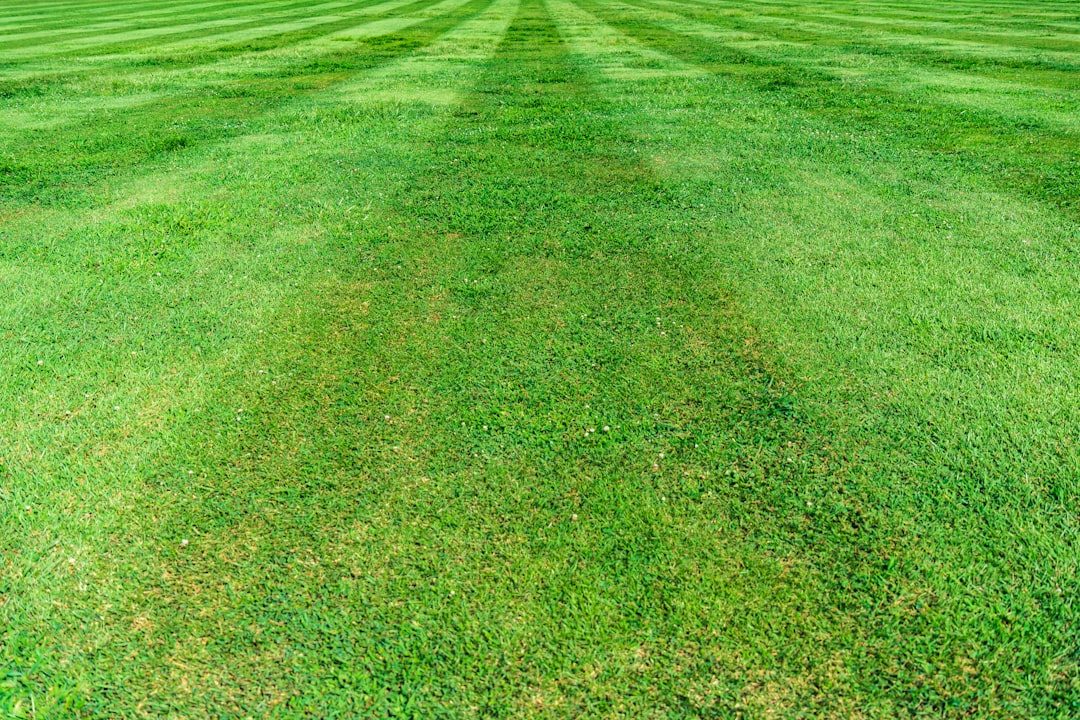
Lawns in shade cool more slowly after hot days and may need lighter, more frequent watering or overseeding with shade-tolerant blends. Sun-exposed lawns dry out and heat up fastest, requiring deeper watering and more organic matter for insulation.
Managing Lawn Stress in Drought-Prone or Water-Restricted Areas
When watering is restricted or drought is severe, adjust your expectations and strategy. Prioritize deep, infrequent watering for high-visibility or high-value zones, and let less critical areas go dormant. Apply wetting agents and mulch to maximize each drop of water. If irrigation is banned, mow higher to shade roots, avoid all fertilization, and minimize foot traffic until rains return. For long-term survival, consider drought-tolerant landscaping or converting select areas to native groundcovers.
Dealing with High Foot Traffic or Pet Activity
Heavy use compacts soil and wears down grass, especially in play areas or dog paths. Reinforce these spots with stepping stones, mulch paths, or overseed with tough, traffic-tolerant blends (like tall fescue or improved Bermuda cultivars). For pet urine burn, water the area immediately after use and overseed with urine-resistant grasses. For more, see How to Repair Dog Spots in Your Lawn.
Common Mistakes to Avoid
It’s easy to find well-intentioned advice online, but many guides skip critical confirmation steps, regional timing, or safety considerations. Here are the mistakes I see most often in my practice:
- Mis-Timed Applications and Actions: Fertilizing, dethatching, or treating weeds during peak heat can burn or kill grass. Always complete these tasks 2-4 weeks before temperatures exceed 80°F for cool-season or 90°F for warm-season lawns.
- Overwatering or Underwatering: Signs of overwatering include squishy turf and yellowing blades; underwatering causes wilt, gray-green color, and browning. Both make lawns more vulnerable to heat. Stick to 1-1.5 inches per week, adjusted for rainfall.
- Ignoring Regional and Grass Type Differences: One-size-fits-all advice fails because climate and species matter. Check your grass type and local weather before making major changes.
- Skipping Confirmation Tests: Don’t aerate, dethatch, or fertilize “just because.” Always confirm with the screwdriver, thatch, and soil moisture tests described earlier.
- Safety Oversights with Pets, Kids, and Products: Chemical applications require waiting periods before re-entry. Only use products labeled for residential and pet safety. For more, see Safe Fertilizer Practices for Families.
What other guides miss is the importance of diagnosing root causes and confirming with tests before applying treatments. Timing and regional adaptation are equally critical for real, lasting results.
Conclusion
Building a stress proof lawn before the summer heat hits is a proactive investment that pays off all season long. The key is to diagnose your lawn’s vulnerabilities, customize your care to your region and species, and implement practices like core aeration, deep watering, and slow-release fertilization well before temperatures soar. By fine-tuning your approach now, you’ll avoid brown patches, weed outbreaks, and costly repairs during the hottest months.
The most resilient lawns aren’t the result of luck or last-minute fixes - they’re built through consistent, tailored care and ongoing monitoring. Start your seasonal action plan today, and you’ll enjoy a lush, green yard that weathers the summer with confidence. For next steps, check out How to Revive a Heat Stressed Lawn, Essential Lawn Tools for Every Homeowner, and DIY Lawn Watering Systems for more in-depth strategies. If you have a unique challenge or tricky spot, share your questions below and I’ll help you troubleshoot like a pro.
Top Picks
- Scotts Turf Builder Lawn FoodCheck price on Amazon
- Simple Lawn Solutions Superior 15-0-15 Liquid FertilizerCheck price on Amazon
- Milorganite Lawn and Garden Nitrogen Fertilizer 6-4-0Check price on Amazon
As an Amazon Associate we earn from qualifying purchases.
Free Lawn Care Tools
Begin preparations 4-6 weeks before average daytime highs exceed 80°F for cool-season grasses or 90°F for warm-season types. This typically means late April to early May in most regions.
Keep cool-season grasses at 3-4 inches and warm-season types at 1-2 inches to maximize root depth and shade the soil, reducing heat stress.
No, it is best to fertilize 2-4 weeks before peak heat. Fertilizing during high temperatures can burn grass and worsen stress.
Water deeply but less often: 1-1.5 inches per week, ideally in 1-2 sessions in the early morning, to encourage deep root growth and drought tolerance.
Common signs are wilting, faded or brown patches, thinning grass, and slowed growth, especially in areas with shallow roots or compacted soil.
Yes, soil wetting agents improve water penetration and help lawns withstand drought. Apply before heat peaks, following label instructions for safe use.
Photos: Magda Ehlers / Pexels, Pascal Küffer / Pexels, Se. Tsuchiya / Unsplash

Beat weeds and brown spots from your phone
Snap a photo, get the fix, and follow a plan timed to your soil and weather. Free on iPhone.