Bermuda Grass Spring Green-up: When It Starts and How to Speed It Up
 Marcus GreenTurf Management Pro | 18 Years
As an Amazon Associate we earn from qualifying purchases.
After months of dormant brown turf, the first signs of green in your bermuda grass signal more than just the arrival of spring. For warm-season lawns, the spring green-up is the critical transition that sets the stage for summer density, color, and stress tolerance. Yet homeowners are often left guessing: When does bermuda grass actually start greening up, and how can you accelerate the process for a head start on the best-looking lawn on the block? For the complete reference, see the Bermudagrass pillar guide.
Spring green-up is more than cosmetic. It reveals the underlying health of your bermuda lawn, highlights any winter injury, and determines how well your grass will handle heat, drought, and foot traffic in the months ahead. If green-up is slow or patchy, it’s a signal that something in your soil, climate, or management is holding your lawn back. That’s why understanding the science and strategy behind bermuda grass spring green-up is essential for homeowners who want results that last all season.
In this comprehensive guide, you’ll get a professional’s-eye view of the entire green-up process. We’ll break down the biological triggers that wake up bermuda grass, the regional and environmental factors that influence timing, and most importantly, the hands-on techniques that actually accelerate green-up. Drawing on 18 years of turf management experience, I’ll walk you through pre-spring prep, advanced pro tips, troubleshooting, and seasonal care strategies that produce championship-caliber lawns-adapted for homeowners.
Bermuda grass starts to green up in spring when soil temperatures consistently reach 60°F at a 4-inch depth-usually from late March to mid-April in the Southeast, but this varies by region and microclimate. To confirm your lawn is ready, use a soil thermometer: if you see the first green shoots at the crown and you feel resistance when tugging on the grass, your bermuda is waking up. Avoid fertilizing before this soil temperature threshold, as early applications can waste nutrients or even promote disease in cool soils.
To speed up green-up, clear debris, lightly dethatch, and mow low to expose soil to sunlight, which helps warm it faster. Apply the first round of fertilizer only after soil temps reach 65°F, split doses as our Grass Database recommends, and water deeply but infrequently (about 1 inch per week). Don’t overwater cold soil or scalp the lawn too early. With these steps, you’ll see a full green-up within 2-4 weeks after the first signs-setting up dense, vibrant bermuda for the entire season.
Understanding Bermuda Grass Growth Cycles
The Seasonal Life Cycle of Bermuda Grass
Bermuda grass, a warm-season powerhouse, thrives under the intense sunshine and heat of late spring through early fall. During winter, bermuda enters a state of dormancy-its way of surviving cold temperatures and reduced sunlight. As a result, the grass blades lose their vibrant color and turn tan or brown, a normal process that conserves energy in the roots and crowns below ground. This dormancy period typically stretches from November through March, as confirmed by our Grass Database.
What brings bermuda grass back to life in spring isn’t just a flip of the calendar-it’s a combination of soil temperature, increasing daylight, and favorable weather. The key biological trigger for spring green-up is soil reaching a consistent 60°F or higher at a 4-inch depth. This temperature signals the grass that it’s safe to break dormancy, push out new shoots, and resume active growth. Longer daylight hours and fewer nighttime frosts also play supporting roles.

Not all bermuda grasses behave identically. Common bermuda (such as seeded varieties) and hybrid bermuda (like Tifway 419) share similar fundamental cycles but can differ in green-up speed, cold tolerance, and recovery from winter stress. Hybrids, often used on golf courses and high-end lawns, may green up slightly earlier and more uniformly, but both types follow the same temperature-driven biological clock.
Key Environmental Factors Affecting Green-up
The timing and quality of bermuda grass spring green-up depend on several key environmental variables:
- Soil Temperature: The primary trigger is soil consistently reaching 60°F at a 4-inch depth, with true growth momentum building as it approaches 65°F.
- Regional Climate: Lawns in the Southeast (Georgia, Alabama, South Carolina) green up earlier-often late March to early April-while those in the transition zone (Tennessee, North Carolina, Oklahoma) may lag several weeks behind. The Southwest’s dry climate can also delay or stagger green-up depending on rainfall patterns.
- Spring Frosts: Late frosts can temporarily halt green-up or even cause new shoots to brown back. Microclimates-such as shaded yards or low-lying areas-may stay cooler longer, further delaying growth.
- Rainfall and Irrigation: Adequate moisture is essential, but oversaturation in cool soils can promote disease or root rot. Strategic watering (see irrigation section) helps nudge green-up along once soil is warm enough.
From my time managing championship greens, I learned the importance of monitoring not just air temperature, but the soil profile itself. Surface warmth alone is not enough to trigger true green-up-roots drive the process, and they respond to consistent temperatures below the thatch layer.
When Does Bermuda Grass Start to Green Up?
Typical Timeline by Region
The start of bermuda grass spring green-up varies widely depending on geography and microclimate. Here’s a comparative regional calendar for typical green-up windows, assuming average spring weather:
This table summarizes average first green-up dates by region, but actual timing should always be confirmed with a soil thermometer and local observation.
| Region | Typical Green-up Start | Full Green-up Window |
|---|---|---|
| Southeast (GA, SC, AL, MS, FL Panhandle) | Late March - Early April | April 1 - April 15 |
| Southwest (TX, AZ, NM, SoCal) | Early - Mid April | April 10 - April 25 |
| Transition Zone (TN, NC, OK, AR, VA) | Mid - Late April | April 20 - May 5 |
| Upper Transition/North Edge | Early - Mid May | May 5 - May 20 |
Urban lawns may green up several days or even a week earlier than rural lawns due to the heat island effect. South-facing slopes, brick or concrete borders, and sheltered locations also warm up faster, while shaded or low-lying areas lag behind.
Bermuda Spring Green-Up by State: Florida, Texas, and the Carolinas
Bermuda grass green-up is driven primarily by sustained soil temperature at 4 inches reaching 65°F. That threshold is hit at very different times across the South. Use this state-by-state table as a starting point, then verify with a soil thermometer.
| State / Region | Typical Full Green-Up Window | Source |
|---|---|---|
| South Florida (Miami, Tampa) | Late February to early March | UF/IFAS |
| North Florida (Jacksonville, Tallahassee) | Mid to late March | UF/IFAS |
| South Texas (Houston, Corpus Christi) | Late February to early March | Texas A&M AgriLife |
| North Texas (Dallas-Fort Worth) | Late March to mid-April | Texas A&M AgriLife |
| Coastal South Carolina | Mid to late March | Clemson Extension |
| Upstate South Carolina / North Carolina | Early to mid-April | Clemson, NC State Extension |
| Coastal Georgia / Alabama | Late March | UGA Extension |
| Inland Georgia / Alabama | Mid-April | UGA Extension |
These windows are approximate averages and shift 1 to 2 weeks earlier or later in unusual years. Microclimate matters: south-facing slopes and urban areas warm sooner, while shaded or low-lying spots lag.
How to Tell If Your Bermuda Grass Is Ready to Green Up
Visual cues are your first indicator. When bermuda grass is waking up, you’ll notice faint green shoots emerging at the crown, especially in sunny or south-facing spots. The turf may look patchy at first, with green blades mixed among brown, dormant material. Thinning thatch and a gradual shift from straw-colored to a greenish tint signal active growth.
For a more definitive test, gently tug on the grass in several locations. If you feel solid resistance and the grass remains anchored, roots are alive and beginning to grow. If the grass pulls up easily, the area may still be dormant or suffering from winter kill.
Use a soil thermometer to measure temperature at 4 inches deep. When readings consistently register 60°F or above for several days, green-up is imminent. Moisture meters can help ensure soil isn’t waterlogged or overly dry, both of which can delay recovery.
Related topic: How Bermuda Grass Survives Winter
For more on bermuda’s dormancy strategies, see the article on How Bermuda Grass Survives Winter. This explains how root energy reserves are managed and why recovery hinges on both fall and spring care.
How to Speed Up Bermuda Grass Spring Green-up
Pre-Spring Preparation (Late Winter Checklist)
Jump-starting green-up actually begins before spring arrives. Here’s what you should do in late winter (February through early March in most regions):
Recommended products

The Andersons PGF Complete 16-4-8
Slow-release balanced NPK that delivers steady green-up without growth spikes.
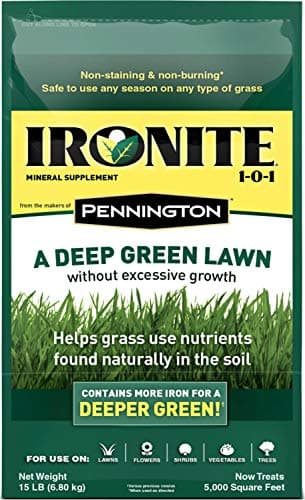
Ironite II Pennington Mineral Supplement
Iron + manganese for a 24-48 hour color boost when nitrogen alone is not enough.
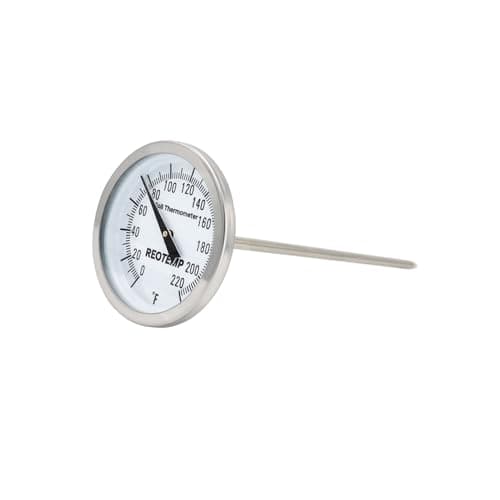
Soil Thermometer (4-inch probe)
The only reliable way to confirm soil temperature hit the 60°F green-up threshold.
- Debris Removal and Light Dethatching: Rake up leaves, twigs, and leftover clippings to expose soil and crowns to sunlight. If thatch is more than 0.5 inches thick, use a dethatching rake or power rake on a light setting.
- Soil Testing: Check pH and nutrient levels. Our Grass Database recommends a pH of 6.0-7.0 for optimal bermuda growth. Address any deficiencies or imbalances before the season starts.
- Plan Fertilization and Weed Control: Map out your fertilizer and pre-emergent applications based on soil temperature, not the calendar. Record last year’s trouble spots for targeted attention.
Professional crews approach this differently-they’ll often do an aggressive scalp and dethatch just as soil temperatures begin to rise, but for homeowners, a gentler approach minimizes risk of injury or erosion.
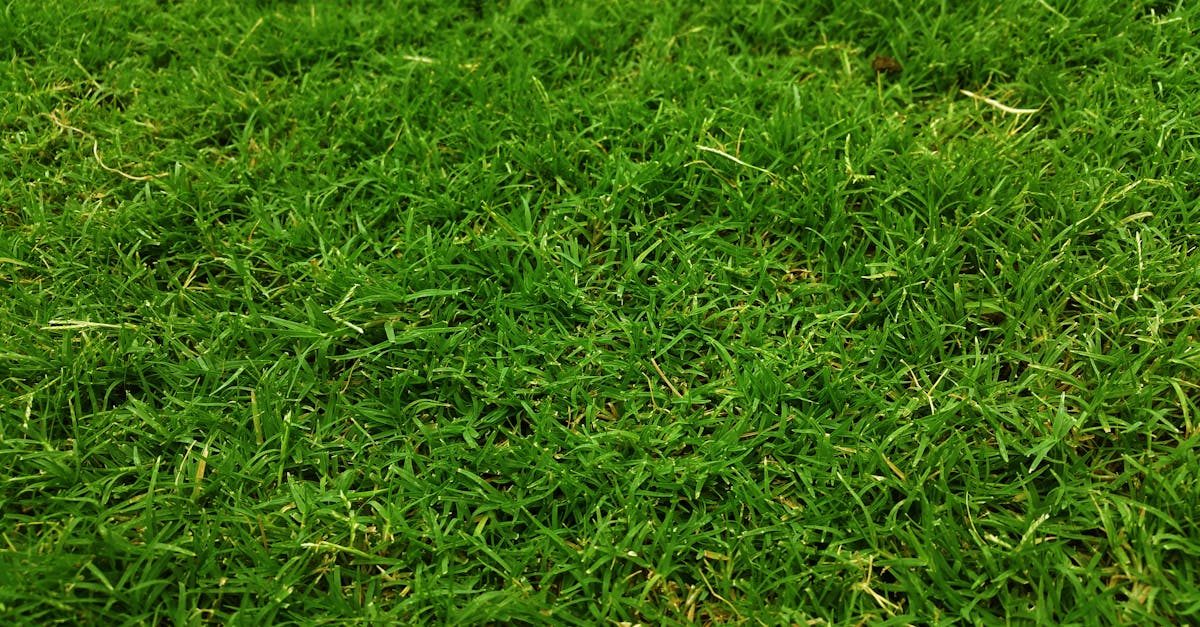
Step-by-Step Actions to Accelerate Green-up
1. Soil Temperature Management
Soil temperature is king for bermuda green-up. To warm soil faster:
- Black Plastic or Landscape Fabric: Covering select areas with black plastic sheeting or landscape fabric for 5-7 days can raise soil temps by 5-8°F. This is most effective on small, sunny patches but less practical for whole lawns. Pros: speeds up green-up in test areas. Cons: can smother grass if left too long, may cause uneven results if not removed promptly.
- Strategic Early Irrigation: Light, infrequent watering can help when soil is dry and warm (above 60°F), but avoid saturating cold soils, which slows warming and invites disease.
- Avoid Overwatering in Cool Soil: Waterlogged, cold soils stay cold longer and risk root rot. Only irrigate if the soil is dry to the touch and temperatures are above 60°F.
2. Early Lawn Care Practices
Mowing Height Adjustment: As green shoots appear, lower your mowing height to the lower end of the recommended range-0.5 to 2 inches, per our Grass Database. The first mow in spring should be on the short side (around 0.75-1.0 inches), but never scalp down to bare soil. This removes dormant material, exposes crowns to sunlight, and helps uniform green-up.
The First Mow: Time it after the first flush of green, when you see at least 50% of the lawn showing new growth and soil is dry. Use a sharp blade and bag the clippings to remove excess thatch and debris. Bagging is preferred for the first mow; after that, mulching is fine as long as clippings are short and evenly distributed.
3. Fertilization Strategies
When to Fertilize: Wait until soil temperature at 4 inches is consistently 65°F before applying your first nitrogen-based fertilizer. Fertilizing too early wastes nutrients and can promote disease. According to our Grass Database, the recommended annual nitrogen rate for bermuda is 3.5 lbs per 1,000 sq ft, split as 20% in spring, 60% in summer, and 20% in fall.
Choosing a Spring Starter Fertilizer: Look for products with a balanced N-P-K ratio, such as the Andersons PGF Complete 16-4-8 or 21-7-14. Quick-release nitrogen delivers a fast green-up but may fade quickly; controlled-release formulas provide steadier, longer-lasting color. On championship turf, I favored a 50/50 blend for both immediate and sustained results.
Controlled-Release vs. Quick-Release: For homeowners, I recommend a spring application of controlled-release fertilizer to avoid surge growth and reduce mowing frequency. Always follow label rates-typically 0.5-0.75 lbs of nitrogen per 1,000 sq ft for the initial spring feeding.
Want a complete fertilizer plan? See our Best Fertilizer for Bermuda Grass guide for NPK comparisons across 7 ranked products, plus a year-round nitrogen budget by region.
4. Weed and Pest Management
Pre-emergent Herbicides: Apply pre-emergent crabgrass preventers when soil temps reach 55°F for 5 consecutive days, just before green-up. This is generally 2-3 weeks before your first fertilizer application. Don’t apply pre-emergents after green-up is in full swing, as they can damage new roots.
Post-emergent Spot Treatments: For visible weeds (henbit, chickweed, dandelion), use targeted post-emergent herbicides labeled safe for bermuda. Apply only on actively growing, non-stressed turf.
Early Pest Monitoring: Watch for signs of mole crickets (spongy soil, tunneling), armyworms (chewed blades), and grubs. Early detection allows for targeted treatment before populations explode.
Enter your ZIP code below to find your exact pre-emergent timing:
Loading Herbicide Timing Calculator...
5. Irrigation Scheduling
During green-up, bermuda grass needs about 1 inch of water per week, as shown in our Grass Database. Water deeply and infrequently to encourage roots to grow downward, but only after soil temps reach 60°F. Morning irrigation is best to minimize evaporation and disease risk. Avoid watering in the evening or during prolonged cold spells.
Want a precise watering plan for spring green-up? Use our watering schedule to dial in timing and amounts by ZIP, grass type, and soil.
6. Sunlight and Shade Management
Bermuda grass thrives in full sun and has limited shade tolerance. To maximize sunlight:
- Trim lower branches from trees and shrubs to increase exposure.
- Remove debris and clutter that cast shade on the turf.
- For persistently shaded areas, consider overseeding with a shade-tolerant grass or converting those spaces to mulch beds or groundcovers.
The key most homeowners miss is that even 3-4 hours of afternoon shade can significantly delay green-up and reduce long-term turf density. Aim for at least 6 hours of direct sun for optimal results.
Advanced Pro Tips for Accelerated Green-up
- Foliar Micronutrient Sprays: Iron and manganese foliar sprays can deliver rapid (often 24-48 hour) cosmetic green-up, especially on soils with known micronutrient deficiencies. Use labeled products at recommended rates-avoid over-application, which can cause leaf burn.
- Biostimulants or Humic Acid: Applying humic acid or seaweed extracts can boost root activity and nutrient uptake in early spring, giving bermuda an extra push. These products are best used as supplements, not replacements, for balanced fertilization.
- Aeration Timing: Core aeration just before or at the start of green-up can break up compaction and improve soil warming. On golf courses, we time aeration to coincide with the earliest safe green-up window for maximum benefit.
- Overseeding with Perennial Rye: While overseeding with rye can provide winter color, it often delays bermuda green-up by shading and competing for resources. Remove rye as soon as bermuda begins to green up, or skip overseeding if early bermuda color is your top priority.
Related topic: Best Fertilizers for Bermuda Grass in Spring
For specific product recommendations and N-P-K comparisons, see the article Best Fertilizers for Bermuda Grass in Spring. This guide explains how to select the right blend for your soil and seasonal needs.
Why Your Bermuda Isn't Turning Green (And How to Fix It)
If neighbor lawns are greening up and yours still looks brown, or patches of your bermuda are slow to recover, the cause is almost always one of five things. Diagnose first, then fix.
1. Soil temperature is still too cold
The most common reason bermuda is not turning green is also the easiest to miss: soil at 4 inches has not consistently hit 60°F yet. Air temperature can swing 20 degrees overhead while soil lags by weeks, especially in shaded or low-lying yards. The fix is patience plus measurement. Use a 4-inch soil thermometer to confirm. If the reading is below 60°F, do nothing. Fertilizer applied to cold soil feeds weeds and invites disease; it does not speed green-up.
2. Dormancy stretched out by drought stress
Bermuda goes dormant when temperatures drop, but it can also stay dormant longer than expected if it entered winter dehydrated. Lawns that went into fall without adequate irrigation often green up 2 to 4 weeks later than expected. The fix is one deep watering once soil is above 60°F (about 1 inch applied slowly), then return to normal early-season irrigation. If the lawn was severely stressed, recovery can stretch into May even in zones that normally green up in March.
3. Late freeze burned back the new growth
A late spring frost after bermuda starts pushing new shoots burns the new growth back to brown. The lawn does recover, but the second green-up runs slower because the plant has to spend stored energy twice. The fix is to wait. Pull a few blades; if the crown at the base is still green and the root resists a gentle tug, the lawn will come back. Do not fertilize after a frost setback. Wait 7 to 10 days, then resume normal care once new green tissue is visible.
4. Fertilizer applied too early
Fertilizing before green-up actively slows recovery, which surprises most homeowners. Cool-soil nitrogen leaches before bermuda can use it, and the salt load can stress crowns that are still energy-poor from winter. If you fertilized before soil hit 65°F at 4 inches, water deeply to flush excess salts, then wait until soil temps stabilize at 65°F before applying anything else. Skip the next scheduled feeding and resume on the normal schedule once full green-up is in.
5. Winter kill on poorly drained or exposed areas
Bermuda has limited cold tolerance, especially common bermuda (less so for cold-hardy hybrids like Yukon or Riviera). Sections that stay wet through winter, sit in frost pockets, or take direct north wind can suffer crown death even when the rest of the lawn survives. The tell is a sharp boundary between green and brown that does not match shade lines. The fix is to wait until late May, then plug or sprig the dead areas. Patches smaller than a dinner plate fill in naturally; larger areas need help.
If none of the five fit, the Bermudagrass pillar guide covers edge cases like fungal disease, pH problems, and soil chemistry imbalances.
Additional remediation for advanced cases
Beyond the five common causes above, three deeper interventions help recover stubborn areas:
- Core Aeration and Topdressing: Aerate compacted sections and topdress with a thin layer of sand or compost to improve soil structure and temperature response.
- Spot Seeding or Plugging Bare Patches: For isolated winter kill, install bermuda plugs or sprigs once soil temps reach 65°F. Water daily until established (typically 14-21 days, per our Grass Database).
- Adjusting pH or Nutrient Levels: Apply lime or sulfur based on soil test results to bring pH within the 6.0-7.0 range. Supplement with micronutrients as needed for uniform color and vigor.
- Clemson Extension recommends core aeration in early spring for compacted bermuda lawns, followed by a light topdressing to accelerate green-up and root recovery.
Year-Round Care for Optimal Spring Green-up Next Year
Fall and Winter Practices That Set Up Spring Success
The best spring green-up starts with smart fall and winter management. Proper fertilization, weed control, and mowing before dormancy set the foundation for rapid recovery:
- Fall Fertilization: Apply the final 20% of annual nitrogen in late September to early October, as our Grass Database recommends. This builds root reserves for spring.
- Pre-Winter Weed Control: Use pre-emergent herbicides in late fall to minimize cool-season weeds that compete for resources in early spring.
- Freeze Protection: Avoid late-season scalping and maintain mowing height at 1.5-2.0 inches through the last mow. This insulates crowns and protects against freeze injury.
Building a Lawn Care Calendar
Consistency is key to championship-caliber bermuda lawns. Here’s a sample month-by-month checklist for the Southeast (adjust by 2-3 weeks for other regions):
| Month | Key Tasks | Timing/Notes |
|---|---|---|
| February | Debris removal, soil testing, plan pre-emergent | Early if soil is workable |
| March | Light dethatching, first mow (as green appears) | After soil reaches 60°F |
| April | First fertilizer, core aeration, begin irrigation | Soil consistently 65°F |
| May-August | Main fertilization, mowing, pest/weed monitoring | Peak growth: May-September |
| September | Final fertilizer, overseed/plug bare spots | Early-mid month |
| October-January | Last mow, leaf removal, winter weed control | Keep pH and nutrients balanced |
For region-specific monthly targets, see the Monthly Lawn Care Calendar and Annual Bermuda Grass Maintenance Schedule to adapt your plan to local climate and grass needs.
Common Mistakes to Avoid
Most guides on bermuda grass spring green-up overlook the importance of confirmation testing, regional variability, and product application nuances. Here’s what you won’t find in the average how-to:
- Applying Fertilizer Too Early: Never fertilize before soil is consistently 60°F at 4 inches. This backfires by feeding weeds and risking disease. Always use a soil thermometer-air temperature is not a reliable indicator.
- Misreading Visual Cues: Some green patches may be winter weeds, not bermuda. Confirm with a root tug test and soil temp check before acting.
- Ignoring Regional Timing: Green-up dates shift by weeks depending on your zone. Adapt your plan to local soil and weather, not just a standard calendar.
- Overusing Pre-emergent Herbicides: Excessive or late application can damage new bermuda roots and slow green-up. Follow label rates and time applications before active growth.
- Neglecting Pet Safety: Keep pets off the lawn until granular products have been watered in and the grass is dry, especially with pre-emergents and early fertilizers.
- Relying on Calendar Dates Alone: Every spring is different-soil temperature and moisture are the only true green-up triggers.
- Contact your local extension office for current soil temperature data and best practices in your area.
Conclusion
Bermuda grass spring green-up is driven by soil temperature, sunlight, and well-timed care-not guesswork or the calendar. The process begins when soil reaches 60°F at 4 inches, and you can accelerate recovery by clearing debris, mowing low, waiting for the right fertilizer window, and adjusting irrigation and sunlight exposure. Avoid common pitfalls like early fertilization or overapplication of pre-emergents, and always confirm with a thermometer and hands-on tests for best results.
Proactive, regionally tailored lawn care today sets the stage for a resilient, lush bermuda lawn all season. For more on repairing thin patches, see How to Fix Bare Spots in Bermuda Grass. Or, check the Spring Lawn Care Checklist for Warm-Season Grasses to keep your lawn thriving from green-up through summer’s toughest heat.
Top Picks
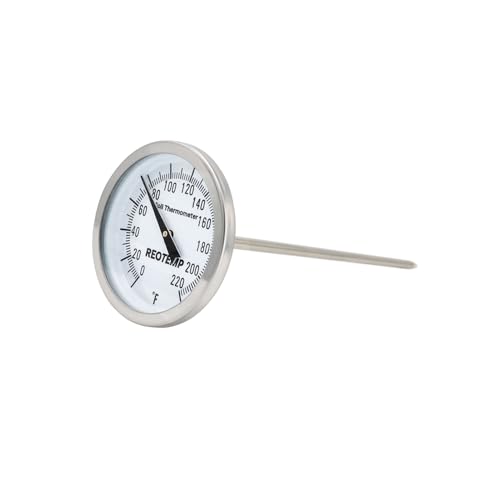 REOTEMP Waterproof Soil Thermometer, 5" StemCheck price on Amazon
 The Andersons Professional PGF Complete 16-4-8 FertilizerCheck price on Amazon
 Pennington Ironite All-Purpose 1-0-1 Lawn & Garden FertilizerCheck price on Amazon
As an Amazon Associate we earn from qualifying purchases.
Free Lawn Care Tools
Bermuda grass typically begins to green up when soil temperature reaches a consistent 60°F at a 4-inch depth, which occurs from late March to early May depending on your region.
Speed up green-up by clearing debris, mowing low, lightly dethatching, and only fertilizing after soil temps reach 65°F. Ensure adequate sunlight and water 1 inch per week.
Bermuda grass breaks dormancy and starts greening up when soil temperature at 4 inches deep stays above 60°F for several consecutive days.
Do not fertilize before soil temperature reaches 60°F. Early fertilizer wastes nutrients, can harm roots, and may encourage weeds or disease in cool soil.
Uneven green-up is usually caused by compacted soil, excessive thatch, shade, or winter damage. Confirm with a root test and soil temp check, then address the underlying issue.
Once soil temperatures are right and proper care is given, bermuda grass usually greens up fully within 2-4 weeks after the first signs of new growth.
Bermuda grass typically reaches full spring green-up in late February to early March in South Florida and South Texas, mid to late March in North Florida and coastal South Carolina, and late March to mid-April in North Texas and upstate Carolinas. The trigger is sustained soil temperature at 4 inches reaching 65°F. Microclimate plays a role too: south-facing slopes warm sooner, shaded or low-lying spots lag. Verify with a soil thermometer rather than going by calendar alone.
If your bermuda grass is not greening up this spring, the most common causes are soil that has not yet hit 60°F at a 4-inch depth, winter damage from extended freezes or ice cover, excessive thatch (more than 0.5 inches) blocking sunlight from reaching crowns, compacted soil starving roots of oxygen, or shade from new tree growth or structures. Check soil temperature first with a soil thermometer. If temps are right but the lawn is still tan, gently tug a handful of grass: roots that pull up easily mean winterkill in that area, while solid resistance means the crowns are alive and just slow. Light dethatching, core aeration, and patient watering once soil is warm usually trigger recovery within 2 to 4 weeks. Avoid fertilizing cold soil, since that wastes product and can encourage disease.
To green up bermuda grass in the spring, time every step to soil temperature rather than the calendar. Once soil hits a consistent 60°F at 4 inches deep, rake out leaves and debris so sunlight can warm the crowns, lightly dethatch if thatch is over 0.5 inches, and mow low (around 1 to 1.5 inches) to expose more soil to the sun. Wait for soil to reach 65°F before applying the first round of fertilizer, then water deeply but infrequently at about 1 inch per week. Avoid scalping the lawn too early or fertilizing cold soil, both of which slow rather than speed green-up. With the right sequence, most bermuda lawns reach full color within 2 to 4 weeks of the first visible green shoots.
Photos: Masood Aslami / Pexels, Digital Buggu / Pexels, Get Lost Mike / Pexels

Beat weeds and brown spots from your phone
Snap a photo, get the fix, and follow a plan timed to your soil and weather. Free on iPhone.