

When to Apply Crabgrass Preventer by Zip Code (2026 Spring Guide)
 Sarah MitchellLawn Diagnostics Specialist | 12 Years
As an Amazon Associate we earn from qualifying purchases.
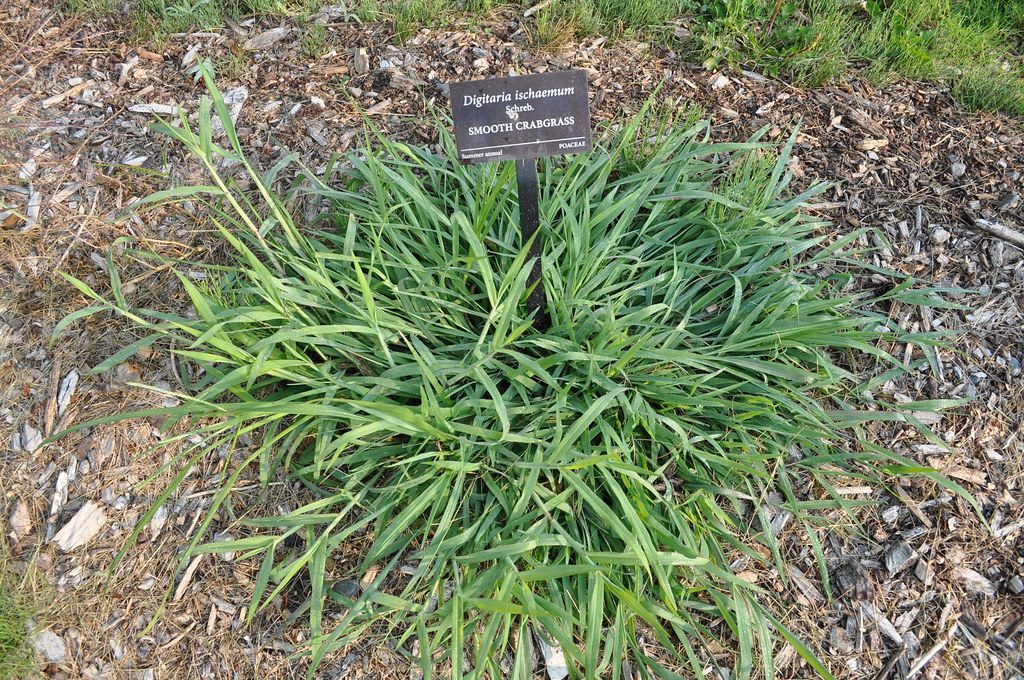
Every spring, homeowners face a familiar battle: crabgrass. The question I hear most often isn’t about what to use, but when to put down crabgrass preventer-a detail that can make or break your lawn’s success for the season. The answer is rarely as simple as circling a date on your calendar. Rather, it depends on a unique mix of your zip code, local temperatures, and how quickly spring arrives in your area, especially as weather patterns shift in 2026.
Applying crabgrass preventer at the perfect moment is the single most effective step you can take to block a crabgrass invasion before it starts. Get it wrong, and you might be treating too late (letting weeds slip through) or too early (wasting product and money). In this comprehensive 2026 spring guide, I’ll walk you through how to pin down the best time to apply crabgrass preventer by zip code, interpret soil temperature data, troubleshoot edge cases, and select the ideal product for your grass type-no matter where you live or how unpredictable your spring may be this year.
For most lawns, the best time to apply crabgrass preventer is when soil temperatures reach a consistent 50°F to 55°F for at least three days-often a few weeks before you see forsythia bushes bloom or notice crabgrass seedlings. To verify the timing for your zip code, use an inexpensive soil thermometer or check reputable online soil temp maps. Never rely solely on a calendar date, as local weather can push the window earlier or later each year.
If you apply too early, you risk wasting the product before crabgrass seeds are ready to germinate; too late, and the pre-emergent barrier won’t stop weeds that are already sprouting. For spring 2026, mark your calendar based on soil temps, not dates-then water in the herbicide as directed and avoid disturbing the soil surface for several weeks to ensure lasting protection.
Understanding Crabgrass and Why Timing Matters
Crabgrass is an annual weed that thrives in thin, stressed, or warming lawns-especially as soil temperatures climb in early spring. Its seeds lie dormant through winter, waiting for just the right moment to germinate: when the top 1-2 inches of soil consistently hit 55°F. Once established, crabgrass spreads quickly, choking out desirable grass and leaving bare, ugly patches when it dies off in fall.
Recommended products
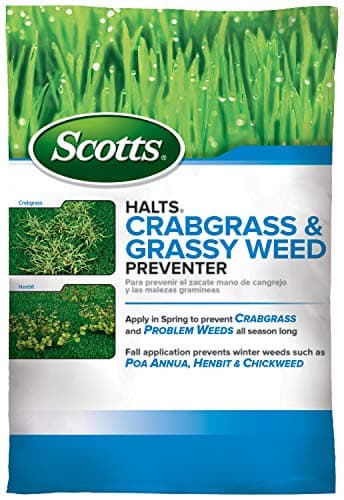
Scotts Halts Crabgrass and Grassy Weed Preventer
The mass-market pre-emergent most homeowners reach for.
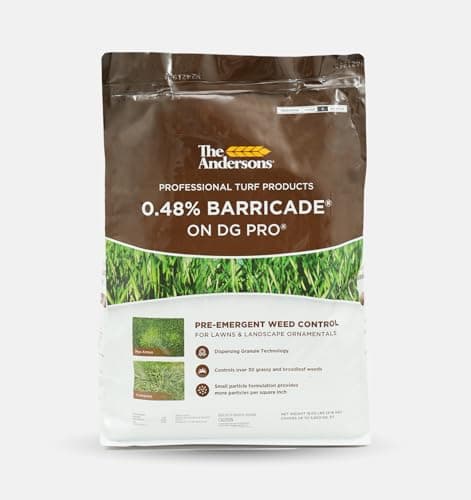
The Andersons Barricade Professional-Grade Prodiamine
Pro-grade prodiamine at a homeowner price.
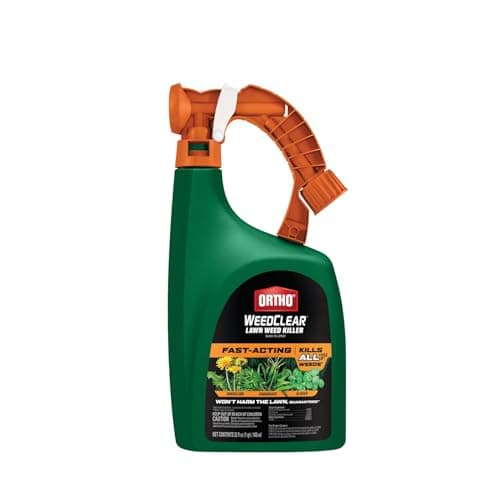
Ortho WeedClear Lawn Weed Killer Ready-to-Spray
For when crabgrass already broke through.
The crabgrass life cycle is simple but ruthless. Seeds germinate in spring, plants mature and set thousands of new seeds by midsummer, and then die with the first frost. The seeds remain viable for years, ready to sprout whenever conditions are right. This is why a single season of missed control can lead to years of recurring problems.
The critical issue is timing. Crabgrass preventers, known as pre-emergent herbicides, create a chemical barrier in the soil that blocks seeds from sprouting but do nothing against crabgrass that’s already emerged. Apply too late, and you’re only wasting effort. That’s why dialing in the right application date-down to your specific zip code and soil temperature-is the key to maximizing results and minimizing future headaches.
How Zip Code Influences Crabgrass Preventer Timing
Regional climate zones shape everything about lawn care: which grasses thrive, when weeds germinate, and how quickly soil warms each spring. The U.S. is a patchwork of distinct zones: the North (cool, late springs), South (early, warm springs), Midwest (short, intense seasons), Transition (in-between), and West Coast (variable, with coastal influences). Your zip code is the gateway to understanding how these factors combine in your backyard.
Microclimates-like shaded yards, valley bottoms, or urban heat islands-can shift soil temps by several degrees, meaning that even neighbors across town may see crabgrass sprout at different times. That’s why tools that use zip code data, not just broad regions, are essential for precise timing. This approach is often called "Lawn Care by Region: Timing and Techniques" and forms the backbone of accurate spring scheduling.
Let’s compare three zip codes as an example:
- 85001 (Phoenix, AZ): Warm desert climate-soil hits 55°F as early as late January or early February. Pre-emergent window is extremely early.
- 60601 (Chicago, IL): Cool northern climate-soil rarely reaches 55°F before late April or even May. Application window is much later.
- 30301 (Atlanta, GA): Southeast warm season-soil warms rapidly, with crabgrass germination often beginning in late February to early March.
Our Regional Climate Data puts the Southeast pre-emergent window at February 15 to March 15, while the Upper Midwest window doesn’t open until April 15 to May 15. This highlights why zip code-specific timing is far more accurate than relying on generic "March" or "April" advice found in many national guides. Search terms like "apply crabgrass preventer by zip code" or "best time for grass in [zip code]" are increasingly popular for this reason, as homeowners seek hyper-local guidance for spring pre-emergent timing in 2026.
Crabgrass Germination Soil Temperature by State
Because crabgrass seeds germinate when soil temperatures hit 50-55°F for three consecutive days, the best time to apply crabgrass preventer varies significantly by state. Use this table as a starting point, then verify with a soil thermometer or your local extension office.
| State | Typical 55°F Soil Temp Window | Pre-Emergent Application Window |
|---|---|---|
| Texas | Late February – late March | Feb 15 – Mar 15 (south), Mar 1 – Apr 1 (north) |
| Virginia | Mid-March – early April | Mar 15 – Apr 15 |
| Kentucky | Late March – mid-April | Mar 20 – Apr 20 |
| New Jersey | Early – mid-April | Apr 1 – May 1 |
| Pennsylvania | Mid-April – early May | Apr 10 – May 10 |
| Illinois | Mid-April – early May | Apr 15 – May 15 |
These windows are approximate averages for 2026. Coastal and urban areas trend 1-2 weeks earlier; mountain and northern-tier zones trend 1-2 weeks later. Always confirm with a soil thermometer before applying pre-emergent.
Step-by-Step: How to Find the Right Application Date for Your Zip Code
1. Check Local Soil Temperatures (Not Just Calendar Dates)
Soil temperature, not air temperature or the date on your calendar, is the real trigger for crabgrass germination. Crabgrass seeds are "programmed" to sprout after three days of soil temps at 50°F to 55°F in the top two inches. Air temperature can be misleading, especially if you get a warm spell followed by a cold snap.
To get the most accurate local reading, use these resources:
- Online soil temperature maps: Many university extension services and weather websites provide daily soil temp updates by zip code or county.
- Local extension offices: Call or email for real-time data and expert insight into your region’s patterns.
- Weather apps: Some offer soil temperature features for your exact location.
For hands-on confirmation, I recommend a $10-20 soil thermometer. Insert it 2 inches deep into your lawn in the morning for three days straight. If you record 50°F-55°F or higher for all three days, it’s time to apply your pre-emergent. This test is more reliable than any date or air temp.
- Penn State Extension recommends applying crabgrass pre-emergent when soil temperatures reach 55°F for several days, not before.
2. Use Zip Code-Based Tools and Resources
Modern lawn care has gone high-tech. Several resources now let you enter your zip code to receive targeted recommendations for spring tasks like pre-emergent timing:
- USDA Hardiness Zone lookups: These maps tell you your cold-hardiness zone, which helps predict frost dates and soil warming trends.
- University extension calendars: Many land-grant universities publish annual guides that break down lawn care tasks by month and region-some even list suggested windows by zip code.
- Lawn care apps: Several well-designed apps and online calculators allow you to enter your zip code for a customized spring schedule. These are discussed further in "Best Lawn Care Apps and Tools for Homeowners."
Our Regional Climate Data puts the Northeast pre-emergent window at March 15 to April 15, while the Southeast window can open as early as February 15. These tools help you avoid the guesswork of generic national advice.
Enter your ZIP code below to find your exact timing:
Loading Herbicide Timing Calculator...
Applying this week? Grab the pre-emergent first
- Scotts Halts Crabgrass and Grassy Weed Preventer - You've got your date, now grab the pre-emergent most homeowners reach for. Stops crabgrass and grassy weeds for up to 4 months.
3. Monitor Local Weather Patterns in 2026
Spring 2026 may bring late freezes, early heatwaves, or record rains. All of these can throw off traditional application windows. If your area experiences an unusually warm February, soil may reach germination thresholds weeks earlier than average. Conversely, a cold or wet spring can delay germination until well into April or May.
To adapt your plan:
- Begin checking soil temps 2-3 weeks before your region’s historical average.
- If you experience a late frost or cold snap after your first test, recheck soil temps before applying.
- If you see forsythia bushes blooming, crabgrass germination is usually imminent in your area.
- If spring heat arrives early, be ready to apply as soon as soil temps approach 55°F, even if it feels "too soon."
Remember, the weather in your zip code-not the calendar-dictates the real window for action.
4. Create Your Custom 2026 Crabgrass Preventer Calendar
Once you’ve gathered soil temp data and regional guidance, build a custom calendar for your lawn. Here’s a step-by-step checklist:
- Record your region’s average pre-emergent window based on our Regional Climate Data or local extension info.
- Begin testing soil temperature two weeks before the earliest date in your window.
- Mark your calendar for the first three-day stretch when soil temps reach 50°F-55°F.
- Apply your crabgrass preventer on the first dry day after this threshold is met.
- Set reminders for watering in the product (usually within 24 hours) and for a follow-up check 6-8 weeks later.
Consider printing a worksheet or using a lawn care app that lets you set alerts for pre- and post-application tasks. This proactive approach keeps you ahead of both weather surprises and crabgrass outbreaks.
Choosing the Right Crabgrass Preventer for Your Grass Type
Pre-Emergent Herbicide Options: Pros, Cons, and Regional Fit
Pre-emergent herbicides work by forming a barrier in the soil that stops crabgrass seeds from sprouting. The most common active ingredients are:
- Prodiamine: Long-lasting, low risk of grass injury, but can interfere with spring overseeding.
- Dithiopyr: Offers some early post-emergent control if you’re just a bit late. Good for unpredictable weather zones.
- Pendimethalin: Reliable, but breaks down faster in warm, wet soils-may need split applications in the South.
Products come in granular and liquid forms. Granular is easy for most homeowners to apply with a spreader, while liquid allows for more precise coverage but requires a sprayer and careful calibration. Both are effective if applied at the correct rate and watered in immediately after application-typically 0.75-1.5 lbs active ingredient per acre, depending on product and grass type.
Organic options, like corn gluten meal, are sometimes marketed as “natural” pre-emergents. While they can provide mild suppression, university trials consistently show they are less effective than synthetic options, especially in heavy crabgrass years or in regions with early, aggressive germination.
Matching Preventer to Grass Type and Region
The type of grass in your lawn determines both when and what you should apply. Cool-season grasses-like Kentucky bluegrass, perennial ryegrass, and fescues-require earlier application in cold regions, but are often more sensitive to certain herbicides. Warm-season grasses-such as Bermudagrass, zoysia, and St. Augustine-can tolerate a wider range of pre-emergents but have different growth rhythms and stress points.
Our Regional Climate Data shows that for the Upper Midwest, where Kentucky bluegrass and fescues dominate, the pre-emergent window is April 15 to May 15, with soil temps in May usually ranging from 50°F to 60°F. In the Southeast, with Bermudagrass and St. Augustine, the window opens as early as February 15, with soil temps climbing to 55°F far sooner.
Always check the product label for compatibility with your grass type. Some pre-emergents can stress fine fescues or newly seeded lawns. If you’re unsure, see the topic "How to Identify Your Lawn Grass Type" for diagnostic steps. The application rate should match the label instructions, which typically range from 2 to 4 lbs of product per 1,000 sq ft-never exceed this, as higher rates won’t provide more control and can cause damage.
Advanced Strategies for Difficult Lawns and Edge Cases
Troubleshooting: If You Miss the Ideal Window
Let’s diagnose this step by step. If you missed the ideal window and crabgrass has already started to germinate (you see tiny grass-like seedlings in bare patches), a standard pre-emergent won’t help. In this case:
- Use a post-emergent crabgrass herbicide labeled for your grass type. Early post-emergents (with dithiopyr) can knock out seedlings up to the 3-leaf stage.
- Hand-pull isolated patches if infestation is light.
- Focus on thickening your lawn with proper fertilization and overseeding in late summer or early fall for cool-season grasses.
Applying pre-emergent too early is also risky. If applied when soil is below 50°F, the herbicide barrier may break down before crabgrass seeds germinate, especially in rainy springs, leaving you unprotected.
If you need to overseed or repair bare spots, most pre-emergents will block both weed and grass seed germination for 2-4 months. Look for products labeled "safe for overseeding" or time your seeding for late summer, after the pre-emergent barrier has broken down.
Layered Defense: Split Applications and Overlapping Products
Split applications-dividing the total product amount into two treatments spaced 6-8 weeks apart-work well in regions with long or unpredictable springs. This builds a more robust barrier, especially in climates with heavy rainfall or extended germination windows (common in the Southeast and Transition Zone).

Avoid layering different pre-emergent products unless the label specifically allows it. Overuse increases the risk of herbicide resistance and can stress your lawn. Always follow label instructions for reapplication intervals and maximum annual rates.
Integrating Crabgrass Prevention with Other Spring Lawn Tasks
Spring is a busy time for lawns. To maximize results, time your mowing, fertilizing, and watering schedules to work with-not against-your pre-emergent application:
- Mowing: Mow before applying pre-emergent, then avoid heavy raking or dethatching for several weeks.
- Fertilizing: Early spring fertilizer can be applied just before or after pre-emergent-see our Spring Lawn Fertilizer Schedule (by Region & Grass Type) for regionally tuned advice.
- Watering: Most products require 0.5 inch of water within 24 hours to activate the barrier. Check your sprinkler output or plan to irrigate after application.
- Overseeding: Either overseed in late summer/fall or select a pre-emergent that won’t interfere with new grass seed (very few products meet this need).
Coordinating these tasks ensures your lawn builds a dense, healthy canopy-your best long-term defense against crabgrass.
Year-Round Crabgrass Prevention: Planning Beyond Spring
Late-Season and Fall Pre-Emergent Use
Most homeowners think of pre-emergent as a spring-only task, but there are strategic reasons to consider a second, late-season application. In regions with long, warm falls (like much of the South and West), a fall application can help suppress winter annual weeds and catch late-germinating crabgrass seeds.
Apply in late August or early September, especially if you notice recurring crabgrass or poa annua outbreaks each fall. Our Regional Climate Data puts the Southeast’s first frost as late as November 15 to December 15, giving weeds a much longer growing window. For more details, see Fall Lawn Care: The Overlooked Season for Weed Control.
Preventer Timing for Southern and Transition Zones
Southern lawns with Bermudagrass, zoysia, and St. Augustine face unique challenges: extended growing seasons, unpredictable weather swings, and multiple weed flushes. In these regions, crabgrass can germinate in late winter and again in early fall, especially after tropical storms or heat waves.
Adjust your schedule by:
- Testing soil temps as early as February in low-elevation or coastal areas.
- Adding a late summer or fall pre-emergent treatment if you’ve had persistent weed problems.
- Factoring in microclimates-yards shaded by buildings or surrounded by pavement may warm weeks ahead of rural lawns.
This approach ensures your lawn is protected no matter how unpredictable the 2026 season may be.
Table: Regional Crabgrass Pre-Emergent Timing Windows
The table below summarizes regional application windows and soil temperature targets from our Regional Climate Data. Use this as a starting point, then adjust based on your zip code and real-time soil temperature:
| Region | Primary Grass Types | Pre-Emergent Window | Soil Temp Target |
|---|---|---|---|
| Northeast (Cool Season) | Kentucky Bluegrass, Fescues, Ryegrass | March 15 - April 15 | 55°F |
| Southeast (Warm Season) | Bermudagrass, Zoysia, St. Augustine | February 15 - March 15 | 55°F |
| Upper Midwest (Cool Season) | Kentucky Bluegrass, Fescues, Ryegrass | April 15 - May 15 | 55°F |
Always confirm with soil temp tests in your zip code before applying.

Common Mistakes to Avoid with Crabgrass Preventers (What Other Guides Miss)
Many national guides miss the nuances that can make or break your crabgrass control plan. Here are the key pitfalls to watch for in 2026:
- Applying by calendar date instead of soil temperature: Weather shifts mean that "March 15th" is not a universal answer. Always test soil temp before applying.
- Skipping the confirmation test: Without verifying soil temps (with a thermometer or online tool), you risk being too early or too late.
- Ignoring regional caveats: What works in the Northeast may fail in Texas. Our data shows pre-emergent windows can vary by over a month between regions.
- Overlapping with seeding or new sod: Most pre-emergents block ALL seed germination, including grass seed. Always space seeding and pre-emergent applications by 8-12 weeks unless using a specialty product.
- Safety around pets and kids: Some products are safe once watered in, but always read the label. See Is Lawn Weed Killer Safe for Pets and Children? for specifics.
- Granular vs. liquid application errors: Miscalibrated spreaders or uneven watering will lead to patchy results. Always calibrate your spreader and water in immediately after application.
Understanding why these missteps matter helps you prevent crabgrass the right way-not just this year, but every year going forward.
Conclusion
Timing your crabgrass preventer by zip code is the single most effective step for a weed-free lawn in spring 2026. By focusing on soil temperature (not calendar dates), using region-specific data like our Regional Climate Data, and confirming with a thermometer or online tool, you maximize your investment and protect your lawn from crabgrass’s relentless advance.
Key takeaways: Always verify with a soil temp test, leverage zip code-based resources, and coordinate pre-emergent use with your broader spring lawn tasks. For a personalized approach, download a custom calendar or use a lawn care app to set reminders. Ready to take your lawn to the next level? Check out our Spring Lawn Preparation Checklist for step-by-step guidance tailored to your region and grass type.
Recommended products
The Andersons Barricade Professional-Grade Prodiamine
Pro-grade prodiamine at a homeowner price.
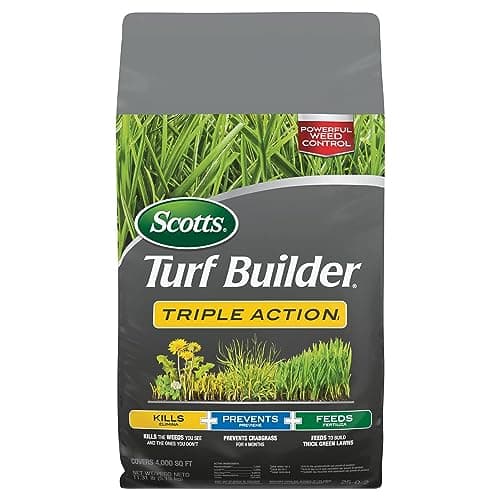
Scotts Turf Builder Triple Action
Pick this if you also want broadleaf weed kill + fertilizer in the same pass.
Ortho WeedClear Lawn Weed Killer Ready-to-Spray
Use this when crabgrass already broke through.
Free Lawn Care Tools
Apply when soil temperatures in your area reach 50°F–55°F for 3 consecutive days. Use a soil thermometer or online soil temp map for your specific zip code to determine the right timing.
Use an inexpensive soil thermometer inserted 2 inches into the lawn soil each morning for three days. Alternatively, check local extension websites for real-time soil temperature readings by zip code.
Yes. Too early and the product may break down before crabgrass germinates, leaving your lawn unprotected. Too late and emerging crabgrass will not be controlled by pre-emergent herbicide.
Most pre-emergent products will block both weed and grass seed germination. Delay overseeding until late summer or use a specialty product safe for seeding, following label instructions.
Organic options like corn gluten meal offer mild suppression, but university trials show they are less effective than synthetic pre-emergents, especially in heavy crabgrass years.
Most products need to be watered in with at least 0.5 inch of water within 24 hours of application to activate the barrier. Always follow the product label for best results.
In Pennsylvania, crabgrass germinates when soil temperatures reach 50-55°F for three consecutive days, which typically happens between mid-April and early May. Apply crabgrass preventer about two weeks before that window — roughly April 10 to May 10, depending on whether you are in a warmer southeastern county or a cooler northern-tier county. Use a soil thermometer inserted 2 inches deep each morning for three days to confirm.
In Texas, crabgrass germination typically begins when soil temperatures reach 50-55°F, which happens as early as late February in South Texas and as late as early April in North Texas. Apply crabgrass preventer from February 15 to March 15 along the Gulf Coast and in South Texas, and March 1 to April 1 in Dallas-Fort Worth and the Panhandle. In El Paso and far West Texas, soil warms quickly so target the late February window.
In New Jersey, apply crabgrass preventer from April 1 to May 1 as soil temperatures reach 55°F. In Virginia, the window is March 15 to April 15 statewide, though Tidewater and southeastern areas can be 1-2 weeks earlier. In Kentucky, target March 20 to April 20 for most of the state, with western Kentucky closer to March 20 and the eastern mountains closer to April 20. Always verify with a soil thermometer or local extension office before applying.
Photos: OakleyOriginals / Openverse, nature80020 / Openverse, John-Morgan / Openverse

Beat weeds and brown spots from your phone
Snap a photo, get the fix, and follow a plan timed to your soil and weather. Free on iPhone.
Related Articles
 Seasonal Care
Lawn Renovation 101 Transform Your Lawn This Spring
Feb 22, 2026•13 min read Seasonal Care
Should You Scalp Your Lawn in Early Spring? (Yes for Bermuda, No for Fescue)
Feb 22, 2026•13 min read Seasonal Care
Dormant Seeding: How to Seed Your Lawn in Late Fall for Spring Germination
Jul 17, 2026•11 min read

