Soil Temperature Guide: When to Seed, Fertilize, and Apply Pre-Emergent
 Sarah MitchellLawn Diagnostics Specialist | 12 Years
As an Amazon Associate we earn from qualifying purchases.
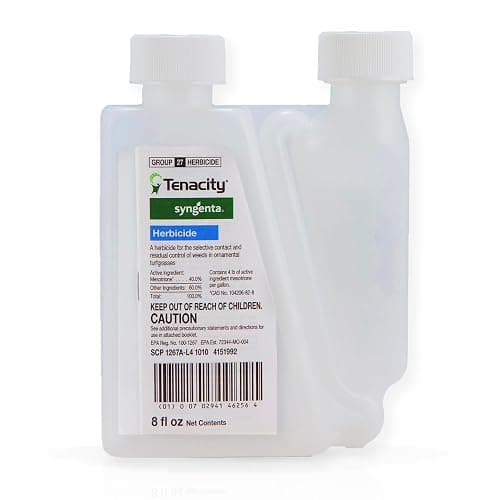
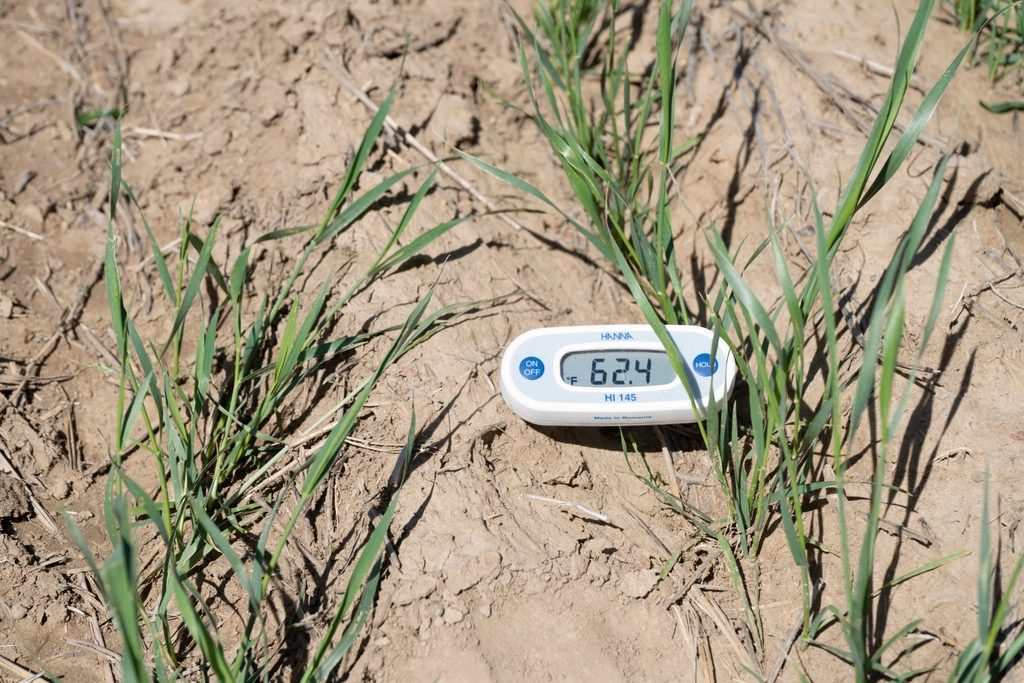
Soil temperature is the most reliable trigger for lawn care timing. Apply pre-emergent herbicide when soil hits 55°F for 3 to 5 consecutive days. Seed cool-season grasses when soil is 50 to 65°F. Seed warm-season grasses when soil reaches 65 to 70°F. Fertilize cool-season lawns at 55°F and warm-season lawns at 65°F and rising. Stop relying on calendar dates and start tracking your actual soil temps with our Soil Temperature Tracker.
The Master Soil Temperature Cheat Sheet
Every lawn care task has a soil temperature that unlocks it. Here is the whole season in one table. All readings are at a 2 to 4 inch depth, held for 3 to 5 consecutive days.
| Soil Temperature | Lawn Care Task | Why It Matters |
|---|---|---|
| 50 to 55°F | Apply crabgrass pre-emergent | Crabgrass germinates at 55°F, so the barrier must be down before that |
| 50 to 65°F | Seed cool-season grasses (fescue, bluegrass, rye) | Optimal germination range; fall timing strongly preferred |
| 55°F and rising | First fertilizer for cool-season lawns | Roots are active and can actually use the nitrogen |
| 60 to 70°F | Preventive grub control | Product needs to be in place before beetles lay eggs in early summer |
| 65°F and rising | Fertilize warm-season lawns | Bermuda and zoysia are out of dormancy and growing |
| 65°F (spring) | Preventive fungicide for summer patch | The pathogen becomes active at 65°F, weeks before symptoms show |
| 65 to 70°F | Seed or sod warm-season grasses | Bermuda, zoysia, and centipede stall in cooler soil |
| 70°F and above | Peak warm-season growth | Mow, water, and feed warm-season turf on schedule |
| 75°F and above | Stop feeding cool-season lawns | Fescue and bluegrass are heat-stressed; feeding now invites disease |
| Below 45°F | Growth stops | No seed, no fertilizer; late-fall broadleaf weed control still works |
Not sure where your soil is right now? Our Soil Temperature Tracker pulls current readings for your ZIP code and tells you which of these windows is open today.
Why Calendar Dates Will Steer You Wrong
When I am diagnosing lawn issues in spring, one of the first questions I ask is, "When did you put down your pre-emergent?" The answer is almost always a calendar date. "March 15th, like my dad always did." Or "When the hardware store put the bags on display."
Here is the problem: spring does not arrive on the same date every year. A warm February can push soil temperatures up weeks ahead of schedule, while a late-season cold snap can keep them stubbornly low well into April. In 2024, parts of the Southeast saw soil temperatures hit pre-emergent thresholds nearly three weeks earlier than average. Homeowners who waited for their usual calendar date missed the window entirely, and crabgrass had a field day.
After 12 years of diagnosing cool-season turf problems, I can say this with confidence: soil temperature is the single most reliable indicator for timing your lawn care applications. Not air temperature, not the calendar, and definitely not what your neighbor is doing.
The Thresholds, Explained
55°F: The Pre-Emergent Deadline
When soil temperature at a 2 to 4 inch depth reaches 55°F for 3 to 5 consecutive days, crabgrass and other summer annual weeds begin germinating. Your pre-emergent barrier needs to be down and watered in before that happens, which is why I tell people to apply in the 50 to 55°F window. Apply too early and the product may break down before weed seeds germinate. Apply too late and the weeds are already up, making pre-emergent useless.
A practical marker that aligns with this threshold: forsythia blooming in your area. When you see those bright yellow bushes flowering, soil temps are usually right around 55°F.
50 to 65°F: Cool-Season Seeding Zone
Cool-season grasses like Kentucky bluegrass, tall fescue, and perennial ryegrass germinate best when soil temperatures are between 50 and 65°F. This window typically opens in early to mid-fall (the ideal time) and again briefly in spring.
Fall seeding is almost always better than spring seeding for cool-season grasses. The soil is still warm from summer, air temperatures are cooling, and the new grass gets an entire fall and winter to root in before summer stress arrives.
55°F: First Feeding for Cool-Season Lawns
Fertilizing frozen or cold soil wastes product and feeds spring weeds instead. Once soil holds 55°F and the lawn is actively growing, cool-season roots can actually take up nitrogen. Time your first application to that trigger, not to a holiday weekend. If you seed in spring, skip weed-and-feed products entirely; the herbicide component will stop your seed from germinating too.
60 to 70°F: Grub Prevention
Preventive grub products (chlorantraniliprole or imidacloprid types) should be in the soil before adult beetles lay eggs in early summer. Soil in the 60 to 70°F range and climbing is your cue. Water it in; the product has to reach the root zone where grubs feed.
65°F: Warm-Season Wake-Up and Fungicide Timing
Two things happen at 65°F. Warm-season grasses like bermuda and zoysia break dormancy and can use their first fertilizer of the year. And in cool-season lawns with a history of summer patch, 65°F is the trigger for the first preventive fungicide application, because the pathogen becomes active weeks before you would ever see symptoms.
65 to 70°F: Warm-Season Seeding and Sod
Bermuda, zoysia, centipede, and other warm-season grasses need warm soil to germinate and establish. Wait until soil temperatures consistently reach 65 to 70°F before seeding or laying sod. Planting into cool soil leads to slow germination, weak seedlings, and disease pressure.
70°F and Above: Peak Warm-Season Growth
Warm-season grasses hit their stride when soil temperatures pass 70°F. This is the season for regular mowing, deep watering, and scheduled feeding. For cool-season grasses, soil above 75°F means stress: raise the mowing height, water deeply, and put the fertilizer bag away until fall.
Below 45°F: Dormancy
When soil temperatures drop below 45°F, most grass growth stops. Cool-season grasses go semi-dormant, warm-season grasses go fully dormant. No seed, no fertilizer. Late-fall broadleaf weed control in cool-season lawns is the one job still worth doing.
Germination Temperatures by Grass Type
Seed germination is where soil temperature gets unforgiving. Here are the ranges I work from, with the optimal band where germination is fastest and most complete.
| Grass Type | Minimum Soil Temp | Optimal Range | Typical Germination Time |
|---|---|---|---|
| Perennial ryegrass | 50°F | 55 to 65°F | 5 to 10 days |
| Tall fescue | 50°F | 55 to 65°F | 7 to 14 days |
| Kentucky bluegrass | 50°F | 55 to 65°F | 14 to 30 days |
| Bermuda grass | 65°F | 70 to 80°F | 7 to 14 days |
| Zoysia | 68°F | 70 to 80°F | 14 to 21 days |
| Centipede | 65°F | 70 to 80°F | 14 to 21 days |
| Bahia | 65°F | 70 to 80°F | 14 to 28 days |
Notice Kentucky bluegrass: same temperature range as fescue, but two to four times the wait. If your KBG seed has not shown up after two weeks, that is normal. Bermuda seeded into 60°F soil, on the other hand, will mostly just sit there and rot.
How to Check Your Soil Temperature
You have a few options, ranging from simple to tech-forward.
Soil Thermometer
A basic soil thermometer costs about $10 at any garden center. Push it into the soil to a depth of 2 to 4 inches, wait a few minutes, and read the temperature. Check in the morning, before the sun warms the surface, for the most representative reading. Measure for several consecutive days to establish a trend, not just a single reading.
Local Reporting Networks
Many state university extension services publish daily soil temperature readings from weather stations across their region. The GreenCast soil temperature map is another popular resource. These give you a general sense of conditions in your area, though your specific yard may differ based on sun exposure, soil type, and elevation.
Our Soil Temperature Tracker
The easiest approach is to use our Soil Temperature Tracker, which pulls current soil temperature data for your ZIP code and tells you exactly which lawn care activities are appropriate right now. No thermometer required, no guesswork involved.
A Temperature-Based Season, Spring Through Fall
Instead of thinking in months, think in temperatures. Here is the whole year as a sequence of triggers.
Spring, as soil warms
- 45 to 50°F: Cool-season lawns green up. Light feeding only if the lawn is thin and hungry. This is also when warm-season lawns get scalped ahead of green-up; see our guide on whether to scalp your lawn in early spring.
- 50 to 55°F: Pre-emergent goes down. Time-sensitive; do not wait. Mowing season also begins around now, and our spring mowing guide by region and grass type covers when to make the first cut.
- 55°F and rising: First cool-season fertilizer application.
- 60 to 70°F: Preventive grub control, warm-season first feeding at 65°F, summer patch fungicide if you have a history of it.
- 65 to 70°F: Seed or sod bermuda, zoysia, and centipede.
Summer, at peak heat
- 70°F+: Warm-season turf grows fast. Mow often, water deeply, keep feeding on schedule.
- 75°F+: Cool-season turf is surviving, not thriving. Raise the deck, water deeply and infrequently, no fertilizer.
Fall, as soil cools
- 65°F and falling: The fall cool-season seeding window opens. Soil is warm enough for fast germination and the heat is breaking. This is the best seeding weather of the year.
- 55 to 65°F: Aerate and overseed cool-season lawns, feed them generously. Last feeding for warm-season lawns happens well before this point.
- 50°F and falling: Winterizer fertilizer for cool-season lawns, final mow of the season.
- Below 45°F: Done for the year. Late-fall broadleaf herbicide still works on cool-season lawns if weeds are present.
Common Soil Temperature Mistakes
Confusing Air Temperature with Soil Temperature
Air temperature and soil temperature can differ by 10 to 20 degrees, especially in early spring when the air warms up quickly but the soil is still cold from winter. A 70°F afternoon does not mean your soil is at 70°F. Soil lags air by days to weeks in both directions: slower to warm in spring, slower to cool in fall. That fall lag is exactly why autumn seeding works so well. Always measure soil temperature directly.
Taking a Single Reading
One warm day does not mean your soil is ready. Most thresholds require consistent temperatures over 3 to 5 days. A single reading after a warm spell followed by a cold snap will mislead you.
Ignoring Microclimates
The south-facing slope in your front yard will warm up faster than the shaded north side of your house. If your lawn has both sunny and shady areas, check soil temps in multiple spots. You may need to stagger your applications.
Start Tracking Your Soil Temperature Today
The difference between a good lawn and a great lawn often comes down to timing, and timing comes down to soil temperature. Stop guessing and start tracking.
Use our Soil Temperature Tracker to check your local conditions right now. And for more on seasonal timing, read our guides on when to start mowing in spring, improving soil pH for grass, and when to fertilize your lawn.
Free Lawn Care Tools
Cool-season grasses (tall fescue, Kentucky bluegrass, perennial ryegrass) germinate once soil holds 50°F, with the optimal range at 55 to 65°F. Warm-season grasses (bermuda, zoysia, centipede, bahia) need at least 65°F, and germinate fastest at 70 to 80°F. Measure at 2 to 4 inches deep for 3 to 5 consecutive days before seeding.
Apply pre-emergent when soil temperature at a 2 to 4 inch depth is between 50 and 55°F and rising. Crabgrass begins germinating once soil holds 55°F for 3 to 5 consecutive days, so the barrier must be down and watered in before that. A natural indicator is forsythia blooming in your area.
Fertilize cool-season lawns (fescue, bluegrass, rye) once soil holds 55°F and the grass is actively growing. Fertilize warm-season lawns (bermuda, zoysia, centipede) once soil reaches 65°F and rising, which is when they break dormancy. Feeding cold soil wastes fertilizer and mostly feeds weeds.
They can differ by 10 to 20 degrees. Soil warms and cools much more slowly than air, so a 70°F spring afternoon can sit over 48°F soil. Soil lags air by days to weeks in both directions, which is why fall soil stays warm for seeding even as the air cools. Always measure soil directly or use a location-based tracker.
Push a soil thermometer 2 to 4 inches into the ground, wait a few minutes, and read it in the morning before the sun warms the surface. Repeat for several days to confirm a trend. Or skip the thermometer and use our free Soil Temperature Tracker, which pulls current readings for your ZIP code.
Most grass growth stops when soil temperature drops below 45°F. Cool-season grasses go semi-dormant and warm-season grasses go fully dormant. Skip seed and fertilizer at that point; late-fall broadleaf weed control on cool-season lawns is the one treatment that still pays.
Apply preventive grub products when soil is between 60 and 70°F and climbing, before adult beetles lay eggs in early summer. Water the product in so it reaches the root zone where grubs feed. Curative treatments come later, in late summer, once damage from young grubs appears.

Your lawn plan, in your pocket all season
Grass ID, a season plan, soil-timed reminders, and a lawn journal that remembers what you did. Free on iPhone.
Related Articles
 Seasonal Care
Fall Lawn Aeration: When and How to Aerate by Region
Sep 12, 2026•10 min read Seasonal Care
Fall Lawn Care Schedule and Checklist: Month-by-Month Maintenance
Jul 17, 2026•12 min read Seasonal Care
Dormant Seeding: How to Seed Your Lawn in Late Fall for Spring Germination
Jul 17, 2026•11 min read