Summer Weed Control: Best Products and Timing for Crabgrass and Nutsedge (2026)
 Sarah MitchellLawn Diagnostics Specialist | 12 Years
As an Amazon Associate we earn from qualifying purchases.
Can you kill weeds in summer heat? Yes, but the thermometer sets the rules. Most selective lawn herbicides, including 2,4-D and dicamba, should not be sprayed once daytime highs pass roughly 85°F, and volatility plus turf injury risk climb sharply above 90°F. Below that line, spot-treat on a calm morning while weeds are young and actively growing. A few products, like halosulfuron for nutsedge, carry no labeled heat cutoff, which makes them the workhorses of true mid-summer weed control.
Loading Herbicide Timing Calculator...
Every summer, it happens: you invest time and energy into a healthy, vibrant lawn, only to watch weeds like crabgrass, spurge, and clover run rampant as the heat settles in. The truth is, summer weed management is far more complicated than plucking a few dandelions or spraying a generic weed killer. Tackling weeds in summer means outsmarting some of the most aggressive, heat-loving invaders at their peak-often when your turf is stressed and most vulnerable. Summer brings unique challenges: high temperatures, sporadic rainfall, and intense sunlight that create the perfect storm for weeds to thrive while your grass struggles. If you’ve ever felt like weeds are winning the battle, you’re not alone.
Effective summer weed management is about more than aesthetics-it's about protecting your investment, supporting turf health, and preventing long-term infestations. In my 12 years of diagnosing and treating lawn problems, I’ve seen that most weed outbreaks stem from a lack of season-specific strategy. This advanced guide delivers proven, science-backed techniques for identifying, preventing, and controlling summer weeds. Whether you’re a homeowner aiming for curb appeal or a pro looking for the latest strategies, you’ll find actionable steps here, from weed ID to advanced integrated management, tailored for real-world conditions.
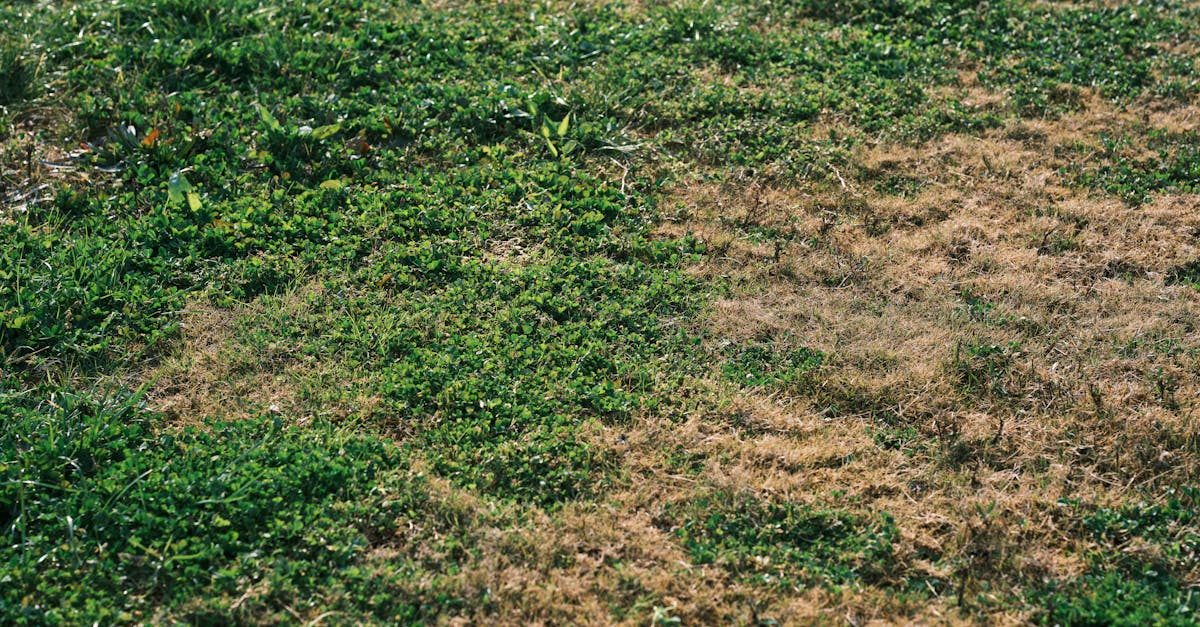
If summer weeds are taking over your lawn, start with diagnosis: look for patches of fast-spreading, bright green grass (crabgrass or goosegrass), sprawling low growers (spurge, purslane), or stubborn perennials (clover, nutsedge). Confirm by tugging-annuals pull up easily, perennials resist and regrow. For large, patchy outbreaks, check for thin turf or bare spots, as these signal weak areas that let weeds in.
For the fix, act early: spot-treat with a targeted post-emergent like Gordon’s SpeedZone Lawn Weed Killer for broadleaf weeds, or Ortho WeedClear Lawn Weed Killer Ready-to-Spray if crabgrass is the main culprit. Avoid mowing too short or watering in the evening, which encourages weed germination. Most post-emergents show results in hours to days, but persistent weeds may require a second spot treatment in 2-3 weeks. Focus on thickening turf and correcting soil issues to prevent future outbreaks.
Recommended products
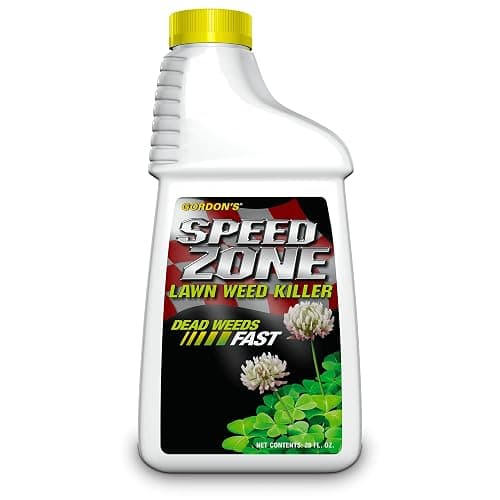
Gordon’s SpeedZone Lawn Weed Killer
Fast-acting broadleaf herbicide that knocks out tough weeds like clover, dandelion, and ground ivy.
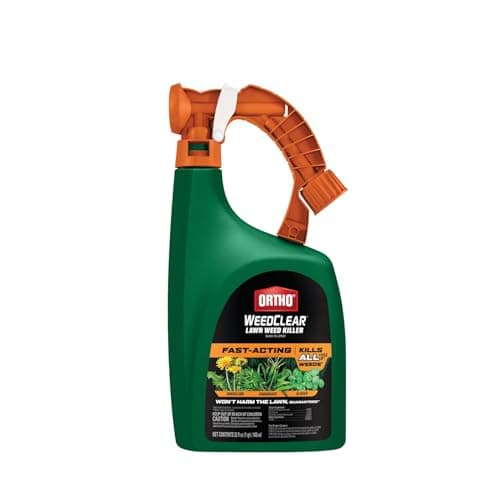
Ortho WeedClear Lawn Weed Killer Ready-to-Spray
Hose-end weed killer that targets crabgrass, dandelions, clover, and other broadleaf weeds.
Understanding Summer Weeds and Their Impact
The Science Behind Summer Weed Growth
Summer weed explosions aren’t random; they’re a direct result of rising soil temperatures, increased daylight, and fluctuating moisture. Most summer annual weeds-like crabgrass, goosegrass, and spurge-germinate when soil temps reach 55°F and above, then grow explosively as warmth and sunlight intensify. Perennial weeds (clover, nutsedge, bindweed) use summer’s longer days to store energy and expand root systems, making them harder to control as the season progresses.
Weeds thrive in summer for three reasons: 1) they exploit thin or bare patches where turf is weak, 2) many have C4 photosynthesis, letting them outcompete cool-season grasses in heat, and 3) their seeds are triggered by summer’s specific soil and air conditions. The result: even a well-kept lawn can get overrun if a few small windows of opportunity open.
Identifying Common Summer Weeds
Accurate weed ID is step one in any successful weed management plan. Summer brings a distinct cast of characters-each with unique life cycles and control needs:
- Crabgrass: Light green, coarse blades, often in bare/thin spots. Germinates at 55°F soil, grows rapidly in hot, wet weather.
- Nutsedge: Shiny, yellow-green, triangular stems, grows faster than turf, thrives in moist or poorly drained areas.
- Spurge: Low, mat-forming, tiny leaves with a reddish stem, milky sap when broken. Loves hot, dry spots.
- Purslane: Succulent, reddish stems, paddle-like leaves. Tough and drought-resistant, invades cracks and edges.
- Clover: Three-leaf clusters, low-growing, often in nitrogen-poor soil. White or pinkish flowers attract bees.
- Goosegrass: Flat, whitish crown, tough stems, thrives in compacted soil and heavy traffic areas.
- Foxtail: Upright, bushy seedheads, yellow-green foliage, germinates later than crabgrass but just as aggressive.
- Bindweed: Twining vine, arrow-shaped leaves, white/pink trumpet flowers. Deep roots-hard to eradicate.
Common ragweed runs on the same summer clock and matters beyond the lawn, since its late-season pollen is a major hay fever trigger, so work through ragweed identification and control if you are seeing tall, fern-like foliage along fence lines and bed edges.
Knowing whether you’re battling annuals or perennials, broadleaf or grassy weeds, is critical. For example, post-emergent sprays that knock down dandelions won’t touch nutsedge. Use a hand lens or smartphone app for close-up inspection. When in doubt, dig up a sample (roots and all) and compare to local extension resources or our guide on Common Lawn Weeds and How to Remove Them.
Which Summer Weeds Peak in July
Summer weeds do not all surge at once, and knowing which one is peaking right now tells you whether to spray, pull, or simply wait it out. Not sure which weed you are staring at? Snap a photo and identify the weed instantly with our free photo tool, then match it to the row below and jump to the matching control section.
| Weed | Type | Peak Months | Quick ID Cue | Summer Control |
|---|---|---|---|---|
| Crabgrass | Grassy annual | June to August | Light green, coarse, sprawls flat from bare spots | Quinclorac while young; keep below 85°F |
| Goosegrass | Grassy annual | July to September | White crown, flattened rosette, loves compaction | Fenoxaprop (or topramezone where available); tough once mature |
| Yellow nutsedge | Sedge (perennial) | Mid-June to July | Shiny triangular stems, taller than the turf | Halosulfuron; no labeled heat cutoff |
| Spotted spurge | Broadleaf annual | June to September | Low mat, reddish stem, milky sap | Three-way broadleaf; keep below 85°F |
| Purslane | Broadleaf annual | July to August | Succulent paddle leaves, red stems | Hand-pull or broadleaf spot-spray |
| Foxtail | Grassy annual | July to September | Bushy bottlebrush seedhead | Post-emergent grass killer while young |
Nutsedge is the one to move on first in July, since disrupting it now, while it is actively forming tubers, prevents a much bigger stand next year.
Why Effective Summer Weed Management Matters
Unchecked summer weeds don’t just look bad-they compete fiercely for water, nutrients, and sunlight. They outpace stressed turf, worsen drought impacts, and leave behind seed banks that multiply problems for years. Some, like nutsedge and bindweed, can send roots several feet deep, robbing your lawn of resources and making future control exponentially harder.
Neglecting summer weed management can reduce property value and increase future lawn renovation costs. Persistent infestations often signal broader issues, like compacted soil, chronic drought, or mowing mistakes. Understanding why weeds thrive helps you fix root causes, not just symptoms.
Weed Killer for Lawns in Summer: What's Safe Above 85°F
The single most useful number in summer weed control is 85°F. Below it, most selective post-emergent herbicides work as labeled. Above it, two problems stack up: heat-stressed turf absorbs herbicide it would normally shrug off, and volatile actives like 2,4-D and dicamba can turn to vapor and drift onto plants you never sprayed. University extension guidance puts the ideal window for most post-emergents at roughly 65 to 85°F, with volatility risk rising above 85°F and greatest past 90°F. Some states go further: Illinois and Minnesota restrict dicamba applications when air temperatures exceed 85°F.
| Active Ingredient | Found In | Hot-Weather Guidance |
|---|---|---|
| 2,4-D + dicamba combos | SpeedZone, most weed and feed products | Avoid above 85°F; volatility and off-target drift risk is greatest above 90°F |
| Quinclorac | Crabgrass killers, Ortho WeedClear mixes | Apply below 85°F on actively growing weeds; skip during drought stress |
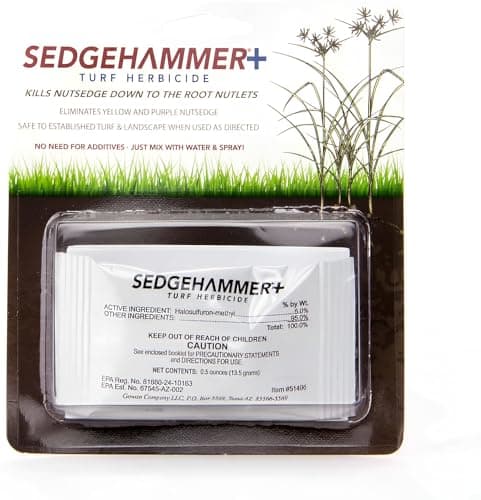
| Halosulfuron | SedgeHammer and generics (nutsedge) | No labeled heat cutoff; still avoid spraying drought-stressed turf |
| Sulfentrazone | Sedge and spurge products, some combo killers | Generally usable in summer per label; follow rate and stress warnings |
Four practical rules make summer spraying safe: apply in early morning when temperatures are at their lowest for the day, only treat a lawn that is not drought-stressed, check that no rain is expected for 24 hours, and spot-treat individual weeds instead of blanketing the whole lawn. If the forecast shows highs above 85°F all week, either wait for a cooler stretch or switch to hand-pulling and heat-tolerant actives like halosulfuron for the weeds that cannot wait.
Spray Now or Wait? A Summer Decision Guide
When you are staring at the forecast trying to decide whether to treat today, this table turns the temperature into a plan.
| Forecast High | Turf Condition | What To Do |
|---|---|---|
| Below 85°F | Not drought-stressed | Spot-treat on a calm morning; most selective post-emergents are safe |
| 85 to 90°F | Any | Skip 2,4-D and dicamba; use halosulfuron for nutsedge or hand-pull, or wait for a cooler morning |
| Above 90°F | Any | Do not spray selective broadleaf herbicides; volatility and turf injury risk are highest. Hand-pull or wait |
| Any temperature | Drought-stressed or dormant | Do not spray anything; water first or wait for the lawn to recover |
Best Weed Killer for Lawns in Summer by Weed Type
There is no single best weed killer for lawns in summer, because the right active ingredient depends entirely on which weed you are fighting. Match the weed to the active before you buy anything, and spot-treat rather than blanket-spray a stressed lawn.
| If your weed is... | Reach for | Why |
|---|---|---|
| Broadleaf (clover, dandelion, spurge, ground ivy) | Three-way selective (2,4-D + dicamba + MCPP) | Fast broadleaf knockdown; keep applications below 85°F |
| Nutsedge | Halosulfuron (sedge-specific) | Only sedge actives work on it; no labeled heat cutoff |
| Crabgrass or foxtail | Quinclorac or fenoxaprop | Selective grassy-weed control; best on young plants |
| Warm-season lawn, mixed weeds in heat | Heat-tolerant selective labeled for your grass | A few products carry no summer temperature limit; always confirm on the label |
Whatever you land on, read the label for the maximum safe application temperature, treat only the weeds you can see, and skip any spraying during drought stress or peak afternoon heat.
Preparing Your Lawn for Summer Weed Management
Assessing Current Weed Pressure
Let’s diagnose this step by step. Start with a thorough lawn inspection, ideally in the morning when dew makes weeds more visible. Walk the entire property and:
- Note weed types and locations (sun/shade, edges, bare spots).
- Estimate density-if weeds account for more than 10-15% of the lawn, you’re facing a moderate to severe infestation and need an integrated approach.
- Prioritize: focus first on problem areas (thin turf, chronic wet or dry spots), then expand to less-affected zones.
Photograph or flag trouble zones for rechecks later in the season. If you’re unsure about ID or severity, take a sample to your local extension office for confirmation.
Soil Health and Lawn Preparation
Healthy soil is your first defense against summer weeds. Dense turf with robust roots shades soil, deprives weeds of light, and outcompetes invaders for nutrients. Start with a basic soil test (available from extension offices or garden centers), which will reveal pH, nutrient levels, and organic matter content. Aim for:
- pH: Most lawns thrive at 6.0-7.0. Out-of-range pH reduces turf vigor and gives weeds an opening.
- Nitrogen: Deficient lawns thin out, letting in clover and spurge. Adjust fertilization based on test results.
- Organic Matter: 3-5% is ideal for holding moisture and nutrients.
Correct high or low pH with lime or sulfur as needed, following soil test recommendations. Address compaction with core aeration, especially in heavy clay or traffic areas. Remember, weed pressure is often a symptom of poor soil health or past neglect.
Mowing and Watering Best Practices
Mowing too short is the single most common mistake I see during summer. For most cool-season grasses (Kentucky bluegrass, fescue), set your mower to 3.0-4.0 inches; warm-season height varies by species: Bermudagrass and zoysia stay lower (about 1.0-2.0 inches), while St. Augustine and bahia want more (about 2.5-4.0 inches). Match the number to your grass with our mowing height calculator or your local extension. Taller grass shades weed seeds, reducing germination by up to 80% compared to short-cropped lawns.
Water deeply but infrequently-aim for 1-1.5 inches per week, ideally in one or two early morning sessions. Shallow, frequent watering encourages shallow-rooted weeds. Avoid watering in the evening, as this creates damp conditions that favor weed growth and disease. Adjust your practices if local water restrictions apply, focusing on keeping the lawn out of stress rather than lush growth.
Integrated Weed Management Strategies for Summer
Cultural Controls: Proactive Lawn Care
Proactive lawn care is the backbone of integrated summer weed management. Overseeding thin patches in late spring or early fall (for cool-season lawns) helps crowd out weeds. Apply fertilizer according to soil test results-too little invites clover, too much can encourage crabgrass and disease.
Proper mulching in garden beds and around ornamentals blocks sunlight and physically prevents weed seed germination. Use 2-3 inches of organic mulch, being careful not to pile it against tree trunks or stems. For lawns, focus on building dense turf by matching watering, fertilizing, and mowing to your specific grass type. Dense, healthy grass outcompetes most summer annuals.
Mechanical and Manual Weed Removal
Hand-pulling is most effective on small patches and shallow-rooted annuals like spurge or purslane. For best results, pull right after rain or irrigation, when soil is moist and roots come up more easily. Use a weeding fork or dandelion digger for perennials-get the entire root, or regrowth is likely.
Mechanical tools (long-handled weeders, hoes, string trimmers) are ideal for edges, beds, and gravel areas. For large infestations, mow high and bag clippings to prevent spreading seed. Timing is everything: remove weeds before they flower and set seed. Target weeding during cool, cloudy mornings to minimize turf stress and reduce the risk of spreading seeds.
Chemical Controls: Summer Herbicide Use
When cultural and mechanical controls aren’t enough, targeted herbicide use can be effective. Summer calls for post-emergent herbicides, as most weeds have already sprouted. The choice of product should match both the weed type and your grass species.
- Gordon’s SpeedZone Lawn Weed Killer is best for fast-acting control of broadleaf weeds like clover, dandelion, and ground ivy. It provides visible results in hours and is safe for most lawn grasses.
- Ortho WeedClear Lawn Weed Killer Ready-to-Spray is ideal if you’re dealing with a mix of crabgrass, dandelions, and clover, or want a hose-end application for up to 5,000 sq ft. It’s a solid choice for homeowners seeking convenience with broad-spectrum results.
Apply herbicides when weeds are actively growing and daytime temperatures are below 85°F to avoid turf injury. Do not apply during drought stress or immediately before rainfall. Spot-treat visible weeds rather than blanket-spraying, especially if your lawn is mostly healthy. Always follow label safety instructions, wear gloves, and keep children and pets off treated areas for the recommended period.
Organic and Natural Weed Management Options
There’s growing interest in organic and natural weed control, though results vary. Natural herbicides (acetic acid/vinegar sprays, clove oil, citric acid) can desiccate young weeds but rarely kill established perennials. Boiling water works for cracks and hardscapes but can damage turf if splashed.
Corn gluten meal is sometimes promoted as an organic pre-emergent, but evidence for its effectiveness is limited and timing is critical. Mulching and hand-pulling remain the most reliable organic methods. For best results, combine several approaches and remain vigilant-organic methods typically require more frequent application and monitoring.
Advanced Strategies: Combining Methods for Maximum Effect
The most effective summer weed management plans layer multiple strategies-a principle known as Integrated Weed Management (IWM). Start with strong cultural controls (mowing, irrigation, fertilization), then add mechanical removal for spot outbreaks, and reserve herbicides for stubborn or widespread infestations. Rotate methods each season to prevent weed resistance: alternate herbicide classes, change mowing patterns, and switch up mulching materials to keep weeds off balance.
In garden beds or along fences, consider weed barriers or landscape fabric beneath mulch for long-term suppression. For gravel or non-turf areas, flame weeding (carefully applied with a propane torch) can knock back young annuals, but use extreme caution near dry grass or mulch. Document what works and adjust based on results-no two lawns are the same.
Can You Use Weed and Feed in Summer?
This is the question I get most often once the heat arrives, so let’s answer it directly: yes, you technically can use weed and feed in summer, but in most cases you shouldn’t, especially during a stretch of high heat. Weed and feed is a combination product that pairs a nitrogen fertilizer with a broadleaf herbicide, and both halves of that combo can backfire when temperatures climb. Feeding cool-season grass (Kentucky bluegrass, fescue, rye) heavily in mid-summer pushes tender top growth right when the plant wants to conserve energy, and the broadleaf herbicide can volatilize or scorch stressed turf once daytime highs pass roughly 85°F. The result is often more lawn damage than weed control.
The better approach for summer lawn weed control is to separate the two jobs. If your lawn genuinely needs feeding, use a light, slow-release fertilizer suited to the season, and handle weeds on their own with a targeted post-emergent spot treatment instead of a blanket weed and feed application. Spot-treating lets you hit the actual problem weeds (clover, spurge, dandelion, ground ivy) without dumping herbicide across healthy turf that doesn’t need it. Apply on a calm morning when temperatures are below 85°F, the lawn is not drought-stressed, and no rain is expected for 24 hours. Warm-season lawns (Bermudagrass, zoysia, St. Augustine) tolerate summer applications better than cool-season turf, but the same spot-treat-first rule keeps you out of trouble.
Is Mid-Summer Too Late for Weed and Feed?
For most lawns, mid-summer weed and feed is poor timing rather than a hard deadline. The herbicide half can still kill actively growing broadleaf weeds, but the feeding half and the heat risk make a mid-summer weed and feed pass a gamble on cool-season grass. If you missed the spring window, it’s usually smarter to spot-treat broadleaf weeds now with a summer weed killer labeled for your grass, then save the broadcast weed and feed for early fall when temperatures ease and cool-season turf is actively recovering. Fall is the strongest window of the year for knocking down perennial broadleaf weeds anyway, so patience pays off. And if you were hoping weed and feed doubles as crabgrass prevention, it doesn’t: see Is Scotts Weed and Feed a Pre-Emergent? for why those are separate products.
Choosing a Summer Weed Killer for Hot-Weather Spot Treatment
The best summer weed killer is the one matched to your specific weed and grass type, applied as a spot treatment rather than a lawn-wide soak. For broadleaf weeds, a fast-acting selective product like Gordon’s SpeedZone Lawn Weed Killer works well and is safe for most lawn grasses. For a mix of crabgrass and broadleaf weeds, a hose-end option such as Ortho WeedClear Lawn Weed Killer Ready-to-Spray covers more ground. Whatever you choose, read the label for the maximum safe application temperature, treat only the weeds you can see, and avoid spraying during drought stress or peak afternoon heat. A careful spot treatment delivers real summer weed control without the turf injury that comes from blanketing a stressed lawn.
Best Herbicide for Spurge (and Other Summer Weeds)
Spurge, nutsedge, and escaped crabgrass are the true mid-summer specialists. They germinate or surge after the spring pre-emergent window closes, which is exactly why generic weed killer advice fails in July. Each one needs a different active ingredient, so match the product to the weed before you buy anything.
Spotted Spurge and Oxalis
The best herbicide for spurge is a selective broadleaf post-emergent that combines two or more of 2,4-D, dicamba, MCPP, and fluroxypyr, which is why three-way and four-way products like SpeedZone handle it well. The catch is timing on two fronts: spray while plants are young, before they form dense mats and set seed, and only when highs are below 85°F. Oxalis responds to the same dicamba plus 2,4-D combinations, again most reliably on seedlings before flowering. For isolated mats of either weed, hand-pulling after a watering works, since the taproot lifts cleanly from moist soil. Both weeds reseed heavily, so plan on a pre-emergent next spring. Our full walkthrough is in How to Get Rid of Spotted Spurge.
Nutsedge
Broadleaf weed killers will not touch nutsedge, because it is a sedge, not a broadleaf or a grass. Use a sedge-specific active like halosulfuron (SedgeHammer and generics) or sulfentrazone, applied while the plant is actively growing and tall enough to absorb the spray. Halosulfuron has no labeled heat cutoff, which makes it one of the few herbicides you can use confidently in real summer heat, though you should still skip drought-stressed turf since injury and poor control both become more likely. Expect visible injury to the nutsedge about two weeks after application, and plan on a follow-up pass for established stands. Full details in How to Get Rid of Nutsedge.
Crabgrass That Escaped Your Pre-Emergent
Once crabgrass is up, quinclorac is the standard post-emergent answer, and it appears in most consumer crabgrass killers. It works best on young plants with fewer than four tillers; big mid-summer clumps often survive one pass and need a repeat application. Apply below 85°F on a lawn that is not drought-stressed, and accept that a mature July clump is sometimes better left to die at frost while you fix the real problem: next spring's pre-emergent timing. Nail that window using our pre-emergent timing guide by ZIP code and soil temperature.
Timing and Seasonal Considerations
The Importance of Timing in Summer Weed Management
Timing is a critical lever in summer weed management. Most annual weeds germinate in late spring or early summer when soil temperatures rise above 55°F. If you’re targeting crabgrass, for example, pre-emergent herbicides are only effective if applied before germination. Our Regional Climate Data puts the Northeast pre-emergent window at March 15 - April 15, while the Southeast window opens as early as February 15. For the Upper Midwest, April 15 - May 15 is typical. Miss these windows, and you’re left with post-emergent options for the rest of the season. For exact dates in your area, see our pre-emergent timing guide.
For post-emergent treatments, the best time of day is early morning or late afternoon when temperatures are moderate and turf is not stressed. Weed removal and herbicide effectiveness also depend on the weed’s growth stage: young, actively growing weeds are much easier to control than mature, seed-setting plants. Adjust your approach for early, mid, and late summer-early summer focuses on prevention and spot control; mid-summer is about monitoring and targeted treatments; late summer prepares the lawn for fall recovery.
Regional and Microclimate Factors
Regional climate dictates both weed species and management windows. Cool-season lawns (Kentucky bluegrass, fescue) in the Upper Midwest face extremely short growing seasons and risk of summer stress, while warm-season lawns (Bermudagrass, zoysia) in the Southeast can handle heat but face aggressive annual weeds.
Our Regional Climate Data shows that soil temperatures and frost dates vary dramatically-so always adjust your timing. For example, applying a post-emergent for crabgrass in late May may still be effective in the Upper Midwest, but would be too late in the Southeast. Humid regions tend to see more disease and perennial weeds, while arid zones may battle drought-tolerant invaders like purslane. Microclimates-shady areas, low spots, or compacted soil-often require customized tactics.
| Region | Primary Grass Types | Summer Weed Pressure | Pre-Emergent Window |
|---|---|---|---|
| Northeast | Kentucky Bluegrass, Rye, Fescue | Crabgrass, Clover, Spurge | March 15 - April 15 |
| Southeast | Bermudagrass, Zoysia, St. Augustine | Crabgrass, Goosegrass, Nutsedge | February 15 - March 15 |
| Upper Midwest | Kentucky Bluegrass, Fescue, Rye | Crabgrass, Foxtail, Bindweed | April 15 - May 15 |
This table summarizes the pre-emergent windows and primary summer weed pressures for each major region. Always confirm your local soil temps before applying pre-emergents.
- NC State Extension recommends applying post-emergent herbicides for summer annuals when weeds are young and actively growing, and avoiding application during heat or drought stress to prevent turf injury.
Planning for Year-Round Weed Management
Summer weed management is not a standalone task-it sets the stage for fall and spring success. Removing summer annuals before they seed reduces next year’s problem dramatically. Document which weeds appear and where, then use this as a roadmap for pre-emergent timing or soil amendments next season. Build a lawn care calendar that includes seeding, fertilization, aeration, and targeted weed control throughout the year (see Lawn Care Calendar for All Seasons). Transition from summer to fall by repairing bare areas, overseeding cool-season lawns, and prepping for winter stress. Consistency is the key to breaking the weed cycle for good.
Step-by-Step Summer Weed Management Action Plan
Week-by-Week Checklist for the Season
Here’s a practical week-by-week framework for summer weed management, adapted to the realities of the season:
- Week 1-2 (Early Summer): Inspect the lawn, identify and map weed outbreaks, spot-treat with post-emergent herbicides as needed. Adjust mowing height up by 0.5-1 inch. Conduct a soil test if not done in spring.
- Week 3-6 (Mid-Summer): Monitor for new weed growth, especially after rainfall. Hand-pull or mechanically remove emerging weeds before flowering. Reapply spot treatments for persistent patches. Maintain deep, infrequent watering and sharpen mower blades.
- Week 7-10 (Late Summer): Prep the lawn for fall: overseed thin spots (cool-season lawns), repair bare areas, and reduce watering gradually as temperatures cool. Document weed types and locations for next year’s plan.
Adjust these intervals based on your region and weather. The real key is consistency-don’t let weeds go to seed, and don’t let turf thin out during stress.

Pro Tips for Persistent or Hard-to-Control Weeds
The symptom you’re seeing usually points to one of a few things-deep-rooted perennials like nutsedge, bindweed, or wild violet often require a multi-pronged approach. Spot-treat with a selective herbicide labeled for your grass and target weed. If hand removal, dig deep and repeat every 7-10 days.
If weeds persist after 2-3 focused treatments, or cover more than 25% of your lawn, it’s time to consider professional help. See When to Hire a Lawn Care Professional for guidance on when and how to bring in the pros. For tough areas like driveways, paths, or mulched beds, use physical barriers, boiling water, or targeted non-selective herbicides, but always protect nearby ornamentals and turf.
Weed Management for Special Situations
Pet- and Kid-Safe Summer Weed Management
If children or pets use the lawn, choose products and practices with safety in mind. Many post-emergent herbicides require a waiting period (usually until the product dries, often 24 hours) before re-entry. Look for labeled “pet-safe” or “children-safe” products, or stick to manual and mechanical removal in play areas. Always read and follow label instructions-never assume a product is safe just because it’s “natural.” Create temporary barriers or rotate play zones after treatment.
Organic Lawns and Eco-Friendly Approaches
Managing weeds organically means balancing some tolerance for minor weed presence with robust turf health. Focus on soil fertility, overseeding, and mulching. Integrated Pest Management (IPM) emphasizes prevention, monitoring, and targeted treatment-spot-treat only where needed, and rotate methods to reduce chemical reliance. For more, see our guide on Brown Patch Prevention and Common Lawn Weeds and How to Remove Them for sustainable management strategies.
Managing Weeds in Drought or Water-Restricted Summers
During drought or water bans, your priority shifts to preserving turf health and minimizing stress. Raise mowing height to maximize shade, and irrigate only as allowed-deep, infrequent watering is even more critical. Focus weed removal efforts on high-value areas (front lawn, play spaces), and accept some weed presence in less critical zones. Avoid herbicide applications during severe drought, as turf injury risk skyrockets. Use mulch and physical barriers to suppress weeds in beds and non-turf areas.
Common Mistakes to Avoid
Misidentifying Weeds and Using the Wrong Control Method
One of the most common missteps is treating the wrong weed with the wrong product. For example, using a broadleaf herbicide on nutsedge (a sedge) or foxtail (a grassy weed) won’t work. Always confirm weed ID by checking leaf shape, growth habit, and roots. If unsure, dig up a sample and consult your extension or a diagnostic guide. Confirmation before treatment saves time and money.
Poor Timing and Application Errors
Applying herbicides at midday or during heat stress can damage turf and reduce effectiveness. Likewise, missing the pre-emergent window allows annual weeds to establish. Our Regional Climate Data puts the Southeast pre-emergent window at February 15 - March 15; missing this means relying on less effective post-emergents. Always check soil temps and forecast before applying any product.
Overlooking Regional Differences
Weed types, timing, and best-control strategies vary by region, grass type, and microclimate. What works in the Upper Midwest may fail in the Southeast. Adjust your approach based on local weed pressure, climate, and grass species. Reference our Lawn Care Calendar for All Seasons to customize your plan.
Safety Oversights Around Pets and Children
It’s easy to overlook safety when weeds are persistent. Always follow label instructions for re-entry times, keep pets and kids off treated areas until safe, and store products out of reach. With organic products, don’t assume safety-some natural herbicides can irritate skin or eyes.
- Contact your local extension office for weed ID and herbicide recommendations tailored for your grass type and region.
Conclusion
Summer weed management requires more than quick fixes-it’s about systematic, season-specific action rooted in diagnosis and timing. Identify and confirm your weeds, address soil and turf health, and layer cultural, mechanical, and (if needed) chemical controls. Avoid the common pitfalls of poor timing, misidentification, and ignoring regional nuances. With a strategic plan and consistency, you can turn the tide against summer weeds and set your lawn up for year-round success.
Ready to take your next step? Check out our guides on Lawn Fertilization in Summer, Fall Weed Management, and Lawn Renovation for Problem Lawns to build a comprehensive, resilient lawn care strategy.
Top Picks
 Celsius WG Herbicide (Easy Mix Packet)Check price on Amazon
 Sedgehammer Plus Turf SolutionCheck price on Amazon
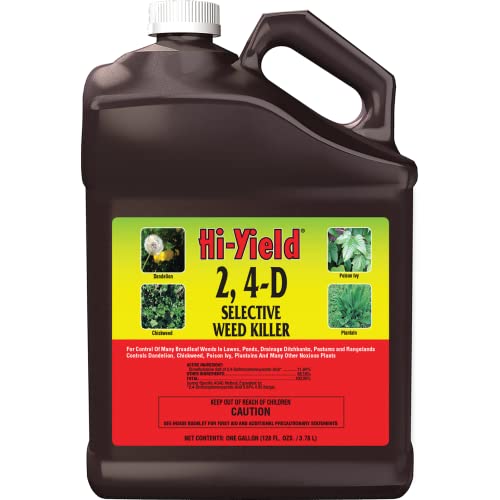 Hi-Yield 2,4-D Selective Weed Killer (1 gal)Check price on Amazon
As an Amazon Associate we earn from qualifying purchases.
Free Lawn Care Tools
Look for key features: crabgrass has light green coarse blades in bare spots, nutsedge has triangular stems and grows faster than turf, spurge forms low mats with milky sap, and clover has three-leaf clusters. Confirm by pulling: annuals come up easily; perennials resist. If you are unsure, snap a photo and use our free /diagnose tool to identify the weed before you treat it.
Above roughly 85°F for most selective lawn herbicides. Extension guidance puts the ideal application range near 65 to 85°F; above that, heat-stressed turf is easily injured, and 2,4-D and dicamba volatility rises sharply, becoming greatest above 90°F. Halosulfuron (the nutsedge active in SedgeHammer) has no labeled heat cutoff, but skip spraying anything on drought-stressed turf. When in doubt, spray in early morning during the coolest part of the day.
Not really. Weeds do take up herbicide faster when they are actively growing in warmth, but above roughly 85°F that speed works against you: heat-stressed turf is injured more easily and volatile actives like 2,4-D and dicamba can vaporize and drift onto plants you never sprayed. The sweet spot for most selective lawn herbicides is 65 to 85°F, applied on a calm morning.
Yes, as long as you spot-treat and watch the thermometer. Below 85°F, apply most selective post-emergents on a calm morning to weeds that are actively growing and not drought-stressed. Above 85°F, switch to hand-pulling or a heat-tolerant active like halosulfuron for nutsedge, and hold off on 2,4-D and dicamba until a cooler stretch.
You can, but on cool-season lawns you usually shouldn't during high heat. Weed and feed pairs nitrogen fertilizer with a broadleaf herbicide, and both can backfire when daytime temperatures pass about 85°F, pushing tender growth and scorching stressed turf. The safer route for summer lawn weed control is to separate the jobs: feed lightly only if needed and spot-treat weeds with a targeted post-emergent instead of a blanket weed and feed pass. Warm-season grasses tolerate it better, but spot-treating first still keeps you out of trouble.
A selective broadleaf post-emergent combining two or more of 2,4-D, dicamba, MCPP, and fluroxypyr, which is why three-way and four-way products like SpeedZone handle spurge well. Spray while plants are young, before they form dense mats and set seed, and only when highs are below 85°F. Hand-pull isolated mats after watering to lift the taproot cleanly, and apply a pre-emergent next spring since spurge reseeds heavily.
The best summer weed killer is a selective post-emergent matched to your weed and grass type, used as a spot treatment rather than a lawn-wide application. For broadleaf weeds like clover and dandelion, a fast-acting product such as Gordon's SpeedZone works well on most lawn grasses; for a mix of crabgrass and broadleaf weeds, a hose-end option like Ortho WeedClear covers more ground. Always check the label's maximum safe temperature, treat only visible weeds, and avoid spraying during drought stress or peak afternoon heat.
The summer specialists are crabgrass and goosegrass (grassy annuals that sprawl from bare spots), yellow nutsedge (a perennial sedge that peaks mid-June into July), and spotted spurge and purslane (low broadleaf annuals). Foxtail joins later in the season. Each needs a different active ingredient, so identify the weed first, then match the control method rather than reaching for a generic weed killer.
Mid-summer weed and feed is poor timing rather than a hard cutoff. The herbicide can still kill actively growing broadleaf weeds, but the feeding half plus the heat risk make it a gamble on cool-season turf. If you missed the spring window, spot-treat broadleaf weeds now with a summer weed killer labeled for your grass, then save the broadcast weed and feed for early fall when temperatures ease and cool-season grass is recovering.
Apply pre-emergent herbicide before soil temperatures reach 55°F for 2-3 consecutive days. Regional timing varies: Northeast (March 15-April 15), Southeast (February 15-March 15), Upper Midwest (April 15-May 15).
Yes, methods include mowing high, overseeding, mulching, hand-pulling young weeds after rainfall, and using physical barriers. Organic spot-treatments like vinegar can work for small annual weeds but are less effective on perennials.
For cool-season lawns, mow at 3.0-4.0 inches. Warm-season height varies by species: Bermuda and zoysia lower (about 1.0-2.0 inches), St. Augustine and bahia higher (about 2.5-4.0 inches), so check your grass in a mowing height guide or with your local extension. Taller grass shades the soil, reducing weed seed germination by up to 80%.
Recurring weeds indicate underlying problems: thin turf, poor soil health, missed pre-emergent windows, or improper identification. Address causes with integrated management and adjust timing for your region.
Usually not on cool-season lawns, and only carefully on warm-season ones. In July most cool-season grasses are heat-stressed, and the fertilizer half of weed and feed pushes growth the lawn cannot support while the herbicide half risks burn above 85 degrees. Warm-season lawns like bermuda and zoysia are actively growing in July and can handle a product labeled for summer use, but spot-spraying weeds and fertilizing separately is still the gentler play.
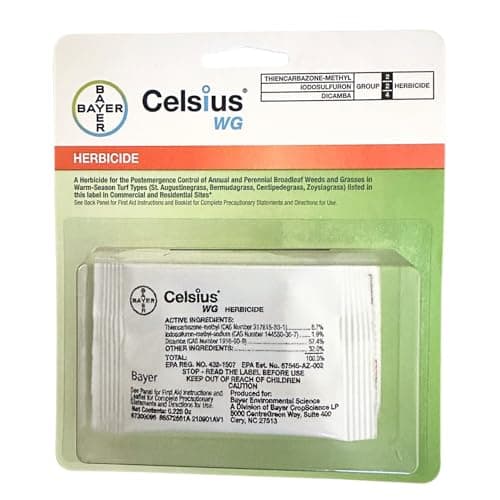
For a true hot weather weed killer, look at Celsius WG on warm-season lawns, since it stays turf-safe at temperatures where 2,4-D and dicamba products start injuring grass. Halosulfuron (Sedgehammer) handles nutsedge in the heat. Whatever you use, spot-treat early in the morning on a calm day when the lawn is not drought-stressed, and skip blanket applications until highs drop back below the mid 80s.
Photos: TheBusyBrain / Openverse, Engin Akyurt / Pexels, Thomas P / Pexels

Beat weeds and brown spots from your phone
Snap a photo, get the fix, and follow a plan timed to your soil and weather. Free on iPhone.