Can You Mow Your Lawn When Grass Is Wet
 James ThorntonLawn Equipment & Maintenance Expert | 20 Years
As an Amazon Associate we earn from qualifying purchases.
Can You Mow Your Lawn When Grass Is Wet?
The short answer: generally no. Wet grass clumps under the deck, tears instead of cutting cleanly, and every torn blade is an open door for fungal disease. On top of that, soft soil ruts and compacts under mower wheels, and laid-over blades give you an uneven cut. The one common exception is light morning dew on firm soil, which is usually fine to mow with sharp blades. Grass that is soaked after heavy rain is the condition to avoid.
Wet grass creates one of the most common mowing dilemmas: the lawn clearly needs to be cut, but the blades are shiny with dew or the soil is still soft from last night’s rain. The question is not just "can you mow your lawn when grass is wet," but whether you should, and under what conditions it is safe for both your lawn and your equipment.
In many cases, it is technically possible to mow damp grass, but there are clear limits where it turns into a bad idea. Moisture levels affect how cleanly grass blades are cut, how much stress you put on your mower, and how likely you are to cause ruts, compaction, or fungal problems that may show up days later. The wetter the lawn, the greater the risk of damage and safety issues.
People usually ask this question for a few reasons: they want to mow after rain or heavy dew, they are trying to save time and stick to a schedule, or they are serious about lawn health and want to avoid disease, scalping, or long-term thinning. This guide will unpack the science behind mowing wet grass, show you clear thresholds for when it is okay vs when to wait, give you step-by-step methods if you have to mow while the lawn is damp, and explain how season and region change the calculation.
You can mow your lawn when grass is slightly damp, but you should avoid mowing when the soil is soft, your shoes leave deep footprints, or grass clumps and sticks to your hand. Those signs indicate the lawn is too wet, which leads to tearing of blades, ruts, and much higher risk of fungal disease. Confirm by pushing a screwdriver 4 to 6 inches into the soil: if it sinks in with almost no resistance and feels muddy, wait at least 24 hours.
If you must mow, raise your mower one notch, use sharp blades, and bag or double-cut any clumps so they do not smother the turf. Avoid using corded electric mowers and be especially cautious on slopes where traction is reduced. Within a day or two, inspect for matted clippings or shiny, water-soaked patches: if you see these, lightly rake them out and plan to resume normal mowing only once the lawn dries and stands upright again.
Understanding the Real Question Behind “Can You Mow Your Lawn When Grass Is Wet?”
When people search "can you mow your lawn when grass is wet," the real question is usually about risk: how wet is too wet, and what is the tradeoff between waiting and letting the lawn get overgrown versus mowing sooner and possibly causing damage. To answer that correctly, you first need a precise idea of what "wet" means in different situations.
What “Wet Grass” Actually Means
Not all wet lawns behave the same. There is a big difference between a quick pass over grass tipped with morning dew and driving a heavy mower over saturated soil after a thunderstorm. Thinking in terms of degrees of wetness helps you make better decisions.
You will typically encounter several kinds of moisture conditions:
Light surface dew. This is common in early morning or after a mild, foggy night. The moisture is mostly on the leaf surface, not deep in the canopy or soil. When you walk through, your shoes get damp but you do not see water squeezing up from the ground. This is the least risky type of "wet" and can be manageable if you use good mowing practices.
Recently irrigated but not saturated. If your sprinkler just shut off or your irrigation cycle ended one or two hours ago, the top of the soil may be moist but not soggy. Clippings may stick somewhat, but the ground still supports your weight. On level areas, this can be mowable if you are careful, especially in hot weather where evaporation is rapid.
Soaked after heavy rain. After prolonged or intense rainfall, water can sit in the thatch and upper soil. Walking across the lawn may leave footprints that fill with water, and mower tires can sink. This is the category where mowing is most likely to cause rutting, compaction, and torn blades.
Wet from humidity vs standing water. Sometimes grass feels wet because of high humidity or fog even though the underlying soil is reasonably firm. Other times you see actual puddles or shiny, standing water between blades. Standing water is a clear "do not mow" indicator. Humidity alone is less of a problem if the soil passes your tests for firmness and there are no obvious slick spots.
You can quickly assess moisture with three simple checks:
- Squeeze test (soil). Scoop a small handful of soil from the top 2 to 3 inches. If it forms a muddy ball that smears between your fingers and leaves water on your hand, it is too wet for mowing.
- Footprint test. Walk across the lawn. If your footprints stay visible as depressions or you see water or mud squeezing around your shoe, hold off.
- Blade stick test. Brush your hand across the grass. If a lot of blades cling to your skin or pants and form clumps, that moisture level will cause serious clumping under your deck and poor cut quality.
Why Moisture Changes How Your Lawn Responds to Mowing
Grass blades are made of cells with rigid walls that stand upright when the plant is healthy and not overloaded with water. When blades are wet, the extra weight of water and softening of cell walls can cause them to bend or lay over. This changes how the mower blade interacts with the plant.

On a dry day, a sharp mower blade cuts through taut, upright blades like scissors through paper. On a damp day, especially when grass is more than one-third above its ideal height, the mower tends to push the stems over, then tear them rather than slicing cleanly. Tearing frays the tips, which turn brown and provide openings for disease.
Wetness also affects how clippings behave. Instead of being thrown evenly out of the discharge or mulched into fine pieces, they tend to stick to the underside of the mower deck, bunch up, and drop in heavy clumps. Those clumps create localized shading and smothering, especially if they are thicker than about half an inch.
Different grasses react differently to wet mowing. Cool-season grasses like Kentucky bluegrass, perennial ryegrass, and fescues often have finer blades that mat more readily when wet, so they are prone to uneven cutting and matting. Warm-season grasses like Bermudagrass, Zoysia, and St. Augustine often have coarser blades and stolons, which can resist matting somewhat, but their thicker tissue can tear badly when cut in wet conditions.
Safety & Equipment Concerns (Before Lawn Health)
Before thinking about lawn health, you need to consider basic safety. Water and power tools are a risky combination, particularly for electric equipment. Even with battery-powered mowers, wet conditions reduce traction and increase the chance of slips and falls.
Corded electric mowers should not be used on wet lawns. If insulation is damaged or connections are not fully sealed, water can create shock risks. Battery and gas mowers are safer in that regard, but they still face traction problems on hills. A self-propelled unit on a slope with wet grass can slide, jerk, or pull you off balance, especially if you are mowing across the hill rather than up and down.
Moisture also adds resistance. Wet grass blades bend and stick to one another, increasing the amount of material your mower has to cut in a single pass. This can strain the engine, slow the blade, and cause the mower to bog down. Prolonged mowing in these conditions puts extra load on belts and spindles and can shorten the life of your machine.
Most mower manuals explicitly advise against mowing in wet conditions because of these combined safety and mechanical risks. Even if you do decide to mow when grass is only slightly damp, you should be ready to stop if you notice loss of traction, excessive clogging, or an overloaded engine sound.
Pros and Cons: Mowing Your Lawn When Grass Is Wet
To decide whether you can mow your lawn when grass is wet on a given day, it helps to weigh the risks and benefits. In general, professionals avoid it unless there is no alternative, but homeowners sometimes have scheduling or regulatory reasons that push them to compromise.
Potential Downsides (And Why Most Pros Avoid It)
The main problems with mowing wet grass break into three areas: cut quality, lawn health, and mower performance. Understanding each type of risk will help you judge whether waiting 12 to 24 hours is the better choice.
Poor cut quality. When grass is wet, blades often bend away from the cutting edge, creating a patchy, uneven cut. You may notice stripes where some areas look freshly cut and others remain slightly taller, even though you went over them at the same height. The tips of the grass are more likely to be ragged instead of cleanly cut, which turns them brown within a day or two.
Clumping is almost guaranteed when you mow anything wetter than light dew. Those clumps can be unsightly and may require raking or an extra pass to redistribute. In thick turf, the clumps can be large enough to create bare or yellow patches underneath due to lack of light and air.
Lawn health risks. Wet conditions favor fungal diseases. When you mow, you create tens of thousands of fresh wounds on the blades. If those blades stay damp for many hours afterward, fungi like dollar spot, leaf spot, and brown patch can take advantage. This is most common when nighttime temperatures stay above 60 to 65 degrees Fahrenheit and humidity is high.
Soft, saturated soil is easily compacted by the weight of your mower and your own footsteps. Compaction squeezes the air out of soil pores and restricts root growth. If you notice ruts deeper than about half an inch from your tires, it typically points to soil that was too wet to support your mower. Over time, recurring compaction leads to thinning turf and more weeds, which is much harder to correct than simply waiting for a drier window.
Excess clippings that clump on a wet lawn can also contribute to thatch buildup. Thatch thicker than about 0.5 inch begins to interfere with water and nutrient movement and creates a spongy surface that dries out faster at the top while staying saturated at the bottom. Mowing wet lawns without managing clippings accelerates this process.
Mower performance and maintenance issues. Cutting wet grass is harder on your mower. The wet layer on the blades and soil splatter under the deck can carry grit that dulls your blades more quickly. A mower that might need sharpening every 20 to 25 hours in dry conditions could dull noticeably faster if you frequently cut when wet. For tips on keeping cutting quality high, see How to Sharpen Lawn Mower Blades.
Wet clippings also stick to the underside of the deck and around discharge chutes. If you do not clean them out shortly after mowing, they can hold moisture against metal surfaces, increasing the risk of rust and corrosion. Even stainless or coated decks are not immune if they are continually exposed to wet material.
Situations Where You Might Consider Mowing Damp (Not Soaked) Grass
Despite the issues listed above, there are times when mowing slightly damp grass is the lesser of two problems. The key is to recognize when grass is only damp and the soil is firm, and when waiting will create its own set of issues.
You might reasonably consider mowing damp grass when:
Rain has been constant and grass is overgrowing. In rainy stretches where you have several days of showers each week, waiting for completely dry conditions may be unrealistic. If your lawn is already more than 50 percent taller than its target height, mowing while the grass is only damp and the soil passes the screwdriver and footprint tests is usually better than letting it grow so tall that you have to remove more than one-third of the blade later.
You have HOA rules or scheduled inspections. Some neighborhoods or homeowner associations require lawns to be maintained below a certain height or schedule visual inspections. In those cases, you may not have the flexibility to wait multiple days. Mowing at the driest point in the day, even if some dew remains, is often a practical compromise.
You are preparing the lawn before vacation. If you will be away for a week or more, especially in peak growing season, letting the lawn go untouched may result in severe overgrowth. A slightly less clean cut on a damp morning can be preferable to returning to a mini jungle that needs to be scalped back into shape.
Overgrowth would cause worse problems. Cutting off too much at once stresses grass more than a slightly ragged cut on a damp day. If your grass is already at the upper limit of acceptable height and significant rain is forecast for several more days, mowing while the lawn is damp but not soggy is often the least harmful option.
To choose the "least bad" timing when conditions are not ideal:
Aim for late morning to early afternoon, after most dew has evaporated but before the day’s second round of storms or heat. After a light shower, you may only need to wait 2 to 4 hours for the canopy to dry enough for acceptable mowing. After a heavy storm, waiting a full 24 hours is often the threshold where soil has drained enough to support equipment without rutting.
How Wet Is Too Wet? Simple Tests Before You Mow
Instead of guessing based on how the lawn looks from your window, use a short checklist before you decide whether you can mow your lawn when grass is wet. These quick tests give you clear go or wait signals.
Step-by-Step Moisture and Safety Check
Step 1: Soil saturation test. Take a long screwdriver or soil probe and push it into the ground 4 to 6 inches. Pay attention to both resistance and what the hole looks like afterward. If the tool slides in with almost no resistance and you see water seeping into the hole or pooling, the soil is too wet. Ideally, you should feel moderate resistance after the first inch or two, which indicates firm but not bone-dry soil.
Step 2: Footprint and tire rut check. Walk a straight line across your yard, then stop and look back. If your footprints are clearly visible as depressions deeper than about a quarter inch, or if you see water squishing up around the edges, hold off. If the surface rebounds and prints fade quickly, the soil is supporting your weight well. If you have a small mower, you can test a single pass in an inconspicuous area and see whether the tires leave permanent ruts.
Step 3: Grass blade stickiness test. Lightly sweep your hand through the grass at knee height. If only a few drops of water transfer and you do not see blades clumping together, your lawn falls into the "damp" category, which can be mowable with care. If your hand comes out with obvious clumps or your pant legs quickly get soaked, you are in the "too wet" range for a quality cut.
Step 4: Slope and traction evaluation. Walk up and down any hills or slopes in your yard. If your shoes feel like they might slip, or the turf shears under your feet, you should avoid mowing those areas until they dry, even if flatter areas of the lawn are borderline acceptable. You can always mow level sections first and return to slopes later.
Step 5: Weather forecast scan. Check the forecast for the next 12 to 24 hours. If the lawn is borderline and you have a window of sun or wind coming, waiting half a day can make a big difference. On the other hand, if several more rainy days are forecast and the lawn is already at or above its ideal height, it may be better to mow now while conditions are damp but manageable.
Visual Signs You Should Absolutely Wait
Certain visual cues are strong indicators that mowing will do more harm than good. If you see any of the following, postpone mowing:
- Standing water or visible puddles in low areas or between blades
- Mud on the surface or shiny, waterlogged thatch
- Deep footprints or mower wheel tracks from a test pass
- Grass blades fully matted over and not springing back upright when brushed
If you notice these symptoms, waiting at least 24 hours, and sometimes 48 hours after heavy rain, is generally the safest choice. In clay soils with poor drainage, you may need to wait until you can push a screwdriver 4 to 6 inches with moderate resistance but without seeing water gleam in the hole.
If You Must Mow Wet Grass: Best Practices To Reduce Damage
Sometimes your schedule, the weather, or regulations mean you need to mow when the lawn is less than ideal. In those situations, your goal changes from "perfect cut" to "acceptable cut with minimal long-term damage." A few adjustments can make a noticeable difference.
Adjust Mowing Height and Frequency
When grass is damp, raising your cutting height by one notch is one of the easiest ways to reduce stress. This helps you avoid cutting into the tender, moisture-heavy lower parts of the blade and keeps you closer to the "one-third rule" even when growth has accelerated due to rain.
For example, if your usual height for Kentucky bluegrass is 3 inches, going up to 3.5 or even 4 inches during rainy periods is often wise. For Bermudagrass, if you typically cut at 1.5 inches, you might bump to around 2 inches in damp conditions. For more detail on optimal heights, see Proper Mowing Height for Every Grass Type.
You may also need to mow slightly more often during rainy stretches. Cutting every 4 to 5 days instead of once a week reduces the amount removed per cut so the mower does not have to chew through long, wet material all at once.
Blade Sharpness and Mower Setup
Sharp blades are crucial for mowing wet grass. A dull blade already tends to tear and shred in dry conditions and this effect is magnified when blades are wet and softer. If your last sharpening was more than 25 mowing hours ago, it is worth sharpening before tackling a damp lawn.

Some homeowners find it helpful to slightly reduce mowing speed on wet days. Slower ground speed gives the blade more time to cut each area, reducing clumping and incomplete cuts. If your mower has multiple speed settings, choose a lower one and listen to the engine; if it starts to bog, slow down even more or take narrower passes.
Mulching mowers struggle most in wet conditions because they try to recut clippings into very fine pieces. If your mower allows, switch to side discharge or bagging when the lawn is damp. Side discharge spreads clippings more widely, making clumps less likely, and bagging removes most of the wet material from the surface.
Clipping Management and Cleanup
After mowing, inspect the lawn for clumps or windrows of wet clippings. Any piles thicker than about half an inch should be broken up or removed. You can:
- Use a leaf rake or thatch rake to gently spread or lift clumps
- Make a second pass at right angles, with the deck slightly higher, to chop and redistribute clippings
- Bag clippings on the second pass if clumping is still heavy
Leaving large wet clumps in place is one of the main ways wet mowing causes yellow or dead spots. If you see clumps sitting on the lawn 1 to 2 hours after mowing, they will likely cause some damage unless removed or spread.
Finally, clean the mower soon after use. Tilt the mower as recommended by your manual, scrape off wet clippings from the underside of the deck with a plastic scraper, and clear the discharge chute. This reduces rust risk and keeps air flow unobstructed for your next mow.
Seasonal and Regional Nuances of Mowing Wet Grass
Climate and season change the balance between risk and benefit when deciding if you can mow your lawn when grass is wet. The same level of moisture can be low risk in a dry, breezy climate and high risk in a humid, disease-prone environment.
Cool-Season Lawns (Spring and Fall)
In the northern half of the United States, cool-season grasses grow fastest in spring and fall. Spring often brings frequent rains and heavy morning dew, while soil temperatures rise into the range where diseases like red thread and leaf spot are active.
In spring, the combination of rapid growth and wet conditions tempts many homeowners to mow early in the morning. If you do, try to wait until at least some dew has burned off, typically late morning. If nights remain cool but days are sunny, waiting until midday to early afternoon is often ideal.
Fall presents a slightly different picture. While there can still be rain, cooler nights and lower humidity often reduce disease risk. However, mowing wet leaves along with wet grass can create thick mats that trap moisture. After fall storms, it is especially important to remove or mulch leaves in stages rather than trying to grind up huge, wet piles in one pass.
Warm-Season Lawns (Summer and Shoulder Seasons)
In warm-season regions, such as the Southeast and parts of the Southwest, summer thunderstorms are common. Lawns with Bermudagrass, Zoysia, St. Augustine, or centipede can grow quickly after heavy rain. Daytime temperatures are often high, which helps surfaces dry more quickly, but high humidity at night keeps fungal risk in play.
One key difference is that warm-season grasses generally tolerate slightly lower cutting heights and can recover more quickly from a less-than-perfect cut, provided the soil is not compacted. If your lawn drains well and you avoid mowing late in the evening, occasional mowing while the grass is just damp is usually acceptable.
In coastal or subtropical regions where afternoon storms are frequent, a common strategy is to mow mid to late morning, after dew dries but before the day’s storms roll through. If daily storms are hitting, target the driest 2 to 3 hour window, often early afternoon, but avoid mowing so late that blades go into the evening wet and freshly wounded.
Heavy Clay vs Sandy Soils
Soil type strongly influences how quickly your lawn can handle mowing after rain. Heavy clay soils drain slowly and stay saturated longer. A clay-based lawn may still fail the screwdriver test 24 hours after a soaking rain, especially in low spots. In those areas, the risk of compaction and rutting is higher, and you might skip those zones entirely until they firm up.
Sandy or loamy soils drain faster and may be mowable the next day, even after an inch of rainfall, as long as your lawn is not in a low-lying area. That does not mean you are free from disease risks, but it does mean the mechanical risks to roots and soil structure are lower.
- Purdue Extension notes that mowing when soil is saturated significantly increases compaction, especially on clay soils, and recommends waiting until footprints do not remain visible to reduce long-term damage.
Can You Mow the Day After It Rains?
Often yes, but it depends on how much rain fell and how fast your soil drains. After a light evening shower on sandy or loamy soil, mowing the next day is usually fine. After an inch or more of rain on heavy clay, even a full day may not be enough drying time.
Run this quick two-part readiness test before you start the mower:
- Footprint test. Walk across the lawn and look back. If your footprints spring back and no water squeezes up around your shoes, the soil can support the mower. Lingering depressions or shiny mud mean wait.
- Blade dryness test. Brush your hand through the grass. Blades should feel dry or barely damp and stand upright on their own. If they cling to your hand, soak your pant leg, or lie matted over, give the lawn a few more hours of sun and wind.
Pass both checks and you can mow the day after it rains with confidence, ideally with sharp blades and the deck raised one notch. Fail either one and another half day of drying will save you ruts, clumps, and a ragged cut.
How Long After Rain Should You Wait Before Mowing?
There is no universal number of hours that works in every yard, but you can use a few timing guidelines based on rainfall amount, temperature, and soil type.
For light rain (less than 0.25 inch) on well-drained soil, lawns can often be mowed within 4 to 8 hours if air temperatures are in the 70s or higher and wind is present. For moderate rain (around 0.5 inch), waiting until the next day - roughly 18 to 24 hours - is usually safer. For heavy rain events (1 inch or more), especially on clay soils, it may take 24 to 48 hours before the soil is firm enough to support a mower without rutting.
Temperature matters because it drives evaporation. On a cool, overcast day in the 50s, even a small amount of rainfall or dew can linger well into the afternoon. On a sunny, breezy day in the 80s, surface moisture may disappear by mid-morning even after a decent shower.
Use time guidelines as a starting point, but always confirm with your moisture and footprint tests. If you still see standing water or deep impressions after your target wait time, delay mowing another half day and reassess.
Why landscapers mow wet grass anyway
You've seen it. The crew shows up at 8 a.m., dew still on the lawn, and mows anyway. Doesn't mean wet grass is fine. Means they're on a schedule.
After twenty years of running crews, I can tell you the math is simple. A route has a set number of lawns per day. Sit out every damp morning and the whole week slides. So crews mow damp grass and manage the damage. Your lawn doesn't have a route. You can wait.
The bigger risk on a route is what rides along on the deck. Inoculum. That's University of Maryland Extension's word for the spores and fungus bits that start an infection. UMD says it can ride on infected grass pieces from one yard to another, especially in damp conditions when the material sticks to surfaces.
Their fix: clean equipment, no mowing wet grass, and companies clearing soil and debris between clients. UMass Extension says the same from the other end. Wash the mowers. Change the mowing order when some lawns have active disease.
Hiring out the mowing? Three things to ask for on wet days:
- A clean mower. Soil and debris cleared off between properties, per University of Maryland Extension.
- Diseased lawns at the end of the route. UMass Extension calls for changing the mowing order around lawns with active disease. If yours is the sick one, expect the last slot.
- Sharp blades. UMass Extension says sharp, properly adjusted blades cut down on wounding and shredding.
If brown patch or dollar spot is already showing, see how to avoid lawn diseases before the next wet mow.
Crews mow when the calendar says so. You get to mow when the screwdriver says so.
What Other Guides Miss: Common Mistakes to Avoid
Many quick answers to "can you mow your lawn when grass is wet" focus only on a yes or no response. That oversimplifies a situation that depends heavily on soil, grass type, and weather patterns. Here are a few areas where other guides often fall short, and how to avoid the resulting mistakes.
Ignoring soil moisture and focusing only on blade wetness. Some advice suggests that if blades look dry at the top, it is safe to mow. This misses the fact that saturated soil is the real driver of compaction and rutting. Even if the canopy appears dry, always use the screwdriver and footprint tests to confirm soil firmness before you mow.
Not adjusting mowing height and direction. Many guides say simply "if you must mow, go slow." Speed is important, but so is raising the mower deck and changing your mowing direction. Alternating directions helps stand the grass up and reduces matting. Keeping the blade higher protects the crown of the plant when blades are heavy with water.
Overlooking disease timing. It is common to see generic warnings about "fungal disease," but timing matters. If you mow a damp lawn in the early morning during a warm, humid stretch, blades may stay wet for 12 hours or more, maximizing disease risk. If you mow the same damp lawn at noon on a breezy day, it may dry in 2 to 3 hours. The second scenario is far less risky.
Failing to clean clumps and the mower deck. Some advice suggests that a mulching mower can handle wet grass as long as it is powerful enough. In reality, any mower can clog, and leaving wet clippings on the lawn or under the deck causes long term problems. Always plan for a quick cleanup session after mowing damp grass as part of the job, not an optional extra.
- NC State Extension emphasizes the one-third rule and recommends raising mowing height during periods of rapid growth and frequent rainfall to minimize stress and disease potential after mowing.
Related Equipment Choices: Mowers and Tools for Wet Conditions
While no mower is perfect in wet conditions, some features make a noticeable difference when you occasionally have to mow damp grass. When you evaluate equipment, think about deck design, power, and safety.
Gas mowers, especially those featured in guides like Best Lawn Mowers in 2026, generally offer more torque to power through slightly damp, dense turf. A wide discharge chute and a deep deck help move clippings out quickly instead of letting them cake under the deck. Having the ability to switch between mulching, side discharge, and bagging gives you flexibility for wet days.
If you are shopping with damp conditions in mind, a few design traits matter more than any "wet grass mower" marketing claim. High-lift blades create stronger airflow under the deck, which helps eject heavy, damp clippings instead of caking them around the blade. A wide discharge opening resists clogging, and extra engine or motor power keeps blade speed up when the mower hits thick, wet material. Those traits, plus a freshly sharpened blade, do more for wet-grass performance than anything else on the spec sheet.
Robotic units, covered in Robotic Lawn Mowers: Are They Worth It?, usually run frequently and remove only a tiny amount of growth each pass. This can partially offset the downsides of mowing damp grass because the clipping volume per cut is lower. However, you still need to consider traction on slopes and science-based guidance from the manufacturer about running in rain.

Regardless of mower type, keeping blades sharp is non-negotiable, especially if wet conditions are frequent in your climate. See How to Sharpen Lawn Mower Blades for step by step instructions and recommended intervals.
Recommended products
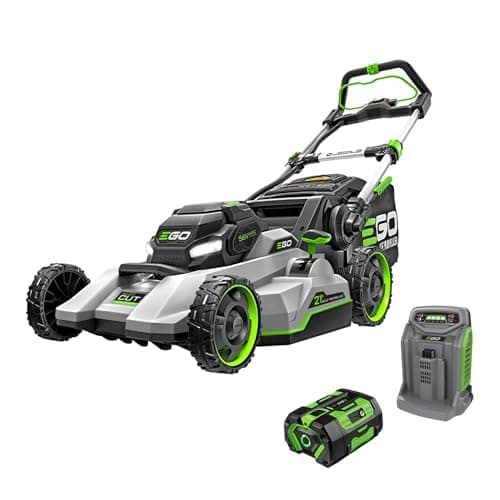
EGO POWER+ Self-Propelled Mower (LM2135SP)
A self-propelled battery mower with enough torque to cut damp grass without bogging down.
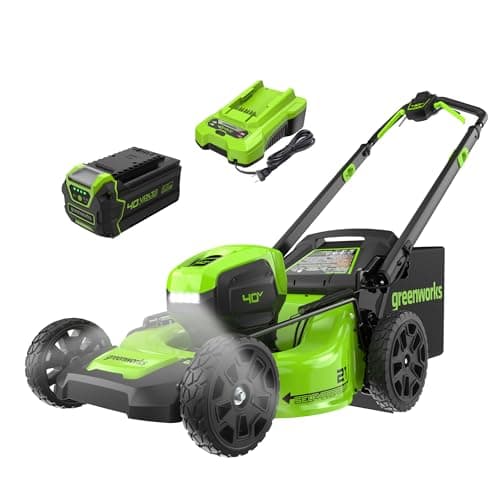
Greenworks 40V 21 inch Self-Propelled Mower
A lighter self-propelled cordless mower that leaves fewer wheel ruts on saturated soil.

Scotts DiseaseEx Lawn Fungicide
A granular fungicide for lawns that stay wet long enough to invite brown patch and dollar spot.
Can a Lawn Mower Get Wet?
Rain falling on a parked mower is a different question from mowing wet grass. Most gas mowers can survive getting rained on occasionally without lasting harm, as long as you let the engine, air filter, and spark plug area dry out before starting. Repeated exposure is the real problem: it invites rust on the deck, water in the fuel, and corroded electrical connections. Store the mower in a shed or garage, or at least under a fitted cover. If a gas mower gets soaked, pull the air filter, let everything dry completely, and only then try to start it; running it wet can pull moisture into the carburetor.
Electric mowers are less forgiving of rain. Battery packs, charging contacts, and control boards are not designed to sit out in the weather, so bring battery mowers and their batteries indoors, and never leave a corded mower or its extension cord outside in the rain. A damp deck is not a crisis, but water inside the electrical components can be the end of the machine.
What About Mowing Wet Grass with an Electric Mower?
Never mow wet grass with a corded electric mower. Water plus an extension cord is a shock hazard even when the insulation looks intact. Battery mowers remove the cord risk, but they have their own weakness: wet, heavy grass bogs down the motor, drains the battery much faster than normal, and can trigger overload shutoffs mid-mow. If conditions are damp enough that a gas mower would strain, a battery mower will struggle sooner. The better move is to wait for the lawn to dry; if you truly cannot, raise the deck, take half-width passes, and keep a spare charged battery on hand.
Putting It All Together: A Practical Wet-Mowing Decision Tree
When you are standing at the edge of your lawn wondering if today is the day to mow, use this simple checklist:
- Check the grass height. If it is still within about one-third of your target height, you usually have at least a few more days before cutting becomes urgent.
- Do the screwdriver test. If you cannot push it 4 to 6 inches without excessive effort, the soil is too dry, not too wet, and mowing is fine from a moisture perspective. If it glides in and water seeps up, it is too wet.
- Walk the lawn. If footprints or a test pass with the mower leave noticeable depressions, wait at least another 12 to 24 hours.
- Brush the blades. If they quickly soak your pants or stick in clumps to your hand, treat the lawn as "too wet" unless rain will be continuous for days and overgrowth is becoming a bigger problem.
- Check the forecast. If a drying window is coming in the next day, delay. If multiple rainy days are ahead and the lawn is already tall, prepare to mow but use all the best practices outlined above.
If you see consistently that your lawn stays too wet after average rains, it may be a sign of deeper issues like poor grading, heavy thatch, or compaction. Addressing those problems with aeration, topdressing, or drainage improvements will not only make mowing easier but also improve overall lawn health.
Conclusion: The Smart Way To Handle Wet Grass Mowing
Asking "can you mow your lawn when grass is wet" is less about a simple yes or no and more about learning to read your lawn. Slightly damp grass on firm soil is usually manageable with sharp blades, a higher cut, and good clipping management. Saturated soil, deep footprints, or clinging, matted blades indicate conditions where the risk to soil structure, lawn health, and your safety outweighs the benefit of staying exactly on schedule.
Use the moisture tests, timing windows, and best practices in this guide as your routine whenever weather is questionable. Over time, you will develop a feel for how your specific yard responds to rain, season, and mower type. If you want to optimize the rest of your mowing routine, including ideal heights, patterns, and timing for different species, check out Proper Mowing Height for Every Grass Type for a deeper dive.
Top Picks
- BioAdvanced Fungus Control for LawnsCheck price on Amazon
- Scotts DiseaseEx Lawn FungicideCheck price on Amazon
As an Amazon Associate we earn from qualifying purchases.
Free Lawn Care Tools
Generally no. Wet grass clumps under the mower deck, tears instead of cutting cleanly, and fresh cuts on damp blades invite fungal disease, while soft soil ruts and compacts under the wheels. The exception is light morning dew on firm soil, which is usually fine to mow with sharp blades and a slightly raised deck. Soaked turf after heavy rain is the condition to avoid.
Often yes, depending on rainfall amount and your soil. After a light shower on sandy or well-drained soil, the next day is usually fine. After an inch or more on clay, even 24 hours may not be enough. Run two quick checks first: footprints should spring back without water squeezing up, and grass blades should feel dry or barely damp and stand upright. Pass both and you are good to mow.
Rain on a parked mower is usually survivable. Gas mowers can handle occasional rain if you let the engine, air filter, and spark plug area dry before starting, though repeated exposure invites rust and water in the fuel. Electric mowers are less forgiving: batteries, connectors, and control boards are not built for rain, so store them indoors. Getting rained on is different from mowing wet grass, which is riskier for both machine and lawn.
Check the soil and grass in a few spots. If your footprints leave deep depressions, water or mud squeezes around your shoes, or a handful of soil forms a muddy ball that smears and leaves water on your hand, the lawn is too wet. You can also push a screwdriver 4 to 6 inches into the ground: if it sinks in with almost no resistance and feels muddy, wait at least 24 hours. Grass that clumps and sticks to your hand when you brush it is another sign to hold off mowing.
Light surface dew is usually the least risky type of “wet” and can be manageable to mow if the soil is firm. If your shoes only get damp and you do not see water squeezing up from the ground or obvious slick spots, you can mow using sharp blades and careful technique. It is still important to watch for clumping under the deck and avoid scalping bent-over blades by mowing too low.
Mowing on saturated soil can cause rutting, soil compaction, and torn grass blades. Mower tires or your feet may sink in, leaving tracks that damage the root zone and create uneven surfaces. Wet, torn blades and heavy clumps of clippings also increase the risk of fungal disease and brown, stressed patches in the days that follow.
Raise the mower deck one notch so you are removing less height and reducing the chance of scalping laid-over grass. Always use sharp blades to get the cleanest cut possible in challenging conditions. If clippings clump, bag them or double-cut the lawn and spread them so they do not smother the turf.
Corded electric mowers should not be used on wet lawns because moisture can create shock risks if insulation or connections are compromised. Battery-powered mowers are safer in terms of electricity, but wet, heavy grass bogs down the motor, drains the battery faster, and traction suffers, especially on slopes. In any wet conditions, extra caution with footing and mower control is essential.
Three quick checks work well: the squeeze test, the footprint test, and the blade stick test. For the squeeze test, soil that smears and forms a muddy ball is too wet; for the footprint test, footprints that remain as depressions or push up water mean you should wait. For the blade stick test, if a lot of grass strands cling to your hand or pants and form clumps, moisture is high enough to cause serious clumping and poor cut quality.
Photos: Gustavo Fring / Pexels, Pixabay / Pexels, Rodolfo Gaion / Pexels

Beat weeds and brown spots from your phone
Snap a photo, get the fix, and follow a plan timed to your soil and weather. Free on iPhone.