Complete Guide to Warm‑Season Grass Types
 Marcus GreenTurf Management Pro | 18 Years
As an Amazon Associate we earn from qualifying purchases.
Picking the right warm season grass type is one of the biggest decisions you will make for your lawn. It affects everything from how green your yard looks in July, to how much you spend on water, to how often you have to mow. If you live in the South, along the Gulf Coast, in coastal regions, or in the warmer parts of the transition zone, warm season grasses give you a stronger, more resilient lawn than most cool season choices. If you are not certain what type of grass you have yet, a quick photo will tell you. Narrowing it down for a shadier Southern lawn? Compare St. Augustine vs Zoysia.
Warm season grasses grow best in heat, stay vibrant through long summers, and typically need less water once established. They do, however, slow down and turn brown when cool weather arrives, which surprises many first time homeowners used to year round green lawns in northern climates.
This guide is for homeowners, DIY lawn care enthusiasts, and anyone comparing southern grass types for a new lawn or renovation. If you have wondered whether bermudagrass, zoysiagrass, or St. Augustinegrass is right for you, or if you need a tougher, low input option like centipedegrass or bahiagrass, you are in the right place.
We will clear up some common myths, like the idea that warm season grass is maintenance free or that all southern grass types are basically the same. They are not. Each grass has its own strengths, weaknesses, and ideal use cases.
In this complete guide you will learn what sets warm season grasses apart, how to choose the best type for your yard, and how the major warm season grass types compare. For broader context on northern lawns, see the Complete Guide to Cool-Season Grass Types, and if you are unsure what you already have, check out How to Identify Your Grass Type by Look & Feel.
Warm season grasses (also called warm season turfgrasses) grow best at 80 to 95°F, green up in late spring, thrive through summer heat, and go brown and dormant once soil drops below about 55°F. The major types are Bermuda, zoysia, St. Augustine, centipede, bahia, and buffalograss. If you get cold winters and mild summers, you want a cool-season grass instead. Not sure which grass you already have? Identify your grass type from a photo.
Understanding Warm Season Grass
What Is Warm Season Grass?
Warm season grasses are turf species that grow best in hot conditions. They wake up in late spring as soil warms, peak in growth during summer, and naturally go dormant when temperatures drop in fall and winter.
Most warm season grass types thrive where summer highs are long and intense. Typical regions include the Sunbelt, the Deep South, the Gulf Coast, coastal Southeast, much of Texas, and warmer parts of California and the Southwest. In USDA terms, many warm season grasses are best adapted to zones 7 through 11, depending on the specific species and variety.
Compared with cool season grasses like Kentucky bluegrass, tall fescue, and perennial ryegrass, warm season grasses prefer higher soil temperatures and more intense sun. Cool season grasses grow best in spring and fall and struggle in extended heat, while warm season grasses slow dramatically when daytime highs stay below about 60 to 65 degrees.
Soil preferences also differ. Many southern grass types handle sandy coastal soils or heavy clays better than cool season turf. Warm season species often have deeper, more extensive root systems that improve drought tolerance and help them recover from stress faster.
Key Traits of Warm Season Grass Types
While each warm season grass is unique, they share some important traits that affect how you care for them.
First, they all have high heat tolerance. Most warm season grasses love full sun and can handle temperatures that would send cool season lawns into dormancy or death. Their photosynthesis is optimized for heat, which is why they look so vibrant in July and August.
Drought tolerance varies by species, but many warm season grasses are more water efficient than cool season options. Deep, fibrous roots and slower growth in extreme heat help them survive dry periods. Buffalograss and bahiagrass, for example, are often used in low water and roadside situations.
Growth habit is another key difference. Some warm season grasses spread through rhizomes (underground stems), stolons (above ground runners), or both. Bermudagrass and St. Augustinegrass spread aggressively with stolons, while zoysiagrass uses both stolons and rhizomes to form dense, carpet like turf. Centipedegrass spreads more slowly and forms a lower density lawn.
Texture can range from very fine blades (some hybrid bermudagrasses) to coarse, wide blades (many St. Augustine types). This affects how the lawn feels underfoot and how it looks from the street.
Finally, dormancy patterns matter. Most warm season lawns will turn tan or brown in winter when soil cools, even if they are perfectly healthy. Some homeowners choose to overseed with ryegrass for green winter color, while others simply accept seasonal dormancy as normal.
When Warm Season Grasses Are the Best Choice
Warm season grass types are the best fit anytime your climate regularly delivers hot summers and relatively mild winters. In the Deep South and coastal regions, they will easily outperform cool season grasses in color, density, and summer survival.
If your average summer highs stay above the mid 80s for weeks at a time, or if you regularly battle brown, stressed fescue in July, warm season turf is usually the right call. These grasses shine in full sun, especially on south facing lots, open fields, and unshaded front yards.
They also excel in specific lawn use cases, such as:
- High traffic family lawns where kids and pets play regularly
- Low input lawns where you want to minimize watering and fertilizing
- High end manicured turf such as golf fairways, sports fields, and showpiece front yards
In the transition zone, where summers are hot but winters can be cold, choosing the right warm season grass is more complex. Some varieties tolerate occasional winter injury better than others. In these areas, homeowners sometimes mix strategies, such as using warm season grass in full sun and shade tolerant cool season grass or landscaping beds under deep tree cover.
If you live in a marginal climate, the Complete Guide to Cool-Season Grass Types can help you compare options. Combined with this warm season guide, you can design a lawn plan that matches each part of your yard to the grass that fits it best.
How to Choose the Right Warm-Season Grass for Your Lawn
Factors to Consider Before You Pick a Grass
Before you commit to any warm season grass type, take a close look at your site conditions and lawn goals. The best grass on paper is not always the best grass for your specific yard. Your state is the fastest shortcut here, and our roundup of lawn grasses across 20 states shows which types the local extension guides actually recommend.
Start with climate details. Note your USDA hardiness zone, but also pay attention to local microclimates. Ask yourself:
- How hot does it get in summer, and for how long
- What are your average winter low temperatures
- Is your area humid, dry, or somewhere in between
- How much natural rainfall do you receive, and in what seasons
Next, evaluate sun and shade. Most warm season grasses need at least 6 to 8 hours of direct sun per day. St. Augustinegrass has comparatively good shade tolerance, while bermudagrass demands almost full sun. Spend a day noticing which areas are shaded by trees or buildings and for how long.
Soil type and pH also affect your options. Sandy coastal soils drain quickly and often lack nutrients, which some grasses, like bahiagrass and centipedegrass, handle better. Heavy clay soils in the inland South can stay wet longer, which influences disease pressure and root growth. A simple soil test from your local extension office will show pH and nutrient levels so you can match a grass that fits or plan amendments.
Finally, be honest about how you use your lawn and how much maintenance you want. High traffic from kids, dogs, or backyard sports points you toward tougher species such as bermudagrass or some zoysiagrasses. If you want a "golf course look" and do not mind frequent mowing, those same species work well. If you prefer low maintenance and do not care about perfect density, centipedegrass, bahiagrass, or buffalograss might be better.
Check any local water restrictions or fertilizer regulations too. Some communities limit irrigation or nutrient applications, which makes drought tolerant, low input grasses more attractive.
Quick Comparison: Major Warm Season Grass Types
The table below gives a quick side by side comparison of common warm season grass types. This snapshot makes it easier to narrow your choices before you dive into details.
| Grass Type | Sun / Shade Tolerance | Drought Tolerance | Traffic Tolerance | Maintenance Level | Texture |
|---|---|---|---|---|---|
| Bermudagrass | Full sun, poor in shade | High once established | Very high | Medium to high | Fine to medium |
| Zoysiagrass | Full sun to light shade | High | High | Medium | Fine to medium |
| St. Augustinegrass | Good shade tolerance | Medium to high | Medium | Medium | Coarse |
| Centipedegrass | Full sun to light shade | Medium | Low to medium | Low | Medium |
| Bahiagrass | Full sun | Very high | Medium | Low | Coarse |
| Buffalograss | Full sun | Very high in arid climates | Low to medium | Low | Fine |
| Kikuyugrass (where allowed) | Full sun | High | High | Medium to high | Medium to coarse |
Use this table as a quick filter. If your yard is mostly shade, you can immediately rule out bermudagrass, bahiagrass, buffalograss, and kikuyugrass. If you want very low maintenance, focus on centipedegrass, bahiagrass, or buffalograss.
Decision Framework: Matching Grass to Your Situation
Once you have a short list of candidates, use a simple "if you need this, choose that" framework to finalise your choice.
If you need the best warm season grass for high traffic, bermudagrass is usually the winner, with some zoysiagrass varieties close behind. This is why you see bermuda on many sports fields and golf fairways. It spreads aggressively, repairs damage quickly, and handles heavy wear.
If you want the best warm season grass for low maintenance, look at centipedegrass, bahiagrass, or buffalograss. These grasses grow slower, need less fertilizer, and can survive with minimal irrigation once established. They will not look like a country club fairway, but they can stay presentable with much less work.
If your yard has trees or buildings that create partial shade, the best warm season grass for partial shade is usually St. Augustinegrass or certain zoysiagrasses. They still need some direct or filtered light but can remain healthy with as little as 4 to 5 hours of sun, depending on variety.
For poor or sandy soils, especially in coastal or roadside settings, the best warm season grass for poor or sandy soils is often bahiagrass or centipedegrass. Both tolerate lower fertility and less than ideal conditions, though you will still benefit from basic soil preparation and occasional feeding.
If you want to go deeper by growing condition, see related resources like Best Grass Types for Shade, Best Grass Types for Full Sun, and Fastest Growing Grass Varieties: 5 Picks That Sprout in 3-7 Days. Combining those topic specific guides with this overview makes it easier to choose the ideal grass without guesswork.
Recommended products
Outsidepride Maya Bermuda Grass Seed
A hulled bermuda seed for full-sun southern lawns that need fast spread and heat tolerance.
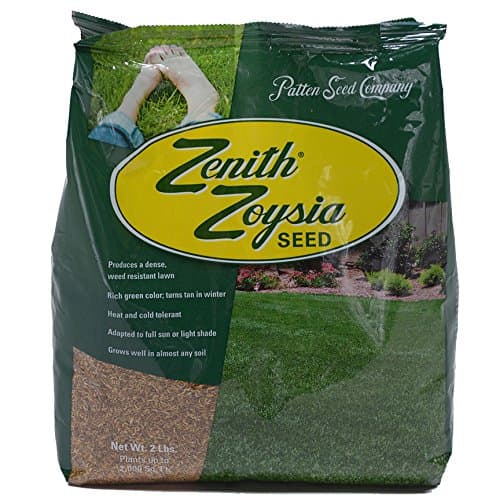
Zenith Zoysia Grass Seed
A pure zoysia seed for homeowners who want the dense carpet look without buying sod.
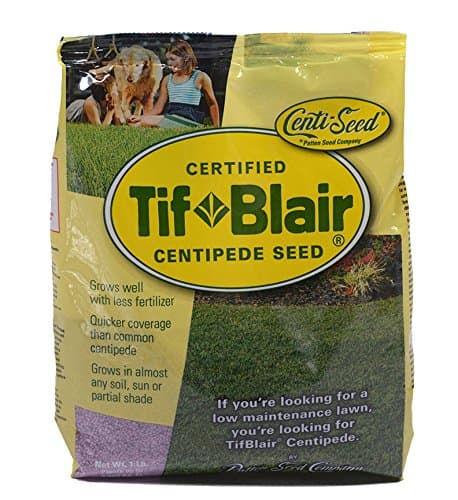
TifBlair Centipede Grass Seed
A low-input centipede seed suited to the acidic, sandy soils common across the Southeast.
Major Warm Season Grass Types
Bermudagrass
Bermudagrass is one of the most common southern grass types and a favorite for hot, sunny regions. It thrives in the Deep South, the Gulf Coast, much of Texas, and warm inland areas where it receives full sun all day. Many modern hybrids are also used in the warmer parts of the transition zone.
Visually, bermudagrass has fine to medium blades and forms a dense, uniform turf when properly maintained. It spreads through both stolons and rhizomes, which means it can quickly fill bare spots and recover from damage. That aggressive growth is a double edged sword. It is great for high traffic lawns and sports fields, but it also means bermuda can invade flower beds or neighboring lawns if not edged and controlled.
Bermuda loves heat and is highly drought tolerant once established, thanks to a deep root system. It goes fully dormant and turns tan when soil cools in fall, then greens up again in late spring when temperatures rise. In the transition zone, occasional winter injury can occur during extreme cold, but improved varieties handle typical winters reasonably well.
Maintenance needs are medium to high compared with other warm season grasses. Bermuda responds strongly to nitrogen fertilizer and frequent mowing. If you want a manicured, tight look, expect to mow at least once per week in peak growing season, and more often for hybrid types cut very short. It also benefits from regular dethatching and periodic aeration.
For full sun, high use lawns in warm climates, bermudagrass is often the top recommendation. If you prefer a slower growing, lower input lawn or have any meaningful shade, another warm season grass type will likely suit you better.
Zoysiagrass
Zoysiagrass is a premium warm season grass known for its dense, carpet like lawn and excellent wear tolerance. It is widely used in the southern and central United States, often in the transition zone where summers are hot and winters can be cold. Different zoysia species and cultivars vary in cold tolerance, with some Japanese and Korean types handling cooler conditions better than others.
In appearance, zoysiagrass ranges from very fine textured varieties that look almost like a golf green to medium textured types that resemble a softer, denser bermuda. It spreads via both stolons and rhizomes, which allows it to fill in tightly and crowd out many weeds over time. Once established, it creates a thick mat that feels plush underfoot.
Zoysia prefers full sun but tolerates light to moderate shade better than bermudagrass. It needs around 6 or more hours of sun for best performance, though some varieties will manage with slightly less. Its drought tolerance is high, and it can stay green through moderate dry spells with less water than many cool season lawns.
One trade off is that zoysiagrass grows more slowly than bermuda, especially during establishment. Sod or plugs are common, and it can take a full growing season or more to fully knit together. On the positive side, that slower growth means you may mow less often once it is established, depending on your desired height.
Maintenance level is generally medium. Zoysia benefits from moderate nitrogen, consistent mowing, and good drainage. It can develop thatch more easily than some grasses, so periodic dethatching or core aeration is wise.
For homeowners who want a high quality, dense lawn, are willing to invest in sod or plugs, and have mostly sunny conditions, zoysiagrass is an excellent warm season choice.
St. Augustinegrass
St. Augustinegrass is a classic coastal and Gulf region lawn grass, often seen from Florida across the Gulf Coast and into parts of Texas and the coastal Carolinas. It thrives in warm, humid climates and is less tolerant of extended cold than many other warm season grass types.
It is easy to spot St. Augustine by its coarse, wide blades and lush, thick appearance. It spreads vigorously via stolons, forming a dense turf that can handle foot traffic but is not as tough as bermudagrass or some zoysias. Because of its aggressive stolons, it fills in quickly but also needs edging to keep it out of beds and sidewalks.
One of the main reasons homeowners choose St. Augustinegrass is its relatively good shade tolerance compared with other warm season grasses. While it still prefers sun, it can stay healthy with 4 to 6 hours of filtered or direct light, which makes it a leading choice for tree lined coastal neighborhoods and yards with partial shade.
Drought tolerance is medium to high. St. Augustine needs regular moisture in sandy coastal soils but can survive short dry periods by going partially dormant. Extended drought without irrigation will thin the lawn and invite weeds and disease.
Maintenance is medium. It responds well to consistent fertilization and mowing at a higher height, often 3 to 4 inches, which helps shade the soil and support root health. It is usually established from sod or plugs since it produces little or no viable seed for home lawns.
St. Augustinegrass can be prone to certain pests and diseases, including chinch bugs and fungal leaf spots, especially in hot, humid weather. Good cultural practices, such as proper mowing height, watering deeply but infrequently, and avoiding excessive nitrogen, help keep it healthier.
For warm, humid climates with partial shade and a desire for a dense, coarse textured lawn, St. Augustinegrass is often the best warm season grass type available.
Centipedegrass
Centipedegrass is sometimes called the "lazy man’s grass" because it grows slowly, requires relatively low fertility, and generally needs less mowing than many other warm season options. It is popular in the Southeast, especially in areas with acidic, sandy soils and modest maintenance expectations.
Centipede has a medium texture and a light to medium green color. It spreads with stolons, forming a low, relatively open turf compared with dense bermuda or zoysiagrass. It does not tolerate heavy traffic well, so it is better suited for low to moderate use lawns rather than sports fields or constant play areas.
Sun tolerance is good, and it can handle light shade, making it versatile for mixed sun and shade yards. However, it is not a deep shade grass. Like most warm season types, it still needs several hours of light each day.
One of centipedegrass’s biggest advantages is its low nutrient requirement. It prefers modest nitrogen levels and can actually suffer if over fertilized, developing thatch and increased pest issues. For homeowners who want a simple schedule, one or two light feedings per year are often enough.
Its drought tolerance is moderate. Centipede survives short dry periods but can decline in prolonged drought without supplemental irrigation. Once damaged, it recovers slowly because of its slower growth habit.
Centipedegrass is not ideal for homeowners who demand a dark green, high performance lawn, but it is an excellent choice for those who want a reasonably attractive, low maintenance yard. It does best in acidic soils, so a soil test is important before planting in areas with neutral or alkaline conditions.
Bahiagrass
Bahiagrass is a rugged, low input warm season grass widely used in the Southeast, especially in Florida and the Gulf Coast region. You will see it along roadsides, in pastures, and on large properties where low maintenance and erosion control matter more than a manicured appearance.
Bahiagrass has coarse blades and a more open, pasture like look compared with traditional lawn grasses. It spreads by rhizomes and produces tall seedheads that can appear quickly in warm, wet weather, which some homeowners consider unattractive.
Its main strength is durability in poor conditions. Bahiagrass tolerates sandy, infertile soils and has excellent drought resistance once established. Its deep roots help it access moisture and stabilize the soil, which is why it is common on slopes and areas prone to erosion.
Traffic tolerance is moderate. It can handle light to medium use but is not as resilient under heavy, concentrated wear as bermudagrass. Because of its coarser texture and taller growth habit, it is rarely used for highly manicured front lawns in suburban neighborhoods, but it can be a great fit for rural properties, large acreage, or secondary lawns.
Maintenance needs are low. Bahiagrass does not require frequent fertilization and can survive with minimal irrigation in many climates. Regular mowing is needed mainly to manage seedheads and keep the lawn at a comfortable height.
For homeowners who prioritize toughness, low input care, and soil stabilization over a golf course look, bahiagrass is a practical warm season option.
Buffalograss
Buffalograss is a native North American warm season grass adapted to the Great Plains and semi arid regions. It has gained popularity as a low water lawn alternative in parts of the central and western United States where water conservation is a major concern.
Buffalograss has fine blades and a soft, blue green color. It forms a relatively low growing turf that often needs less mowing than traditional lawn grasses. In some climates, you may only mow every 2 to 3 weeks in peak season if you accept a slightly more natural appearance.
Its standout trait is drought tolerance. Buffalograss survives on far less water than most cool season and many warm season grasses once established. It goes dormant in extended dry spells and greens up again when rainfall or irrigation returns.
Buffalograss prefers full sun and struggles badly in shade. Traffic tolerance is low to medium, so it is better for low use areas than for active play lawns. It is also best suited to climates with hot summers and relatively low humidity, since persistent moisture can encourage disease.
Maintenance levels are low. Buffalograss needs little fertilizer, and overfeeding can actually cause weed problems by favoring more aggressive species. Many homeowners establish it using plugs or sod, since seed can be slower and more variable.
If you live in an arid or semi arid region and want a warm season lawn that uses minimal water and fertilizer, buffalograss is one of the best choices available.
Kikuyugrass (Where Applicable)
Kikuyugrass is a very aggressive warm season grass used in some coastal and Mediterranean climates, including parts of California and Hawaii. It is not suitable or legal in all areas, since it can be invasive. Always check local guidelines before planting.
Kikuyu has medium to coarse blades, forms a dense, springy turf, and spreads rapidly through strong stolons and rhizomes. Its growth rate and recovery from damage are impressive, which is why it is sometimes used on sports fields and high wear areas in climates where it is accepted.
Like bermudagrass, kikuyu demands full sun and grows best in warm conditions. Its drought tolerance is high, especially in deeper soils, and it can stay green longer with less water than many cool season grasses in the same region.
Maintenance can range from medium to high, depending on your expectations. The fast growth means frequent mowing is needed to keep it at a manageable height, and edging is important to prevent it from invading beds and neighboring areas. It generally responds well to moderate fertilization.
Because of its invasive potential, kikuyugrass is a niche choice mainly for specific climates and situations. Where it is already present and managed properly, it can provide a resilient, warm season turf with excellent wear tolerance.
Conclusion
Choosing the right warm season grass type is about more than just picking a popular name. It is about matching your climate, soil, sun exposure, and expectations with a grass that naturally fits your yard. Bermudagrass and zoysiagrass shine in sunny, high use lawns where a dense, manicured look is the goal. St. Augustinegrass serves coastal and humid areas with partial shade. Centipedegrass and bahiagrass support low maintenance, low fertility lawns, while buffalograss provides a water saving option in arid regions. Kikuyugrass fills a very specific niche where it is permitted and already established.
If you are still unsure, look at your sun and shade patterns, run a simple soil test, and think honestly about how much mowing and watering you want to do. Then revisit the comparison table and decision framework to narrow your choices.
For mixed climates or transition zone lawns, consider reading the Complete Guide to Cool-Season Grass Types as well, so you can decide whether a warm season, cool season, or blended strategy is best. If you do not yet know what is growing in your yard, start with How to Identify Your Grass Type by Look & Feel. From there, resources like Best Grass Types for Shade, Best Grass Types for Full Sun, and Fastest Growing Grass Varieties can help you fine tune your lawn plan.
With the right warm season grass in place and a basic maintenance routine, you can enjoy a durable, attractive lawn that fits your climate and your lifestyle for years to come.
Top Picks
- Outsidepride Maya (Blackjack II) Bermuda Grass Seed (5 lb)Check price on Amazon
- Pennington Full Season Lawn Fertilizer 32-0-5Check price on Amazon
- Scotts Turf Builder Grass Seed Bermudagrass (4 lb)Check price on Amazon
As an Amazon Associate we earn from qualifying purchases.
Free Lawn Care Tools
Warm season grasses are turf species that grow best in hot conditions. They wake up in late spring as soil warms, peak in growth during summer, and naturally go dormant when temperatures drop in fall and winter.
Warm-season grasses perform best in regions with long, hot summers and relatively mild winters, such as the Sunbelt, Deep South, Gulf Coast, coastal Southeast, much of Texas, and warmer parts of California and the Southwest. Many are well suited to USDA zones 7 through 11, depending on the specific species and variety.
Many warm-season grasses are more water efficient than cool-season types because they often develop deeper, more extensive root systems and slow their growth in extreme heat. Species like buffalograss and bahiagrass are commonly used in low-water and roadside situations where drought tolerance is especially important.
Most warm-season grasses naturally go dormant when soil and air temperatures drop in fall and winter, causing the lawn to turn tan or brown even when it is healthy. This seasonal color change is normal, and some homeowners choose to overseed with ryegrass for green winter color, while others simply accept the dormant look.
Yes, many warm-season grass types are ideal for high-traffic family lawns where kids and pets play regularly. Their strong growth and ability to recover from stress help them maintain density and appearance under frequent use, especially in full-sun areas.
Warm-season grasses vary widely in how they spread and how they feel underfoot. Some spread by stolons, some by rhizomes, and some by both—bermudagrass and St. Augustinegrass, for example, spread aggressively with stolons, while zoysiagrass uses both stolons and rhizomes to form dense, carpet-like turf. Blade texture ranges from very fine in some hybrid bermudagrasses to coarse and wide in many St. Augustine types, which affects both appearance and feel.
The six warm season turfgrasses you will actually find in home lawns are Bermuda (fast, sun-loving, high maintenance), zoysia (dense and lower maintenance), St. Augustine (the best shade tolerance in the South), centipede (the low-input choice for acidic soils), bahia (tough pasture-grade turf for sandy soils), and buffalograss (the drought specialist for the plains). Kikuyugrass appears in coastal California but is considered a weed in much of the country.

Beat weeds and brown spots from your phone
Snap a photo, get the fix, and follow a plan timed to your soil and weather. Free on iPhone.