Cool-Season Grasses: Types, Identification & Best Picks
 Sarah MitchellLawn Diagnostics Specialist | 12 Years
As an Amazon Associate we earn from qualifying purchases.
If you live in a northern or transition zone climate, choosing the right cool season grass can be the difference between a thin, patchy yard and a dense, green lawn that looks good almost all year. Many homeowners know they need a "northern grass type," but they are not sure how Kentucky bluegrass, perennial ryegrass, tall fescue, or the fine fescues actually differ in real-world lawns.
Cool season grass types thrive in cooler weather, especially spring and fall, and stay greener through cold winters than warm-season grasses like Bermuda or zoysia. They wake up early in spring, provide great curb appeal in mild weather, and, when managed correctly, can handle everything from kids and pets to shaded side yards.
This complete guide to cool season grass is written for homeowners in the northern United States, upper Midwest, Northeast, Pacific Northwest, and cooler parts of the transition zone. It is also for DIY lawn enthusiasts who want to compare northern grass types before seeding, overseeding, or renovating a lawn.
By the end, you will be able to answer questions like:
- Which cool season grass types are best for my climate and yard conditions?
- Can I mix different northern grass types in one lawn for better performance?
- How should I seed, mow, fertilize, and repair a cool season lawn during the year?
Along the way, you will see where cool season grasses fit with other topics like Complete Guide to Warm-Season Grass Types, Fastest Growing Grass Varieties: 5 Picks That Sprout in 3-7 Days, Best Grass Types for Full Sun, Best Grass Types for Shade, and How to Identify Your Grass Type by Look & Feel. Use those resources together with this guide to build a lawn plan that actually matches your yard instead of fighting against it.
Cool-season grasses are lawn grasses that grow best in the 60 to 75°F range, surge in spring and fall, and stay green through northern winters. The big four are Kentucky bluegrass, perennial ryegrass, tall fescue, and the fine fescues. If your summers are hot and your winters mild, you likely want a warm-season grass instead; see the comparison below. Not sure what is growing in your yard right now? Identify your grass type from a photo first.
| Cool-Season Grasses | Warm-Season Grasses | |
|---|---|---|
| Peak growth | 60 - 75°F (spring and fall) | 80 - 95°F (summer) |
| Winter | Stays green in most of the North | Goes brown/dormant below ~55°F soil |
| Where | North + upper transition zone | South + lower transition zone |
| Main types | KBG, ryegrass, tall/fine fescue | Bermuda, zoysia, St. Augustine, centipede |
| Full guide | This page | Warm-season grass types guide |
Understanding Cool-Season Grass Basics
What Is Cool-Season Grass?
"Cool season grass" refers to turfgrass species that grow best when air and soil temperatures are roughly 60 to 75 degrees Fahrenheit. These grasses do most of their growing in spring and fall, and they naturally prefer the cooler climates found in northern regions and higher elevations.
Warm-season grasses, on the other hand, love heat. Species like Bermuda, zoysia, centipede, and St. Augustine take off when temperatures regularly sit in the 80s and 90s. They go brown and dormant after the first hard frost. Cool season grass types are almost the opposite. They stay green through cold weather, often under snow cover, then slow down or go semi-dormant during extended summer heat and drought.
From an appearance standpoint, cool season lawns usually have finer blades and a deeper, rich green color, especially in spring and fall. Warm-season lawns often look lighter green and coarser but can handle intense summer sun far better.
Where Cool-Season Grass Types Grow Best (Climate & USDA Zones)
Cool season grasses dominate the northern half of the United States. Think New England, the upper Midwest, much of the Great Lakes region, the Pacific Northwest, and higher elevation areas in the Rockies and Appalachians. In USDA terms, most cool season turf species perform best in zones roughly 3 through 6, with some stretching into zone 7.
The band where cool and warm-season grasses overlap is called the transition zone. This includes states like Missouri, Kansas, Kentucky, Virginia, and parts of North Carolina, Tennessee, and Oklahoma. The transition zone is challenging because summers are often too hot for cool season grass to thrive without stress, yet winters are too cold for many warm-season grasses to stay lush year-round.
In transition climates, many lawns use mixed strategies. You might see tall fescue blended with Kentucky bluegrass, or a cool season front lawn and a warm-season backyard. Understanding how your climate sits on this cool vs warm-season spectrum is the first step in choosing the right northern grass type.
Growth Cycle & Seasonal Behavior
All cool season grass types follow a similar seasonal pattern:
Spring: As soil thaws and daytime highs sit in the 50s and 60s, cool season grasses wake up fast. They green up early and push strong top growth and root development. This is a prime time for mowing, light fertilizing, and weed control.
Summer: When temperatures consistently rise above 80 degrees Fahrenheit, growth slows. Under heat and drought stress, many cool season lawns thin out or go tan and semi-dormant to survive. Deep watering and proper mowing height are critical during this period.
Fall: As temperatures drop again, cool season grasses enter a second growth surge. This is the best window for aeration, overseeding, and most fertilization. The roots store energy for winter, and new seedlings establish faster in cooler soil with fewer weeds competing.
Winter: In cold regions, cool season lawns go dormant or nearly dormant, especially under snow cover. The lawn may look duller, but the crowns and roots are alive and ready to rebound come spring.
This growth cycle shapes your entire care plan. It dictates the best seeding and overseeding timing, the ideal fertilization schedule, and how you adjust mowing and watering from season to season.
Key Factors to Consider Before Choosing a Cool-Season Grass
Climate and Microclimates
Start with your overall climate, then zoom in on your own yard. Average winter lows, summer highs, and how long your hot season lasts all influence which cool season grass will thrive.
Next, look at microclimates on your property. Your front yard might get full sun all day, while the side yard sits in shade from a neighbor's house, and the backyard has dappled tree shade and wind exposure. Areas that hold snowpack longer or get blasted by winter wind can stress some species more than others.
Mapping sun and shade is especially important. Some cool season grasses, like tall fescue and Kentucky bluegrass, prefer more sun, while fine fescues can tolerate significant shade. If you are not sure, the guide Best Grass Types for Shade can help you compare options specifically for low-light areas.
Soil Conditions
Soil is the foundation of any cool season lawn. Heavy clay soil holds water and nutrients but compacts easily and drains slowly. Sandy soil drains and warms quickly but struggles to hold moisture and fertilizer. Loam is the sweet spot: a balanced mix of sand, silt, and clay that supports deep root growth.
Most cool season grass types prefer slightly acidic soil with a pH of 6 to 7. Outside that range, nutrients in the soil become harder for roots to absorb, even if they are present. That is why a simple soil test is one of the best investments you can make before seeding or overseeding.
A quick DIY soil test usually looks like this:
- Use a clean trowel to collect small cores of soil from 8 to 10 spots in the lawn, 3 to 4 inches deep.
- Mix the samples in a clean bucket and remove rocks and debris.
- Let the soil air dry, then send a cup or two to your local extension office or use a reputable mail-in lab kit.
- Review results for pH, organic matter, and nutrient levels, especially phosphorus and potassium.
Lab tests provide the most precise recommendations, including how much lime or sulfur to add to adjust pH and how to balance fertilizer. Matching the right cool season grass type to your soil type and pH makes your lawn more resilient from day one.
Lawn Use, Aesthetics, and Maintenance Level
Your lawn's job matters. A front yard "show lawn" with light foot traffic can use a fine-bladed, dense grass like Kentucky bluegrass or a bluegrass and perennial ryegrass blend. A backyard that hosts kids, dogs, and weekend games may be better served by tougher tall fescue, even if the blades are slightly coarser.
Think about aesthetics too. Do you prefer a very fine, carpet-like texture and deep emerald color, or are you happy with a more rugged, utility turf that looks good from the street but does not need perfection up close?
Be honest about your maintenance appetite. Some northern grass types, like Kentucky bluegrass, reward frequent mowing, irrigation, and fertilization with an amazing look, but they will struggle if ignored. Others, like the fine fescues, are slower growing and tolerate lower fertility and less water, which can suit lower-maintenance homeowners.
Budget and Establishment Speed
There is always a tradeoff between seed cost, sod cost, and how quickly you want full lawn coverage. Kentucky bluegrass seed is often more expensive per pound than tall fescue, and it germinates more slowly, sometimes taking 2 to 3 weeks to show. Perennial ryegrass sprouts quickly and is often used to speed up early coverage, but it is not always the longest-lived in harsh conditions.
If you want an instant lawn, sod is appealing but can cost several times more than seed. Sod options may also be limited to a few common cool season grass blends in your region.
If speed is a top priority, consider reading Fastest Growing Grass Varieties. That guide looks specifically at establishment speed, so you can compare how quickly different cool season grass types sprout and fill in.
Overview of Major Cool-Season Grass Types (Northern Grass Types)
Most cool season lawns in North America are built from a small group of core species. Understanding their basic traits will make the detailed sections below much easier to compare.
| Grass type | Blade texture | Shade tolerance | Drought & heat | Wear tolerance | Germination | Maintenance |
|---|---|---|---|---|---|---|
| Kentucky bluegrass | Fine to medium | Low to moderate | Moderate | Good, self-repairs by rhizomes | 14 to 21 days | High |
| Perennial ryegrass | Fine to medium | Low to moderate | Moderate | Excellent | 5 to 7 days | Moderate to high |
| Tall fescue | Medium to coarse | Moderate | High, deep roots | Good | 7 to 14 days | Low to moderate |
| Fine fescue | Very fine | Excellent | Good | Low | 7 to 14 days | Low |
The primary cool season grass types are:
- Kentucky bluegrass (KBG) - Fine to medium blades, dense, dark green, spreads by rhizomes, excellent repair but higher maintenance.
- Perennial ryegrass (PRG) - Fine to medium blades, bright green, very fast germination, bunch-forming, great wear tolerance, often used in mixes.
- Tall fescue (TTF) - Medium to coarse blades, deep rooting, good heat and drought tolerance, clump-forming, popular for transition zone lawns.
- Fine fescues (creeping red, chewings, hard, sheep) - Very fine blades, good shade and low fertility tolerance, often mixed with Kentucky bluegrass or PRG.
- Specialty types like bentgrass and annual ryegrass - Used for specific purposes such as golf greens (bentgrass) or temporary winter cover (annual ryegrass).
When you compare these northern grass types side by side, focus on blade texture, color, shade tolerance, drought resistance, wear tolerance, and how quickly they establish. In many home lawns, a well-designed blend or mix takes advantage of multiple strengths rather than relying on a single species.
Kentucky Bluegrass: The Classic Northern Lawn Grass
Key Characteristics & Ideal Uses
Kentucky bluegrass is the poster child of cool season lawns. It has fine to medium blades, a dense, uniform appearance, and a deep green to blue-green color when properly fertilized. KBG spreads by rhizomes, which are underground stems that send up new shoots. This spreading ability is one of its biggest advantages.
Because of those rhizomes, Kentucky bluegrass has excellent self-repair potential. Small bare spots from dog spots, kids, or plowing damage can gradually fill in on their own as the grass creeps horizontally. That makes KBG a top choice for high-visibility front yards, sports fields in northern climates, and any lawn where a thick, carpet-like look is the goal.
Ideal uses include:
- Full sun to lightly shaded front lawns in northern states
- High-quality home lawns where appearance matters
- Sports turf and parks in cool climates
- Blends with perennial ryegrass and fine fescues to balance strengths
Pros and Cons
When you are choosing among cool season grass types, Kentucky bluegrass offers clear pros and cons.
Benefits:
- Outstanding appearance when properly maintained, with a rich color and dense growth.
- Self-repairing due to rhizomes, which helps fill thin areas over time.
- Cold tolerance and good winter hardiness, ideal for USDA zones 3 to 6.
- Compatible in mixes with perennial ryegrass and fine fescues for improved performance in varied conditions.
Drawbacks:
- Higher maintenance needs, including more frequent fertilizing, watering, and mowing to look its best.
- Heat and drought sensitivity, especially in the transition zone and on shallow, poor soils.
- Slower establishment compared with perennial ryegrass; germination often takes 14 to 21 days.
- Thatch potential in high input lawns where frequent fertilizing and watering lead to excess stem and root buildup.
Climate and Site Preferences
Kentucky bluegrass performs best in cooler regions with moderate summers and cold winters. It thrives in full sun but can tolerate light shade, especially when mixed with more shade-tolerant fine fescues.
This grass prefers well-drained, fertile soil with a pH of 6 to 7. It does not like soggy, compacted areas or heavy shade. On hot, south-facing slopes in the transition zone, KBG may struggle in summer, so blends with tall fescue often perform better there.
Seeding, Mowing, and Maintenance Tips
For new lawns, seed Kentucky bluegrass in late summer to early fall, when soil is warm but air temperatures begin to cool. In many regions that means mid August to late September. Spring seeding is possible but often runs into more weed pressure and summer stress.
Typical pure KBG seeding rates range from 2 to 3 pounds of seed per 1,000 square feet. In blends with perennial ryegrass or fine fescues, the KBG portion is usually a bit lower by weight, since KBG seed is lighter and smaller.
For mowing, maintain Kentucky bluegrass at 2.5 to 3.5 inches in most home lawns. Higher mowing heights during summer help shade the soil, reduce evaporation, and encourage deeper rooting. Avoid removing more than one-third of the blade length in a single mowing to limit stress.
Fertilizer needs depend on your soil test and expectations, but a typical KBG lawn may use 2.5 to 4 pounds of actual nitrogen per 1,000 square feet per year, split into 3 or 4 applications. Focus heavily on fall feedings to build root reserves, and use lighter spring applications to avoid excessive top growth.
Water deeply and infrequently when possible, aiming for about 1 to 1.5 inches of water per week including rainfall in peak growing periods. In hot, dry summers, Kentucky bluegrass may go semi-dormant. It is often better to let it rest with minimal irrigation than to try to force lush green growth in heat stress.
Perennial Ryegrass: Fast-Germinating Workhorse
Key Characteristics & Ideal Uses
Perennial ryegrass is known for its rapid germination and establishment. In ideal conditions, you may see seedlings in as little as 5 to 7 days, which makes it extremely popular for overseeding thin lawns, stabilizing bare soil, or quickly greening up new construction.
PRG has fine to medium blades that are slightly coarser than Kentucky bluegrass but still look attractive in a home lawn. It grows in clumps rather than spreading with rhizomes, so it does not self-repair as aggressively as KBG, but it has strong wear tolerance and recovers well from foot traffic when overseeded regularly.
Common uses include:
- Overseeding existing cool season lawns to boost density and color
- Mixes with Kentucky bluegrass for faster establishment and better wear tolerance
- Sports fields in cool climates that need quick recovery
- Temporary winter green cover in some warm-season regions (though annual ryegrass is more common there)
Pros and Cons
Benefits:
- Very fast germination, one of the quickest cool season grasses to establish.
- Excellent wear tolerance, ideal for high traffic areas when overseeded.
- Attractive color and texture that blends well with KBG and fine fescues.
- Good disease resistance in modern improved varieties compared with older types.
Drawbacks:
- Limited spreading; clump forming means it relies on overseeding to fill bare areas.
- Heat and drought sensitivity similar to Kentucky bluegrass, especially on shallow soils.
- Potential for thatch and shallow rooting if overwatered and overfertilized.
- Not as winter hardy as Kentucky bluegrass in the coldest climates, depending on variety.
Climate and Site Preferences
Perennial ryegrass thrives in temperate, cool climates with moderate summers and plenty of moisture. It prefers full sun to light shade. Deep shade is not ideal, and shade-tolerant fine fescues often perform better there.
PRG favors fertile, well-drained soils with similar pH preferences to other cool season grass types, roughly 6 to 7. It is often used in coastal climates, such as parts of the Pacific Northwest, where mild winters and cool summers play to its strengths.
Seeding, Mowing, and Maintenance Tips
For new lawns, seed perennial ryegrass in late summer to early fall, similar to other northern grass types. Seeding rates typically range from 5 to 8 pounds per 1,000 square feet when used alone, and 1 to 3 pounds per 1,000 square feet in blends with Kentucky bluegrass or fine fescues.
Because PRG germinates so quickly, it is an excellent choice for overseeding thin areas in spring or fall. It can help stabilize soil and provide a green cover while slower species like KBG establish underneath.
Mow perennial ryegrass at 2 to 3 inches. It handles close mowing well but will be more drought tolerant and resilient at the higher end of that range. Fertilizer needs are similar to Kentucky bluegrass, often 2 to 4 pounds of nitrogen per 1,000 square feet per year depending on expectations and soil tests.
Like other cool season grasses, perennial ryegrass prefers deep, infrequent watering. In hot summers, it may struggle especially on shallow or compacted soils, so proper aeration and soil improvement pay off.
Tall Fescue: Tough, Deep-Rooted Performer
Key Characteristics & Ideal Uses
Tall fescue has become a go-to cool season grass in the transition zone and for homeowners wanting a tougher, more drought tolerant lawn. Modern turf-type tall fescue varieties have finer blades and a more attractive look than older pasture types, yet they retain deep roots and strong heat tolerance.
Tall fescue primarily grows in clumps, although some newer varieties have short rhizomes. That means it does not spread as aggressively as Kentucky bluegrass but individual plants are robust and durable.
Ideal uses include:
- Transition zone lawns that experience both cold winters and hot summers
- High traffic yards with kids and dogs
- Areas with limited irrigation, where drought resistance matters
- Sun or partial shade, especially where KBG struggles in summer
Pros and Cons
Benefits:
- Deep root system, often 2 to 3 feet where soil allows, supporting better drought and heat tolerance.
- Good wear resistance, ideal for active yards.
- Less thatch buildup than Kentucky bluegrass in many situations.
- Performs well in transition zones with hot summers.
Drawbacks:
- Coarser texture than KBG and PRG, although improved varieties are much finer than old types.
- Clump-forming, so large dead patches will not self-repair and need overseeding.
- Can look patchy if different varieties are mixed or if overseeding is inconsistent.
- Moderate shade tolerance but often not as strong as fine fescues in dense shade.
Climate and Site Preferences
Tall fescue shines in the transition zone where summers routinely push into the 90s but winters are still cold enough for cool season grasses. It also does well in the northern U.S. wherever soils are not extremely shallow or waterlogged.
It prefers full sun to partial shade and grows best in well-drained soils, from loam to moderately heavy clay. Like other cool season grass types, tall fescue prefers a pH near 6 to 7, but it is generally more forgiving of less-than-ideal conditions.
Seeding, Mowing, and Maintenance Tips
Seed tall fescue in late summer to early fall for best results. Its germination time is usually 7 to 14 days. For a pure tall fescue lawn, seed at 6 to 8 pounds per 1,000 square feet. In mixes with Kentucky bluegrass, lower the tall fescue rate slightly and add around 1 to 2 pounds of KBG per 1,000 square feet to encourage some rhizomatous repair capability.
Mow tall fescue higher than Kentucky bluegrass or perennial ryegrass. Aim for 3 to 4 inches. Taller blades mean deeper roots and better shade of the soil surface, which enhances drought tolerance and reduces weed pressure.
Tall fescue usually requires a bit less nitrogen than a high-end Kentucky bluegrass lawn, often in the 2 to 3 pound per 1,000 square feet per year range. Again, lean on fall fertilization, with a lighter hand in spring, to support root health rather than excessive top growth.
Water needs are similar to other cool season lawns, but tall fescue can survive lower irrigation levels thanks to its deep roots. It will not stay picture-perfect without water in a drought, but it resists total failure better than many other northern grass types.
Fine Fescues: Shade-Tolerant and Low-Maintenance Options
Key Characteristics & Types
"Fine fescue" is a group of related species that share very fine, needle-like blades and an ability to tolerate shade and low fertility soils. The main fine fescue types used in lawns are:
- Creeping red fescue - Spreads by short rhizomes, good for mixes, strong shade tolerance.
- Chewings fescue - Bunch type, upright growth, excellent in cool, moist, shady areas.
- Hard fescue - Very drought and low fertility tolerant, slow growing.
- Sheep fescue - Often used in low maintenance and naturalized areas.
Fine fescue lawns have a soft, almost "velvety" look. The blades are thinner than Kentucky bluegrass, and the color ranges from medium to dark green depending on variety and fertility.
Pros and Cons
Benefits:
- Excellent shade tolerance, especially for creeping red and chewings fescue.
- Low fertility requirements; they do not need heavy feeding to maintain color.
- Good drought tolerance in many varieties, especially hard and sheep fescue.
- Fine texture with a soft feel underfoot.
Drawbacks:
- Not ideal for heavy traffic; fine fescues wear down with repeated play and dog activity.
- Somewhat slow to establish compared with perennial ryegrass.
- Can thin out in very hot, humid climates or on saturated soils.
- Disease susceptibility in some regions, especially if overwatered.
Climate and Site Preferences
Fine fescues are best suited to cooler climates with mild summers, such as the northern U.S., New England, the upper Midwest, and the Pacific Northwest. They especially shine in shady, tree-covered lots where full sun grasses struggle.
They prefer well-drained, slightly acidic soils and can perform surprisingly well on poor, sandy or rocky soils where other northern grass types falter. However, they dislike waterlogged conditions and deep, dense shade where even filtered light is minimal.
Seeding, Mowing, and Maintenance Tips
Seed fine fescues in late summer to early fall. Germination usually occurs in 7 to 14 days, depending on temperature and moisture. Pure fine fescue lawns are typically seeded at 3 to 5 pounds per 1,000 square feet. In mixes, they are often combined with Kentucky bluegrass and perennial ryegrass to balance shade tolerance and traffic resistance.
Mow fine fescues at 2.5 to 3.5 inches. They are not fans of very low mowing heights. Keep the blades high in shaded areas to maximize photosynthesis and health.
Fertilizer requirements are modest. Many fine fescue lawns stay healthy with 1 to 2 pounds of nitrogen per 1,000 square feet per year, sometimes even less, especially on soils with decent organic matter.
Watering needs are also lower than with many other cool season grass types, but do not confuse drought tolerance with a complete lack of water. Deep, occasional irrigation during extended dry spells will keep fine fescues much healthier over the long term.
Specialty Cool-Season Grasses: Bentgrass & Annual Ryegrass
Bentgrass
Bentgrass is a cool season grass famous for its use on golf course greens and fairways. It has extremely fine blades and tolerates very low mowing heights, even down to a quarter inch or less on putting surfaces.
However, bentgrass is rarely recommended for typical home lawns. It requires intense management, including frequent mowing, high fertility, precise irrigation, and regular topdressing. In most residential settings, bentgrass can become a nuisance weed, forming thatchy, puffy patches that stand out within other grasses.
Unless you are intentionally building a home putting green and are prepared for golf level maintenance, bentgrass is best admired on the course, not in your yard.
Annual Ryegrass
Annual ryegrass is a close cousin of perennial ryegrass, but, as the name suggests, it usually survives only one growing season. It is very fast to germinate and is often used for temporary erosion control or to provide quick green cover while permanent grasses establish.
In some warmer regions, annual ryegrass is overseeded into dormant warm-season lawns in fall to provide a green surface through winter. In northern lawns, it can be used as a nurse grass but is generally not preferred as a primary cool season grass type because it dies out and can leave gaps.
For most homeowners building a durable cool season lawn, perennial ryegrass is a better long-term choice than annual ryegrass.
Mixing Cool-Season Grass Types: Blends & Mixtures
Why Mix Grass Types?
In many real-world lawns, single-species turf is less practical than a carefully chosen blend or mixture. Blending multiple cool season grass types can:
- Increase disease resistance by avoiding a single vulnerable species.
- Balance sun and shade performance across the yard.
- Combine fast germination (perennial ryegrass) with long-term density and repair (Kentucky bluegrass).
- Improve drought and heat tolerance by including tall fescue or specific fine fescues.
Think of mixes as a built-in insurance policy. If one species struggles one year due to unusual weather, others in the mix can step up and fill the gaps.
Common Cool-Season Mix Strategies
Some popular mix approaches include:
Kentucky bluegrass + perennial ryegrass: A classic for northern lawns. PRG provides fast cover, while KBG fills in and thickens over time, with rhizomes helping long-term repair.
Kentucky bluegrass + perennial ryegrass + fine fescue: A versatile blend that covers sun to partial shade. Fine fescues carry the load in shady spots while KBG and PRG dominate in sunnier areas.
Tall fescue + Kentucky bluegrass: Popular in transition zones where you want the toughness and heat tolerance of tall fescue plus some self-repairing capacity and fine texture from KBG.
Fine fescue blends: Multiple fine fescue species mixed together for shaded, low-maintenance turf, sometimes with a small percentage of KBG for sunny edges.
How to Read a Seed Label
When you buy a bag of cool season grass seed, flip it over and read the label. By law, the label must list the percentage by weight of each species and variety, as well as the germination rate and any weed seed content.
For example, a northern mix label might read:
- 40% Kentucky bluegrass, variety X
- 40% perennial ryegrass, variety Y
- 20% creeping red fescue, variety Z
Look for certified, named varieties rather than generic labels like "common ryegrass." Also pay attention to weed seed and inert matter percentages. For a high-quality lawn, weed seed should be very low, ideally under 0.1 percent, and the majority of the bag should be pure live seed.
Cold Tolerant Grass: Best Picks for the Midwest and Far North
Plenty of people search for "cold season grass" or cold tolerant grass rather than the technical term cool-season, and they are asking the right question: which of these grasses actually survives a brutal winter? Kentucky bluegrass is the most cold tolerant grass of the major lawn species, shrugging off minus 30 degree winters across Minnesota, Wisconsin, and the Dakotas. Fine fescues are a close second and handle cold shade better than anything else. Tall fescue is winter-hardy through most of the Midwest but can thin after extreme cold snaps in zones 3 and 4, and perennial ryegrass is the most winter-vulnerable of the group, which is why northern mixes use it sparingly.
For the best grass types for a Midwest climate specifically, a blend is the smart play: 40 to 60 percent Kentucky bluegrass for cold hardiness and self-repair, 30 to 40 percent tall or fine fescue for drought and shade tolerance, and no more than 15 percent perennial ryegrass for quick cover. That combination handles Midwest temperature swings, from minus 20 winters to 95 degree July weeks, better than any single species. If you want to see which grasses dominate outside the Midwest, our roundup of lawn grasses across 20 states lays out what the university extension guides recommend state by state.
Seasonal Care Calendar for Cool-Season Lawns
Spring
In early spring, cool season grasses wake up hungry but fragile. The goal is to help them recover without pushing too much lush growth that will suffer in summer.
- Clean up leaves, branches, and debris.
- Mow as soon as the grass is tall enough, at your normal height.
- Apply a light spring fertilizer if your soil test indicates a need.
- Use pre-emergent crabgrass control if that is a problem in your area.
- Spot seed small bare areas if necessary, knowing that fall is still the best time.
Summer
Summer is survival mode for many cool season grass types, especially in the transition zone.
- Raise mowing height by about half an inch to help shade the soil.
- Water deeply and infrequently, ideally early in the morning.
- Consider letting the lawn go semi-dormant if irrigation is limited.
- Avoid heavy fertilization that encourages weak, heat-stressed growth.
- Watch for disease; proper watering and mowing help reduce risk.
Fall
Fall is the prime time for cool season lawn improvement.
- Aerate compacted soil, especially in high traffic areas.
- Overseed with your chosen cool season grass mix to thicken the lawn.
- Topdress lightly with compost if you are improving soil organic matter.
- Apply most of your yearly fertilizer, especially a "winterizer" type in late fall.
- Keep mowing until growth really slows, then do a final cut slightly lower to reduce snow mold risk.
Winter
In winter, cool season lawns mostly rest.
- Avoid heavy traffic on frozen or dormant grass, since crowns are brittle and cannot repair themselves until spring.
- Skip fertilizer and herbicides; dormant grass cannot use them.
- Use the downtime to sharpen mower blades and plan any spring or fall overseeding.
Get the seasonal rhythm right and a cool season lawn mostly takes care of itself. Push hard in fall, ease off in summer, and your grass will reward you with the thick spring green-up these types are known for.
Top Picks
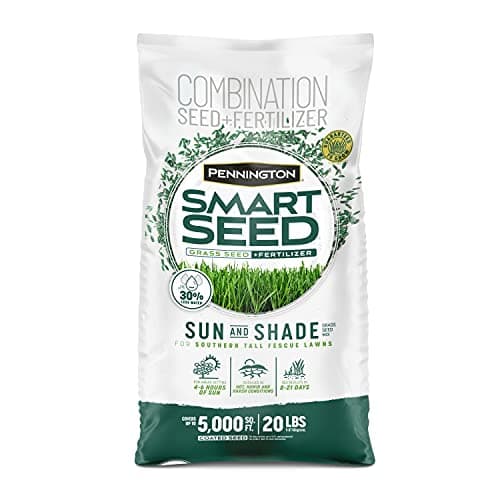
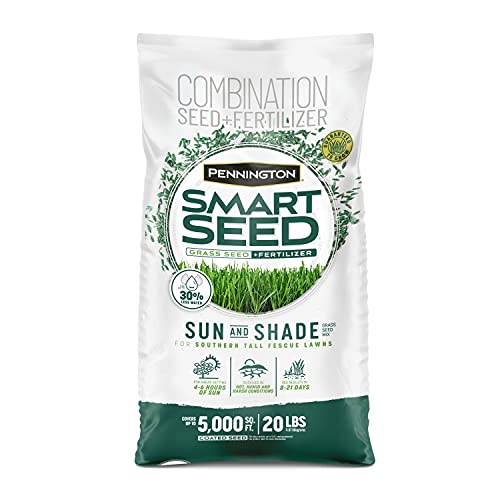 Pennington Smart Seed Sun & Shade Mix South, Tall Fescue Grass Seeds for Lawn, 20 lbCheck price on Amazon
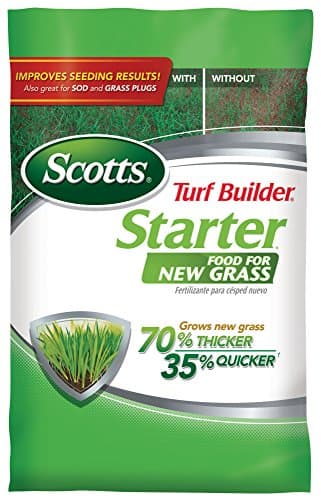
 Scotts Turf Builder Starter Food for New Grass, 15 lb.Check price on Amazon
 MySoil Soil Test KitCheck price on Amazon
As an Amazon Associate we earn from qualifying purchases.
Free Lawn Care Tools
"Cool season grass" refers to turfgrass species that grow best when air and soil temperatures are roughly 60 to 75 degrees Fahrenheit. These grasses do most of their growing in spring and fall, and they naturally prefer the cooler climates found in northern regions and higher elevations.
In many real-world lawns, single-species turf is less practical than a carefully chosen blend or mixture. Blending multiple cool season grass types can:
Cool-season grasses grow best when air and soil temperatures are around 60–75°F, stay greener through cold weather, and often remain green even under snow cover. Warm-season grasses prefer heat, thrive in the 80s and 90s, and go brown and dormant after the first hard frost. Cool-season lawns typically have finer blades and a deeper green color, while warm-season lawns often look lighter and coarser but handle intense summer sun better.
Cool-season grasses dominate the northern half of the U.S., including New England, the upper Midwest, much of the Great Lakes region, and the Pacific Northwest. They also do well in higher-elevation areas of the Rockies and Appalachians. In USDA terms, most cool-season turf performs best in zones 3 through 6, with some varieties stretching into zone 7.
In spring, cool-season grasses green up quickly and put on strong growth, making it a prime time for mowing, light fertilizing, and weed control. Growth slows in summer heat, and the lawn may thin or go tan and semi-dormant under stress, so deep watering and proper mowing height are important. Fall brings a second growth surge that’s ideal for aeration, overseeding, and most fertilizing, while winter sends the lawn into dormancy or near-dormancy, especially under snow, with crowns and roots staying alive for spring.
Cool-season grass can be grown in the transition zone, but it faces more stress because summers are often too hot and winters too cold for easy, year-round performance. Lawns in these areas often use mixed strategies, such as blending tall fescue with Kentucky bluegrass or combining cool-season grass in one part of the yard with warm-season grass in another. Understanding where your yard falls on the cool vs. warm-season spectrum is essential before choosing a grass type.
The best cool-season grass for most northern states is a Kentucky bluegrass and perennial ryegrass blend, which combines KBG's self-repairing rhizomes and dark color with ryegrass's 5 to 7 day germination for fast establishment. In the coldest northern-tier states (Minnesota, Wisconsin, Maine, upper Michigan), lean heavier on Kentucky bluegrass for winter hardiness. In shaded northern yards, add 20 to 30 percent fine fescue for shade tolerance. In the northern edge of the transition zone (Ohio, southern New York, Iowa), turf-type tall fescue outperforms pure Kentucky bluegrass because of its deeper roots and better summer heat tolerance.
For 2026, the best cool-season grass for northern lawns is still a Kentucky bluegrass-dominant blend for full-sun front lawns and a turf-type tall fescue blend for higher-traffic yards or hotter northern microclimates. Newer tall fescue cultivars released over the past few seasons now have finer blades and improved disease resistance, which closes the aesthetic gap with Kentucky bluegrass while retaining deep roots. Always look for certified named varieties on the seed label (not "common" or "VNS" ryegrass or fescue) and check that weed seed is under 0.1 percent.
Comparing the four main cool-season grasses for northern US lawns: Kentucky bluegrass offers the best appearance and self-repair but needs the most water and fertilizer. Perennial ryegrass germinates fastest (5 to 7 days) and handles foot traffic well but is clump-forming and less cold hardy. Tall fescue has the deepest roots (2 to 3 feet), strongest drought tolerance, and best heat performance, but coarser blades than KBG. Fine fescue wins for shade and low-maintenance lawns but thins out under heavy traffic. For most northern homeowners, a KBG plus perennial ryegrass plus fine fescue blend balances all four strengths.
The cool-season grass types that grow best together are Kentucky bluegrass plus perennial ryegrass (classic northern blend for fast establishment and long-term density), Kentucky bluegrass plus perennial ryegrass plus fine fescue (versatile sun-to-shade mix for mixed-light yards), and tall fescue plus Kentucky bluegrass (transition-zone blend that pairs tall fescue's heat tolerance with KBG's rhizomatous repair). Avoid mixing bentgrass or annual ryegrass into home lawn blends: bentgrass becomes a weedy patch in standard mowing heights, and annual ryegrass dies out after one season, leaving gaps.
Kentucky bluegrass is the most cold tolerant of the common lawn grasses, surviving winters of minus 30 degrees and colder across the upper Midwest and northern plains. Fine fescues are nearly as hardy and tolerate cold, shady sites better. Tall fescue handles most northern winters but can thin in zones 3 and 4, while perennial ryegrass is the least cold hardy of the cool-season group.
A mixed lawn beats any single species in the Midwest. Aim for a blend of roughly half Kentucky bluegrass for cold hardiness and self-repair, a third tall or fine fescue for drought and shade tolerance, and a small share of perennial ryegrass for fast establishment. That mix rides out the Midwest's extremes, from subzero winters to hot, dry midsummers, without demanding constant intervention.
A cool-season grass is a lawn grass that grows most actively when air temperatures are 60 to 75°F, which means it surges in spring and fall, slows or goes semi-dormant in summer heat, and holds green color deep into winter. Kentucky bluegrass, perennial ryegrass, tall fescue, and the fine fescues are the main cool-season lawn species, and they dominate lawns across the northern United States and the upper transition zone.

Beat weeds and brown spots from your phone
Snap a photo, get the fix, and follow a plan timed to your soil and weather. Free on iPhone.