

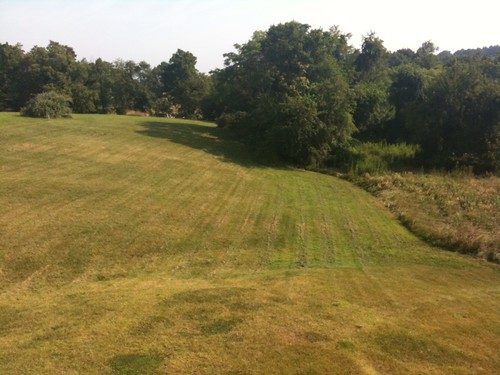
Grass Types That Need the Least Mowing
 James ThorntonLawn Equipment & Maintenance Expert | 20 Years
As an Amazon Associate we earn from qualifying purchases.
Ask any homeowner what they dread about lawn care, and mowing usually tops the list. Americans spend 25 to 30 hours a year just pushing a mower, and for big or fast-growing lawns that number climbs higher. After two decades maintaining thousands of lawns, I can tell you the single biggest lever on that chore is not a fancy mower or a growth regulator. It is the grass itself.
The right low-maintenance grass can cut your mowing in half, along with the fuel, the emissions, and the wear on your equipment. But not every bag labeled "low-mow" earns the name. In this guide I rank the grass types that genuinely need the least mowing, compare them side by side by mowing frequency, fertility, and region, and show you how to match one to your yard. If you would rather spend weekends off the mower, this is where to start.
The grass types that need the least mowing are fine fescues in cool climates and buffalograss, centipedegrass, or zoysia in warmer regions. These species grow slowly by nature, often needing a cut only every 3 to 6 weeks in peak season versus weekly for standard turf. A no-mow fescue blend left natural can drop to just 2 or 3 cuts a season. To check whether you already have a low-mow variety, measure spring growth: under about 1.5 inches per week points to one of these types.
To mow less on the lawn you already have, raise the deck to the top of your grass's range and stop over-fertilizing. Do not scalp it short, which only triggers fast regrowth and weeds. With good habits, most low-mow lawns settle into 8 to 12 cuts a year after they establish.
Low-Maintenance Grass at a Glance
Here is the whole decision in one table. Find your climate, then read across for how often each grass needs mowing, how hungry it is, and what you trade away. Mowing frequency assumes peak growing season and a lawn kept at the top of its height range.
| Grass type | Mowing frequency (peak) | Fertility need | Best region / zone | Sun vs shade | Notes |
|---|---|---|---|---|---|
| Fine fescue | Every 3 to 5 weeks | Very low | Cool, Zones 3 to 6 | Handles 30 to 50% shade | Soft fine texture, low foot traffic |
| No-mow fescue blend | Every 4 to 6 weeks, or 2 to 3 cuts a year | Very low | Cool, Zones 3 to 7 | Sun to part shade | Meadow look, slow to establish |
| Buffalograss | Every 4 to 6 weeks | Very low | Plains and dry transition, Zones 4 to 8 | Full sun | Native, very drought tough, not for humid or shady yards |
| Centipedegrass | Every 3 to 4 weeks | Very low | Southeast, Zones 7 to 9 | Sun to light shade | The "lazy man's grass," wants acidic soil and little nitrogen |
| Bahiagrass | Every 2 to 3 weeks | Very low | Deep South and Gulf, Zones 8 to 10 | Full sun | Very tough, open texture, tall seedheads |
| Zoysia | Every 2 to 3 weeks | Low to moderate | Southeast and transition, Zones 6 to 8 | Sun to some shade | Dense, good traffic tolerance, slow to fill in |
| Tall fescue | Every 1 to 2 weeks | Moderate | Transition and cool, Zones 4 to 7 | Sun to part shade | Not the slowest, but a durable low-input all-rounder |
| Dwarf / hybrid bermuda | Every 1 to 2 weeks | Moderate to high | Warm and South, Zones 7 to 10 | Full sun | Slower than common bermuda, still the hungriest here |
The pattern is easy to read: the slower a grass grows upward and the less nitrogen it wants, the less you mow. The chart below shows how that translates into actual mowing sessions over a season.
What Makes a Grass Low-Maintenance?
How often you mow is not just about how fast grass grows, but why it grows at that rate. Four things drive it: genetics, climate, soil and fertility, and your own habits. Genetics is the big one. Kentucky bluegrass and perennial ryegrass are bred for dense, upright growth and surge with the slightest push, while fine fescues and buffalograss have a naturally slow vertical habit that keeps them short for weeks.
Fertility is the lever most people get wrong. High-nitrogen soil or heavy fertilizer forces explosive top growth no matter how slow the species is, so the least-mowing grasses are also the least-hungry ones. Sun and climate set the pace on top of that: cool-season grasses peak in spring and fall between 60 and 75°F, warm-season types run hardest in summer heat, and shade slows everything down. A truly low-maintenance grass combines slow vertical growth, a low appetite for nitrogen, decent density to crowd out weeds, and enough drought or shade tolerance to survive on little input. Water tolerance matters too, but that is really its own topic. If your priority is surviving dry spells rather than skipping mows, our guide to low-water lawn ideas covers drought-first choices in depth.
The Best Grass Types That Need the Least Mowing
Only a handful of species consistently deliver on the low-mow promise. Here is how each of the front-runners performs, and who it suits.
Fine Fescue (Creeping Red, Hard, Chewings, Sheep)
For cooler regions, the Northeast, Upper Midwest, and Pacific Northwest, the fine fescues are the gold standard for low mowing. Their blades are fine and wispy, forming a soft carpet that tops out around 4 to 8 inches if left uncut, and they grow just 1 to 2 inches a month once established. What sets them apart is shade and drought tolerance: fine fescue thrives in low-fertility soil and handles 30 to 50% shade, making it ideal for tree-lined or north-facing yards. Sheep fescue is especially slow, sometimes just 2 to 3 mows a season for a natural look. For a tidier lawn, mow every 3 to 4 weeks at 3 to 4 inches.
- Penn State Extension recommends fine fescues for shaded, low-input lawns and notes mowing can be reduced to once a month in many conditions.
Fine fescue is also the backbone of most eco-lawn and no-mow seed blends for cool regions, covered further down.
Buffalograss
In the Great Plains and drier transition zones, Nebraska, Kansas, Oklahoma, and parts of Texas, buffalograss is the king of low-mow lawns. This native warm-season grass grows slowly, rarely tops 4 to 6 inches, and forms a soft light-green turf. Once established it often needs mowing just once every 4 to 6 weeks in peak season, and not at all during drought or dormancy. It is extremely drought tolerant, surviving on as little as 10 to 12 inches of rain a year, but it wants full sun and well-drained soil. Avoid it in humid or heavily shaded yards, where it thins out fast. Sow seed or plant plugs in late spring once soil hits 60°F, water lightly until established, then feed just once with 0.5 to 1 lb of nitrogen per 1,000 sq ft.
Centipedegrass
Nicknamed the "lazy man's grass," centipedegrass is the low-effort pick for the Southeast (Zones 7 to 9). It grows slowly, stays naturally short at 3 to 5 inches uncut, and needs only infrequent feeding. It prefers acidic soil (pH 5.0 to 6.0) and full sun but tolerates light shade. The care plan is almost too simple: test and amend pH if it is above 6.5, sow or sod in late spring once soil is 65°F or warmer, mow every 3 to 4 weeks at 1.5 to 2 inches, and fertilize once with a low-nitrogen formula. After managing thousands of centipede lawns, my advice is the same every time: do not overwater and do not overfeed, and you will mow less and fight less thatch and disease.
Zoysia (Especially Emerald, Geo, or Meyer)
Zoysia is the warm-season pick for a thick, carpet-like lawn with minimal mowing. Slow-growing varieties like Emerald, Geo, and Meyer can go 2 to 3 weeks between cuts in peak summer, especially kept at the upper end of their 1.5 to 2.5 inch range. It suits the Southeast, lower Midwest, and transition zones (Zones 6 to 8), tolerates heat, moderate drought, and even some shade, and its dense mat naturally suppresses weeds. Keep it low-input: no more than 2 lbs of nitrogen per 1,000 sq ft a year, deep infrequent watering, and a sharp mower blade, since zoysia's tough leaves fray when cut with a dull one. If you need to touch up the blade first, see how to sharpen lawn mower blades.
Bahiagrass and Tall Fescue: The Tough All-Rounders
Two more grasses earn a spot for low input even though they are not the slowest growers. Bahiagrass is a rugged, open-textured warm-season grass for the Deep South and Gulf (Zones 8 to 10) that asks for almost no fertilizer and shrugs off drought, though it throws tall seedheads that need topping every couple of weeks in summer. Tall fescue is the durable transition-zone workhorse: it is not the least-mowing grass here, but it is deep-rooted, drought-hardy for a cool-season type, handles traffic, and gets by on moderate feeding, which makes it the most practical low-maintenance choice for lawns that actually get used.
Dwarf and Hybrid Bermuda
Common bermuda is famously aggressive, but newer dwarf and hybrid types like Tifblair, Tifway 419, and Celebration are bred for denser, slower vertical growth. In practice they need mowing every 1 to 2 weeks in peak summer versus every 5 to 7 days for common bermuda. To keep it as low-mow as bermuda gets, pick a slower cultivar, mow a touch higher at 1 to 1.5 inches, and hold fertilizer to 1 to 2 lbs of nitrogen per 1,000 sq ft a year. You will not get a no-mow lawn, but you can cut bermuda mowing by 30 to 40%.
Low-Mow Blends and Eco-Lawn Mixes
Seed companies now sell proprietary mixes built specifically for low-mow lawns. These eco-lawn or no-mow blends combine several slow-growing fescues, sometimes with microclover, yarrow, or fine bluegrasses, for a soft, drought-tolerant turf that often needs mowing only every 4 to 6 weeks. The tradeoffs are a more informal, meadow-like look, slower establishment, and less tolerance for heavy play. Top options include No Mow Lawn Seed from Prairie Nursery, Eco-Lawn by Wildflower Farm, and Pearl's Premium. Seed in early fall in cool regions or late spring in warm ones, keep the soil moist for 4 to 6 weeks, and mow only when the lawn passes 5 to 6 inches. Check the label before you buy: look for at least 60% fine fescue by weight and steer clear of mixes heavy in ryegrass, which grows fast and defeats the purpose.
Recommended products
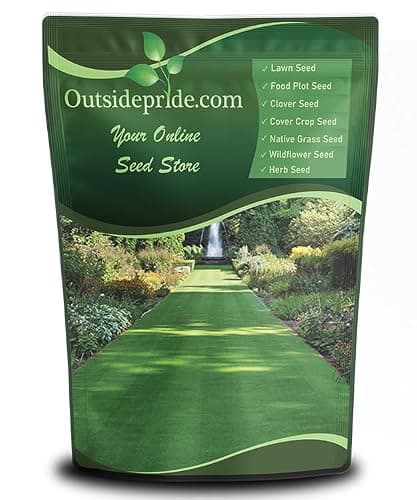
Outsidepride Legacy Fine Fescue Blend
A fine fescue blend for cool climates, shade, and lawns mowed only a few times a season.

Outsidepride Perennial Buffalo Grass Seed
A native warm-season grass for the dry Plains that tops out around six inches.
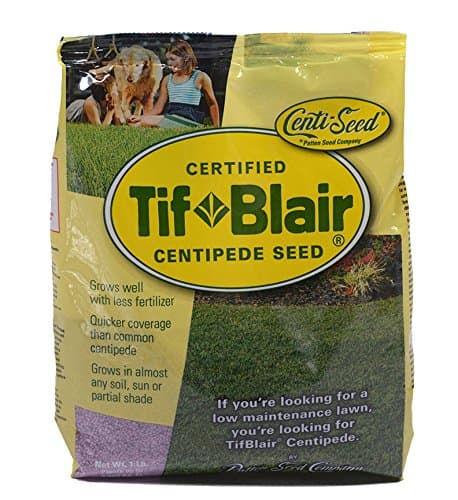
TifBlair Centipede Grass Seed
A slow-growing warm-season grass for the Deep South that needs the least mowing and feeding of the southern lawn grasses.
How to Mow Less on the Lawn You Already Have
You do not have to re-sod to cut your mowing. A few habits move the needle no matter what grass you have.
Raise the deck. Taller blades shade the soil, slow regrowth, and deepen roots. Set your mower to the top of your grass's range, roughly 3 to 4 inches for fine fescue and buffalograss, 2 to 2.5 inches for zoysia, 1.5 to 2 inches for centipede. Use the mowing height calculator to dial in your species. The one-third rule still applies: never remove more than a third of the blade at once, because cutting too hard triggers the exact fast regrowth you are trying to avoid.
Ease off water and nitrogen. Excess water and high-nitrogen fertilizer make even the slowest grass surge. Water deeply but no more than 1 inch per week including rainfall, and feed minimally with slow-release products at your species' rate. If your lawn is gaining more than 2 inches a week, that is your signal to back off inputs.
Consider a growth regulator. Plant growth regulators like products containing trinexapac-ethyl can slow grass growth by 30 to 50% at label rates. Use them only on labeled species, time them for early spring or just after the first mow, and keep pets and kids off until the lawn is dry.
Shrink the mowed area. Replace low-traffic or awkward spots with groundcovers like microclover, creeping thyme, or shade-tolerant sedges, which need little or no mowing. Trading even 10 to 30% of turf for groundcover cuts your mowing area with no loss of curb appeal.
How to Choose the Right Low-Mow Grass
Plenty of low-mow lawns fail because the species did not fit the site. Match three things before you plant.
Climate. Check your USDA zone and average rainfall. Cool-season regions (Zones 3 to 6) suit fine fescue and eco-lawn blends; warm-season regions (Zones 7 to 10) suit buffalograss, zoysia, centipede, and dwarf bermuda. In the transition zone (Zones 6 to 7) both can work, so prioritize drought tolerance and disease resistance. If you want to weigh species head to head, the grass comparison tool lines up traits side by side.
Soil and sun. Test pH and drainage first. Centipede needs acidic soil (pH 5.0 to 6.0), buffalograss wants sandy, well-drained ground, and fine fescue tolerates a wide range but prefers loamy or slightly acidic soil. Buffalograss and bermuda need full sun (6-plus hours), fine fescue handles real shade, and zoysia and centipede sit in between.
Traffic. Low-mow grasses handle light to moderate foot traffic. For pets, kids, or frequent play, zoysia or hybrid bermuda hold up best; fine fescue and buffalograss are better for ornamental or lightly used lawns. When in doubt, trial a small patch before renovating the whole yard.
Keeping a Low-Mow Lawn Healthy
Low-mow does not mean no-care. A light, consistent routine keeps these lawns looking their best.
Water deep and rarely. Deep, infrequent watering trains roots down and slows top growth. Keep all low-mow types to no more than 1 inch a week including rain, and skip irrigation during dormancy. Daily shallow watering does the opposite, feeding weeds and fast blade growth.
Feed sparingly. Fine fescue and buffalograss want only 0.5 to 1 lb of nitrogen per 1,000 sq ft a year; zoysia and centipede do best with 1 to 2 lbs split across two feedings. Slow-release or organic sources give steady, controlled growth. Dial in rates with the fertilizer calculator, and remember that over-feeding is the fastest way to turn a low-mow lawn into a weekly chore.
- NC State Extension recommends avoiding high-nitrogen fertilizers on centipedegrass and buffalograss to prevent excessive growth and thatch buildup.
Manage weeds lightly. Dense low-mow turf resists weeds well on its own. Spot-treat with a selective herbicide labeled for your grass, or hand-pull small patches. Watch for billbugs or grubs, but treat only if a sod-peel test turns up more than about 10 grubs per square foot.
Common Mistakes to Avoid
Overwatering or overfeeding. Excess water or nitrogen makes even the slowest grass grow like crazy. Stick to deep, infrequent watering and low-nitrogen, slow-release feeding at labeled rates.
Ignoring regional fit. Buffalograss fails in humid, rainy climates, while fine fescue struggles through hot, dry Southern summers. Confirm your zone and rainfall, and check with a local extension office before committing.
Mowing too short, or too rarely. Scalping thins even low-mow grasses and lets weeds in, so hold to the one-third rule and the minimum height for your species. But do not let grass grow so tall it flops and shades itself into patchiness either.
Trusting the label on blends. Not every eco-lawn mix lives up to its name. Read the seed label, favor blends that are at least 60% fine fescue, and trial a 50 to 100 sq ft test patch for 6 to 8 weeks before reseeding the whole lawn.
The Bottom Line
Switching to a grass that needs the least mowing can save you dozens of hours a year, plus fuel, money, and hassle. Fine fescue leads in cool climates, buffalograss on the dry Plains, and centipede, zoysia, or dwarf bermuda across the warm South, with eco-lawn blends offering a ready-made ultra-low-maintenance option. The trick is matching the grass to your climate, soil, and how you actually use the yard, then mowing high and feeding light. Pair this with our spring mowing timing guide and the low-water lawn ideas for drought-prone yards, and you can build a lawn that looks good and rarely sees the mower.
Free Lawn Care Tools
Fine fescue in cool climates and buffalograss in warm, dry regions need the least mowing, often just once every 4 to 6 weeks in peak season. A no-mow fescue blend left natural can drop to only 2 or 3 cuts across an entire growing season.
It depends on your climate. Fine fescue is the lowest-maintenance choice for cool regions, centipedegrass for the humid Southeast, and buffalograss for the dry Plains. All three ask for little mowing, water, and fertilizer once established.
Among cool-season grasses, sheep and hard fescue grow the slowest, often gaining only 1 to 2 inches a month. Buffalograss is the slowest common warm-season lawn grass. Their slow vertical growth is exactly what lets you mow so rarely.
There is no true zero-mow lawn grass, but no-mow fescue blends and buffalograss left natural can go a full season on just 1 to 3 cuts. Groundcovers like microclover or creeping thyme come closest to never mowing for low-traffic areas.
Centipedegrass, buffalograss, and fine fescue need the least, often just 0.5 to 1 lb of nitrogen per 1,000 sq ft per year. Over-fertilizing these grasses backfires, forcing fast growth and thatch, so less really is more.
Yes. Raise your mowing height to the top of your grass's range, cut back on fertilizer and watering, and consider a plant growth regulator. Overseeding thin spots with fine fescue lowers your mowing further over time.

Your lawn plan, in your pocket all season
Grass ID, a season plan, soil-timed reminders, and a lawn journal that remembers what you did. Free on iPhone.
Related Articles
 Climate & Regional Tips
6 Types of Grass in West Virginia and How to Tell Which You Have
Sep 2, 2026•7 min read Climate & Regional Tips
4 Types of Grass in Connecticut and How to Tell Which You Have
Sep 2, 2026•7 min read Climate & Regional Tips
7 Types of Grass in New Mexico and How to Tell Them Apart
Sep 2, 2026•8 min read

