Best Grass Types for Short Growing Seasons
 Marcus GreenTurf Management Pro | 18 Years
As an Amazon Associate we earn from qualifying purchases.
If you're dealing with a short growing season, your best grass options are those that establish quickly and tolerate cold snaps. Cool-season grasses like Kentucky bluegrass, perennial ryegrass, and fine fescues are top picks, with perennial ryegrass offering the fastest germination (as little as 5-7 days), making it ideal for rapid repairs or overseeding. Always confirm your soil temperature is above 50-55°F before planting-using a basic soil thermometer gives you a clear go/no-go signal for seeding success.
For fast and reliable results, prioritize fresh, high-quality seed and prep your soil well-don't cut corners on grading or amending. Avoid seeding too early (before consistent soil warmth) or too late (within 30-45 days of first expected frost), as both can lead to poor establishment. With the right timing and proper watering (aim for 1-1.5 inches per week while seeds are germinating), you can expect visible green-up in 10-14 days for ryegrass and 14-21 days for bluegrass, even in tight windows.
Understanding Short Growing Seasons and Their Challenges
Short growing seasons are defined by a limited window of suitable temperatures for grass growth, usually bracketed by late spring frosts and early fall chills. In practical terms, your growing season is the period between your region’s last expected spring frost and first expected fall frost, with average daily soil temperatures consistently above 50-55°F. In northern climates, this can mean as little as 90 to 120 days, while higher elevations or certain coastal areas might experience even tighter constraints due to unpredictable cold snaps or cool, damp spells.
Calculating your actual growing window isn't just about checking the calendar. The most reliable approach is to monitor local soil temperatures using a probe thermometer at 2-4 inches depth. When you see a consistent 50°F or higher for three consecutive mornings, your soil is ready for cool-season grass growth. Microclimates-those warmer or cooler pockets in your yard caused by shade, wind breaks, or pavement-can add or subtract days from your effective season, so pay attention to these details when planning.
The key challenges for grass growth in these environments are threefold. First, the reduced time for root establishment means new seedlings are more vulnerable to drought, disease, and mechanical stress. Second, a compressed establishment window often coincides with peak weed germination, intensifying competition. Finally, grasses face higher stress loads from rapid temperature swings, late or early frosts, and sometimes drought, all within a short period. This makes grass selection and precise timing non-negotiable for a resilient lawn.
Choosing the right grass type is critical because not all species are genetically programmed for rapid establishment or cold tolerance. Cool-season grasses such as Kentucky bluegrass, perennial ryegrass, and fine fescues are bred for quick growth in these windows, while warm-season species like bermuda or zoysia simply won’t thrive or may not establish at all in short northern seasons. For a deeper dive into these differences, see Complete Guide to Cool‑Season Grass Types and Complete Guide to Warm‑Season Grass Types.
Criteria for Choosing the Best Grass Types for Short Growing Seasons
The best grass types for short growing seasons share a handful of crucial traits, all aimed at maximizing establishment within a limited window. The first is fast germination and early vigor. Grasses that sprout and root quickly-think perennial ryegrass (germinates in 5-7 days) and select bluegrass cultivars-are far more likely to fill in before frost arrives. As a rule, you want options that can be seeded and show visible coverage within 14-21 days.
Cold tolerance and frost resistance are equally important. Look for grasses that maintain color and growth in cool conditions, and that can survive a surprise spring or fall chill without significant dieback. Cultivars bred for northern climates often list enhanced cold hardiness as a feature-check the seed tag or supplier’s data sheet for confirmation. Key traits include rapid spring green-up (so your lawn outpaces weeds) and extended fall color retention.
Disease and stress resilience are non-negotiable, since time pressures can amplify problems. Grasses must handle drought, shade, and pest pressure efficiently, as you won’t have the luxury of several months to nurse weak patches back to health. This is where genetic diversity in blends (mixing bluegrass, ryegrass, and fescues) provides a safety net against unpredictable stressors.
Maintenance requirements round out your criteria. Lawns in short growing seasons benefit from lower input needs-grasses that need less frequent mowing, fertilization, or irrigation help you keep pace with the season without feeling chained to your yard. Fine fescues are standouts here, thriving with minimal water and fertilizer. For homeowners with little time, these low-maintenance options are invaluable.
Top Grass Types for Short Growing Seasons
Kentucky Bluegrass (Poa pratensis)
Kentucky bluegrass is the gold standard for northern lawns, thanks to its rich color, dense sod-forming habit, and excellent cold tolerance. While traditional varieties can be slow to establish (up to 21 days to germinate), newer cultivars like ‘Midnight’, ‘Nuglade’, and ‘Bedazzled’ have been bred for faster germination and vigorous early growth, making them suitable for compressed seasons. This grass spreads via rhizomes, helping it recover from damage and fill in bare spots over time-a key advantage if you face winter kill or early frost damage.

For short growing seasons, sod application is often the professional choice-bluegrass sod can be laid as soon as the soil can be worked, provided temperatures remain above freezing. Sod roots in 2-3 weeks with proper watering (keep soil consistently moist, delivering about 1-1.5 inches of water per week). For seeding, target late spring or early fall, allowing at least 6-8 weeks before first frost so roots can establish. From my time managing championship greens, I’ve seen bluegrass blends outperform pure stands in tough seasons-diversity in your seed mix improves both speed and resilience.
The main limitations are bluegrass’s higher water and fertilizer needs compared to fescues, and its relative weakness in deep shade or drought. However, when timed correctly and combined with quick-starting ryegrass, Kentucky bluegrass delivers a classic, resilient northern lawn.
Perennial Ryegrass (Lolium perenne)
If speed is your top priority, perennial ryegrass leads the pack. This grass germinates in just 5-7 days under optimal conditions (soil temperatures above 55°F and consistent moisture), providing the fastest green-up of any cool-season turf. It’s commonly used for overseeding, lawn repairs, and for areas subject to heavy foot traffic due to its rapid establishment and wear tolerance.
While perennial ryegrass alone can work for emergency cover or repairs, it’s best used in blends with bluegrass or fine fescue for long-term durability. Pure ryegrass lawns can suffer from disease in humid climates and may struggle with winter kill in the harshest northern areas. For short growing seasons, blend at least 40-50% ryegrass into your mix to ensure fast coverage, then let bluegrass or fescue fill in over time.
Professional crews often overseed with perennial ryegrass after significant damage or renovation because of its speed-homeowners can adapt this by raking or slit-seeding thin patches, then irrigating to keep conditions moist until germination. Ryegrass is also ideal for high-traffic play areas, where quick recovery is essential.
Fine Fescues (Creeping Red, Chewings, Hard, Sheep Fescue)
Fine fescues are the unsung heroes of short-season lawns, thriving in shade, drought, and poor soils where other species falter. They include several subspecies-creeping red, chewings, hard, and sheep fescue-each with subtle differences but all prized for their adaptability and low input needs. Fine fescues germinate in 7-14 days under good conditions and can be seeded earlier in spring, as they tolerate cooler soils than bluegrass or ryegrass.
These grasses require less mowing (2-3 inches height is optimal), infrequent fertilization (often just 1 lb of nitrogen per 1,000 sq ft per year), and minimal irrigation once established. Use fine fescues alone for low-maintenance or shady lawns, or blend with bluegrass or ryegrass for a lawn that balances speed, durability, and appearance. From a golf course perspective, fine fescues are often used for out-of-play areas due to their slow growth and resilience-homeowners can leverage these traits for low-effort beauty.
One caution: Fine fescues can struggle in heavy, wet soils and may not tolerate extremely high traffic. For most residential yards, though, they’re a versatile and forgiving choice.
Tall Fescue (Festuca arundinacea)
Tall fescue bridges the gap between cool- and warm-season grasses, excelling in transitional climates and northern regions with unpredictable weather. Modern turf-type tall fescues (like ‘Falcon’, ‘Rebel’, or ‘Titan’) have finer blades and denser growth than old pasture types, and they tolerate drought and heat better than bluegrass or ryegrass. Tall fescue germinates in 10-14 days and establishes deep roots quickly-roots can reach 2-3 feet, providing impressive resilience.
For short growing seasons, seed is typically preferred over sod because tall fescue sod can be slow to root in cool soils. Aim to seed in late summer or very early fall, giving at least 6-8 weeks before your expected first frost. Water consistently to keep the top inch of soil moist until seedlings reach mowing height (usually 3 inches). Tall fescue requires less frequent mowing (maintain at 2.5-4 inches) and fewer fertilizer applications than bluegrass, making it a strong candidate for busy homeowners.
It’s worth noting that tall fescue doesn’t spread by rhizomes like bluegrass, so thin spots may need overseeding every few years. Still, its durability and low maintenance make it a standout for challenging climates.
Bentgrass (Agrostis spp.) - For Specialty Lawns
Bentgrass is the elite option for golf greens and specialty lawns in cool, short-season climates. Its ultra-fine texture and dense, low-growing habit create a putting-green look, but maintenance is high-think daily mowing at 0.125-0.5 inches, frequent topdressing, and vigilant disease management. Bentgrass germinates in 10-14 days, so it establishes fast, but only consider it if you’re prepared for the commitment.
For homeowners aiming for a pro-grade lawn, or for sport turfs, bentgrass can be seeded as soon as soil temperatures reach 50-55°F. Use blends of creeping and colonial bentgrass for better disease resistance and adaptability. Keep in mind, bentgrass can be invasive and may outcompete other grasses, so it’s best for dedicated, intensively managed spaces.
Native and Alternative Grasses
Buffalo grass, blue grama, and other native species offer ecological benefits for short growing seasons, especially in prairie, mountain, or high plains regions. Buffalo grass, for example, wakes up early, tolerates drought, and needs minimal mowing and fertilizer. However, its appearance is coarser, and green-up can be slow in spring, making it less ideal for those seeking classic lawn aesthetics.
Consider natives where water conservation, pollinator support, and low input needs outweigh the desire for a traditional lawn. These grasses are best established via plugs or sod, as seed can be slow and erratic to germinate (21-30+ days). For eco-friendly lawns or wildflower meadows, blending native grasses with clover or other low-growing species can extend the habitat value and resilience of your turf.
- Colorado State University Extension recommends buffalo grass and blue grama for high-elevation and semi-arid lawns, noting their low water requirements and suitability for short growing seasons.
Recommended products
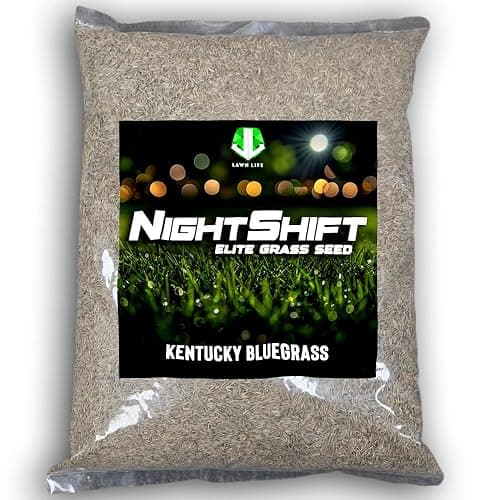
NightShift Kentucky Bluegrass Seed
A cold-hardy bluegrass that fills in by rhizome once established, repairing winter damage without reseeding.

Outsidepride Fireball and Hattrick Perennial Ryegrass Blend
A fast-germinating ryegrass blend that covers ground in five to seven days.

Outsidepride Legacy Fine Fescue Blend
A low-input fine fescue for shaded, cool northern sites with poor soil.
Regional Recommendations: Matching Grass Types to Your Local Climate
Short growing seasons present different challenges depending on your region. In the Northern U.S. and Canada, classic cool-season grasses like Kentucky bluegrass, perennial ryegrass, and fine fescues dominate. For these areas, focus on cultivars with proven winter hardiness and rapid spring green-up. Seed as soon as soil temperatures reach 50-55°F in spring or late summer, making sure to finish no less than 45 days before expected frost for maximum establishment.
Mountain and high-elevation areas require grasses that tolerate rapid temperature swings, intense sunlight, and lower air pressure. Bluegrasses and fine fescues are top choices, but native species such as blue grama or buffalo grass excel in these extremes. For maximum success, prepare to water more frequently during establishment, as thinner air and intense sun can dry soils quickly.
Coastal and maritime climates bring their own set of challenges: salt spray, fog, wind, and unpredictable temperatures. Fine fescues, colonial bentgrass, and salt-tolerant ryegrass cultivars perform best here. Focus on grasses that handle excess moisture and resist disease, and be prepared to address moss or algae issues in persistently damp spots.
Transition zones and high plains-areas that see hot summers but short springs and falls-demand a blend of cool- and warm-season grasses. Use a mix of tall fescue, Kentucky bluegrass, and perhaps some buffalo grass for drought resistance. This blended approach ensures your lawn stays green longer, bouncing back quickly from hot spells or early frosts. Professional crews often overseed cool-season lawns with warm-season plugs or seed to extend green-up into summer-homeowners can do the same with regionally adapted blends.
- Contact your local extension office for a list of recommended cultivars and optimal seeding dates for your specific microclimate.
Advanced Planting and Maintenance Strategies for Short Growing Seasons
Optimal Timing: When to Plant for Maximum Success
The single most important factor in short growing seasons is timing. For cool-season grasses, aim to seed when soil temperatures are consistently above 50-55°F (spring) or when air temperatures drop below 85°F (late summer/early fall). In most northern regions, the prime spring window is late April through early June; for fall, late August through mid-September usually works best. Never seed less than 30 days before first average frost, or seedlings won’t survive winter. For more on precise timing, see When Is the Best Time to Seed a Lawn?
Sod can be laid as soon as the soil can be worked, provided temperatures remain above freezing. For plugs or sprigs (especially with native grasses), wait until soil is consistently warm to ensure rooting before cool weather returns.
Soil Preparation and Amendment Checklist
Start with a soil test-your county extension office can process a sample and provide results in 7-10 days. Amend as needed: aim for a soil pH of 6.0-7.0, and correct any phosphorus or potassium deficiencies before seeding. Aerate compacted soils to a depth of 2-4 inches, then topdress with high-quality compost or screened soil. Grade the surface to ensure good drainage and a smooth finish.
Pro tip: To speed up soil warming in spring, rake off mulch or debris and use clear plastic tarps to trap heat for 5-7 days before seeding. This can increase soil temperature by 5-10°F, giving you a crucial head start.
Fast-Track Establishment Methods
Overseeding and slit seeding are your best bets for rapid coverage. Overseeding involves broadcasting seed over existing turf after mowing short and lightly raking; slit seeding uses a machine to cut grooves and drop seed directly into the soil, improving seed-to-soil contact. For both methods, use a starter fertilizer (typically 1 lb nitrogen per 1,000 sq ft) and consider adding a mycorrhizal inoculant to enhance root development.
Mulch new seedings with a thin layer (1/8-1/4 inch) of clean straw or specialized seed mulch to retain moisture and buffer soil temperatures. Avoid heavy layers, which can smother seedlings. Remove mulch as soon as new grass reaches 2 inches in height.
Watering and Fertilization Schedules for Compressed Seasons
For fast root growth, keep the top 1 inch of soil consistently moist-not soggy-until seedlings are established. This typically means brief, frequent waterings (10-15 minutes, 2-3 times daily) during the first week, then tapering to deeper, less frequent watering (1-1.5 inches per week) as roots develop. Avoid heavy irrigation that may cause seed washout or promote disease.
Limit fertilizer to starter blends at seeding. Excess nitrogen can cause burn and weaken young plants, especially if followed by a sudden heat wave or cold snap. After the first mowing, apply a slow-release fertilizer at half the standard rate to build reserves for summer or winter. For more on product rates and schedules, see our guides on fall fertilizer timing and organic fertilizer options.
Mowing and Maintenance for Quick Recovery
Begin mowing when grass reaches one-third higher than its recommended mowing height (for most cool-season grasses, this means mowing at 2.5-3 inches). Sharp blades are essential-dull blades tear young grass, increasing disease risk. Remove only the top third of grass height with each mowing, and leave clippings to recycle nutrients unless disease is present.
Monitor for thatch buildup (over 0.5 inch) and compaction-both can choke out new growth. Aerate if the screwdriver test (insert a screwdriver 6 inches deep) meets resistance. For patchy areas, overseed immediately; don’t wait until next season, as bare spots invite weeds and erosion.
Lawn Care Calendar for Short Growing Seasons
Month-by-Month Task List
Pre-season (early spring): Soil testing, debris cleanup, and initial weed control. Rake and aerate as needed. Begin warming soil with tarps if frost persists late.
Seeding & Establishment (late spring or early fall): Apply starter fertilizer, seed or sod as soon as conditions permit. Water lightly and frequently until germination, then transition to deeper watering. Remove mulch when grass reaches 2 inches. First mowing at 3 inches.
Mid-season (summer): Maintain consistent irrigation, mow regularly at recommended heights, and spot-treat weeds or disease promptly. Thin or stressed areas should be overseeded if possible.
Late season (early fall): Final fertilizer application 4-6 weeks before expected frost. Reduce mowing frequency but keep blades sharp. Remove leaves and debris promptly, and prep for winterization. See How to Winterize Your Lawn for detailed steps on protecting your turf during dormancy.
Pro Tips for Extending the Growing Window
To squeeze every possible day out of your short season, use temporary row covers, floating fabric, or clear tarps to protect seedlings from frost or to trap warmth in early spring. Even a few extra degrees can mean another week or two of root growth. Creating microclimates-such as planting near south-facing walls or windbreaks-also extends your window by shielding grass from cold winds and radiating heat at night.
Professional grounds crews sometimes use soil heating cables or black plastic sheeting to accelerate warming. While this may be overkill for most homeowners, simply removing mulch and maximizing sun exposure can provide a noticeable boost.
Troubleshooting: Dealing with Setbacks in Short Growing Seasons
Recovering from Late Frost or Early Snow
If your new grass is hit by a late frost or light snow, assess damage by tugging gently on seedlings-if they remain rooted and green up within a week, no major intervention is needed. For areas with visible dieback or bare spots, overseed as soon as soil dries and temperatures rebound above 50°F. Water lightly to avoid washing out seed. In cases where more than 30% of the lawn is damaged, consider a full re-seeding or sod patch for rapid recovery.
Addressing Patchy Germination or Slow Growth
Patchy or slow germination usually points to poor seed-to-soil contact, low soil temperatures, uneven watering, or old seed. Confirm soil temperature with a probe (should be 50°F+), and inspect the seed tag for expiration date-old or poorly stored seed loses vigor. If compaction is an issue, aerate and topdress before reseeding. For persistent thin spots, test soil in those areas for pH or nutrient imbalances.
Managing Weeds and Pests Under Time Constraints
Weeds can outpace grass in short windows. Use fast-acting post-emergent herbicides labeled safe for your grass type, but avoid applying within 2 weeks of seeding unless the product is specifically labeled for new lawns. Integrated pest management-such as adjusting mowing heights and removing diseased clippings-helps prevent outbreaks. For grubs or insect pests, confirm via physical inspection (10+ grubs per sq ft triggers treatment), and apply targeted controls only if thresholds are exceeded.
Common Mistakes to Avoid
Many guides overlook the critical importance of precise timing in short growing seasons. Seeding too early-before consistent soil warmth-leads to rot and wasted seed, while seeding too late (less than 30-45 days before frost) results in weak roots that can’t survive winter. Always confirm readiness with a soil thermometer, not just calendar dates.
Another frequent mistake is choosing grass types poorly matched to your region. Even top performers like Kentucky bluegrass or perennial ryegrass have cultivars bred for specific climates-verify with your extension office or supplier which varieties are proven locally. Don’t rely solely on big-box store labels; field-tested data beats marketing claims every time.
Finally, over-fertilizing or misapplying products is a hidden hazard. Excess fertilizer, especially nitrogen, burns tender seedlings and can cause runoff that harms pets and local waterways. Apply only the recommended rate (typically 1 lb nitrogen per 1,000 sq ft at seeding), and delay weed controls unless the label allows use on new turf. Keep kids and pets off treated areas until products have been watered in and dried completely.
Conclusion
Mastering a lush lawn despite short growing seasons is all about matching the best grass types to your climate and timing every step with precision. Kentucky bluegrass, perennial ryegrass, fine fescues, and tall fescue lead the pack for rapid establishment and resilience, while native grasses offer eco-friendly alternatives for challenging environments. Prioritize quick-germinating blends, confirm soil temperatures, and follow a tight calendar for seeding, watering, and fertilizing.
Your action plan: test your soil, choose regionally adapted seed, and schedule planting when soil temperatures hit 50-55°F. Use pro strategies-mulching, overseeding, and microclimate tweaks-to maximize every day of your growing window. For more detail on grass identification, see How to Identify Your Grass Type by Look & Feel, and for advanced planning, check out Cool vs. Warm Season Grasses: Key Differences, When Is the Best Time to Seed a Lawn?, and How to Winterize Your Lawn. With the right choices and timing, even the shortest season can deliver a healthy, vibrant lawn.
Free Lawn Care Tools
Perennial ryegrass provides the fastest germination, while Kentucky bluegrass and fine fescues offer longer-term resilience. Blends of these are ideal for rapid establishment and durability in short seasons.
Seed when soil temperatures are consistently above 50-55°F in spring or at least 6-8 weeks before first average frost in fall. This ensures seedlings establish strong roots before winter.
Use fast-germinating seeds (like perennial ryegrass), prep soil thoroughly, keep the top inch moist, and mulch lightly. Slit seeding improves seed-to-soil contact for faster results.
Warm-season grasses like bermuda or zoysia rarely thrive in short, cool seasons. Stick with cool-season types such as bluegrass, ryegrass, and fescues for best results.
Keep soil moist (1-1.5 inches water per week), mow with sharp blades at recommended heights, and apply starter fertilizer at seeding. Avoid over-fertilizing or using weed killers too soon after planting.
Perennial ryegrass can show green in 5-7 days, bluegrass in 14-21 days, and fine fescues in 7-14 days. Full establishment for mowing usually takes 3-6 weeks, depending on weather and care.

Your lawn plan, in your pocket all season
Grass ID, a season plan, soil-timed reminders, and a lawn journal that remembers what you did. Free on iPhone.