How to Boost Your Homes Value with a Beautiful Lawn
Patchy turf, weedy borders, and bare soil at the curb signal one thing to buyers and appraisers: deferred maintenance. A dense, green, well-defined lawn signals the exact opposite - that the entire property is likely cared for, updated, and worth a stronger offer. This article explains how to boost your homes value with a beautiful lawn using a structured, research-based approach.
According to Virginia Tech Extension, strong curb appeal can raise perceived home value by 5 to 11 percent, and lawn quality is one of the most visible components of curb appeal. For a 400,000 dollar property, that represents 20,000 to 44,000 dollars of perceived value influenced heavily by the front yard. Even a modest improvement in lawn quality typically shortens time on market and reduces pressure for price concessions.
This guide focuses on homeowners who are:
- Planning to list their home in the next 3 to 18 months
- Preparing for an appraisal or refinance
- Owning long term and wanting to steadily boost their homes value
You will see how curb appeal affects buyer psychology and appraisals, how to audit your current lawn like a buyer, how to choose turf types that impress without high upkeep, and how soil and maintenance decisions convert directly to resale value. The focus stays on practical, high return-on-investment actions rather than cosmetic quick fixes that do not last.
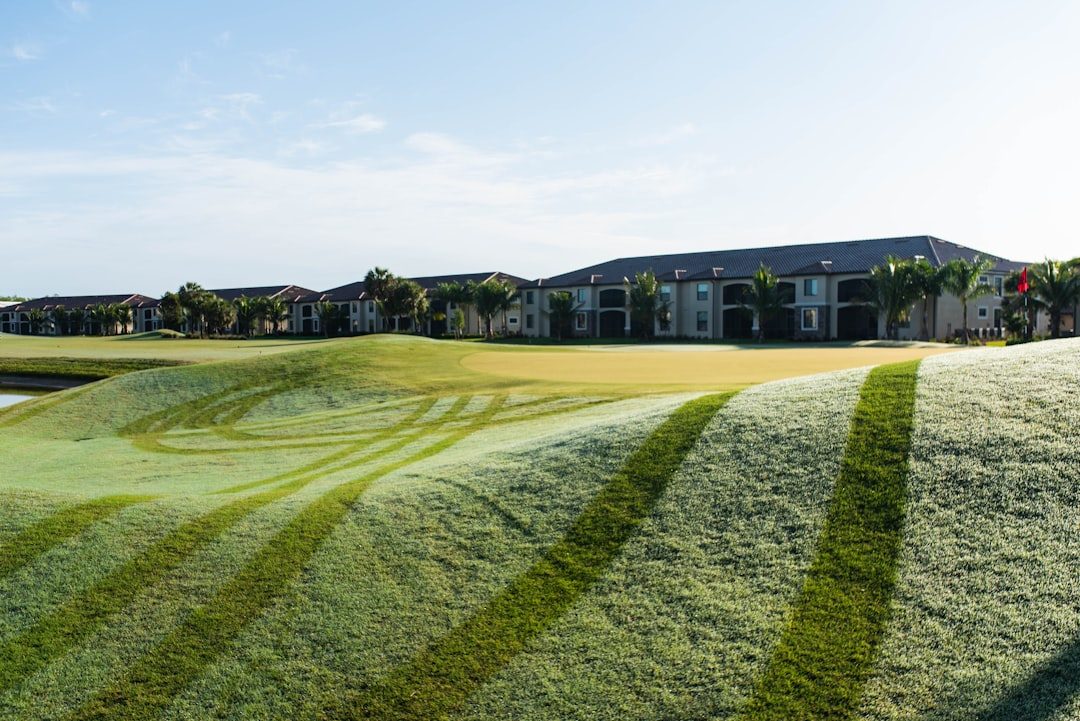
First impressions start from the curb, and a lush, green lawn can make a world of difference, boosting your home's perceived value by up to 11%. To ensure your lawn is making the right impression, take a critical look at it from the street. Are there bare patches or weed infestations? These are signs that your lawn may not be presenting your home in its best light.
To elevate your lawn's appeal, focus on consistent maintenance: regular mowing, watering, and fertilizing can transform your yard in just a few months. Start by selecting a resilient grass type suited for your climate, and expect to see improvements in as little as 6 weeks. A well-cared-for lawn not only enhances curb appeal but also sets the stage for potential buyers to imagine themselves in your home, leading to a quicker sale and potentially higher offers.
Understanding the Link Between Curb Appeal and Home Value
How a Beautiful Lawn Influences Buyer Psychology
Real estate agents often refer to the first 10 seconds rule: buyers decide whether a home feels appealing within the first few seconds of pulling up to the curb. The lawn dominates that first impression because it forms the largest continuous visual surface in the front yard.
A lush, well-maintained lawn signals several things immediately:
- The property receives regular maintenance, so major systems inside are more likely maintained.
- Watering, mowing, and weed control are consistent, which indicates reliable routines and attention to detail.
- The neighborhood standard is respected, which reduces perceived risk for buyers thinking about long term resale.
In contrast, weeds, bare patches, uneven color, and ragged edging trigger a different mental model: buyers expect similar neglect in roofing, HVAC, plumbing, and finishes. That expectation influences how aggressively they inspect and how low they structure their offer to account for risk.
Green space also has a direct emotional impact. Research summarized by Texas A&M AgriLife Extension notes that access to well maintained greenery improves mood and reduces stress. When buyers step out of the car onto a fresh, resilient lawn rather than packed dirt or weedy turf, they experience that emotional lift before they ever cross the threshold. That feeling often translates to stronger offers and more favorable negotiation posture.
Data-Backed Benefits: How Much Can a Lawn Boost Your Homes Value?
Several university extension services have quantified the financial effect of curb appeal and landscaping quality.
According to Virginia Tech Extension research, high quality landscaping and turf can increase perceived home value by 5 to 11 percent, while poorly maintained landscaping can reduce perceived value by up to 10 percent. Turf quality is classified in that research as one of the core landscape elements.
Texas A&M AgriLife Extension reports that landscape improvements, including improved turf, typically return 100 to 150 percent of their cost at resale, which ranks higher than many interior remodeling projects that often return 60 to 80 percent.
These improvements affect three financial factors:
- Appraised value - Appraisers consider condition and quality of site improvements, including landscaping. A healthy, established lawn supports higher condition ratings compared to neglected turf.
- Buyer offers relative to asking price - Homes with strong curb appeal tend to attract more showings in the first 7 to 14 days, which often leads to multiple offers and sale prices at or above list.
- Days on market - Agents consistently report faster sales for homes with attractive lawns. Faster sales generally reduce carrying costs like mortgage payments, utilities, and insurance.
For homeowners evaluating how to boost your homes value with a beautiful lawn vs interior updates, turf improvements often deliver stronger short term ROI because they:
1) cost less than major kitchen or bath remodels, 2) influence every buyer who views the home, and 3) are visible in every online listing photo that includes the exterior.
When a Lawn Upgrade Has the Biggest Impact
Lawn upgrades do not have equal impact in all situations. They deliver the highest ROI in three common scenarios.
1. Competitive buyer environments within a neighborhood
In a seller's market where multiple homes in a subdivision list simultaneously, the exterior often determines which properties buyers visit first. When interior features are similar, a top tier lawn separates your listing. Appraisers also compare your home to recent neighborhood sales, and visually superior curb appeal supports the upper end of the value range.
2. Older homes that need an external wow factor
Older homes sometimes lag behind new construction in interior finishes. A beautiful lawn, defined beds, and mature trees provide character and charm that new builds lack. In this context, lawn quality functions as the primary differentiator and can offset older kitchens or baths in buyer perception.
3. Homes that show well inside but lack exterior polish
When a home is updated and staged inside but has a thin, patchy lawn, buyers experience a disjointed impression. That mismatch signals that improvements are cosmetic, not comprehensive. Upgrading the lawn aligns the exterior with the interior story of a well cared for property and supports full-price offers.
In contrast, in situations where the lawn is already healthy but slightly uneven in color, lawn spending should focus on maintenance rather than full renovation. For example, in a moderately competitive market, a consistent, weed free, neatly edged lawn usually suffices, and high cost specialty turf or elaborate irrigation upgrades may not return their full cost at resale.
Step 1: Assess Your Current Lawn Before You Try to Boost Your Homes Value
Do a Curb Appeal Audit from a Buyer’s Perspective
Improving turf for resale starts with a clear, objective audit. Owners tend to overlook gradual deterioration because they see the lawn daily. A structured assessment resets your view to match what buyers and appraisers see within those first 10 seconds.
Use this method:
- Stand across the street or at the end of the driveway, exactly where buyers will first see the property.
- Take wide angle photos with your phone in full daylight and again at dusk with lights on, if present.
- Zoom in on the photos and identify specific turf and edging issues.
Focus on:
- Bare spots - Areas of exposed soil or very thin grass immediately draw the eye and suggest underlying soil or shade problems.
- Weeds - Broadleaf weeds, grassy weeds like crabgrass, and clover clusters indicate inconsistent maintenance and can dominate listing photos.
- Color uniformity - Buyers interpret dark, even green color as health. Yellow, gray green, or mottled areas signal stress or disease.
- Edging sharpness - Crisp separations between lawn, driveway, sidewalk, and planting beds visually organize the property and give a finished look.
- Overgrown or thin areas - Overgrowth near walks and beds feels messy, while thin turf near hardscapes suggests compaction.
Reviewing photos in addition to standing in person matters because your brain filters in real time but is more objective with still images. Appraisers and buyers will also see the lawn in photos before visiting, so what the camera captures is critical.
Evaluate Lawn Health (Not Just Looks)
Curb appeal is visual, but underlying turf health determines whether cosmetic fixes last through listing, showings, and inspection periods. A lawn that looks acceptable today but sits on compacted, low fertility soil may deteriorate quickly in hot or dry weather, which risks visible decline mid listing.
Key indicators of unhealthy turf include:
- Thatch buildup - A spongy layer of dead stems and roots thicker than 0.5 inch between soil and green blades indicates thatch. According to Kansas State University Extension, thatch over 0.75 inch restricts water and nutrient penetration and increases disease pressure.
- Compacted soil - Turf feels hard underfoot, and roots remain shallow. Water runs off rather than soaking in. High traffic areas near driveways and sidewalks commonly show this.
- Uneven color or growth - Dark, vigorous patches next to pale, slow growing zones indicate inconsistent soil fertility, moisture, or pH.
- Pest damage - Irregular brown patches that lift like carpet when pulled upward often signal white grub feeding. Purdue University Extension identifies 10 or more grubs per square foot as a damage threshold.
You can perform two simple at home checks:
Screwdriver test for compaction
Push a standard flathead screwdriver or similar tool into the soil in several areas of the lawn. If it penetrates 2 to 3 inches easily when the soil is moist, compaction is low. If it stops at 1 inch or less despite recent rain or watering, the soil is compacted and requires core aeration before overseeding or fertilization will deliver full value.
Soil pH and basic nutrient test
Soil pH strongly affects nutrient availability. According to Penn State Extension, cool season turf grows best at a pH between 6.0 and 7.0. Below pH 5.5, nutrients like phosphorus become less available and root growth slows. Above pH 7.5, micronutrient deficiencies appear even if fertilizer is applied.
Home test kits from garden centers provide a rough pH reading. For a property where appraisal value matters, sending a soil sample to your state university extension lab gives a precise pH and nutrient profile for about 10 to 20 dollars. This report guides lime or sulfur applications and balanced fertilization, which directly affect color and density.
Call a lawn care professional for a comprehensive assessment when you see any of the following:
- Large areas of dead turf, not just dormant grass
- Extensive weed populations covering more than 30 percent of the visible area
- Chronic standing water after normal rainfall, indicating grade or drainage problems
- Probable insect or disease issues that cover more than small patches
A professional evaluation is particularly useful if you plan to list within 3 to 6 months, because timing corrections for maximum visual impact becomes important.
Prioritize Issues by Impact on Home Value
Not every imperfection needs correction before selling. When deciding how to boost your homes value with a beautiful lawn, focus first on high impact, highly visible defects that buyers notice from the street or in listing photos.
Create a three tier checklist:
Must fix before listing
- Large weed infestations that dominate the view from the street
- Dead patches or bare soil larger than 1 to 2 square feet, especially near the front walk or driveway
- Severe crabgrass or annual grassy weeds that give a ragged appearance
- Edges growing over sidewalks or drives, which reduce apparent width and feel unkempt
Nice to fix for stronger offers
- Slight color variation across the lawn
- Minor thatch accumulation that is less than 0.5 inch
- Small thin spots under trees where moderate overseeding can improve density
Optional upgrades for long term or higher price brackets
- Automated irrigation systems to maintain uniform moisture
- Low voltage landscape lighting that enhances turf and bed lines at dusk
- Decorative edging materials that permanently define lawn and bed borders
For most mid priced homes, addressing the must fix items and part of the nice to fix list produces the best ROI. High end properties or long term owners may justify optional upgrades, especially irrigation, because consistent watering dramatically stabilizes turf appearance across seasons.
Step 2: Choose the Right Grass Type to Boost Your Homes Value Long-Term
Match Grass Type to Climate and Sun Exposure
The foundation of a beautiful, resilient lawn is a turf species adapted to your climate and site conditions. Planting the wrong grass type causes chronic problems that require constant correction and reduce perceived value when buyers notice thin or stressed turf at certain times of year.
Turfgrasses fall into two broad categories:
Cool season grasses
Cool season species grow best at temperatures between about 60 and 75 degrees Fahrenheit. They dominate in northern and transition zone states.
- Kentucky bluegrass
- Perennial ryegrass
- Tall fescue
- Fine fescues (creeping red, chewings, hard fescue)
Warm season grasses
Warm season species grow best at temperatures between 80 and 95 degrees Fahrenheit and go dormant, turning brown, when cool.
- Bermudagrass
- Zoysiagrass
- St. Augustinegrass
- Centipedegrass
- Buffalograss
According to NC State Extension, choosing a turf species outside its ideal climate or light range leads to reduced density, greater disease incidence, and higher irrigation and fertilizer requirements. Buyers eventually see those symptoms as frequent brownouts, weed intrusion, and inconsistent color.
When evaluating your lawn, document:
- Hours of direct sun each major section receives in midsummer
- Prevalence of tree shade and north facing slopes
- Local rainfall patterns and drought frequency
- Any homeowner association or city restrictions on turf types
Full sun areas in northern states typically perform best with Kentucky bluegrass blends or tall fescue. Shaded areas often require fine fescues. In southern climates, full sun supports Bermuda or zoysia, while moderate shade suits St. Augustine.
Mismatched grass types cause recurring issues that are expensive to mask. For example, trying to maintain Kentucky bluegrass in full sun in a hot Gulf Coast climate results in constant summer stress, high water use, and disease. That pattern is visible to buyers who tour in hot months and undermines value perception.
Balancing Beauty, Maintenance, and Cost
Different turf types exhibit distinct visual and maintenance profiles. When you consider how to boost your homes value with a beautiful lawn, select species and cultivars that look impressive yet fit realistic upkeep levels for you and likely buyers.
Key factors:
Visual quality
Kentucky bluegrass and hybrid Bermuda, for example, create very fine textured, dense carpets that photograph extremely well. Zoysiagrass also produces a high end look in many markets. Tall fescue offers a coarser texture but still looks attractive when dense and well fertilized.
Maintenance requirements
- Water use - According to University of Nebraska-Lincoln Extension, Kentucky bluegrass generally requires more irrigation than tall fescue to stay dark green in summer, while buffalograss and some warm season species survive extended dry periods with minimal water.
- Mowing frequency - Vigorous species such as Bermuda can require 2 to 3 mowings per week at ideal height in peak season, which may not align with typical buyer expectations.
- Disease resistance - Tall fescue varieties bred for brown patch resistance, or Kentucky bluegrass cultivars resistant to leaf spot, reduce the need for fungicides.
For most suburban properties, a practical, attractive strategy is:
- Use tall fescue or a tall fescue/Kentucky bluegrass blend in cool season climates.
- Use improved common Bermuda or zoysia in hot, sunny southern climates.
- Use St. Augustine in warm climates with some shade tolerance requirements.
Reseeding or resodding is justified when the existing turf type is clearly mismatched, or when more than about 40 to 50 percent of the lawn contains weeds and undesirable grasses. Patch repairs become inefficient beyond that threshold.
Edge Cases: Partial Shade, Heavy Traffic, and Pets
Many lawns include problem zones where standard turf struggles. Addressing these areas correctly increases the overall impression of quality and reduces buyer concerns about ongoing hassle.
Heavy traffic or kids' play areas
Constant foot traffic compacts soil and thins grass. Tall fescue in cool season regions and Bermuda or zoysia in warm regions tolerate traffic better than Kentucky bluegrass or centipedegrass. According to Ohio State University Extension, tall fescue's deeper roots and thicker blades handle wear significantly better than bluegrass under sports field conditions, which translates directly to high traffic home lawns.
In the heaviest use zones, consider integrating a defined mulch play area or stepping stone path rather than forcing turf where it will continually fail. A clearly intentional design element looks far better to buyers than a perpetually worn strip.
Pet urine spots
Repeated dog urine in small areas leads to burn spots, especially on sensitive species. To minimize visible damage near the entry path or main view, concentrate pet activity in a side or rear section of the yard and overseed those zones more frequently. Tall fescue and perennial rye tolerate urine slightly better than Kentucky bluegrass or fine fescue.
Tree root competition and deep shade
No common turfgrass thrives under very dense shade and heavy root competition. If less than 3 hours of direct sun reaches the soil, even shade tolerant fine fescues decline over time. In these cases, buyers respond better to an intentional groundcover, mulch bed, or landscape planting under trees instead of struggling turf. For moderate shade, blends that include fine fescue or shade tolerant St. Augustine cultivars create better density.
Mixing compatible grass varieties across the property for specific conditions is entirely acceptable and often ideal. The goal for resale is a consistent, healthy look in each zone, not necessarily a single species everywhere.
Step 3: Fix the Foundation - Soil
Soil quality is the underlying driver of turf color, density, and resilience. Fertilizer and watering regimes can only partially compensate for poor soil. When the objective is to boost your homes value with a beautiful lawn on a predictable timeline, addressing soil early ensures that visible improvements appear and hold through the listing period.
Soil issues relevant to lawn value include texture, compaction, organic matter content, fertility, and pH. Correcting all of them fully can take years, but targeted interventions over one growing season often create enough visible improvement to matter for resale.
Test and Interpret Your Soil
A lab based soil test provides actionable data for pH, phosphorus (P), potassium (K), and sometimes organic matter percentage. Most state university extension labs offer home lawn test services. For example, Penn State Extension and University of Minnesota Extension both provide detailed recommendations with their reports.
Steps:
- Collect 10 to 15 small cores or slices of soil from the front lawn to a depth of 3 to 4 inches.
- Mix them in a clean bucket and remove stones and thatch fragments.
- Allow the composite sample to air dry, then submit about 1 pint to the lab.
Key metrics to focus on:
- pH - For cool season grasses, 6.0 to 7.0 is ideal. For many warm season grasses, 6.0 to 6.5 is preferred. Values below 5.5 require lime, while values above 7.5 sometimes warrant elemental sulfur or acceptance that some nutrients will be less available.
- Phosphorus and potassium - Extension recommendations specify pounds of P2O5 and K2O per 1000 square feet to apply, which directly support root growth and stress tolerance.
- Organic matter - Levels between about 3 and 5 percent are generally beneficial for lawns on mineral soils. Very low organic matter indicates reduced water holding and nutrient buffering capacity.
Adjusting pH often delivers the most noticeable visual benefit. According to Clemson University Extension, lime applications take several months to fully change soil pH but begin improving nutrient availability within weeks. When planning around a home sale, applying lime 3 to 6 months before the primary selling season aligns the pH correction with peak turf color.
Address Compaction with Core Aeration
Compaction restricts root growth and reduces water infiltration, which leads to shallow rooted turf that browns quickly under heat or short drought periods. Buyers stepping on a hard, thin lawn sense this immediately, which contradicts a "well cared for" message.
Core aeration physically removes small plugs of soil and thatch, typically 0.5 to 0.75 inch in diameter and 2 to 3 inches deep, which creates channels for air, water, and roots. According to Iowa State University Extension, aeration improves rooting depth and reduces runoff, especially on clay soils or areas with heavy traffic.
Implementation details:
- Timing - Aerate cool season lawns in early fall or spring, with early fall (late August to mid October) preferred so roots expand in cool, moist conditions. For warm season lawns, late spring through early summer after full green up is ideal.
- Frequency - Severely compacted lawns may require aeration annually for several years. Moderately compacted lawns benefit from aeration every 2 to 3 years.
- Integration with overseeding - For renovation, overseed immediately after aeration, so seed contacts soil in the cores and holes.
Visible results from aeration appear over 4 to 8 weeks as turf thickens and handles stress more effectively. From a resale standpoint, scheduling aeration at least 6 to 8 weeks before the main showing period creates visible benefit by the time buyers are touring.
Improve Soil Structure and Organic Matter
Soil structure and organic matter content influence how evenly a lawn stays green between irrigation or rain events. Soils with good structure allow deeper roots, and organic matter increases water holding capacity and nutrient retention.
Homeowners can improve these properties using:
Topdressing with compost
Applying a thin layer of screened, finished compost across the lawn and working it into the upper soil profile over time improves organic matter and microbial activity. According to Cornell University research on turf systems, annual compost topdressing at 0.25 inch depth can increase organic matter and reduce disease incidence.
Guidelines:
- Use only fully composted material to avoid nitrogen tie up and weed seeds.
- Apply no more than about 0.25 inch at a time to avoid burying grass crowns.
- Topdress after aeration to encourage mixing of compost into cores and holes.
Mulching mowers
Leaving finely chopped clippings on the lawn recycles nitrogen and organic material. Studies summarized by University of Minnesota Extension show that grasscycling returns up to 1 pound of nitrogen per 1000 square feet annually, which supports color and density without additional fertilizer cost. Clippings also contribute modestly to organic matter without causing thatch when mowing height and frequency are correct.
By improving soil structure and organic matter, you build a lawn that holds uniform color and thickness through typical stress periods, which sustains the impression of quality for appraisers and buyers weeks after initial listing.
Align Soil Fixes With Your Selling Timeline
Soil improvements follow predictable timeframes that matter when you want to boost your homes value with a beautiful lawn on a schedule.
Example 6 to 12 month action sequence for a cool season lawn targeting listing next spring:
- Early fall (September) - Soil test, core aeration, compost topdressing, overseeding, and starter fertilizer.
- Late fall (October to November) - Lime application if pH is low, and a final high nitrogen winterizer fertilizer based on extension guidelines.
- Early spring - Light nitrogen application if needed, spot overseeding of any thin areas that remain.
- Late spring to early summer - Routine mowing at correct height and irrigation to maintain density for photography and showings.
For warm season lawns, shift the intensive work to late spring and early summer, with fall focused on weed prevention, soil pH corrections, and maintaining thatch at acceptable levels.
Step 4: Implement High ROI Lawn Maintenance Practices
Once soil and turf type are suitable, ongoing maintenance practices sustain the visual quality that influences value. Maintenance errors, especially in mowing and watering, quickly undercut earlier investments.
Mowing for Appearance and Health
Mowing height and frequency directly affect density, color, and weed resistance. According to University of Kentucky Extension, mowing too short stresses turf, makes it more susceptible to weeds and drought, and reduces root depth.
General recommended heights:
- Cool season lawns (Kentucky bluegrass, perennial ryegrass, tall fescue): 2.5 to 3.5 inches
- Warm season lawns (Bermuda, zoysia): 1 to 2 inches for reel mowed Bermuda, 1.5 to 2.5 inches for rotary mowed common varieties
- St. Augustine: 2.5 to 4 inches depending on cultivar
Key rules to maintain value enhancing turf:
- Follow the one third rule: never remove more than one third of the blade height at a single mowing. If the grass is 4 inches tall, do not cut below about 2.7 inches.
- Keep mower blades sharp to avoid frayed tips, which appear brown and dull the lawn's color.
- Edge along sidewalks, driveways, and beds every 2 to 4 weeks during active growth to maintain crisp lines.
Investing in a reliable rotary mower with adjustable height and a dedicated string trimmer for edges is usually sufficient. For high end, very low cutting warm season lawns, a reel mower provides a smoother cut and more formal appearance but involves more maintenance.
Watering for Consistent Color
Buyers interpret uniform green color as health and quality. Irrigation that is too shallow or too frequent creates weak, shallow rooted turf that shows stress between waterings.
According to Colorado State University Extension, most established lawns need about 1 to 1.5 inches of water per week during active growth, including rainfall. Deep, infrequent watering encourages deeper roots.
Implementation steps:
- Place several straight sided containers, such as tuna cans, on the lawn within an irrigation zone.
- Run sprinklers for 20 minutes and measure the depth in each can.
- Adjust run times until you apply about 0.5 inch per session.
- Water once or twice per week to total 1 to 1.5 inches, adjusting for rainfall.
Water between 4 a.m. and 10 a.m. to minimize evaporation and leaf wetness periods that favor disease. Avoid daily light watering, which encourages thatch and shallow roots.
Automatic irrigation systems add convenience and consistency, which appeal to many buyers, particularly in hotter climates. However, for resale, the primary value arises from the lawn looking evenly green, whether achieved by hose end sprinklers or in ground systems.
Fertilization Strategy for Color and Density
Fertilizer programs influence both short term color and long term density. Over fertilization causes excessive growth and thatch, while under fertilization leads to pale, thin turf, which lowers perceived value.
General guidelines from Purdue University Extension for cool season lawns recommend 2 to 4 pounds of actual nitrogen per 1000 square feet per year, applied in 2 to 4 split applications, with the largest portion in fall.
A simple, effective schedule for cool season lawns:
- Early fall (September) - 0.75 to 1 pound N per 1000 square feet with a balanced fertilizer that follows soil test guidance for P and K.
- Late fall (October to November) - 1 pound N per 1000 square feet as a high nitrogen "winterizer" fertilizer, after top growth slows but while the turf is still green.
- Optional light spring application - 0.5 to 0.75 pound N per 1000 square feet if the lawn appears pale.
Warm season fertilization focuses more on late spring and summer, when those grasses are actively growing. For Bermuda and zoysia, typical recommendations range from 2 to 4 pounds N per 1000 square feet per year in several splits during the growing season, based on local extension guidance.
For resale, the key is to plan fertilizer so the lawn reaches peak color 4 to 8 weeks before professional photos and listing. Excessive late nitrogen on cool season turf just before hot weather encourages disease and should be avoided.
Step 5: Strategic Lawn Upgrades That Impress Buyers
Beyond basic health and maintenance, several targeted upgrades increase visual appeal and perceived quality without disproportionate cost. These features often stand out in listing photos and open house experiences.
Clean Edging and Defined Bed Lines
Sharp transitions between lawn and hardscape or planting beds make a property look finished. Ragged or overgrown lines, by contrast, reduce the perceived width of walks and drives and give a neglected impression.
Options to define edges include:
- Power edging along sidewalks and driveways to cut a vertical line in the turf.
- Manual spade edging to create a clean, curved border between grass and mulched beds.
- Installed edging materials, such as steel, aluminum, or concrete curbing for a permanent solution.
For most homes, regular string trimming and spade cut edges along beds offer strong ROI with minimal expense. Completing this work within the week before professional photography ensures the edges are crisp in images.
Spot Renovation and Overseeding
When the majority of the lawn is healthy but specific zones are thin or bare, localized renovation delivers large visual returns for small investment.
Process for cool season lawns:
- In early fall, rake or dethatch the thin area to expose soil.
- Loosen the top 0.5 to 1 inch of soil with a garden rake.
- Apply a high quality seed blend matched to your main turf type.
- Lightly cover seed with a thin layer of compost or topsoil.
- Keep the area consistently moist until germination and establishment, usually 2 to 4 weeks.
For patchy warm season lawns, plug or sprig planting of matching turf species can fill spots, or in some regions, overseeding with annual or perennial ryegrass in fall provides winter color for Bermuda lawns, improving curb appeal during cooler months.
Overseeding the entire lawn after aeration is warranted when overall density is low but soil remains adequate. This approach thickens turf over a full season, raising the visual standard across the property.
Lighting and Presentation
Low voltage landscape lighting enhances both safety and aesthetics at dusk, when many buyers tour after work. Illuminating the lawn's edges, key trees, and the front facade creates depth and emphasizes the health of the turf and plantings.
Focus on:
- Path lights along the front walk
- Uplights on specimen trees that highlight turf under canopies
- Soft wash lights that graze across the front lawn to reveal texture
While lighting is not a core turf practice, it significantly influences evening curb appeal. When combined with a healthy, manicured lawn, it supports the impression of a high quality, thoughtfully designed property.
Seasonal Strategies to Align Lawn Peak With Listing Date
Timing matters when your goal is how to boost your homes value with a beautiful lawn for an upcoming sale. Each season offers specific opportunities and constraints.
Spring Listing Strategy
For homes expected to list between March and May in cool season regions:
- Previous fall - Complete core aeration, overseeding, and primary fertilization by October so roots establish before winter.
- Late winter - Clean up debris, sharpen mower blades, and plan a light early spring fertilizer if turf appears pale.
- Early spring - Apply preemergent herbicide per local extension timing guidelines to control crabgrass while preserving fall seeded areas if possible.
- 2 to 3 weeks before listing - Edge sidewalks and beds, correct any small bare spots, and schedule photography after a fresh mowing.
Summer Listing Strategy
Summer listings in hot weather place stress on cool season lawns. Focus on resilience:
- Maintain higher mowing heights within recommended ranges to shade soil and protect roots.
- Water deeply and consistently, targeting 1 to 1.5 inches per week while avoiding evening irrigation that prolongs leaf wetness.
- Avoid heavy nitrogen applications during peak heat, which encourage disease.
- Spot treat breakthrough weeds to keep visible areas clean.
For warm season lawns, summer often presents the best appearance window. Ensure fertilization is tuned to maintain color without excessive growth and that mowing is frequent enough to avoid scalping.
Fall Listing Strategy
Fall is generally the easiest season for lawn excellence in cool season climates:
- Aerate, overseed, and fertilize 6 to 8 weeks before expected listing if possible.
- Take advantage of cooler temperatures and natural rainfall to drive dense new growth.
- Keep leaves removed from the lawn promptly to prevent smothering and discoloration.
For warm season lawns that begin dormancy in late fall, consider overseeding with ryegrass in early fall if green winter color will significantly improve curb appeal for listing.
Evaluating ROI: When Professional Help Makes Sense
Homeowners can implement many of these steps independently. However, there are cases where professional lawn services provide better ROI by delivering quicker, more predictable results before sale.
Professional help is particularly justified when:
- The lawn requires full renovation (more than 50 percent weeds or dead turf).
- The property is in a price bracket where buyers expect near perfect lawns.
- Your listing window is short, and errors in timing or product application would jeopardize appearance during showings.
Look for providers who base their programs on local extension recommendations rather than generic national templates. Ask how they handle soil testing, fertility plans, and timing relative to your anticipated sale date.
For homeowners who prefer a DIY approach but want guidance, consider using tools that integrate soil test results, climate data, and turf type to generate personalized plans. Resources such as How to Identify Your Grass Type, How to Read a Soil Test Report, and Best Time of Year to Overseed Your Lawn provide deeper detail on diagnostics and scheduling.
Conclusion: Turning Turf Into Real Estate Value
A beautiful lawn is not just a cosmetic upgrade. It signals comprehensive property care, enhances emotional response at the curb, and supports higher offers and faster sales. By auditing your existing lawn, matching grass type to climate and site, fixing soil limitations, and applying high ROI maintenance practices, you convert turf improvements directly into increased perceived and appraised value.
If you are planning to sell, refinance, or simply strengthen your long term equity, start with a structured assessment and a 6 to 12 month action plan. For a more detailed roadmap tailored to your yard, begin with a soil test and then explore resources such as How to Identify Your Grass Type and Best Time of Year to Overseed Your Lawn to refine your next steps.
Free Lawn Care Tools
Common questions about this topic
Several university extension services have quantified the financial effect of curb appeal and landscaping quality.
Buyers often form a gut-level opinion of a home within the first 10 seconds of seeing it from the street, and the lawn dominates that view. A lush, dense, well-edged lawn signals regular maintenance, attention to detail, and respect for neighborhood standards. In contrast, weeds, bare patches, and ragged edges immediately suggest neglect and higher risk of hidden problems inside the home. That first impression shapes how closely buyers scrutinize the property and how strong an offer they’re willing to make.
Turf improvements usually cost less than major kitchen or bathroom remodels but impact every potential buyer who sees your listing photos or drives by. Research from extension services shows landscape upgrades, including lawn improvements, often return 100–150% of their cost at resale, while many interior projects return only 60–80%. Because the front yard is visible in nearly every exterior photo and every in-person showing, a strong lawn delivers an outsized boost in perceived value.
Lawn upgrades deliver the highest return in a few key situations: when several similar homes are for sale in your neighborhood, when you have an older home competing with newer construction, and when your interior shows well but the exterior looks tired. In a competitive market, a standout lawn helps your listing rise to the top of buyers’ must-see lists. For older homes or homes with updated interiors, a beautiful lawn provides the “wow factor” that aligns the exterior with the story of a well-cared-for property.
Start by standing across the street or at the end of your driveway, where buyers will first see the home, and take wide-angle photos in full daylight and at dusk. Zoom in on the photos to spot bare soil, obvious weeds, thin or discolored areas, and messy or undefined edging. This simple “curb appeal audit” helps you see past what you’re used to and prioritize the issues that jump out immediately to buyers and appraisers.
The biggest red flags are bare spots of exposed soil, noticeable weed infestations, and uneven or washed-out color across the lawn. These issues signal poor maintenance and possible underlying soil, shade, or watering problems. Ragged or undefined edges along driveways, sidewalks, and planting beds also make the entire property look less cared for, weakening buyer confidence and perceived value.
Loading product recommendations...
Related Articles
Crabgrass preventer works when soil reaches 55°F—apply before germination, water in, and avoid overseeding for 4 months for season-long weed control.
Apply Scotts Southern Turf Builder at 3.2 lbs per 1,000 sq ft when soil hits 65°F. See our month-by-month table for exact Southern feeding windows.
Bermuda grass thrives in full sun and high traffic, while St. Augustine excels in shade. Includes pH ranges, mowing heights, and seasonal care calendars.
Monthly Lawn Tips
Seasonal care guides delivered to your inbox