Lawn Renovation 101 Transform Your Lawn This Spring
 Marcus GreenTurf Management Pro | 18 Years
As an Amazon Associate we earn from qualifying purchases.
Brown, thin turf coming out of winter usually points to one of three things: weak grass that never filled in last year, a lawn overrun by weeds, or underlying soil problems that keep roots shallow. A truly renovated lawn by early summer looks the opposite - uniform color, tight density where you cannot easily see soil when you part the grass, and consistent growth across sun and partial shade. Getting from one to the other takes more than seed and hope. It requires a renovation plan.
Lawn renovation means resetting the lawn: addressing soil issues, correcting grading or compaction, aggressively managing weeds, then re-establishing the right grass with proper water, mowing, and fertility. It sits between simple patch repair and full excavation and re-sodding. In this lawn renovation 101 transform your lawn this spring guide, I am walking through the exact process I used as a golf course superintendent, adapted so a homeowner can execute it without a crew and fairway budget.
This guide is for homeowners staring at tired, weedy turf and wondering if they should start over, DIYers who want professional-level results, and anyone debating overseeding, partial renovation, or complete replacement. You can expect visible improvement in 4 to 8 weeks if you follow the steps, with a fully mature, resilient lawn in 6 to 12 months. We will cover how to diagnose whether you need renovation, how spring timing works for different grass types, precise soil preparation, seeding or sodding, irrigation and fertilization schedules, special situations like shade and slopes, and mistakes that sabotage results.
If more than about half of what you see in your yard is weeds or bare soil, you are in lawn renovation territory, not simple repair. To confirm, walk the yard and pick five random 1-square-foot spots. If at least three of those spots are mostly weeds or bare ground, you should plan a renovation rather than just overseeding thin areas.
The fix is to reset the lawn this spring by killing or suppressing existing weeds, relieving compaction with aeration, correcting low spots and drainage, then establishing your chosen grass with seed or sod at the right seasonal window for your region. Avoid the common mistake of seeding too early into cold soil or too late into summer heat, and do not fertilize heavily before roots are established. With a solid plan, you will see visible thickening within 4 to 6 weeks for cool-season seed and 6 to 10 weeks for warm-season sod or sprigs.
From there, consistent watering, proper mowing heights, and disciplined weed control will carry the renovation through summer into fall, when you can fine tune thin spots. Full transformation is a one-season to one-year process, not a weekend project, but if you stick to the schedule, the lawn will be dramatically different by the end of this growing season.
Understanding Lawn Renovation vs. Simple Lawn Repair
What “Lawn Renovation 101” Actually Includes
People use the word "renovation" loosely. In turf management, we draw clear lines between maintenance, repair, renovation, and full replacement. Understanding those differences up front keeps you from picking the wrong strategy and wasting a season.
Maintenance is what you should be doing every year: mowing at the correct height, fertilizing at the right rates and times, irrigating to supply roughly 1 to 1.5 inches of water per week in the growing season, and spot-treating occasional weeds. If the lawn is generally full and uniform, maintenance is your lane.
Repair is localized work: fixing pet spots, re-seeding a path worn by kids, patching areas where a tree came down. You are dealing with maybe 10 to 20 percent of the yard. Overseeding and some spot-leveling with topsoil is usually sufficient.
Renovation means the lawn as a system is failing. The grass is the wrong species for the site, or weeds dominate, or the soil is compacted and lifeless. A renovation plan typically includes: killing or suppressing existing vegetation, core aeration, thatch management, grading corrections, targeted soil amendments from a soil test, then re-establishing turfgrass across large areas. It might be with seed, sod, plugs, or sprigs depending on grass type and budget.
Full replacement is more extreme. That is when you bring in machinery, strip off existing turf and thatch, potentially remove or add topsoil, and start from bare dirt. Most homeowners do not need a bulldozer solution. A properly executed renovation gives you professional results without full excavation.
You should lean toward a full renovation if you see any of these signs:
- More than 40 to 50 percent of what you see is weeds or bare soil. Once weeds are the majority, maintenance and minor repairs cannot flip the balance fast enough.
- Large areas stay thin even after you fertilize and water correctly for at least 6 to 8 weeks. That usually indicates underlying soil or species problems, not just hunger.
- Soil feels hard and you struggle to push a screwdriver 4 to 6 inches into the ground. That is functional compaction that limits roots and water.
- You see standing water that remains more than 24 hours after a rain, or you have chronic wet spots and dry spots only a few feet apart.
- Thatch is thicker than about 0.5 inch. You can measure by cutting a small triangle of turf. Excess thatch chokes roots and prevents water infiltration.
- You have old, undesirable grass types, such as coarse pasture grasses that do not tolerate mowing well, or a messy mixture of cool and warm-season grasses fighting each other.
If fewer than 25 percent of the lawn is in rough shape and the rest responds to fertilizer and water, repair and overseeding may be enough. Overhauling an otherwise decent lawn is not a good use of your time or money.
Spring vs. Fall Lawn Renovation: Pros, Cons, and Expectations
You will often hear professionals say "do your seeding in the fall," and for cool-season grasses that is usually correct. Soil is still warm, air temperatures cool off, weed pressure drops, and you avoid summer heat on baby grass. So why talk about lawn renovation 101 transform your lawn this spring at all? If fall is actually your window, the fall cool-season renovation guide has the kill-and-reseed schedule, the full seeding rates, and the last safe seeding date by region.
Spring has specific roles in a renovation plan, even if you eventually seed in late summer or fall. It is ideal for assessment, soil testing, compaction relief, early weed knockdown, drainage correction, and in warm-season regions, for actual planting.
For cool-season lawns (Kentucky bluegrass, perennial ryegrass, tall fescue) in northern regions, spring seeding is possible but not ideal. The problem is timing. If you seed too early, soil temperatures under 50 to 55 degrees Fahrenheit delay germination and leave seed vulnerable. If you seed too late, the young turf gets hammered by summer heat and disease before it is fully rooted. In practice, if you must seed in spring due to a home sale, construction, or severe damage, you aim for a window when soil temperatures reach about 55 to 65 degrees and you accept that you may need a second overseeding pass in early fall.
For warm-season grasses (Bermuda, zoysia, centipede, St. Augustine) in the South, spring is exactly when you renovate. These grasses wake up as soil temps move above 60 to 65 degrees and hit their stride in late spring and summer. Plugging, sprigging, or sodding warm-season grass in late spring gives it the full growing season to spread and thicken.
The key is to separate tasks by season. In a cool-season region you might do this:
- Early to mid spring: kill major weeds, aerate, correct grading and drainage, apply soil amendments.
- Late spring: light overseeding of bare spots if needed, otherwise focus on weed control and mowing.
- Late summer to early fall: primary overseed or full renovation seeding when conditions are ideal.
In a warm-season region, the sequence often looks like:
- Late winter to early spring: soil test, pre-emergent decisions, remove heavy thatch.
- Mid to late spring: core aeration, leveling, sodding or sprigging warm-season varieties.
- Summer: aggressive fertility and irrigation to drive lateral growth and coverage.
From my time managing championship greens, we rarely tried to fight seasonality. We used spring for preparation and structural changes, and we used each grass type's peak growing period for establishment. Homeowners should think the same way.
Matching Your Renovation Plan to Grass Type and Region
Your grass type and climate determine your renovation calendar, your seed vs. sod choice, and how you fertilize and water. The wrong grass in the wrong place makes renovation feel like a losing battle.
Broadly, there are three zones:
Cool-season regions: Upper Midwest, Northeast, Pacific Northwest, and higher elevations. Dominant grasses: Kentucky bluegrass, perennial ryegrass, tall fescue. These grasses like soil temps in the 50 to 70 degree range. Best renovation seeding is late August through September, sometimes into early October depending on your state.
Warm-season regions: Deep South, Gulf Coast, much of Texas, lower parts of the Carolinas, Georgia, Alabama, and similar climates. Dominant grasses: common and hybrid Bermuda, zoysia, centipede, St. Augustine. They like soil temps in the 70 to 90 degree range and do most of their growing from late spring through early fall. Renovations with sod, plugs, or sprigs are best from mid spring to mid summer.
Transition zone: Missouri, Kansas, Kentucky, Virginia, parts of North Carolina, Tennessee, and similar bands. It is too hot for many cool-season grasses to be comfortable all summer and too cold for some warm-season types to be perfect. You will often see tall fescue lawns, zoysia lawns, or mixed situations. Renovation here is all about matching grass type to microclimate and your tolerance for brown winter dormancy (warm-season) vs. summer stress (cool-season).
Grass type affects your choices in three key ways:
First, timing, as already discussed. For example, seeding a tall fescue renovation in April in Kentucky is possible, but you must commit to irrigation during summer. Seeding Bermuda in April in the same yard will fail if soil temps are still in the 50s.
Second, seed vs. sod. Cool-season grasses are usually renovated with seed. High quality tall fescue blends and Kentucky bluegrass mixes are widely available and relatively affordable. Warm-season grasses can be seeded (Bermuda especially), but many improved varieties are only available as sod, plugs, or sprigs. Home Bermuda seed often behaves differently than hybrid sod Bermuda. That is where you decide whether you want the instant uniformity of sod or you are willing to plug and wait 1 growing season for full coverage.
Third, fertilizer and watering strategy. Cool-season lawns should be fertilized primarily in fall and lightly in spring, with cautious summer feeding if at all. Warm-season lawns get their bulk fertilizer from late spring through midsummer when they are aggressively growing. Watering cool-season lawns in heat is about keeping them alive, often 1 inch per week split into two deep waterings. Watering warm-season lawns in summer can push growth and coverage because the grass is in its comfort zone.
If you are unsure what you have, compare your turf to photos online or take a clump to a local extension office. Also see topics like Choosing the Best Grass Seed for Your Region, Cool-Season vs Warm-Season Grasses, and Overseeding vs Reseeding Bare Spots for deeper species guidance.
Step 1: Assessing Your Lawn Before You Renovate
Visual and Physical Inspection Checklist
Professional crews do not guess. They assess, measure, then prescribe. Your first step in lawn renovation 101 transform your lawn this spring is a systematic walkthrough.
Pick a dry day when the grass is not frosty or soaked. Start at the front yard, then move to sides and back. For each distinct area, estimate three percentages: healthy turf, visible weeds, and bare or very thin soil. You do not need perfection, just a realistic feel. If you can see soil easily between plants when you stand and look down, turf density is low.
Next, note problem zones:
- Shaded spots under trees or beside buildings. Many warm-season grasses hate dense shade and even tall fescue has limits.
- Heavy traffic paths along gates, backyard shortcuts, or around play equipment.
- Pet areas where urine burn or digging is common.
- Obvious low spots or areas with previous construction activity.
- Steep slopes where mowing is tricky and water runs off quickly.
Put this into a simple sketch of your yard. Mark weed-dominated zones, bare patches, and functional issues like drainage or shade. This map will drive where you invest most of your renovation effort.
Now get a feel for the soil. Do a screwdriver or rod test. Take a flat-blade screwdriver or a 6 to 8 inch metal rod and push it straight down into the soil in multiple locations. In reasonably healthy, moist soil, you should be able to get 4 to 6 inches in with firm hand pressure. If you struggle to reach 2 inches, you have significant compaction that will require core aeration and possibly more aggressive correction.
After a normal rain or irrigation cycle, watch how water behaves. Areas with puddles that remain more than 24 hours indicate drainage limitations or low spots. Very fast drying zones, especially on slopes or near pavement, may have thin soil or excessive runoff. Both will influence how you grade and water later.
Finally, check thatch thickness. Cut or peel back a small triangle of turf about 3 by 3 inches. The thatch is the brownish, fibrous layer between the green grass and the soil. If that layer is more than about half an inch thick, it is likely restricting water infiltration and root growth. Some species like Kentucky bluegrass and certain Bermudas accumulate thatch faster than others. Thick thatch often calls for power raking or at least aggressive core aeration as part of renovation.
Identifying Weeds, Pests, and Diseases
Renovation without diagnosis is guesswork. If weeds are your main issue, you must know what types you are dealing with, because strategies differ for broadleaf weeds, grassy weeds, and sedges.

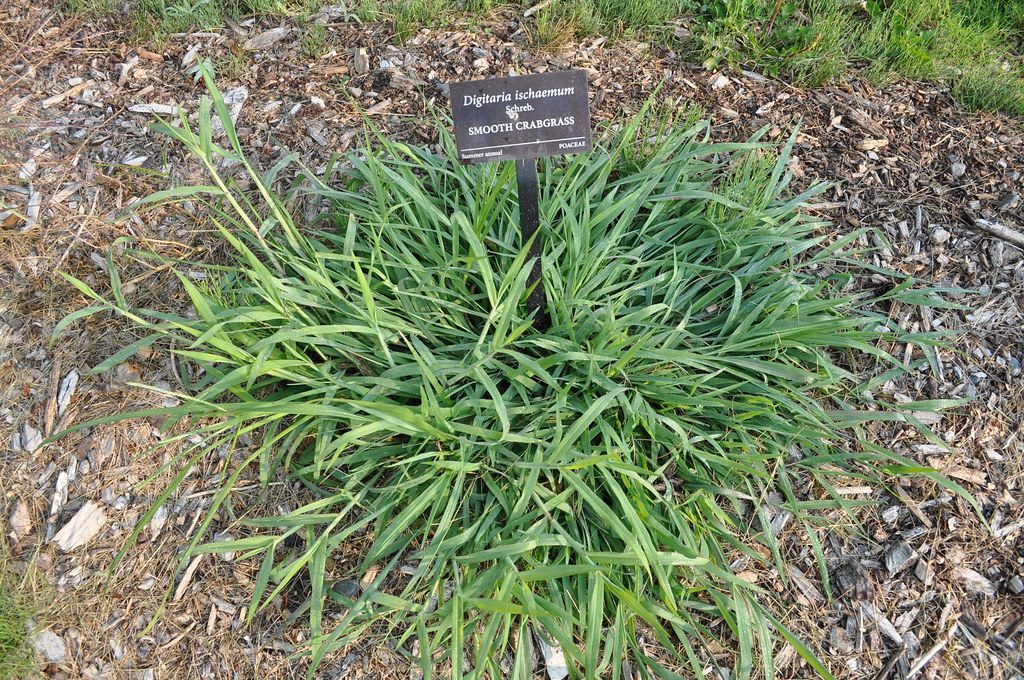
Broadleaf weeds include dandelions, clover, plantain, chickweed, and similar plants with wider leaves and usually showy flowers. They respond well to selective broadleaf herbicides and hand removal. Grassy weeds like crabgrass, goosegrass, annual bluegrass, and dallisgrass resemble turf grass but behave differently. They are harder to control selectively and often require pre-emergent herbicides or non-selective spot treatments followed by reseeding or resodding. Sedges, such as nutsedge, have triangular stems, glossy leaves, and prefer wetter soils. They usually need sedge-specific herbicides.
Walk the lawn and pull a few representative weeds to inspect. Use local extension publications or reputable online weed ID tools to match them. If 30 to 40 percent or more of the stand is a tough perennial grassy weed that cannot be selectively removed, that alone can justify a full renovation using a non-selective herbicide to start from a clean slate.
Look also for pest and disease patterns. Grubs, for instance, create spongy turf that peels up like a carpet. Brown patch in tall fescue or dollar spot in closely mowed turf create characteristic shapes and margins. If you notice irregular browning with distinct edges, check under the turf for grubs. If you find more than about 8 to 10 grubs per square foot, you will need to address that as part of your renovation plan.
Disease presence may influence timing. Renovating cool-season turf in a period of high disease pressure without addressing moisture and fertility can simply reset the disease cycle. That is why, when possible, fall remains the better primary seeding window for northern lawns.
Soil Testing: The Non-Negotiable Starting Point
The key most homeowners miss is soil testing before they spend money on seed or sod. From my superintendent days, no major renovation ever happened without multiple soil tests. That is how we avoided guessing on lime, phosphorus, and potassium rates.
Take samples in early spring before any fertilization. Use a clean trowel or soil probe and sample to a depth of 3 to 4 inches. Collect 10 to 15 cores from across the lawn, mix them in a clean bucket, remove stones and grass, and submit about 1 pint of the composite soil to a certified lab or your local extension service.
A good test will report pH, organic matter percentage, and nutrient levels for nitrogen recommendations, phosphorus, potassium, sometimes micronutrients. For most turfgrasses, a pH of 6.0 to 7.0 is acceptable. Many cool-season species prefer the 6.2 to 6.8 range, while some warm-season grasses tolerate slightly more acidic soil.
If pH is low, the lab will recommend lime rates in pounds per 1000 square feet. A typical correction might be something like 40 to 50 pounds of pelletized lime per 1000 square feet split into multiple applications, but you follow your specific report. High pH may call for sulfur or at least avoidance of alkaline amendments.
- NC State Extension recommends soil testing every 2 to 3 years for established lawns and always before major renovation to set lime and phosphorus rates correctly.
Phosphorus and potassium guidance matters especially at seeding. Many starter fertilizers include phosphorus, which is crucial for root development, but you do not want to add it blindly, especially in regions with phosphorus runoff restrictions. Apply starter fertilizer according to both soil test and bag label, often around 0.5 to 0.75 pounds of actual nitrogen per 1000 square feet at seeding for cool-season lawns.
Step 2: Planning Your Renovation Strategy
Deciding Between Overseeding, Partial Renovation, and Full Renovation
With your assessment and soil test in hand, choose the correct renovation level. Use percentage thresholds to keep this objective.
If roughly 75 percent or more of the lawn has decent turf coverage, and weeds are scattered, overseeding plus improved maintenance will likely suffice. You would spot treat weeds, core aerate, topdress thin spots, and overseed in the proper window. This is essentially a beefed-up repair project.
If 40 to 75 percent of the lawn is weak, weedy, or bare, you are in partial renovation territory. You might fully reset the worst sections while simply overseeding and correcting soil issues in the better sections. This is common where a front yard receives more care than a back yard, or where construction impacted only part of the property.
If more than 75 percent is problem turf or weeds, or if you have a major species mismatch (for example, cool-season grass in deep South full sun), a full renovation is often the most efficient. You stop fighting poor performers and install the right grass from scratch.
Choosing Seed, Sod, Plugs, or Sprigs
Your choice of planting method depends on grass type, budget, and timeline.
Seed is the most economical and flexible for cool-season lawns. A high quality tall fescue blend or Kentucky bluegrass mix typically costs far less per 1000 square feet than any sod. The tradeoff is patience and risk. Seed needs consistent moisture, is vulnerable to washouts on slopes, and may need a second overseeding pass. If you are willing to manage irrigation and protect the area for 6 to 8 weeks, seed is the best DIY option in northern regions.
Sod provides an instant lawn. For both cool and warm-season grasses, sod solves erosion issues immediately and gives you usable turf in 3 to 4 weeks once roots knit into the soil. It is expensive, often several times the cost of seed, but if you are renovating ahead of a home sale or have heavy use areas that cannot be out of service long, sod is the premium approach.
Plugs and sprigs are common for warm-season grasses like zoysia or hybrid Bermuda where seed is not available or does not match sod varieties. Plugs are small pieces of sod spaced on a grid, usually 6 to 12 inches apart. Sprigs are stolons and rhizomes planted into prepared soil. They are less expensive than solid sod but take one growing season or more to fill in. For a typical homeowner, plug spacing of 6 inches in a checkerboard pattern is a good balance of cost and fill-in speed.
Building a Seasonal Timeline
Write your plan out by month so nothing gets stacked too tightly. A realistic cool-season renovation timeline might look like this in a Midwest or Northeast climate:
- March to April: Soil test, weed identification, first broadleaf weed treatment if needed, light raking and debris removal.
- Late April to May: Core aeration and topdressing to relieve compaction, lime or sulfur applications per soil test.
- June to July: Focus on mowing, watering, and weed control. Avoid heavy seeding in peak heat.
- August to early September: Kill existing problem turf if doing a full reset, then seed at recommended rates, apply starter fertilizer, roll lightly or drag to improve seed to soil contact.
- September to October: Keep seedbed moist with light, frequent watering, mow as soon as grass reaches 3 to 3.5 inches, apply a light follow up fertilizer if recommended.
A warm-season renovation in the Southeast might follow this pattern for Bermuda or zoysia:
- February to March: Soil test, scalping or dethatching to remove excess biomass, pre-emergent decisions depending on whether you plan to seed or sod.
- April to May: Kill existing undesirable grasses with a non-selective herbicide if doing a full reset, correct grading and drainage, core aerate.
- May to June: Install sod, plugs, or sprigs when soil temperatures are consistently above 65 degrees, apply starter fertilizer, and water heavily the first 1 to 2 weeks.
- June to August: Mow regularly at species-appropriate height, fertilize in two or three light applications totaling 2 to 3 pounds of nitrogen per 1000 square feet for the season, maintain 1 inch of water per week.
If you need help sequencing work month by month, use a resource like Monthly Lawn Care Calendar in combination with this renovation guide.
Step 3: Site Preparation - The Foundation of a Successful Renovation
Vegetation Kill and Weed Reset
For full renovations or heavily contaminated areas, you typically need to kill existing vegetation first. Most homeowners use a non-selective, systemic herbicide that moves into the roots. Apply it when weeds are actively growing, usually when daytime highs are consistently above 60 degrees.
Follow label instructions precisely. Uniform coverage is critical. Plan on 7 to 14 days for a full kill. For stubborn perennials or Bermuda in a cool-season lawn, a second application 10 to 14 days after the first is often necessary.
Once vegetation is dead and brown, scalp or mow it low. In many cases you do not have to strip it all off. The dead plant material can be lightly worked into the soil during core aeration and grading. The exception is if you have thick thatch or raised grade problems, in which case you will remove more biomass.
Grading and Drainage Corrections
A beautiful stand of grass on poor grading will always be a headache. This is the time to fix it. Low spots that collect water should be filled, and high spots that scalp under the mower should be reduced.
Use a leveling rake, landscape rake, or even a push broom and shovel combination for small areas. Add soil in no more than 1 inch layers at a time over existing turf if you are not doing a full kill, so you do not smother the grass. For full renovations, you can be more aggressive, establishing a general slope of about 1 to 2 percent away from the house. That is roughly 1 to 2 inches of drop for every 10 feet.
Areas with chronic saturation may need subsurface solutions like French drains, but in many home lawns careful regrading and aeration improve things enough. Make sure you compact fill slightly with a roller so it does not settle excessively later.
Core Aeration, Thatch Management, and Topdressing
Core aeration is non-negotiable when you have significant compaction or thatch. Use a machine that pulls 2 to 3 inch deep cores, not a spike aerator that simply pushes holes into already dense soil. Go over the lawn in two directions for best results, especially on heavy clay.
On golf course fairways we often combined aeration with sand topdressing to improve surface firmness and drainage. For a home lawn renovation, you can topdress with screened compost or a sand/soil mix. A typical rate is 0.25 to 0.5 inches of material spread evenly, then dragged into cores and low micro-depressions with a leveling rake or mat.
If thatch exceeds 0.5 inch, consider power raking or verticutting before aeration. These machines slice into the thatch layer and pull up debris. Adjust depth carefully so you are not ripping up all existing turf if you are only partially renovating.
Recommended products
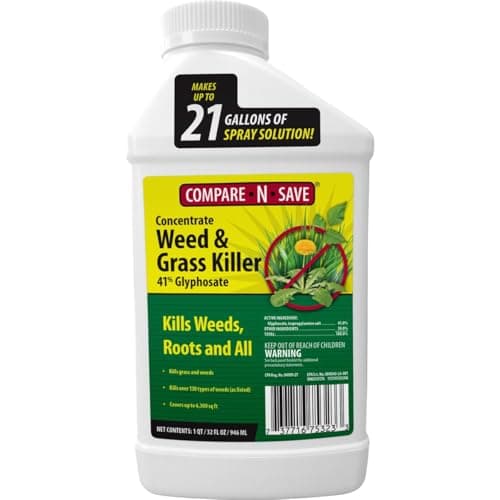
Compare-N-Save 41% Glyphosate Concentrate
A nonselective glyphosate concentrate for killing the existing stand before a full renovation.
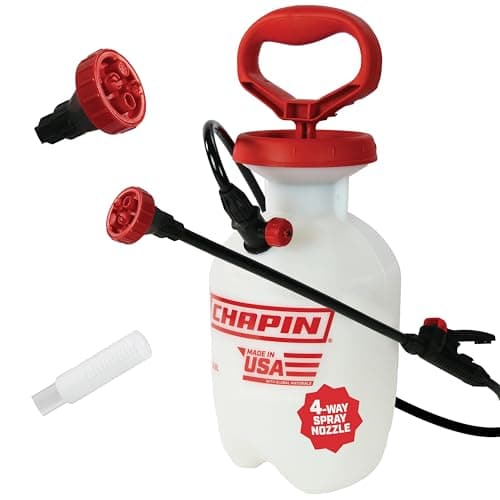
Chapin 1-Gallon Pump Sprayer
A one gallon pump sprayer with a four in one nozzle for even herbicide coverage.

Jonathan Green Black Beauty Ultra Grass Seed
A deep rooting tall fescue, bluegrass and ryegrass blend for the reseeding step.
Step 4: Establishment - Seed, Sod, Plugs, and Initial Care
Seeding Cool-Season Lawns
Once your site is prepped and the calendar window is correct, seeding is straightforward but detail dependent. Choose high quality seed with cultivars recommended for your region. Avoid generic "contractor mix" with annual ryegrass if you want long term quality.
Seeding rates vary, but typical ranges are:
- Tall fescue: 6 to 8 pounds per 1000 square feet for a full renovation, 3 to 5 pounds for overseeding.
- Kentucky bluegrass: 2 to 3 pounds per 1000 square feet due to its finer seed and spreading habit.
- Perennial ryegrass: 4 to 6 pounds per 1000 square feet when used alone, or lower when part of a blend.
Broadcast seed evenly in two perpendicular passes. Lightly rake or drag the surface so most seed is covered by 0.125 to 0.25 inches of soil. You can roll with a light roller to improve seed to soil contact.
Apply a starter fertilizer at seeding, typically delivering about 0.5 to 0.75 pounds of nitrogen per 1000 square feet unless your soil test suggests otherwise. Do not exceed 1 pound of nitrogen at seeding to avoid excessive top growth at the expense of roots.
Then commit to moisture. For the first 10 to 21 days, keep the top 0.5 inch of soil moist, not soaked. This often means 2 to 4 brief waterings per day totaling about 0.25 to 0.5 inches. Once most seed has germinated, gradually shift to fewer, deeper waterings to encourage deeper roots. After 4 to 6 weeks, your goal is to be at a normal pattern of 1 inch of water per week in one or two deep cycles if rainfall does not supply it.
Mow as soon as the new grass reaches about one third higher than your target height. For tall fescue at a 3 inch target, that means your first cut is around 4 inches. Make sure blades are sharp and remove no more than one third of the blade in a single mowing.
Sodding and Plugging Warm-Season Lawns
For warm-season renovations, sod gives you the most reliable transformation. Install sod on moist, not muddy, prepared soil. Stagger joints like brickwork, press seams together tightly, and roll immediately to ensure good contact. Water until the soil beneath is moist to a depth of 3 to 4 inches, then keep it that way for the first 7 to 10 days. That often means daily watering at first.
After the first week, check rooting by gently trying to lift a corner of sod. If it resists, roots are grabbing. At that point, gradually back off frequency while increasing depth. By 3 to 4 weeks in, you should be on a normal deep watering schedule based on weather, usually around 1 inch per week for Bermuda and zoysia.
For plugs, prepare the soil similarly, then plant plugs at 6 to 12 inch spacing, pushing them level with the soil surface. Water lightly but frequently at first, keeping the soil around each plug consistently moist. Expect visible lateral spread over 4 to 8 weeks in good growing conditions. The closer the spacing, the faster the fill. For a front yard where you want quicker coverage, I recommend no wider than 6 inch spacing.
Fertilizing During Establishment
Fertilizer strategy differs between cool and warm-season grasses but the principle is the same: feed to support roots and moderate top growth, not to create lush, weak tissue.
Cool-season: Apply starter at seeding as described. Then wait 4 to 6 weeks and evaluate. If color is pale but growth is modest, another 0.5 pound of nitrogen per 1000 square feet can be helpful, ideally with a slow release source. Major feeding should still focus on fall, with 1 to 2 pounds of nitrogen split between early and late fall for tall fescue and Kentucky bluegrass.
Warm-season: Apply a starter application (0.5 to 1 pound nitrogen per 1000 square feet) when sod or plugs show new growth. Then apply 0.5 to 1 pound per 1000 square feet every 4 to 6 weeks during active growth, stopping about 4 to 6 weeks before your average first frost to allow grass to harden off. Total seasonal nitrogen for home Bermuda is often 3 to 4 pounds per 1000 square feet, while zoysia needs less, often 2 to 3 pounds.
Step 5: Irrigation, Mowing, and Weed Control After Renovation
Dialing In Irrigation
Renovated lawns are fragile about water for the first season. Too little moisture and seedlings die or plugs stall. Too much and roots stay shallow, diseases thrive, and seedlings wash out.
Use a simple rain gauge or even tuna cans to measure how much water sprinklers apply. You are targeting about 1 inch per week once turf is established, increased to 1.5 inches in very sandy soils or extreme heat. Split that into one or two deep cycles, allowing the soil surface to dry slightly between waterings.
During the germination phase, it is all about surface moisture. As grass matures, you gradually transition to deeper watering. A good rule is to extend the time between waterings by a day each week while increasing run time so the soil profile, down to about 4 to 6 inches, is moist.
Proper Mowing Heights for Renovated Lawns
Mowing too short is one of the fastest ways to stress a new lawn. Each grass has a preferred range.
- Tall fescue: 3 to 4 inches. I like 3.5 inches for most home lawns. Taller blades mean deeper roots and better heat tolerance.
- Kentucky bluegrass: 2.5 to 3.5 inches for home lawns.
- Perennial ryegrass: 2 to 3 inches.
- Bermuda: 1 to 2 inches in a home setting, depending on smoothness of grade and mower type. Rotary mowers struggle below 1.25 inches.
- Zoysia: 1 to 2 inches, similar caveats as Bermuda.
- St. Augustine: 3 to 4 inches.
Never remove more than one third of the blade in a single mowing. That means if your target is 3 inches, mow when grass reaches 4 to 4.5 inches. Keep blades sharp, especially on new turf. Dull blades tear, increasing disease risk and stress.
Weed Control After Seeding and Sodding
Weed control is tricky during establishment. Many pre-emergent herbicides that stop crabgrass also stop grass seed. Some products are labeled safe after the new grass has been mowed 2 to 3 times, but you must read labels carefully. In a spring renovation of cool-season turf, this is one reason I often accept some crabgrass in order to prioritize seeding, then clean up in fall.
Post-emergent products have similar restrictions. Most broadleaf herbicides cannot be applied until new grass has been mowed at least twice. For grassy weeds, options are even more limited, especially in new stands. Hand pulling and spot treatments become more important during the first few months.
- Purdue Extension advises delaying most broadleaf herbicide applications on new seedings until after the second or third mowing to avoid injury to young turf.
With sod, you have more flexibility. Once sod is rooted and growing, many herbicides labeled for established turf can be used following label timing. Just remember that even though sod is mature grass, its root system is still developing in your soil during the first 4 to 6 weeks.
Special Situations: Shade, Slopes, and Heavy Use Areas
Renovating in Shade
No amount of renovation will make full sun grasses thrive in deep shade. The fix in shade is usually to adjust expectations, tree canopy, and sometimes grass type.
Cool-season: Tall fescue tolerates partial shade better than Kentucky bluegrass. There are specific "shade mix" seed blends you can use in tree filtered light. You still need several hours of some light per day. In heavy shade, consider mulch or groundcovers instead of grass.
Warm-season: St. Augustine tolerates shade better than Bermuda or zoysia. Even then, daily filtered light is important. If you are renovating a warm-season lawn with a big oak canopy, choose St. Augustine sod in the shade zones and accept a patchwork of species if necessary.
In any shade renovation, thin tree limbs where safe to improve light and air, raise mowing height, and reduce nitrogen slightly. Too much fertilizer in shade encourages weak, disease-prone growth.
Slopes and Erosion-Prone Areas
Steep slopes complicate renovation because water and seed move downhill. On these areas, sod is often the best solution if the budget allows. If you must seed, use erosion control blankets or straw matting to hold seed and soil in place. Seed slightly heavier on slopes, perhaps 10 to 20 percent above normal rate, to offset inevitable losses.

When watering slopes, use shorter, more frequent cycles to avoid runoff. For example, instead of 30 minutes in one hit, run 10 minutes, wait 30 minutes, then repeat two more times.
High Traffic and Pet Zones
Some parts of the yard get abused. In those, choose tougher species or accept different surfaces. Tall fescue handles traffic well compared to bluegrass, and Bermuda handles traffic very well in warm climates as long as it gets sun.
For dog runs or paths that see constant wear, consider decomposed granite, mulch, or stepping stones instead of grass. Renovating the same path every spring is not a good use of resources.
What Other Guides Miss: Common Mistakes to Avoid
Many lawn renovation articles hit the basics but skip some critical details I learned on golf properties.
First, they underemphasize soil testing and pH correction. Trying to establish a new stand of tall fescue in soil with a pH of 5.0 is asking for repeated failure. Confirm pH and major nutrients before you touch seed or sod. If pH is off more than about 0.5 units from ideal, prioritize lime or sulfur early so it has months to react.
Second, they gloss over temperature and timing. Spring seeding of cool-season grasses can work, but only if you seed when soil temperatures are actually in the mid 50s or higher and you understand you are committing to summer irrigation. Use a soil thermometer. If it reads under 50 degrees at 2 inches deep mid morning, wait.
Third, they overpromise herbicide use around new grass. You will see advice like "put down crabgrass pre-emergent then seed." In most cases, that is not compatible. If you need a pre-emergent in spring, you generally cannot also seed in that same window unless you specifically use a product labeled safe for new seedings and follow the timing exactly. Always cross check label directions and your renovation schedule.
Finally, they ignore the second season. A renovated lawn does not hit full stride in 30 days. True density and root depth develop over 6 to 12 months. You should plan a follow up overseeding in fall for cool-season lawns or a light plug fill in the second spring for warm-season lawns to perfect coverage. That second pass is what separates a good renovation from a great one.
Conclusion: Putting Your Spring Renovation Plan Into Action
A successful lawn renovation 101 transform your lawn this spring project is built on three pillars: accurate diagnosis, disciplined timing, and attention to detail during establishment. You figure out whether you really need renovation using percent coverage and compaction tests, you match your plan to your grass type and climate, and you follow through with proper watering, mowing, and gradual fertilization.
If you treat your lawn like a small fairway and yourself like a superintendent for one season, the payoff is a thick, uniform turf that is far easier to maintain in the years ahead. To keep that new lawn performing after renovation, pair this guide with resources like Spring Lawn Preparation Checklist and Summer Lawn Care: Heat & Drought Strategies so your hard work this spring carries smoothly through the entire year.

Top Picks
- Premium Lawn Top Dressing Coco Coir MixCheck price on Amazon
- Pennington Full Season Lawn Fertilizer 32-0-5Check price on Amazon
- Simple Lawn Solutions Liquid Soil LoosenerCheck price on Amazon
As an Amazon Associate we earn from qualifying purchases.
Free Lawn Care Tools
Estimate the percentage of healthy turf versus weeds and bare soil. If more than about 40 to 50 percent of the yard is weeds or bare ground, or large areas stay thin even after 6 to 8 weeks of proper watering and fertilizing, you are in full renovation territory. Confirm by doing several 1-square-foot checks across the lawn and mapping problem zones for a reset.
The best spring timing depends on grass type. For cool-season grasses like tall fescue and Kentucky bluegrass, use spring mainly for soil testing, weed control, aeration, and grading, then plan major seeding for late summer or early fall. For warm-season grasses like bermuda and zoysia, aim to install sod, plugs, or sprigs once soil temperatures are consistently above about 65°F, usually mid to late spring in the South.
You should see visible improvement within 4 to 8 weeks for seeded cool-season lawns and 6 to 10 weeks for warm-season sod or plugs, assuming proper watering and fertilizing. Full maturity, with deep roots and maximum density, typically takes 6 to 12 months, and many homeowners do a light follow up overseeding or plugging the second season to perfect coverage.
In most cases you cannot apply standard crabgrass pre-emergents or broadleaf herbicides at the same time as seeding, because they also inhibit or stress new grass. If you must control weeds near seeding, use products specifically labeled as safe for new seedings and follow timing directions, often waiting until after the second or third mowing. Otherwise, prioritize establishment first, then target weeds once turf is stronger.
For the first 10 to 21 days after seeding, keep the top half inch of soil consistently moist with light, frequent watering, often 2 to 4 times per day totaling about 0.25 to 0.5 inches of water. Once most seed has germinated, gradually shift to fewer but deeper waterings so the top 4 to 6 inches of soil are moist, aiming toward a normal schedule of about 1 inch of water per week, including rainfall, after 4 to 6 weeks.
Seeding rates depend on species. For a full renovation, tall fescue typically needs 6 to 8 pounds per 1000 square feet, Kentucky bluegrass 2 to 3 pounds, and perennial ryegrass 4 to 6 pounds. For overseeding into existing turf, drop those rates by roughly one third to one half, and always choose high quality, region-appropriate seed blends for best long-term performance.
Photos: koocbor / Openverse, simpleinsomnia / Openverse, Engin Akyurt / Pexels

Beat weeds and brown spots from your phone
Snap a photo, get the fix, and follow a plan timed to your soil and weather. Free on iPhone.