Revive Your Summer Lawn with Ease
 Marcus GreenTurf Management Pro | 18 Years
As an Amazon Associate we earn from qualifying purchases.
Your lush spring lawn has faded under the relentless summer sun. Brown patches spread, the grass thins, and weeds muscle in-each sign a reminder that summer lawn care is a different beast. For homeowners across the Southeast and beyond, reviving your summer lawn with ease isn’t about quick fixes or miracle products. It’s about understanding your turf, acting at the right moments, and deploying proven, professional techniques adapted for residential lawns. Whether you’re dealing with bare spots, compaction, or a stubborn weed invasion, this guide covers every step to diagnose, repair, and future-proof your lawn. We’ll break down why lawns suffer in summer, how to quickly assess what’s wrong, and the actionable steps to bring back thick, green grass-plus advanced strategies, pro tips, and common mistakes to sidestep for season-long results.
If your lawn is browning or thinning in summer, first confirm the cause: drought stress, disease, or dormancy. Take a screwdriver or soil probe and check if you can push it 6 inches into the soil; if not, compaction is likely. Use the "tug test"-gently pull on brown grass. If roots hold, it’s probably dormant and recoverable; if it comes up easily, it’s likely dead and needs reseeding or repair.
Fixes depend on the diagnosis: aerate compacted soil, mow higher, water deeply but infrequently (1-1.5 inches per week), and feed carefully using a slow-release fertilizer. Avoid fertilizing during extreme heat or drought, as this can worsen stress. With proper care, visible recovery of a summer-stressed lawn can take 2-4 weeks, but full density may require a full growth cycle or overseeding in early fall.
Understanding Summer Lawn Stress: Why Lawns Suffer
The Science Behind Summer Lawn Decline
Summer is the most stressful season for turfgrasses, especially in regions with high temperatures and sporadic rainfall. Heat accelerates moisture loss from both soil and grass blades, while foot traffic compacts the soil, making it harder for roots to access air and water. Pests like grubs and chinch bugs thrive in warm, dry conditions, further damaging already weakened grass. Drought causes cool-season grasses (like fescue and bluegrass) to enter dormancy as a survival mechanism, turning brown but often remaining alive. Warm-season grasses (Bermuda, Zoysia, St. Augustine) tolerate heat better, but even they can suffer from extreme drought, compaction, or heavy use-leading to thinning, bare patches, and weed invasions.
From my time managing championship greens, the key most homeowners miss is that stress doesn’t just show up as brown spots. Wilting, leaf folding, reduced density, slow recovery from mowing, and increased weed pressure are all red flags. Lawns on compacted or poorly draining soils decline fastest, as roots can’t grow deep enough to access water during dry spells.
Assessing Your Lawn: Quick Diagnosis Checklist
Start with a thorough walk of your yard. Look for:
- Discoloration: Yellow or brown patches, streaks, or rings. Uniform browning often signals drought or dormancy, while irregular patches can indicate disease or pest problems.
- Density loss: Areas where the canopy feels thin or spongy underfoot may be suffering from compaction, grub damage, or high traffic.
- Weeds and bare spots: Aggressive weeds like crabgrass and nutsedge thrive in stressed lawns, especially where grass has thinned out.
Use the “tug test” to differentiate dormant from dead grass. Gently pull on brown blades; if the roots resist, the grass is likely dormant and can recover. If they pull up easily, the crown and roots are dead-these areas will require overseeding or patch repair.
To check for compaction, try pushing a screwdriver or soil probe into the ground. If you can’t get it at least 6 inches deep with moderate effort, compaction is limiting root growth and must be addressed before other recovery steps. For thatch, use a garden trowel to cut a wedge of turf-if you see a spongy, brown layer thicker than 0.5 inches between the green grass and soil, it’s time to dethatch.
Step-by-Step: How to Revive Your Summer Lawn with Ease
Step 1: Remove the Barriers - Clearing Debris and Thatch
Leaves, twigs, and other debris scattered across your lawn block sunlight, trap moisture, and create micro-environments where disease can thrive. Rake or blow debris off the surface before starting any recovery work. Thatch-a dense layer of dead roots, stems, and organic material just above the soil-acts like a sponge, holding onto moisture but also preventing water, air, and nutrients from reaching the roots. Excess thatch (over 0.5 inches) also harbors pests and promotes disease.
For most residential lawns, manual dethatching with a thatch rake is sufficient, especially on small areas or where thatch is under 1 inch thick. For larger lawns or severe thatch, rent a mechanical dethatcher-these pull up thatch much more aggressively. Warm-season grasses like Bermuda and Zoysia tolerate mechanical dethatching during their active summer growth, but cool-season grasses should only be dethatched in early fall or spring. If your lawn is already stressed by drought or heat, postpone dethatching until recovery has begun-removing thatch too aggressively during peak stress can set the lawn back further.
Step 2: Aerate for Deeper Recovery
Compacted soil is one of the most common reasons lawns decline in summer. When soil particles are pressed together by foot traffic, mowers, or rain, roots can’t penetrate deeply, and water pools on the surface or runs off. Core aeration-removing plugs of soil 2-4 inches deep-relieves compaction, improves air and water movement, and creates ideal conditions for root regrowth. Spike aeration (simply poking holes) is less effective for moderate or heavy compaction, as it can actually press soil together around the holes.
Timing is critical: Aerate when soil is moist but not soggy-water 24-48 hours before, or schedule aeration after a moderate rain. For warm-season grasses, late spring through mid-summer is ideal, while cool-season lawns should be aerated in early fall or spring. Professional crews often aerate golf course fairways early in the morning when dew is still present; homeowners should do the same. Avoid aerating during drought or when the lawn is severely stressed, as pulling cores from bone-dry or already stunted turf can cause more harm than good.
For more on precise timing, see The Best Time to Aerate Your Lawn, which breaks down aeration by region and grass type for optimal results.
Step 3: Addressing Water Needs Without Waste
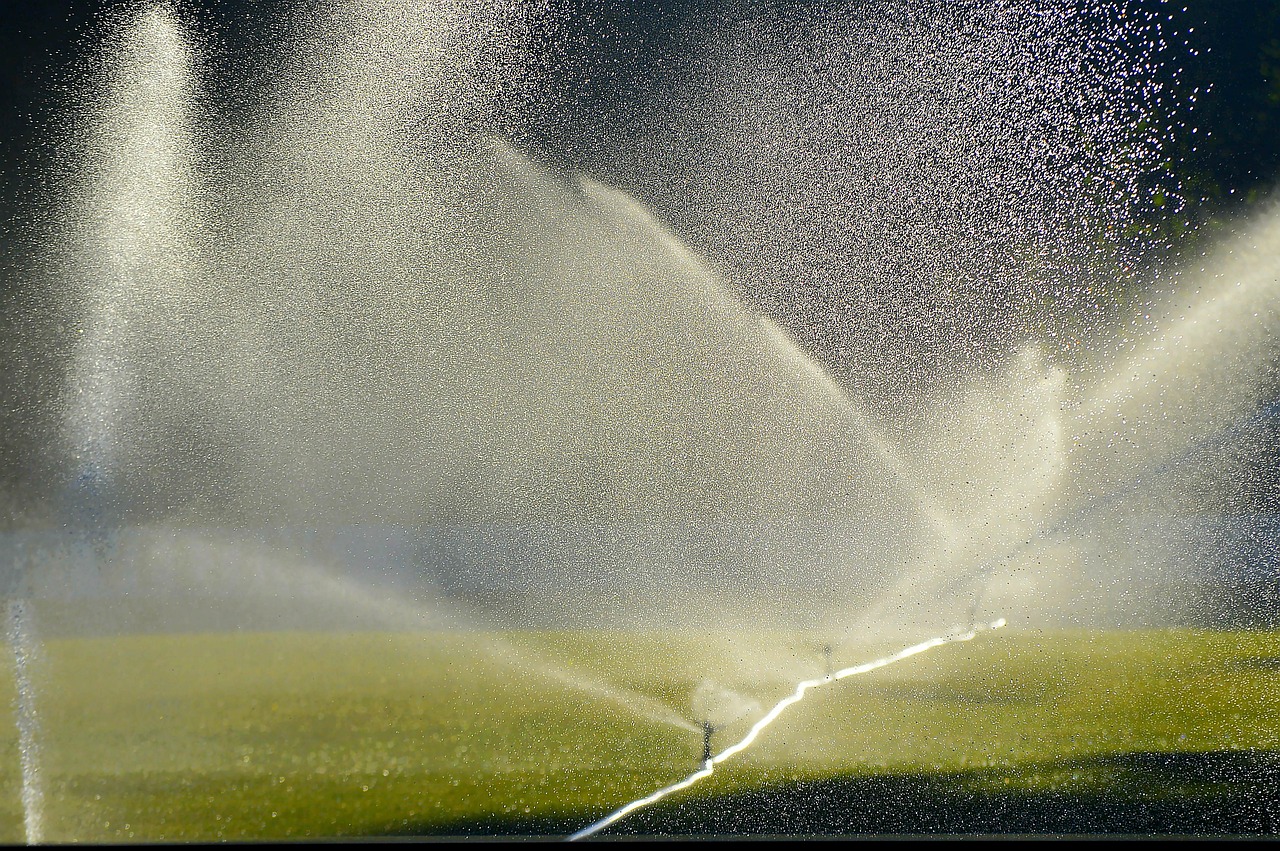
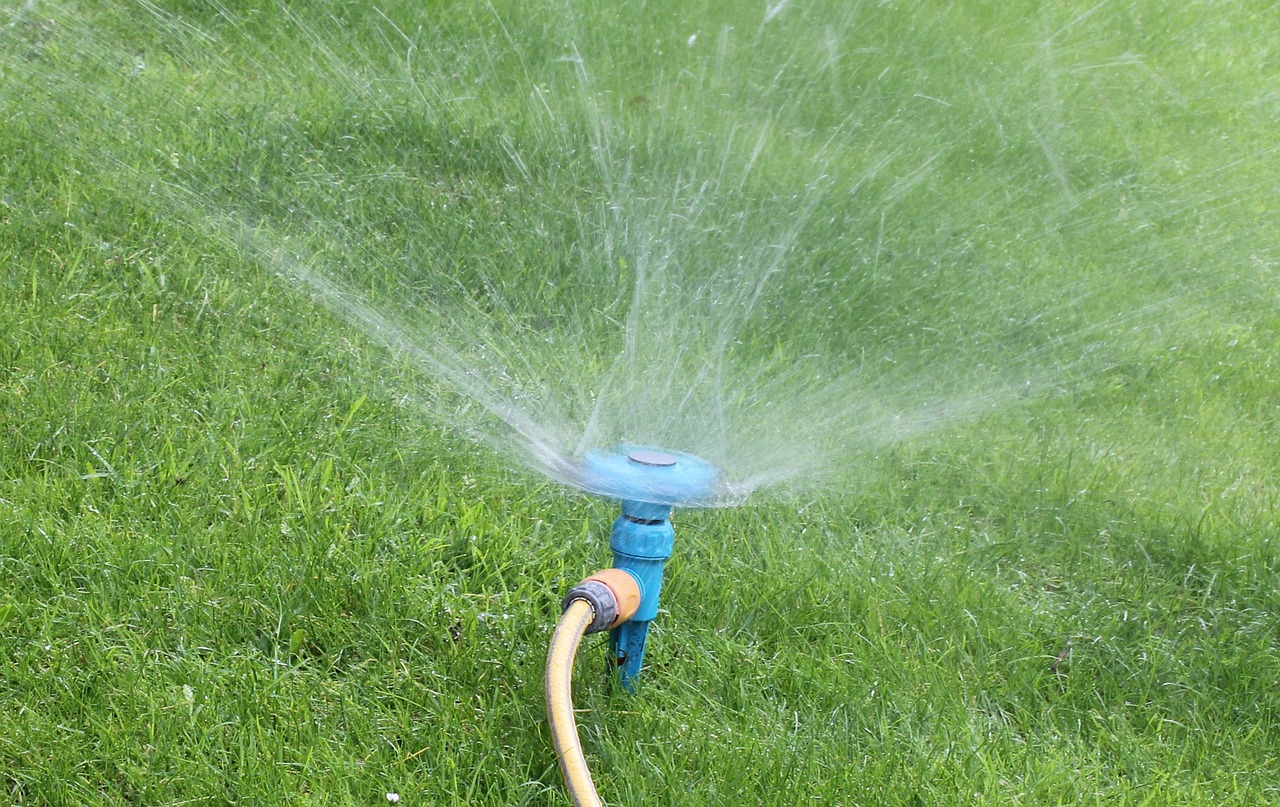
Most warm-season lawns require 1-1.5 inches of water per week during summer, delivered deeply and infrequently rather than daily sprinkling. Overwatering encourages shallow roots and disease, while underwatering leads to dormancy and thinning. The best approach is to water early in the morning-between 4 a.m. and 9 a.m.-to minimize evaporation and give grass blades time to dry, reducing fungal risk.
Test your irrigation system by placing tuna cans or rain gauges in several areas; run your sprinklers and measure how long it takes to reach 0.5 inches. Adjust your schedule to apply the full weekly quota in 2-3 sessions. If you notice puddling or runoff before you reach your target, your soil may be compacted or have high clay content-address with core aeration and/or soil amendment.
For those in drought-prone or water-restricted regions, consider converting part of your lawn to drought-tolerant species or ground covers. Buffalo grass, Bermuda, and Zoysia are top picks in the South and West for their exceptional drought resistance, but even these need deep watering during extended dry spells.
- University of Florida recommends watering St. Augustine lawns when the grass shows signs of wilt, such as folding blades or a blue-gray hue, and applying 0.5-0.75 inches per session.
Step 4: Targeted Feeding - Fertilizing for Summer Recovery
Summer-stressed lawns need a gentle, tailored feeding approach. Over-applying nitrogen during peak heat can burn grass and fuel disease, while underfeeding leaves turf unable to recover or outcompete weeds. The best option for most homeowners is a slow-release, organic-based fertilizer that provides steady nutrition without spikes. Milorganite Lawn and Garden Nitrogen Fertilizer 6-4-0 is an excellent choice for pet- and kid-friendly lawns, as it won’t burn turf even in high temperatures, and its low-salt formula makes it safe for all grass types.
Always avoid “weed-and-feed” products in midsummer, as these can stress already weakened grass and risk chemical injury. Granular fertilizers are easier for DIYers to apply evenly, while liquid options act faster but require more precise calibration. Before feeding, use a soil test to determine what your lawn actually needs; the MySoil Soil Test Kit is a simple, mail-in option that provides professional lab results on pH, nutrients, and organic matter. This ensures you’re not overapplying nutrients or missing hidden deficiencies-see How to Read a Soil Test for Lawn Care for step-by-step interpretation.
Apply fertilizer in the early morning or late afternoon, when temperatures are cooler, and irrigate lightly afterward to wash granules off the blades and into the soil. For warm-season lawns, the optimal summer feeding window is late May through early August; cool-season lawns should receive minimal or no fertilization during peak heat, waiting instead for late summer or early fall.
Step 5: Overseeding, Patch Repair, and Lawn Renovation
Overseeding is one of the most effective ways to revive thin or bare summer lawns, but timing is everything. For cool-season grasses, overseeding is best done from late August through September when temperatures moderate. Warm-season lawns, especially Bermuda and Zoysia, can be overseeded in early to mid-summer if irrigation is available and soil temperatures are consistently above 65°F. Choose a grass seed variety that matches your region and existing turf-consult our Grass Database for recommended cultivars and seeding rates tailored for your area.
Step-by-step overseeding:
- Mow the lawn slightly shorter than usual and bag the clippings.
- Rake or dethatch to expose soil.
- Aerate if soil is compacted.
- Spread seed at the recommended rate (see table below).
- Lightly topdress with compost or soil.
- Keep the area moist with light watering 2-3 times per day until seedlings establish (usually 10-14 days), then taper off to deeper, less frequent irrigation.
For small bare spots, a patch repair kit or a DIY mix of seed and compost works well. Severely damaged lawns with more than 40% bare areas may require full renovation: kill off existing weeds and grass, aerate, amend the soil, and reseed or lay new sod. Consult our Fall Lawn Overseeding & Prep Guide for full renovation steps and timing by region.
The table below summarizes overseeding rates and timing by region and grass type:
| Region | Grass Type | Seeding Rate (lbs/1000 sq ft) | Best Overseed Timing |
|---|---|---|---|
| Southeast | Bermuda/Zoysia | 1-2 | June - early July |
| Northeast | Kentucky Blue/Fescue | 2-4 | Late August - September |
| Transition Zone | Tall Fescue | 4-6 | Late August - early October |
| Southwest | Bermuda/Buffalo | 1-2 | May - July |
Step 6: Mowing Techniques That Help (Not Hurt)
During summer, mowing height makes a critical difference in your lawn’s recovery and stress tolerance. Raise your mower to the upper end of the recommended height for your grass type-generally 2.5-3.5 inches for most warm-season lawns, and 3-4 inches for cool-season types. Taller grass shades the soil, reduces evaporation, and encourages deeper rooting.
Always mow with sharp blades. Dull blades tear the grass, leaving ragged edges that lose more moisture and are more susceptible to disease. From my years on pro greens, crew leaders check blades weekly-homeowners should aim for sharpening every 6-8 mows. Mulching clippings during summer returns nutrients and moisture to the soil, but if you’ve recently treated for disease, remove clippings to avoid spreading spores. Mow frequently enough so you never remove more than one-third of the blade at a time; in peak growth, this may mean mowing every 5-7 days.
Step 7: Weed and Pest Management for Stressed Lawns
Weeds and pests exploit every weakness in summer-stressed lawns. Thin patches invite crabgrass, nutsedge, and spurge, while grubs and chinch bugs thrive in weakened turf. The best defense is dense, healthy grass, but targeted control is sometimes necessary. Use pre-emergent herbicides early in the season (see our Monthly Lawn Care Calendar for exact timing by region), and spot-treat with post-emergent products as needed. Never apply herbicides during extreme heat or drought, as this increases the risk of turf injury.
For disease-prone lawns, Scotts DiseaseEx Lawn Fungicide is a good homeowner solution, especially if you’ve identified brown patch or dollar spot during hot, humid stretches. It’s safe for most lawn types and can be used as a curative or preventive treatment. Always follow label instructions, and keep children and pets off treated areas until dry. For organic approaches, hand-pulling, corn gluten meal, and encouraging beneficial insects can help keep weeds and pests in check.
For more on identifying and managing common lawn pests, consult How to Identify and Control Lawn Pests.
Recommended products
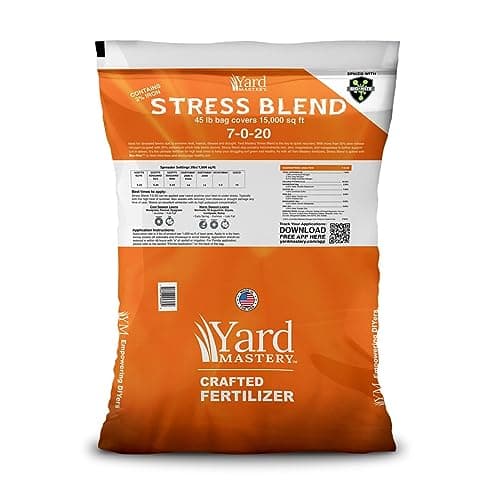
Yard Mastery Stress Blend 7-0-20
A high-potassium, low-nitrogen granular built for turf under heat and drought stress.
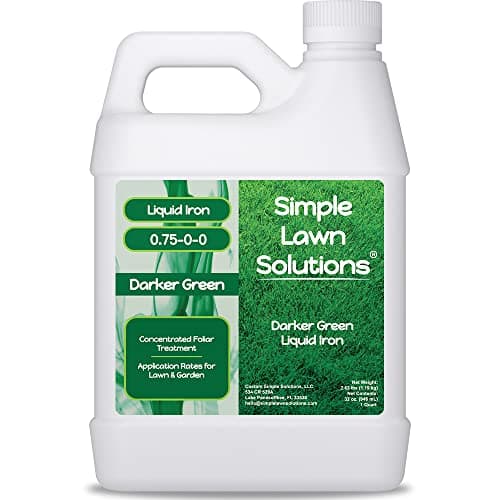
Simple Lawn Solutions Liquid Iron Darker Green
A chelated iron and micronutrient spray that greens up pale turf without adding nitrogen.
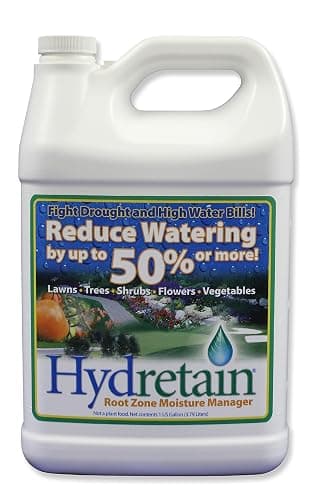
Hydretain Root Zone Moisture Manager
A humectant that keeps moisture available at the root zone between irrigation cycles.
Advanced Tips for Year-Round Lawn Resilience
Soil Health and Microbial Boosts
Reviving your summer lawn with ease isn’t just about short-term fixes. Long-term resilience depends on healthy soil teeming with beneficial microbes. Adding compost, biochar, or microbial inoculants can improve structure, boost nutrient cycling, and enhance disease suppression. Aim to topdress with 0.25-0.5 inches of compost after aeration, and consider incorporating biochar into sandy or clay-heavy soils to improve water retention and drainage.
Address drainage issues by correcting low spots, installing French drains, or amending with sand/organic matter. Lawns in heavy clay benefit from annual aeration and organic amendments, while sandy soils need more frequent feeding and moisture management.
Region-Specific Strategies
Not all lawns respond the same way to summer stress. Cool-season grasses are best revived in fall, while warm-season grasses rebound fastest with early summer intervention. The transition zone-where both grass types are common-requires extra care: use heat-tolerant cultivars, adjust mowing and feeding to the dominant grass, and watch for microclimate effects (like shaded areas or south-facing slopes that dry out faster).
According to our Regional Climate Data, the Southeast pre-emergent window opens February 15, making early spring weed control essential for summer lawn health. Use our Grass Database to determine the best varieties and maintenance schedules for your area.
Seasonal Transition Planning
Summer recovery lays the groundwork for fall and next year’s success. In late summer, prepare for overseeding (if needed), apply a balanced fertilizer, and address any lingering weeds or compaction. Fall is the best time for deep feeding, core aeration, and seeding of cool-season lawns. For warm-season types, focus on gradual reduction of irrigation and mowing height as temperatures drop, followed by winterizing in late fall. For more, see Winter Lawn Protection & Care and our Monthly Lawn Care Calendar.
Lawn Revival Checklist: Your Easy Summer Action Plan
Use this step-by-step checklist to revive your summer lawn with ease:
- Walk your lawn and diagnose issues: brown patches, thinning, weeds, compaction, thatch.
- Clear debris and dethatch if the thatch layer exceeds 0.5 inches.
- Aerate compacted areas when soil is moist and grass is actively growing.
- Adjust watering to 1-1.5 inches per week, watering deeply 2-3 times weekly in the early morning.
- Test your soil (consider the MySoil Soil Test Kit) and fertilize appropriately-use slow-release or organic options like Milorganite for summer feeding.
- Overseed thin or bare spots with region-appropriate seed and maintain moisture until establishment.
- Raise mowing height and keep blades sharp; mulch clippings unless disease is present.
- Spot-treat weeds and pests as needed, using product labels for safety and timing.
- Topdress with compost after aeration, and plan for fall maintenance and winterizing tasks.
For a printable version and quick-reference chart, see our downloadable Lawn Revival Checklist and Monthly Lawn Care Calendar for seasonal breakdowns.
Common Mistakes to Avoid
Relying on Visuals Alone: The Importance of Confirmation Tests
Many guides suggest acting at the first sign of browning or thinning, but brown grass isn’t always dead. Always use the “tug test” and a moisture probe before reseeding or aggressive repair; dormant grass can recover with water and care, while dead turf needs replacement. Misdiagnosing the problem wastes time and resources.
Getting the Timing Wrong: Regional and Seasonal Caveats
Applying fertilizer, herbicides, or overseeding at the wrong time is a top reason for poor results. Warm-season lawns recover best with early summer feeding, while cool-season types need fall intervention. Never fertilize or apply herbicides during a heat wave or severe drought-wait until temps dip below 85°F and the lawn is actively growing again.
Safety and Application Errors
Overapplying fertilizer or weed control products is common-and risky. Always calibrate your spreader or sprayer, measure your lawn’s square footage, and follow label instructions exactly. Pet and child safety is critical: keep them off treated areas until products are dry or as directed by the label. Skipping label instructions or mixing incompatible products can derail your revival efforts.
- NC State Extension recommends never removing more than one-third of the grass blade per mowing and testing soil every 2-3 years to guide fertilization.
Conclusion
Reviving your summer lawn with ease is about targeted action, not guesswork. Diagnose the problem, follow proven steps-clear debris, aerate, water wisely, feed carefully, overseed when appropriate, and mow to promote resilience. Most lawns can recover from summer stress with the right care and patience; with visible improvement in 2-4 weeks and full recovery over the growing season. For next steps, check out our guide on The Best Lawn Watering Schedule or How to Control Weeds Organically. Take action now, and enjoy a lush, resilient lawn through the toughest summer and beyond.
Top Picks
- Milorganite Lawn and Garden Nitrogen Fertilizer 6-4-0Check price on Amazon
- Garden Weasel Edger-Chopper Manual Lawn EdgerCheck price on Amazon
- Scotts Turf Builder Grass Seed Bermudagrass (4 lb)Check price on Amazon
As an Amazon Associate we earn from qualifying purchases.
Free Lawn Care Tools
Use the tug test: gently pull on a section of brown grass. If roots hold firm, it's likely dormant and can recover. If it pulls up easily with no resistance, the grass is dead and will need reseeding or patch repair.
Aim for 1 to 1.5 inches of water per week, delivered in 2-3 deep sessions rather than frequent light watering. Early morning is best to reduce evaporation and fungal risk.
Use a slow-release organic fertilizer like Milorganite Lawn and Garden Nitrogen Fertilizer 6-4-0. It's safe for all grass types, won't burn in summer heat, and is pet- and kid-friendly.
For warm-season grasses, overseed in early to mid-summer if irrigation is available. For cool-season lawns, wait until late August or September when temperatures cool for best results.
Yes, for warm-season grasses, aerate in late spring to mid-summer when the lawn is actively growing. Avoid aeration during severe drought or intense heat to prevent further stress.
With proper care, visible recovery takes 2-4 weeks. Full density and color may require a full growth cycle or overseeding in early fall, depending on the severity of the damage.
Photos: Irina_kukuts / Pixabay, Magda Ehlers / Pexels, Engin Akyurt / Pexels

Beat weeds and brown spots from your phone
Snap a photo, get the fix, and follow a plan timed to your soil and weather. Free on iPhone.