Best Weed and Feed for Bermuda Grass
 Sarah MitchellLawn Diagnostics Specialist | 12 Years
As an Amazon Associate we earn from qualifying purchases.
For many homeowners in warm climates, there’s nothing more frustrating than watching your once-vibrant Bermuda grass lawn become patchy and pale, or worse, overtaken by stubborn weeds. Bermuda grass is prized for its resilience and lush green appearance, but maintaining that carpet-like look is harder than most guides admit. The wrong weed and feed can set you back a whole season, while poorly timed applications can leave you dealing with brown spots or persistent weed outbreaks just when you want your lawn looking its best. For the complete reference, see the Bermudagrass pillar guide.
In my 12 years diagnosing thousands of lawns, Oregon State University research shows that maintaining proper mowing height is the single most effective weed prevention strategy firsthand that Bermuda grass needs a specific approach-especially when it comes to weed and feed. Unlike cool-season grasses, Bermuda demands high nitrogen, careful herbicide selection, and precise timing to thrive. This comprehensive guide will walk you through everything you need to know: from understanding Bermuda’s unique needs, choosing and applying the best weed and feed products, to advanced seasonal strategies and troubleshooting persistent problems. We'll cover what most guides miss-so you can avoid common mistakes and finally see that thick, weed-free Bermuda lawn you’ve been working for.
If your Bermuda grass lawn is pale, patchy, or overrun with weeds, the first step is to identify whether the problem is due to low nutrients or aggressive weed species. Look for pale green color and slow growth as signs of nitrogen deficiency, while patches of crabgrass, clover, or dandelion point to weed invasion. Confirm by checking for at least 1-2 inches of healthy green growth and inspecting for broadleaf or grassy weeds. If weeds dominate or grass looks yellow despite regular mowing and watering, you likely need a targeted weed and feed product formulated for Bermuda grass.
The fix involves applying a weed and feed that contains both a selective herbicide safe for Bermuda and a high-nitrogen fertilizer (at least 3.5 lbs per 1,000 sq ft annually, per our Grass Database). Apply when soil temps reach 65°F and grass is actively growing-never during dormancy or peak heat. Avoid using products not labeled for Bermuda, and don’t apply before heavy rain or during drought stress. Results should appear within 2-4 weeks: grass will green up and weeds will curl or fade. If weeds persist, re-treat after 4-6 weeks or use a spot-treatment herbicide for stubborn areas, always following label directions.
Understanding Bermuda Grass: Growth Habits and Needs
What Makes Bermuda Grass Unique?
Bermuda grass (Cynodon dactylon) is a warm-season turfgrass, renowned for its exceptional drought and heat tolerance, rapid recovery from wear, and dense, fine-bladed texture. Its aggressive growth habit means it spreads quickly by both stolons and rhizomes, making it ideal for high-traffic areas like sports fields and sunny southern lawns. However, this vigor comes at a cost-Bermuda requires intensive management to maintain peak health and color.
Recommended products
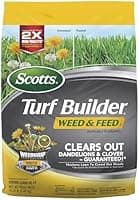
Scotts Turf Builder Weed and Feed 3
Kills existing weeds and feeds your lawn to thicken and crowd out future weeds.
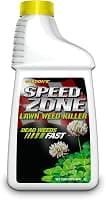
Gordon’s SpeedZone Lawn Weed Killer
Rapid and effective weed control for common and troublesome weed species in turfgrass
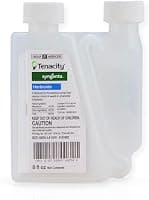
Syngenta Tenacity Herbicide
BROAD-SPECTRUM WEED CONTROL: Tenacity herbicide is a liquid lawn weed control solution labeled to control 46 broadleaf weed and grass species, including crabgrass, goosegrass, clover, dandelion, ground ivy, yellow foxtail, oxalis, yellow nutsedge and unwanted creeping bentgrass.
Unlike cool-season grasses, Bermuda thrives from late spring through early fall, with peak growth between May and September. It enters dormancy when nighttime temperatures drop below 50°F (usually November through March), turning brown and ceasing active growth. According to our Grass Database, Bermuda demands a high level of maintenance: 3.5 lbs of nitrogen per 1,000 sq ft per year, weekly mowing at 0.5-2 inches, and regular watering-especially during summer when evapotranspiration rates soar. Understanding these needs is critical for successful weed and feed application.
Common Weed Problems in Bermuda Lawns
Despite its dense growth, Bermuda lawns are not immune to weed invasion. Common culprits include crabgrass, dandelion, clover, nutsedge, and poa annua. In the Southeast and southern transition zones, crabgrass and nutsedge thrive as temperatures warm in late spring and summer. Clover and dandelion often appear in thin or nutrient-poor spots, especially after winter dormancy or excessive rainfall.
Weed pressure changes with the seasons. Spring brings an explosion of annual grassy weeds like crabgrass and poa annua, while summer favors broadleaf invaders and sedges. Fall and winter are typically less weedy, but dormant Bermuda can be easily infiltrated by cool-season weeds if not managed proactively. Diagnosing which weeds are present-and when they’re most aggressive-is key to selecting the right weed and feed product.
Why Standard Weed and Feed Isn’t Always the Best for Bermuda
Many weed and feed products are formulated for cool-season grasses or general turf, not Bermuda’s specific needs. Using the wrong formulation can burn your lawn, damage roots, or even kill large swaths of grass. Bermuda is especially sensitive to certain herbicides (like triclopyr) and high-phosphorus fertilizers, which can cause stunting or discoloration.
Furthermore, the high nitrogen requirement and low shade tolerance of Bermuda mean that generic, slow-release blends often underperform. Selecting a product labeled specifically for Bermuda-or at least for "Southern lawns"-with the appropriate herbicides and nutrient ratios is essential for both weed control and optimal grass growth. Always check the label and, when in doubt, perform a small-area test before widespread application.
Weed and Feed: How It Works and What to Look For
How Weed and Feed Products Work
Weed and feed products combine two critical lawn care actions: fertilization and weed control. The fertilizer component supplies essential nutrients (primarily nitrogen, but also phosphorus and potassium) to promote healthy grass growth, while the herbicide targets and eliminates weeds. Some products use pre-emergent herbicides to prevent weed seeds from sprouting, while others use post-emergent ingredients to kill existing weeds.
Granular weed and feed is most common-applied with a broadcast or drop spreader for even coverage. Liquid formulations, delivered via hose-end sprayers or tanks, offer faster absorption and better spot-treatment, but require more precise application. The choice between granular and liquid depends on your lawn’s size, weed spectrum, and your comfort with spreader or sprayer calibration. Both types must be used according to label directions to avoid damaging Bermuda grass.
Key Ingredients for Bermuda Grass
Choosing a safe and effective weed and feed hinges on understanding the active ingredients. For Bermuda, look for products containing:
- Herbicides: Atrazine, 2,4-D, dicamba, or metsulfuron are effective and generally safe for Bermuda when used as directed. Avoid triclopyr and MSMA on home lawns-they can cause significant injury.
- Nutrients: Bermuda needs a high-nitrogen blend. Our Grass Database recommends 3.5 lbs of nitrogen per 1,000 sq ft annually, ideally split as 20% in spring, 60% in summer, and 20% in fall. Look for N-P-K ratios like 29-0-10 or 30-0-4 for best results.
- Micronutrients: Iron, manganese, and magnesium support rich green color and stress tolerance, especially in sandy or alkaline soils. Some premium products include these for enhanced performance.
Weed and Feed Formulations: What’s Best for Bermuda?
Slow-release nitrogen sources (like polymer-coated urea or sulfur-coated urea) provide steady feeding, minimizing burn risk and supporting vigorous growth during the long warm season. Quick-release nitrogen can give a fast green-up but risks surge growth and fertilizer burn if overapplied or during hot, dry weather.
The right formulation depends on your lawn's maturity, soil type, and weed problem. Newer lawns or those with sandy soils benefit from slow-release formulas, while mature, established lawns may tolerate faster-release blends for quick results. Organic weed and feed options-like corn gluten meal-are safer for pets and kids but typically offer less reliable weed control, especially for aggressive warm-season invaders. Synthetic products are more effective for heavy infestations but require careful application to avoid turf injury.
Best Weed and Feed Products for Bermuda Grass: Top Picks & Reviews
Editor’s Picks: 2026’s Leading Products
Based on current reviews, university extension recommendations, and my own diagnostic experience, the following products stand out for Bermuda grass lawns in 2026:
- Scotts Turf Builder Weed and Feed 3: Widely available, feeds and kills broadleaf weeds. Best for lawns with visible dandelion, clover, or plantain, and needing a spring boost.
- Lesco Bermuda Weed & Feed: High-nitrogen blend with specialized herbicides for southern grasses. Excellent for established Bermuda lawns with a mix of broadleaf and grassy weed problems.
- Pennington Ultragreen Southern Weed & Feed: Designed for warm-season grasses, contains supplemental iron for color. Ideal for sandy soils or lawns with summer yellowing.
- Andersons 29-0-10 with Barricade: Combines pre-emergent crabgrass control with a high-nitrogen fertilizer. Best applied as a spring preventative in high-crabgrass areas.
Here’s a comparative look at leading weed and feed products for Bermuda lawns:
| Product | Weed Spectrum | N-P-K Ratio | Application | Best For |
|---|---|---|---|---|
| Scotts Turf Builder Weed and Feed 3 | Dandelion, clover, broadleaf | 28-0-3 | Granular, spreader | General weed control, spring feeding |
| Lesco Bermuda Weed & Feed | Broadleaf + some grassy | 22-0-11 | Granular, spreader | Southern, mature Bermuda lawns |
| Pennington Ultragreen Southern Weed & Feed | Broadleaf + iron for color | 30-0-4 | Granular, spreader | Sandy soils, summer feeding |
| Andersons 29-0-10 with Barricade | Pre-emergent (crabgrass, poa annua) | 29-0-10 | Granular, spreader | Prevention, early spring |
| Spectracide Weed Stop for Lawns + Fertilizer | Broadleaf, some grassy | 20-0-0 | Hose-end liquid | Spot-treating, small areas |
This table summarizes weed spectrum, fertilizer analysis, and application method to help you match a product to your lawn’s specific needs. Always check the label for Bermuda compatibility and local restrictions.
In-Depth Product Comparisons
Scotts Turf Builder Weed and Feed 3: This is a go-to for many Bermuda owners battling broadleaf weeds in spring, especially dandelion and clover. Its 28-0-3 fertilizer blend provides a moderate nitrogen boost, and the granules are easy to apply with a standard broadcast spreader. It covers up to 5,000 sq ft per bag, making it cost-effective for medium-sized lawns. User reviews praise its weed-killing power, but caution about using it in extreme heat or on newly seeded lawns.
Lesco Bermuda Weed & Feed: Known for its balanced N-P-K (22-0-11) and Bermuda-safe herbicide blend, Lesco is often recommended by turf professionals in the Southeast. It’s especially effective on mature, established lawns and handles a wider range of weeds-including some grassy types-than most big-box options. The slow-release nitrogen supports sustained greening, and the higher potassium aids drought resistance. Slightly more expensive per square foot, but worth it for tough southern conditions.
Pennington Ultragreen Southern Weed & Feed: This product stands out for its high nitrogen (30-0-4) and added iron, making it great for color-challenged Bermuda lawns. It targets broadleaf weeds and is formulated for southern soils. It’s granular, easy to apply, and receives high ratings for rapid green-up and weed knockdown. Some users note best results with two split applications, spaced 4-6 weeks apart.
Andersons 29-0-10 with Barricade: This is the best choice if you’re primarily fighting crabgrass and poa annua in spring. The included pre-emergent (prodiamine) is university-recommended for crabgrass prevention, while the high-nitrogen fertilizer fuels Bermuda’s spring surge. Application timing is critical-apply before soil temps reach 55°F for best results (see our Regional Climate Data for pre-emergent windows).
Spectracide Weed Stop for Lawns + Fertilizer: A liquid, hose-end option for small lawns or spot-treating problem areas. It offers a quick shot of nitrogen and controls most broadleaf weeds, but is less effective on mature crabgrass. Apply when temps are 60-85°F and avoid use during drought or intense heat.
Niche Picks: Organic, Pet-Safe, and DIY Alternatives
Organic weed and feed options, like corn gluten meal, act as natural pre-emergents and mild fertilizers. While safer for pets and children, they generally control fewer weed species and require precise timing-typically just before spring soil temps reach 55°F. Results are less dramatic than synthetics, but for eco-conscious or pet-heavy households, these are worth considering.
DIY enthusiasts sometimes blend their own weed and feed, using a combination of granular fertilizer (high-nitrogen, low-phosphorus) and a separate selective herbicide compatible with Bermuda. This approach allows for tailored dosing and precise timing, but demands careful measurement and strict adherence to safety protocols. If you’re experienced and enjoy lawn experimentation, this can yield excellent results-just be sure to test on a small area first.
When and How to Apply Weed and Feed to Bermuda Grass
Timing: The Secret to Success
Success with weed and feed hinges on timing. For Bermuda grass, the best window is after spring green-up, when soil temperatures consistently reach 65°F and the grass is actively growing. Applying too early (while dormant) risks wasting product, while late applications (mid-summer or later) can stress the grass or encourage late-season disease.
Regional timing matters. Our Regional Climate Data puts the Southeast pre-emergent window at February 15 - March 15, while the Transition Zone may be 2-3 weeks later. In the Deep South, aim for early March; in the Southwest, mid-to-late March is typical. Avoid applications during peak summer heat (above 90°F) or prolonged drought, as Bermuda can be sensitive to burn and herbicide injury under stress.
Enter your ZIP code below to find your exact timing:
Step-by-Step Application Guide
Pre-Application Checklist
Before applying weed and feed to Bermuda grass, check these boxes:
- Mow to 1-1.5 inches 1-2 days prior, removing clippings to expose weeds and soil.
- Water lightly (0.25-0.5 inches) 24 hours before application if soil is dry-do not apply to saturated or soggy ground.
- Test soil pH (Bermuda prefers 6.0-7.0) and nutrient levels. See our Soil pH for Bermuda Grass guide for how and why.
- Check weather: Apply on a calm, dry day with no rain forecast for 24 hours (unless the label says to water in immediately after).
- Wear gloves and eye protection, especially with liquid or concentrated products.
How to Apply Weed and Feed
For granular products, calibrate your spreader according to the product label and Bermuda’s recommended rate. Walk at a steady pace, overlapping slightly to ensure even coverage, but avoid double-coverage on edges to prevent striping or burn. For liquids, mix and apply with a hose-end or backpack sprayer, being careful to overlap evenly and avoid wind drift.
Most weed and feed products should NOT be watered in immediately-allow the granules to adhere to weed leaves for at least 24 hours unless the label specifically instructs otherwise. Post-emergent weed killers need contact time to work, while pre-emergents may require watering in to activate the barrier.
Post-Application Care
Wait 24-48 hours before mowing again, and hold off on heavy watering or irrigation unless directed by the label. After 1-2 weeks, check for signs of weed death (curling, yellowing, stunted growth) and a deeper green color in the Bermuda grass. If you notice widespread yellowing or burn, irrigate deeply to dilute the fertilizer and monitor for recovery over the next 10-14 days.
Reapplication should only be done per label instructions-typically not more than twice per season. Overuse can cause cumulative herbicide and fertilizer buildup, risking root damage and increased disease susceptibility.
Pro Tips for Advanced Results
Advanced Bermuda care often involves layering pre- and post-emergent strategies. Apply a pre-emergent in early spring (before soil hits 55°F) to block crabgrass, then follow with a post-emergent weed and feed for broadleaf control after green-up. Aeration and dethatching in late spring can improve nutrient uptake and reduce thatch buildup-see How to Aerate Bermuda Grass for techniques.
For even better color, consider incorporating iron supplements after your main weed and feed application. Iron sulfate or chelated iron can provide a dramatic green-up without stimulating excessive growth. Always test small areas first to confirm response, especially if your soil pH is above 7.0.
Seasonal Strategies: Year-Round Weed and Feed for Bermuda Grass
Spring: The Prime Window
Spring is the most important season for weed and feed on Bermuda grass. As the lawn exits dormancy (usually late March to early April in the Southeast), apply a pre-emergent herbicide to prevent crabgrass and other warm-season annuals. Once the lawn is fully green and growing, switch to a post-emergent weed and feed to knock out early broadleaf invaders and supply the first nitrogen boost of the year.
Our Grass Database recommends making this first fertilizer application as soon as soil temps reach 65°F, with 20% of your annual nitrogen in spring. Monitor for weeds and repeat spot-treatments as needed before summer heat arrives.
Summer: Feeding Without Stress
Bermuda’s peak growth occurs May through September, and this is when the lawn needs the most nitrogen-our data suggests 60% of annual nitrogen should be applied in summer. However, avoid heavy weed and feed applications during periods of drought or temperatures above 90°F. Instead, spot-treat weeds with a selective post-emergent herbicide (like Gordon’s SpeedZone Lawn Weed Killer), and use a slow-release fertilizer for feeding.
Water deeply but infrequently, aiming for 1 inch per week, and mow frequently at 1-2 inches to minimize weed seed set. If you see brown patch symptoms, refer to Brown Patch Prevention for diagnosis and treatment steps.
Fall: Preparing for Dormancy
In early fall (September in most regions), apply the last round of weed and feed-using only 20% of your annual nitrogen. This helps strengthen roots and crowd out fall-germinating weeds. Avoid late-season applications of high-nitrogen products, as this can encourage soft, disease-prone growth that won’t survive winter dormancy.
Spot-treat any persistent weeds, and consider overseeding or topdressing thin areas. For overseeding tips, see Bermuda Grass Overseeding Guide.
Winter: Off-Season Considerations
Do not apply weed and feed to dormant Bermuda grass. During winter (November to March), the lawn is not actively growing and cannot absorb nutrients or herbicides efficiently. If winter weeds like annual bluegrass (poa annua) emerge, use a selective spot-treatment or consider non-chemical controls outlined in Winter Lawn Care for Bermuda Grass.
Monitor thatch and soil moisture, but avoid heavy interventions until spring green-up begins again.
Troubleshooting: Dealing with Persistent Weeds and Lawn Damage
What If Weeds Persist After Application?
If you still see weeds 3-4 weeks after applying weed and feed, the issue may be product choice, timing, or application method. First, confirm that weeds are still alive (not just brown or stunted). If so, check the product label-did it target your weed species? For grassy weeds like crabgrass or nutsedge, you may need a specialized herbicide (such as Syngenta Tenacity Herbicide for broad-spectrum control) rather than a general weed and feed.
Application errors are common. Did you apply during the recommended temperature window (usually 60-85°F for post-emergents)? Was the lawn mowed too short or watered immediately after application (reducing herbicide contact)? Correct these factors before reapplying. For stubborn patches, spot-treat with a liquid selective herbicide, following label rates and safety instructions.
Recovering a Damaged Bermuda Lawn
Fertilizer burn, herbicide injury, or over-application can cause yellowing, thinning, or even dead spots. If you notice symptoms within 1-3 days of application-such as browning leaf tips, wilt, or patchy die-off-immediately irrigate with 1 inch of water to dilute the chemicals. Avoid mowing or fertilizing again until new green growth appears.
For large damaged areas, overseed with Bermuda (see Bermuda Grass Overseeding Guide) and topdress with a thin layer of compost or sand. Monitor soil pH and nutrients, and avoid additional weed and feed until the lawn shows clear signs of recovery (usually 3-6 weeks).
When to Call a Professional
If your Bermuda lawn fails to respond after two consecutive weed and feed cycles (with proper timing and rates), or if you see widespread dieback, severe thatch, or signs of disease, it may be time to consult a turf professional. Choose a service with experience in warm-season turf and ask about their diagnostic process, not just their treatment plans. Professional soil testing, disease diagnosis, and targeted herbicide application can save a struggling lawn from total renovation.
- NC State Extension recommends applying pre-emergent herbicide to Bermuda grass when soil temperature is consistently 55°F, and post-emergent weed and feed after green-up when soil is above 65°F. They also warn against late-spring or summer applications to avoid heat stress and herbicide injury.
Common Mistakes to Avoid
Skipping a Confirmation Test Before Widespread Application
The symptom you’re seeing usually points to one of a few things-but the only way to know for sure is to test. Always apply weed and feed to a small corner of your Bermuda lawn first, waiting 7-10 days for any signs of burn or injury. This step can prevent catastrophic damage to the entire yard, especially if soil pH or recent treatments (like lime or sulfur) are unknown.
Applying at the Wrong Time or in the Wrong Weather
Many guides gloss over timing, but applying weed and feed during dormancy, intense summer heat, or before heavy rain can reduce efficacy and increase the risk of burn or runoff. Regional timing matters-our Regional Climate Data shows a 4-6 week difference between the Southeast and Transition Zone for optimal pre-emergent application. Always match your application window to your local soil temperature and last frost dates, not just the calendar.
Ignoring Pet and Child Safety Guidelines
It’s tempting to let kids and pets back on the lawn immediately, but most products recommend a waiting period of 24-48 hours until granules are absorbed or watered in. If you have pets or children, choose a product labeled as safe for these uses, follow the instructions exactly, and store unused product securely.
Failing to Calibrate Equipment or Overlapping Applications
Improper spreader or sprayer calibration leads to striping, missed spots, or chemical burn. Check your equipment settings with a test run on pavement or a tarp, and walk at a steady pace. Overlapping too much at lawn edges is a common cause of yellow or brown stripes-always follow the “half-width” overlap rule for even coverage.
Not Adjusting for Soil pH or Prior Fertilizer Use
If you’ve recently applied lime or sulfur, or used a different fertilizer, test your soil before adding weed and feed. Bermuda prefers a pH of 6.0-7.0; out-of-range soils can increase weed pressure and reduce nutrient uptake. For more, see Soil pH for Bermuda Grass and our fertilizer guides.
- Contact your local extension office for region-specific product recommendations and soil testing services.
Conclusion
The key to a thick, weed-free Bermuda lawn is choosing a weed and feed tailored to your grass’s unique needs and applying it at the right time. Our Grass Database confirms that Bermuda thrives with 3.5 lbs of nitrogen per 1,000 sq ft annually, split across spring, summer, and fall. Top-performing products like Scotts Turf Builder Weed and Feed 3, Lesco Bermuda Weed & Feed, and Andersons 29-0-10 with Barricade deliver both broadleaf and grassy weed control with the nutrients Bermuda craves.
Remember, success depends on diagnosing your weed problem, matching the product to your lawn’s growth stage, testing before widespread application, and following seasonal strategies. For more in-depth help, check out our guides on How to Get Rid of Crabgrass in Bermuda Lawns, Soil pH for Bermuda Grass, and How to Aerate Bermuda Grass. Share your questions or Bermuda lawn photos in the comments-community advice can often spot what even the best guides miss.
Free Lawn Care Tools
Apply weed and feed to Bermuda grass after spring green-up, when soil temperatures are consistently above 65°F and the grass is actively growing. Avoid application during dormancy or peak summer heat to prevent stress and damage.
Our Grass Database recommends 3.5 lbs of nitrogen per 1,000 sq ft annually for Bermuda grass, ideally split as 20% in spring, 60% in summer, and 20% in fall for optimal growth and color.
No, only use weed and feed products labeled safe for Bermuda or southern grasses. Some herbicides and high-phosphorus fertilizers can damage Bermuda grass. Always check the label and test on a small area first.
Wait 24-48 hours after applying weed and feed before mowing your Bermuda lawn. This allows the herbicide to be absorbed by the weeds and maximizes effectiveness.
If weeds remain 3-4 weeks after application, reassess your product choice, timing, and method. Spot-treat remaining weeds with a selective herbicide, and ensure you followed all label instructions for Bermuda grass.
Organic options like corn gluten meal can help with pre-emergent weed control and mild fertilization, but they are generally less effective than synthetic products for established weed problems in Bermuda lawns.

Your lawn plan, in your pocket all season
Grass ID, a season plan, soil-timed reminders, and a lawn journal that remembers what you did. Free on iPhone.
 On your computer? Scan with your iPhone camera.