Palisades Zoysia Grass: Identification, Care & Tips
Patchy summer color, slow spring green-up, or confusion about mowing height usually signal one thing: you are dealing with a specific zoysia cultivar, not a generic warm-season lawn. Palisades Zoysia is distinct in how it looks, grows, and responds to water and fertilizer. If you treat it like Bermuda or fescue, you will typically see thinning, thatch buildup, or uneven color.
This guide explains exactly what Palisades Zoysia is, how to identify it, and how to care for it season by season. It is written for homeowners, DIY lawn care enthusiasts, and landscapers who either already have Palisades or are deciding whether to install it. Along the way, it clears up common misconceptions, such as whether Palisades is truly "low maintenance," whether it stays green all winter, and how it compares to other zoysia types like Emerald and Zenith as well as Bermuda, St. Augustine, and cool-season grasses.
By the end, you will be able to confirm whether your lawn is Palisades, understand its strengths and limits, install or renovate it correctly, and follow a realistic care calendar that fits warm-season and transition-zone climates. You will also have troubleshooting tools for yellowing, bare spots, thatch, weeds, and disease so you know what to do and when.
If your lawn has medium-width, slightly stiff blades, forms a dense carpet, handles foot traffic well, and turns straw-colored in winter, you likely have Palisades Zoysia or a similar Zoysia japonica type. You can quickly verify this by comparing blade width to a typical Bermuda lawn. Palisades blades are usually about 2 to 3 millimeters wide, clearly wider than Bermuda but narrower than St. Augustine, and they form a thick, upright but cushioned turf.
To keep Palisades healthy, mow at 1 to 3 inches, water about 1 to 1.25 inches per week during active growth, and fertilize lightly with 2 to 4 pounds of nitrogen per 1,000 square feet per year spread across the growing season. Avoid the common mistake of over-fertilizing or scalping it like Bermuda, which often leads to thatch, disease, and thin spots. If color is off, check that you are mowing at the right height, watering deeply but not daily, and using a balanced warm-season fertilizer in late spring and mid-summer.
With proper mowing and nutrition, you should see noticeable improvement in density and color within 2 to 4 weeks in warm weather. Bare areas will often fill in laterally in 4 to 8 weeks once soil temperatures are above about 65°F. Continue following a seasonal care plan, and Palisades Zoysia can deliver a durable, weed-resistant lawn that stays attractive from late spring through fall.
Understanding Palisades Zoysia Grass (The Basics)
What Is Palisades Zoysia?
Palisades Zoysia is a vegetatively propagated turfgrass cultivar in the species Zoysia japonica. It was developed through turfgrass breeding work at Texas A&M to provide a medium-textured, dense, and versatile warm-season lawn option that performs well in both the Deep South and the transition zone, where winters are cooler.
As a Zoysia japonica, it is more cold tolerant and slightly coarser textured than fine-bladed zoysias like Emerald (Zoysia matrella). Palisades was selected for its combination of traits that matter to homeowners and property managers:
- Medium-coarse leaf texture with a uniform appearance
- Deep to medium green color during the growing season
- High turf density that resists weed invasion
- Good wear tolerance for play areas and high-traffic lawns
- Better shade tolerance than Bermuda and many other warm-season grasses
Unlike seeded zoysia types such as Zenith, Palisades is installed via sod or vegetative pieces (plugs or sprigs). This allows it to maintain consistent cultivar traits across a lawn, which is important for uniform color and density.
- Texas A&M turfgrass information notes that Palisades Zoysia is one of the more shade-tolerant Zoysia japonica cultivars, tolerating moderate shade compared to Bermuda grass.
- University of Arkansas turf publications describe Zoysia japonica cultivars as among the most cold-tolerant warm-season grasses, making them suitable for the transition zone where Bermuda may suffer winter injury.
Ideal Climate and Growing Regions
Palisades Zoysia is a warm-season grass, so it grows most vigorously when daytime air temperatures are roughly 80 to 95°F and soil temperatures are consistently above about 65°F. It performs best in USDA hardiness zones where winters are mild to moderate and summers are warm to hot, including:
- Much of the Southeast and Gulf Coast
- Parts of Texas and Oklahoma
- Transition zone states such as Arkansas, Tennessee, North Carolina (Piedmont), Kansas, and Missouri
In these regions, Palisades typically greens up in late spring, thrives from late spring through early fall, and goes dormant in late fall when temperatures drop. Compared to cool-season grasses like tall fescue or Kentucky bluegrass, Palisades handles heat, humidity, and summer drought significantly better, which is why it often outperforms cool-season lawns in hot summers.
Palisades shows:
- Good heat tolerance - It maintains color and density through typical summer weather with proper irrigation.
- Moderate to good drought tolerance - It can survive short dry spells by going off-color and slowing growth, then recovers when moisture returns.
- Moderate shade tolerance - It can often handle 4 to 5 hours of direct sun plus filtered light, more shade than Bermuda but less than fine fescue.
Ideal use cases for Palisades Zoysia include residential lawns with children or pets, medium to high traffic areas, gently sloped yards prone to erosion, and mixed sun/part-shade sites where pure Bermuda would struggle but full shade grasses are not appropriate.
However, another grass type may be better in some situations:
- Far northern climates where winter temperatures are consistently below freezing, where cool-season grasses such as fescue or bluegrass are more reliable.
- Very dense shade (under heavy tree canopy or between buildings) where even shade-tolerant zoysias thin out and shade-tolerant fescues or groundcovers are better choices.
- Extremely coastal or salt-spray zones where specific salt-tolerant species might be favored.
Identification: How to Recognize Palisades Zoysia Grass
Visual Identification: Blade, Color, and Texture
Correctly identifying Palisades Zoysia starts at the blade level. Several traits set it apart from Bermuda, Emerald Zoysia, and St. Augustine.
Blade width and shape
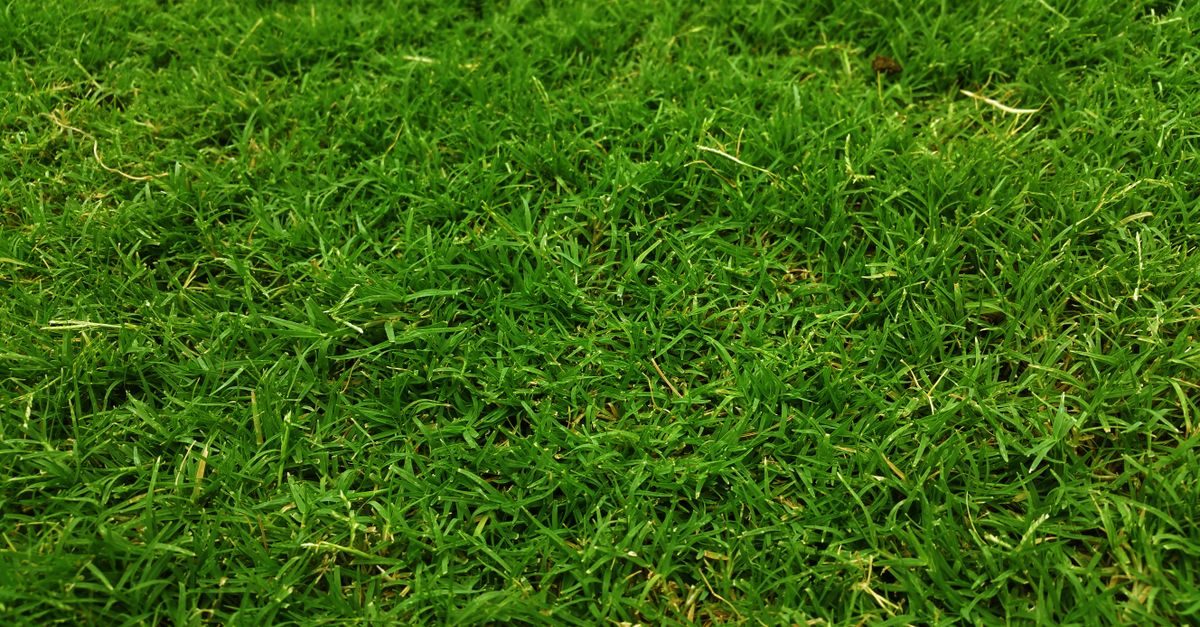
Palisades Zoysia has a medium-wide leaf blade. Under close inspection, blades are typically:
- About 2 to 3 millimeters wide (wider than most common Bermudas, narrower than St. Augustine)
- Flat to slightly V-shaped, with a relatively smooth surface and a somewhat stiff feel
- Leaf tips that are more blunt compared to the needle-like tips of fine zoysias
Placed side by side, it falls visually between the fine, narrow blades of Emerald Zoysia and the broad, thick leaves of St. Augustine. This moderate width is a key clue you are dealing with a Zoysia japonica type like Palisades.
Color
In active growth, Palisades has a deep to medium green color, typically richer than common Bermuda but not quite as dark as some fine-bladed elite zoysias. Compared to other grasses:
- Bermuda - Often slightly lighter, with a more gray-green cast, especially when under-fertilized.
- St. Augustine - Similar or slightly darker green, but with much broader leaves and a more open texture.
- Tall fescue - Can be dark green as well, but with much longer, softer, more flexible blades that remain green into cooler temperatures.
Color varies with nutrition and environmental conditions. Nitrogen-deficient Palisades will look pale green to yellow, while well-fed, irrigated Palisades can look lush and vibrant.
Texture underfoot
Walking on Palisades, you will usually feel:
- A cushioned, springy surface from its dense canopy
- A slightly firmer, more resilient feel than fine-bladed zoysias
- A smoother surface than St. Augustine, which can feel more bumpy and coarse
It is comfortable for barefoot use but is not velvety soft. Density and moderate stiffness give it a stable, athletic-field feel that many homeowners prefer.
Growth Habit and Density
Palisades spreads using both stolons (above-ground runners) and rhizomes (underground stems). This dual growth habit gives it strong lateral spread and recovery potential, important for filling small bare areas and resisting weed encroachment.
Vertical vs lateral growth
Compared to Bermuda, Palisades generally has:
- Slightly slower vertical growth, so it does not need mowing quite as often during peak summer growth
If you look closely at the soil surface, you will often see runners that knit together, creating a tight, carpet-like lawn. Over time, this density can reduce weed pressure significantly, especially against annual crabgrass and many broadleaf weeds.
Turf density and mowing pattern
When mowed regularly at the recommended height, Palisades forms a uniform, tight canopy with relatively fine stems. This density supports:
- Good resistance to weed germination, since little light reaches the soil surface
- Attractive striping potential, especially when mowed with a sharp rotary mower or reel mower
- A consistent, even look, even at 2 to 3 inches, without the "leggy" look some grasses get at higher heights
Because of its intermediate texture and density, Palisades can show visible mowing stripes similar to high-quality sports turf, without requiring the ultra-fine cutting of Bermuda maintained by reel mowers.
Seasonal Appearance: Green-Up, Color, and Dormancy
Palisades Zoysia is not evergreen. Its seasonal appearance changes in a predictable pattern that helps distinguish normal dormancy from damage.
Spring green-up
In most warm-season and transition-zone regions, Palisades begins to green up in:
- Late March to April in the Deep South
- April to May in the upper South and transition zone
Green-up timing is driven more by soil temperature than air temperature. When soil at 2 to 4 inches deep stays above roughly 55 to 60°F, new green growth begins to replace straw-colored dormant blades. Palisades often greens up slightly later than Bermuda but typically earlier than Emerald.
Summer appearance
With proper care, Palisades should appear:
- Thick and uniform, with little bare soil visible
- A consistent deep to medium green color across the yard
- Resilient under foot traffic, with good recovery from wear over several days
If you see uneven green-up, yellow areas, or thin spots mid-summer, it often points to soil compaction, localized dry spots, nutrient deficiencies, or disease, rather than the grass type itself.
Fall color change and dormancy
As nights cool and day length shortens in fall, Palisades gradually loses color. Normal dormancy progression usually looks like this:
- Late summer to early fall: color may fade slightly, especially with reduced fertilization
- Mid to late fall: blades turn more tan or straw-colored uniformly as temperatures drop
- Winter: lawn appears completely tan or straw, but crowns and rhizomes are alive below
Uniform tan color across the entire lawn is typically dormancy. Patchy, irregular tan or dead-looking spots while other areas stay green can indicate disease, drought stress, or insect damage.
To distinguish winter dormancy from dead grass, check for green tissue at the base of the plants in early spring. If you gently split the lower stem or crown and find white to pale green, firm tissue, the plant is alive. Mushy, dark, or completely dry and brittle crowns usually indicate dead turf.
Distinguishing Palisades Zoysia from Other Grasses
Homeowners often confuse Palisades with other zoysias or with Bermuda, St. Augustine, or even fescue. Here are practical comparisons.
Palisades Zoysia vs Emerald Zoysia
- Blade width: Emerald is much finer, about 1 to 1.5 millimeters, with a delicate, needle-like feel. Palisades is noticeably wider.
- Shade tolerance: Both tolerate some shade, but Emerald often does better in partial shade, while Palisades balances shade tolerance with greater cold tolerance.
- Maintenance: Emerald often prefers closer mowing and can develop thatch faster if over-fertilized. Palisades is generally considered slightly more forgiving for residential maintenance, especially with rotary mowers at 1 to 3 inches.
Palisades Zoysia vs Zenith Zoysia
- Establishment: Zenith can be established from seed, while Palisades is installed from sod or vegetative material.
- Cold tolerance: Zenith is bred for relatively good cold tolerance and often used in northern parts of the transition zone. Palisades also has solid cold tolerance but is typically distributed as sod in warmer to mid-transition zones.
- Blade size: Both are medium textured, so visual differences may be subtle. Installation method (sod vs originally seeded) and supplier information are often the best clues.
Palisades Zoysia vs Bermuda grass
- Leaf width: Bermuda blades are usually narrower and finer. When you rub your hand across the lawn, Bermuda often feels more wiry.
- Color and density: Palisades generally presents a thicker, more uniform carpet, while common Bermuda may look more open unless maintained intensively.
- Mowing height: Bermuda is often cut at 0.5 to 1.5 inches on athletic fields and high-input lawns, sometimes with a reel mower. Palisades is usually kept at 1 to 3 inches, making it easier for typical homeowner mowers.
- Drought behavior: Both tolerate drought, but Bermuda tends to go dormant faster and recover quickly from stolons, while Palisades holds color somewhat longer under moderate drought and recovers steadily if crowns are protected.
Palisades Zoysia vs St. Augustine and centipede
- Blade size: St. Augustine has very broad, flat leaves, often 5 to 10 millimeters or more, easily twice as wide as Palisades. Centipede is coarser than fine zoysia but usually less dense and with a more apple-green color.
- Density: Palisades forms a more finely textured, dense mat compared to the somewhat open and coarse texture of St. Augustine.
- Shade and disease: St. Augustine usually tolerates more shade but can be more disease-prone in humid climates. Palisades balances moderate shade tolerance with better cold hardiness.
Palisades Zoysia vs cool-season lawns (fescue, bluegrass, rye)
- Evergreen vs dormant: Tall fescue and bluegrass remain green in winter in many regions, while Palisades goes straw-colored.
- Blade feel: Cool-season grasses have softer, longer blades and usually feel more flexible. Palisades feels denser and slightly stiffer.
- Seasonal peak: Cool-season lawns look best in spring and fall and may struggle in summer heat, while Palisades looks best in summer.
If you are still unsure what grass you have, compare it to photos and guides in resources such as a grass identification tool, or bring a small plug sample to your local extension office for confirmation.
Pros and Cons of Palisades Zoysia for Home Lawns
Advantages
Palisades offers several strong benefits that make it attractive for homeowners in suitable climates.
1. Heat and drought performance
As a warm-season grass, Palisades has excellent heat tolerance. It holds density and color in high summer temperatures when cool-season grasses thin out or burn. Its root system and growth habit give it moderate to good drought tolerance as well. If irrigation is limited, Palisades will often survive extended dry periods by slowing growth and going off-color, then recover when rains return.
2. High density and weed resistance
Palisades' dense growth habit is one of its key strengths. Over time, a healthy Palisades lawn presents very little open soil for weeds to germinate. This is particularly valuable against annual weeds like crabgrass and many broadleaf weeds. Once established, many homeowners find they use less herbicide on Palisades compared to thinner turf types.
3. Wear tolerance and recovery
Palisades holds up well to foot traffic from kids, pets, and normal backyard activities. While it does not recover quite as explosively as some Bermudas, its combination of stolons and rhizomes gives it solid recovery capacity. Bare or worn patches that still have living roots and crowns nearby often fill in over 4 to 8 weeks during peak growing season.
4. Moderate shade tolerance
One of the main reasons homeowners choose Palisades over Bermuda is shade performance. Palisades tolerates moderate shade, such as 4 to 5 hours of direct sun plus some filtered light. For mixed-sun yards, it often performs better than Bermuda without requiring a full switch to shade-only grass types.
5. Lower mowing frequency vs Bermuda
Because Palisades has slower vertical growth than Bermuda, mowing frequency can be slightly reduced. Many homeowners maintain Palisades at 1 to 3 inches with weekly mowing during peak season, instead of the twice-per-week schedule often needed to keep Bermuda neat at low heights.
Limitations and Tradeoffs
Like any turfgrass, Palisades has limitations that are important to understand before installation.
1. Winter dormancy
Palisades does not stay green year-round in most climates. It will go fully tan or straw-colored during winter. Homeowners wanting an evergreen look all winter in the transition zone may prefer cool-season grasses or mixed plantings. Some choose overseeding with ryegrass in fall to keep a green surface, but this adds complexity and competition for resources in spring.
2. Thatch potential
Zoysias, including Palisades, can develop thatch if heavily fertilized or over-watered. Thatch is a layer of undecomposed stems and roots that builds up between the soil surface and green blades. When thatch exceeds about 0.5 inch, it can interfere with water infiltration, rooting, and pest control. Managing fertilization and, if needed, periodic core aeration or mechanical dethatching are important long-term.
3. Slower establishment compared to Bermuda
Palisades generally establishes slower than Bermuda. Sod gives an instant surface, but full rooting and lateral knitting can take a full growing season. From plugs or sprigs, it may take several months or a whole season to achieve closed coverage, depending on spacing, fertility, and weather.
4. Not ideal for heavy shade
While more shade-tolerant than Bermuda, Palisades still needs several hours of direct sunlight to thrive. Under dense tree canopy or in narrow, heavily shaded side yards, it can thin out. In those microclimates, alternative groundcovers or shade-tolerant cool-season grasses might be required.
5. Limited seed availability
Palisades is a proprietary sod-based cultivar. It is not seeded, so initial installation costs may be higher than seeding a variety like Zenith. Renovation or expansion is usually done via sod or plugs from existing turf, not seed.
Planting and Establishing Palisades Zoysia
Best Planting Methods
Since Palisades is a sod/vegetative cultivar, your main establishment options are:
- Sod - Best for immediate coverage and erosion control. Ideal for new construction, complete renovations, or sloped sites.
- Plugs - Small pieces of sod plugged into prepared soil at regular spacing. More economical than full sod but slower to close.
- Sprigs - Loose stolons and rhizomes distributed on prepared soil, then pressed or lightly covered. Common in large-scale turf installations, less used by homeowners.
For most homeowners, Palisades sod is the most efficient and predictable method. Plugs can work well for expanding an existing Palisades area or for budget-conscious projects with patience.
Site Preparation
Proper site preparation is critical for any turf, especially for dense cultivars like Palisades that you expect to last many years.
- Soil testing: 4 to 6 weeks before planting, submit a soil test through your local extension office. This identifies soil pH and nutrient levels. Palisades typically prefers a pH in the range of about 6.0 to 7.0.
- Weed and old turf removal: If renovating an existing lawn, kill off existing vegetation with a non-selective herbicide, or physically remove sod. Allow 10 to 14 days and retreat any regrowth before installing Palisades.
- Grading and leveling: Correct drainage issues and smooth the grade. Palisades likes well-drained soil, not standing water.
- Soil amendments: Incorporate lime if pH is low, or sulfur if pH is high, based on soil test recommendations. Add compost to improve soil structure if soil is very sandy or heavy clay.
- Final smoothing: Rake and firm the surface so it is even and slightly firm underfoot. Remove rocks and debris that could create air pockets under sod.
- NC State Extension recommends establishing warm-season sod when soil temperatures are consistently above 65°F for best rooting and coverage.
- University of Georgia turf publications suggest applying 0.5 to 1 pound of nitrogen per 1,000 square feet at or shortly after sodding Zoysia to encourage establishment, then delaying further nitrogen until the turf is well rooted.
Sod Installation Steps
Once the site is prepared and temperatures are warm, install Palisades sod as follows:
- Moisten soil lightly the day of installation so it is damp but not muddy.
- Lay sod pieces in a brick-like pattern, staggering seams and pressing edges tightly together to minimize gaps.
- Trim edges with a sharp knife or edging tool around curves and borders.
- Roll the sod with a lawn roller half-filled with water to ensure good contact between sod and soil and eliminate air pockets.
- Water immediately after installation until the top 4 to 6 inches of soil are moist. For the first 7 to 10 days, keep sod and soil consistently moist (not saturated) to promote rooting.
During the first 2 weeks, avoid heavy traffic. You can test rooting after about 10 to 14 days by gently lifting a corner of sod. If there is firm resistance and visible new white roots, the sod is starting to establish.
Plug Establishment
If using plugs, spacing and patience are important:
- Typical plug spacing ranges from 6 to 12 inches apart in a grid. Closer spacing fills faster.
- Water lightly and frequently at first, then gradually shift to deeper, less frequent watering over several weeks.
- Apply a light starter fertilization (for example, 0.5 pound nitrogen per 1,000 square feet) after plugging, then another light application 4 to 6 weeks later if growth is strong.
Expect 1 growing season for plugs at close spacing to fill in, longer for wider spacing or less favorable weather.
Ongoing Care: Mowing, Watering, and Fertilizing Palisades Zoysia
Mowing Guidelines
Mowing height and frequency strongly influence Palisades' appearance and health.
Recommended mowing height
- Target: 1 to 3 inches, with many home lawns looking best around 1.5 to 2.5 inches.
Lower heights (around 1 inch) require very smooth soil and sharp blades and are more often used on high-input lawns. Higher heights (2 to 3 inches) provide more cushion, deeper roots, and better stress tolerance.
Mowing frequency
Follow the 1/3 rule: never remove more than one-third of the blade height in a single mowing. For Palisades in peak growth:
- Mow about once per week during late spring and summer at moderate fertility.
- In periods of rapid growth after heavy rain or fertilization, you may need to mow every 5 to 7 days.
- In slower growth periods, mowing every 10 to 14 days can be sufficient.
Sharpen mower blades at least once per season, or more often if you notice frayed or shredded blade tips after mowing. Clean cuts reduce disease risk and improve color.
Watering Practices
Proper irrigation focuses on soil depth and frequency, not just sprinkling the surface.
Watering rate
A healthy Palisades lawn typically requires about:
- 1 to 1.25 inches of water per week (from rain plus irrigation) during active summer growth.
This is a general guideline. Sandy soils may need more frequent, smaller amounts, while heavier soils can hold water longer.
Deep, infrequent watering
Whenever possible, water deeply and infrequently instead of shallow daily watering. For example:
- Apply the weekly 1 to 1.25 inches in two applications (for example, 0.5 to 0.75 inch twice per week), allowing soil to dry slightly between.
- Use a rain gauge or straight-sided container to measure how long your system takes to deliver 0.5 inch.
Deep watering encourages roots to grow deeper, which improves drought resilience and reduces surface disease pressure.
Signs of under or over watering
If you see:
- Footprints that remain visible after walking, or grass that does not spring back quickly, this often indicates drought stress. Confirm by probing soil 3 to 4 inches deep with a screwdriver. If it is hard to push in, water that area deeply.
- Mushy soil, algae, or standing water, that suggests over-watering or poor drainage. Reduce frequency and consider improving drainage or aerating compacted areas.
Fertilization Schedule
Palisades requires less nitrogen than Bermuda but still benefits from a planned fertility program. Over-fertilization can accelerate thatch and disease, while under-fertilization leads to pale, thin turf.
Annual nitrogen range
A good starting range for Palisades in many home lawns is:
- 2 to 4 pounds of nitrogen per 1,000 square feet per year, split across 2 to 4 applications during the growing season.
The lower end of the range suits low-input lawns, partial shade, or slower growth preferences. The higher end suits full sun, higher traffic areas, or lawns where more aggressive recovery is desired.
Timing window
In most Palisades regions:
- First application: Late spring, after full green-up (for example, soil consistently warm and little tan tissue left).
- Second application: Mid summer (around 6 to 8 weeks after the first).
- Optional third application: Late summer if the lawn is actively growing and needs additional vigor. Avoid heavy nitrogen within about 6 weeks of expected first frost.
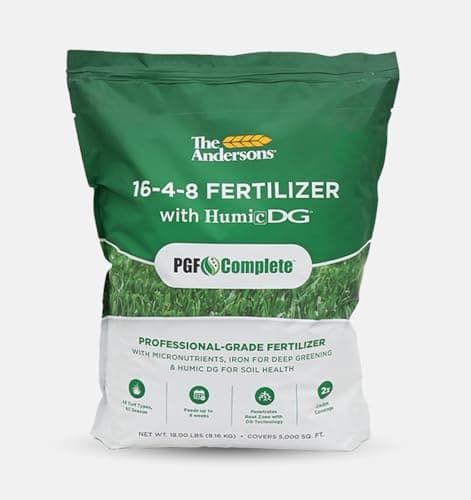
Use a balanced fertilizer or one with slightly higher nitrogen than phosphorus, for example 16-4-8 or 15-0-15, guided by your soil test.
Application rates
For example, if you aim for 3 pounds of nitrogen per 1,000 square feet per year with three applications, each application would deliver 1 pound of nitrogen per 1,000 square feet. To calculate how much product to apply, divide the desired nitrogen rate by the percentage of nitrogen in the fertilizer.
For a 25-0-10 fertilizer (25 percent nitrogen):
- 1 pound nitrogen per 1,000 square feet ÷ 0.25 = 4 pounds of product per 1,000 square feet.
Always follow label instructions and calibrate your spreader. After fertilizing, water lightly to move nutrients off leaves and into the soil.
Seasonal Care Calendar for Palisades Zoysia
Spring (Green-Up Phase)
Focus: clean-up, gradual wake-up, and avoiding early stress.
- Late winter to early spring: Remove debris, sticks, and leaves from the lawn. Avoid heavy traffic on soft, cold soils.
- As green-up begins: Resume mowing at the higher end of your preferred range (for example, 2.5 to 3 inches), gradually lowering if desired over several mowings.
- First fertilizer: Apply the first nitrogen application only after the lawn is mostly green and actively growing. This is often April to May depending on region.
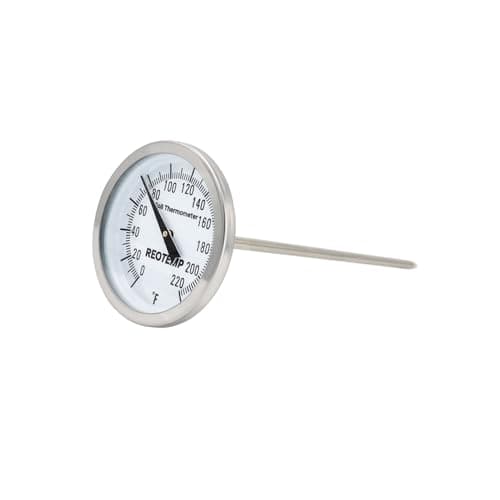
- Pre-emergent herbicide: If weed prevention is a goal, apply a pre-emergent herbicide when soil temperatures reach around 55°F for several days, often in early spring, following product label and local recommendations.
Summer (Peak Growth)
Focus: mowing consistency, proper watering, and steady nutrition.
- Mowing: Maintain 1 to 3 inches, mowing once per week or as growth demands. Avoid scalping, which can stress Palisades and invite weeds.
- Irrigation: Supply roughly 1 to 1.25 inches of water per week total when rainfall is insufficient. Adjust for weather and soil type.
- Fertilization: Apply mid-summer nitrogen (and possibly an additional late-summer application) if the lawn is actively growing and not under severe stress.
- Pest and disease monitoring: Watch for irregular patches, thinning, or off-color areas. Confirm issues with simple tests or local extension help.
Fall (Transition to Dormancy)
Focus: hardening off, thatch and compaction management.
- Fertilization: Avoid high rates of quick-release nitrogen late in the season. If needed, a light application with more potassium can support winter hardiness, but follow soil test guidance.
- Mowing: Continue mowing as growth slows, raising your height slightly (for example, toward 2.5 to 3 inches) going into winter.
- Aeration: If compaction is an issue, core aeration in late summer or early fall while the grass is still growing can improve root development and reduce thatch buildup.
- Weed control: Spot-treat problem weeds while Palisades is still active, following label restrictions for warm-season turf.
Winter (Dormant Period)
Focus: protection and planning.
- Traffic: Limit heavy traffic on frozen or saturated dormant turf to reduce crown damage.
- No nitrogen: Do not apply nitrogen fertilizer while Palisades is fully dormant. This can promote disease and does not benefit the grass.
- Planning: Use the off-season to plan any spring leveling, overseeding with plugs, or irrigation adjustments.
Troubleshooting Common Palisades Zoysia Problems
Yellowing or Pale Color
Yellow or pale green turf usually points to one of several common issues: nutrient deficiency, over-watering, disease, or spring transition stress.
Likely causes and confirmation
- Nitrogen deficiency: Widespread, uniform light green color, especially if you have not fertilized recently. Confirm by checking your fertilizer schedule and comparing to the recommended 2 to 4 pounds nitrogen per 1,000 square feet per year.
- Iron deficiency: Yellowing between veins while veins remain slightly greener, often on high pH soils. Soil or tissue testing can confirm, but you can also apply a chelated iron product to a small test area and look for greening within 7 to 10 days.
- Over-watering or poor drainage: Yellowing combined with a soft, wet feel and possibly algae or moss. Use a screwdriver test to assess soil moisture; if the tool slides in too easily in consistently wet soil, reduce watering and improve drainage.
- Spring transition: Patchy yellow or straw areas as the lawn moves from dormancy to active growth, sometimes where winter damage occurred. Check crowns at soil level for live tissue.
Fixes
- Apply a balanced fertilizer at recommended rates if nitrogen is low, and water in lightly.
- Address excessive irrigation by reducing runtimes or frequency, and ensure good drainage.
- Consider a targeted iron application if high pH or chronic iron deficiency is suspected and nitrogen is adequate.
Thatch Buildup
If your Palisades feels spongy underfoot, or you see a thick brown layer between soil and green blades, thatch may be excessive.
Threshold
Use a knife or small shovel to cut a small wedge of turf. Measure the thatch layer. If it exceeds about 0.5 inch, it can start to impede water and nutrient movement and encourage shallow rooting.
Management
- Reduce nitrogen rates to the lower end of the recommended range if thatch is accumulating rapidly.
- Core aeration during the growing season can help break up thatch and enhance microbial activity.
- Mechanical dethatching with a vertical mower can be used on severe thatch, but only when the grass is actively growing and able to recover.
Weeds in Palisades Zoysia
Weeds are less common in mature, dense Palisades, but they can appear, especially during establishment or in thin areas.
Common intruders
- Crabgrass and other annual grasses in thin or scalped areas
- Broadleaf weeds like dandelion, clover, and spurge
- Nut sedge in wet spots
Approach
- Use pre-emergent herbicides in early spring for annual grassy weeds, following product labels for zoysia.
- Spot-treat broadleaf weeds with selective herbicides labeled safe for zoysia, or hand pull isolated plants.
- Correct underlying thinning by adjusting mowing height, fertilization, and irrigation, which over time is your most sustainable weed control.
Disease and Insect Issues
Palisades is relatively disease tolerant, but under certain conditions, fungal diseases and insects can cause damage.
Brown patch and large patch
These diseases can cause circular or irregular brown patches. They are often associated with:
- Excessive moisture and humidity
- High nitrogen in late summer or fall
- Poor air circulation or thatch
To confirm, inspect the edge of affected areas for water-soaked lesions or consult your extension office for diagnosis. If disease is confirmed, adjust watering, reduce late-season nitrogen, and consider fungicide treatments if damage is severe or recurring.
Insect pests
White grubs and other root-feeding insects can cause thinning or irregular brown patches that lift like a carpet when tugged.
If you suspect grub damage, peel back a small section of sod in the affected area. If you find around 10 or more grubs per square foot, treatment is typically warranted. Use an insecticide labeled for grubs in zoysia and water it in according to label instructions.
What Other Guides Miss: Common Mistakes to Avoid
Many quick overviews of Palisades Zoysia gloss over critical practical details. Here are key pitfalls that more complete guides address.
1. Treating Palisades like Bermuda
Maintaining Palisades at Bermuda-style heights (below about 1 inch) with aggressive fertilization encourages thatch, scalping, and disease. Mowing Palisades slightly higher and backing down nitrogen to the 2 to 4 pounds per 1,000 square feet range keeps it healthier.
2. Misreading dormancy as death
Homeowners often assume straw-colored winter Palisades is dead and overreact with renovation or heavy fertilization. Instead, wait for consistent warm weather, check crowns for live tissue, and only consider renovation if large areas fail to green up by late spring.
3. Ignoring soil testing
Skipping soil testing can leave chronic pH or nutrient imbalances unresolved. Palisades performs best in slightly acidic to neutral conditions. Without testing, adding random fertilizers and lime is guesswork and may worsen conditions.
4. Over-watering in summer
Daily shallow watering favors disease and shallow roots. Deep, infrequent irrigation totaling around 1 to 1.25 inches per week is more effective and sustainable.
5. Not adjusting for regional climate
Green-up and dormancy timing, disease risk, and even ideal fertilization months vary with region. Local extension advice and climate-specific planning often go unmentioned in generic guides but are essential for fine-tuning care.
Conclusion: Making Palisades Zoysia Work in Your Lawn
Palisades Zoysia is a strong choice for homeowners in warm-season and transition-zone climates who want a dense, durable lawn with moderate shade tolerance and excellent summer performance. Identifying it correctly through blade width, density, and seasonal dormancy helps you separate it from Bermuda, St. Augustine, and cool-season grasses, which all need different care strategies.
Successful Palisades management centers on three pillars: mowing at 1 to 3 inches without scalping, watering deeply enough to deliver about 1 to 1.25 inches per week in summer, and fertilizing modestly with 2 to 4 pounds of nitrogen per 1,000 square feet per year. When combined with good soil preparation, periodic aeration where needed, and targeted weed and pest control, these practices allow Palisades to form a thick, weed-resistant, and attractive lawn that recovers well from traffic and seasonal stress.
Ready to refine your program even further? Use our free fertilizer calculator to dial in exact application rates and timing for your Palisades Zoysia lawn based on your region and soil test results.
Free Lawn Care Tools
Common questions about this topic
Look at the blade width and feel. Palisades Zoysia has medium-width blades about 2–3 millimeters wide, clearly wider than Bermuda but much narrower than St. Augustine, with a slightly stiff, flat to V-shaped leaf and blunt tips. It forms a dense, cushioned turf that turns straw-colored in winter, rather than staying green year-round. Comparing a few blades side-by-side with a known Bermuda or St. Augustine patch makes the differences easy to see.
Palisades Zoysia thrives in warm-season regions where daytime temperatures are around 80–95°F and soil temperatures stay above about 65°F. It performs best in much of the Southeast, Gulf Coast, parts of Texas and Oklahoma, and transition zone states like Arkansas, Tennessee, North Carolina’s Piedmont, Kansas, and Missouri. In these areas it greens up in late spring, looks its best from late spring through early fall, and goes dormant in late fall.
During active growth, Palisades Zoysia usually needs about 1 to 1.25 inches of water per week from rain and irrigation combined. Water deeply and infrequently rather than lightly every day to encourage deeper roots and better drought tolerance. In short dry spells it may lose some color and slow growth, but it typically recovers quickly when regular moisture returns.
Palisades Zoysia does best when mowed between 1 and 3 inches. Keeping it in this range helps maintain a dense, weed-resistant turf and prevents scalping that can thin the lawn. Cutting it too low like Bermuda often leads to stress, thatch buildup, and uneven color.
Palisades Zoysia responds well to light, consistent feeding rather than heavy applications. Aim for about 2 to 4 pounds of nitrogen per 1,000 square feet per year, spread across the growing season in late spring and mid-summer. Over-fertilizing can cause thatch, disease, and thin spots, so staying within this range is important.
Palisades Zoysia handles both moderate shade and foot traffic better than many other warm-season grasses. It can usually tolerate 4–5 hours of direct sun plus filtered light, making it a stronger choice than Bermuda in mixed sun/part-shade yards. Its dense, wear-tolerant turf makes it suitable for residential lawns with children, pets, and medium-traffic play areas.
Loading product recommendations...
Related Articles
Crabgrass preventer works when soil reaches 55°F—apply before germination, water in, and avoid overseeding for 4 months for season-long weed control.
Apply Scotts Southern Turf Builder at 3.2 lbs per 1,000 sq ft when soil hits 65°F. See our month-by-month table for exact Southern feeding windows.
Bermuda grass thrives in full sun and high traffic, while St. Augustine excels in shade. Includes pH ranges, mowing heights, and seasonal care calendars.
Monthly Lawn Tips
Seasonal care guides delivered to your inbox