

Bermuda Grass Seed: Selection & Planting Guide
 James ThorntonLawn Equipment & Maintenance Expert | 20 Years
As an Amazon Associate we earn from qualifying purchases.
Patchy coverage, slow germination, or a weak bermuda lawn usually trace back to three issues: using the wrong variety for your climate, planting at the wrong soil temperature, or skipping proper soil preparation. This bermuda grass seed: selection & planting guide focuses on diagnosing those weak points so you can select the right seed and establish a dense, durable warm-season lawn. For the full pillar reference covering identification, zones, characteristics, and year-round care, see the complete Bermudagrass guide.
Bermuda grass is popular because it tolerates heat, handles heavy traffic, and recovers quickly from damage. It thrives in full sun, spreads aggressively through stolons and rhizomes, and, when managed correctly, forms a tight, carpet-like turf ideal for home lawns, sports fields, and dog yards. The tradeoff is that it goes fully dormant and turns brown in cool weather and will invade flower beds if you do not edge and contain it.
This guide walks through the entire process, from understanding bermuda basics, choosing the correct seed type, and deciding between seed, sod, or plugs, to timing, soil prep, seeding steps, and the first mowing. It is written for homeowners starting a new lawn, DIYers converting from cool-season grass, and lawn enthusiasts who want to overseed or thicken an existing bermuda stand.
Several misconceptions will be clarified along the way. Bermuda will not grow well in deep shade or cool, coastal climates, and not every bermuda you see is available as seed. Seeded varieties behave differently than sod-only hybrids, and the best method for your yard may not be seeding at all. The goal is to match your site and expectations with the right bermuda strategy, so you invest once and get predictable results.
If your main question is how to get bermuda from seed to a usable lawn, the key is matching soil temperature, seed choice, and watering. Bermuda seed typically germinates when soil at 2 inches is consistently 65 to 70°F or higher; you can confirm this with an inexpensive soil thermometer pushed into bare soil in several spots. If temperatures are cooler than this, or you have less than 6 to 8 hours of direct sun, bermuda will establish slowly and thinly regardless of seed brand.
Once soil temps are in range, loosen the top 2 to 3 inches of soil, rake out debris, correct grading, and apply bermuda seed at the rate on the bag, usually about 1 to 2 pounds per 1,000 square feet for new lawns. Lightly rake the seed in so it is covered no deeper than 1/8 inch, then keep the top half inch of soil moist with very light watering 3 to 4 times per day until most seedlings have emerged. Avoid heavy irrigation that causes puddling or seed washout, and do not apply weed-and-feed products before or shortly after seeding.
Under suitable temperatures, you typically see germination in 7 to 14 days and usable coverage for light foot traffic in 6 to 8 weeks. Plan the first mowing when seedlings reach about 1.5 to 2 inches tall and have anchored well enough that they are not lifted by the mower. From there, gradually reduce watering frequency, begin regular mowing at the recommended height, and your bermuda will continue to thicken through the summer growing season.
Understanding Bermuda Grass Basics (So You Pick the Right Seed)
What Is Bermuda Grass? Key Characteristics
Bermuda grass is a warm-season turfgrass, which means its active growth and best performance occur in late spring through early fall when soil and air temperatures are high. It grows rapidly in hot weather, slows down as temperatures drop in fall, then goes fully dormant and tan or brown in winter in most regions.
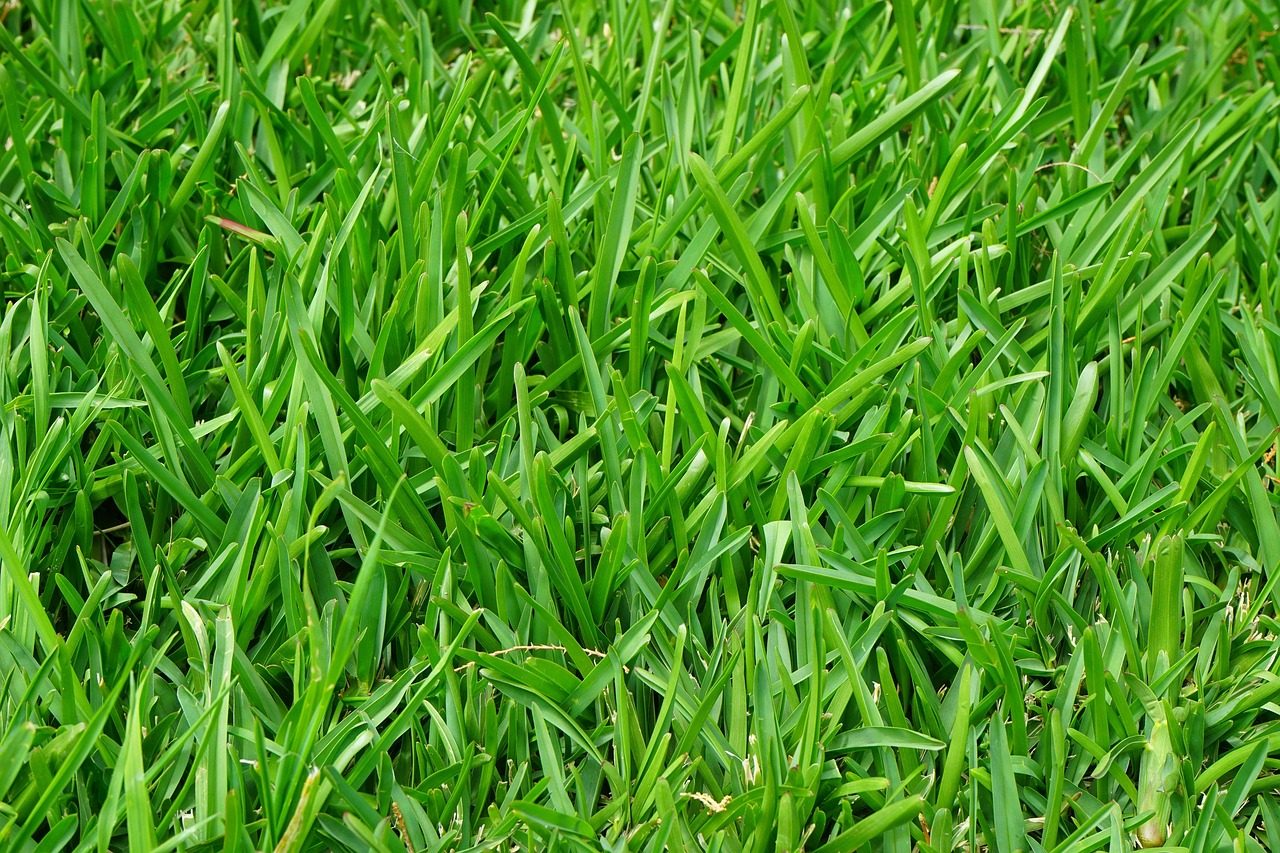
Visually, bermuda can range from fine to medium leaf texture depending on the variety. Seeded cultivars often have a slightly coarser feel, while vegetative or hybrid types used on golf courses have very fine blades and high density. Regardless of type, bermuda spreads aggressively through above-ground stolons and below-ground rhizomes, which helps it fill in bare spots and recover from damage faster than many other turfgrasses.
These traits make bermuda very useful where durability is important. It is commonly used for home lawns in warm regions, sports fields, park turf, and dog yards where traffic, running, and heavy play are expected. When properly maintained, it forms a tight, resilient mat that resists wear and recovers quickly from divots, pet damage, and occasional neglect.
The limitations are just as important for seed selection. Because bermuda is warm-season, it will not stay green through cold winters without overseeding with a cool-season grass. Its aggressive growth habit also means it tends to creep into landscape beds, cracks, and neighboring yards unless you maintain defined edges and physical barriers. Knowing these tendencies up front helps you decide whether bermuda is a good match for your expectations and maintenance style.
- Texas A&M AgriLife notes that bermudagrass thrives when daytime temperatures are consistently above 80°F, with peak growth in mid-summer.
- University of Florida IFAS reports that bermudagrass typically enters winter dormancy when soil temperatures fall below about 55°F for extended periods.
Climate & Region: Where Bermuda Grass Seed Thrives
Bermuda grass performs best in warm climates such as the southern United States and parts of the transition zone. It is commonly successful in USDA hardiness zones roughly 7 through 11, though performance in the cooler end of this range depends heavily on variety and microclimate. In the true transition zone, where summers are hot and winters are cold, selecting a bermuda cultivar with improved cold tolerance is critical.
For successful seeding, the main threshold to watch is soil temperature. Most bermuda seed requires a consistent soil temperature of at least 65°F at a 2 inch depth, with 70°F providing faster and more uniform germination. Air temperatures in the 80 to 95°F range during the day typically correlate with that soil temperature in full sun areas. If you seed before this window, germination is slow and uneven, and seed is more vulnerable to rot or being outcompeted by cool-season weeds.
Sunlight is another non negotiable factor. Bermuda is a full-sun turf. It typically needs 6 to 8 hours of direct sunlight per day for acceptable density and color. If parts of your yard receive only 3 to 4 hours of sun or are in heavy tree shade, bermuda in those areas will appear thin, patchy, and prone to weed invasion. In such locations, a shade-tolerant cool-season grass or a different groundcover is usually more appropriate.
Bermuda is a poor choice in consistently cool, coastal climates where summer soil temperatures rarely reach the germination threshold or stay there long enough for strong establishment. It also performs poorly in deep shade or enclosed courtyards. In some arid regions with strict water restrictions or where bermuda is designated as invasive, you may be limited in planting or irrigating it, so always check local regulations before establishing a bermuda lawn.
Bermuda Grass Growth Habit & Its Impact on Seeding
Bermuda spreads through stolons that creep along the soil surface and rhizomes that grow just below the surface. Each node on these structures can root and produce new shoots, which is why bermuda can fill bare areas quickly after damage. This aggressive lateral spread means that a properly established bermuda lawn can self-repair small bare spots within a few weeks during peak growth.
The same growth habit, however, increases maintenance needs around edges and borders. You will typically need more frequent edging along sidewalks, driveways, and garden beds to prevent encroachment. A physical edging barrier that extends a few inches below soil level significantly reduces rhizome creep into beds, but some ongoing trimming is still required.
For seeding, bermuda’s spreading behavior gives you some flexibility. Perfectly even seed spacing is not critical in the long term because the grass will knit together as stolons and rhizomes spread. The priority is to get enough healthy plants established throughout the area, keep weeds from outcompeting seedlings during the first 6 to 8 weeks, and provide adequate fertility and moisture. Once rooted, bermuda’s natural aggressiveness works in your favor.
This also means that thorough initial weed control and soil preparation is more impactful than obsessing over seeding pattern. If the seedbed is loose, weed pressure is low, and temperatures are in range, bermuda will typically form a continuous turf across the seeded area during its first full growing season.
Choosing the Right Bermuda Grass Seed (Selection Guide)
Seed vs Sod vs Plugs: Which Establishment Method Fits Your Lawn?
Before selecting a specific bermuda variety, it is important to decide whether seeding is actually the best establishment method for your site and goals. Bermuda can be established from seed, sod, or plugs, and each method has distinct cost, speed, and management characteristics.
Seeding bermuda is usually the most budget friendly approach, especially for large areas. The cost per square foot is significantly lower than sod, and it is well suited to DIY projects where you have time to manage irrigation and weed control during the establishment period. The tradeoff is that you must live with a bare or partially covered yard for several weeks and you will see more early weed competition because the soil surface is exposed.
Sod provides instant coverage and nearly instant erosion control. It is often the best option for small to medium sized high-visibility lawns, steep slopes, or properties where you want usable turf very quickly. Sod is installed densely enough that weeds have little room to establish. However, the upfront cost is higher per square foot, and you are limited to sod-available bermuda cultivars, which are typically vegetative hybrids rather than seed-type varieties.
Plugs and sprigs are intermediate options where pieces of bermuda are planted at intervals and allowed to spread and fill in over time. This method is more commonly used for hybrid bermuda cultivars that do not produce viable seed and is often chosen when cost is a concern but you want the characteristics of a sod-only variety. It requires patience, since full coverage from plugs may take one full growing season or more, and excellent weed control is critical while the plugs spread.
Seeding is generally the best fit if you are renovating or establishing a large lawn on a budget, are comfortable with 6 to 10 weeks of early-stage care, and can time the project for the proper warm-season window. Sod or plugs are more appropriate if you need quick coverage, have erosion-prone slopes, or want a specific fine-bladed hybrid bermuda for a showpiece lawn.
Common Types of Bermuda Grass for Lawns
Bermuda types for home lawns fall into two broad categories: seeded varieties and vegetative (hybrid or clonal) varieties. Seeded bermuda cultivars are bred to produce viable seed and are sold in bags for DIY seeding. They tend to be more affordable, easier to establish across large areas, and slightly coarser in texture than the very fine-bladed hybrids used on golf greens and some sports fields.
Vegetative bermuda varieties are usually hybrids that are propagated through sod, plugs, or sprigs rather than seed. They are selected for finer leaf texture, more intense color, and very high density under close mowing, which makes them ideal for high-end lawns, fairways, and athletic fields managed with professional equipment. They often do not produce viable seed or do not breed true from seed, so they are not sold as seed blends.
Examples of seed-type bermuda cultivars commonly marketed for home lawns include names like Sahara, Yukon, Princess, Riviera, Cheyenne, and others. These names appear on bag labels either as single cultivars or blends. Some are positioned for improved cold tolerance, others for better drought resistance or color. When reading variety descriptions, focus on a few key traits: drought tolerance, cold tolerance, disease resistance, growth rate, and leaf texture.
The label and product literature typically describe whether a variety is best for the Deep South, suitable for the transition zone, or optimized for high-traffic areas. For example, certain varieties are promoted for better performance in zone 7 climates with colder winters, while others are tuned for extreme heat and drought. Matching these descriptions with your climate is more important than the marketing language around "elite" or "premium" seed.
Key Factors in Bermuda Grass Seed Selection
Several practical factors should guide your bermuda grass seed choice. The first is climate fit. If you are in a cooler part of the transition zone, prioritize varieties with documented cold tolerance and an ability to recover from winter injury. In warmer southern regions, heat and drought performance may take priority. Check whether the product mentions suitability for your approximate USDA zone or your state or region by name.
- Kansas State University turf publications emphasize choosing cold-tolerant bermudagrass cultivars for transition zone states, noting that winterkill risk increases sharply in exposed sites.
- University of Georgia Extension highlights that seeded bermudagrass varieties differ significantly in cold hardiness and suggests consulting state variety trials for region specific performance data.
The second factor is intended use and traffic level. For heavy play areas, dog yards, or sports-like use, select a variety listed as having high wear tolerance and strong recovery. These types often have more aggressive stolon and rhizome production, which accelerates self-repair. For low-traffic ornamental lawns where appearance matters more than wear, you may select a variety described as finer textured or darker green, even if its wear rating is slightly lower.
Aesthetic preference also plays a role. Some homeowners prefer a deep, dark green color and are willing to fertilize and water to maintain that appearance, while others want a lighter green that maintains decent color with less input. Blade width and density affect the visual character of the lawn, especially when mowed low with a reel mower. Product descriptions and comparison photos can help you align the advertised look with your expectations.
Finally, consider whether you plan to overseed with ryegrass in winter for year-round green color. Certain bermuda types handle overseeding and spring transition better than others. Seed labels or product information occasionally mention this, but you may need to check independent resources or extension variety trial data if winter overseeding is a priority for you.
When and How to Plant Bermuda Grass Seed
Best Timing for Seeding Bermuda
Successful bermuda establishment is highly sensitive to timing. The best window is late spring through early summer, when soil temperatures reach the germination threshold and remain warm through the establishment period. As a general rule, aim to seed when soil at 2 inches stays at or above 65°F for several consecutive days, with 70°F preferred for rapid germination.
In many warm regions, this corresponds to roughly April through June, though the exact dates will vary by location and elevation. Seeding too early in spring, when nights are still cool and soil temperatures lag, typically leads to slow germination and increased weed competition from cool-season species. Seeding too late in summer shortens the time bermuda has to build roots and density before fall, which increases vulnerability to winter injury in cooler climates.
One practical approach is to monitor local 5 day soil temperature averages or use a soil thermometer in several sunny spots in your yard. If you consistently see 65 to 70°F at a 2 inch depth around mid morning, conditions are generally appropriate to proceed with seeding. Aligning with this timing window is more important than any calendar date printed on the seed bag.
Soil Preparation: Foundation for Strong Germination
Soil preparation has more impact on your long term bermuda lawn quality than any particular seed brand. The goal is to create a loose, level, weed reduced seedbed with adequate nutrient availability and drainage. This allows seed to make close contact with soil, absorb moisture, and send roots down quickly.
If you are converting an existing lawn, first kill off the current turf and weeds with a non selective herbicide, then wait the labeled interval before working the soil. Alternatively, for purely mechanical renovation, you can scalp and remove the old turf, though this often leaves more viable weed seeds in the surface layer. For new construction, remove construction debris and any obvious compaction layers if heavy equipment has been on the site.
Loosen the top 2 to 3 inches of soil with a tiller, cultivator, or heavy rake. Avoid working the soil when it is saturated, since that can create clods and compaction. After loosening, rake the surface smooth, breaking up clumps and removing rocks or roots. Use this stage to correct low spots and ensure water will not pool in depressions. A final light rolling or dragging pass can firm the surface slightly, which helps prevent seed from settling too deep.
If possible, take a soil test a few weeks before seeding so you can apply lime or sulfur and phosphorus based on actual needs. Bermuda generally prefers a soil pH in the range of about 6.0 to 7.0. Phosphorus is particularly important for root development at seeding, but because phosphorus regulations vary by region, a soil test is the best way to determine whether a starter fertilizer with phosphorus is appropriate and legal for your site.
Seeding Rates, Coverage, and Application Pattern
The appropriate seeding rate for bermuda depends on the specific variety and whether you are establishing a new lawn or overseeding an existing stand. For new lawns from seed, most products recommend approximately 1 to 2 pounds of pure live seed per 1,000 square feet, though you should always confirm the exact range on the seed bag. Higher rates can yield quicker visual coverage but may increase competition between seedlings and reduce stand quality if pushed too far.
For overseeding thin bermuda areas to increase density, rates are typically lower, often around 0.5 to 1 pound per 1,000 square feet, since existing plants will also spread. Applying significantly more than the recommended rate rarely improves the final lawn and can increase disease risk in dense, moist seedling stands.
Spread seed using a broadcast or rotary spreader for large areas or a handheld spreader for smaller patches. For more uniform coverage, apply half the seed while walking in one direction, then the other half while walking at a 90 degree angle. This crisscross pattern reduces striping and thin spots. After spreading, lightly rake the area so that most seed is just covered by about 1/8 inch of soil; bermuda seed should not be buried deeply, or germination will be reduced.
A light pass with a roller or simply walking over the area can improve seed to soil contact, which is critical for moisture uptake. Avoid aggressively compacting the soil, especially if it is already somewhat dense. Finally, apply any starter fertilizer that is approved for use at seeding and compatible with your soil test results, following the label rate, often around 0.5 to 1 pound of nitrogen per 1,000 square feet at seeding.
Watering and Early Care for Bermuda Seedlings
Water management during germination is one of the main factors that determines success. Bermuda seed needs consistent moisture in the top half inch of soil until germination, but it does not tolerate prolonged waterlogging. The practical solution is light, frequent irrigation until you see uniform emergence, then a gradual transition to deeper, less frequent watering.
Immediately after seeding and raking, irrigate to moisten the top 1 inch of soil without creating puddles. During the germination phase, which typically lasts 7 to 14 days depending on temperature and variety, apply very light water 3 to 4 times per day to keep the surface damp. Each application may be only a few minutes for sprinkler systems, just enough to replace evaporation. If you see standing water or seed moving, reduce run times.
Once most seedlings have emerged, begin to reduce the frequency and increase the depth of watering. For the next 2 to 3 weeks, aim for once per day or every other day irrigation, providing enough water to moisten the soil 3 to 4 inches deep. As roots deepen and turf begins to fill in, gradually shift to the long term schedule of about 1 to 1.25 inches of water per week from rainfall plus irrigation, ideally applied in one or two deeper soakings.
During this early phase, avoid using most pre emergent herbicides, as many can inhibit bermuda seed germination. If you need to control weeds, hand pulling or spot treatments with products labeled as safe on bermuda seedlings after a specific growth stage are safer options. Check herbicide labels carefully, as many products specify a waiting period such as "do not apply until the lawn has been mowed 2 to 3 times."
Recommended products

Outsidepride Maya (Blackjack II) Bermuda Grass Seed
A hulled improved bermuda seed with fast lateral spread for new lawns and thin areas.
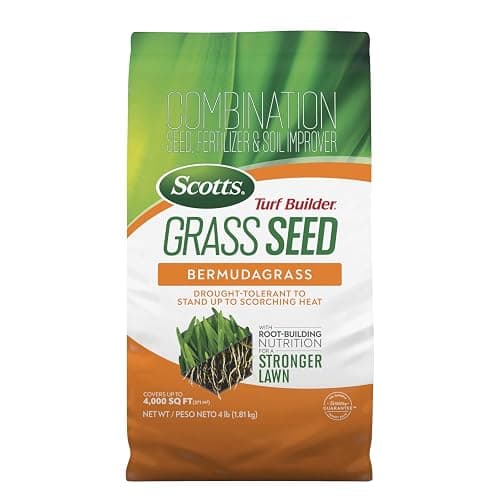
Scotts Turf Builder Bermudagrass Seed
A coated bermuda seed mix that holds moisture around the seed during germination.
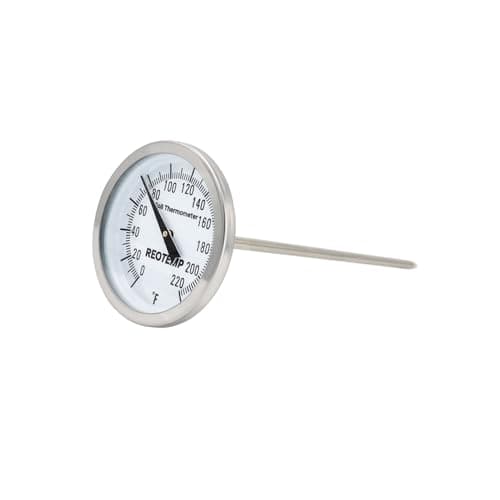
REOTEMP Waterproof Soil Thermometer
A soil thermometer that confirms the 65 to 70 degree threshold bermuda needs before you spread seed.
Overseeding and Thickening an Existing Bermuda Lawn
When to Overseed Bermuda With More Bermuda
Overseeding an existing bermuda lawn with bermuda seed is typically done to repair thin areas, improve density, or introduce an improved variety into an older stand. The ideal timing follows the same soil temperature rules as for new seeding. Plan to overseed in late spring or early summer when soil temperatures are 65 to 70°F or higher at 2 inches, and bermuda is already in active growth.
If you overseed too early, the existing bermuda is still waking from dormancy and may not compete well with cool-season weeds. If you overseed very late in summer, seedlings may not have enough time to establish before fall, especially in regions with early cold snaps. For most homeowners, aligning overseeding with the first strong flush of bermuda growth in late spring gives the best results.
Site Preparation for Overseeding
To prepare for overseeding, start by mowing the existing bermuda shorter than usual, often down to about 0.75 to 1 inch, and bagging or removing the clippings. This scalping step opens the canopy, exposes the soil surface, and improves seed contact with soil instead of having seed sit on top of thatch. Do not scalp so aggressively that you expose large bare soil areas and stress the existing turf, but do remove as much top growth and organic debris as practical.
Core aeration before overseeding is beneficial if the soil is compacted. Holes from aeration create micro sites where seed can lodge and germinate with some protection. For more detailed technique, see How to Aerate Your Lawn the Right Way, which explains ideal timing and depth. After aeration, drag or lightly rake to spread soil plugs and smooth the surface.
Apply bermuda seed at the overseeding rate recommended on the bag, commonly around 0.5 to 1 pound per 1,000 square feet. Use a spreader as you would for a new lawn, then irrigate lightly but frequently until germination begins. Because there is already an established stand, you can usually shift to deeper, less frequent watering slightly sooner than with bare soil seeding.
Overseeding With Cool Season Grass for Winter Color
Some bermuda lawn owners choose to overseed with a cool-season grass such as perennial ryegrass in fall to maintain green color through winter. This is a different process from overseeding with bermuda seed and requires its own timing and management. Generally, ryegrass is applied in early fall when soil temperatures drop below bermuda’s active growth range but are still warm enough for ryegrass germination.
If you plan to do this, select a bermuda variety known to transition well in spring and be prepared for management practices that encourage bermuda to reassert dominance as temperatures rise. Overseeding Best Practices is a good reference if you are considering this dual-season strategy, but keep in mind that overseeding with cool-season grass is an optional cosmetic choice, not a requirement for bermuda performance.
From Germination to First Mowing: Establishment Timeline
Weeks 0 to 2: Germination Window
In the first two weeks after seeding, the primary focus is seed to soil contact and moisture. Under soil temperatures in the 70°F range, you can expect initial bermuda germination as early as 7 days, with most of the stand emerging by 10 to 14 days. Cooler conditions slow this process, and if you see no germination by day 14 at appropriate temperatures, check for issues such as seed too deeply buried, excessively dry surface soil, or prior herbicide use that may inhibit germination.
During this phase, foot traffic should be minimized to avoid compacting the surface or disturbing seedlings. If you need to cross the area, use temporary stepping stones or boards to distribute weight. Inspect the lawn daily to confirm that the surface remains moist and that no areas are washing out from irrigation or rain. Adjust sprinkler heads or run times if you see uneven coverage.
Weeks 2 to 6: Rooting and Early Spread
By weeks 2 to 6, seedlings will be establishing deeper roots, developing more leaves, and beginning lateral spread. Watering should be gradually adjusted to encourage roots to chase moisture deeper into the soil profile. Aim for more thorough, less frequent irrigation events that moisten the soil 4 to 6 inches deep, but still avoid extended saturation.
Fertilization during this period can support strong growth, but rates should be modest. Many extension programs suggest roughly 0.5 to 1 pound of nitrogen per 1,000 square feet about 3 to 4 weeks after germination, adjusting based on your soil test and local recommendations. Excessive nitrogen early on can encourage lush, weak growth that is more vulnerable to disease and drought, while too little can slow establishment.
Weed pressure often becomes more visible during this window because the soil has been disturbed and moisture is high. If you see broadleaf weeds or grassy intruders, evaluate whether they are dense enough to warrant treatment. For isolated weeds, hand removal is often the simplest option. For heavier infestations, select herbicides specifically labeled as safe for bermuda at its current growth stage, and follow all waiting period instructions carefully.
First Mowing and Ongoing Maintenance Setup
The first mowing is an important milestone. Plan to mow when bermuda seedlings reach about 1.5 to 2 inches tall and have enough root anchoring that the plants are not pulled up by the mower. Test a small area by gently tugging on the grass; if it resists and remains rooted, mowing is safe. Always use a sharp blade and remove no more than one third of the leaf height in a single mowing.
After the first mowing, you can begin to transition toward your long term mowing height. For many home lawns, bermuda performs well at 1 to 2 inches with a rotary mower, or even lower with a reel mower on smoother sites. Consistent mowing at the same height encourages lateral spread and density. Avoid letting the lawn grow very tall between cuts, since that can lead to scalping and stress.
As the lawn matures through its first growing season, align your irrigation schedule to deliver roughly 1 to 1.25 inches of water per week from rain plus irrigation, adjust fertilization to match extension recommendations for your region, and consider core aeration in future seasons if you notice compaction. Resources like How to Repair Bare Patches in Your Lawn can help you address any small areas that do not fill in as expected.
What Other Guides Miss: Common Mistakes to Avoid
Many online seeding guides overlook key confirmation and timing steps that separate successful bermuda establishment from disappointing results. One common omission is soil temperature measurement. If you only rely on air temperature or calendar dates, you may seed when the soil is still well below the 65 to 70°F threshold, which causes slow germination and high weed pressure. A simple soil thermometer test, pushed to 2 inches in several sunny spots, quickly clarifies whether conditions are truly ready.
Another frequent gap is the interaction between herbicides and seeding. Pre emergent crabgrass preventers and some combination products can inhibit bermuda seed germination for weeks or months. If you have previously applied a pre emergent product, always check the label for reseeding intervals, often specified as "do not seed for X days after application." Ignoring this can result in entire areas where bermuda simply will not sprout despite ideal temperatures and watering.
Depth of seed placement is also underemphasized. Bermuda is a small seed that needs to be very close to the surface. If you till deeply after spreading seed, or if you apply a thick layer of topdressing on top of seeded soil, much of the seed may end up more than 1/4 inch deep, which significantly reduces germination. The correct approach is to prepare the soil first, then spread seed, then lightly rake or drag so that seed is covered no more than about 1/8 inch.
Finally, many guides do not provide realistic timeframes. Under suitable conditions, bermuda can reach usable coverage in 6 to 8 weeks, but full, golf course like density often takes the entire first growing season and sometimes into the second year. Recognizing this longer horizon helps set expectations and prevents unnecessary re seeding or over fertilization driven by impatience.
Conclusion
Establishing a dense, resilient bermuda lawn from seed is primarily about matching the plant’s requirements to your site and timing. When soil temperatures are 65 to 70°F or higher, sun exposure is at least 6 to 8 hours per day, and the seedbed is properly prepared and kept moist but not saturated, bermuda’s natural aggressiveness takes over and fills in quickly. Selecting a cultivar suited to your climate and traffic needs, using appropriate seeding rates, and managing water and weeds carefully in the first 6 to 8 weeks are the main levers that determine success.
If you approach the project as a phased timeline - from soil preparation and seeding, to germination, to early mowing and long term maintenance - you can diagnose issues at each step and correct them before they compromise the entire lawn. With suitable planning and care during the first growing season, bermuda’s vigorous growth habit will give you a durable, attractive turf that responds well to ongoing mowing, fertilization, and occasional aeration.
Ready to take the next step after seeding? Check out How to Aerate Your Lawn the Right Way to plan future aeration, and review How to Repair Bare Patches in Your Lawn so you can fine tune any thin spots as your bermuda matures. For the full pillar reference covering identification, zones, characteristics, and a year-round care schedule, see the complete Bermudagrass guide.
Top Picks
- Outsidepride Maya (Blackjack II) Bermuda Grass Seed (5 lb)Check price on Amazon
- Scotts EZ Seed Patch and Repair Sun and ShadeCheck price on Amazon
- Pennington Smart Seed Sun and Shade MixCheck price on Amazon
As an Amazon Associate we earn from qualifying purchases.
Free Lawn Care Tools
Bermuda grass is a warm-season turfgrass, which means its active growth and best performance occur in late spring through early fall when soil and air temperatures are high. It grows rapidly in hot weather, slows down as temperatures drop in fall, then goes fully dormant and tan or brown in winter in most regions.
Before selecting a specific bermuda variety, it is important to decide whether seeding is actually the best establishment method for your site and goals. Bermuda can be established from seed, sod, or plugs, and each method has distinct cost, speed, and management characteristics.
Bermuda grass seed germinates best when soil at a 2-inch depth is consistently between 65°F and 70°F or higher. Daytime air temperatures in the 80°F to 95°F range usually correspond to this soil warmth in full sun. Planting before soil reaches this range leads to slow, uneven germination and higher risk of seed rot or weed competition.
Bermuda grass is a full-sun turf and generally needs 6 to 8 hours of direct sunlight per day to maintain good density and color. In areas that only receive 3 to 4 hours of sun or are heavily shaded by trees or buildings, bermuda will be thin, patchy, and more vulnerable to weeds. In those locations, a different grass or groundcover is usually a better choice.
After seeding, the goal is to keep the top ½ inch of soil consistently moist with very light, frequent irrigation. Water 3 to 4 times per day with short cycles that avoid puddling or seed washout until most seedlings have emerged. Once the grass has sprouted and started to root, gradually reduce watering frequency and increase the depth of each watering.
Under proper soil temperatures and moisture, bermuda grass seed typically germinates in 7 to 14 days. You can expect light foot-traffic tolerance and usable coverage in about 6 to 8 weeks. During that period, proper watering, mowing at 1.5 to 2 inches once seedlings are well rooted, and avoiding weed-and-feed products help the lawn establish more quickly.
Photos: arnaud audoin / Pexels

Beat weeds and brown spots from your phone
Snap a photo, get the fix, and follow a plan timed to your soil and weather. Free on iPhone.
Related Articles
 Seeding/Overseeding & Establishment
Fine Fescue Grass Seed: Selection & Planting Guide
Dec 16, 2025•11 min read Lawn Care Tips
Grass Seed for Sandy Soil: What to Plant and How to Start It
Oct 1, 2026•4 min read Seeding/Overseeding & Establishment
Pennington Smart Seed Planting Guide: Step-by-step Instructions
Mar 29, 2026•7 min read

