

How to Protect Grass in Winter: Winterization and Damage Prevention
 James ThorntonLawn Equipment & Maintenance Expert | 20 Years
As an Amazon Associate we earn from qualifying purchases.
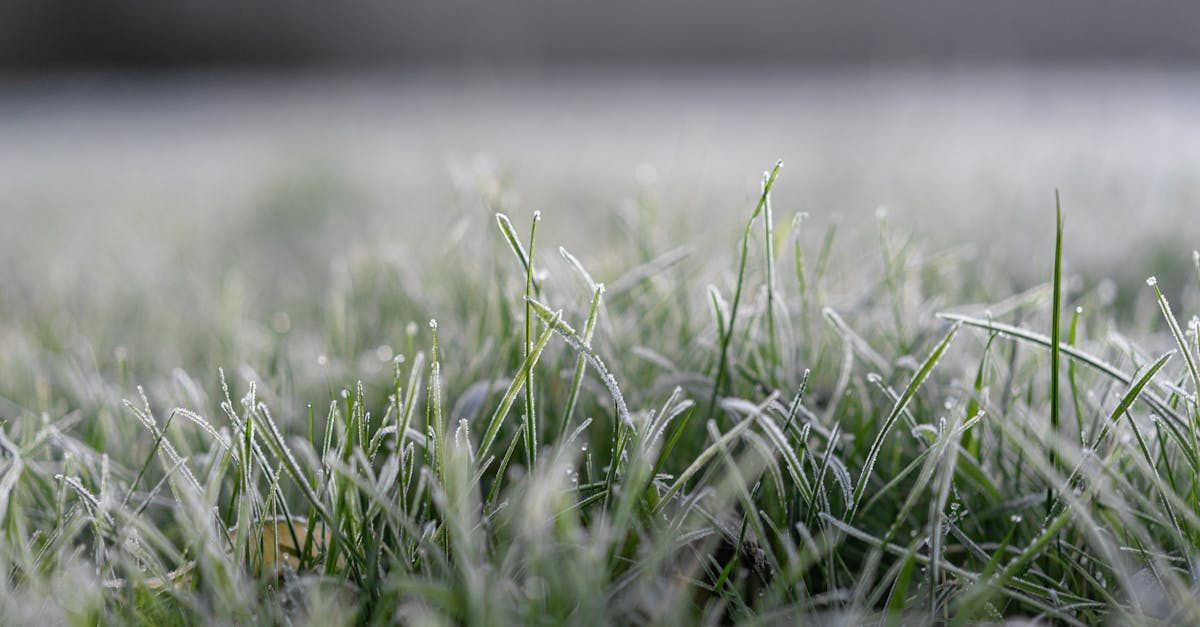
Brown or thinning turf in late winter signals one of two conditions: normal dormancy that will recover in spring, or true winter damage that will not. Knowing the difference and preparing correctly in fall is what protects grass in winter and drives thick, green growth when temperatures rise.
Grass does not simply "shut off" in cold weather. Roots keep respiring, crowns stay alive, and soil conditions continue to change. According to Michigan State University Extension, cool-season turfgrasses maintain active roots at soil temperatures down to about 34 to 40 degrees Fahrenheit, which means what happens from late fall through early spring still shapes lawn density, color, and resilience.
Effective winter protection limits crown and root injury, prevents disease under snow cover, and reduces physical stress from traffic and ice. The results are measurable: fewer bare patches, less winterkill, lower weed invasion, and reduced need for aggressive renovation in spring.
This guide explains how winter affects different grass types, how to assess your lawn before the cold sets in, and the specific fall and winter practices that protect grass in winter in cold, mild, and transition-zone climates. It also outlines common mistakes that undo years of lawn care work. Used together with resources like Spring Lawn Preparation Checklist, Fall Lawn Overseeding & Prep Guide, Winter Lawn Protection & Care, and Monthly Lawn Care Calendar, this gives you a complete, research-based plan for year-round turf health.
Winter does not affect all lawns the same way. Some turf simply goes dormant and resumes growth in spring. Other lawns suffer crown death, root loss, snow mold, or desiccation that leaves permanent damage. The difference is not just climate, it is how well the lawn was prepared and protected.
Grass plants survive winter by slowing or stopping top growth while preserving living crowns and root systems. For cool-season grasses, this means a pause in growth and some color loss. For warm-season grasses, this often means complete browning above ground. Dormancy is survival, not death, as long as the crown remains viable and roots stay intact.
According to Purdue University Extension, lawns entering winter with healthy, deep roots, adequate but not excessive nitrogen, and low thatch experience significantly fewer problems with snow mold and winterkill. These same lawns green up faster and with fewer weeds in spring because dense turf shades the soil and outcompetes early germinating annuals like crabgrass.
Key benefits of proper winter protection include:
- Reduced winterkill and crown injury, especially in transition zones and exposed sites
- Fewer bare patches that would otherwise fill with weeds in spring
- Lower incidence of snow mold and other cold-season diseases
- Less salt and ice damage along sidewalks and driveways
- More uniform spring green-up and higher overall turf density
Several common misconceptions interfere with good winter lawn care:
- "Grass is dormant so it does not need care." Grass still responds to soil moisture, oxygen levels, and physical stress in winter. Neglect magnifies existing weaknesses.
- "Snow always acts as a protective blanket." A light, consistent snow cover insulates, but deep snow that persists for 90 days or more creates ideal conditions for snow mold, according to University of Minnesota Extension.
- "Fertilizing heavily in late fall is the only step you need." Late fall fertilization helps, but without proper mowing height, leaf removal, and traffic control, it does not prevent mechanical or ice damage.
The rest of this guide covers:
- How cool-season and warm-season grasses behave in winter, and why that matters
- How to distinguish normal dormancy from actual winter damage
- Primary winter stressors and how they harm turf
- How to assess your lawn in late summer and early fall to set priorities
- Step-by-step fall preparation to protect grass in winter
- On-going protection strategies during extreme cold, snow, and ice
- Region and grass-type-specific adjustments
- Key mistakes that remove the protection your lawn needs
To diagnose whether your grass is dormant or damaged during winter, look for browning or thinning areas. If it's dormant, it should bounce back by late spring. However, if the grass feels brittle and doesn't show new growth by April, you might be dealing with winter damage. A soil thermometer can help verify conditions; roots of cool-season grasses stay active above 34°F.
To protect your grass in winter, start with proper fall preparation by aerating, fertilizing, and removing debris. Apply a winterizing fertilizer with a 2-1-1 NPK ratio in late fall to strengthen roots. Throughout winter, minimize foot traffic and clear snow evenly to prevent compaction and ice damage. Expect a healthier, denser lawn come spring, reducing the need for major repairs.
Understanding How Winter Affects Your Lawn
Effective winter protection starts with understanding how your specific turf type responds to cold temperatures, snow cover, and soil conditions. Cool-season and warm-season grasses behave differently, exhibit different signs of injury, and need slightly different management.
Cool-Season vs. Warm-Season Grasses in Winter
Cool-season grasses dominate northern and many transition-zone lawns. They include:
- Kentucky bluegrass
- Perennial ryegrass
- Tall fescue
- Fine fescues (chewings, creeping red, hard fescue)
According to Penn State Extension, these species grow best when air temperatures are between 60 and 75 degrees Fahrenheit. As temperatures drop below 50 degrees, growth slows. When soil temperatures reach the mid 30s, top growth largely stops, but crowns and roots remain alive.
In winter, cool-season lawns typically:
- Retain some green color into early winter, especially tall fescue and perennial ryegrass
- Fade to a dull green or tan in midwinter depending on exposure
- Resume growth quickly when soil temperatures climb above about 40 degrees
Cool-season grasses tolerate prolonged snow cover if crowns stay insulated and disease pressure is low. They are more vulnerable to snow mold and ice damage than to simple cold temperatures.
Warm-season grasses dominate southern lawns and many parts of the transition zone. They include:
- Bermudagrass
- Zoysia grass
- St. Augustine grass
- Centipedegrass
According to North Carolina State University Extension, these grasses grow best at 80 to 95 degrees Fahrenheit and enter dormancy when soil temperatures fall below about 55 degrees. In winter they commonly:
- Turn uniform straw-brown as chlorophyll degrades and growth stops
- Provide minimal active root growth or recovery until soil warms in spring
- Experience crown and rhizome injury when exposed to temperatures below 20 degrees for extended periods, especially in unprotected sites
Warm-season grasses tolerate heat and drought better than cool-season turf, but they are more susceptible to winterkill in the transition zone where temperatures fluctuate above and below freezing repeatedly and snow cover is inconsistent. In these climates, winter protection is especially important for bermuda and zoysia lawns planted near their northern range limits.
Your grass type determines:
- How brown or green the lawn should look in midwinter
- Which winter problems are most likely and need prevention
- Optimal mowing height and fertilization schedule going into winter
- Whether to focus more on cold tolerance or disease and ice management
Dormancy vs. Damage: What’s Normal, What’s Not
Dormancy is a controlled survival response, not a sign of decline. The plant reduces above-ground activity to protect its growing points, similar to how trees drop leaves. Distinguishing dormancy from injury is essential when you evaluate whether your efforts to protect grass in winter are working.
Signs of healthy dormancy include:
- Uniform browning across the lawn for warm-season grasses, without obvious patchiness
- Slow growth and duller color in cool-season lawns, where blades feel firm, not mushy
- No foul odor, which would signal decay rather than simple dehydration
- Firm crowns at soil level that remain intact when pressed lightly
Signs of winter damage include:
- Matted, slimy, or moldy patches, particularly where snow sat for more than 60 to 90 days. This indicates snow mold infection.
- Irregular straw-colored spots in an otherwise green cool-season lawn. This indicates localized crown or root injury rather than uniform dormancy.
- Areas that remain brown and do not green up by late spring while the rest of the lawn recovers. This indicates winterkill.
- Raised or cracked soil with exposed roots and crowns, especially after repeated freeze-thaw cycles. This indicates frost heave.
Short glossary for key winter terms:
- Winterkill: Death of turfgrass plants due to cold injury, desiccation, ice cover, or crown damage that prevents spring recovery.
- Snow mold: Fungal diseases that develop under snow cover. Gray snow mold (Typhula spp.) and pink snow mold (Microdochium nivale) are most common in cool, moist conditions.
- Frost heave: Upward movement of soil and plants as water in the soil freezes and expands, then thaws. This can expose or tear roots.
- Desiccation: Drying out of leaves and crowns when water loss exceeds root uptake, often from cold, dry winds on frozen soil.
Key Winter Stressors for Lawns
Several environmental factors stress turf in winter. Effective strategies to protect grass in winter target these specific stressors.
Freeze-thaw cycles and soil heaving
When soil moisture is high and temperatures fluctuate around freezing, water in the soil repeatedly freezes and thaws. According to University of Wisconsin Extension, this expansion and contraction lifts turf plants slightly, then lets them settle unevenly. Crowns may be pushed above soil level, where they are exposed to colder air, and fine roots may shear off.
Dehydration and winter desiccation
Cold air often holds little moisture, and winter winds accelerate evaporation from leaves and crowns. When soil is frozen, roots cannot replace lost water. This combination causes drying and injury, especially on:
- South- and west-facing slopes
- Exposed hilltops
- Turf adjacent to large paved areas that reflect sun and wind
Prolonged snow cover and snow mold
Snow itself is not harmful. A consistent 2 to 4 inch layer can insulate crowns and stabilize soil temperatures. However, deep snow (8 inches or more) persisting for 90 days or longer creates a dense, moist, low-oxygen environment ideal for snow mold fungi. That is why densely shaded or drift-prone areas often show snow mold patches in spring.
Ice sheets and standing water
Ice formation is more damaging than snow because it restricts gas exchange between soil and air. According to research summarized by Michigan State University Extension, turfgrass crowns cannot tolerate continuous ice cover much beyond 60 to 90 days. Roots suffocate as carbon dioxide builds and oxygen drops, resulting in winterkill when the ice finally melts.
Physical damage
Frozen turf blades are brittle. Traffic from people, pets, vehicles, and snow management equipment crushes leaves and can shear crowns. Compaction also increases under saturated or partially frozen conditions, which further restricts root growth and oxygen.
Salt burn and chemical deicers
Deicing salts applied to roads, driveways, and sidewalks wash into adjacent turf. Sodium and chloride ions damage root membranes and dry out cells. Utah State University Extension notes that snow piled from salted areas onto lawns concentrates salt, creating dead or thin strips of turf in spring.
Understanding which of these stressors affects your site most strongly lets you prioritize the right protective steps.
Step 1: Assess Your Lawn Before Winter Hits
Protection strategies work best when they respond to current lawn condition, not just generic advice. Late summer through early fall is the right window to assess turf health and plan specific actions to protect grass in winter.
Identify Your Grass Type and Local Climate
Accurate identification of your primary grass species and blend is the foundation for timing, mowing height, and fertilization decisions.
Key visual cues for common lawn grasses:
- Kentucky bluegrass: Fine to medium blades, boat-shaped leaf tips, dense spreading habit via rhizomes. Forms a soft, carpet-like lawn.
- Perennial ryegrass: Medium blade width, glossy underside, bunch-type growth with no rhizomes. Germinates and establishes quickly.
- Tall fescue: Coarser, wider blades with pronounced veins, bunch growth habit, strong heat and drought tolerance.
- Fine fescues: Very narrow, needle-like blades, excellent shade tolerance, often mixed with bluegrass.
- Bermudagrass: Very fine blades, aggressive stolons and rhizomes, dense matting habit, turns uniformly tan in cold.
- Zoysia grass: Fine to medium texture, dense, stiff feel underfoot, slow to green up in spring, strong thatch tendency.
- St. Augustine: Coarse, wide blades, thick stolons, shade tolerant for a warm-season grass.
Once grass type is clear, factor in your regional climate using USDA hardiness zones and local weather patterns. Hardiness zones indicate average annual minimum temperatures, but winter turf survival also depends on:
- Frequency of freeze-thaw cycles
- Duration of snow cover
- Typical winter wind exposure
- Use of road and sidewalk salts
Lawns in the transition zone, generally USDA Zones 6 to 7 across the central United States, require special attention. According to Kansas State University Extension, this region is too cold for many warm-season grasses to thrive without winter injury, yet too hot for cool-season species to stay stress free year-round. This combination increases winterkill risk for bermuda and zoysia and disease risk for cool-season turf.
Identifying both grass type and climate band clarifies whether your primary winter threats are extreme cold, ice and snow duration, or fluctuating conditions.
Evaluate Current Lawn Health
Lawns that enter winter in a weakened state suffer more damage and recover more slowly. A short assessment in late summer or early fall highlights the issues that must be corrected before cold weather.
Use this checklist:
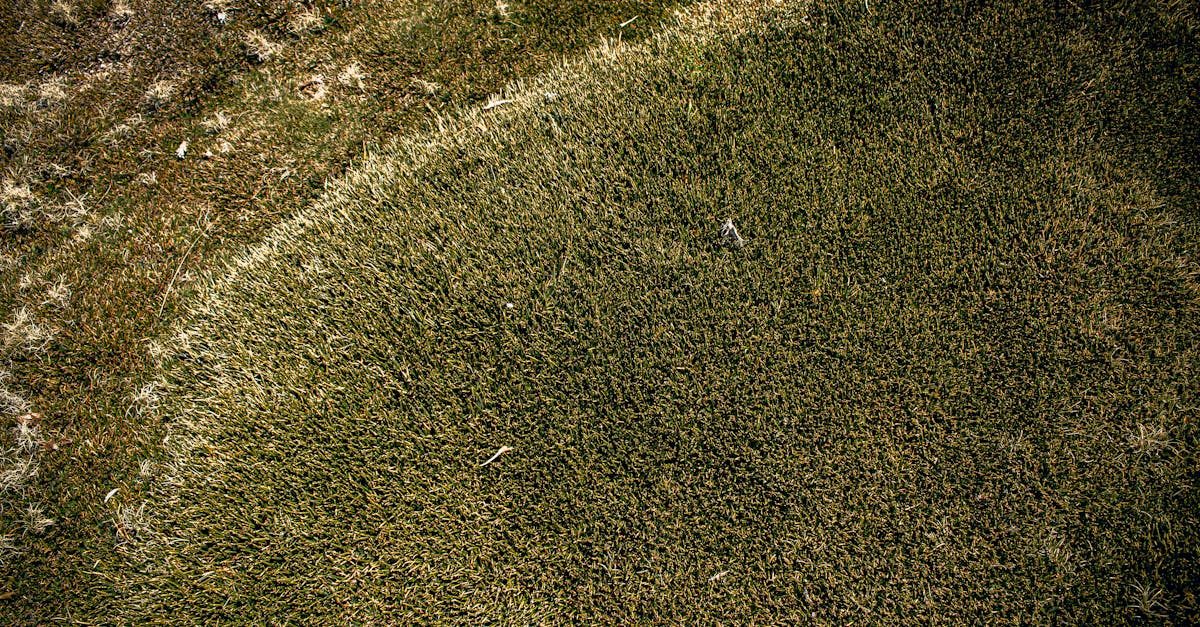
- Thatch thickness: Thatch is the layer of dead and living stems, roots, and organic debris between soil and green leaves. Measure by cutting a small wedge of turf. If thatch is more than 0.5 inch thick, especially in Kentucky bluegrass or zoysia lawns, it traps moisture and insulates crowns in a way that encourages snow mold.
- Compaction: If water pools on the surface after rain or irrigation, or if a screwdriver penetrates the soil only with significant effort, compaction is present. Compacted soil limits root depth and air exchange so turf has fewer reserves going into winter.
- Bare spots and thin areas: Exposed soil absorbs more sunlight and experiences more temperature swings. These areas heave more easily and invite winter annual weeds in spring.
- Current weed pressure: Heavy weed populations indicate underlying soil or management issues. Many winter annual broadleaf and grassy weeds germinate in fall and worsen winter stress by competing for limited moisture.
- Disease history: If you consistently see snow mold patches in the same zones each spring, those areas require targeted adjustments, such as slightly lower late-fall mowing height and improved drainage.
Lawns showing multiple stress indicators benefit from a more aggressive fall renovation plan. According to Ohio State University Extension, fall is the optimal time to overseed cool-season lawns because soil temperature and moisture conditions favor seedling establishment and root growth before winter. For these lawns, overseeding thin areas 4 to 8 weeks before the first expected hard freeze strengthens turf density and winter resilience.
If summer damage was severe, a more comprehensive renovation may be warranted, but in many cases focused overseeding, aeration, fertilization, and mowing adjustments are sufficient to protect grass in winter and set up strong spring performance.
Step 2: Fall Preparation to Protect Grass in Winter
Most of the work to protect grass in winter happens in the preceding fall. Correct mowing height, nutrient status, soil condition, and surface cleanliness all influence how well turf survives the dormant period.
Fall Mowing Strategy for Winter Protection
Mowing height is one of the most powerful and overlooked tools in winter lawn protection. The objective is to enter winter with grass blades short enough to avoid matting under snow, but long enough to maintain a strong root system and protect crowns.
Optimal final mowing heights:
- Cool-season grasses: 2.5 to 3 inches for Kentucky bluegrass, perennial ryegrass, and tall fescue. Fine fescues can be kept around 2 to 2.5 inches.
- Warm-season grasses: 1 to 1.5 inches for bermudagrass, 1 to 2 inches for zoysia, and 2.5 to 3 inches for St. Augustine and centipede, depending on regional recommendations.
According to Iowa State University Extension, scalping, which means cutting off more than one-third of the blade and reducing height dramatically at once, weakens turf and exposes crowns to cold and desiccation. It also increases the risk of winter annual weed invasion because soil surface temperatures fluctuate more on bare areas.
Leaving grass excessively long going into winter, for example above 4 inches for cool-season lawns, creates different problems. Long blades bend over, trap moisture, and mat under snow. This matrix retains humidity around crowns, which favors snow mold fungi. It also creates an uneven surface that is more prone to injury from traffic and ice.
Use a step-down approach for the last two or three mowings:
- Maintain your standard in-season height, for example 3.0 to 3.5 inches for cool-season lawns, until 4 to 6 weeks before your typical first hard frost.
- At the next mowing, lower the deck by 0.5 inch and remove no more than one-third of the blade length.
- For the final mowing or two, lower another 0.25 to 0.5 inch to reach the target winter height. This spread-out reduction prevents stress that would occur from a single drastic cut.
Final mowing timing typically occurs when grass growth naturally slows in late fall, often when daytime highs stay in the 40s and low 50s Fahrenheit. In many northern climates, this window falls in late October to mid November; in warmer regions, it may be late November to early December. Align your mowing schedule with actual turf growth rather than the calendar alone.
A sharp mower blade is important at this stage. Clean cuts seal faster, reducing moisture loss and entry points for diseases such as leaf spot or snow mold spores that may be present on the leaf surface going into winter.
Additional Key Fall Preparation Practices
In addition to mowing, several other fall practices significantly increase your ability to protect grass in winter.
Leaf management and surface cleanliness
Tree leaves left in deep layers smother turf, create a mat that holds moisture, and promote snow mold. According to Cornell University research, a thin layer of finely mulched leaves can be beneficial, adding organic matter without causing matting, but thick layers above 0.5 inch prevent light and air from reaching crowns.
Best practice is to:
- Mulch mow light leaf fall into small pieces and distribute evenly, avoiding visible layers.
- Remove or bag heavy accumulations, particularly in low or shaded areas where snow persists longest.
- Clear leaves and debris before the final mowing so blades are not trapped under the cut turf canopy.
Aeration for compacted lawns
Core aeration in early to mid fall reduces soil compaction, improves oxygen exchange, and encourages deeper rooting. Deeper roots mean more stored carbohydrates and better access to late-season moisture, which improves winter survival.
Timing for aeration:
- Cool-season lawns: 4 to 8 weeks before the average first hard freeze, commonly early September to early October in many northern regions.
- Warm-season lawns: Late spring to early summer is ideal for growth recovery, but in heavily compacted sites, a light fall aeration can still improve drainage before winter in milder climates.
Overseeding thin areas
For cool-season lawns, overseeding in fall thickens turf and improves winter resilience. According to Penn State Extension, seeding when soil temperatures are 50 to 65 degrees Fahrenheit allows seedlings to establish 4 to 6 weeks of root growth before winter dormancy.
Basic overseeding sequence:
- Weeks 1 to 2 (late August to mid September in many regions): Core aerate and remove excessive thatch if present.
- Immediately after aeration: Overseed at the recommended rate for your species blend, ensuring good seed-to-soil contact.
- Weeks 2 to 4: Maintain consistent surface moisture with light irrigation 1 to 2 times per day until germination, then reduce to normal watering as seedlings mature.
- Weeks 4 to 6: Begin mowing when seedlings reach one-third higher than your target height, then gradually integrate into the regular mowing schedule.
The objective is to have new plants with sufficient root systems by the time soil temperatures drop below about 45 degrees so they can tolerate winter stresses.
Fall fertilization strategy
Late-season fertilization supports root growth and carbohydrate storage. According to University of Wisconsin Extension, applying 0.5 to 1.0 pound of nitrogen per 1,000 square feet to cool-season lawns in late fall, when growth has slowed but the turf is still green (often called "late fall" or "winterizer" fertilization), results in earlier spring green-up and greater density.
Key points for fall fertilization:
- Use a slow-release or combination slow/quick-release nitrogen source to reduce leaching.
- Time the application 3 to 4 weeks before the ground typically freezes, often mid October to early November in the upper Midwest and Northeast.
- Avoid heavy nitrogen applications on warm-season grasses in late fall, because this encourages late growth that is susceptible to cold injury. Follow regional recommendations, which often call for the final nitrogen application for warm-season lawns in late summer or early fall instead.
Balanced nutrition going into winter ensures crowns and roots are well supplied with carbohydrates, which they draw on through the dormant period to resume growth in spring.
Watering before ground freeze
Dry soil going into winter accelerates desiccation, especially on windy sites. A final deep watering before the ground freezes hard stores moisture in the root zone that plants can access during mild periods.
For cool-season lawns:
- Maintain regular watering through early fall, delivering about 1 inch of total water per week from rain plus irrigation.
- If late fall is dry, apply a final irrigation of 0.5 to 1 inch a few days before the first forecast hard freeze, ensuring soil is moist but not saturated.
For warm-season lawns in climates with occasional winter drought, ensure soil is not extremely dry when dormancy sets in, but avoid saturating heavy soils that may form ice sheets.
With mowing height dialed in, soil conditions improved, debris removed, and nutrient and moisture status optimized, the lawn is structurally prepared for winter. The next step is managing it correctly during winter extremes to maintain that protection.
Recommended products
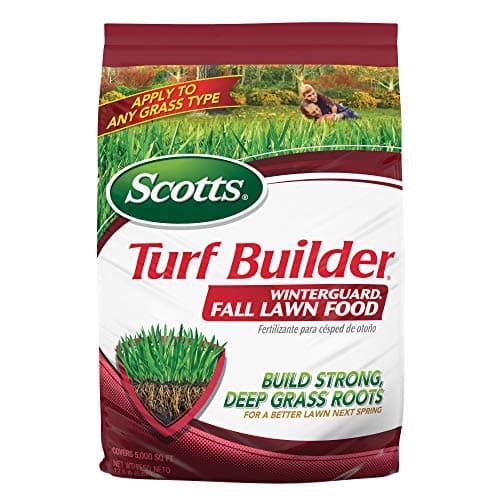
Scotts Turf Builder WinterGuard Fall Lawn Food
A late-fall feeding for cool-season lawns that builds root reserves ahead of dormancy.

Scotts DiseaseEx Lawn Fungicide
A preventive granular fungicide for regions where snow mold shows up under long snow cover.
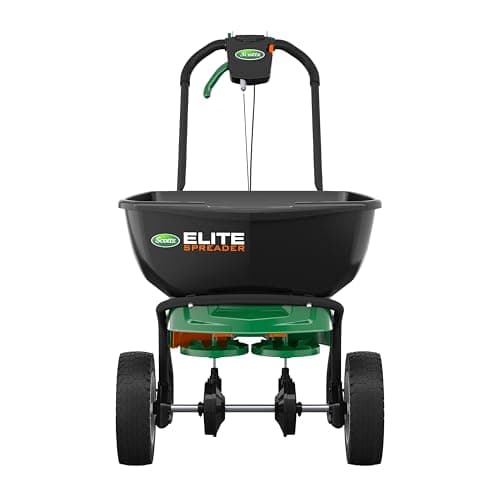
Scotts Elite Spreader
A dual-rotor broadcast spreader that lays down an even fall application.
Step 3: Protecting Grass During Winter Extremes
Once cold weather arrives, the objective shifts from building resilience to minimizing new stress and injury. Several simple habits significantly influence how well turf survives through to spring.
Managing Snow, Ice, and Traffic
Control foot and pet traffic
Frozen turf blades fracture easily. Repeated traffic compacts soil and crushes crowns. According to University of Minnesota Extension, concentrated paths across frozen lawns often appear as dead or thin strips in spring, even when the rest of the turf recovers well.
To limit this damage:
- Designate specific walkways and pet routes and, if possible, place stepping stones or temporary paths to keep traffic off most of the turf.
- Discourage shortcut paths across frozen lawns, especially when snow cover is minimal and tissue is exposed.
- Avoid parking vehicles or storing heavy equipment on dormant turf.
Snow handling practices
Snow placement and removal patterns determine where compaction, ice, and snow mold will be most severe.
- Avoid piling snow from driveways and sidewalks onto the same turf area each storm, especially near roads where the snow contains deicing salt. Rotate dump locations where possible.
- Keep snow depth more uniform across the lawn to maintain consistent insulation and reduce drift-prone accumulation zones that stay covered for months.
- When safe and practical in late winter, gently break up hard, compacted snow piles to speed melting and reduce duration of saturated, low-oxygen conditions at the soil surface.
Preventing and managing ice sheets
Solid ice that forms after rain-on-snow events or refreezing meltwater poses a suffocation risk for crowns. While you cannot change weather, you can influence drainage patterns.
- In fall, correct low spots where water tends to pool by topdressing or adjusting grade.
- During winter thaws, create shallow drainage channels away from the lawn if water from roofs or paved areas repeatedly flows onto turf and refreezes.
- Avoid intentionally flooding or heavily watering lawns that are already near freezing, to prevent unnecessary ice formation.
In situations where thick ice sheets have already formed and will remain for weeks, carefully breaking or perforating the ice may help gas exchange, but this carries a risk of damaging turf. On high-value areas like sports fields, some managers spread dark materials, such as a light layer of dark sand or organic matter, to accelerate melting under sunny conditions. For home lawns, prevention through drainage management is usually more practical.
Minimizing Salt and Deicer Damage
Salt injury shows as brown, dead strips of grass adjacent to sidewalks, driveways, and streets in spring. The underlying cause is osmotic stress and ion toxicity.
According to Utah State University Extension:
- Most turfgrasses begin showing salt damage when soil electrical conductivity rises above about 4 decisiemens per meter.
- Sodium and chloride from deicing salts displace essential nutrients like potassium and calcium on soil particles, degrading soil structure and permeability over time.
To protect grass in winter from salt damage:
- Use sand or non-salt traction materials on sidewalks whenever feasible, especially near sensitive turf.
- If deicing salt is necessary for safety, apply at the lowest effective rate and avoid overspreading onto adjacent turf.
- Shovel snow that contains high salt concentrations away from the immediate lawn edge, directing it to gravel areas or non-turf zones.
- In early spring, flush salt-affected strips by applying extra irrigation (for example, 1.5 to 2 inches over several applications) to leach soluble salts below the root zone, provided drainage is adequate.
For persistent salt issues, consider installing a narrow band of salt-tolerant groundcover or a gravel strip between pavement and lawn, then reseed slightly further back from the edge.
Monitoring for Winter Disease and Problems
Active treatment options are limited while soil is frozen, but observation during winter helps you respond early when conditions allow.
- After midwinter thaws, walk the lawn to inspect for standing water, exposed crowns from frost heave, or unusual discoloration patterns.
- In late winter and early spring, as snow recedes, note any matted, pinkish, or grayish patches that indicate snow mold. Lightly raking these areas as soon as soil is firm enough improves air movement and helps turf recover.
- Mark persistent problem areas on a rough site map. Use these notes to adjust fall practices next year, for example lowering mowing height slightly or improving drainage in those specific spots.
Most fungicide applications for snow mold are preventive and must be applied in late fall. According to research summarized by Michigan State University Extension, fungicides provide most value on high-value turf like golf greens and intensively maintained fields. For home lawns, cultural practices such as correct fall mowing height and avoiding lush late growth are usually sufficient, but chronic problem sites sometimes justify professionally applied preventive treatments.
Region- and Grass-Type-Specific Strategies
While the core principles of winter protection apply broadly, details shift with climate band and turf type. Adjusting for these variables improves results.
Cold Climates with Cool-Season Lawns
In northern regions with consistent snow cover and extended freezing, the primary concerns are snow mold, ice, and desiccation on exposed areas.
Key adjustments:
- Target final mowing heights at the lower end of the cool-season range, around 2.5 inches, to reduce matting under snow.
- Prioritize thorough leaf removal in late fall, especially in areas that hold snow longest.
- On south-facing slopes prone to winter desiccation, ensure adequate late-fall soil moisture and consider windbreaks or temporary barriers for very exposed areas.
- Plan fall aeration and overseeding for early to mid fall so that turf has at least 6 weeks of active growth before hard freezes.
Warm Climates with Warm-Season Lawns
In southern regions where soil rarely freezes deeply and snow is uncommon, winter risks center on occasional hard freezes, traffic on dormant turf, and weed invasion while warm-season grasses are brown and inactive.
Key adjustments:
- Avoid late fall nitrogen applications that stimulate tender new growth susceptible to frost damage. Follow local Extension recommendations, which typically end nitrogen fertilization by late summer or early fall.
- Maintain regular mowing until growth naturally slows, then set final mowing height according to species, often slightly lower than peak-season levels but not scalped.
- Control cool-season weeds such as annual bluegrass and henbit with fall preemergent or targeted postemergent herbicides, since they exploit thin or dormant turf.
- Limit traffic on dormant warm-season lawns, as they do not repair damage until active growth resumes in late spring.
Transition Zone Lawns
The transition zone presents the greatest challenge. Lawns may be cool-season, warm-season, or mixed, and winters are variable, with freeze-thaw cycles and inconsistent snow cover.
Strategies to protect grass in winter here depend strongly on species:
- Cool-season lawns: Focus on fall fertilization, correct mowing height, and possibly selecting more heat-tolerant cultivars that also maintain winter hardiness.
- Warm-season lawns: Prioritize cultivars with proven cold tolerance, such as certain hybrid bermudagrasses; ensure excellent fall potassium status to improve cold resistance; and avoid stimulating late growth.
- Mixed lawns: Accept some seasonal color variation and manage for overall density and soil health rather than pushing one species aggressively.
In exposed microclimates, such as north-facing slopes or ridge tops, even cold-tolerant warm-season grasses may experience winterkill in unusually harsh winters. Documenting these patterns guides future overseeding or species selection decisions.
Mistakes That Undo Winter Protection Efforts
Several common practices directly counteract the goal of protecting grass in winter. Avoiding them is as important as following the positive steps outlined earlier.
- Scalping the lawn before winter: Rapidly cutting grass to a very low height removes too much photosynthetic tissue, reduces carbohydrate reserves, exposes crowns, and increases weed germination. This is especially damaging when combined with a sudden cold snap.
- Leaving deep leaf layers on turf: Thick, wet leaves eliminate air movement at the soil surface, encourage snow mold, and smother turf, particularly in shaded or low-lying zones.
- Heavy late fall nitrogen on warm-season lawns: High nitrogen rates force late-season blade growth rather than root development, then this tender tissue is damaged by frost, leading to greater winterkill.
- Using excess deicing salts near lawns: Applying more salt than necessary, or broadcasting it directly over turf, leads to spring dieback and long-term soil degradation.
- Allowing frequent shortcut traffic over frozen turf: Repeated foot or vehicle paths over dormant lawns create compaction and mechanical injury that do not self-repair until long after green-up, if at all.
- Ignoring drainage issues: Standing water going into winter later becomes ice sheets, which suffocate roots and cause winterkill even when temperatures are not extreme.
Identifying and correcting these behaviors can, by itself, significantly improve winter survival, especially when combined with the structured fall preparation steps provided earlier.
Putting It All Together: Seasonal Action Plan
A seasonal framework helps ensure that each task to protect grass in winter happens at the right time and in the right sequence.

Late Summer (6 to 10 weeks before first hard freeze)
- Identify grass type and note problem areas (compaction, bare spots, chronic disease zones).
- Plan aeration and overseeding for cool-season lawns; schedule rentals or services.
- Adjust irrigation to maintain about 1 inch per week, avoiding drought stress.
Early Fall (4 to 8 weeks before first hard freeze)
- Core aerate compacted areas and manage thatch above 0.5 inch.
- Overseed thin cool-season areas and keep seedbeds consistently moist until establishment.
- Maintain regular mowing height but ensure the mower blade is sharp.
- Begin proactive weed control if winter annual weeds are a recurring issue.
Mid to Late Fall (2 to 4 weeks before first hard freeze)
- Implement step-down mowing to reach the target winter height.
- Apply late fall nitrogen to cool-season lawns at about 0.5 to 1 pound of N per 1,000 square feet when growth has slowed but turf is still green.
- Remove or finely mulch leaf accumulations, keeping the canopy open.
- Check that downspouts and drainage patterns do not direct large volumes of water onto turf where ice sheets might form.
Just Before Ground Freeze
- Apply a final deep irrigation of 0.5 to 1 inch if soil is dry, particularly on exposed sites.
- Perform the final mowing at the recommended winter height.
- Clear remaining debris and store hoses and sprinklers.
Winter
- Limit traffic on frozen or snow-covered turf.
- Manage snow piles to avoid repeated dumping on the same sensitive areas.
- Use salt sparingly and keep it off lawn edges whenever possible.
- After thaws, check for standing water and, if safe, encourage drainage away from turf.
Late Winter to Early Spring
- As snow melts, lightly rake matted areas to promote drying and recovery.
- Observe for persistent dead patches that do not show signs of greening as soil warms; plan spot reseeding or repair.
- Review notes on where winter damage occurred and adjust fall practices for the coming year.
- Use a resource like Spring Lawn Preparation Checklist to structure early-season recovery tasks.
Integrating these seasonal steps into a broader program that includes Summer Lawn Care: Heat & Drought Strategies and ongoing planning with Monthly Lawn Care Calendar ensures that each season prepares the lawn for the next, rather than treating winter as an isolated challenge.
Conclusion
Winter does not randomly select which lawns thrive and which suffer. Turf that enters winter dense, properly mowed, well rooted, and free of excess thatch resists cold, ice, snow, and desiccation far better than stressed or neglected lawns. By understanding your grass type, climate, and site-specific stressors, then following a structured fall and winter program, you protect grass in winter and position it for rapid, uniform green-up in spring.
Use this guide together with Winter Lawn Protection & Care, Spring Lawn Preparation Checklist, Fall Lawn Overseeding & Prep Guide, and Monthly Lawn Care Calendar to build a season-by-season plan. With consistent execution, your lawn will show the results in deeper color, higher density, and fewer winter-related problems year after year.
Free Lawn Care Tools
Winter conditions can cause crown death, root loss, snow mold, and desiccation that leave permanent damage instead of simple dormancy. Lawns that are protected going into winter suffer less winterkill, have fewer bare patches and weeds, and need less renovation in spring. Proper winter care also promotes faster, more uniform green-up when temperatures rise.
Grass does not completely shut down in winter; roots keep respiring, crowns stay alive, and soil conditions continue to change. Cool-season grasses slow top growth as soil temperatures drop into the 30s but maintain living crowns and roots. Warm-season grasses typically go fully brown above ground, with minimal active root growth until the soil warms in spring.
Lawns that enter winter with healthy, deep roots, balanced nitrogen, and low thatch experience fewer problems with snow mold and winterkill. Proper fall preparation also limits crown and root injury, reduces bare spots and salt damage, and leads to denser, greener turf in spring. This preparation sets the stage for lower weed invasion and less need for aggressive fixes later.
Cool-season grasses like Kentucky bluegrass and tall fescue often stay somewhat green into early winter, then fade to dull green or tan but keep active roots at low soil temperatures. Warm-season grasses such as bermuda and zoysia usually turn uniform straw-brown once soil temperatures fall below about 55°F and remain largely inactive until spring. Cool-season lawns are more prone to snow mold and ice damage, while warm-season lawns in transition zones are more vulnerable to winterkill from fluctuating temperatures.
A light, consistent snow cover can insulate the turf and protect crowns from extreme cold. However, deep snow that lingers for 90 days or more creates ideal conditions for snow mold and other cold-season diseases. Relying on snow alone as a “blanket” without other protective practices can leave the lawn at risk.
Relying on the idea that dormant grass needs no care allows existing problems to worsen under winter stress. Assuming snow is always beneficial or thinking a heavy late-fall fertilizer application is the only step needed can lead to disease, mechanical damage, and ice injury. Skipping proper mowing height, leaf removal, and traffic control going into winter removes critical protection your lawn needs to come back strong in spring.
Protect grass in winter by doing the prep work in fall and then staying hands-off once the ground freezes. Mow your final pass a little shorter (around 2.5 inches for cool-season turf) so matted blades do not invite snow mold, rake leaves so crowns can breathe, and apply a balanced fall fertilizer 4 to 6 weeks before your first hard freeze to push roots rather than top growth. Through winter, keep foot traffic, sleds, and parked cars off frozen or dormant grass, because crushed crowns turn into bare spots in spring. Avoid de-icing salt near lawn edges, and let a steady blanket of snow act as natural insulation.
Tall fescue and fine fescue both go semi-dormant in winter rather than fully brown out the way warm-season grasses do. In mild winters or southern transition zones, fescue often holds a dull green color all season and keeps low-level root activity going any time soil temperatures climb above about 40 degrees. In colder regions it fades to tan and slows dramatically, but the crowns stay alive and green up quickly in spring. That is why fall fertilization and fall overseeding matter so much for fescue: the plant is still quietly working underground when most homeowners have stopped paying attention.
"Winter grass" usually refers to cool-season grasses that stay green or semi-green through cold months, or to annual ryegrass that is overseeded onto dormant warm-season lawns for a green winter look. Tall fescue, Kentucky bluegrass, and perennial ryegrass are the main species that hold color through northern winters. In the South, homeowners with dormant Bermuda or zoysia often overseed with annual or perennial ryegrass in fall to keep a green lawn until the warm-season turf wakes back up in spring. Fine fescue tolerates shade and cold better than most, which makes it a common pick for winter-green lawns in cool climates.
Photos: Saúl Ticona / Pexels, Gustavo Fring / Pexels

Beat weeds and brown spots from your phone
Snap a photo, get the fix, and follow a plan timed to your soil and weather. Free on iPhone.
Related Articles
 Seasonal Care
California Winter Lawn Care Checklist (Dec–Mar): Mow, Water, Fertilize
Dec 9, 2025•12 min read Seasonal Care
Unexpected Spring Frosts and Your Lawn 5 Quick Protection Tips
Dec 21, 2025•6 min read Seasonal Care
Managing Salt Damage on Lawns Winter Recovery and Prevention Strategies
Dec 23, 2025•10 min read

