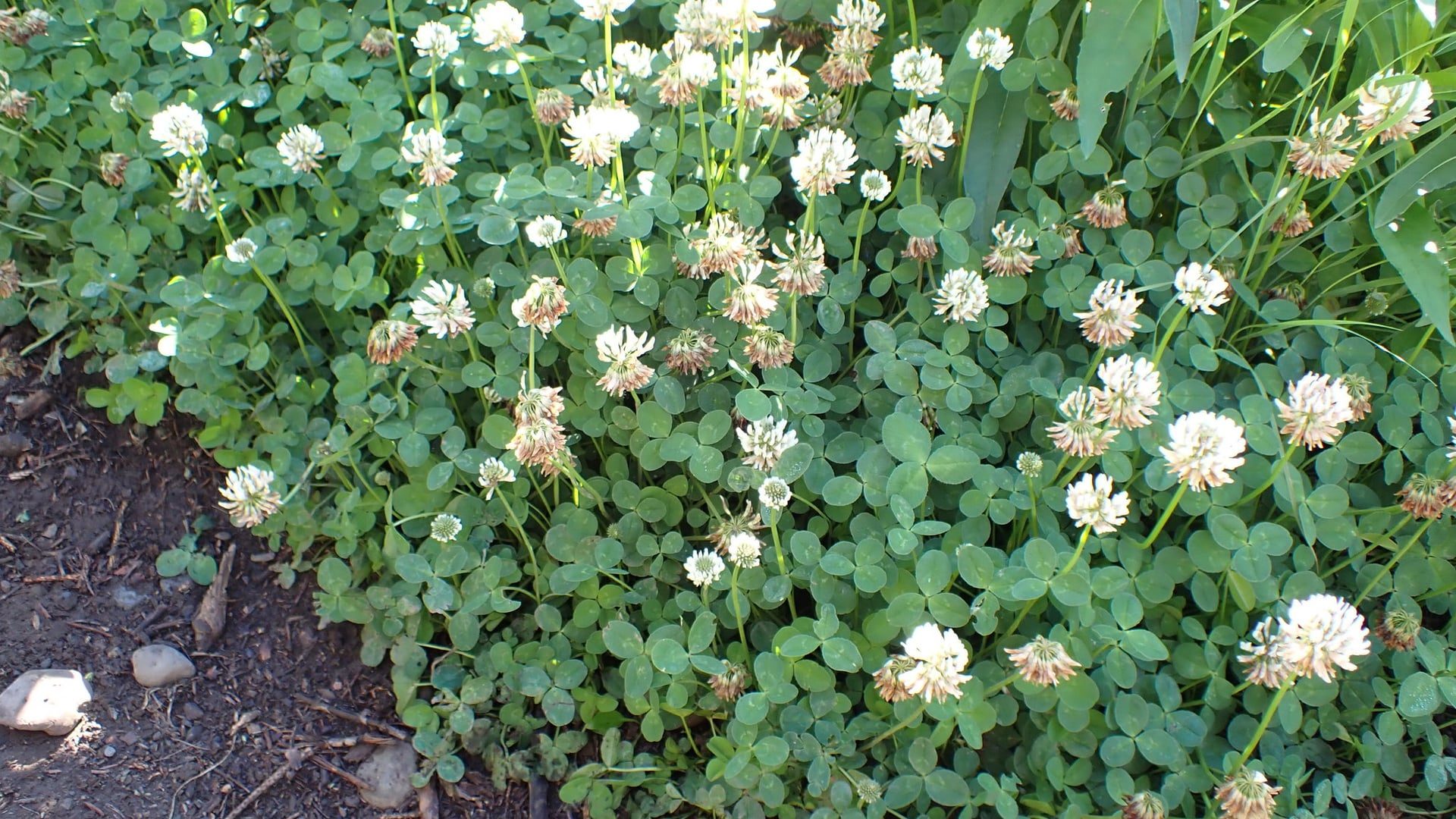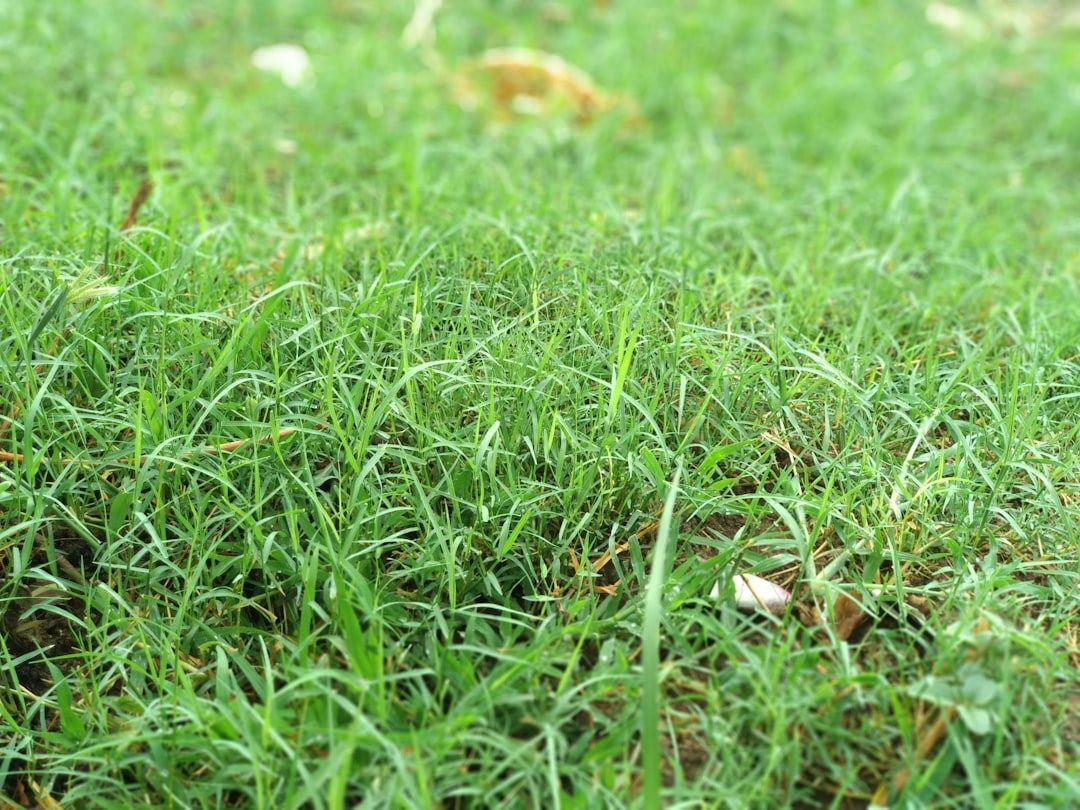
Is Scotts Weed and Feed a Pre-Emergent? (Short Answer: No)
 Sarah MitchellLawn Diagnostics Specialist | 12 Years
As an Amazon Associate we earn from qualifying purchases.
“Does Scotts Weed and Feed have pre-emergent?” This question comes up constantly in spring and fall as homeowners look for that all-in-one shortcut to a weed-free, lush lawn. The confusion is understandable: the terminology on lawn care products can be tricky, and the right timing is critical for success. If you want to keep crabgrass, dandelions, and other unwanted invaders at bay, it’s essential to know not just what you’re applying, but what it actually does beneath the surface.
Understanding the difference between pre-emergent and post-emergent weed control could mean the difference between a pristine lawn and a patchy, weed-infested one. Many homeowners assume that any “weed and feed” will handle all their weed issues, but the reality is more nuanced. In this guide, I’ll break down the Scotts product line, show you how to read labels for pre-emergent ingredients, and explain when and how to use each product for the best possible results year-round-whether you’re in the Northeast, the Southeast, or the Upper Midwest.
Most Scotts Weed and Feed products, such as Scotts Turf Builder Weed and Feed 3, do not contain pre-emergent herbicides. They target weeds that are already visible in your lawn, not those that haven’t sprouted yet. If you’re looking to prevent weeds like crabgrass before they appear, you’ll need a dedicated pre-emergent product, like Scotts Halts Crabgrass and Grassy Weed Preventer, which is specifically designed for early-season application when soil temperatures approach 55°F.
To verify if a product contains pre-emergent, check the label for ingredients like pendimethalin or dithiopyr. Never apply weed and feed and pre-emergent at the same time unless the label explicitly allows it, as this can harm your grass or reduce effectiveness. The right timing is crucial: for most regions, pre-emergent should be applied in early spring, just as soil temps hit 55°F, while post-emergent weed and feed works best when weeds are actively growing and daytime temps are between 60-90°F.
Understanding Weed and Feed Products
What is Weed and Feed?
Weed and feed is a category of combination lawn care products designed for convenience-feeding your grass while targeting unwanted weeds in a single application. The “feed” component is a blend of nutrients, primarily nitrogen, phosphorus, and potassium (N-P-K), meant to promote thick, green growth. The “weed” component comes from herbicides, which can be either pre-emergent (preventing weed seeds from germinating) or post-emergent (killing already-sprouted weeds).
Recommended products
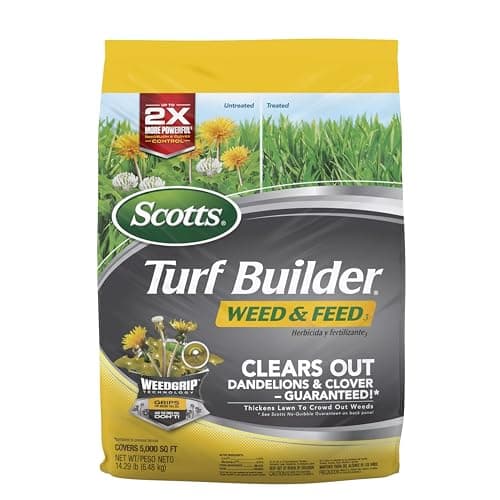
Scotts Turf Builder Weed and Feed 3
Kills existing weeds and feeds your lawn to thicken and crowd out future weeds.
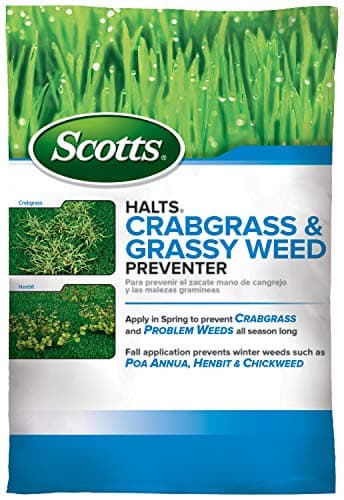
Scotts Halts Crabgrass and Grassy Weed Preventer
Standalone pre-emergent that prevents crabgrass, foxtail, and other grassy weeds before they start.
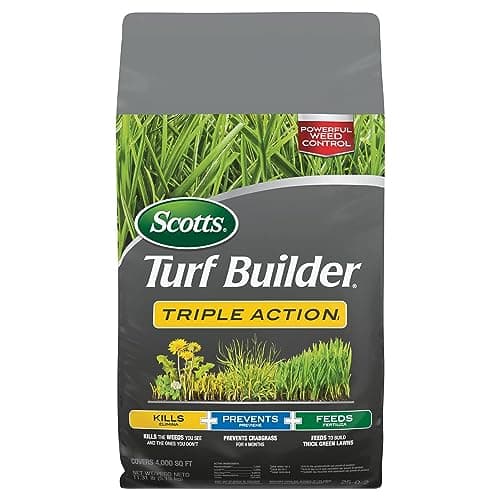
Scotts Turf Builder Triple Action
Three-in-one formula: kills fire ants, prevents and kills other listed bugs, and feeds southern lawns.
Typical active ingredients in weed and feed products include broadleaf weed killers like 2,4-D, MCPP, or dicamba for post-emergent control. Some specialized products may contain pre-emergent actives such as pendimethalin or dithiopyr, but this is far less common in mainstream retail weed and feed products, especially for cool-season lawns.

There are two main types of weed and feed:
- Pre-emergent weed and feed: Combines fertilizer with a herbicide that prevents weed seeds from sprouting.
- Post-emergent weed and feed: Combines fertilizer with a herbicide that kills weeds already present in the lawn.
Most products you’ll find at garden centers or big box stores fall into the post-emergent category. Understanding which type you’re using is crucial for timing and effectiveness.
Pre-emergent vs. Post-emergent: What’s the Difference?
Pre-emergent herbicides work by forming a chemical barrier near the soil surface. When weed seeds (like crabgrass or foxtail) try to sprout and push through, the herbicide stops them from developing roots and shoots. The key is that pre-emergents prevent weeds you can’t see yet. They must be applied before weeds emerge, usually in early spring or fall.
Post-emergent herbicides, on the other hand, are designed to kill weeds that are already growing. These products typically target broadleaf weeds like dandelions, clover, and plantain. Timing is less critical than with pre-emergents, but for best results, you should apply when weeds are small, actively growing, and the weather is mild (not too hot or cold).
This distinction matters because applying a post-emergent “weed and feed” in spring when you need pre-emergent protection won’t stop crabgrass or other annual weeds from popping up. Conversely, applying a pre-emergent when your lawn is full of dandelions won’t kill those weeds-it will only stop new ones from forming.
Does Scotts Weed and Feed Have Pre-emergent? (Product Deep Dive)
Overview of Scotts Weed and Feed Product Line
The Scotts lineup includes a range of weed and feed and related products targeting different lawn types, regions, and weed pressures. Here’s a brief rundown:
- Scotts Turf Builder Weed and Feed 3: A popular post-emergent product for killing broadleaf weeds and feeding cool-season grasses.
- Scotts Turf Builder Triple Action: Designed for warm-season grasses, this three-in-one formula kills listed weeds, prevents new fire ant infestations, and feeds the lawn.
- Scotts Halts Crabgrass and Grassy Weed Preventer: A dedicated standalone pre-emergent for annual grassy weeds, not a “weed and feed” but often confused as one.
To clarify which products in the Scotts range offer pre-emergent or post-emergent action, see the comparison table below:
This table summarizes the weed control type of major Scotts products:
| Product Name | Weed Control Type | Grass Types |
|---|---|---|
| Scotts Turf Builder Weed and Feed 3 | Post-emergent only | Kentucky Bluegrass, Fescue, Ryegrass |
| Scotts Turf Builder Triple Action | Post-emergent + insect control | Bermuda, St. Augustine, Zoysia, Centipede |
| Scotts Halts Crabgrass and Grassy Weed Preventer | Pre-emergent only | Most established lawns (see label) |
This breakdown helps you choose the right product for your lawn, and avoid the common mistake of assuming all weed and feed products prevent new weeds.
Do Any Scotts Weed and Feed Formulations Contain Pre-emergent?
Directly answering the core question: Scotts Turf Builder Weed and Feed 3 does not contain pre-emergent herbicides. Its active ingredients are focused on killing broadleaf weeds that are already growing. The same is true for most of the flagship Scotts weed and feed products sold at hardware stores and garden centers.
If you want true pre-emergent action from a Scotts product, you need to use Scotts Halts Crabgrass and Grassy Weed Preventer. This is a dedicated pre-emergent, not a fertilizer blend. It’s specifically labeled for pre-emergent control of crabgrass and other annual grassy weeds, and should be applied in early spring before soil temperatures reach 55°F according to our Regional Climate Data.
Scotts Turf Builder Triple Action is a bit of a hybrid. It prevents and kills some listed bugs and weeds, but its weed control is primarily post-emergent for broadleaf weeds and some annuals. It is not a substitute for a dedicated pre-emergent like Halts if your main goal is to stop crabgrass before it sprouts.
The reason most major weed and feed products do not contain pre-emergent is twofold: First, combining pre-emergent herbicides and fertilizer can complicate application timing, since optimal windows rarely overlap. Second, pre-emergent herbicides can interfere with overseeding and lawn renovation, which many homeowners do in spring and fall.
Is Scotts Turf Builder a Pre-Emergent?
Plain Scotts Turf Builder Lawn Food is not a pre-emergent. It is a fertilizer only, with no herbicide of any kind. The confusion comes from the broader Turf Builder product line, which includes several different formulations. Scotts Turf Builder Triple Action contains pendimethalin, a true pre-emergent that prevents crabgrass and other annual grassy weeds from germinating. Scotts Turf Builder with Halts Crabgrass Preventer is also a pre-emergent. If a Turf Builder bag does not specifically say "prevents crabgrass" or "Triple Action" on the label, it does not contain pre-emergent ingredients.
How to Identify Pre-emergent Ingredients on Labels
Understanding what’s actually in your bag or bottle is critical for effective weed control. Here’s how to confirm if a product is a true pre-emergent:
- Check the “active ingredients” section on the label. Pre-emergent herbicides typically include chemicals like pendimethalin, dithiopyr, or prodiamine. If you see only 2,4-D, dicamba, or MCPP, it’s post-emergent only.
- Look for the word “prevents” or “pre-emergent” in the product description. Labels that say “kills existing weeds” or “controls dandelions and clover” are post-emergent.
- Check manufacturer literature or the Scotts website for a product label PDF. These will list application windows and target weed life stages, confirming pre- or post-emergent action.
Pro tip: If you’re unsure, search for the product’s EPA registration number online to pull up the official label. Most manufacturers include detailed timing and use instructions there.
- Penn State Extension recommends always verifying the active ingredient and timing before applying any combination weed and feed product, as misuse can cause lawn damage or ineffective weed control.
When and Why to Use Pre-emergent vs. Post-emergent Weed Control
Timing: When to Apply Pre-emergent
Pre-emergent effectiveness is all about timing. These products must go down before weed seeds germinate. For most common lawn weeds like crabgrass, this means early spring. Just as soil temperatures reach 55°F for several consecutive days.
Our Regional Climate Data puts the pre-emergent window for the Northeast between March 15 and April 15. In the Upper Midwest, it’s April 15 to May 15 due to the colder, later spring. The Southeast’s window opens earlier, from February 15 to March 15, since soil temperatures warm up faster. Missing this window means pre-emergent will be far less effective, as many weed seeds will have already sprouted.

Fall pre-emergent applications are sometimes recommended for controlling winter annual weeds like poa annua, especially in warm-season lawns. The principle is the same: apply before seeds germinate, not after you see the weeds.
For reference, here’s a regional timing table based on our data:
| Region | Pre-emergent Window | Soil Temp Target |
|---|---|---|
| Northeast (Cool Season) | March 15 - April 15 | 55°F |
| Southeast (Warm Season) | February 15 - March 15 | 55°F |
| Upper Midwest (Cool Season) | April 15 - May 15 | 55°F |
Soil temperature is your best indicator. Use a soil thermometer (inserted 2-3 inches deep) or consult local extension reports to verify when you’ve hit that 55°F threshold. Lawn care apps and websites often offer soil temp tracking for your zip code.
For even more precision, enter your ZIP code below to find your exact pre-emergent window:
Loading Herbicide Timing Calculator...
Choosing the Right Product for Your Lawn’s Needs
Let’s diagnose this step by step. If you’re battling a flush of dandelions or clover already growing, a post-emergent weed and feed like Scotts Turf Builder Weed and Feed 3 is your go-to. If your main concern is crabgrass or other annual grassy weeds, you need a true pre-emergent such as Scotts Halts Crabgrass and Grassy Weed Preventer, timed just before soil temps hit 55°F.
Factors to consider when choosing products:
- Grass type: Warm-season lawns (Bermuda, Zoysia, St. Augustine) may require different products and timing than cool-season lawns (Kentucky Bluegrass, Fescue, Ryegrass).
- Weed pressure: Are you seeing weeds now, or are you trying to prevent them before they appear?
- Lawn age and renovation plans: Avoid pre-emergents if you plan to overseed, as these can prevent new grass seed from germinating.
- Regional climate: Timing recommendations vary. Our Regional Climate Data shows, for example, that the Southeast window opens a full month earlier than the Northeast.
For in-depth guidance, see related topics like How to Kill Crabgrass and Prevent It from Returning and Choosing the Right Fertilizer for Your Lawn.
How to Apply Pre-emergent and Weed and Feed for Best Results
Preparation Steps Before Application
Proper prep can be the difference between an effective application and wasted product. Here’s what I recommend before applying any pre-emergent or weed and feed:
- Mow to recommended height: For most cool-season grasses, that’s 2.5-3.5 inches. Remove no more than one-third of the blade.
- Rake up debris: Clear leaves, sticks, and heavy thatch to ensure even coverage.
- Water if needed: Pre-emergent works best when watered in to activate the barrier. Weed and feed products often require the lawn to be damp for granules to stick to weed leaves, but check each label.
- Check soil temperature: Use a soil thermometer or consult local extension data. Pre-emergent should be applied as soil temps approach 55°F consistently for several days.
Skipping these steps risks spotty results or even damaging your lawn.
Step-by-Step Application Instructions
Here’s my process for a safe, effective application of both weed and feed and pre-emergent products:
- Wear gloves, long sleeves, and protective eyewear to avoid skin contact with herbicides.
- Calibrate your spreader according to the product label’s recommended setting for your lawn size (e.g., 5,000 or 10,000 sq ft coverage).
- Apply evenly over the entire lawn, overlapping slightly to avoid missed strips but not so much that you double up.
- For pre-emergent: Water in immediately after application, applying at least 0.25 to 0.5 inches of water. This activates the barrier in the top layers of soil.
- For weed and feed: Some products require you to apply to a damp lawn (to help granules stick to weeds), while others prefer dry grass. Always follow label instructions.
- Keep pets and children off the lawn until the product has been watered in and dried, usually 24-48 hours. Check label for specifics.
Special note: If you plan to overseed, do not use pre-emergent until at least 8-12 weeks after seeding, as it will prevent grass seed from germinating along with weeds.
What to Expect After Application
With pre-emergent products, you won’t see an immediate change. Success is measured by the absence of new weeds over the next 6-8 weeks. If crabgrass or other annuals begin to appear, it may indicate missed timing, uneven application, or insufficient watering in. For weed and feed, expect to see broadleaf weeds wilt and die back within 1-3 weeks, depending on temperature and weed maturity.
If you don’t see results after 3-4 weeks, revisit your product choice, application method, and timing. Sometimes a follow-up spot treatment or a different strategy is needed, especially with heavy weed pressure or poor lawn health.
Alternatives to Scotts Weed and Feed with Pre-emergent Properties
Scotts Alternatives with Pre-emergent Control
Scotts Halts Crabgrass and Grassy Weed Preventer is the flagship Scotts product for pre-emergent control. It’s best for homeowners who want to prevent crabgrass and other annual grassy weeds before they appear. The main advantage is its clear pre-emergent action. Unlike weed and feed blends, Halts is specifically designed to be applied at the right spring window, with no risk of burning your lawn from excessive fertilizer.
The downside is that it does not feed your lawn or kill existing weeds-so you may need to follow up with a separate fertilizer or post-emergent treatment later in the season if you see broadleaf weeds or nutrient deficiencies.

Other Brand and DIY Options
Several non-Scotts brands offer combination pre-emergent weed and feed products, but caution is warranted. Many “weed and feed with pre-emergent” blends are formulated for specific grass types (often warm-season) and may not be safe for cool-season lawns. Always check the label for compatible grasses and active ingredients.
DIY pre-emergent options include products containing corn gluten meal (an organic, less-effective pre-emergent), as well as separate applications of granular pre-emergent and fertilizer. The DIY route offers flexibility and control, but requires careful timing and measurement to avoid over- or under-application.
- NC State Extension notes that organic pre-emergents like corn gluten meal can suppress some weeds, but require repeated, heavy applications and may not be as effective as synthetic pre-emergents such as pendimethalin or dithiopyr.
Integrating Pre-emergent into a Year-Round Lawn Care Plan
For best results, integrate pre-emergent into your broader lawn care calendar. Apply pre-emergent in early spring (and possibly fall), schedule fertilizer applications 4-6 weeks later, and use post-emergent weed control as needed for persistent broadleaf weeds. This layered approach gives you season-long protection without risking seedling establishment or nutrient overload.
If you plan to overseed, time your pre-emergent at least 8-12 weeks before or after seeding. For more on seasonal planning, see Creating a Year-Round Lawn Care Calendar and Overseeding After Pre-emergent Application.
Common Mistakes to Avoid
Misreading Product Labels and Claims
The symptom you’re seeing, crabgrass breakthrough or new weeds, despite using weed and feed usually points to misunderstanding the product’s mode of action. Not all “weed and feed” products are created equal. Confirm pre-emergent activity by looking for specific active ingredients on the label and reading the fine print on timing and target weed stage.
Assuming a product “feeds and prevents all weeds” can lead to disappointment. When in doubt, check the manufacturer’s website or contact your local extension office for clarification.
Incorrect Timing of Application
Applying pre-emergent too early (before soil temps are consistently at 55°F) means the herbicide barrier may break down before weed seeds germinate. Too late, and many weeds will have already sprouted, rendering the product ineffective. Our Regional Climate Data shows windows can differ by up to two months between the Southeast and Upper Midwest, so don’t rely on generic “apply in spring” instructions.
Similarly, applying post-emergent weed and feed when weeds aren’t actively growing (too hot, too cold, or during drought) dramatically reduces effectiveness.
Overlapping Applications and Lawn Damage
Doubling up on weed and feed and pre-emergent products, or applying within days of each other, can stress or damage your lawn. Never exceed labeled rates or frequencies. If you plan to overseed, remember that pre-emergent will prevent not just weeds but also your new grass seed from germinating. Wait at least 8-12 weeks after pre-emergent before seeding.
Keep pets and children off treated areas until the product has been watered in and dried completely. If accidental over-application occurs, water heavily to dilute the product and monitor for signs of turf stress.
Conclusion
So, does Scotts Weed and Feed have pre-emergent? In nearly all cases, the answer is no. Scotts’ flagship weed and feed products are post-emergent only, targeting visible broadleaf weeds. For true pre-emergent weed prevention, use a standalone product like Scotts Halts Crabgrass and Grassy Weed Preventer, applied at the correct soil temperature window for your region. Always read product labels carefully, match your timing to local conditions, and plan your weed control around your lawn’s unique needs.
The best next step is to test your soil, identify your dominant weed problems, and check our guides on topics like How to Identify Lawn Weeds and Best Fertilizers for Spring Lawns for a truly comprehensive lawn care plan. Understanding why weeds appear, and how different products work, sets you up for year-round success.
Related Scotts Guides
Top Picks
 Scotts Halts Crabgrass & Grassy Weed Preventer, 20.12 lbs.Check price on Amazon
 Scotts Turf Builder Triple ActionCheck price on Amazon
As an Amazon Associate we earn from qualifying purchases.
Free Lawn Care Tools
No, most Scotts Weed and Feed products do not contain pre-emergent herbicides. They are formulated to kill existing weeds, not prevent new ones from sprouting, so they will not prevent crabgrass. For crabgrass, use a dedicated pre-emergent like Scotts Halts Crabgrass and Grassy Weed Preventer.
Use Scotts Halts Crabgrass and Grassy Weed Preventer as a pre-emergent herbicide to stop crabgrass before it germinates. Apply when soil temps reach 55°F.
Generally, it's best to separate applications by several weeks unless the product label specifically allows combination use. Always follow the label instructions for each product. Overlapping can stress the lawn or reduce effectiveness.
Wait 8 to 12 weeks after applying pre-emergent before overseeding. The herbicide barrier will prevent grass seed from germinating if applied too soon.
According to our Regional Climate Data, apply pre-emergent in the Northeast between March 15 and April 15, when soil temperatures approach 55°F.
Check the active ingredients list for chemicals like pendimethalin or dithiopyr (pre-emergent). Products listing 2,4-D, dicamba, or MCPP are post-emergent.
Plain Scotts Turf Builder Lawn Food is not a pre-emergent; it is fertilizer only. The pre-emergent versions are Scotts Turf Builder Triple Action (contains pendimethalin) and Scotts Turf Builder with Halts Crabgrass Preventer. If your Turf Builder bag does not specifically say "prevents crabgrass" or "Triple Action," it has no herbicide. Always check the label’s active ingredients list to confirm whether you are buying fertilizer alone or a combined fertilizer-plus-pre-emergent product.
Yes, Scotts makes several pre-emergent products even though Weed and Feed is not one of them. The standalone option is Scotts Halts Crabgrass and Grassy Weed Preventer (active ingredient pendimethalin), which is the most targeted pre-emergent in the lineup. Combined fertilizer-plus-pre-emergent products include Scotts Turf Builder Triple Action and Scotts Turf Builder with Halts Crabgrass Preventer (sometimes labeled Step 1). For a pure pre-emergent with no fertilizer, choose Halts; for a feed-and-prevent combo, choose Triple Action or Step 1.
Yes. Scotts Step 1 (sold as part of the 4-Step Program and labeled "Crabgrass Preventer Plus Lawn Food") contains pendimethalin, the same pre-emergent active ingredient used in Scotts Halts. It is designed to be applied in early spring when soil temperatures hit 55°F to stop crabgrass and other grassy weeds before they germinate, while also feeding the lawn. Note that Step 1 is fertilizer-plus-pre-emergent, while Halts is pre-emergent only at a higher concentration.
Yes, Scotts pre-emergent products like Halts and Step 1 must be watered in within 24-48 hours of application to activate the herbicide barrier in the soil. Aim for 0.25 to 0.5 inches of irrigation or rainfall to dissolve the granules and move the active ingredient into the top layer of soil where weed seeds germinate. Without watering in, the granules sit on the surface and the pre-emergent barrier never forms, which is the most common reason a pre-emergent application fails.
For most lawns, Scotts Halts Crabgrass and Grassy Weed Preventer is the best Scotts pre-emergent because it is a standalone pendimethalin product with no fertilizer to complicate timing. If you want to fertilize and prevent at the same time, Scotts Turf Builder Triple Action is the strongest combined option since it adds broadleaf control on top of the pre-emergent. For Southern lawns, Scotts Turf Builder Southern Triple Action is the regional equivalent. Avoid relying on plain Weed and Feed if pre-emergent control is your goal, since it has no pre-emergent at all.
Yes, you can apply Scotts Halts Crabgrass Preventer and Scotts DiseaseEx Lawn Fungicide on the same day if you follow each product's label rate. Halts is a granular pre-emergent (active ingredient pendimethalin) that gets watered in to form a soil barrier, while DiseaseEx is a systemic granular fungicide (active ingredient azoxystrobin) that is also watered in and absorbed by the grass blades and roots. Apply Halts first with the spreader, then apply DiseaseEx in the same pass or immediately after, and water in with about 0.25 to 0.5 inches of irrigation. Both products are labeled for cool-season and warm-season lawns, and neither will interfere with the other. Stagger by a few days only if your lawn is already stressed from heat or drought; otherwise same-day application is safe and time-efficient.
If you missed the pre-emergent window, switch to post-emergent weed control for any weeds that appear. Plan to apply pre-emergent next season as soil temps approach 55°F for your region.
Most Scotts products are safe for pets and children once the lawn has been watered in and dried completely, typically within 24-48 hours. Always check the product label for specific safety recommendations.
Photos: Engin Akyurt / Pexels, Pascal Küffer / Pexels, Tuğba / Pexels

Beat weeds and brown spots from your phone
Snap a photo, get the fix, and follow a plan timed to your soil and weather. Free on iPhone.