What Exactly Is a Clover Lawn?
 James ThorntonLawn Equipment & Maintenance Expert | 20 Years
As an Amazon Associate we earn from qualifying purchases.
What, exactly, is a clover lawn-and why is everyone talking about them? Over the last decade, clover lawns have exploded in popularity as homeowners look for eco-friendly, low-maintenance alternatives to traditional grass turf. Driven by rising water costs, interest in pollinator support, and a desire for less chemical dependence, clover lawns offer a realistic solution for busy families and sustainability-minded gardeners alike. The appeal is simple: less mowing, little (if any) fertilizer, a lush green look that supports bees and butterflies, and a soft texture underfoot.
If you’re considering a clover lawn, you’re in the right place. This guide breaks down the basics and dives deep into what a clover lawn really is, how it works, the best varieties, practical steps for establishment, year-round care, and the mistakes that trip up most homeowners. Whether you’re eyeing a full clover takeover or just want to overseed a patchy grass lawn, I’ll give you everything you need-minus the marketing hype. After maintaining thousands of lawns, the pattern is clear: clover lawns deliver real-world results when installed and maintained the right way. Let’s get into the details.
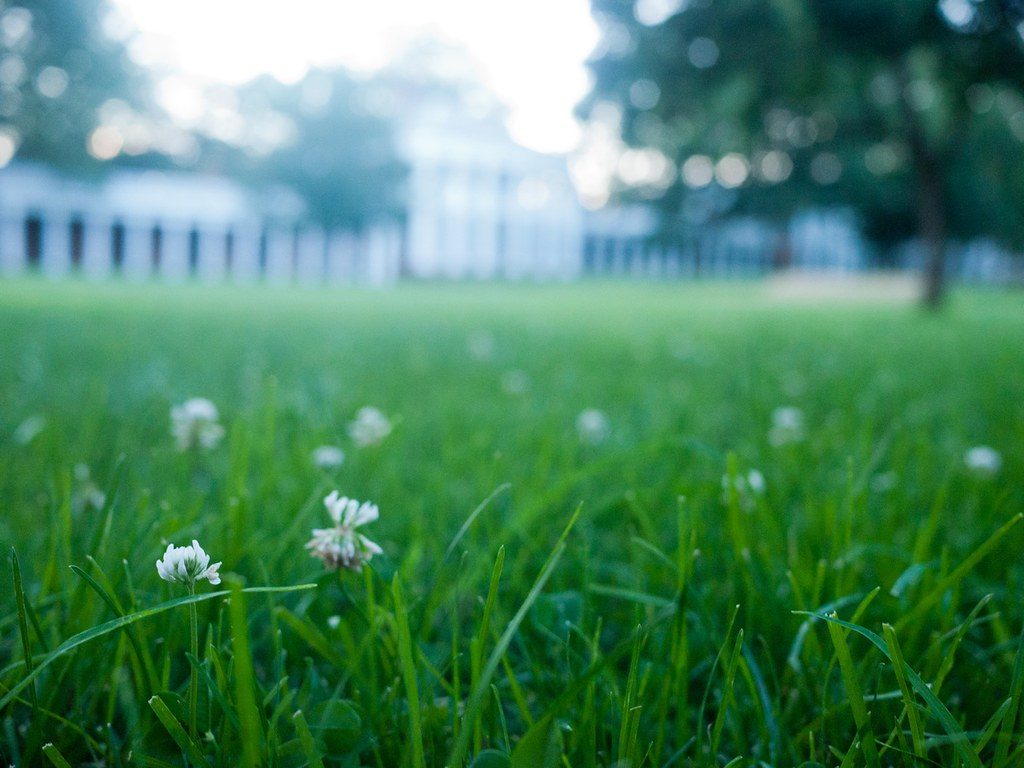
A clover lawn is a yard where clover (usually white clover or microclover) is grown as the main groundcover, either on its own or blended with traditional grass. You can identify a clover lawn by its dense, low-growing green foliage dotted with small white or pink flowers in spring and summer. To confirm you have clover, check for the distinctive three-leaf pattern and soft, mat-like texture-unlike coarse grass blades.
To create a clover lawn, sow clover seed directly onto bare soil or overseed into thin grass in early spring or fall when soil temps are above 55°F. Keep the area consistently moist for 10-14 days until sprouts appear. Avoid using broadleaf herbicides, as these will kill clover. Most lawns fill in within 2-3 months. Don’t mow too low-keep clover at 2.5-4 inches for the healthiest growth. Skip synthetic fertilizer; clover makes its own nitrogen.
What Is a Clover Lawn? Understanding the Basics
A clover lawn is a yard intentionally planted with clover species, often as a replacement or supplement to traditional turfgrass. The concept isn’t new-clover was a standard part of American lawns before the rise of synthetic weed killers in the mid-20th century. What makes a clover lawn different from grass is its unique growth habit, self-fertilizing ability, and ecological benefits. Clover naturally fixes nitrogen from the air, enriching the soil and reducing the need for fertilizer. It grows densely, suppressing weeds and offering a soft, cooling surface underfoot.
Three primary types of clover are common in lawns:
- White clover (Trifolium repens): The most common, with classic three-leaf clusters and small white or pinkish flowers.
- Microclover: A smaller-leaf variety of white clover bred for turf, often mixed with grass for a more uniform look.
- Red clover (Trifolium pratense): Taller and less common, with pinkish-purple blooms, sometimes used in wildflower or pollinator mixes.
A clover lawn doesn’t have to be all clover. Many homeowners opt for a blend of clover and grass, which improves resilience to foot traffic and delivers a classic lawn look with clover’s benefits.
How Clover Lawns Work: The Science
Clover’s magic is its relationship with Rhizobium bacteria, which live in nodules on clover roots. This symbiosis allows clover to “fix” atmospheric nitrogen, converting it into forms plants can use. The result: clover feeds itself and surrounding plants, reducing or eliminating the need for synthetic nitrogen fertilizer. Clover’s dense, quick-spreading growth also shades out many weeds, lowering your need for herbicides. Meanwhile, its blooms attract bees, butterflies, and other pollinators, supporting local ecosystems and food webs.
Key Characteristics & Visual Appeal
Clover lawns stand out for their lush, carpet-like appearance. The foliage is soft and cool, with a distinct, fine texture compared to coarse grasses. In spring and early summer, white or pinkish flowers speckle the lawn, adding visual interest and supporting pollinators. Clover stays green in drought and heat where grass often goes dormant. In most regions, expect a vibrant green from March through November, with some browning possible in winter for cold climates. After maintaining thousands of lawns, I can tell you: a healthy clover lawn is one of the best-looking, lowest-input options available.
Pros and Cons: Is a Clover Lawn Right for You?
Clover lawns offer several clear benefits, but they aren’t perfect for every situation. Here’s what actually matters based on decades of hands-on experience:
Advantages of Clover Lawns
- Lower Maintenance: Clover needs less mowing (every 2-3 weeks in peak season), rarely needs fertilizer, and is generally drought-tolerant.
- Drought Resistance & Soil Health: Its deep roots improve soil structure and help retain moisture. Even in hot, dry spells, clover often stays green while grass browns out.
- Pet & Child Safety: Clover lawns are soft underfoot, reduce the need for chemicals, and don’t develop sharp seed heads like some grasses. Plus, clover is non-toxic to pets and children.
For busy homeowners or those with eco-friendly priorities, clover is hard to beat for ease of care and sustainability.
Potential Drawbacks
- Wear Tolerance: Clover recovers from light foot traffic but doesn’t handle heavy, repeated use (like sports or dogs running laps) as well as dense turfgrass.
- Flowering & Allergies: The blooms that attract pollinators can also attract bees-a concern for some families. People with allergies may notice more pollen.
- Regional Limitations: Clover thrives in temperate climates and slightly acidic to neutral soils (pH 6.0-7.5). It struggles in deep shade, highly alkaline soils, or extreme heat without irrigation.
- Penn State Extension notes that white clover handles moderate foot traffic, but for high-use lawns, mixing with turfgrass is recommended for best recovery.
In short, clover lawns are ideal if you want less maintenance and chemical use, but aren’t the best choice for heavy-use play yards or regions with extreme cold or heat.
Types of Clover for Lawns: Choosing the Right Variety
Choosing the right clover is key to long-term success. Here’s what you need to know about the most common options:
White Clover (Trifolium repens)
White clover is the traditional, tried-and-true choice. It reaches 4-8 inches in height if unmown and forms a dense, spreading mat. Pros: reliable germination, aggressive weed suppression, and strong nitrogen fixation. Cons: in pure stands, white clover can get patchy under heavy traffic and may require reseeding every 2-3 years in tough climates.
Microclover
Microclover is a specially bred form of white clover with smaller leaves, fewer flowers, and a lower, more uniform growth habit. It mixes well with turfgrass, creating a seamless lawn look and tolerating more mowing. Microclover is less attractive to bees (fewer flowers), which is a plus for families concerned about stings. The main downside is cost-microclover seed can be 2-3x more expensive than standard white clover.
Red Clover and Other Varieties
Red clover grows taller (12-18 inches), with showy pink blooms. It’s best for wildflower meadows or pollinator strips, not main lawns, due to its upright habit and rougher texture. Other species like strawberry clover are occasionally used on the West Coast, but white clover and microclover dominate most lawn applications.
Factors to Consider When Selecting Clover
- Climate: White clover is hardy in USDA zones 3-9. Microclover tolerates slightly more mowing and heat, but both struggle in deep shade or arid, high-salt soils.
- Sun/Shade: Clover does best in 4+ hours of sun, but tolerates light shade. Avoid dense tree cover.
- Soil pH: Target 6.0-7.0 for best results. Acidic soils (below 5.5) require lime; alkaline soils (above 7.5) may reduce clover vigor.
- Traffic Tolerance: For yards with kids or dogs, blend clover with sturdy turfgrass like fescue or bluegrass for better wear recovery.
Skip the marketing claims-here’s what I’ve seen actually work: white clover for full conversions, microclover for overseeding into existing grass, and a grass-clover blend for high-use spaces.
How to Establish a Clover Lawn: Step-by-Step Guide
Establishing a clover lawn is straightforward if you follow proven steps. Here’s how to do it right the first time:
Assessing Your Existing Lawn
Start with a soil test. Clover prefers a pH of 6.0-7.0 and moderate fertility. If your soil is too acidic, add lime. If it’s compacted, plan for core aeration. Walk your lawn and note areas of dense weeds, deep shade, or chronic bare spots-these need special attention before seeding. You don’t need expensive equipment for this-just a basic soil probe or test kit from your local garden center.
- Contact your local extension office for soil testing services and region-specific recommendations.
Clover Lawn From Scratch
- Prepare the Soil: Remove all weeds, debris, and old turf. Loosen the top 2-3 inches of soil with a rake or tiller. Grade the surface for even drainage.
- Adjust Soil pH: Spread lime if pH is below 6.0. Work in compost if soil is sandy or low in organic matter.
- Sow Seed: Seed at 2-4 ounces per 1,000 sq ft (white clover) or 1-2 ounces per 1,000 sq ft (microclover). The best timing is early spring (soil temps above 55°F) or early fall (4-6 weeks before first frost). Broadcast seed evenly by hand or with a spreader.
- Water and Mulch: Keep soil consistently moist (not soggy) for 10-14 days. Lightly cover with straw or compost to hold moisture and protect seed.
- Initial Care: Once clover sprouts reach 2 inches, reduce watering frequency. Mow for the first time when plants are 3-4 inches tall, never removing more than 1/3 of height.
Our Regional Climate Data shows best germination in spring and fall-avoid hot midsummer or freezing winter windows.
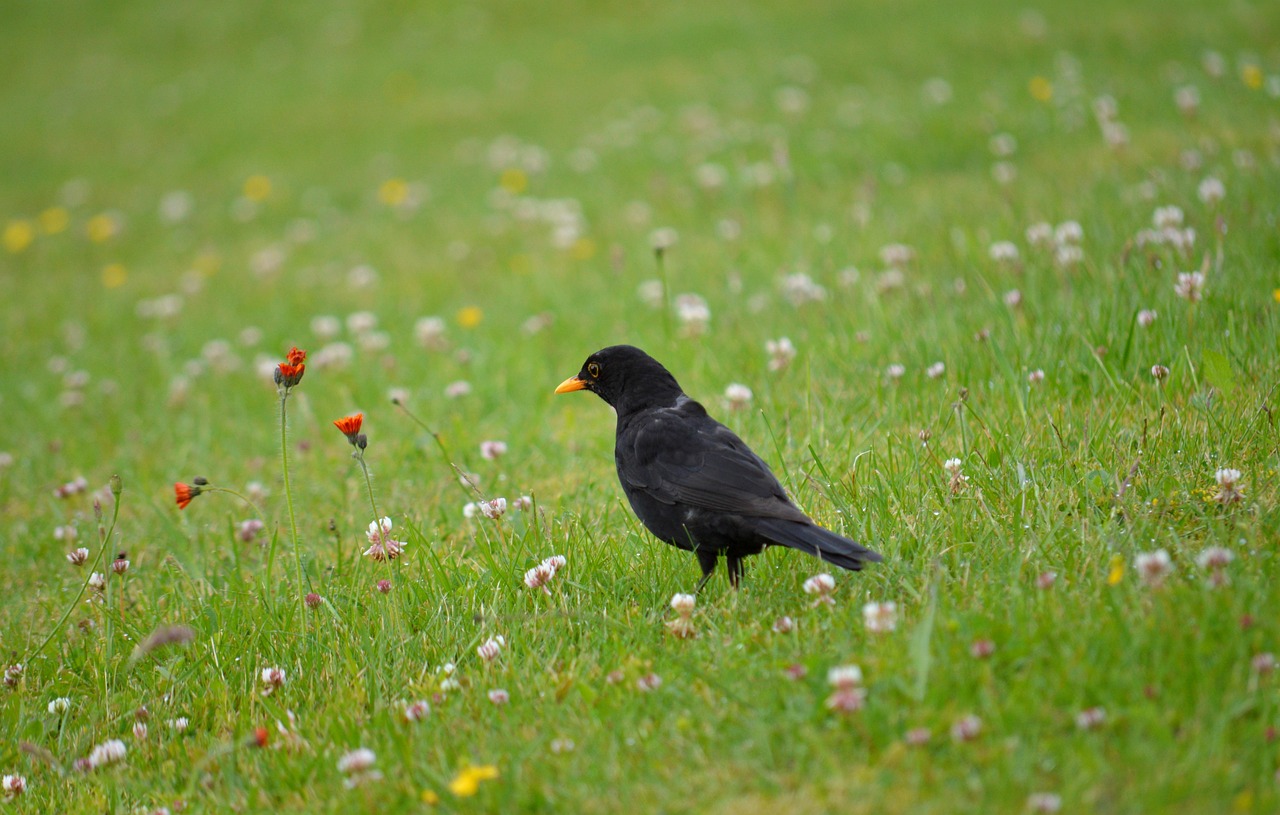
Overseeding Clover Into Existing Grass Lawns
- Thin Turfgrass: Mow the lawn short (1.5-2 inches) and bag clippings. Rake or dethatch to expose soil.
- Seed Application: Overseed at 1-2 ounces per 1,000 sq ft (white clover) or 0.5-1 ounce per 1,000 sq ft (microclover). For best results, use a slit seeder or rake seed in lightly to ensure good seed-soil contact.
- Water: Keep area moist until seedlings are established-typically 2 weeks.
- Maintenance: Resume normal mowing (2.5-4 inches) once clover is 3+ inches tall.
This method works especially well for patchy, thin lawns that struggle with fertilizer or weed problems-clover fills gaps and boosts overall health.
Clover Lawn Establishment Checklist
- Soil pH: 6.0-7.0 (apply lime if needed)
- Seed rate: 2-4 oz/1,000 sq ft (white clover); 1-2 oz/1,000 sq ft (microclover)
- Best timing: Early spring or early fall
- Keep soil moist for 10-14 days after seeding
- First mow at 3-4 inches in height
For more on combining clover with grass, see the topic How to Overseed a Lawn.
Recommended products
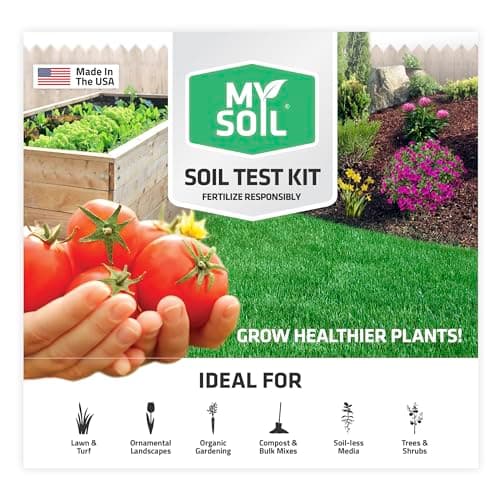
MySoil Soil Test Kit
A mail in soil test that reports pH and thirteen nutrients, the first step this guide calls for.

Encap Fast Acting Pelletized Lime (25 lb)
A pelletized lime sized for lawn areas rather than garden beds, for raising pH toward the range clover prefers.
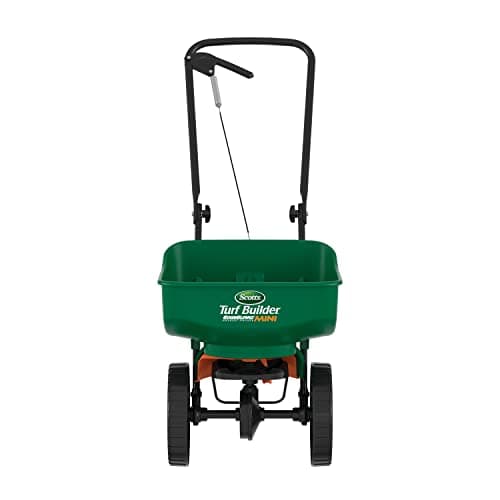
Scotts Turf Builder EdgeGuard Mini Spreader
A compact broadcast spreader for sowing clover evenly at two to four ounces per thousand square feet.
Year-Round Clover Lawn Care: Maintenance Best Practices
Clover lawns thrive with minimal attention, but a few seasonal practices keep them looking their best:
Spring and Summer Care
Mow clover lawns every 2-3 weeks at a height of 2.5-4 inches. This encourages dense, low growth and discourages excess flowering if you want fewer bees. Watering is rarely needed once established, but during extended droughts, give 0.5-1 inch per week. Clover tolerates heat but can go semi-dormant in extreme temperatures. If you like a tidier look, mow before peak bloom in late spring; if you want to support pollinators, let some areas flower and mow after blooms fade.
Fall and Winter Considerations
Fall is the time to fill in bare spots by overseeding and address soil issues with light aeration. In northern climates, clover turns brown and goes dormant after the first hard frost but bounces back in spring. In zones 7 and up, clover often stays green year-round. No winter fertilizer is needed-clover stores its own energy reserves.
Fertilization and Weed Control
Skip synthetic nitrogen fertilizer-clover makes its own. If you must, apply a low rate of phosphorus or potassium if a soil test indicates deficiency. For weed control, hand-pull large weeds or spot-spray with vinegar-based or organic broadleaf products. Avoid traditional weed-and-feed mixes or any herbicide targeting broadleaf weeds, as these will kill clover. Our Guide to Organic Lawn Care covers more on safe, natural alternatives.
Pro Tips for Long-Term Success
- Aerate: Core aerate compacted areas every 2-3 years to maintain soil health, especially if you have clay soil.
- Dethatch: Clover rarely forms a heavy thatch layer, but dethatch if thatch exceeds 0.5 inches.
- Patch Repair: Reseed bare spots in spring or fall. Keep off heavily trafficked areas while new clover establishes.
- Traffic Management: For backyards with kids or pets, add stepping stones or blend in turfgrass for extra durability.
After maintaining thousands of lawns, I know the best results come from regular mowing and light overseeding each year-not from dumping on more seed or fertilizer.
Advanced Insights: Maximizing Clover Lawn Performance
Companion Planting and Grass Mixing
For most homeowners, the best clover lawn isn’t pure clover-it’s a blend. Mixing clover with cool-season grasses like fescue, ryegrass, or bluegrass produces a more resilient surface that stands up to play and pets. A typical blend is 80-90% grass to 10-20% clover by seed weight. The clover naturally fertilizes the grass, leading to a lush, green look with less input. Overseed every 1-2 years to keep the blend balanced.
Regional Adaptation
Tailor your clover lawn approach to your climate and soil. In cool-season regions (zones 3-7), spring and fall seeding works best. In warmer zones (8-10), fall seeding avoids midsummer heat stress. Heavy clay soils should be aerated before seeding, while sandy soils benefit from added compost to retain moisture. If your soil is very acidic (below pH 6.0), lime is essential for clover success.
| Region | Best Seeding Time | Winter Dormancy |
|---|---|---|
| Cool-Season (Zones 3-7) | Early spring or early fall | Dormant after frost, regrows in spring |
| Warm-Season (Zones 8-10) | Early fall | Stays green most winters |
| Arid/West Coast | Fall (with winter rains) | May go dormant in hot, dry summers |
This table summarizes the best seeding times and what to expect from clover in winter by region.
Wildlife and Biodiversity Benefits
Clover lawns are a magnet for bees, butterflies, and beneficial insects. Birds also feed on clover seeds and insects found in dense clover stands. Healthy clover increases soil microbial activity and supports earthworms. Some homeowners worry about unwanted wildlife like rabbits-if this is a concern, keep clover mowed low and avoid bordering wild areas.

Organic and Sustainable Lawn Strategies
Many choose clover lawns to eliminate synthetic chemicals entirely. You can skip nitrogen fertilizer, use organic weed control methods, and rely on natural rainfall for much of the year. Pair your clover lawn with rainwater harvesting, mulching, and compost topdressing for a truly sustainable yard. For more, see Lawn Alternatives for Sustainable Yards.
Common Mistakes to Avoid When Starting a Clover Lawn
Most online guides skip over the real-world pitfalls that can sabotage your clover lawn. Here’s what to watch for, based on what I’ve seen go wrong time and again:
Skipping the Soil Test
Assuming your soil is “good enough” is a recipe for patchy clover. Clover is sensitive to pH-if it’s below 6.0 or above 7.5, germination and vigor will suffer. Use a simple soil test kit or send a sample to your local extension office before seeding.
Improper Timing for Seeding
Seeding too early (when soil is below 55°F) or too late (within 2-4 weeks of your first frost) leads to poor germination. In hot climates, avoid midsummer seeding, as young clover can struggle in 90°F+ heat. Stick to early spring or early fall windows for the best results.
Over- or Underwatering in Establishment Phase
Clover seed needs consistent moisture, but not soggy soil. Water lightly once or twice daily until sprouts appear, then reduce frequency. Overwatering can cause damping-off disease; underwatering leads to patchy germination.
Ignoring Pet and Wildlife Safety
If you use broadleaf herbicides or traditional weed-and-feed, you’ll kill your clover and may risk pet exposure. Always read labels and choose products listed as safe for clover and pets. Our Guide to Organic Lawn Care covers safe alternatives.
Assuming All Clover Varieties Perform the Same
Microclover is bred for turf and handles mowing better than standard white clover. Red clover is best for meadows, not lawns. Match your seed choice to your climate, sun exposure, and lawn use. For overseeding, microclover is often the best bet for a seamless look.
What other guides miss: Few mention soil pH as the #1 cause of clover failure, or the timing pitfalls that cause patchy lawns. Safety around pets and kids is also glossed over-never use broadleaf weed controls on a clover lawn.
Conclusion
So, what exactly is a clover lawn? It’s a practical, eco-friendly alternative to traditional turfgrass, offering a soft green look, natural weed suppression, and pollinator support-without the constant mowing, chemical fertilizer, or irrigation that grass demands. By choosing the right clover variety for your region, preparing your soil, and following proper seeding and care practices, you can enjoy a lush, sustainable lawn with less effort and expense. The best approach is to start with a small area or overseed into weak grass, confirm your soil pH, and adjust your care over the first year. If you want a resilient, low-maintenance yard that supports biodiversity, a clover lawn is one of the smartest moves you can make.
Ready to take the next step? Check out our guide on How to Transition to an Organic Lawn or explore the Seasonal Lawn Care Calendar for region-by-region timing. For more on sustainable options, see Lawn Alternatives for Sustainable Yards.
Top Picks
- Premium Lawn Top Dressing Coco Coir MixCheck price on Amazon
- Ortho WeedClear Lawn Weed Killer Ready-to-SprayCheck price on Amazon
- Spectracide Weed Stop for LawnsCheck price on Amazon
As an Amazon Associate we earn from qualifying purchases.
Free Lawn Care Tools
Remove old grass and weeds, test soil pH (aim for 6.0-7.0), and sow clover seed in early spring or fall. Keep soil moist for 10-14 days for best germination.
Clover flowers do attract bees, which benefits pollinators. If bee stings are a concern, mow before peak bloom or choose microclover, which produces fewer flowers.
Mow every 2-3 weeks at a height of 2.5-4 inches to encourage dense growth and manage flowers. Avoid mowing shorter, as this can stress clover.
Yes, overseed with microclover or white clover after mowing and raking to expose soil. This improves resilience and supports natural nitrogen feeding.
Seed in early spring when soil is above 55°F or early fall (4-6 weeks before first frost). Avoid midsummer heat and winter freezing periods for best results.
Clover makes its own nitrogen and rarely needs fertilizer. Maintain with occasional mowing, watering during drought, and overseeding bare spots in fall or spring.
Clover spreads mainly by creeping stems but rarely invades established beds. Maintain a 6-12 inch mulch or edging barrier to prevent encroachment, and pull stray shoots promptly.
Yes, clover is non-toxic and is commonly used in pet play areas. If pets will use the lawn, avoid herbicides or any products not labeled safe for clover.
Clover fills gaps rapidly in spring and fall, usually covering bare spots in 1-2 months. Control its spread with regular mowing and by hand-pulling it from unwanted areas.
Light to moderate traffic is fine. For frequent play or pets, blend clover with turfgrass for better durability. Heavily used areas may need periodic reseeding.
Both are possible. Many homeowners start with patches or side yards and expand as they see results. Full conversions are common in low-traffic front yards.
Some HOAs restrict non-grass lawns, so check your bylaws and local rules before starting. In most areas, clover is allowed if it is kept tidy and mowed.
Photos: koocbor / Openverse, OakleyOriginals / Openverse, Macleay Grass Man / Openverse

Your lawn plan, in your pocket all season
Grass ID, a season plan, soil-timed reminders, and a lawn journal that remembers what you did. Free on iPhone.