Best Lawn Fertilizer (2026): Top Picks by Grass Type & Season
 James ThorntonLawn Equipment & Maintenance Expert | 20 Years
As an Amazon Associate we earn from qualifying purchases.
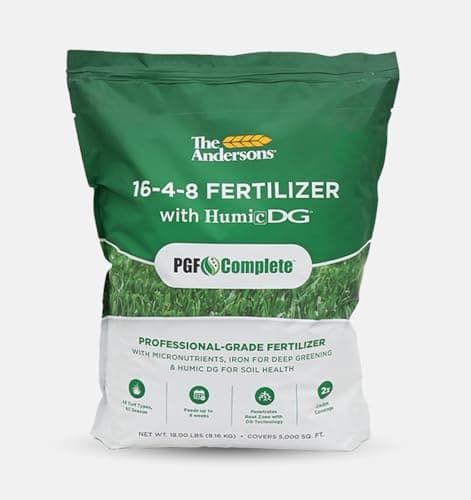
Choosing the best fertilizer for your lawn is one of the most important decisions you can make as a homeowner. Fertilizer choice directly affects how green your grass looks, how thick it feels underfoot, and how well it can naturally resist weeds, insects, and diseases. Two neighbors can mow at the same height and water the same amount, but the yard with the right fertilizer plan will always look better. If you want the short answer up front, the best fertilizer for most lawns is a slow-release 16-4-8 like The Andersons PGF Complete, with high-nitrogen, phosphorus-free blends like 30-0-4 as the alternative for lawns that already have plenty of phosphorus.
When people search for the best lawn fertilizer, they usually want clear, practical answers. You might be wondering which product will green up your yard the fastest, which lawn fertilizer types are safest for kids and pets, or how to pick the top lawn fertilizer for your grass type and climate. This guide is designed to walk you through those decisions step by step, in plain language.
We will cover the basics of how fertilizer works, what those N-P-K numbers really mean, and the key differences between granular and liquid products. You will learn how slow-release and quick-release fertilizers compare, and how organic options stack up against synthetic ones. We will also cover seasonal fertilizer needs, real product examples to look for on the shelf, and simple application tips that prevent burning and waste.
If you want to go even deeper after this guide, be sure to check out Organic vs Synthetic Fertilizers, How to Test Your Lawn's Soil, How to Improve Soil pH for Grass, Composting for a Healthier Lawn, and Essential Lawn Care Tools Every Homeowner Needs. Together, these topics give you the full picture for building a greener, healthier, and more resilient lawn.
When picking the best fertilizer for your lawn, start by looking at the N-P-K numbers on the bag, which typically appear as a sequence like 30-0-4. These numbers indicate the percentage of nitrogen, phosphorus, and potassium, respectively, crucial for growth and health. Verify your soil needs by conducting a simple soil test kit, which helps determine the specific nutrients your grass lacks.
Once you know what your lawn needs, choose a fertilizer with the right N-P-K ratio and apply it according to the instructions. For quick greening, opt for a high-nitrogen formula, and expect to see results in about 7 to 10 days. Remember, regular applications every 6 to 8 weeks during the growing season will keep your lawn lush and vibrant.
Best Lawn Fertilizer: Quick Picks by Situation
The right answer depends on your grass type and what you are trying to fix, so start here. Each row gives you the short answer from this guide, plus a link to our full deep-dive for that situation.
| Your situation | What to reach for | Full guide |
|---|---|---|
| Most established lawns | Slow-release 16-4-8 like The Andersons PGF Complete, our overall top pick | Lawn fertilizing guide |
| Bermuda grass | High-nitrogen slow-release during active summer growth | Best fertilizer for Bermuda grass |
| St. Augustine grass | Moderate nitrogen with careful timing, since St. Augustine is sensitive to overfertilization | Best fertilizer for St. Augustine |
| Centipede grass | Light, moderate-nitrogen feeding, as centipede is easy to overfeed | Best fertilizer for centipede grass |
| Zoysia grass | High-nitrogen feeding during peak summer growth | Best fertilizer for zoysia grass |
| Kentucky bluegrass | Higher nitrogen rates to keep its dense, carpet-like look | Best fertilizer for Kentucky bluegrass |
| Tall fescue | Steady feeding that supports deep roots and drought tolerance | Best fertilizer for tall fescue |
| Liquid-first program | A liquid 16-4-8 like Simple Lawn Solutions for fast uptake and spoon-feeding | Best liquid lawn fertilizer |
| Summer feeding | Slow-release nitrogen so the lawn feeds steadily through heat | Best summer lawn fertilizers |
| Fast green-up | A high-nitrogen formula in the 32-0-4 range during active growth | Best high-nitrogen liquid fertilizer |
| Deeper color without growth | Iron, either from an iron-containing fertilizer like Milorganite or a liquid iron product | Best liquid iron for lawns |
If you are not sure what grass you have, snap a photo with our free grass identifier first, then come back to the row that matches.
Best Lawn Fertilizers of 2026: Our Top Picks
If you just want the short list, these are the lawn fertilizers we recommend most often, ranked by how they perform for typical home lawns. Every pick below feeds at least 4 weeks, spreads cleanly in a standard broadcast spreader (or sprayer for the liquid), and has held up across multiple seasons of reader feedback.
| Rank | Product | NPK | Best For | Coverage |
|---|---|---|---|---|
| 1 | The Andersons Professional PGF Complete 16-4-8 Fertilizer with 7% Humic DG | 16-4-8 | Overall best: balanced feeding plus humic acid, tiny particles for even coverage | 5,000 sq ft |
| 2 | Scotts Turf Builder Lawn Food | 32-0-4 | Fast green-up on established lawns, widely available | 5,000 sq ft (12.5 lb) |
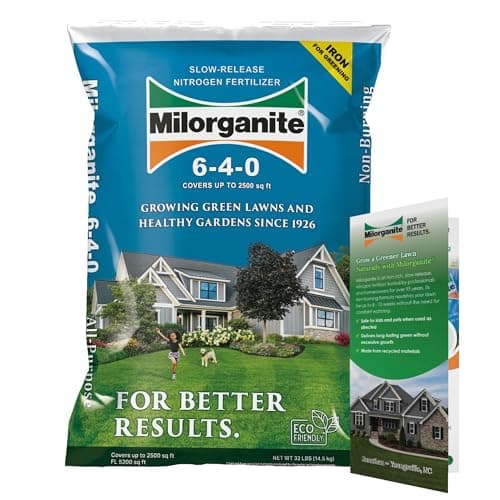
| 3 | Milorganite All-Purpose Slow-Release Nitrogen 6-4-0 Fertilizer | 6-4-0 | Organic slow-release, will not burn, adds iron for color | 2,500 sq ft (32 lb) |
| 4 | Simple Lawn Solutions Advanced 16-4-8 Liquid Fertilizer | 16-4-8 | Liquid option: fast uptake, easy spoon-feeding between granular apps | 3,200 sq ft per quart |
| 5 | Pennington Full Season Lawn Fertilizer 32-0-5 | 32-0-5 | Budget pick: extended-release nitrogen at a low price per square foot | 4,000 sq ft |
Best Fertilizer for Your Yard by Situation
The best fertilizer for your yard depends less on brand loyalty and more on what your lawn is doing right now:
- Brand-new lawn or fresh overseed: a starter formula with phosphorus, like Scotts Turf Builder Starter Food for New Grass, where local rules allow phosphorus. Root building beats top growth for the first 6-8 weeks.
- Thin, tired lawn that needs a push: a higher-nitrogen product (the 32-0-4 range) during active growth, watered in properly, then a follow-up at 6-8 weeks.
- Spring green-up: a balanced slow-release like the 16-4-8 picks above, so the lawn wakes up steadily instead of surging and crashing.
- Kids, pets, and burn worries: organic slow-release (Milorganite style) is nearly impossible to misapply.
- Budget-first: compare cost per 1,000 sq ft, not bag price. The budget picks above often win by that math.
Not sure which situation you are in? Run your numbers through our fertilizer calculator to get rates matched to your grass type and lawn size.
Understanding Lawn Fertilizer Basics (Core Concepts You Must Know)
What Fertilizer Actually Does for Your Lawn
Fertilizer provides the nutrients your grass needs to grow thick, green, and resilient. Even if you start with good soil, grass plants quickly use up available nutrients. Regular mowing removes clippings, which removes nitrogen and other elements that would otherwise cycle back into the soil.
When you apply the best lawn fertilizer for your yard, you support vigorous leaf and blade growth, which improves color and density. Thick turf shades the soil, which helps crowd out weeds and reduce evaporation. Fertilizer also fuels root development, so your lawn can reach deeper moisture and survive periods of heat or drought.
Well-fed lawns recover faster from stress, disease, and heavy foot traffic. If kids and pets use your yard often, or if you host gatherings, fertilizer is a key part of helping the lawn bounce back. In short, fertilizer is food for your turf, and a smart feeding plan is just as important as mowing and watering.
Decoding the N-P-K Numbers on Fertilizer Bags
Every lawn fertilizer bag lists three numbers, such as 30-0-4 or 10-10-10. These are the N-P-K numbers, which stand for nitrogen (N), phosphorus (P), and potassium (K). They show the percentage of each nutrient in the bag by weight.
The short version: nitrogen drives blade growth and color, phosphorus supports roots and establishment (and is restricted in some regions), and potassium builds stress and disease tolerance. For the full breakdown of ratios and how to pick one, see our dedicated guide to what the numbers on fertilizer mean.
For an established lawn, a high-nitrogen fertilizer such as 30-0-4 is common. For new lawns or when starting from seed, a more balanced ratio, such as 10-10-10, can be helpful if local rules allow phosphorus use. To know how much actual nitrogen you are putting down, multiply the bag weight by the nitrogen percentage, then divide by your lawn size. This tells you how many pounds of nitrogen you are applying per 1,000 square feet, which is crucial for staying within safe limits.
Granular vs Liquid Lawn Fertilizers
Most homeowners choose between granular and liquid lawn fertilizers, or use a mix of both. Granular fertilizers come in pellets or prills. They are usually applied with a broadcast or drop spreader and are popular because they provide slow, controlled feeding. They are forgiving, and they make it easier to cover large areas evenly.
Liquid fertilizers are mixed with water and sprayed onto the lawn. They are absorbed more quickly, which makes them excellent for fast green-up, mid-season corrections, or foliar feeding. However, they require more precision with mixing and application. Many homeowners rely on granular products for routine feedings, then use a liquid fertilizer once or twice for quick results or problem spots during the season. For a liquid-first program, see our best liquid lawn fertilizer guide.
Main Types of Lawn Fertilizers and How to Choose Among Them
There are several lawn fertilizer types to choose from, and each has its own strengths. Understanding how these products release nutrients, how they affect your soil, and what they cost over time will help you decide which is the top lawn fertilizer strategy for your yard, not just a single product on a shelf.
At the broadest level, you will be choosing between slow-release and quick-release nitrogen sources, and between organic and synthetic materials. Your grass type, local climate, and how much time you want to spend on lawn care all play a role. To get the best results, it often makes sense to combine types strategically over the season, rather than rely on just one category.
Slow-Release vs Quick-Release Nitrogen
Slow-release fertilizers are designed to feed your lawn gradually over several weeks or even months. These products may use polymer-coated or sulfur-coated urea, or they may rely on organic sources like composted manure, feather meal, or biosolids. The coating or organic structure slows how quickly nitrogen is available to the grass, which keeps growth more steady.
Quick-release fertilizers, such as straight urea, ammonium nitrate, or ammonium sulfate, dissolve faster and deliver nitrogen to the grass almost immediately. You see results quickly, often within a few days, which can be very satisfying when your lawn looks pale or stressed.
Each option has pros and cons. Slow-release fertilizers reduce the risk of burning the grass, help prevent growth surges that lead to extra mowing, and lower the chance of nitrogen leaching into groundwater. They are usually the best choice for beginners and for routine feedings. Quick-release fertilizers cost less per pound of nitrogen and give instant results, but they require careful measurement and timing. Overapplication can easily burn the lawn or cause nutrient runoff.
In many programs, slow-release products form the backbone of the feeding schedule, with quick-release sources used in early spring for a controlled green-up (where climate and recommendations allow), or to correct a clear nitrogen deficiency in mid-season.
Organic vs Synthetic Lawn Fertilizer Types
Organic lawn fertilizers are made from naturally derived materials such as compost, manures, bone meal, feather meal, or plant-based byproducts. Synthetic fertilizers are manufactured chemical compounds that provide nutrients in highly concentrated forms.
One of the biggest differences between these lawn fertilizer types is release speed. Organic fertilizers usually break down slowly as soil microbes process them, which provides a gentle, steady supply of nutrients and supports soil life. Synthetic fertilizers can be formulated as quick-release or slow-release, and they provide more predictable nutrient levels on a specific schedule.
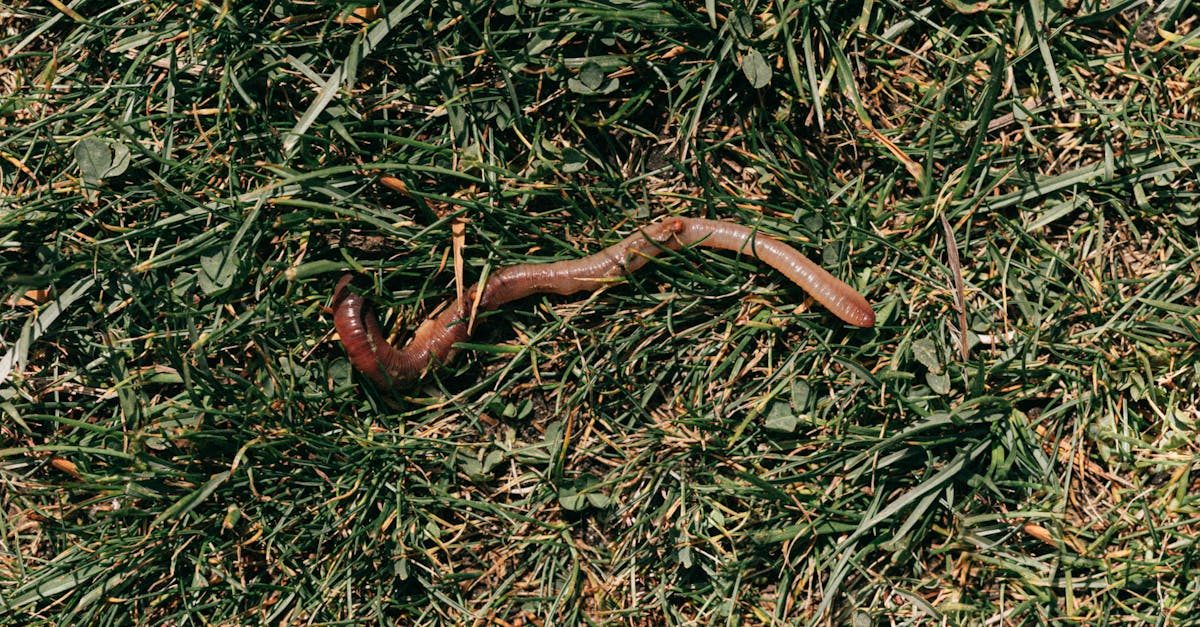
From a soil health perspective, organic fertilizers add organic matter and can improve soil structure over time. They encourage beneficial microbes and earthworms, which can boost long-term lawn health. Synthetic fertilizers typically do not add organic matter, although some blends combine synthetic nutrients with organic carriers. When used properly, synthetics can still be safe and effective, but they rely more on careful timing and measurement to avoid runoff or burn.
In terms of cost, organic fertilizers are often more expensive per bag, and they usually require higher application rates because the nutrient percentages are lower. Synthetic fertilizers cost less per pound of nitrogen, and the bags are lighter for the same feeding power. For a complete breakdown of pros, cons, and example products, see Organic vs Synthetic Fertilizers.
Seasonal Fertilizer Strategies for Cool-Season and Warm-Season Lawns
The best lawn fertilizer for your yard depends heavily on whether you have cool-season or warm-season grass. Cool-season varieties include Kentucky bluegrass, perennial ryegrass, and tall fescue, which are common in northern regions. Warm-season types include Bermuda, zoysia, centipede, and St. Augustine, which thrive in southern climates.
Because these grasses grow most actively at different times of year, your fertilizer schedule and product choices must match that growth pattern. Using the right lawn fertilizer types in the right season maximizes results and minimizes waste.
Fertilizing Cool-Season Lawns
Cool-season grasses grow strongest in spring and fall, when temperatures are moderate. They often struggle in midsummer heat. A typical cool-season fertilizer plan focuses on heavy feeding in the fall, moderate feeding in spring, and sometimes a light summer application if needed and allowed by local guidelines.
In early spring, a balanced or moderately high-nitrogen fertilizer with some slow-release nitrogen helps green up the lawn without causing excessive surge growth. In late spring to early summer, you may apply a mostly slow-release fertilizer at a lower rate to maintain color and density as heat builds.
Fall is when cool-season lawns benefit most from fertilizer. A high-nitrogen, slow-release product helps build roots, thicken turf, and store energy for winter and the following spring. Many lawn care professionals consider the late fall feeding the single most important application of the year for cool-season lawns.
Fertilizing Warm-Season Lawns
Warm-season grasses wake up later and love heat. They grow most actively in late spring and throughout summer, then go dormant or semi-dormant as temperatures fall. Fertilizing at the wrong time, especially too early in spring or too late in fall, can cause problems such as cold damage or disease.
For warm-season lawns, wait until the grass is fully green and actively growing before you apply the first fertilizer of the year. A high-nitrogen fertilizer, preferably with a good portion of slow-release nitrogen, works well at this time. Additional applications during peak summer growth keep color and density strong.
In many warm climates, a late summer feeding is useful, but you should taper off as fall approaches. Applying a high-nitrogen fertilizer too close to dormancy can push tender new growth that is vulnerable to frost or cold snaps. Some warm-season programs use a higher potassium product in late season to improve stress tolerance without pushing soft leaf growth.
What Is the Best Fertilizer for Grass?
If you just want a straight answer, the best fertilizer for grass is a slow-release blend in roughly a 4-1-2 ratio like 16-4-8, with at least 40 percent of the nitrogen in a controlled-release form. That combination feeds your lawn steadily for six to eight weeks, builds deep green color without a growth surge you have to mow off twice a week, and works across most grass types. The truly "best" pick still depends on your grass and soil, so the products below are sorted by situation rather than crowned with a single winner.
Two quick rules before you buy. Match the nitrogen rate to your grass type, since warm-season lawns can handle more nitrogen in summer while cool-season lawns want less heat-season feeding. And confirm whether you actually need phosphorus (the middle number) with a soil test, because many established lawns do not, and several states restrict it.
Best Fertilizer for Grass: How to Choose
To pick the top lawn fertilizer for your yard, you need to consider three main factors: your grass type, your soil test results, and your local climate. When these pieces line up, fertilizer becomes a powerful tool instead of a guess. Here is the whole decision in one glance, using the same formulas covered throughout this guide:
| Your situation | What to look for | Example formula |
|---|---|---|
| Cool-season lawn, spring | Moderate-to-high nitrogen with some slow release | 30-0-4 |
| Cool-season lawn, fall | High nitrogen, mostly slow release | 30-0-4 or 32-0-4 |
| Warm-season lawn, active summer growth | High nitrogen, part slow release | 30-0-4 or 29-0-5 |
| Late-summer stress, low soil potassium | High nitrogen plus extra potassium | 24-0-11 |
| New seed or sod (where phosphorus is allowed) | Balanced or starter blend with phosphorus | 10-10-10 or 18-24-12 |
| Soil building, gentle feeding | Organic slow release, lower analysis | 4-3-0 or 5-3-2 organic |
Matching Fertilizer to Grass Type
Different grasses have slightly different nutrient preferences and growth patterns. For example, Kentucky bluegrass often responds very well to higher nitrogen rates, which help maintain its dense, carpet-like appearance. Tall fescue prefers steady feeding, which helps maintain deep roots and drought tolerance.
Warm-season grasses like Bermuda and zoysia can tolerate more intensive nitrogen feeding in summer, especially in high-use lawns or sports turf. However, centipede and St. Augustine are more sensitive to overfertilization, and they often do better with moderate nitrogen and careful timing.
Check local extension service recommendations for your exact grass species and region. Following those guidelines, along with the label on your fertilizer bag, will help you avoid common mistakes like overfeeding sensitive grasses or underfeeding high-demand types.
Why Soil Testing Matters Before Choosing a Fertilizer
Soil testing is one of the best ways to avoid wasting money on the wrong fertilizer. A simple lab test reveals pH levels, organic matter content, and key nutrient levels such as phosphorus and potassium. With this information, you can choose a product that fills real gaps, rather than guessing.
If your soil already has high phosphorus, for example, there is no benefit to buying a 10-10-10 fertilizer for an established lawn. A high-nitrogen, zero-phosphorus product would be more appropriate, and in some areas, it may be the only legal choice. Similarly, if your potassium is low, you can select a fertilizer with a stronger K number to help with stress and disease resistance.
The guide How to Test Your Lawn's Soil walks through simple steps for collecting samples and interpreting results. Testing every few years is usually enough for most homeowners, unless you are dealing with a major problem or making big changes to your lawn care program.
Product Examples and What to Look for on the Label
When you walk into a store, the fertilizer aisle can seem overwhelming. Bags are covered with claims like "weed and feed," "winterizer," or "starter fertilizer." Instead of relying on marketing alone, focus on the N-P-K numbers, the nitrogen source, and special features that match your needs.
Common Fertilizer Formulas and Their Uses
Here are a few common formulas and how they are typically used:
- 30-0-4 or 29-0-5: High-nitrogen formulas for established lawns where phosphorus is not needed. Often used in spring or fall for cool-season grass, or during active growth for warm-season grass.
- 24-0-11 or similar: Higher nitrogen plus a good dose of potassium. Useful where soil tests show low K, or in later summer feedings to improve stress tolerance.
- 10-10-10 or 18-24-12: Balanced or starter-type fertilizers, often used for new seedings and sod when phosphorus is allowed. They support both top growth and root establishment.
- Organic 4-3-0, 5-3-2, etc.: Lower analysis, slow-release products that feed gently and build soil health over time.
These N-P-K ratios are examples, not strict rules. Always cross-check your soil test and local recommendations before choosing a formula, especially with phosphorus-bearing products.
How to Read the Label Like a Pro
A good fertilizer label tells you more than just N-P-K. Look for the nitrogen source list, which may include urea, ammonium sulfate, ammonium nitrate, polymer-coated urea, or organic ingredients. Products that include a percentage of slow-release nitrogen will usually say so, often under a "Derived from" or "Guaranteed analysis" section.
Also pay attention to coverage area. Most bags will list how many square feet they cover at a recommended rate. Compare that to your actual lawn size so you do not under or over apply. If you are not sure how big your yard is, you can measure it with simple online mapping tools or by pacing it off and doing some quick math.
If you are interested in more sustainable lawn care, keep an eye out for fertilizers that incorporate organic matter or are labeled as natural or organic. Pairing those products with practices from Composting for a Healthier Lawn can significantly improve soil quality over time.
Safe and Effective Application Tips for Homeowners
Even the best lawn fertilizer will disappoint if it is applied incorrectly. Proper timing, accurate measurement, and the right tools all matter for results and safety.
Tools and Setup Before You Start
Before your first application each season, gather a few basic tools. A well-calibrated broadcast or drop spreader is essential for granular fertilizer. A garden sprayer or hose-end sprayer is needed for liquid products. For more guidance on equipment, see Essential Lawn Care Tools Every Homeowner Needs.
Always read the fertilizer label in full before opening the bag. Check recommended rates, safety precautions, and special instructions such as watering requirements. Make sure children and pets are inside, and avoid fertilizing on extremely windy days, which can lead to uneven coverage or drift into flower beds and driveways.
Step-by-Step: Applying Granular Fertilizer
- Measure your lawn area so you know how many square feet you are treating.
- Calculate how much fertilizer you need using the coverage guidelines on the bag.
- Set your spreader to the recommended setting, starting on the lower side if you are unsure.
- Walk at a steady pace, overlapping wheel tracks slightly to avoid streaks.
- After spreading, sweep or blow any granules off hard surfaces back into the lawn to prevent runoff.
- Water lightly if the label recommends it, to help granules start releasing nutrients.
This routine helps you avoid the striped or patchy look that happens when fertilizer is applied unevenly, and it keeps nutrients out of storm drains.
Common Mistakes to Avoid
A few simple errors cause most fertilizer problems. Overapplying is number one. More is not better with fertilizer, and doubling the rate can burn the lawn or wash into waterways. Underwatering or fertilizing right before heavy rain is another issue, since nutrients can leach away before the grass can use them.
Applying the wrong product at the wrong time, such as heavy nitrogen on a dormant warm-season lawn, can waste money and stress the grass. Skipping soil testing leads to repeated use of the same formula even when soil levels change. By paying attention to timing, rates, and soil health, you can avoid these pitfalls.
Best High Nitrogen and Controlled-Release Lawn Fertilizers
Two phrases come up constantly when homeowners compare bags, so let's settle both. The best high nitrogen lawn fertilizer for most established lawns is a 30-0-4 or 32-0-4 blend with at least 40 percent slow-release nitrogen. That first number does the heavy lifting for color and density, and the slow-release portion keeps it from burning the lawn or triggering a flush of weak growth. If your lawn is already healthy and you just want it greener, high nitrogen is the lever to pull. In other words, if you searched for the best nitrogen fertilizer for grass, this is it: a high first number, at least 40 percent slow release, applied during active growth.
The best controlled-release lawn fertilizer takes the same idea further: polymer-coated nitrogen that meters out feeding over 8 to 12 weeks. You pay more per bag, but you apply less often and the feeding curve is smoother, which makes it the best all-season lawn fertilizer strategy for people who want two or three applications a year instead of five. Look for "controlled-release," "polymer-coated," or "extended feeding" on the label rather than relying on the brand name.
As for the best brand of fertilizer for grass, the honest answer is that the analysis on the bag matters more than the logo. Scotts, Pennington, Milorganite, and Jonathan Green all make excellent products; pick the brand whose NPK ratio and release type match your grass and season, not the one with the biggest shelf presence.
Environmentally Friendly Fertilizer Practices
Good fertilizer habits are not only better for your lawn, they are also better for local streams, lakes, and groundwater. Many regions are tightening fertilizer rules to reduce pollution, so it makes sense to get ahead of the curve with simple, sustainable practices.
Reducing Runoff and Waste
Two actions have the biggest impact on reducing fertilizer runoff: keeping fertilizer on the grass, and using slow-release nitrogen whenever possible. Always sweep or blow stray granules off sidewalks and driveways back onto the lawn. Avoid fertilizing right before a major storm, since heavy rain can wash nutrients away.
Slow-release fertilizers release nutrients over time, which reduces the likelihood of leaching through the soil. Pairing them with proper mowing height and smart irrigation further improves nutrient use. A dense, healthy lawn acts like a filter, capturing rainfall and reducing erosion.
Integrating Compost and Organic Matter
Compost and other organic amendments can reduce how much commercial fertilizer you need over time. Spreading a thin layer of high-quality compost over your lawn, or topdressing after core aeration, adds organic matter and improves soil structure. This increases nutrient holding capacity and supports a thriving microbial community.
The guide Composting for a Healthier Lawn explains how to make and use compost effectively. When combined with a modest synthetic or organic fertilizer program, compost can help you build a lawn that is less dependent on frequent feedings, yet still looks lush and green.
Conclusion: Building a Fertilizer Plan That Works for Your Lawn
The best lawn fertilizer is not a single magic product, it is a plan that fits your grass type, soil condition, and climate. By understanding N-P-K numbers, the differences between granular and liquid products, and the pros and cons of various lawn fertilizer types, you can choose the top lawn fertilizer strategy for your yard with confidence.
Start with a soil test so you know what your lawn truly needs. Match your fertilizer choice and timing to whether you have cool-season or warm-season grass. Use slow-release nitrogen for steady feeding, and reserve quick-release options for targeted situations. Combine smart mowing, watering, and the use of organic matter, and your lawn will reward you with thicker turf, richer color, and better natural weed resistance.
To round out your lawn care knowledge, explore Organic vs Synthetic Fertilizers, How to Test Your Lawn's Soil, How to Improve Soil pH for Grass, Composting for a Healthier Lawn, and Essential Lawn Care Tools Every Homeowner Needs. With these tools and practices in place, you will be well on your way to a greener, healthier lawn that looks good all season long.
Top Picks
 The Andersons Professional PGF Complete 16-4-8 FertilizerCheck price on Amazon
 Milorganite 6-4-0 Slow-Release Nitrogen Fertilizer (32 lb)Check price on Amazon
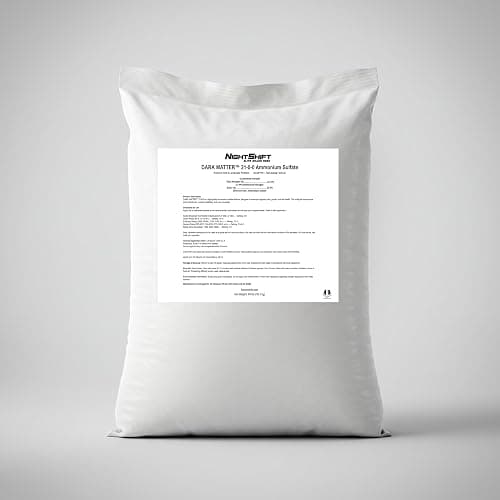
 Dark Matter 21-0-0 Ammonium SulfateCheck price on Amazon
As an Amazon Associate we earn from qualifying purchases.
Free Lawn Care Tools
Fertilizer directly affects how green, thick, and resilient your grass becomes. The right product and plan help your lawn naturally resist weeds, insects, and diseases, and recover faster from stress and heavy foot traffic. Even if mowing and watering are the same, the lawn with the better fertilizer program will usually look noticeably better.
The three numbers on a fertilizer bag represent the percentages of nitrogen (N), phosphorus (P), and potassium (K) by weight. Nitrogen drives leaf and blade growth and deep green color, phosphorus supports root growth and is especially important for new seed or sod, and potassium improves overall health, stress tolerance, and disease resistance. Knowing these numbers helps you match the fertilizer to your lawn’s needs.
Granular fertilizers are small pellets applied with a spreader and are ideal for steady, controlled feeding over a larger area. Liquid fertilizers are mixed with water and sprayed on, giving a faster green-up and making them useful for quick fixes or mid-season corrections. Many homeowners use granular products for routine feedings and supplement with liquid applications when they need rapid results.
A high-nitrogen fertilizer is typically best for established lawns that need strong leaf and blade growth and a richer green color. Because these products focus on nitrogen, they work well for routine feedings where the root system is already developed. For new lawns, a more balanced ratio that includes phosphorus is usually more appropriate if local regulations allow it.
Slow-release fertilizers feed the lawn gradually over weeks or months, using coated nitrogen sources or organic materials such as composted manure or feather meal. This produces steadier growth and can reduce the risk of burning and nutrient loss. Quick-release fertilizers dissolve faster and deliver nitrogen almost immediately, giving rapid green-up that’s useful when the lawn looks pale or stressed.
To calculate pounds of nitrogen applied per 1,000 square feet, multiply the bag weight by the nitrogen percentage, then divide that number by your lawn size in thousands of square feet. This simple math tells you your actual nitrogen rate so you can stay within safe limits and avoid over-fertilizing. Staying within proper rates helps protect your grass and reduces the risk of runoff.
For most established lawns, the best nitrogen fertilizer for grass is a 30-0-4 or 32-0-4 blend with at least 40 percent of the nitrogen in slow-release form. The high first number drives deep green color and density, while the slow-release portion protects against fertilizer burn. Apply it during your grass type's active growth window, not during heat or drought stress, and water it in after spreading.
There is no single bag that is right in every month, but a controlled-release fertilizer with a roughly 4-1-2 or 4-0-1 ratio comes closest to an all-season product. Polymer-coated nitrogen feeds steadily for 8 to 12 weeks, so two or three well-timed applications cover the whole growing season. Pair it with a fall-specific feeding for cool-season lawns and you have a complete plan with minimal effort.
The best lawn fertilizer for most yards is a slow-release 16-4-8 like The Andersons PGF Complete, our overall top pick, applied during your grass type's active growth window. It greens the lawn evenly over six to eight weeks without forcing excess top growth. If a soil test shows your soil already has plenty of phosphorus, a high-nitrogen, phosphorus-free blend like 30-0-4 or 32-0-4 with at least 40 percent slow-release nitrogen is a solid alternative. Cool-season lawns benefit most from a heavy fall feeding, while warm-season lawns respond best during late spring and summer growth, and the quick picks table at the top of this guide jumps you to the right pick for your grass type.
A good lawn fertilizer matches three things: your grass type (high-nitrogen blends for established lawns, starter formulas with phosphorus for new seed), the season (slow-release for steady summer feeding, winterizer formulas in fall), and your soil, which is why a soil test is worth doing before you buy. Beyond that, look for at least 30 to 50 percent slow-release nitrogen, a particle size that spreads evenly, and a real coverage number so you can compare cost per 1,000 square feet.
The Andersons and Scotts are the two most reliable lawn fertilizer brands for homeowners. The Andersons PGF Complete 16-4-8 is our overall top pick for its balanced feeding and fine particle size, while Scotts Turf Builder 32-0-4 is the easiest to find in stores and greens up established lawns fast. Milorganite is the best organic brand, Simple Lawn Solutions leads the liquid category, and Pennington is a solid budget brand. The right brand matters less than matching the NPK ratio and release speed to your grass type and season.
Lawn care companies typically apply slow-release granular blends with small prill sizes for even coverage, such as a 25-0-5 or 32-0-4 bought in 50 lb bags from turf suppliers like Site One or a local co-op, which usually beats retail pricing per pound of nitrogen. For homeowners, The Andersons PGF Complete 16-4-8 uses the same small-particle, humic-acid style formulation in homeowner-sized bags. The professional difference is finer particles and a higher share of slow-release nitrogen, not a secret ingredient.

Beat weeds and brown spots from your phone
Snap a photo, get the fix, and follow a plan timed to your soil and weather. Free on iPhone.