How to Improve Soil pH for Grass
 James ThorntonLawn Equipment & Maintenance Expert | 20 Years
As an Amazon Associate we earn from qualifying purchases.
If your lawn never seems as thick or as green as it should be, even when you water and fertilize on schedule, your soil pH is very likely the hidden problem. Soil pH quietly determines whether grass roots can actually use the nutrients that are already in the ground and in your fertilizer bag. When the pH is off, it is like trying to drink through a kinked hose. The water is there, but it cannot get through.
Soil pH is simply a measure of how acidic or alkaline your soil is. On the pH scale, 7 is neutral. Numbers below 7 are acidic and numbers above 7 are alkaline. Grass prefers a slightly acidic environment because that is where most essential nutrients are most available. If your lawn pH level drifts too low or too high, roots struggle, disease pressure can increase, and weeds often move in to fill the gaps.
Common warning signs of incorrect soil pH include yellowing or pale grass, patchy growth, poor results from fertilizing, and certain weeds or moss outcompeting your turf. Many homeowners react by throwing down more fertilizer, but until pH is corrected, that money and effort are partly wasted.
This guide explains the best soil pH for grass, how to test and interpret your soil pH results, how to adjust soil pH safely with lime or sulfur, and how long it takes to see improvements. We will walk through testing, choosing the right materials, step-by-step application, and ongoing maintenance so your lawn can thrive long term.
If you want more depth on related topics, take a look at How to Test Your Lawn's Soil, Best Fertilizers for Lawns, and Composting for a Healthier Lawn after you finish this article.
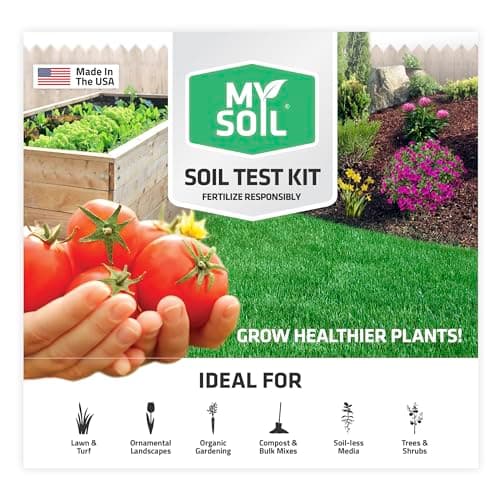
Your grass may be struggling due to incorrect soil pH, which affects nutrient availability. To diagnose the issue, purchase a soil pH test kit from your local garden center and test your soil. An ideal pH level for grass is between 6.0 and 7.0. If your test shows numbers outside this range, it's time to take action.
To correct soil pH, apply lime to raise it or sulfur to lower it, following the product instructions carefully. You should begin to see improvements in your lawn within a few weeks to a few months, depending on the severity of the pH imbalance. Regularly recheck your soil pH every 6 to 12 months to maintain optimal conditions for healthy grass growth.
Understanding Soil pH and Lawn pH Levels
What Is Soil pH?
Soil pH measures how acidic or alkaline your soil solution is on a scale from 0 to 14. A pH of 7 is neutral. Values below 7 are acidic and values above 7 are alkaline. Each whole number on the scale represents a tenfold change in acidity, so pH 5 is ten times more acidic than pH 6.
This might sound like chemistry class, but it has very practical effects in your yard. Soil pH controls the solubility of nutrients. In other words, it regulates how easily nutrients dissolve in soil water and can be absorbed by grass roots.
For example, in very acidic soil, phosphorus and molybdenum can become less available, while elements like aluminum and manganese can become more soluble and even toxic at extreme levels. In very alkaline soil, iron, manganese, and zinc become less available, which is why high pH lawns often develop chronic iron chlorosis, a yellowing between the veins of the leaf blade.
When you keep your lawn pH level in the right range, macronutrients such as nitrogen, phosphorus, and potassium, along with micronutrients like iron and manganese, are all available in a balanced way. Grass can then build strong roots, deep color, and better stress tolerance.
Best Soil pH for Grass: Ideal Levels by Grass Type
Most lawns grow best in soil that is slightly acidic. A target range of 6.0 to 7.0 works for the majority of turf species, with 6.2 to 6.8 often considered the sweet spot for nutrient availability and microbial activity.
Cool-season grasses, which are common in northern climates, include:
- Fescues (tall fescue, fine fescue)
- Kentucky bluegrass
- Perennial ryegrass
These grasses generally perform best around pH 6.0 to 7.0. Tall fescue is fairly tolerant and will handle slightly more acidic conditions, but you will still see the best color and density in that same range.
Warm-season grasses, which dominate southern lawns, include:
- Bermuda grass
- Zoysia grass
- St. Augustine grass
- Centipede grass
Most warm-season grasses are also happiest between 6.0 and 7.0, with a few nuances. Bermuda and zoysia handle a modestly wider range but still respond best in the mid 6 range. St. Augustine likes slightly acidic to neutral soil, roughly 6.0 to 7.5. Centipede grass is the main exception. It naturally prefers more acidic soil and can do well between 5.0 and 6.0, so you need to be careful not to over-lime centipede lawns.
Think of these ranges as comfort zones, not exact targets. Being within the proper range is much more important than chasing a single perfect number like 6.5. As long as you stay in the recommended window for your grass type, your fertilizer program and watering will produce far better results.
Why Adjusting Soil pH Matters More Than Adding Fertilizer
When soil pH is too low or too high, nutrients become "locked up" in chemical forms that grass roots cannot easily absorb. You might have plenty of phosphorus or iron in your soil, yet your lawn still looks hungry and pale. From the plant's perspective, it is starving while surrounded by food it cannot access.
If you continue to add fertilizer without correcting pH, you are only solving part of the problem. You may see minor short term improvement, especially from nitrogen, but you will not unlock the full potential of your soil. Over time you can also create imbalances, salt build up, or environmental runoff issues.
Research and field experience both show that when lawns are maintained in the proper pH range, fertilizer efficiency increases significantly. You can often use less fertilizer, space out applications longer, and still maintain a dense, green lawn. Adjusting your lawn pH level is like fixing the foundation before repainting the walls.
Once your pH is in range, you can fine tune your nutrition plan with the help of resources like Organic vs Synthetic Fertilizers and Best Fertilizers for Lawns. At that point, every pound of fertilizer you apply can actually be used by the grass instead of being wasted.
Step 1: Test Your Lawn’s Soil pH Accurately
Why You Must Test Before You Adjust Soil pH
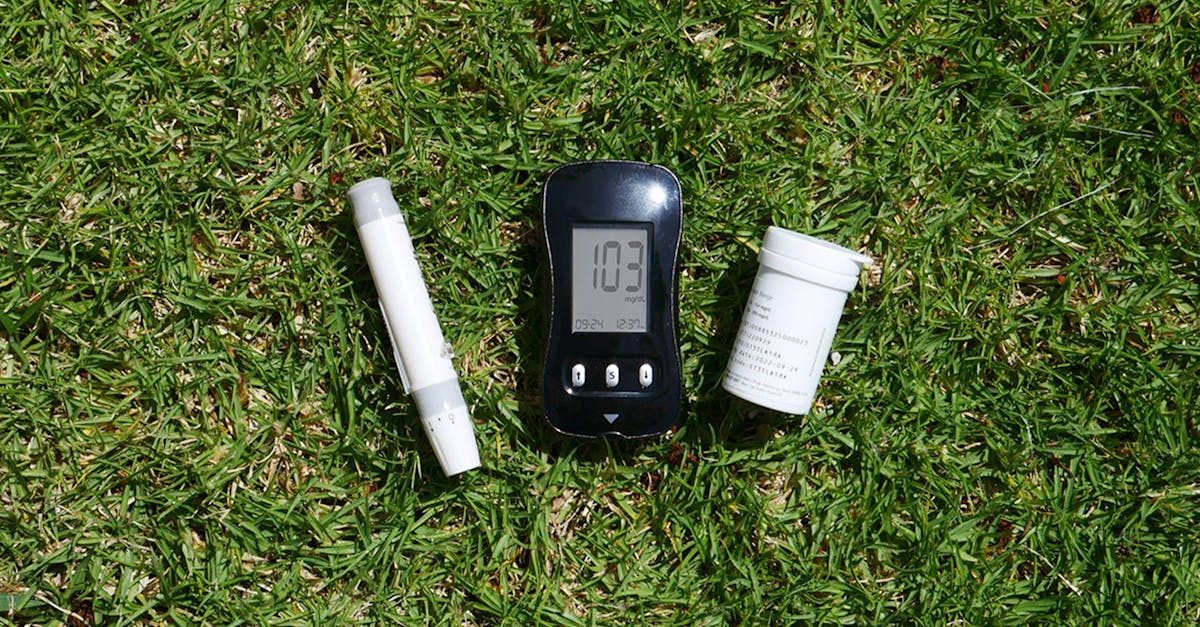
Never guess at your soil pH. Adding lime or sulfur without a test is one of the most common and costly homeowner mistakes. Too much lime can push your pH too high, which is very difficult and slow to reverse. Applying sulfur blindly can injure turf roots, especially in hot weather, and may create soil conditions that favor diseases or aluminum toxicity.
Soil pH can vary more than you might think, even on the same property. The front yard may be different from the back yard because of fill dirt, drainage, and historic use. Shaded areas with constant leaf drop can become more acidic than sunny, open spaces. High traffic areas or spots that receive frequent pet urine can also show very different pH readings.
Because of that natural variation, the only safe and effective way to adjust soil pH is to test first and then follow the recommendations that come with your results. Think of the soil test as a blood test for your lawn. You would not take medication based on a guess, and you should not treat your soil any differently.
Types of Soil pH Tests and How Accurate They Are
You have three main options for testing your lawn pH level, each with its own pros and cons.
1. Professional lab soil test
Professional lab tests are the gold standard for accuracy. A good lab report provides your current soil pH, a buffer pH (which helps determine how much lime or sulfur is needed to change the pH), and a full nutrient analysis. Many state or county extension services offer soil testing at very reasonable prices, and there are also reputable private labs.
With a lab test, you receive specific recommendations tailored to your soil type, such as "apply 40 pounds of dolomitic lime per 1,000 square feet", rather than generic instructions from a bag. For most homeowners, especially if you have never tested before, this is the best starting point.
2. DIY soil pH meters
Inexpensive probe-style pH meters are widely sold at garden centers and online. Some work decently for relative readings, but many are unreliable if not calibrated or if soil conditions are too dry or too wet. They can be useful for quick checks or for comparing one area of the yard to another, but you should not rely solely on them to decide how much lime or sulfur to apply.
3. Home test kits
Color-change test kits that use test tubes and indicator solutions or tablets are generally more accurate than cheap meters if you follow the directions carefully. They give you a pH reading that is close enough for a general understanding of your soil, though they usually do not provide buffer pH or exact amendment rates.
For small lawns, or if you are comfortable estimating application rates and re-testing over time, these kits can be "good enough." However, if you are dealing with a very problematic lawn or planning a major renovation, a professional lab test is strongly recommended.
For a detailed walkthrough of the sampling and submission process, check out How to Test Your Lawn's Soil. The extra few minutes you invest in accurate testing will save you years of frustration.
How to Collect a Proper Soil Sample for pH Testing
Accurate testing starts with a proper sample. Think of this step as making a composite "average" of the area you want to test. Follow these steps.
Gather your tools - You need a clean trowel or soil probe, a plastic bucket, and labeled bags or boxes provided by your testing service. Avoid metal containers that might contaminate the sample.
Select sampling spots - Walk your lawn in a zigzag pattern and choose 10 to 15 spots in the area you want to represent. For example, treat the front yard as one area and the back yard as another. Avoid unusual locations such as compost piles, pet urine spots, or right next to driveways and sidewalks.
Take cores at the correct depth - At each spot, remove surface debris, then insert the trowel or probe 4 to 6 inches deep. This is the active root zone for most lawn grasses. Take a thin slice of soil from that full depth and place it in the bucket.
Mix thoroughly - Once you have all your cores in the bucket, break up clumps and mix them thoroughly. Remove stones, sticks, visible fertilizer granules, and any thatch or grass blades. You want a uniform blend of mineral soil.
Dry the sample - Spread the soil on clean paper or a tray and let it air dry at room temperature for a day. Do not use an oven or direct heat. Drying stabilizes the sample and prevents microbial activity from changing the pH before testing.
Package and label - Place the recommended amount of dry soil (usually about 1 cup) in the lab's container or a clean plastic bag. Label it clearly with the area name, such as "front yard" or "back lawn shade area."
Pro tip checklist before you send or test your sample:
- Take separate samples for areas that look or perform differently, such as a thin shaded lawn vs a thick sunny area.
- Avoid sampling right after heavy fertilizing or liming. Wait at least 4 to 6 weeks.
- Do not include heavy organic debris, mulch, or visible roots in the sample.
- Record the date and keep a copy of your results for comparison in future years.
With a good sample and accurate test, you are ready to interpret your results and start adjusting your lawn pH level in a targeted, efficient way.
Step 2: Interpret Your Soil Test and Choose the Right Amendment
How to Read Your Soil pH Results
When your soil test results arrive, find the pH value for each sample area. Compare the number to the recommended pH range for your grass type. For example, if your tall fescue lawn tests at pH 5.4, you are significantly below the ideal range of roughly 6.0 to 7.0. If a Bermuda lawn comes back at pH 7.8, the soil is more alkaline than ideal.
Most lab reports include a section titled "lime requirement" or "soil amendment recommendation." This is where the buffer pH comes into play. Two soils with the same current pH can require very different amounts of lime, depending on texture and organic matter. Clay soils have more buffering capacity, so they resist pH change and require more amendment to shift.
If the pH is only slightly off, for example 5.9 when your target is 6.3, the lab may recommend a light application or even no amendment, especially if you use balanced fertilizer and organic matter such as compost. If the pH is far off, you will likely see a clear recommendation for the material type and pounds per 1,000 square feet.
When You Need Lime vs When You Need Sulfur
The basic rule for adjusting soil pH is simple:
- If your soil is too acidic (pH below target), you add lime to raise pH.
- If your soil is too alkaline (pH above target), you add elemental sulfur or other acidifying materials to lower pH.
There are some edge cases, such as managing extremely calcareous soils in arid regions, but for most home lawns this rule holds true.
If your lawn pH level is low and your grass is struggling despite fertilization, liming is often the fastest and most cost effective improvement you can make. On the other hand, if your pH is high, especially above 7.5, you may need to think more long term. Lowering pH takes time, and in some soils it is difficult to move very far. In that situation you may focus more on using acidifying fertilizers and iron supplements while gradually applying sulfur.
Always double check that your target pH matches your grass type. Remember that centipede grass prefers more acidic conditions, so you usually lime less aggressively and sometimes not at all unless the pH is extremely low.
Types of Lime and Sulfur Products (Pros and Cons)
Not all lime or sulfur products behave the same way. Choosing the right material helps you adjust soil pH safely and efficiently.
Common lime products
- Calcitic lime - Made from calcium carbonate, this is the standard choice for raising pH when your soil already has adequate magnesium. It improves pH and supplies calcium, which supports root and cell wall development.
- Dolomitic lime - Contains both calcium carbonate and magnesium carbonate. Use dolomitic lime when your soil test shows low magnesium levels. It corrects pH and helps prevent magnesium deficiency, which can cause yellowing similar to nitrogen or iron issues.
- Pelletized lime - Finely ground lime that is formed into pellets for easier spreading. It applies evenly with a broadcast spreader and is less dusty than traditional agricultural lime. Once in the soil, it reacts similarly, although super fine materials may work slightly faster.
Common sulfur and acidifying products
- Elemental sulfur - The most common product used to lower lawn pH level. Soil bacteria convert sulfur to sulfuric acid over time, which gradually acidifies the soil. This process is temperature and moisture dependent, so it works faster in warm, moist conditions and slower in cold or very dry soils.
- Aluminum sulfate - Acts faster than elemental sulfur because it dissolves quickly, but it introduces aluminum, which can be toxic at high levels. It is more often used in ornamental beds than on lawns, and it must be used cautiously.
- Acidifying fertilizers - Products that contain ammonium sulfate, urea, or ammonium nitrate can gradually lower pH when used as part of your normal fertilizing routine. They are not a substitute for sulfur in very alkaline soils, but they can help maintain a lower pH once you have started moving in the right direction.
For both liming and sulfur, always follow your soil test recommendations. If you are in doubt between products, consult your local extension service or trusted lawn care professional.
Step 3: Apply Lime to Raise Soil pH
How Much Lime to Apply Based on Test Results
Your soil test should give you a recommended lime rate per 1,000 square feet. In many cases, this might range from 20 to 50 pounds per 1,000 square feet for moderate corrections. Very acidic, clay-heavy soils can sometimes require even more, but that amount is usually split into multiple applications for safety.
If you are working from a basic pH test that does not give rates, use published guidelines cautiously and err on the low side. It is always easier to apply more lime in a year or two than to try to correct an over-limed lawn. In general, do not exceed about 50 pounds of lime per 1,000 square feet in a single application on established turf.
Best Time of Year to Lime Your Lawn
Lime can be applied almost any time the soil is not frozen or waterlogged, but fall and early spring are usually best. In fall, soil is still warm, moisture is more reliable, and the lime has several months to react before spring growth. Spring applications also work well, especially if you combine lime with core aeration to improve movement into the root zone. For a deeper walkthrough of fall timing and figuring out exactly how much to put down, see our guide on when to apply lime to your lawn and how much.
Avoid lime application during periods of drought or extreme heat. While lime itself does not "burn" grass like some fertilizers, spreading anything on an already stressed lawn adds extra traffic and can slow recovery.
Step-by-Step: How to Spread Lime Safely and Evenly
Measure your lawn area - Use a measuring wheel, tape measure, or an online mapping tool to estimate the square footage of each lawn section. Accurate area measurements are critical for proper rates.
Calculate the amount of lime - Multiply the recommended pounds per 1,000 square feet by the total area, then divide by 1,000. For example, 30 pounds per 1,000 square feet on a 5,000 square foot lawn equals 150 pounds total.
Choose the right spreader - A broadcast (rotary) spreader is usually the easiest tool for even coverage over a lawn. This is one of the Essential Lawn Care Tools Every Homeowner Needs.
Set the spreader and test - Check the product bag for spreader settings, then test the flow on a driveway or tarp. Adjust if the material is coming out too fast or too slow.
Apply in two directions - For the most uniform coverage, apply half the lime walking north to south, then the other half walking east to west. This crosshatch pattern reduces stripes or missed spots.
Water in lightly - After spreading, water the lawn lightly to wash particles off the grass blades and start the lime moving into the soil. Avoid heavy irrigation that could cause runoff.
Clean equipment - Rinse your spreader thoroughly after use to prevent corrosion or caking of leftover material.
Lime works gradually, so do not expect overnight results. It may take several months for a significant pH change, which is why testing and planning over a 1 to 3 year period is so important.
Step 4: Apply Sulfur to Lower Soil pH
How Much Sulfur to Apply Without Harming Grass
Lowering pH is trickier than raising it, and the margin for error is smaller. Always follow the specific rates from your soil test. As a general safety guideline for established lawns, do not exceed about 5 pounds of elemental sulfur per 1,000 square feet in a single application if you are on sandy soil, or about 10 pounds per 1,000 square feet on heavier clay soils.
If your soil is very alkaline and needs large total amounts of sulfur, split them into several applications spread over a year or two. Applying too much sulfur at once can lead to salt injury, root damage, and unwanted swings in pH.
Timing and Weather Conditions for Sulfur Application
Because elemental sulfur must be converted by soil bacteria into sulfuric acid, it works best when soil temperatures are moderate to warm and there is adequate moisture. Late spring through early fall is generally ideal. Avoid applying sulfur when the lawn is under drought stress, as the conversion process can temporarily increase salt levels in the root zone.
Do not apply sulfur if the weather forecast calls for heavy rain. Excessive rainfall soon after application can move sulfur too deep, too fast, or cause runoff into sidewalks and storm drains.
Protecting Your Lawn and Yourself When Lowering pH
Wear protective gear - Use gloves, eye protection, and a dust mask if conditions are windy. Sulfur dust is irritating to eyes and lungs.
Use the right spreader - Apply granular sulfur with a calibrated broadcast spreader for even coverage. Avoid hand spreading, which leads to hot spots.
Apply light, repeat if needed - Stick to conservative single-application rates, then re-test soil after 6 to 12 months before deciding if more sulfur is needed.
Water in gently - Irrigate lightly after application to move sulfur off the leaves and into the soil. Do not soak the lawn hard enough to cause runoff.
Monitor turf response - Watch for signs of stress such as sudden yellowing or wilting. If symptoms appear, water deeply to leach salts, and contact your local extension service if you suspect over-application.
In some highly alkaline regions, you may never achieve a perfect pH, but even modest reductions can make nutrients more available and significantly improve lawn performance.
Step 5: How Long It Takes To See Results and How To Maintain Correct pH
Realistic Timeline: When Will Your Grass Improve?
Adjusting soil pH is a gradual process, not a quick fix. After lime or sulfur applications, most homeowners see measurable pH changes within 3 to 6 months, but the full effect can take 12 to 18 months depending on soil type, application rate, and weather.
Visual improvements in your lawn usually lag slightly behind the chemical changes. As pH moves into the optimal range, you will start to notice:
- Better response to fertilizing, with deeper green color
- Thicker turf density and fewer bare spots
- Reduced weed and moss pressure, especially in previously thin areas
Patience is key. Retest your soil about 1 year after a major pH correction effort. This check lets you see how far the pH has moved and whether a follow up application is needed.
Routine Practices That Help Keep Lawn pH Stable
Once you have your lawn pH level in the ideal range, smart lawn care practices help keep it there so you do not have to constantly correct it.
Helpful habits include:
- Use balanced fertilizers - Follow your soil test nutrient recommendations, and avoid overusing high nitrogen, acidifying fertilizers unless they are part of a deliberate pH maintenance plan.
- Incorporate organic matter - Topdressing with compost or mulching grass clippings can buffer pH and improve soil structure. Composting for a Healthier Lawn is a great resource if you want to build organic matter over time.
- Manage irrigation - Water deeply and infrequently. Overwatering can leach nutrients and sometimes shift pH slightly, especially in sandy soils.
- Minimize excessive leaf buildup - Allowing heavy layers of oak or pine leaves to decompose in place every year can acidify the surface layer over time. Mulch mow or remove heavy accumulations.
- Test every 2 to 3 years - Regular soil tests keep you ahead of creeping pH drift so corrections stay small and easy.
Maintaining a healthy soil pH is part of an overall lawn care program. When you pair correct pH with proper mowing, watering, and a smart nutrition plan, you create conditions where grass outcompetes weeds and resists many common stresses.
Conclusion
Soil pH quietly sets the stage for everything that happens in your lawn. If it is too acidic or too alkaline, nutrients become locked up, roots struggle, and your grass never reaches its full potential, no matter how much you fertilize or water. By testing accurately, interpreting your results, and using the right lime or sulfur products, you can adjust soil pH into the ideal range for your grass type.
Think in terms of a simple sequence. Test first, choose the correct amendment, apply at safe rates, then give the soil time to respond. Within a season or two, you will see stronger growth, richer color, and a lawn that responds better to every other part of your care routine.
From here, you can fine tune your program
Top Picks
 MySoil Soil Test KitCheck price on Amazon
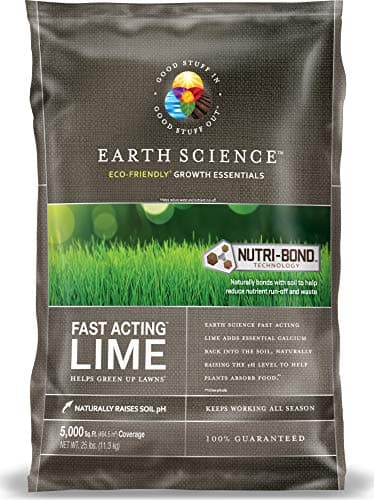
 Encap Fast Acting Pelletized Lime (25 lb)Check price on Amazon
As an Amazon Associate we earn from qualifying purchases.
Free Lawn Care Tools
Soil pH measures how acidic or alkaline your soil solution is on a scale from 0 to 14. A pH of 7 is neutral. Values below 7 are acidic and values above 7 are alkaline. Each whole number on the scale represents a tenfold change in acidity, so pH 5 is ten times more acidic than pH 6.
Adjusting soil pH is a gradual process, not a quick fix. After lime or sulfur applications, most homeowners see measurable pH changes within 3 to 6 months, but the full effect can take 12 to 18 months depending on soil type, application rate, and weather.
Most lawn grasses grow best in slightly acidic soil with a pH between 6.0 and 7.0. The sweet spot for nutrient availability and microbial activity is often 6.2 to 6.8. Staying within this range helps grass use nutrients efficiently and develop strong roots, color, and density. Being in the proper range is more important than hitting a single “perfect” number.
Common warning signs of a pH problem include yellowing or pale grass, patchy or thin growth, and poor results even when you fertilize regularly. You may also notice certain weeds or moss outcompeting your turf. When these symptoms show up together, especially despite regular care, soil pH is very likely a key issue.
When soil pH is too low or too high, nutrients become “locked up” in forms grass roots can’t easily use, even if the nutrients are present. Adding more fertilizer on top of an out-of-range pH only gives partial, short-term results and can create imbalances or runoff problems. Once pH is in the proper range, fertilizer works more efficiently, and you can often use less while getting better results.
Yes, cool-season and warm-season grasses share a general preference for 6.0 to 7.0, but there are some nuances. Cool-season grasses like fescues, Kentucky bluegrass, and perennial ryegrass perform best in that range, with tall fescue tolerating slightly more acidity. Most warm-season grasses like Bermuda, zoysia, and St. Augustine also prefer 6.0 to 7.0, while centipede grass is an exception that naturally does well in more acidic soil, around pH 5.0 to 6.0.
Most lawn grasses thrive in slightly acidic soil. Best soil pH ranges by grass type: Bermuda grass and zoysia prefer pH 6.0 to 7.0; tall fescue and Kentucky bluegrass do best at pH 6.0 to 7.0; St. Augustine grass tolerates 6.0 to 7.5; centipede grass actually prefers more acidic soil at pH 5.0 to 6.0; and bahia grass tolerates a wider 5.5 to 6.5 range. If your soil pH falls outside the target range for your grass type, fertilizer becomes much less effective because nutrients get locked in the soil. A soil test is the only way to know where you stand.
Photos: i-SENS / Pexels, Creative Vix / Pexels, hans middendorp / Pexels

Beat weeds and brown spots from your phone
Snap a photo, get the fix, and follow a plan timed to your soil and weather. Free on iPhone.