Most Common Top Dressing Compost Peat Moss Topsoil Sand Which Is Best for You
 Sarah MitchellLawn Diagnostics Specialist | 12 Years
As an Amazon Associate we earn from qualifying purchases.
Thin spots, bumpy ground, and stubborn compaction in lawns almost always trace back to what is happening in the top few inches of soil. Top dressing is one of the most effective ways to correct these problems, but only if you choose the right material and apply it correctly. Not sure which to buy for your project? See Peat Moss vs Topsoil.
Top dressing means spreading a thin layer of material over the surface of your lawn or landscape beds. The most common options are compost, peat moss, topsoil, and sand. Each behaves differently in your soil and can either solve your issues or make them worse. That is why answering the question behind "most common top dressing compost peat moss topsoil sand which is best for you" really matters.
Most homeowners searching this phrase fall into two groups. The first wants to fix bumpy or compacted turf so mowing is smoother and the lawn looks even. The second is focused on overseeding, improving drainage, or keeping moisture where it is needed. In both cases, choosing between compost, peat moss, topsoil, and sand must be based on your soil type, grass type, climate, and end goal.
This guide walks through when and why to use each material, how to combine them for better results, and how timing differs for cool-season versus warm-season lawns. You will also get a simple decision framework to choose what is best for your yard, plus seasonal timelines and practical application tips.
If your main goal is healthier soil and thicker grass, compost is usually the best top dressing. A 1/4 inch layer raked into existing turf after core aeration adds organic matter, improves structure, and supports microbial life. Confirm it is right for you by doing a simple soil test and screwdriver test. If your soil is hard to penetrate more than 3 to 4 inches and your organic matter is below about 4 to 5 percent, compost top dressing is a good choice.
Use peat moss primarily for covering seed or slightly improving moisture retention in very sandy or drought prone lawns. Use topsoil when you need to fill low spots over 1/2 inch deep or replace poor or contaminated soil. Reserve sand for specific cases like leveling low areas on established Bermuda or Zoysia turf that already contains significant sand, and only when you can confirm your native soil is not heavy clay. Avoid spreading straight sand over clay based lawns, since it often worsens compaction and drainage problems instead of fixing them, and plan on at least one growing season before you judge full results.
Understanding Top Dressing: The What, Why, and How
What Is Top Dressing?
Top dressing is the practice of applying a thin, even layer of material over an existing lawn or planting bed. The layer is typically 1/8 to 1/4 inch thick, sometimes up to 1/2 inch in targeted low spots. The goal is not to bury the grass, but to lightly cover the soil surface and filter material down between the blades.
Top dressing is different from core aeration, which removes plugs of soil to relieve compaction and improve air and water movement. Aeration is about creating channels into the soil, while top dressing is about modifying the material at the surface and just below it. The two are often combined, with aeration done first, followed by top dressing so material can fall into the holes.
It also differs from power raking or dethatching. Dethatching physically pulls up and removes excess thatch, the layer of dead stems and roots between soil and grass blades. Top dressing does not remove material, it adds it. Finally, top dressing is not a full lawn renovation, where the existing turf is killed or removed and the soil is completely reworked or replaced. Top dressing is a light, incremental improvement suitable for established lawns.
Why Top Dressing Works (Soil Science in Plain English)
Top dressing works because most lawn problems are rooted in soil structure, organic matter levels, and water movement. When you add the right material in thin layers, you gradually change the physical and biological properties of the topsoil where grass roots live.
Compost and similar organic materials improve soil aggregation, which is how soil particles clump into stable crumbs. Good aggregation creates spaces for air and water, which roots and microbes need. As microbes break down organic matter, they release nutrients like nitrogen, phosphorus, and potassium in slow, plant-available forms. This improves nutrient cycling without the shock of high-salt synthetic fertilizers. If you want to dive deeper into nutrients, see the guide Best Fertilizers for Lawns for how top dressing can complement a fertilizer program.
On the physical side, the right top dressing increases water infiltration and either improves drainage or moisture retention, depending on what you add and what you start with. Over time, repeated light applications can change a heavy, crusted surface into a friable layer that roots easily penetrate. The short term benefit may be cosmetic leveling and improved seed contact during overseeding. The long term benefit is a deeper, healthier root system that tolerates drought and traffic better.
Top dressing also supports other practices. When you overseed, a light layer of compost or peat moss improves seed to soil contact and maintains moisture, which speeds germination. When you manage pH, adding lime or sulfur can be more effective if organic matter has improved soil structure and buffering capacity. For pH specific strategies, see How to Improve Soil pH for Grass.
Key Factors to Consider Before Choosing a Top Dressing Material
Before deciding between compost, peat moss, topsoil, or sand, clarify your primary goal. If you want a smoother surface for mowing or play, you are focused on leveling. If you want thicker, greener grass, soil health and nutrient availability are key. If standing water is an issue, drainage is the priority. Many lawns require a mix of these goals, but one usually leads.
Next, consider your existing soil type. Sandy soils drain quickly and often struggle to hold nutrients and water. Clay soils often drain poorly, compact easily, and can crust at the surface. Loam, a balanced mix of sand, silt, and clay, is ideal but still benefits from organic matter. Each top dressing material interacts differently with these soils. For example, compost improves both sandy and clay soils, while sand can improve some native sandy soils but usually makes clay issues worse.
Your lawn type and climate also matter. Cool season grasses like Kentucky bluegrass, tall fescue, and perennial ryegrass grow best in spring and fall, so those are your windows for significant top dressing. Warm season grasses like Bermuda, Zoysia, and St. Augustine peak in late spring through summer, so leveling and aggressive top dressing are best then. Timing by soil temperature is useful: when your soil is roughly 55 to 70 degrees Fahrenheit and grass is actively growing, it can recover from top dressing.
Budget, availability, and labor cannot be ignored. Compost can be inexpensive or even free if you are Composting for a Healthier Lawn at home, but bulk delivery and spreading are labor intensive. Bagged peat moss is easy to handle but can be costly. Topsoil and sand are usually cheap in bulk, but heavy to move. Finally, there are environmental and ethical issues: peat moss is a finite resource mined from peat bogs, so many gardeners limit its use. Sand and topsoil can increase runoff or erosion if misapplied on slopes or near waterways.
Overview of the Most Common Top Dressing Materials
Quick Comparison Table (Concept Overview)
When people compare the most common top dressing compost peat moss topsoil sand which is best for you, they are really matching materials to problems. Here is a conceptual overview before we dive into details.
Compost is decomposed organic matter that adds nutrients and improves structure. It is the best all purpose soil builder and is usually the safest choice for most lawns. Peat moss is partially decomposed plant material from bogs. It holds water very well and is often used as a seed cover or to help very sandy soils retain moisture, but it adds few nutrients and raises environmental concerns.
Topsoil is a general term for the uppermost layer of soil, usually sold in bulk or bags. It is best used for filling low spots or replacing poor soils, but quality varies widely. Sand is a mineral material with large particles and large pores. In specific situations it can help level and slightly improve surface drainage, but in the wrong context, especially over clay, it can create layering and worsen compaction. In the sections below, we will look at best uses, pros and cons, and typical application depths for each.
Top Dressing with Compost: The All-Round Soil Builder
What Is Compost and Types Used for Top Dressing
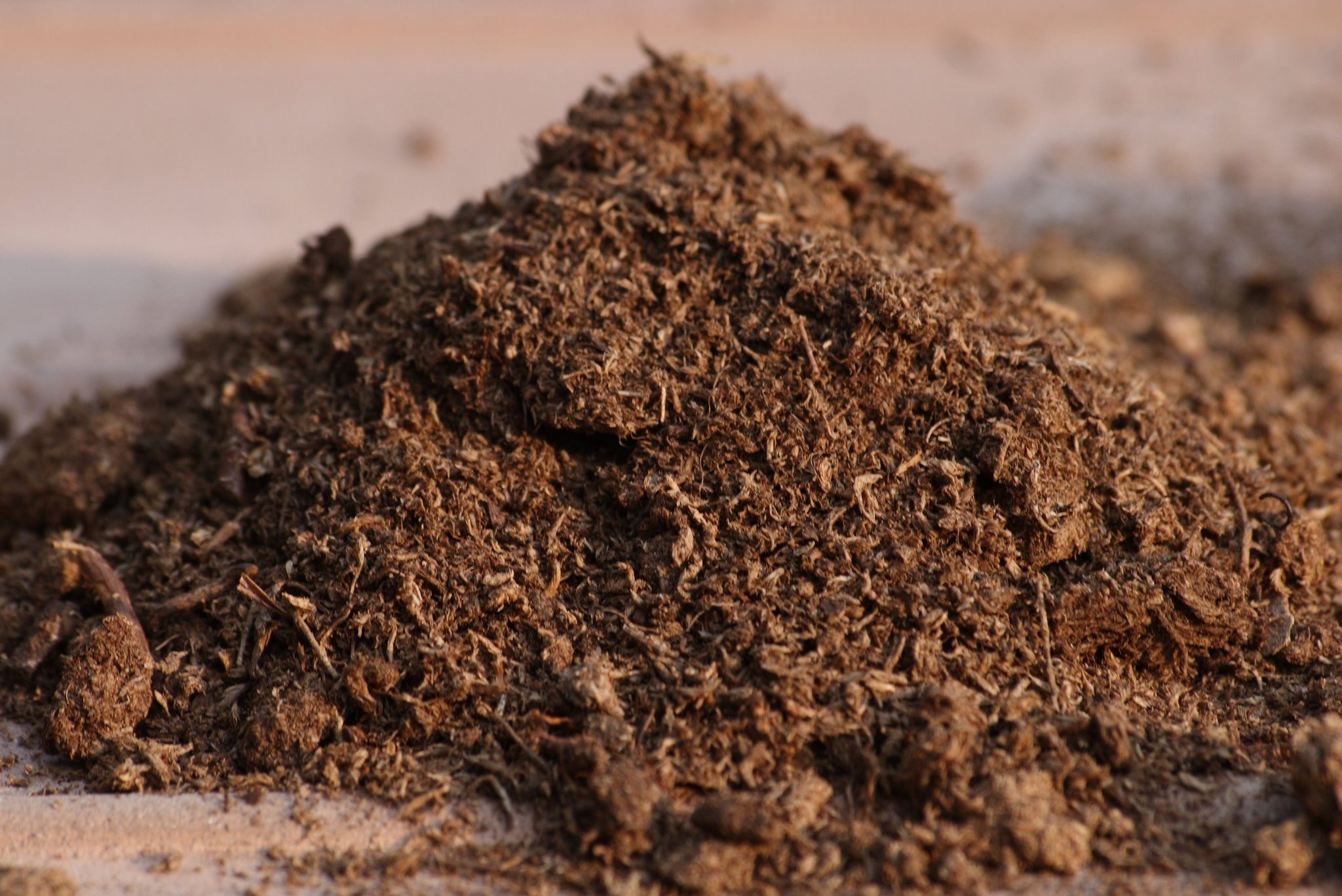
Compost is organic matter that has been decomposed by microbes into a stable, humus rich material. For top dressing, compost should be well finished, meaning that you can no longer identify original materials like leaves, grass, or manure. It should be dark brown to black, crumbly, and have an earthy smell, not sour or like ammonia.

Common compost sources include municipal or commercial compost, yard waste compost, and manure based compost. Municipal compost often comes from collected leaves, grass clippings, and yard trimmings. Yard waste compost you make yourself from kitchen scraps and garden debris can be excellent if properly managed. Manure based compost (from cows, horses, poultry, etc.) can be very rich but needs to be fully composted to avoid weed seeds, pathogens, and high salt levels.
Screened compost has been passed through a mesh (often 3/8 inch) to remove larger sticks and debris. For top dressing lawns, screened compost is strongly preferred because it spreads more evenly and does not leave lumps that interfere with mowing. Unscreened compost can work in planting beds but is harder to spread thinly over turf.
Benefits of Compost as a Top Dressing
Compost is the most versatile top dressing because it improves almost every aspect of soil health. It increases soil organic matter, which enhances aggregation and creates more stable soil structure. This translates to better air and water movement, reduced crusting, and improved root growth. Over multiple years, repeated 1/4 inch applications can significantly lift organic matter in the top few inches of soil.
Nutritionally, compost supplies slow release nitrogen, phosphorus, potassium, and micronutrients in balanced, low salt forms. While compost alone is not always enough to meet a lawn's full nitrogen needs, it reduces dependence on synthetic products and buffers against nutrient spikes that can lead to disease or thatch. If you are deciding between organic and synthetic products, see Organic vs Synthetic Fertilizers for how compost fits into a broader program.
Biologically, compost introduces and feeds beneficial microbes. These organisms break down thatch, release nutrients, and can even suppress some soil borne diseases by outcompeting pathogens. If you see slow growth, pale color, and a hard crusted surface, but your soil test does not show major nutrient deficiencies, low microbial activity and organic matter are often part of the issue. Compost top dressing is one of the main fixes.
Best Uses for Compost Top Dressing
Compost is the go to choice when your main goal is soil improvement and overall turf health. It is ideal for:
- General lawn improvement on compacted or low organic matter soils
- Top dressing after core aeration to fill holes and modify the upper soil layer
- Overseeding cool season lawns to improve seed to soil contact and establishment
- Gradually improving poor native soils without removing and replacing them
It performs well on clay, loam, and sandy soils, though the specific benefits differ. On clay, compost opens the structure and improves infiltration. On sandy soils, it increases water and nutrient holding capacity. If you are not sure of your soil type, start with a soil test. The guide How to Test Your Lawn's Soil explains how to get accurate results and how to read organic matter and texture indicators.
How to Apply Compost: Depth, Timing, and Technique
For established lawns, apply compost at about 1/8 to 1/4 inch depth across the surface. A practical rule is 0.5 to 1 cubic yard per 1,000 square feet. One cubic yard spread over 1,000 square feet is roughly a 1/3 inch layer. For most lawns, staying in the 0.5 to 0.75 yard per 1,000 square feet range is safe and avoids smothering grass.
Timing depends on your grass type. For cool season lawns, early fall is ideal, typically early September to mid October in many regions. Grass is actively growing, temperatures are moderate, and you can combine top dressing with overseeding and fall fertilization. Spring from late April through May can also work, but avoid very wet periods when equipment will compact the soil. For warm season lawns, late spring to early summer, once turf is fully out of dormancy and growing strongly, is best.
Technique matters. Mow the lawn slightly shorter than usual, then, if compaction is an issue, core aerate first. Spread compost in small piles with a wheelbarrow and shovel, then use a leaf rake or leveling rake to work it into the grass canopy. You should still see grass blades poking through, not a solid layer of compost. Water lightly afterward to help compost settle, and then resume normal mowing once grass stands back up, typically within 3 to 7 days.
Risks and Cautions with Compost
Compost is forgiving, but there are a few risks to manage. Using immature or "hot" compost can cause problems. If you see steam coming off a pile, or it smells strongly of ammonia or sourness, it is likely still active. Spreading it directly on turf can burn grass or tie up nitrogen temporarily as microbes finish decomposing material. Confirm your compost is stable by checking for an earthy smell and cool temperature inside the pile.
Manure based composts can contain weed seeds and residual herbicides. Some persistent herbicides used in hay production can carry through animals and remain active in manure and compost, damaging sensitive plants. If you are sourcing manure compost, ask the supplier about inputs and look for documentation or local reviews. Screening out large debris is also important, especially for mechanical mowers.
Finally, compost contributes nutrients, especially phosphorus. If your soil test already shows high phosphorus levels, repeated heavy compost applications can push levels higher than necessary. In that case, moderate the rate, focus on low phosphorus composts, and consider alternating years or using a lighter layer such as 1/8 inch instead of 1/4.
- Penn State Extension recommends no more than 1/4 inch of screened compost per top dressing event on established lawns, applied in fall for cool season grasses to minimize stress and maximize recovery.
Top Dressing with Peat Moss: Moisture Manager and Seed Cover
What Is Peat Moss and How It Behaves in Soil
Peat moss is partially decomposed plant material harvested from peat bogs, dried, and packaged. It has a very high water holding capacity and is often used in potting mixes. In soil, peat moss tends to be acidic, with a pH around 3.5 to 4.5, and has relatively low nutrient content compared to compost.
When dry, peat moss can be hydrophobic, meaning it repels water until it is thoroughly wetted. Once wet, it holds water tightly and releases it slowly. That makes it useful for retaining moisture around seeds or in very sandy soils that dry quickly. Unlike compost, peat moss does not significantly feed soil microbes or provide a wide range of nutrients.
Best Uses for Peat Moss as a Top Dressing
Peat moss shines in two main roles: seed cover and moisture moderation. When overseeding, especially with fine seed like Kentucky bluegrass, a 1/8 inch layer of peat moss helps keep seeds in place, maintains even moisture, and improves germination rates. If you see patchy germination or seed washing away during heavy rain, lack of a light cover like peat moss or compost is often part of the problem.
In very sandy soils where water retention is poor, a thin layer of peat moss can slightly improve moisture holding capacity at the surface. This can be helpful around newly seeded areas or in specific trouble spots that dry out faster than the rest of the lawn. It is not usually the best choice for broad soil improvement, where compost is superior.
Application Depth, Timing, and Technique for Peat Moss
For seed cover, aim for about 1/8 inch of peat moss over the seeded area. You should still be able to see some seed through the layer. Too much peat moss can create a mat that hinders seedling emergence. A standard 3.8 cubic foot compressed bale of peat moss, once fluffed, typically covers around 600 to 800 square feet at this depth.
Timing matches your seeding window. For cool season lawns, that is usually late summer to early fall, often mid August to late September depending on your region. For warm season lawns, late spring to early summer is typical. Spread seed on prepared soil or aerated turf, then spread peat moss on top and lightly rake or drag to ensure seed contact. Water thoroughly so the peat moss is fully wetted. It may take several minutes of watering for dry peat to absorb moisture.
For moisture retention in sandy soils without seeding, a similar thin layer can be used, but many homeowners will benefit more from compost, which improves both moisture and nutrients. If you do use peat beyond seeding, monitor pH over time, because peat moss can gradually acidify the surface soil, which may or may not be desirable depending on your grass type and starting pH.
Environmental and Practical Considerations with Peat Moss
Peatlands store large amounts of carbon and serve as unique ecosystems. Harvesting peat releases stored carbon and can damage these habitats. For that reason, many gardeners reserve peat moss for specific, high value uses like seed starting or targeted seed covers, instead of broad top dressing. Alternatives like composted bark or coir (coconut fiber) are gaining popularity for similar functions with lower environmental impact.
In practical terms, peat moss is also relatively expensive per square foot compared to bulk compost or topsoil. For a large lawn, the cost of using peat moss as a general top dressing can be high. Given its limited nutrient value and environmental cost, most homeowners will use peat moss strategically around overseeding or localized dry spots and rely on compost for broad improvements.
Top Dressing with Topsoil: Leveling and Soil Replacement
What Is Topsoil and Why Quality Varies
Topsoil is the upper layer of soil, usually richer in organic matter and biological activity than subsoil. Commercially sold topsoil, however, can vary widely in composition. Some is screened native soil from construction sites, some is a blend of soil and compost, and some low cost products are closer to fill dirt with little organic content.
When choosing topsoil for top dressing, quality is critical. Good topsoil is dark brown, moderate in organic matter, and crumbly. It should not be sticky like pure clay or very sandy unless you are intentionally matching an existing sandy profile. Avoid products labeled simply as "fill dirt" or that contain obvious chunks of subsoil, rocks, or construction debris.
Best Uses for Topsoil as a Top Dressing
Topsoil is most useful when you need to fill low areas deeper than about 1/2 inch or replace small sections of very poor or contaminated soil. For example, if your yard has depressions that cause mower scalping or water pooling, topsoil can gradually build those areas up to match the surrounding grade.
It is also useful when you need to repair damaged spots, such as where a tree was removed or construction equipment disturbed the area. In that case, you may mix topsoil with compost to create a richer planting medium and use it to reestablish turf. If your basic native soil is reasonable, but you need bulk material for leveling, a good quality topsoil or lawn soil blend may be more cost effective than straight compost.
How to Use Topsoil for Leveling and Repairs
For leveling, the key is to build up gradually so you do not smother grass. A general threshold is that existing grass can grow through about 1/2 inch of added soil at a time. If a low spot is more than 1 inch deep, plan to fill it in multiple sessions per growing season or accept that you will need to reseed or resod that area.
Here is a practical approach:
- Mow the area lower than usual.
- Rake out debris and loosen the surface slightly.
- Spread topsoil into low spots, keeping layers to about 1/2 inch over existing turf.
- Use a leveling rake, straight board, or drag mat to smooth the surface, feathering edges into surrounding turf.
- Water deeply, about 0.5 to 0.75 inches, to help soil settle and roots adapt.
- Monitor for settling over 2 to 4 weeks. If depressions remain and grass has grown through, repeat with another 1/4 to 1/2 inch layer.
For completely bare spots or where topsoil is being used to replace subsoil, you can apply deeper layers because there is no existing grass to smother. In that case, aim for 4 to 6 inches of good topsoil mixed with compost for best root depth, then seed or sod on top. Keep the area evenly moist until establishment.
Risks and Cautions with Topsoil
The main risk with topsoil is mismatching the texture to your existing soil, which can create a distinct layer that impedes water and root movement. For example, adding a heavy, clay rich topsoil over a sandy base can cause water to perch in the upper layer and roots to remain shallow. The opposite, adding very sandy topsoil over clay, can lead to rapid drying at the surface while water still struggles to move downward through the clay.
To reduce this layering effect, try to match the general texture of your existing soil when possible and keep the topsoil layer thin on established turf. Mixing a portion of compost into topsoil can also help create a more gradational transition, especially in the upper 1 to 2 inches.
Weed seeds are another concern. Lower quality topsoil products often contain weed seeds or rhizomes. Inspect the material and, if possible, buy from suppliers who specialize in lawn or landscape blends and have a reputation for clean product. You can also lightly irrigate a small test patch of topsoil for 2 to 3 weeks before spreading widely to see what, if anything, germinates.
- Ohio State University Extension notes that when filling low spots in lawns, existing turf can tolerate being covered with up to about 1/2 inch of soil at a time. Deeper fills should be done in stages or followed by reseeding.
Top Dressing with Sand: Leveling and Drainage, With Important Limits
What Sand Does (and Does Not Do) in Lawns
Sand has large particles and large pore spaces, which many people associate with better drainage. In sports turf and golf greens, carefully engineered sand profiles are used to control water movement. However, these systems are designed from the ground up, with specific sand types and particle size distributions. Spreading sand on top of an existing soil is a different situation.
On a lawn with a significant sand component already, especially common in some coastal or southern areas, a compatible sand can be used as a leveling material. It flows easily, can be spread very thin, and does not break down. On clay based soils, however, adding sand usually does not improve drainage. Instead, it can create a dense, concrete like mixture when sand fills the small pores between clay particles.
When Sand Top Dressing Makes Sense
Sand can be appropriate in a few specific cases:
- Leveling established warm season lawns like Bermuda or Zoysia that are already growing in mostly sandy soil
- Maintaining specialized sports turf or putting greens where the profile is already sand based
- Minor leveling of small humps and bumps where you know your soil texture is compatible with the sand you are using
If you have a dense, clay heavy soil and are seeing puddling or poor drainage, sand top dressing is usually not the fix. In those cases, core aeration combined with compost top dressing and possibly drainage improvements is typically more effective.
How to Apply Sand Top Dressing Safely
If you confirm that your soil is sandy or sandy loam, and you are working on a warm season grass that recovers quickly, you can use sand for leveling. Choose a clean, washed sand with a particle size similar to your native sand. Avoid masonry sand or very fine sands that can compact.
For general leveling, limit each sanding event to about 1/4 inch over the surface. On aggressive warm season grasses that spread by stolons and rhizomes, such as Bermuda, slightly deeper applications up to 1/2 inch in isolated areas are sometimes used, but this is more advanced and should be approached cautiously. You should always see leaf tips above the sand layer after spreading and dragging.
Use a drag mat, leveling rake, or the back of a landscape rake to distribute sand evenly and work it into the canopy. Water lightly to help it settle. If you are combining sand with compost, you can blend the two before spreading to gain some of the structural benefits of sand with the biological and nutritional benefits of compost.
Risks and Cautions with Sand
The main risk is making soil structure worse by creating a layered profile or a hard, compacted mix. If you suspect your soil is clay heavy, do a simple jar test or have texture measured in a soil test. If the test shows more than 40 percent clay, using straight sand as a top dressing is unlikely to help and may cause issues.
Another risk is over applying sand and burying grass, particularly on cool season lawns that do not spread horizontally as aggressively. Unlike Bermuda or Zoysia, which can grow through a thin sand layer relatively quickly during peak growth, cool season grasses may thin out if repeatedly buried.
Finally, sand adds no nutrients or organic matter. If your main problem is poor fertility, low organic matter, or compaction from heavy traffic, compost and cultural practices like aeration are better tools. Sand should be seen as a specialty leveling medium, not a universal fix.
How to Choose: Compost vs Peat Moss vs Topsoil vs Sand
Match Material to Goal and Soil Type
Choosing the best top dressing starts with a simple question: What is your primary problem? If your lawn is thin, pale, and your soil test shows low organic matter or poor structure, compost is almost always the first choice. If germination is your main issue during overseeding, peat moss or compost as a seed cover are both effective, with compost adding more nutrients.
If your concern is deep low spots or uneven grade, topsoil often plays a role along with compost, particularly if depressions are more than 1/2 inch deep. If you have a primarily sandy soil and a warm season grass, sand can be used for precise leveling, sometimes blended with compost. Heavy clay soils, in contrast, are rarely good candidates for sand.
Here is a simple diagnostic pattern: If you can barely push a screwdriver 2 to 3 inches into your soil even when it is moist, compaction and low organic matter are likely, so core aeration and compost are indicated. If you see standing water more than 24 hours after a moderate rain, drainage issues exist, but the fix can be organic matter, grading, or subsurface drainage, not automatically sand. Confirm with a soil texture test before adding mineral materials.
Simple Decision Framework
Use this framework to narrow your choice:
- Goal: Thicker, healthier grass on most soils - Choose compost at 1/8 to 1/4 inch, ideally after aeration.
- Goal: Better seed germination for overseeding - Choose compost or peat moss at about 1/8 inch as a seed cover.
- Goal: Filling low spots deeper than 1/2 inch - Use topsoil mixed with compost, in stages if existing grass is present.
- Goal: Fine leveling on an established, sandy, warm season lawn - Use compatible sand or sand/compost blend at 1/4 inch or less.
Layering and compatibility are the key constraints. Always consider how different textures and organic contents will interact. If in doubt, prioritize compost, which works well with almost all soil types and grass types when applied within recommended depths.
Regional and Seasonal Considerations
Cool season lawns in northern climates benefit most from top dressing in early fall. This is when soil is still warm, air temperatures are cooler, and weeds are less aggressive. Combining core aeration, compost top dressing, and overseeding in a single window between early September and mid October often gives the best return on effort. Spring applications are possible but should be lighter and timed so grass can recover before summer heat.
Warm season lawns in the South and transition zones should be top dressed after full green up, when soil temperatures reach roughly 65 degrees Fahrenheit and consistent growth is visible. For many regions, that is late April through June. Sand leveling on Bermuda or Zoysia is often done during this period so grass can quickly grow through the material and repair any minor damage.
In very wet or very dry climates, adjust timing to avoid extremes. Do not top dress saturated soils, which are easily compacted, or during extreme heat waves when grass is under stress. Allow at least 3 to 4 weeks of active growing conditions after top dressing before expecting visible recovery or making additional applications.
Recommended products
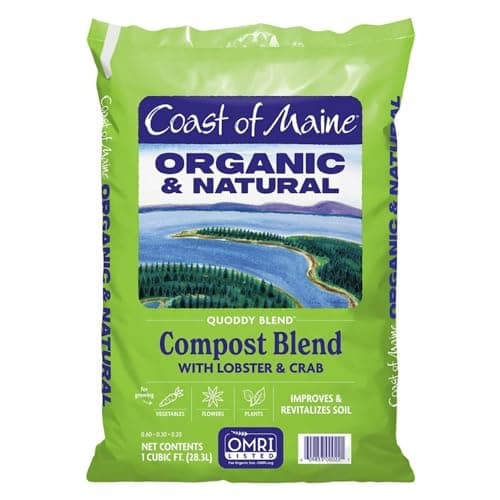
Coast of Maine Quoddy Blend Lobster Compost
A finished compost dark enough to sift into turf without smothering it.
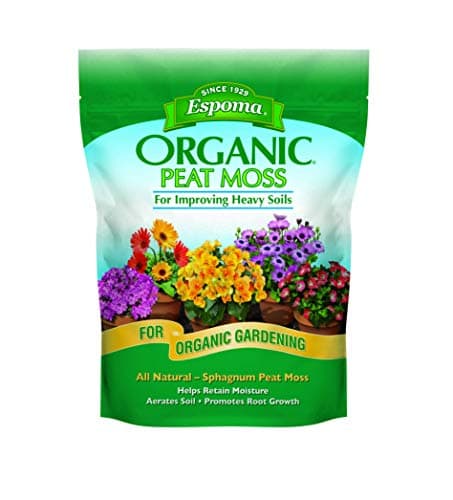
Espoma Organic Peat Moss
A high water-holding seed cover for germination rather than a general soil builder.
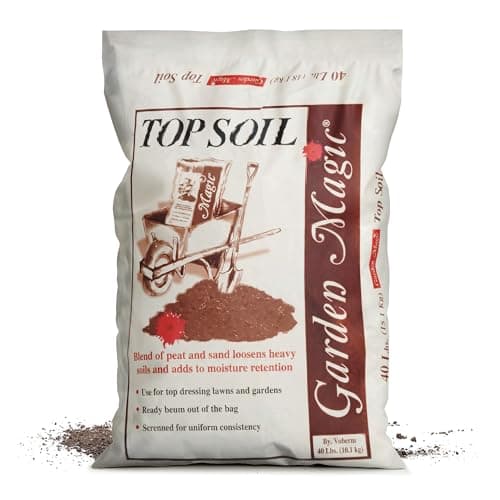
Michigan Peat Garden Magic Organic Top Soil
A bagged screened topsoil for filling low spots and smoothing minor surface bumps.
Combining Materials: Blends for Better Results
Common and Effective Blends
In many cases, blending materials gives better results than using a single one. A widely used mix for lawns is a 70/30 or 60/40 blend of compost and topsoil. This creates a material that levels reasonably well, has good structure, and provides nutrients and organic matter. It is excellent for filling low spots where you also want to encourage strong root growth.
Another useful blend is compost with sand, especially on sandy or sandy loam soils. Mixing 50 percent compost with 50 percent sand by volume can provide a stable, free flowing material that is easier to level than compost alone while still delivering biological benefits. This is common in sports turf management on sand based fields.
Peat moss is usually blended into seed starting or lawn repair mixes rather than used alone over large areas. For example, a mixture of compost, peat moss, and perlite or sand might be used for starting plugs or repairing small bare patches.
How to Mix and Apply Blends
When mixing your own blend, a small cement mixer, wheelbarrow, or tarp can be used. On a tarp, measure volumes with buckets, dump materials, and use a shovel to fold and mix until the color and texture are uniform. Try to avoid very wet compost when mixing with sand or soil, since it can clump and resist blending.
Application depths are similar to single materials. For a compost/topsoil blend on established turf, keep total depth to 1/4 inch or less if grass is present, or follow the 1/2 inch per pass rule for filling deeper low spots over time. For sand/compost blends on sandy warm season lawns, 1/4 inch is a common maximum per application. Always rake or drag blends into the canopy so grass blades are not completely buried.
When Blends Are Preferable to Single Materials
Blends are particularly helpful when you want to level and improve soil at the same time. Straight compost can be fluffy and slower to settle, while straight topsoil may be lower in organic matter. A compost/topsoil blend balances these traits. Similarly, if you must use sand for leveling on a sand based lawn, adding compost moderates the purely mineral nature of sand and helps avoid some layering issues.
If you are unsure which blend ratio to use, start with a small test area of your yard. Observe how it spreads, settles, and how your grass responds over 2 to 4 weeks. Adjust your ratio based on ease of use and visible results before committing to the entire lawn.
What Other Guides Miss: Common Mistakes to Avoid
Mistake 1: Using Sand on Clay Soils to "Fix Drainage"
Many online articles suggest sand as a universal solution for soggy lawns. In reality, putting sand on top of clay often creates a denser, layered system that drains worse. If you see water standing for more than 24 hours and your soil test or texture test indicates high clay content, the correction is usually increasing organic matter and improving grading, not adding sand.
Confirm your soil type with a test and use the screwdriver test: if you cannot push a screwdriver 4 to 6 inches into moist soil, you likely need aeration and compost first. Sand should only be considered after you know your native soil texture and only if it already has significant sand.
Mistake 2: Burying Grass Under Too Much Material at Once
Another frequent mistake is trying to fix deep low spots in a single heavy application. When you cover existing grass with more than about 1/2 inch of soil or mix, you block light and gas exchange, and turf can die. This leads to patchy results and more work reseeding.
Instead, fill gradually or accept that some areas will need to be stripped and rebuilt with new soil and seed. Staging fills in 1/4 to 1/2 inch layers every 3 to 4 weeks during active growth minimizes stress. This timeline may extend results over a season, but produces a more even, healthy lawn in the long term.
Mistake 3: Ignoring Soil Tests and pH Before Top Dressing
Top dressing is most effective when guided by actual soil data. Skipping a soil test can lead to stacking nutrients you already have in surplus or missing underlying issues like very low pH. For instance, if your soil is strongly acidic and your grass species prefers a neutral pH, adding compost alone will not fix that. You need to address pH with lime or other amendments as described in How to Improve Soil pH for Grass.
Before a major top dressing project, especially if you plan repeated applications over years, test your soil. Look for organic matter percentage, texture, pH, and nutrient levels. This data will fine tune your choice among compost, topsoil blends, and whether peat moss is appropriate.
Mistake 4: Expecting Instant Results
Top dressing improves soil incrementally. While you may see some cosmetic improvement within a few weeks, especially after overseeding, the deeper benefits build over seasons. If your organic matter is very low, it may take 3 to 4 annual compost applications to see a dramatic change in soil feel and water behavior.
Set expectations accordingly. If you apply compost in early fall, you can typically expect visible turf density and color improvements by the following late spring, assuming proper mowing, watering, and fertilization. For structural changes like reduced pooling or easier digging, look over 1 to 3 years, not weeks.
Putting It All Together: A Seasonal Top Dressing Plan
Cool Season Lawn Example Plan
For a cool season lawn with moderate compaction and thin growth, a one year plan might look like this:
- Spring (late April to May): Soil test, light core aeration if needed, spot top dress worst areas with compost/topsoil blend, overseed bare patches, regular mowing at 3 to 4 inches, and a balanced spring fertilizer as per Best Fertilizers for Lawns.
- Late Summer to Early Fall (late August to early October): Main overseeding window. Core aerate, spread 1/4 inch of screened compost across the lawn, overseed as needed, use peat moss or compost as light seed cover where soil is exposed, and maintain even moisture for 2 to 3 weeks.
- Late Fall: Apply a final fertilizer if your program recommends it, monitor settling of filled spots, and plan for follow up top dressing the next year if organic matter is still low.
Warm Season Lawn Example Plan
For a warm season Bermuda lawn on sandy soil with minor bumps and thatch, a plan might be:
- Spring (soil temps above 65 F, often late April to May): Light dethatching if thatch exceeds 1/2 inch, core aeration, and a light compost top dressing at 1/8 to 1/4 inch.
- Early Summer (June): Sand or sand/compost blend leveling at no more than 1/4 inch over the surface, focusing on high traffic areas, then consistent watering at 1 to 1.25 inches per week total from rain and irrigation.
- Late Summer: Evaluate for any remaining low spots, spot repair with compost/topsoil, and adjust mowing height to recommended range for your species.
In both lawn types, revisit soil testing every 2 to 3 years to track changes in organic matter and nutrient levels and adjust your top dressing strategy accordingly.

Conclusion: Choosing the Best Top Dressing for Your Lawn
The answer to "most common top dressing compost peat moss topsoil sand which is best for you" is rarely a single material in every situation. Compost is the most broadly useful and safest starting point for improving soil health, while peat moss is best reserved for seed covers and very specific moisture issues. Topsoil is your main tool for filling deeper low spots and doing repairs, and sand is a specialty material for compatible, sand based warm season lawns where fine leveling is needed.
Start with a soil test, a screwdriver test, and a clear goal for your lawn. Then match the material, depth, and timing to your grass type and climate. If you want a deeper dive into building your own soil amendments, including making high quality compost, check out Composting for a Healthier Lawn for step by step guidance you can pair with the top dressing strategies in this guide.
Ready to spread? See exactly how much topsoil you can put on top of grass, with safe depths, coverage math, and the step-by-step process.
Top Picks
- Encap Fast Acting Pelletized Lime (25 lb)Check price on Amazon
- Premium Lawn Top Dressing Coco Coir MixCheck price on Amazon
- Outsidepride Maya (Blackjack II) Bermuda Grass Seed (5 lb)Check price on Amazon
As an Amazon Associate we earn from qualifying purchases.
Free Lawn Care Tools
Top dressing is the practice of applying a thin, even layer of material over an existing lawn or planting bed. The layer is typically 1/8 to 1/4 inch thick, sometimes up to 1/2 inch in targeted low spots. The goal is not to bury the grass, but to lightly cover the soil surface and filter material down between the blades.
Compost is a strong choice if your main goal is healthier soil and thicker grass. Do a simple soil test and a screwdriver test: if a screwdriver is hard to push more than 3–4 inches into the ground and your organic matter is below about 4–5 percent, compost top dressing is likely beneficial. A 1/4 inch layer after core aeration helps add organic matter, improve structure, and support microbes. Over time, this improves root growth, nutrient availability, and lawn density.
Cool-season grasses like Kentucky bluegrass, tall fescue, and perennial ryegrass respond best to top dressing in spring and fall, when they are actively growing. Warm-season grasses like Bermuda, Zoysia, and St. Augustine handle leveling and heavier top dressing better in late spring through summer. A good rule of thumb is to top dress when soil temperatures are roughly 55–70°F and the turf is actively growing. That timing helps grass recover quickly from the disturbance.
Top dressing adds a thin layer of material over the lawn surface to improve soil and lightly level the turf. Core aeration removes plugs of soil to relieve compaction and create channels for air and water movement. Dethatching pulls up and removes the layer of dead stems and roots between soil and grass blades. Top dressing is often paired with aeration, but it does not remove material like dethatching or fully restart a lawn like a complete renovation.
Peat moss is best used for covering seed during overseeding and for slightly improving moisture retention in very sandy or drought-prone lawns. It helps keep seed moist and in good contact with the soil surface. Compost is generally better when the main goal is boosting soil health, organic matter, and nutrient cycling. Because peat is a finite resource with environmental concerns, it’s usually limited to targeted uses rather than broad soil improvement.
Sand should be used carefully and only in specific situations. It can work for leveling low areas on established Bermuda or Zoysia lawns that already grow in sandy soil, but it is usually a poor choice on clay-based lawns. Spreading straight sand over clay often worsens compaction and drainage instead of improving it. For most low spots or soil replacement needs, topsoil or a compost/topsoil blend is safer and more effective.
Photos: Anna Shvets / Pexels, Karola G / Pexels, S. Schön. / Pexels

Beat weeds and brown spots from your phone
Snap a photo, get the fix, and follow a plan timed to your soil and weather. Free on iPhone.