Cool-Season vs Warm-Season Grass: How to Pick the Right Type for Your Lawn
 Marcus GreenTurf Management Pro | 18 Years
As an Amazon Associate we earn from qualifying purchases.
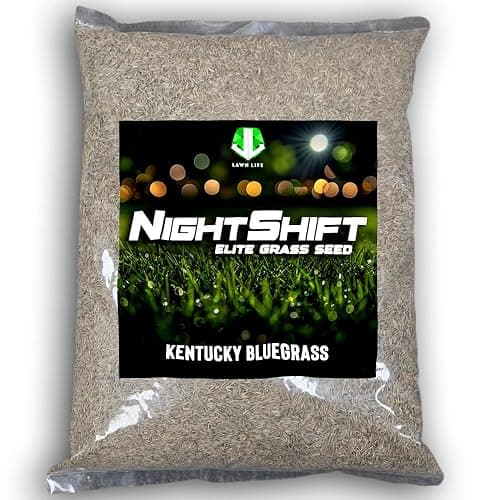
Cool-season grasses (Kentucky bluegrass, tall fescue, ryegrass) thrive in temperatures between 60 and 75 degrees and grow best in the northern U.S. Warm-season grasses (Bermuda, Zoysia, St. Augustine) prefer 80 to 95 degrees and dominate in the South. Your USDA hardiness zone and local climate are the biggest factors in choosing the right grass. Use our Grass Comparison Tool to compare varieties side by side. In the transition zone? See Tall Fescue vs Bermuda for the year-round-green versus summer-tough call.
Cool-Season or Warm-Season Grass? (Quick Answer by Climate Zone)
The fastest way to choose is by latitude: if you live north of roughly the 37th parallel, plant cool-season grass; south of the 33rd parallel, plant warm-season; between the two, you are in the transition zone and either category can work. Cool-season grasses grow fastest at air temperatures of 60 to 75 degrees Fahrenheit, go semi-dormant in summer heat, and stay green into winter. Warm-season grasses grow fastest above 80 degrees, brown out and go fully dormant in winter, and recover from drought and heat far better than cool-season. Pick a single climate group and stay inside it; mixing cool-season seed into a warm-season lawn (or the reverse) almost always fails.
| Region | Pick | Examples | Why |
|---|---|---|---|
| North (above 37°N) | Cool-season | Kentucky bluegrass, tall fescue, fine fescue, perennial ryegrass | Winters too cold for warm-season survival; cool-season stays green most of the year. |
| Transition (33–37°N) | Either | Tall fescue (cool), zoysiagrass or bermudagrass (warm) | Both work; pick by your shade, water budget, and traffic level instead of climate. |
| South (below 33°N) | Warm-season | Bermudagrass, zoysiagrass, St. Augustinegrass, centipede, bahiagrass | Summer heat fries cool-season; warm-season thrives where cool-season cannot. |
| Gulf Coast / sub-tropical | Warm-season | St. Augustinegrass, centipede, bahiagrass | Humidity and salt tolerance matter; St. Augustine handles both. |
If you know your USDA hardiness zone, zones 3 to 6 are reliably cool-season territory, zones 9 to 10 are warm-season, and zones 7 and 8 are the transition.
The Fundamental Difference Between Cool-Season and Warm-Season Grasses
After 18 years managing golf courses and residential lawns across multiple climate zones, I can tell you that choosing the right grass type is the single most important lawn care decision you'll make. Get it right, and maintenance becomes straightforward. Get it wrong, and you'll fight an uphill battle every season.
The distinction between cool-season and warm-season grasses comes down to biology. These two groups of turfgrasses use different photosynthesis pathways (C3 for cool-season, C4 for warm-season), which determines when they grow, how they handle heat and cold, and what kind of care they need.
Cool-Season Grasses at a Glance
Cool-season grasses grow most actively in spring and fall when soil temperatures are between 50 and 65 degrees Fahrenheit. They slow down or go semi-dormant during hot summers and stay green later into fall than warm-season varieties. The most common cool-season grasses are:
- Kentucky Bluegrass: Dense, dark green, self-repairing through rhizomes. Needs moderate to high maintenance. Best in full sun.
- Tall Fescue: Deep-rooted, drought-tolerant for a cool-season grass, handles some shade. Lower maintenance than bluegrass.
- Perennial Ryegrass: Fast germination (5 to 10 days), fine texture, excellent wear tolerance. Often used in seed mixes.
- Fine Fescues: Best shade tolerance of any cool-season grass, very low maintenance. Includes creeping red fescue and chewings fescue.
Warm-Season Grasses at a Glance
Warm-season grasses hit peak growth when soil temperatures reach 65 to 70 degrees and air temperatures are between 80 and 95 degrees. They go dormant and turn brown after the first hard frost, greening up again in late spring. The most popular warm-season grasses include:
- Bermuda Grass: Extremely heat and drought tolerant, aggressive grower, recovers quickly from damage. Needs full sun and regular mowing.
- Zoysia Grass: Dense, carpet-like texture. More shade tolerant than Bermuda. Slow to establish but very low maintenance once mature.
- St. Augustine Grass: Excellent shade tolerance for a warm-season grass, broad leaf blades. Thrives in humid coastal climates.
- Centipede Grass: The "lazy man's grass." Low fertility requirements, slow growth, minimal mowing. Prefers acidic soils.
- Buffalo Grass: Native prairie grass, extremely drought tolerant. Great for low-input lawns in the central and western U.S.
How Climate Determines Your Best Choice
The U.S. is broadly divided into three turfgrass zones based on climate:
The Cool-Season Zone (Northern U.S.)
Roughly everything north of a line from northern Virginia through Kentucky, across southern Missouri, Kansas, and into northern California. If your winters regularly drop below 0 degrees Fahrenheit and summers are moderate, cool-season grasses are your best bet.
Kentucky bluegrass and tall fescue dominate this zone. In shaded yards, fine fescue blends are excellent performers. If you need fast establishment, add perennial ryegrass to your seed mix.
The Warm-Season Zone (Southern U.S.)
The Deep South, Gulf Coast, and lower Southwest. If your winters rarely see sustained temperatures below 20 degrees and your summers are long and hot, warm-season grasses will outperform anything else.
Bermuda is king for full-sun lawns in this zone, especially in areas with heavy use. St. Augustine dominates in humid coastal areas with shade. Zoysia is an excellent all-around choice for homeowners who want something dense and relatively low maintenance.
The Transition Zone: The Hardest Place to Grow Grass
The transition zone stretches across the middle of the country, roughly from Virginia through Tennessee, across Arkansas, and into Oklahoma and northern Texas. It also includes parts of the mid-Atlantic and lower Midwest. This zone is too hot in summer for cool-season grasses to be completely comfortable and too cold in winter for warm-season grasses to avoid extended dormancy.
If you live in the transition zone, your best options are:
- Tall fescue: The most reliable cool-season choice. Its deep root system handles summer heat better than bluegrass.
- Zoysia: The most cold-tolerant warm-season option. It will go brown in winter but handles the cold better than Bermuda or St. Augustine.
- Bermuda/tall fescue blend: Some homeowners overseed a warm-season Bermuda base with tall fescue for extended green color, though this requires careful management.
Not sure what grass you currently have? Our guide on how to identify your grass type by look and feel can help you figure that out first.
Matching Grass to Your Yard Conditions
Climate zone is the starting point, but your specific yard conditions matter just as much. Here's how to narrow down your choice.
Sun Exposure
Full sun (6+ hours of direct sunlight daily) opens up all your options. But if parts of your lawn get less than 4 hours of direct sun, your choices narrow significantly:
- Best shade performers (cool-season): Fine fescues, tall fescue
- Best shade performers (warm-season): St. Augustine (particularly the Palmetto and CitraBlue varieties), Zoysia
- Poor shade tolerance: Kentucky bluegrass, Bermuda grass, Buffalo grass
For a deeper look at sun requirements, check out our post on best grass types for full sun.
Foot Traffic and Use
If your lawn sees heavy use from kids, pets, or entertaining, you need a grass that recovers quickly from wear:
- High traffic tolerance: Bermuda, perennial ryegrass, tall fescue, Zoysia
- Moderate traffic tolerance: Kentucky bluegrass (recovers well due to rhizomes but wears down faster initially)
- Low traffic tolerance: Fine fescues, centipede, St. Augustine
Water Availability
If you're in a drought-prone area or want to minimize irrigation costs:
- Most drought tolerant: Buffalo grass, Bermuda grass, tall fescue, Zoysia
- Moderate water needs: Kentucky bluegrass (goes dormant but recovers), centipede
- Higher water needs: St. Augustine, perennial ryegrass, fine fescues
Maintenance Level
Be honest about how much time you want to spend on your lawn. Some grasses demand a lot more attention than others:
- Low maintenance: Buffalo grass, centipede, fine fescues, tall fescue
- Moderate maintenance: Zoysia, Kentucky bluegrass
- High maintenance: Bermuda (frequent mowing, edging, dethatching), perennial ryegrass (needs overseeding)
If keeping things simple is your priority, our guide to best low-maintenance grass types goes into more detail on the easiest options.
Common Mistakes When Choosing Grass
I see the same mistakes come up again and again. Here are the ones to avoid:
- Choosing based on appearance alone. That lush Bermuda lawn your neighbor in Atlanta has will not look like that in Cleveland. Climate compatibility comes first, aesthetics second.
- Ignoring your shade patterns. Many homeowners plant Bermuda in partly shaded yards and then wonder why it thins out every year. Know your sun exposure before you pick a grass type.
- Planting at the wrong time. Cool-season grasses should be seeded in early fall (late August through October). Warm-season grasses should be planted in late spring to early summer (May through July). Planting outside these windows dramatically reduces your success rate.
- Skipping soil testing. Some grasses have strong soil pH preferences. St. Augustine and centipede prefer slightly acidic soil, while Kentucky bluegrass does best in neutral to slightly alkaline conditions. A $20 soil test can save you hundreds in failed plantings.
Compare Your Options Side by Side
There's a lot to consider, and trying to keep all these factors straight in your head gets complicated fast. That's exactly why we built the Grass Comparison Tool. You can select any two or more grass types and compare them across maintenance level, sun requirements, drought tolerance, traffic resistance, and more. It's the fastest way to narrow down your choices and feel confident you're picking the right grass for your specific situation.
Whether you're starting a lawn from scratch, renovating an existing one, or just trying to figure out if you have the right grass type for your climate, getting this decision right from the start saves you years of frustration and wasted money down the road.
Free Lawn Care Tools
Generally, no. Warm-season grasses like Bermuda and St. Augustine cannot survive the extended freezing temperatures of northern winters. Zoysia is the most cold-tolerant warm-season option and can survive in the southern portions of the transition zone, but it will go dormant for 4 to 5 months. For northern climates, stick with cool-season grasses like tall fescue and Kentucky bluegrass.
The transition zone is a band across the middle of the U.S. (roughly Virginia to Oklahoma) where summers are too hot for cool-season grasses to thrive and winters are too cold for warm-season grasses to stay green. The best options for this zone are tall fescue (cool-season) or Zoysia (warm-season), both of which handle the temperature extremes better than other varieties in their respective categories.
It's generally not recommended because they have different growing seasons, mowing heights, and maintenance needs. The one common exception is overseeding a warm-season Bermuda lawn with perennial ryegrass in fall for winter color. However, this requires careful management to ensure the ryegrass doesn't compete with the Bermuda when it greens up in spring.
Look at the leaf blade width, growth habit, and color. Cool-season grasses tend to have wider blades and stay green in fall and spring. Warm-season grasses have finer blades (except St. Augustine), spread aggressively through stolons or rhizomes, and go brown after frost. For a detailed identification guide, use our grass identification tool or check our blog post on identifying your grass type by look and feel.

Your lawn plan, in your pocket all season
Grass ID, a season plan, soil-timed reminders, and a lawn journal that remembers what you did. Free on iPhone.