Best Lawn Weed Killer for Beginners
 Sarah MitchellLawn Diagnostics Specialist | 12 Years
As an Amazon Associate we earn from qualifying purchases.
If your lawn feels like more weeds than grass, the labels in the herbicide aisle do not make it easier. "Selective," "pre-emergent," "post-emergent," "systemic" - they all matter, and using the wrong type at the wrong time can thin or even kill a lawn, especially for beginners.
Choosing the best lawn weed killer for beginners is not just about getting rid of dandelions. It is about matching the product to your grass type, the weeds you actually have, your season, and your comfort level with mixing and spraying. Done right, you protect property value, keep kids and pets safer, and avoid creating bare spots that invite even more weeds.
When I say "best," I mean a product or approach that is effective, has a good margin of error, is clearly labeled for lawns, is reasonably forgiving if you are not perfect, and is easy to find at big-box stores or online. It also needs to fit your region and grass type, because a weed killer that is great on Kentucky bluegrass can burn St. Augustine badly.
In this guide, I will walk you through how to quickly identify your grass and weed types, which weed killers are truly beginner friendly, and which I would avoid until you have more experience. We will go step by step through application plans for different situations, talk about timing and seasons, and highlight safety and common mistakes that most guides skip.
By the end, you should not just have a list of products. You will have a simple decision path: what is the best lawn weed killer for beginners in your specific lawn, with your weeds, this season.
If your lawn has scattered dandelions, clover, or broadleaf weeds mixed into otherwise decent grass, the best lawn weed killer for beginners is usually a ready-to-spray or ready-to-use selective broadleaf herbicide labeled "safe for lawns" and for your specific grass type. Confirm your weeds are broadleaf by looking for flat, wider leaves and obvious flowers, not grassy blades that blend with your turf. If at least 80 percent of your green cover is still grass and not weeds, spot treating or doing a single blanket spray in spring or fall is appropriate.
Avoid non-selective products like straight glyphosate on your lawn, and avoid mixing concentrate unless you are comfortable measuring and calibrating. Apply on a calm, dry day with temperatures between about 60 and 85 degrees Fahrenheit, and skip mowing for 1-2 days before and after so there is enough leaf area for the herbicide to absorb. You should see weeds start curling or yellowing in 5-10 days, with full kill often taking 2-3 weeks. If weeds are still present after 3-4 weeks and the label allows, a second application is usually safer and more effective than trying to "double up" the first dose.
Understanding the Basics: Weeds, Lawns, and Weed Killers
What "Best Lawn Weed Killer for Beginners" Really Means
When I walk the herbicide aisle with new homeowners, the first thing I do is strip away marketing terms and talk about what "best" actually has to mean for a beginner.
From a beginner's point of view, the best lawn weed killer has four key traits: it is hard to misuse, the label is clear, it is selective enough to leave your grass intact, and you can find it easily. "Hard to misuse" means it has a decent margin of error. If you are off by a small amount in coverage or timing, you do not wipe out your lawn. Ready-to-use sprays and hose-end bottles tend to shine here because there is no mixing and very little math.
Clear labeling matters more than most people realize. If you are new, you want to see phrases like "for use on established lawns" and "kills listed weeds, not the lawn" with your grass type specifically mentioned. The more a product relies on fine-print exceptions, the less beginner friendly it is.
There is also a big difference between "best lawn weed killer" and "best overall weed killer." Some of the strongest products on the market are non-selective herbicides meant for driveways, walkways, and beds. They kill almost any green plant. They might be the "best" at killing weeds in general, but they are not the best for use over a lawn, especially for a first-time user.
Finally, expectations matter. One spray will not turn a weedy lawn into a golf course. What a single treatment can do, if you choose correctly, is knock back the current flush of weeds so your grass can recover. The real "best" weed killer for beginners is often a combination: a selective post-emergent for the weeds you see now, possibly a pre-emergent at the right season for annuals like crabgrass, and a few cultural fixes like mowing and fertilizing correctly so the lawn can compete.
Know Your Grass Type Before Anything Else
Before you even look at weed killer labels, you need to know what grass you are protecting. This is the first fork in the decision tree, and it is where many herbicide disasters start.
Broadly, lawns fall into cool-season or warm-season grasses. Cool-season grasses grow best in spring and fall. In the northern half of the United States you will most commonly see:
- Kentucky bluegrass
- Perennial ryegrass
- Tall fescue
- Fine fescues (creeping red, hard fescue, chewings)
Warm-season grasses prefer hot summers and mild winters. In the southern and transition zones, common types are:
- Bermudagrass
- Zoysia
- St. Augustinegrass
- Centipedegrass
- Buffalograss (more regional and lower input)
Some herbicides are safe on Kentucky bluegrass but will injure St. Augustine or centipede badly. St. Augustine and centipede in particular are sensitive to many common 3-way broadleaf herbicides if applied at high temperatures or high rates.
If you are unsure of your grass type, do not guess. A few simple options help you get it right:
First, you can bring a small clump (roots and blades) to a local garden center with a knowledgeable staff. Many can tell you at least cool vs warm season, and often the specific species. Second, most county extension offices will help you identify it from a sample or clear photos. Third, there are lawn care apps that can get you close, especially if you already know your region.
You can also compare your lawn to regional guides. For example, look at blade width, color, and growth pattern. Fine fescues have very thin, soft blades and form clumps. Kentucky bluegrass has boat-shaped tip blades and spreads by rhizomes. St. Augustine has very coarse, wide blades and above-ground stolons. If you want more detail, a guide like How to Identify Your Lawn Grass Type can help you match photos and descriptions.
Once you know your grass, keep that name in your pocket. When you pick up any weed killer, your first move is to look for that grass type on the label under "tolerant species" or "use on the following lawns."
Know Your Enemy: Weed Types 101
Now that we know what we are protecting, we need to identify what we are targeting. The symptom you are seeing usually points to one of a few things, and matching weed type to herbicide type is critical.
For lawns, weeds fall into three basic categories:
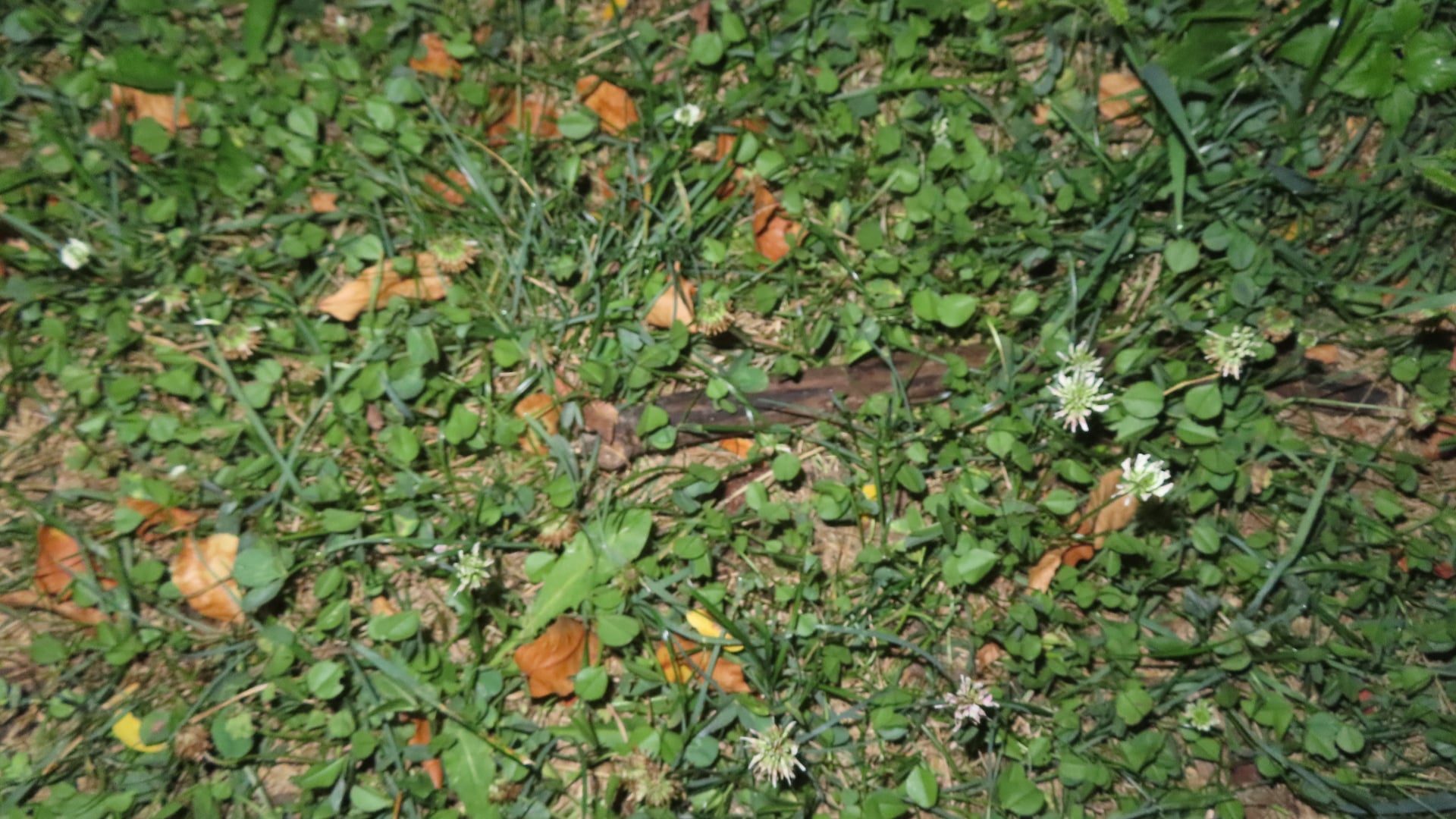
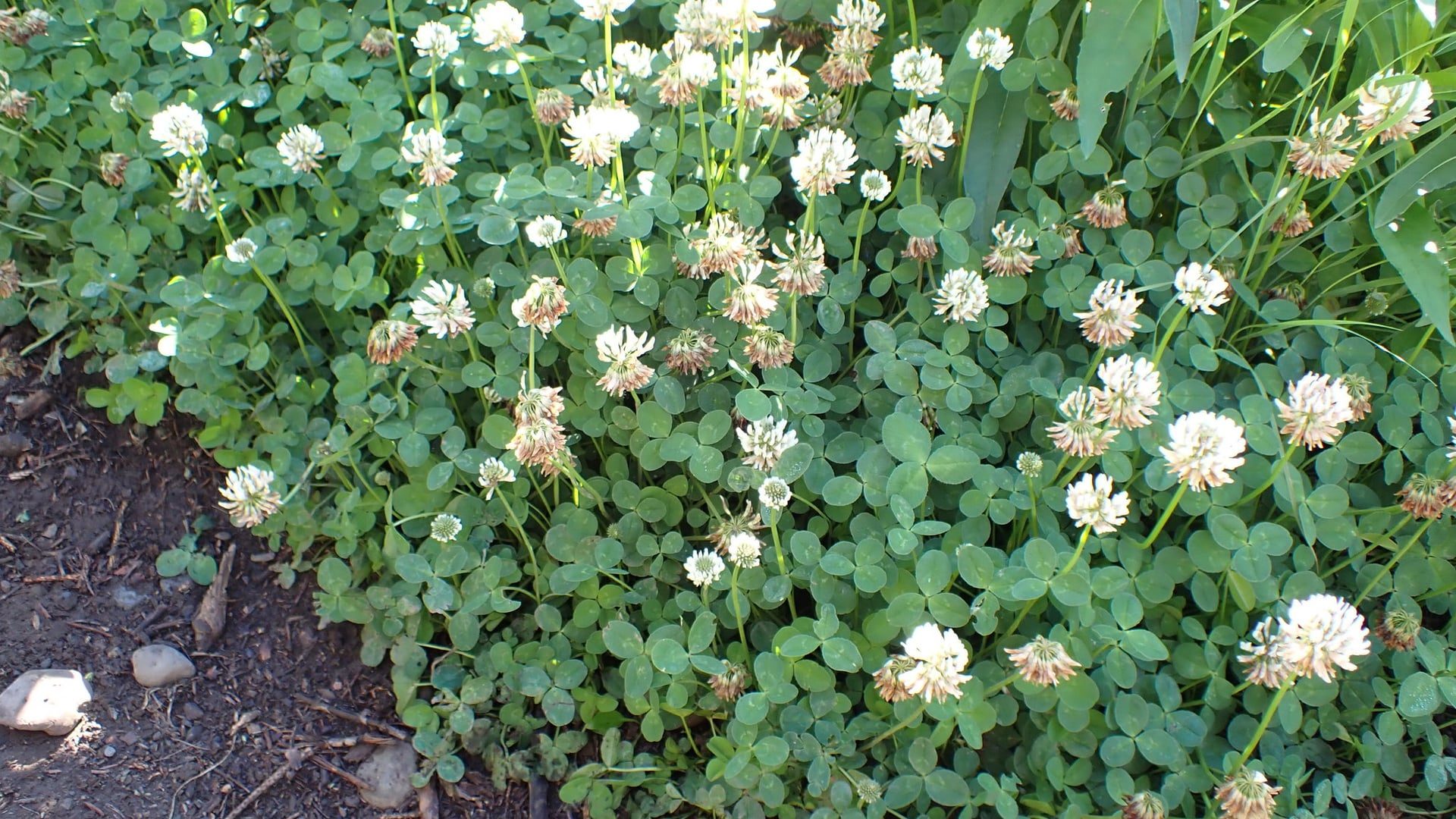
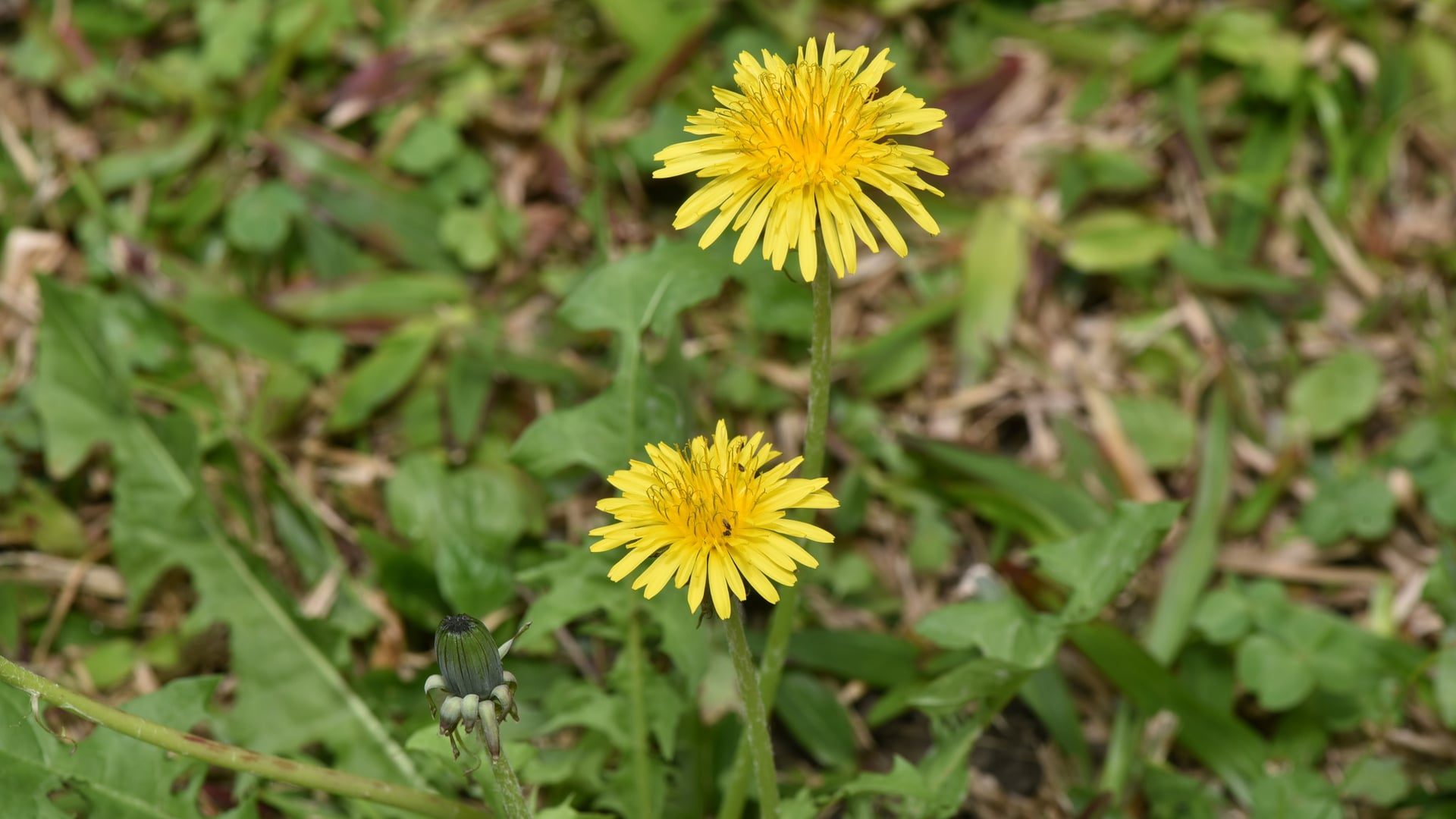
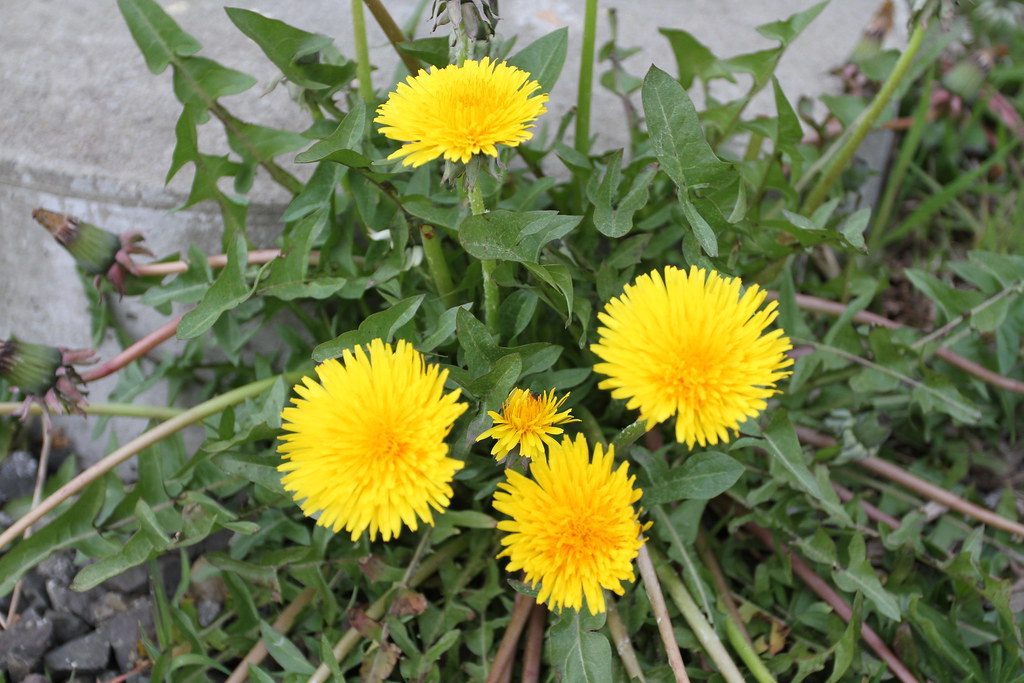
Broadleaf weeds have wider leaves and often obvious flowers. Classic examples are dandelions, white clover, plantain, chickweed, and ground ivy. These are usually the first weeds beginners want gone and the ones most selective lawn herbicides target. Broadleaf weeds are generally easier to control selectively, which is why most "safe for lawns" weed killers are broadleaf-focused.
Grassy weeds look like grass. Crabgrass, foxtail, quackgrass, and annual bluegrass are typical. The problem is your desirable lawn grass is also a grass. That makes selectivity much harder. Crabgrass and some others can be prevented with pre-emergent herbicides, but once they are mature, options that will not harm desirable grass are limited.
Sedges like yellow nutsedge and purple nutsedge look grass-like but are actually a different group of plants. They have triangular stems (you can feel it by rolling a stem between your fingers) and often grow faster and taller than lawn grass. Most "broadleaf" weed killers will not touch sedges, so they require specialized products.
Another critical distinction is annual vs perennial weeds. Annuals like crabgrass sprout from seed, live one season, and die. If you stop them from germinating with a pre-emergent herbicide in early spring when soil temperatures reach about 55 degrees Fahrenheit, you prevent most of the problem. Perennials like dandelions and plantain survive year to year with robust root systems, so post-emergent systemic herbicides are key.
For beginner friendly identification, you do not need to know every species. You do need to know: is it broadleaf or grassy or a sedge, and is it an obvious annual weed that appears in a big flush in spring or summer, or something that seems to be there every year with deep roots.
To get more confident, you can use a local extension weed guide or a phone app to cross check. A resource like Common Lawn Weeds and How to Identify Them is also helpful to visually match what you see in your yard. Take closeup photos of leaves, flowers, and overall growth pattern. If you are stuck, your extension office can usually ID from good pictures.
Types of Lawn Weed Killers (and Which Are Best for Beginners)
Selective vs Non-Selective Weed Killers
This is the first division I want beginners to understand because it prevents the costliest mistakes.
Selective herbicides are designed to kill certain plants and not others. Most lawn weed killers aimed at homeowners are selective broadleaf herbicides. They target dandelions, clover, plantain, and other broadleaf weeds while leaving cool-season turfgrasses relatively unharmed when used according to the label.
These are usually the best lawn weed killer for beginners, particularly in ready-to-use or "weed and feed" forms. Labels often say "lawn weed killer," "for use on established turf," and list common broadleaf weeds. As long as your grass type is listed as tolerant and you stay within the recommended rates, the margin of error is reasonably wide.
Non-selective herbicides kill or severely damage most plants they contact. Glyphosate-based products are the most common example, but there are also non-selective organic products that burn down any green tissue they touch.
These have important uses for edging along sidewalks, controlling weeds in gravel driveways, or killing an area of lawn before renovation. However, they are not the right starting point for a beginner trying to clean up a weedy lawn. A light breeze or a mis-aimed spray can leave dead streaks in turf, and there is no "undo" once applied.
For first time lawn work, I usually reserve non-selectives for very specific tasks like spot treating tough perennial weeds in cracks or killing off a 100 percent weedy patch before reseeding. Even then, I stress using shielded sprayers or a foam brush to avoid accidental contact with desirable grass.
Contact vs Systemic Weed Killers
The next helpful distinction is how the herbicide moves, or does not move, in the plant.
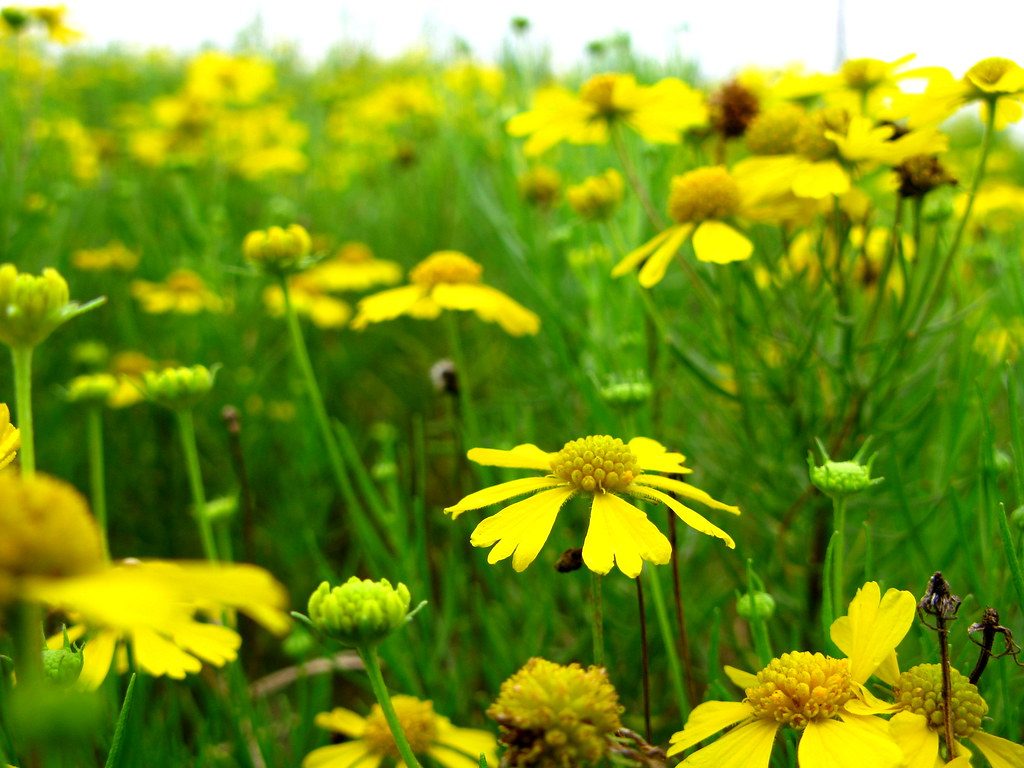
Contact herbicides only affect the parts of the plant they touch. They burn or disrupt cell membranes on contact, leading to rapid browning of exposed leaves. Many organic "vinegar and herb oil" products work this way, as do some synthetic contact herbicides.
Contact products can be satisfying because you see weeds wilt within hours to a couple of days. However, for perennial weeds with deep roots, contact herbicides often only burn the top growth. The plant regrows from the root system, so they are better suited to small, young annual weeds or as part of a repeated control strategy.
Systemic herbicides are absorbed by leaves or roots and move through the plant's vascular system. They disrupt growth processes throughout the plant, including roots and underground storage organs. Synthetic broadleaf lawn herbicides and glyphosate are systemic.
Systemics take longer to show visible damage, often 5-10 days, but they are much better at killing perennial weeds completely. For beginners targeting well established dandelions, plantain, or creeping weeds, a systemic selective broadleaf herbicide is usually more reliable than a contact product.
When you shop, look for words like "systemic" or "moves throughout the plant" on the label if your primary target is perennial broadleaf weeds. If your goal is quick, cosmetic knockdown of small annual weeds, contact products can work, but they require more vigilance and often multiple passes.
Pre-Emergent vs Post-Emergent Weed Killers
These terms refer to the weed's life stage at the time of treatment, not the product's chemical category.
Pre-emergent herbicides prevent weed seeds from successfully germinating and establishing. They do not typically kill existing established plants. In lawns, they are most commonly used to prevent summer annual grassy weeds like crabgrass and foxtail.
For beginners, pre-emergents are powerful but timing sensitive tools. They need to be applied before the target weed seeds germinate, which usually aligns with soil temperatures reaching about 55 degrees Fahrenheit for several days for crabgrass. In many climates, that means early to mid spring. If you are late and crabgrass seedlings are already up and visible, the window for pre-emergent control has mostly passed.
Post-emergent herbicides are applied after weeds are up and growing. Almost all of the familiar lawn weed killer sprays are post-emergent. They work best when weeds are small and actively growing.
As a beginner, focus first on post-emergent weed killers to deal with the weeds you can see, then add pre-emergent to your routine once you are comfortable with timing. If crabgrass is a big issue in your yard, a resource like How to Kill Crabgrass and Prevent It from Returning can help you coordinate pre- and post-emergent strategies.
Granular vs Liquid Weed Killers
Last, there is the question of formulation: granules you spread vs liquids you spray.
Granular herbicides are applied with a broadcast or drop spreader, similar to fertilizer. Many weed and feed products combine fertilizer plus a pre- or post-emergent herbicide. For post-emergent broadleaf control, granules must stick to wet weed leaves to work, which is why labels often say "apply to damp lawn" and "do not water for 24-48 hours after application."
For pre-emergent control, granules are watered in to create a barrier in the top layer of soil. This makes them relatively beginner friendly as long as you set the spreader correctly and walk at a steady pace. The main risk with granular weed and feed for beginners is overuse. Doubling up on fertilizer while chasing weeds can lead to excessive growth or burn.
Liquid herbicides can come in ready-to-use pump sprayers, hose-end bottles that attach to your hose, or concentrates you mix in a tank sprayer. Ready-to-use and hose-end types are more forgiving because you do not have to handle concentrated chemicals or calculate mixing rates.
Concentrates are powerful and flexible but harder for beginners. You must measure both concentrate and water accurately, calibrate your sprayer output (how much area you cover per gallon), and walk with overlapping, even passes. A miscalculation can lead to underdosing (poor weed control) or overdosing (turf injury).
For someone just starting, my usual recommendation is: use granular pre-emergent applied with a spreader in spring if crabgrass is a major problem, and a ready-to-use or hose-end selective broadleaf liquid for spot or blanket treatment of visible broadleaf weeds. Once you are comfortable and want to fine tune, you can move into concentrates.
Beginner-Friendly Weed Killer Choices by Situation
If You Have Mostly Grass With Scattered Broadleaf Weeds
This is the scenario where lawns can bounce back fastest. If at least 70-80 percent of what you see in your yard is desirable grass and the rest is dandelions, clover, or similar broadleaf weeds, a selective broadleaf herbicide is usually the best lawn weed killer for beginners.
Look for a product labeled "lawn weed killer" or "broadleaf weed control" that clearly says "safe on [your grass type]" when used as directed. For cool-season lawns, common active ingredients include 2,4-D, MCPP (mecoprop), and dicamba in combinations. For warm-season lawns, especially St. Augustine and centipede, it is important to find a formulation specifically made for those grasses, often with lower rates or different actives.
Ready-to-use trigger or pump sprayers are ideal for spot treating individual weeds or small clusters. If weeds are scattered across the whole lawn, a hose-end sprayer product that automatically mixes as you spray can make blanket coverage much easier than trying to mix a concentrate.
Timing: For broadleaf control, spring and early fall are usually best, when temperatures sit between about 60 and 80 degrees Fahrenheit and weeds are actively growing. Avoid spraying when temperatures exceed roughly 85 degrees, especially on sensitive warm-season grasses, since turf injury risk increases.
If You Have Crabgrass or Other Grassy Weeds
Grassy weeds are where many beginners get frustrated because the tools and expectations are different.
If your lawn is otherwise healthy and crabgrass only shows up along sidewalks and driveways, your best beginner move is usually pre-emergent herbicide in early spring plus some spot pulling or targeted post-emergent later on. Choose a crabgrass preventer labeled for your grass type, apply with a spreader, and water it in with at least 0.25 to 0.5 inches of irrigation within a couple of days.
If crabgrass has already emerged, there are post-emergent crabgrass herbicides, some of which are selective enough to spare cool-season turf when used young and at label rates. However, these products often have narrower timing windows and more precise instructions. For a beginner, it is often more effective to accept partial control the first summer and plan a better pre-emergent program the next spring.
For perennial grassy weeds like quackgrass, there are essentially no easy selective options. They look similar to lawn grass, and most herbicides that kill them will injure your turf as well. According to University of Georgia Extension, pre-emergent herbicides are 90%+ effective when applied at proper soil temperatures (55°F for crabgrass), beginners do best by either tolerating some presence, digging individual clumps, or using a non-selective herbicide very carefully on isolated patches, then reseeding those spots later.
If crabgrass dominates more than half your lawn, you are really looking at a renovation strategy over 1-2 seasons, not just a killer in a bottle. The guide How to Kill Crabgrass and Prevent It from Returning can help plan that more advanced path.
If You Have Nutsedge or Other Sedges
Yellow or purple nutsedge commonly confuses beginners because it looks like grass. It tends to grow faster and taller than your lawn and has a glossy, light green color. When you feel the stem between your fingers, it is triangular, not round.
Standard broadleaf lawn weed killers will not control sedges. If you see nutsedge in your lawn, the best lawn weed killer for beginners is a selective sedge herbicide with actives like halosulfuron or sulfentrazone, labeled for use on your grass type.
These are usually sold as concentrates or hose-end formulations. Application timing is important: they work best when nutsedge is young and actively growing, typically late spring to early summer. You will often need at least two applications, spaced 4-6 weeks apart, to suppress the tubers and reduce regrowth.
If a sedge infestation is light, another option for beginners is hand pulling, making sure to get as much of the underground nutlets as possible. However, established nutsedge patches usually require herbicide for long term control.
If Your Lawn Is Mostly Weeds
If more than 50 percent of what you see is weeds (especially a mix of types), no weed killer can make that into a dense lawn on its own. In these cases, the best "weed killer" is a controlled renovation plan.
One option for beginners is to spot treat the worst broadleaf weeds first with a selective herbicide, mow at the higher end of the recommended height for your grass (for example, 3-4 inches for tall fescue), and fertilize lightly in fall to favor the grass that is still there. Over 1-2 seasons, this can shift the balance toward turf.
If the weed pressure is extreme, or the species are things like quackgrass or wiregrass, a more direct approach is to kill off sections with a non-selective herbicide, wait 7-14 days, scalp and remove dead material, then reseed or resod. This is not as beginner friendly as spot treating, but in some lawns it is the only efficient path. In that case, I strongly recommend using a shielded sprayer and working in clearly defined sections, not the whole yard at once.
Recommended products
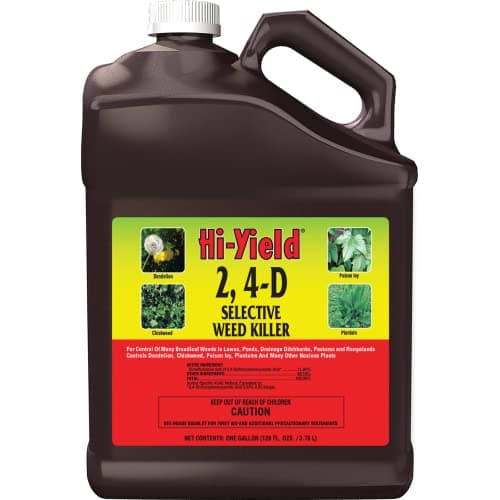
Hi-Yield 2,4-D Amine Selective Herbicide
A selective broadleaf concentrate for dandelion, clover, and plantain in an otherwise healthy lawn.
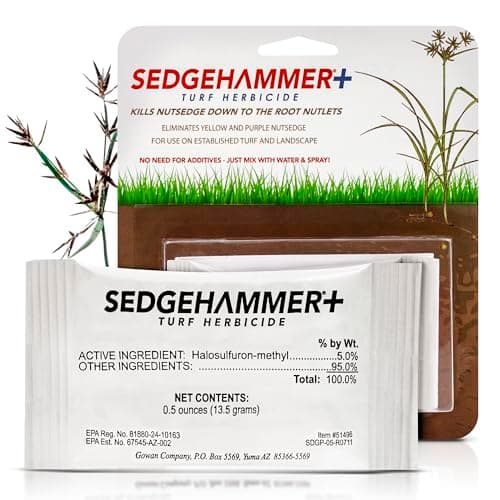
SedgeHammer Herbicide
A halosulfuron product for nutsedge, the weed a standard broadleaf spray will not touch.
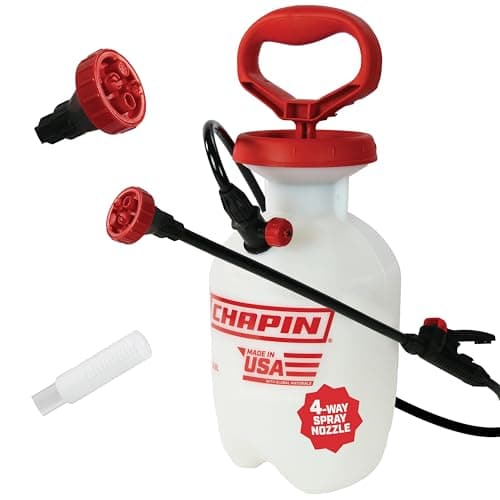
Chapin 1-Gallon Pump Sprayer
A one gallon pump sprayer for mixing concentrates accurately and spot treating only what needs it.
Step-by-Step Beginner Application Plans
1. Quick Diagnosis Walk
Before you buy anything, spend 10-15 minutes walking your lawn and answering these questions:
- Is most of what I see grass or weeds?
- Are the weeds broadleaf, grassy, sedge-like, or a mix?
- Do they appear in patches, along edges, or evenly throughout?
- What is the current season and approximate temperatures?
If you see yellow, curling worms in the soil while inspecting, grubs might also be an issue, but that is a separate treatment covered in How to Control Grubs in Your Lawn.
2. Confirm Grass Type and Sensitive Areas
Next, identify or confirm your grass type using the methods we discussed earlier. Pay attention to special zones: new sod or seed less than a year old, shady thin areas, and spots where kids or pets spend a lot of time. Herbicides can stress already weak grass, so you may want to skip or spot treat those areas until the turf is healthier.
3. Choose the Product Type
Based on your diagnosis, pick a general product type:
If you have mostly grass with scattered broadleaf weeds in spring or fall, choose a selective broadleaf lawn weed killer in a ready-to-use or hose-end form labeled safe for your grass. If crabgrass is the main issue and you are in early spring before germination, choose a crabgrass preventer (pre-emergent) with your grass type on the label. If nutsedge is clearly present, select a sedge specific herbicide.
Avoid weed and feed combinations until you have your fertility plan dialed in. Many beginners end up over fertilizing by stacking products.
4. Check Weather and Label Restrictions
Timing and weather can make or break a treatment. Most lawn herbicide labels recommend:
- Applying when weeds are actively growing, not during drought or dormancy.
- Avoiding application if rain is expected within 12-24 hours, unless the label says it is rainfast sooner.
- Keeping applications to calm days, with wind ideally below 5-8 mph to reduce drift.
- Avoiding high heat, typically above about 85 degrees Fahrenheit, especially on warm-season lawns.
Also check label restrictions around seeding. Many pre-emergents and some post-emergents require waiting periods before or after seeding, often 4-12 weeks. If you plan to overseed soon, that affects your herbicide choices.
5. Application Technique
For granular products applied with a spreader, set the spreader to the recommended setting on the bag, test on a small area, and walk steadily. For pre-emergents, water in with about 0.25 to 0.5 inches of irrigation within a day or two. You can measure this with a tuna can: when it fills to about a quarter to half inch, you have applied enough.
For ready-to-use spray bottles, target individual weeds, wetting the leaves but not to the point of heavy dripping. For hose-end sprayers, follow the label on how long to spray per 1,000 square feet, and move in a systematic pattern to avoid skips and overlaps. Some homeowners like to flag out a 1,000 square foot section once to get a feel for how long it takes them to cover that area at a comfortable walking pace.
If you do use concentrates in a pump sprayer, take the time to calibrate: fill with plain water, spray a measured area, and see how much water you used. That tells you how much mixed solution per 1,000 square feet you apply, so you can match label rates. Understanding why this happens helps you prevent it next time: most turf injuries are not from the herbicide itself, but from accidentally applying twice the intended rate.
6. Aftercare and Follow Up
After spraying a post-emergent, avoid mowing for 1-2 days before and after, unless the label states otherwise. The extra leaf area helps the herbicide absorb better. Do not water or irrigate unless the label requires activation. Expect to see some yellowing or curling of weeds within 5-10 days, with full effects in 2-3 weeks for systemics.
If weeds are still present after 3-4 weeks and the product label allows a second application, that is the time to do it. Do not increase the rate in a single pass. Most labels limit you to 2-3 applications per season.
After a successful weed control pass, focus on helping the lawn fill in. Mow at the upper end of the recommended height, provide about 1-1.5 inches of water per week including rainfall, and fertilize according to your grass type and region. In cool-season lawns, a fall fertilization regimen is especially important. Over time, dense turf is the best weed prevention.
- Penn State Extension recommends applying pre-emergent crabgrass preventer in early spring when soil temperatures reach about 55°F for several days, and limiting total annual broadleaf herbicide applications to two per year on cool-season lawns to avoid turf injury.
Safety, Kids, Pets, and the Environment
Reading and Respecting the Label
All herbicides, whether synthetic or organic, are biologically active chemicals. The label is the law, and for beginners, it is your best safety guide. It tells you what personal protective equipment (gloves, long sleeves, eye protection) to wear, how long to keep kids and pets off the treated area, and how to handle and store the product.
Most common homeowner lawn herbicides instruct you to keep people and pets off the area until the spray has dried or granules have been watered in and the surface has dried. Drying usually takes 1-4 hours depending on conditions. Once dry, residues on leaf surfaces are less likely to transfer to paws or skin.
Minimizing Drift and Runoff
Drift and runoff are two environmental concerns you can control with good technique. To minimize drift, spray on calm days, use a coarse spray pattern rather than a fine mist when possible, and keep the nozzle close to the target weeds. Avoid spraying in gusty or variable wind.
To reduce runoff, stay off steep slopes during heavy rain windows and avoid applying just before storms. Do not spray to the point of puddling. For granular applications that must be watered in, light irrigation of 0.25 to 0.5 inches is enough. More than that immediately after application can carry herbicide beyond the target area.
Considering Organic and Low-Toxicity Options
Many beginners ask about organic alternatives. Organic contact herbicides based on high strength acetic acid (vinegar) or essential oils can work against small, young weeds, particularly in non-lawn areas. In lawns, they are less selective and can burn grass blades along with weeds.
There are also lower toxicity selective products based on iron chelates for some broadleaf weeds. They tend to be safer on cool-season grasses and can provide moderate control of certain weeds, especially if applied early and repeatedly. The tradeoff is usually cost and the need for more frequent applications.
If you are trying to minimize synthetic herbicide use, the key is to combine limited, targeted applications with strong cultural practices: correct mowing height, appropriate fertilization, overseeding thin spots, and soil health improvements. Over time, that can drastically reduce your reliance on chemicals.
- Ohio State University Extension notes that maintaining a mowing height of 3 to 3.5 inches in cool-season lawns can reduce crabgrass germination and broadleaf weed invasion by creating shade at the soil surface and promoting dense turf.
What Other Guides Miss: Common Mistakes to Avoid
When I read many "best lawn weed killer for beginners" articles online, a few gaps stand out that often lead to frustration in real yards.
Ignoring Grass Type Sensitivity
Many guides list products without highlighting which grass types are sensitive. If you have St. Augustine, centipede, or even certain zoysia cultivars, you cannot safely use every broadleaf herbicide marketed for lawns, especially in summer heat. Always cross check your grass type against the product label. If your grass is not explicitly listed as tolerant, look for a different product or confirm with your extension office.
Skipping Confirmation Tests
It is common to see advice like "use a crabgrass killer" without any steps to confirm the weed really is crabgrass and not a perennial grass or sedge. If you see a grassy looking weed, confirm its identity: pull a plant and check for stolons, rhizomes, seedhead shape, and stem type. For sedges, that triangular stem test is critical. Matching herbicide to the wrong weed type is one of the top reasons "this product did not work" reviews show up.

Bad Timing Around Seeding and Weather
Another frequent oversight is advice that does not account for overseeding plans or weather. Many homeowners want to fix weeds and thin grass at the same time. However, many pre-emergent herbicides will also prevent desirable grass seed from germinating for several weeks to months. If you plan to overseed this fall, avoid pre-emergent herbicides in the preceding 2-3 months unless you choose a product specifically compatible with seeding.
Similarly, spraying broadleaf herbicides on drought stressed or heat stressed grass increases the risk of turf injury. If your lawn is already browning from heat or lack of water, focus on irrigation and recovery first, then treat weeds once the grass is actively growing again.
Overreliance on Weed and Feed
Weed and feed products are heavily marketed but often misused. They work best when applied at the right temperature window for herbicide activity, to a moist lawn so granules stick to weed leaves, and at intervals that match your turf's fertilizer needs. Most beginners do not align all three, leading to uneven weed control and excessive nitrogen.
If you are just starting out, I usually suggest separating weed control from fertilization. Apply a dedicated weed killer when conditions are right, then fertilize according to a schedule tailored to your grass and soil test. Once you are more experienced, you can decide if weed and feed fits a specific need.
Putting It All Together: A Simple Seasonal Plan
Cool-Season Lawns (Kentucky Bluegrass, Fescue, Rye)
Spring: In early spring, as soil temps approach 55 degrees Fahrenheit, apply a pre-emergent if crabgrass has been an issue, unless you plan to overseed. Once broadleaf weeds are actively growing and daytime highs are consistently above 55-60 degrees, spot treat or blanket spray with a selective broadleaf herbicide. Water the lawn 1-1.5 inches per week through May and early June.
Summer: Avoid most herbicide applications in mid-summer unless necessary, especially during heat or drought stress. Focus instead on correct mowing height and irrigation. Watch for disease issues like brown patch if humidity and nighttime temperatures stay high, and refer to Brown Patch Prevention for disease specific guidance.
Fall: This is the prime time for broadleaf weed cleanup in cool-season lawns. In September or October, when temperatures cool back into the 60-75 degree range, apply a broadleaf herbicide for dandelions, clover, and others. Follow with overseeding if needed and a fall fertilizer program. This combination sets up a thicker lawn for the next year with fewer weeds.
Warm-Season Lawns (Bermuda, Zoysia, St. Augustine, Centipede)
Late Winter to Spring: Apply pre-emergent herbicides for crabgrass and other annuals just before or as warm-season grasses begin to green up, according to soil temperatures in your region. Be cautious with rates on centipede and St. Augustine. Delay any post-emergent herbicide until turf is fully out of dormancy and actively growing.
Summer: This is the main weed control window for many warm-season lawns, but it is also when heat can stress turf. Use selective broadleaf and sedge herbicides labeled for your specific grass type, and apply in mornings or cooler spells when possible. Avoid herbicide plus heavy nitrogen combinations on centipede and St. Augustine in peak heat, as they are prone to decline from over fertilization and stress.
Fall: As warm-season grasses start to slow down, weed control options narrow. Focus on cultural practices and, if needed, pre-emergent applications for winter annual weeds according to regional guidance. Where winter annual broadleaf weeds are a major issue, some fall applied herbicides can reduce their impact, but timing depends heavily on your climate.
Conclusion: Choosing the Best Lawn Weed Killer for Beginners
Selecting the best lawn weed killer for beginners is not about a single magic product. It is about diagnosing what kind of weeds you have, which grass you are trying to protect, and when in the season you are working. Once those pieces are clear, the range of safe, beginner friendly options narrows to a manageable set.
If your lawn is mostly grass with scattered broadleaf weeds, a selective, lawn labeled broadleaf herbicide in a ready-to-use or hose-end form, applied in spring or fall at label rates, is usually the safest and most effective starting point. As your skills grow, you can layer in pre-emergent timing for crabgrass, sedge specific products for nutsedge, and overseeding and fertilization to build density.
If you want help identifying specific weeds before you treat, take a look at Common Lawn Weeds and How to Remove Them, and for focused issues like dandelions or crabgrass, guides like How to Kill Dandelions in Your Lawn and How to Kill Crabgrass and Prevent It from Returning can refine your approach. Whatever you choose, prioritize matching the product to your grass and weeds, respect the label, and support your lawn with good cultural care. In the long run, a thick, healthy lawn is the most reliable weed killer you will ever use.
Free Lawn Care Tools
If your lawn is mostly grass with scattered dandelions and clover, a selective broadleaf weed killer labeled safe for your grass type is usually best. Choose a ready-to-use or hose-end product that says "kills listed weeds, not the lawn" and apply in spring or fall when temperatures are between about 60 and 80°F. You should see weeds curl and yellow within 1-2 weeks, with fuller control after a second application if the label allows.
Check the product label for a section listing "tolerant" or "approved" lawn species and make sure your grass, such as Kentucky bluegrass, bermuda, or St. Augustine, is named. If your grass is not listed, or it is listed only under "do not use on," choose a different product. When in doubt, test a small hidden area first and wait 10-14 days to check for yellowing or thinning before treating the whole lawn.
For broadleaf weeds, beginners should apply post-emergent weed killers once weeds are actively growing and daytime highs regularly exceed 55-60°F, but before summer heat sets in. For crabgrass preventers, aim for early spring when soil temperatures reach about 55°F for several days, often around the time forsythia blooms in many regions. Always avoid spraying just before heavy rain or during heat waves above about 85°F.
You can, but it is not always the best starting option for beginners because timing for fertilization and weed control does not always match. Weed and feed with post-emergent broadleaf control must be applied when weeds are actively growing and the lawn is slightly damp so granules stick. If your main goal is weed control, it is often simpler and safer to use a dedicated weed killer and follow a separate fertilizer schedule.
Most homeowner lawn herbicides instruct you to keep children and pets off the treated area until the product has dried, which is usually 1-4 hours depending on weather. For granular products that must be watered in, wait until the lawn has dried after irrigation. Always follow the specific reentry directions on the label, as they override general guidance and are tailored to that product's ingredients.
If a lawn weed killer did not work on crabgrass, it is often because the product was a broadleaf-only herbicide, which will not affect grassy weeds. Another common reason is timing: pre-emergent preventers must be applied before crabgrass germinates, and many post-emergent crabgrass products only work well on young plants with 1-3 tillers. Confirm that your product is labeled for crabgrass and that you applied it at the right growth stage and temperature range.

Your lawn plan, in your pocket all season
Grass ID, a season plan, soil-timed reminders, and a lawn journal that remembers what you did. Free on iPhone.