Fastest Spreading Grass Types for Filling Bare Spots
 Sarah MitchellLawn Diagnostics Specialist | 12 Years
As an Amazon Associate we earn from qualifying purchases.
Few things frustrate homeowners more than persistent bare spots that refuse to blend into the rest of the lawn. You water, fertilize, and even reseed, but those patches keep coming back-disrupting the uniform, lush look you want for your yard. The root of the problem often goes beyond surface fixes: the type of grass you choose for patch repair is a critical factor in how quickly and seamlessly those bare spots fill in.
Opting for the fastest spreading grass types is the most effective strategy to reclaim patchy areas swiftly. These grasses are bred (or naturally adapted) to spread aggressively, sending runners or shoots into empty space to knit together gaps and create a dense, resilient turf. But not all fast-spreading grasses are suited to every region, climate, or situation. Choosing the wrong type can mean wasted time-and even more bare spots down the road.
This guide will help you understand what makes a grass type fast-spreading, how to select the right variety for your lawn’s unique conditions, and exactly how to establish these grasses for rapid, lasting results. I’ll break down the top five fastest spreading grass types for filling bare spots, share step-by-step patch repair methods, and highlight the mistakes I’ve seen homeowners make (and how to avoid them). Let’s diagnose this step by step-so you can get back to enjoying a thick, healthy lawn.
If you’re seeing bare spots that persist after watering and fertilizing, the issue is usually a lack of lateral grass spread or poor compatibility between your existing turf and patch repair material. Confirm by gently tugging at the grass around the edge of the spot-if it’s thin and doesn’t send runners into the bare area, a fast-spreading grass type is needed.
The fix is to overseed or patch with grass varieties known for aggressive spread, like Bermuda, Zoysia, or Kentucky Bluegrass (depending on your climate). Avoid simply reseeding with generic blends or using grass types unsuited to your region. With proper soil prep and watering, you’ll see visible fill within 2-6 weeks, depending on temperature and grass type. Don’t skip diagnosis-treating the symptom without fixing the cause leads to recurring bare patches.
Understanding Fast-Spreading Grass Types for Bare Spot Repair
What Makes a Grass Type “Fast Spreading”?
When we talk about “fast spreading” grass types, we’re really referring to how a grass plant expands horizontally to cover new ground. Two main structures make this possible: rhizomes and stolons. Rhizomes are underground stems that send up new shoots a few inches (sometimes feet) away from the mother plant. Stolons, on the other hand, are above-ground runners that creep along the soil surface and root at nodes to create new plants.
Genetics largely determines whether a grass uses rhizomes, stolons, or both. But spread rate isn’t just about biology-environmental factors like temperature, moisture, soil fertility, and even mowing height all influence how quickly grass fills in gaps. For example, Kentucky Bluegrass spreads vigorously via rhizomes in cool weather, while Bermuda grass sends stolons racing across the surface when summer heat kicks in. The goal with bare spots is to use grass that rapidly colonizes open soil, closing gaps before weeds take hold or soil erodes.
Key Considerations Before Selecting a Grass Type
The “fastest” grass for one yard can be a slow, patchy performer in another. Start by identifying whether your region and existing lawn are best suited to cool-season or warm-season grasses. Cool-season varieties (like Kentucky Bluegrass, Fescue, Ryegrass) thrive in northern climates with cold winters and mild summers, while warm-season types (Bermuda, Zoysia, St. Augustine, Centipede) excel in southern, hotter regions.
Light, soil type, and foot traffic also play huge roles. Some fast spreaders need full sun (Bermuda), while others tolerate shade (Creeping Red Fescue, St. Augustine). If your lawn gets heavy use from pets or kids, focus on grasses with strong wear tolerance. To maximize compatibility, match your patch repair grass to the existing type as closely as possible-if you’re not sure, see How to Identify Your Grass Type by Look & Feel or check with your local extension office.
Use the USDA Plant Hardiness Zone Map to confirm your climate zone, and consult the Complete Guide to Cool‑Season Grass Types or Complete Guide to Warm‑Season Grass Types for deeper species-specific guidance. This groundwork ensures your fast-spreading grass actually thrives and blends well in your yard.
Top 5 Fastest Spreading Grass Types for Filling Bare Spots
1. Bermuda Grass (Cynodon dactylon)
Bermuda grass is the king of aggressive lawn repair in warm climates. It spreads both via stolons (above ground) and rhizomes (below ground), allowing it to quickly colonize bare spots-even those several inches wide. In my experience, Bermuda can cover a 12-inch patch in as little as 3-4 weeks during peak summer growth if soil and water are ideal.
This grass thrives in full sun and hot weather, making it perfect for southern lawns. Its rapid spread is a double-edged sword: Bermuda will invade flower beds and walkways if not edged properly. For patch repair, overseeding with Bermuda is especially effective in high-traffic areas, as it rebounds from wear and self-repairs faster than most grasses. However, it goes dormant (brown) in winter and isn’t suitable for shady or northern lawns.
Pro tip: Always select Bermuda cultivars labeled for “aggressive spread” or “sports turf” if repairing play areas or pet runs. Water daily for the first 2 weeks after seeding or plugging, aiming for 1/4 inch per session to keep the topsoil moist but not soggy.
2. Zoysia Grass (Zoysia spp.)
Zoysia is another warm-season grass renowned for its thick, carpet-like spread. It uses both stolons and rhizomes, but is a bit slower to establish than Bermuda-typically taking 4-8 weeks to fill a 12-inch bare patch under optimal conditions. Zoysia shines in lawns where you want a dense, weed-resistant turf that can handle moderate traffic and some shade.

The two most common types are Zoysia japonica (coarse texture, fastest spread, cold tolerant) and Zoysia matrella (finer leaf, slower spread, best for manicured lawns). Zoysia prefers soil temperatures above 70°F for best establishment, so late spring to early summer is the prime window for plugging or sodding. Seeded Zoysia is rare-most repair is done with plugs or sod strips.
If your climate borders cool and warm-season zones (transition areas), Zoysia is often the best compromise. It greens up earlier than Bermuda and tolerates light shade, but still delivers rapid fill in open spots.
3. Kentucky Bluegrass (Poa pratensis)
For northern and transition-zone lawns, Kentucky Bluegrass is the gold standard of self-repairing cool-season turf. Its network of underground rhizomes sends up new shoots that blend seamlessly with existing grass, making it perfect for patching bare spots in established bluegrass lawns. In good conditions, you’ll see visible spread into a 6-inch patch within 2-4 weeks during spring or fall.
Bluegrass thrives in full sun to partial shade and is especially effective when mixed with compatible cool-season grasses (like Ryegrass or Fescue) for rapid green-up and density. Its natural color and texture mean repairs are usually invisible once established. The main limitation is that Kentucky Bluegrass needs moderate to high fertility and doesn’t love hot, humid summers-so it’s best for USDA zones 2-6.
If you’re patching in early fall, keep soil consistently moist and avoid heavy foot traffic until the new grass is 3 inches tall. Overseeding with Kentucky Bluegrass is a reliable solution for most patch repair needs in the north.
4. St. Augustine Grass (Stenotaphrum secundatum)
St. Augustine is the fastest spreading, shade-tolerant grass for southern and coastal regions. It relies heavily on stolons to “creep” across bare soil, rooting at each node to create new plants. In warm, moist conditions, St. Augustine can fill a hand-sized bare spot in 2-3 weeks, though larger patches (over 12 inches) are best repaired with sod or plugs.
This grass is ideal for shaded yards, areas under trees, or spots that get moderate wear from kids or pets. Its thick, coarse blades resist weed invasion but can be sensitive to chinch bugs and some fungal diseases. St. Augustine is not cold hardy and should not be used north of zone 8.
Special consideration: If you have pets or kids, choose St. Augustine varieties noted for improved wear tolerance, and avoid herbicides labeled unsafe for this species. Always water-in any fertilizer or chemical thoroughly to keep surfaces safe for foot traffic.
5. Creeping Red Fescue (Festuca rubra)
Creeping Red Fescue is the unsung hero for shady, cool-season bare spots. Its fine texture and strong shade performance make it the go-to for patching under trees or beside buildings where other grasses struggle. This fescue spreads via short rhizomes, with visible fill into 6-inch patches in about 3-5 weeks when soil is cool and moist.
It’s most effective when blended with other cool-season grasses (like Kentucky Bluegrass or Perennial Ryegrass) for a mix that covers both sun and shade. If your yard has recurring thin areas in low light, overseeding with a fescue-heavy blend is often the fastest solution. Just avoid high-traffic areas-Creeping Red Fescue prefers gentle use and well-drained soils.
For best results, seed in early fall or spring and keep the surface moist until germination (about 10-14 days). Fescue blends are my top recommendation for problem areas where nothing else seems to take.
Honorable Mentions: Other Rapid-Spreading Grasses
While not the fastest in every scenario, a few additional grasses are worth considering for specific needs:
- Perennial Ryegrass: Germinates rapidly (5-7 days) and gives instant green, but lacks strong spreading ability-best for temporary cover or mixing with Bluegrass/Fescue for quick fill.
- Centipede Grass: Spreads by stolons, low maintenance, moderate speed. Great for acidic soils in the southeast, but slow to recover from heavy wear.
- Tall Fescue (rhizomatous types): Newer cultivars like “Rhizing Star” offer improved rhizome spread. Excellent for durable, self-repairing cool-season lawns in high-use zones.
Choosing the right type depends on your site’s sunlight, soil, climate, and how quickly you need results. Always prioritize compatibility with your existing turf for seamless blending.
How to Fill Bare Spots Fast: Step-by-Step Guide
Assess and Prepare the Bare Area
The symptom you’re seeing-persistent bare spots-usually points to one of a few things: underlying soil issues, pests, disease, or simply the wrong grass for your site. Diagnosing the true cause is crucial before repair. Start by inspecting the patch: is the soil compacted and hard, or crumbly and loose? Are there signs of insect activity (grubs, ants), fungal growth, or dog urine burns?
Confirm compaction with a screwdriver test-if you can’t easily push it 6 inches into the soil, aeration is needed before patching. For suspected nutrient issues, use a soil test kit to check pH (ideal range is 6.0-7.0 for most lawns) and nutrient levels. Amend as needed with lime (to raise pH) or sulfur (to lower it), and add compost or quality topsoil for poor structure or drainage. Remove any dead grass, weeds, and debris so new seed or sod has direct soil contact.
- Penn State Extension recommends soil testing every 2-3 years to diagnose persistent bare spots and ensure proper pH for new grass establishment.
Seeding or Sodding with Fast-Spreading Grasses
Once the site is prepped, choose your approach: seeding, sodding, or plugging. Seeding is cost-effective for small to medium patches (less than 2 square feet), while sod or plugs deliver instant coverage for larger or stubborn bare areas. For fastest fill, select high-quality seed or sod labeled for “aggressive spread” and matched to your climate (see Best Grass Types for Shade or Best Grass Types for Full Sun for more guidance).
The planting process is as follows:
- Rake and loosen the top 1-2 inches of soil.
- Apply starter fertilizer at the recommended rate (usually 0.5-1.0 lb nitrogen per 1,000 sq ft).
- Sow seed at the label rate (typically 2-3 lbs per 1,000 sq ft for cool-season, 1-2 lbs for warm-season) or install sod/plugs, pressing firmly for good soil contact.
- Lightly topdress with a thin layer of compost or peat moss to retain moisture.
- Water gently but thoroughly, avoiding puddling.
Pro tip: Use a starter fertilizer containing slow-release phosphorus to promote strong root growth in the first 4-6 weeks. Avoid weed-and-feed products during establishment, as they can harm new seedlings.
Watering, Fertilizing, and Early Care
The first 3-4 weeks are critical for rapid grass establishment. Keep the seeded or sodded area consistently moist-water lightly 2-3 times per day until seeds germinate or sod roots down (usually 7-21 days depending on temperature). Once you see sprouts or new growth, reduce watering to once daily, then taper to 2-3 times per week as grass matures (aim for a total of 1-1.5 inches of water per week).
Fertilize lightly at planting and again 4-6 weeks later if growth is slow, but avoid over-fertilizing, which can burn new roots. For mowing, wait until new grass reaches 3-4 inches tall, then mow to the appropriate height for your species (see Complete Guide to Cool‑Season Grass Types or Complete Guide to Warm‑Season Grass Types for specifics). Early mowing encourages lateral spread, helping grass fill bare spots more quickly.
- Ohio State University Extension recommends keeping new seed moist (but not saturated) for at least 21 days to ensure maximum germination and fast fill of bare patches.
Advanced Strategies for Seamless Patch Repair
If you want your patch repair to blend perfectly, consider these advanced methods:
- Overseeding: Spread a thin layer of fast-spreading seed (like Kentucky Bluegrass, Bermuda, or Fescue blends) across the patch and surrounding area. This helps new grass merge with established turf and prevents visible seams.
- Grass Plugs/Sprigs: For larger bare spots (over 2 square feet) or stubborn areas, install plugs or sprigs of your chosen fast-spreading grass. Space them 6-12 inches apart for fastest fill, and water daily for the first 2 weeks.
- Timing: Seed or patch cool-season grasses in early fall (September-October) or spring (late March-May), and warm-season grasses in late spring to early summer (May-June) when soil temps are above 65°F.
- Topdressing & Aeration: After patching, apply a thin layer of compost or sand to level the area and improve seed-soil contact. Aerate compacted soils in spring or fall to promote root growth and lateral spread.
With these techniques, you can achieve invisible repairs and a lush, uniform lawn in as little as 4-8 weeks, depending on grass type and weather.
Recommended products
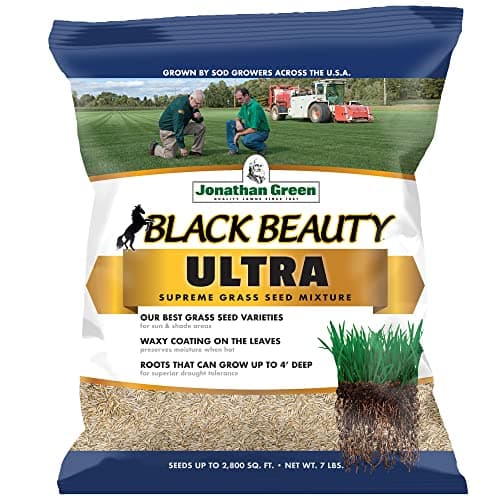
Jonathan Green Black Beauty Ultra Grass Seed
A cool-season blend of tall fescue, bluegrass, and ryegrass that fills patches and self-repairs through bluegrass rhizomes.

Outsidepride Maya Bermuda Grass Seed
A seeded bermuda for warm-season lawns that closes bare ground with both stolons and rhizomes.
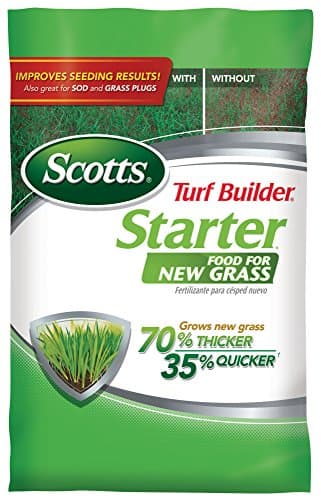
Scotts Turf Builder Starter Food for New Grass
A phosphorus-forward starter fertilizer that pushes seedling roots in a repaired patch.
Year-Round Lawn Care to Prevent Bare Spots
Seasonal Maintenance for Spreading Grass Types
Even the fastest spreading grass types need consistent care to maintain dense, healthy turf and prevent future bare spots. Here’s how I break it down by season:
- Spring: Aerate compacted areas, dethatch if thatch exceeds 0.5 inches, and overseed cool-season lawns for rapid fill. Begin regular watering as temperatures rise.
- Summer: Focus on water management-deep, infrequent watering (1-1.5 inches per week) helps roots grow deep. Monitor for heat stress, disease (especially in humid regions), and pests like grubs or chinch bugs.
- Fall: Fertilize cool-season lawns in early fall to drive root growth and overseed thin spots. Prepare warm-season lawns for dormancy by reducing nitrogen in late fall.
- Winter: Minimize foot traffic on dormant turf, avoid salt damage near sidewalks, and clear debris to prevent snow mold or fungal issues.
Adjust timing and products based on your region and grass type. For example, overseed cool-season lawns in fall, but wait until late spring for warm-season overseeding.
Preventative Practices
Consistent, proactive care is your best defense against recurring bare spots:
- Traffic Management: Use stepping stones, mulch paths, or rotate play areas to prevent compaction and wear in high-use zones. For guidance, see How to Repair High Traffic Areas in Lawns.
- Soil Health Checks: Test soil every 2-3 years and amend as needed. The Best Lawn Soil Amendments for Quick Recovery covers compost, biochar, and other options to restore structure and fertility.
- Disease & Pest Monitoring: Watch for early signs of fungal disease (brown patch, dollar spot) and insect pests. Prompt treatment prevents small spots from becoming major bare patches.
Understanding why bare spots occur helps you prevent them next time-saving time, money, and frustration.
Common Mistakes to Avoid When Filling Bare Spots with Fast-Spreading Grasses
In my years of troubleshooting patchy lawns, I see certain missteps repeated again and again-often because other guides skip diagnostic details. Here’s what many competitors miss, and what you should avoid:
- Ignoring Regional Adaptation: Planting a fast-spreading grass (like Bermuda or St. Augustine) outside its ideal zone leads to poor fill, dormancy, or winterkill. Always confirm your USDA zone and match grass type to climate.
- Poor Timing: Seeding or sodding at the wrong time of year-like cool-season grass in summer or warm-season in fall-slows establishment and increases seedling loss. Follow the ideal windows for your grass type.
- Skipping Confirmation Tests: Don’t just reseed a bare spot without investigating the cause. Test soil pH, check compaction, and rule out pests or disease before planting.
- Improper Product Application: Over-fertilizing or using the wrong starter fertilizer can burn new roots. Herbicides labeled for established lawns can kill seedlings-use only products safe for new grass, and water-in thoroughly if pets or kids use the area.
- Inconsistent Watering: Letting new seed or sod dry out after planting is a surefire way to slow spread. Keep the surface moist for 2-3 weeks, then transition to deep, less frequent watering.
Addressing these factors up front sets you up for rapid, lasting patch repair-and a lawn that stays full season after season.
Conclusion
Selecting the fastest spreading grass types for filling bare spots is the key to achieving a thick, resilient lawn that resists weeds and heavy use. From aggressive warm-season options like Bermuda and Zoysia to self-repairing cool-season favorites like Kentucky Bluegrass and Creeping Red Fescue, choosing the right variety for your climate and site ensures rapid, seamless repair. With proper soil prep, timing, and care, most bare spots can be filled in 2-6 weeks-and future patches prevented with good year-round maintenance.
Every lawn is unique, so assess your specific needs and apply the strategies outlined here for best results. For deeper insights and troubleshooting, see How to Repair High Traffic Areas in Lawns, The Best Lawn Soil Amendments for Quick Recovery, and the Seasonal Lawn Overseeding Guide. A healthy, uniform lawn is within reach-when you diagnose first, then treat with the right grass type and care.
Free Lawn Care Tools
Bermuda grass is typically the fastest spreading option for warm climates, thanks to its aggressive rhizomes and stolons. In cooler regions, Kentucky Bluegrass is the top choice for rapid fill due to its strong rhizome network.
With ideal conditions and proper care, fast-spreading grass like Bermuda or Kentucky Bluegrass can fill a 6-12 inch bare spot in 2-6 weeks, depending on temperature, watering, and soil health.
Yes, overseeding with a compatible fast-spreading grass blend can fill multiple bare areas and improve overall density. Be sure to choose a grass type suited to your climate and existing turf for best results.
Recurring bare spots are usually due to underlying soil problems, pest or disease issues, or using grass types that don’t spread well in your climate. Always diagnose and address these factors before reseeding.
Seed works well for small patches, while sod or plugs are best for larger or stubborn bare areas. Plugs are especially effective with aggressive spreading grasses like Zoysia and Bermuda.
Plant cool-season grasses in early fall or spring and warm-season grasses in late spring to early summer when soil temperatures are above 65°F. Proper timing ensures rapid establishment and fill.

Your lawn plan, in your pocket all season
Grass ID, a season plan, soil-timed reminders, and a lawn journal that remembers what you did. Free on iPhone.