Best Fertilizer for Kentucky Bluegrass (2026 Guide)
 Sarah MitchellLawn Diagnostics Specialist | 12 Years
As an Amazon Associate we earn from qualifying purchases.
What is the best fertilizer for Kentucky bluegrass in 2026? If you’re asking this, you already understand that Kentucky bluegrass is prized for its lush, vibrant appearance, but even the healthiest turf can struggle without proper nutrition. Whether you’re aiming for that perfect backyard or maintaining high-traffic lawns, the right fertilizer makes all the difference between a thriving, resilient lawn and one that falters through the changing seasons. For the complete reference, see the Kentucky Bluegrass pillar guide. Still choosing a cool-season grass? Compare Kentucky Bluegrass vs Tall Fescue.
In 2026, the landscape is shifting: new fertilizer formulations promise better results, environmental rules are tighter, and unpredictable weather is the new normal. Homeowners can’t just grab the same bag they did a few years ago and expect their lawn to thrive. Instead, you need a strategy that matches Kentucky bluegrass’s unique needs, aligns with current regulations, and adapts to your specific site conditions.
This guide digs into everything you need to know for success, from the science of Kentucky bluegrass nutrition to the best products available this year, how to apply them for real results, and advanced troubleshooting tips. I’ll draw on both my 12 years of hands-on lawn diagnostics and the latest research to help you understand not just what to use, but why it works-so you get a thick, green lawn that lasts.
The best fertilizer for Kentucky bluegrass in 2026 depends on your lawn’s soil test, but for most homeowners, a balanced slow-release fertilizer with a 20-0-10 or similar NPK ratio is ideal in spring and fall, with a lighter, low-nitrogen option for summer. Confirm your soil’s needs by testing before fertilizing and avoid high-phosphorus products unless a test shows a deficiency.
Apply fertilizer when the soil temperature hits 55°F in spring and again in fall for the biggest impact. Water in after each application, and never fertilize during peak summer heat or while the grass is dormant in winter. Results usually show within 2-4 weeks, but long-term lawn health comes from matching product, timing, and rates to your grass and climate-not just following the bag instructions.
Understanding Kentucky Bluegrass Nutrient Needs
What Makes Kentucky Bluegrass Unique?
Kentucky bluegrass stands out among cool-season grasses for its dense, carpet-like appearance and rich green color. It spreads by underground rhizomes, creating a thick lawn that recovers well from damage-making it a favorite for home lawns, sports fields, and parks across the northern and transition zones.
But these strengths come with special requirements. Kentucky bluegrass has relatively shallow roots (about 6 inches on average, as shown in our Grass Characteristics Database), which means it’s more sensitive to drought and nutrient fluctuations than deeper-rooted varieties. This makes precise, consistent fertilization essential, especially during its two peak growth windows: early spring (March-May) and fall (September-November).
High traffic tolerance and rapid regrowth demand a steady supply of nutrients, but overfeeding-especially with nitrogen-can create lush top growth at the expense of roots, leaving the lawn vulnerable to stress, disease, and summer decline. Understanding these traits is the first step to building a fertilization plan that supports year-round health.
Essential Nutrients for Kentucky Bluegrass
While all plants need dozens of nutrients, Kentucky bluegrass relies heavily on three macronutrients and a few key micronutrients:
- Nitrogen (N): Drives leaf growth and deep green color. Deficiency shows up as pale, thin patches; excess causes rapid growth but weakens roots and increases disease risk.
- Phosphorus (P): Critical for root development, especially in new lawns or after overseeding. Most established lawns don’t need much unless a soil test finds a deficiency.
- Potassium (K): Helps grass tolerate heat, drought, and disease. It’s the “stress-resistance” nutrient-vital during fall and before summer stress.
- Micronutrients: Iron (for color), magnesium (chlorophyll production), and sulfur (overall health) play supporting roles. Deficiencies are less common but can occur in sandy or high-pH soils.
Our Grass Database recommends 4 lbs of nitrogen per 1,000 sq ft annually for Kentucky bluegrass, split across several applications. This heavy-feeding requirement is higher than most fescues and matches the grass’s vigorous growth cycle. Skimping on nitrogen yields a thin, pale lawn; overdoing it can backfire. The key is balance.
Soil Testing: The Critical First Step
Let’s diagnose this step by step: guessing fertilizer needs is like driving blindfolded. Soil tests reveal exactly what your Kentucky bluegrass lacks or has in excess-preventing waste, runoff, and damage. They measure pH (ideally 6.0-7.0 for bluegrass), available nutrients, and sometimes organic matter or salt levels.
To collect a sample, use a clean trowel to take soil cores 2-4 inches deep from 8-10 spots across your lawn, mix them in a clean bucket, and send about a cup to a reputable lab. Results typically arrive in 1-2 weeks, showing precise nutrient levels and pH. Adjust your fertilization plan based on these numbers, not just generic recommendations. For example, if your soil is already high in phosphorus, skip it to avoid environmental runoff-which is increasingly regulated in 2026.
- Penn State Extension recommends soil testing every 2-3 years and only using phosphorus if a deficiency is documented to comply with state regulations.
Types of Fertilizer for Kentucky Bluegrass
Synthetic vs. Organic Fertilizers
Synthetic fertilizers deliver nutrients in a readily available form, ensuring fast, predictable results. They’re easy to apply, widely available, and often cost-effective-making them the default choice for many homeowners. However, quick-release products can leach or burn if overapplied, and environmental regulations in 2026 are tightening around runoff and nutrient pollution.
Organic fertilizers, such as composted manure, biosolids, or plant-based products, release nutrients slowly as they break down. This steady feeding supports soil biology and reduces runoff risk. The downside? Results are slower, nutrient content is less predictable, and products are often more expensive per pound of nitrogen. For homeowners focused on sustainability, organic options are increasingly popular. See our guide on Composting for a Healthier Lawn for more on this approach.
In 2026, blended products-combining synthetic and organic sources-are also gaining traction, offering a middle ground between performance and sustainability.
Slow-Release vs. Quick-Release Formulas
Release rate determines how quickly nutrients become available to your Kentucky bluegrass. Quick-release (water-soluble) fertilizers provide an immediate boost, which is helpful for rapid green-up in spring or correcting deficiencies. However, they require careful timing and precise watering to avoid burning the grass or causing flushes of growth that weaken roots.

Slow-release products, including those using sulfur-coated or polymer-coated granules, feed the lawn gradually over 6-8 weeks. This mimics natural nutrient cycles, reduces leaching, and lowers the risk of burning. For most Kentucky bluegrass lawns, especially in home settings, slow-release is the safer, lower-maintenance choice. According to NC State Extension, cool-season grasses require 3-4 pounds of nitrogen per 1,000 square feet annually, lawns on slow-release programs look better through heat and drought than those pushed with quick-release nitrogen.
Specialty Fertilizers for Kentucky Bluegrass
Granular fertilizers dominate the market for Kentucky bluegrass, allowing even coverage and ease of use. Liquid fertilizers, often used for quick foliar feeding or in professional settings, can correct minor deficiencies or deliver micronutrients rapidly but are harder to apply evenly on large areas.
Some fertilizer products include added weed control (“weed and feed”) or insecticides. While convenient, these are best reserved for specific problems and only when timing aligns for both fertilizer and pest control. Always confirm compatibility with your current lawn needs and avoid using these during overseeding or renovation.
Eco-friendly and pet-safe options are increasingly available in 2026, using natural ingredients and avoiding harsh chemicals. If you have children or pets, look for products labeled as safe after drying or watering in; always follow manufacturer guidance on re-entry times.
Best Fertilizer Products for Kentucky Bluegrass in 2026
Top-Rated Fertilizer Brands and Products
Product selection in 2026 is more diverse than ever. Here’s a comparative table of top fertilizers for Kentucky bluegrass, including NPK ratios, release type, and key features:
| Product | NPK Ratio | Release Type | Coverage (sq ft) | Price Range | Key Features |
|---|---|---|---|---|---|
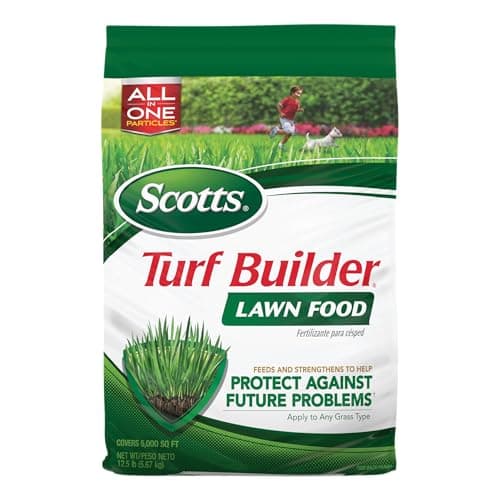
| Scotts Turf Builder Lawn Food | 32-0-4 | Slow-Release | 5,000 | $35-45 | Strong green-up, easy to find, safe for pets after watering |
| Milorganite Organic | 6-4-0 | Slow-Release (Organic) | 2,500 | $17-23 | Eco-friendly, boosts soil health, low burn risk |
| Lesco Professional Starter | 18-24-12 | Quick-Release | 10,000 | $50-60 | Great for new lawns/overseeding, high phosphorus |
| Andersons PGF Complete | 16-4-8 | Slow-Release | 5,000 | $40-50 | Includes iron/micronutrients, fine granules for even spread |
| Espoma Organic Lawn Food | 7-0-2 | Slow-Release (Organic) | 2,500 | $18-25 | Organic, safe for kids/pets, low odor |
Scotts Turf Builder is a top choice for established lawns needing strong green-up. Milorganite and Espoma are standouts for those prioritizing soil health and sustainability. Lesco Starter is ideal only for new sod or after overseeding, given its high phosphorus. Andersons PGF Complete offers a professional-grade blend with micronutrients for those wanting a premium result. Prices and coverage vary-always calculate your cost per 1,000 sq ft to compare value.
Choosing the Right Fertilizer for Your Lawn
Matching fertilizer to your lawn’s specific conditions yields the best results. Here are key considerations:
- Soil Condition: Check pH and nutrient levels with a test. Acidic soils (below 6.0) may need lime before fertilizer is effective. High-phosphorus soils should avoid starter formulas.
- Lawn Age: New lawns or overseeded areas benefit from starter fertilizers higher in phosphorus, but only if the soil test confirms a need.
- Sunlight & Traffic: High-traffic lawns need more frequent feeding to recover from wear. Shady areas grow slower and may need less nitrogen but more attention to disease prevention.
- Pets & Children: Choose pet-safe, organic, or low-toxicity products and observe waiting periods before allowing activity on the lawn.
For example, if you’ve recently overseeded, use a starter formula with higher phosphorus for the first 4-6 weeks. For established, high-traffic bluegrass, a slow-release 20-0-10 formula every 6-8 weeks during peak growth works well. If your lawn gets partial sun, reduce nitrogen a bit to prevent disease. The goal: customize, don’t just copy your neighbor’s program.
Advanced Options: Enhanced Efficiency Fertilizers
Enhanced efficiency fertilizers (EEFs) use polymer coatings, inhibitors, or other technologies to control how quickly nutrients release. These products, such as polymer-coated urea (PCU) or stabilized nitrogen, are especially useful for busy homeowners or those concerned about runoff and environmental impact. They deliver nutrients steadily for 8-12 weeks, reduce the risk of burning, and often mean fewer yearly applications.
Consider EEFs if you want a lower-maintenance program or have sandy soil prone to leaching. While more expensive up front, they may save money and time by reducing total applications. Look for these products in professional lines or high-end consumer brands.
How to Apply Fertilizer to Kentucky Bluegrass: Step-by-Step
Preparing Your Lawn
Preparation is half the battle. Start by mowing to the lower end of the recommended height-2.0 to 2.5 inches for Kentucky bluegrass, according to our Grass Database. This ensures fertilizer granules reach the soil. Remove any leaves or debris by raking, and if the soil is dry, water thoroughly a day before application to prevent burning and help nutrients move into the root zone.
Always check the weather forecast. Avoid applying fertilizer if heavy rain is expected within 24 hours, as this can cause runoff and waste. Keep pets and children off the lawn until the fertilizer has been watered in and the grass has dried-usually 1-2 days, depending on product instructions.
Fertilizer Application Methods
Choose the right tool for even coverage:
- Broadcast (Rotary) Spreaders: Ideal for large, open lawns. They distribute granules widely but require overlapping passes for uniformity.
- Drop Spreaders: Deliver precise lines of fertilizer, perfect for small lawns or areas needing exact treatment. Less risk of scattering product onto driveways or walks.
- Liquid Sprayers: Used for foliar feeds or specialty products. Require careful calibration to prevent streaking or uneven application.
Calibrate your spreader according to the fertilizer bag’s instructions-incorrect settings can cause striping or waste. Fill the spreader on a hard surface to avoid accidental spills in the lawn, and always sweep up stray granules from sidewalks to prevent runoff.
Step-by-Step Fertilizer Application Checklist
- Mow the lawn to 2.0-2.5 inches and remove debris.
- Water if soil is dry; let blades dry before application.
- Check weather-no heavy rain for 24 hours, avoid windy days.
- Set the spreader to the manufacturer’s recommended setting.
- Apply fertilizer in two perpendicular passes for even coverage.
- Water thoroughly (0.5 inches) after application to move nutrients to the root zone.
- Keep off the lawn until dry or as directed by the product label.
Timing is crucial: apply when the grass is actively growing and the soil temperature has reached at least 55°F (use a soil thermometer for confirmation). For most regions, this is late March to early April, with a second major feeding in September to early October. Avoid fertilizing during summer heat or winter dormancy.

Frequency & Scheduling: A Year-Round Fertilization Calendar
Kentucky bluegrass thrives on a split application schedule. Our Grass Database recommends dividing the annual 4 lbs of nitrogen per 1,000 sq ft as follows: 40% in spring, 10% in summer, 40% in fall, and 10% in winter (if winterizing is appropriate for your region).
Here’s a sample annual schedule:
| Season | Timing Window | Fertilizer Type | Nitrogen % |
|---|---|---|---|
| Spring | Late March - Early May (soil 55°F+) | Balanced slow-release | 40% |
| Summer | Mid-June (only if irrigated) | Low-nitrogen, slow-release | 10% |
| Fall | Early September - Early November | Balanced, higher potassium | 40% |
| Winter | Late November (optional/south only) | Winterizer (low N, high K) | 10% |
Adjust your schedule for weather anomalies-delay spring feeding if a late freeze is expected, or skip summer applications during drought. For overseeding or renovation, use a starter fertilizer right after seeding, then follow up with balanced feedings once new grass is established (about 4-6 weeks later). For more on this, see our guide on Overseeding Kentucky Bluegrass for Denser Lawns.
Seasonal Fertilizer Strategies for Kentucky Bluegrass
Spring Fertilization
Spring is when Kentucky bluegrass breaks dormancy and begins rapid growth. The goal is to jump-start the lawn without overstimulating weak roots. Apply a balanced, slow-release fertilizer (such as 20-0-10) once the soil reaches 55°F. Avoid high rates of quick-release nitrogen-this can cause a surge of top growth and set the stage for summer stress.
If you see uneven green-up or thinning, confirm with a soil test before adding extra nitrogen. For lawns coming out of winter disease or with heavy thatch, consider combining fertilization with light aeration or overseeding.
Summer Fertilization
Summer is the most stressful period for Kentucky bluegrass. High temperatures and shallow roots increase the risk of burn, especially if irrigation is inconsistent. Limit summer fertilization to a single light application (about 0.4 lbs N per 1,000 sq ft), using a slow-release, low-nitrogen product. If your lawn isn’t irrigated, skip summer fertilization entirely.
Focus instead on proper mowing, watering 1.5 inches per week (as recommended in our Grass Database), and minimizing foot traffic. Too much fertilizer in summer almost always does more harm than good.
Fall Fertilization
Fall is the most important feeding for Kentucky bluegrass. The grass is recovering from summer stress and building root reserves for winter. Apply a balanced or high-potassium fertilizer (such as 24-4-12 or 16-4-8) in early September, with a second application 6-8 weeks later if your lawn is heavily used or recovering from damage.
Phosphorus is only needed if a soil test shows a deficiency. Potassium helps the lawn withstand winter cold and disease. This is also the best time to combine fertilizer with core aeration and overseeding for thickening thin turf. For timing details, see When to Aerate Your Lawn for Better Fertilizer Absorption.
Winter Considerations
Winter is Kentucky bluegrass’s dormant period (December-February in most regions). Fertilizing during this time is usually unnecessary and can promote disease or runoff. If you live in a milder region where winterizer is appropriate, use a low-nitrogen, high-potassium product in late November, but only if your lawn is still green and soil isn’t frozen.
Prepare for dormancy by making your last major fertilization at least 3-4 weeks before the ground freezes. This allows nutrients to move into the roots and avoids stimulating late, weak growth.
Advanced Tips for Kentucky Bluegrass Lawn Health
Integrating Fertilizer with Other Lawn Care Practices
Fertilizer is most effective when combined with other best practices. Aerate compacted soils each fall to improve nutrient and water movement to the roots. Dethatching may be necessary if your thatch layer exceeds 0.5 inches-thick thatch prevents fertilizer from reaching the soil. Overseed thin or bare patches in early fall, applying a starter fertilizer at seeding time for the best results.
Mow regularly at 2.0-3.5 inches (never shorter than 1.5 inches, per our Grass Database) and water deeply, aiming for about 1.5 inches per week in summer. For more on irrigation, see How to Water Kentucky Bluegrass for Optimal Health.
Troubleshooting Common Fertilizer Problems
The symptom you’re seeing usually points to one of a few things. Yellowing often means nitrogen deficiency, but could also signal iron deficiency or fungal disease. Patchy, burned spots result from uneven application or over-fertilizing. If you see streaks or stripes, check your spreader calibration and application pattern.

To confirm nutrient deficiency versus disease, inspect grass blades: pale, uniform yellowing suggests a nutrient issue, while water-soaked or brown-matted blades point to disease. Correct deficiencies with targeted fertilizer, but if you suspect disease, avoid extra nitrogen and consult a turf specialist.
Root-cause understanding helps you prevent these issues next time-always calibrate your spreader, avoid overlapping applications, and water-in promptly after fertilizing.
Using Organic Amendments & Bio-Stimulants
Organic amendments such as compost or humic acid improve soil structure, boost microbial activity, and enhance nutrient availability over the long term. Mycorrhizal fungi products can help roots access water and nutrients more efficiently-especially valuable in sandy or compacted soils.
If your soil test reveals low organic matter or poor structure, supplement traditional fertilizer with a thin layer of compost in spring or fall (about 0.25 inches). Over time, this builds healthier, more resilient Kentucky bluegrass. For more details, see Organic vs Synthetic Fertilizers and How to Improve Soil pH for Grass.
Internal Linking Opportunities & Related Topics
For a denser, more resilient lawn, consider overseeding Kentucky bluegrass every few years-especially after drought or heavy traffic. Aeration timing is critical for maximizing fertilizer absorption and improving root growth. If you’re battling weeds, see Best Weed Control for Kentucky Bluegrass Lawns for safe, effective options. For families with pets, explore Pet-Safe Lawn Care Strategies to keep everyone safe after fertilization. And don’t overlook watering-see How to Water Kentucky Bluegrass for Optimal Health to get the most from your fertilizer investment.
Common Mistakes to Avoid
Skipping Soil Tests Before Fertilization
Many guides gloss over this, but skipping a soil test is the most common (and costly) mistake. Guessing your lawn’s needs leads to wasted fertilizer, possible burn, and even legal trouble if you apply excess phosphorus in regulated states. Simple tests confirm what nutrients your Kentucky bluegrass actually needs, maximizing your investment and minimizing risk.
- Contact your local extension office for soil testing services and region-specific recommendations.
Incorrect Timing and Application Rates
Applying fertilizer during summer heat or drought stresses the grass and often results in burning or wasted product. Over-fertilizing in spring (more than 1.5 lbs N per 1,000 sq ft at once) can overstimulate growth, while under-fertilizing in fall leaves the lawn weak going into winter. Adjust timing and rates for your region-Midwest lawns may need earlier spring feedings, while Northeast lawns benefit from a later fall application.
Neglecting Safety Precautions
Fertilizing near pets and children without observing the recommended waiting period can expose them to irritation or ingestion risks. Always store fertilizer in a dry, locked area, away from kids and pets. Read and follow the manufacturer’s instructions and calibrate equipment before each use-misuse is a leading cause of patchy growth or burning.
Product Misuse and Overlap
Mixing incompatible products, such as weed and feed with specialty amendments, can lead to toxicity or diminished results. Don’t apply fertilizer within a week of herbicides, insecticides, or after pre-emergent treatments unless the label specifically allows it. Always track what you’ve applied and when-a lawn journal can prevent overlapping treatments.
Conclusion
Getting the best fertilizer for Kentucky bluegrass in 2026 means matching the right product to your lawn’s unique needs and the current season. Start by testing your soil, choose a balanced slow-release fertilizer based on those results, time your applications for peak growth, and always adjust for local weather and traffic conditions. Avoid common mistakes like skipping soil tests or over-fertilizing in spring, and integrate fertilizer with other best practices like aeration and overseeding for a healthier, more resilient lawn.
For more in-depth strategies, check out our guides on Overseeding Kentucky Bluegrass, When to Aerate Your Lawn for Better Fertilizer Absorption, and Best Weed Control for Kentucky Bluegrass Lawns. If you have a tricky site or a persistent problem, leave a comment below-I’m always happy to help diagnose and recommend a custom solution based on your lawn’s specific symptoms.
Top Picks
 The Andersons Professional PGF Complete 16-4-8 FertilizerCheck price on Amazon
 Scotts Turf Builder Lawn FoodCheck price on Amazon
 Milorganite 6-4-0 Slow-Release Nitrogen Fertilizer (32 lb)Check price on Amazon
As an Amazon Associate we earn from qualifying purchases.
Free Lawn Care Tools
A balanced slow-release fertilizer with an NPK ratio around 20-0-10 is ideal for most Kentucky bluegrass lawns, but always confirm with a soil test before applying.
Apply fertilizer 3-4 times per year: spring, early summer (optional), and fall. Split your annual total based on peak growth periods and your region’s weather.
Yes, organic fertilizers like Milorganite or Espoma Lawn Food are safe and effective for Kentucky bluegrass, though results may be slower than with synthetics.
The best times are when soil temperature reaches 55°F in spring and again in early fall. Avoid fertilizing during summer heat or winter dormancy.
Fertilizer burn is usually caused by applying too much product, using quick-release formulas during heat, or not watering in after application. Always follow label rates and water thoroughly.
Most fertilizers are safe for pets and children once they have been watered in and the grass is dry, typically within 24-48 hours. Always follow the product label for specific guidance.

Beat weeds and brown spots from your phone
Snap a photo, get the fix, and follow a plan timed to your soil and weather. Free on iPhone.