Best Weed Killer for Zoysia Grass: Safe Weed Control Guide (2026)
 Sarah MitchellLawn Diagnostics Specialist | 12 Years
As an Amazon Associate we earn from qualifying purchases.
If you’re frustrated by weeds popping up in your Zoysia grass lawn, you’re not alone. While Zoysia is well-known for forming a dense, carpet-like turf that naturally resists many weeds, even the healthiest Zoysia lawns can fall victim to invaders like crabgrass, nutsedge, and dandelion. Weeds not only mar the appearance of your lawn, but they also compete with your Zoysia for water, nutrients, and sunlight-putting your lawn’s health at risk if not addressed with the right strategy. For the complete reference, see the Zoysiagrass pillar guide.
As a Lawn Diagnostics Specialist who’s helped thousands of homeowners tackle stubborn weed problems, I know that effective weed control in Zoysia grass is never just about spraying chemicals. The best weed control for Zoysia grass combines prevention, cultural practices, and targeted treatments-all tailored to the unique biology of Zoysia and the specific weeds you’re battling. This comprehensive guide will break down everything you need to know, including pre-emergent and post-emergent approaches, organic and chemical solutions, seasonal timing, step-by-step application, and the most common (and costly) mistakes to avoid.
If you spot weeds like crabgrass or clover emerging in your Zoysia lawn, the first step is to confirm they aren’t due to bare patches or underlying stress. Test by inspecting the area: if the Zoysia is thin, patchy, or recovering from drought, weeds are exploiting weak spots. For grassy weeds, look for lighter green, faster-growing blades mixed in with your Zoysia’s fine texture. For broadleaf weeds, check for wider leaves and taproots.
To fix, apply a pre-emergent herbicide like prodiamine in early spring, just as soil temperatures reach 55°F for several days-timing is critical. For existing weeds, spot-treat with a post-emergent safe for Zoysia, such as products containing 2,4-D or Celsius. Avoid applying herbicides during Zoysia’s dormancy or drought stress, as this can damage your lawn. Results appear within 10-14 days for post-emergents, while a pre-emergent barrier lasts several months-prodiamine (Barricade) runs roughly 3 to 6 months and dithiopyr (Dimension) roughly 3 to 4 months depending on rate, per NC State Extension.
Understanding Weeds in Zoysia Grass Lawns
Common Weeds That Invade Zoysia Grass
Let’s diagnose this step by step. Weeds in Zoysia lawns typically fall into two main categories: grassy weeds and broadleaf weeds. Grassy weeds, such as crabgrass, goosegrass, nutsedge, and poa annua, mimic the look of grass blades but often outgrow your Zoysia and stand out due to their lighter color and faster growth. Broadleaf weeds-like clover, dandelion, and spurge-have wider leaves, different root structures, and are usually easier to spot.
The top offenders I see in Zoysia include:
- Crabgrass: An annual grassy weed that appears in thinning or bare spots, especially in late spring to summer.
- Goosegrass: Similar to crabgrass but tougher to control, often found in compacted or overwatered areas.
- Nutsedge: A sedge, not a true grass, with triangular stems and rapid summer growth-especially in wet soil.
- Clover: A low-growing broadleaf weed that thrives in nitrogen-poor soils.
- Dandelion: Recognizable by its yellow flower and deep taproot. See How to Kill Dandelions in Your Lawn for targeted removal tips.
- Spurge: A sprawling summer annual that hugs the ground and loves thin, drought-stressed lawns.
- Poa annua (annual bluegrass): A cool-season grassy weed that pops up in fall or early spring, especially in compacted or shady areas.

The symptom you’re seeing usually points to one of a few things: thinning Zoysia, compacted soil, overwatering, or mowing too short. Weeds capitalize on any weak spot in the lawn-so if you notice an uptick in weed growth, it’s time to investigate these underlying factors before reaching for herbicides.
Once you have identified the culprit, use this quick decision matrix to match the weed to the right control approach and timing:
| Weed | Pre or Post | Active Ingredient | Timing |
|---|---|---|---|
| Crabgrass | Pre-emergent (best) or post | Prodiamine or dithiopyr (pre); quinclorac (post) | Pre at soil 55°F in spring; quinclorac on young, actively growing crabgrass |
| Nutsedge | Post-emergent | Halosulfuron | Early summer, on young sedge under 6 inches |
| Poa annua | Pre-emergent | Prodiamine or dithiopyr | Fall, as soil temps fall to about 70°F |
| Broadleaf (clover, dandelion, spurge) | Post-emergent | 2,4-D blend, or Celsius WG in summer heat | When weeds are young and growing; 2,4-D below 85°F |
Why Zoysia Grass Is (and Isn’t) Naturally Weed-Resistant
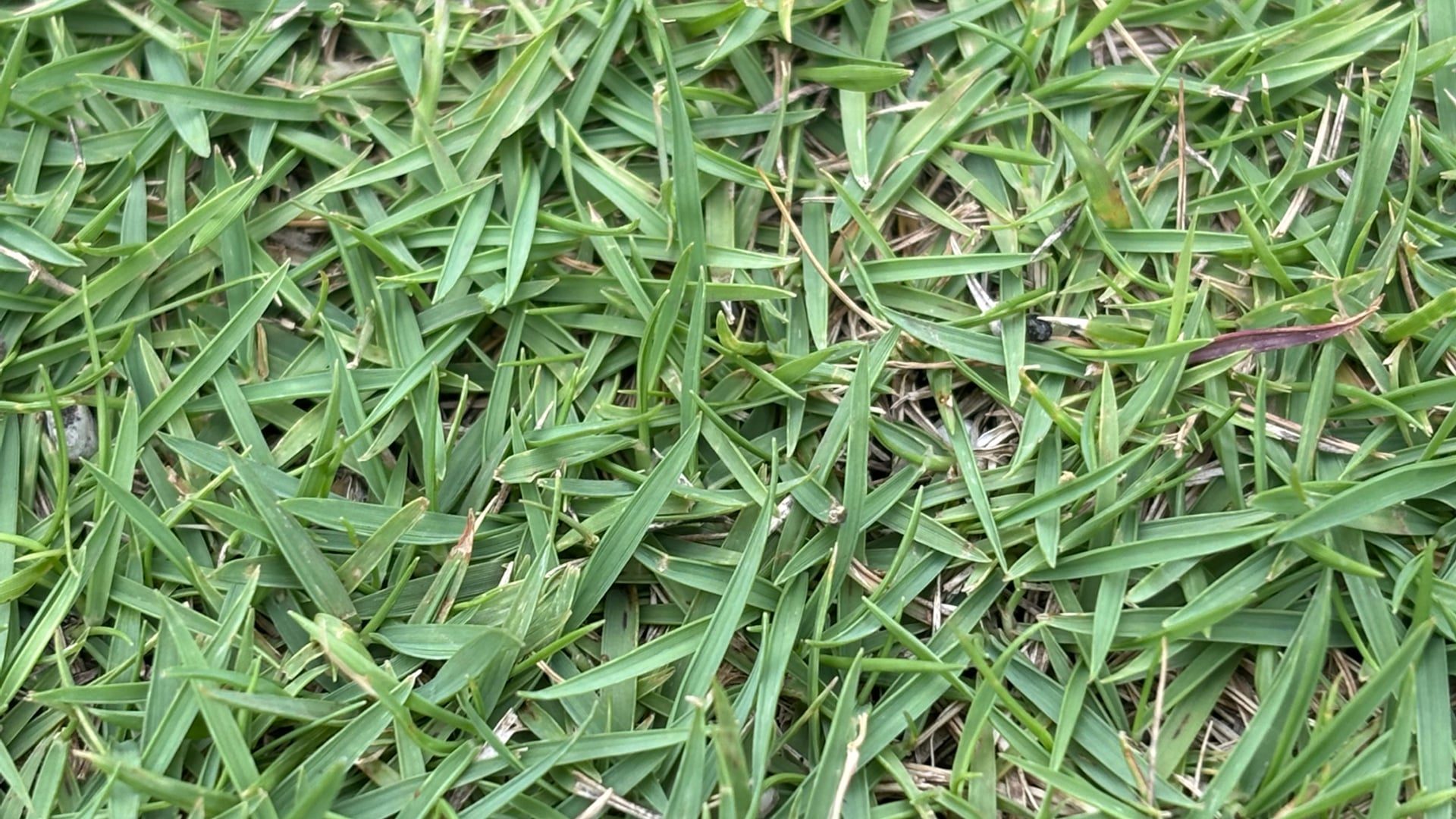
Zoysia’s reputation for weed resistance is well-earned, thanks to its dense, interlocking growth habit and slow vertical growth. This thick mat crowds out most weed seedlings, making it one of the tougher turfgrasses for weeds to invade. Our Grass Database shows Zoysiagrass is a warm-season grass with high drought and traffic tolerance, both of which contribute to its competitive edge.
However, Zoysia is not invincible. It becomes vulnerable in a few specific situations: after heavy foot traffic or pest damage that thins the lawn, during periods of drought stress, or following aggressive dethatching or overseeding. Weeds also find opportunities during Zoysia’s slower spring green-up and fall dormancy, especially in regions with overlapping cool- and warm-season weed pressure. Understanding why this happens helps you prevent it next time-healthy, dense Zoysia is the first line of defense, but it requires vigilance and the right management.
Weed Control Strategies for Zoysia Grass: An Overview
The Three-Pronged Approach: Prevention, Suppression, Eradication
Effective weed control for Zoysia grass isn’t about a one-time spray; it’s a season-long process that blends three key strategies:
- Prevention: Stop weeds before they start by maintaining dense turf, applying pre-emergent herbicides at the right time, and correcting lawn care practices that invite weed growth.
- Suppression: Use cultural practices-like proper mowing, fertilization, and watering-to keep Zoysia thick and competitive. A healthy lawn shades the soil, which limits weed germination.
- Eradication: Apply targeted post-emergent treatments to kill existing weeds, using either chemical or organic methods, depending on your situation and preferences.
Aligning these strategies with Zoysia’s growth cycle is crucial. Since Zoysia’s peak growth is May through September (per our Grass Database), weed control is most effective when synchronized with these active periods, not during dormancy or transition.
Matching Methods to Lawn Goals and Local Conditions
Every lawn is unique. The best weed control for Zoysia grass will depend on your region, soil type, and specific weed challenges. For example, homeowners in the Southeast contend with warm-season weeds like crabgrass and goosegrass, while those in transition zones or further north must also watch for cool-season invaders like poa annua.
Soil pH, compaction, and fertility also influence which weeds are most persistent. If your lawn care philosophy leans organic, or if you have pets and kids using the lawn, you may choose natural methods or a hybrid approach. The key is to select strategies that fit your lawn’s needs, your regional climate, and your own comfort level with chemicals versus organics.
Pre-Emergent Weed Control for Zoysia Grass
What Is Pre-Emergent Weed Control and How Does It Work?
Pre-emergent weed control targets weeds before they’re visible, disrupting the germination process. These herbicides form a chemical barrier in the upper layer of soil, preventing weed seeds from developing roots and shoots. It’s important to note that pre-emergents will not kill existing weeds-they only stop new ones from sprouting.
Timing is critical. For Zoysia lawns, pre-emergent herbicides should be applied just as soil temperatures reach 55°F for several consecutive days-this is when common annual weeds like crabgrass begin to germinate. Applying too early or too late dramatically reduces effectiveness, as the product needs to be in place before seeds sprout but not so early that it breaks down before germination begins.
Best Pre-Emergent Herbicides for Zoysia Grass
Several pre-emergent herbicides are proven safe and effective for Zoysia lawns. Here’s a quick rundown of the most common options:
- Prodiamine (Barricade): Long-lasting, controls a wide variety of grassy and some broadleaf weeds. Ideal for spring and fall applications. Requires precise timing and watering in.
- Dithiopyr (Dimension): Offers pre- and early post-emergent activity, which helps if you’re a little late. Slightly shorter residual than prodiamine.
- Pendimethalin (Pendulum): Effective but stains hard surfaces and has a shorter window of control.
Application windows depend on your region. Our Regional Climate Data puts the Southeast pre-emergent window at February 15 - March 15, while the coastal mid-Atlantic window is April 15 - May 15. Use a soil thermometer or follow local soil temperature reports-don’t rely solely on the calendar. Here’s a comparative table to help you plan:
| Region | Pre-Emergent Window | Soil Temperature Target | Typical Last Frost |
|---|---|---|---|
| Southeast | Feb 15 - Mar 15 | 55°F | Mar 1 - Mar 20 |
| Transition Zone | Mar 15 - Apr 15 | 55°F | Apr 15 - May 1 |
| Coastal Mid-Atlantic | Apr 15 - May 15 | 55°F | May 1 - May 15 |
For the most accurate timing, enter your ZIP code below to get your region’s soil temperature and ideal application window:
Loading Herbicide Timing Calculator...
Here’s a step-by-step checklist for safe, effective pre-emergent herbicide application on Zoysia:
- Measure lawn area to calculate the correct amount of product.
- Calibrate your spreader to deliver the recommended rate (usually 1-2 lbs active ingredient per acre, check product label).
- Apply evenly over dry turf, avoiding overlaps or missed strips.
- Water in immediately with at least 0.5 inches of irrigation-this activates the product in the soil.
- Wait to seed or overseed according to your product label-prodiamine labels typically require about 4 months minimum before reseeding, while dithiopyr requires less at low rates. Pre-emergents prevent all seed germination, including desirable grass seed.
Pro tip: Never apply pre-emergents to Zoysia that hasn’t fully greened up, or during drought stress. This can damage roots and delay spring recovery.
Fall Pre-Emergent Timing for Poa Annua
Spring is only half the pre-emergent story. Poa annua (annual bluegrass) is a cool-season weed that germinates in fall, so a spring-only program lets it slip through every year. Put down a fall pre-emergent like prodiamine or dithiopyr when soil temperatures fall to about 70°F, which is typically September across most of Zoysia’s range. NC State Extension makes the same point below, recommending a repeat pre-emergent in late summer or early fall for winter annuals. Aim for the window while your Zoysia is still actively growing but before the first flush of poa germinates, and water the product in just as you would in spring.
Organic and Natural Pre-Emergent Options
If you prefer natural weed control, corn gluten meal is the most widely used organic pre-emergent. It works by inhibiting root formation in germinating seeds, but university trial results are decidedly mixed. Oregon State University found it did not prevent weeds from germinating across two years of trials, while Iowa State University saw only 69 to 93 percent control, and only at high application rates (typically 15-20 lbs per 1,000 sq ft). It also acts as a fertilizer, which can inadvertently feed both grass and weeds if timing isn’t perfect. Treat corn gluten meal as a reasonable option for patient, organic-leaning readers willing to reapply over several seasons-not as an equal substitute for a synthetic pre-emergent.
Mulching bare soil or garden beds adjacent to your Zoysia lawn can help prevent weed seed germination. Maintaining a healthy soil ecosystem-through compost, aeration, and balanced fertilization-also gives your Zoysia the competitive edge over weeds. These methods are most effective when combined with the cultural practices discussed later in this guide.
Post-Emergent Weed Control for Zoysia Grass
When and Why to Use Post-Emergent Herbicides
Post-emergent weed control targets weeds that are already growing and visible above the soil. Use post-emergent herbicides when pre-emergent timing is missed, or for perennial and tough annual weeds that escaped earlier controls.
Spot treatments are preferred for isolated patches or low weed pressure, minimizing chemical use and risk to your Zoysia. Blanket applications are only necessary for heavy, widespread infestations and should be approached with caution, as even “safe” products can stress Zoysia if applied during heat or drought.
Best Post-Emergent Weed Killers for Zoysia Grass
Selectivity and safety are paramount. The following post-emergent herbicides are labeled as safe for established Zoysia grass when used as directed:
- 2,4-D blends (such as Trimec or Weed-B-Gon for Southern Lawns): Effective against most broadleaf weeds like clover and dandelion. Safe for Zoysia when applied below 85°F.
- Quinclorac: Controls crabgrass (even after it has sprouted) and some broadleaf weeds. Quinclorac is broadly labeled as safe on Zoysia, so it is a solid choice here. The herbicides to genuinely avoid on Zoysia are MSMA, sethoxydim (which kills Zoysia), fenoxaprop (which can injure it at some rates), and atrazine (labeled for dormant-season use only on Zoysia under most labels).
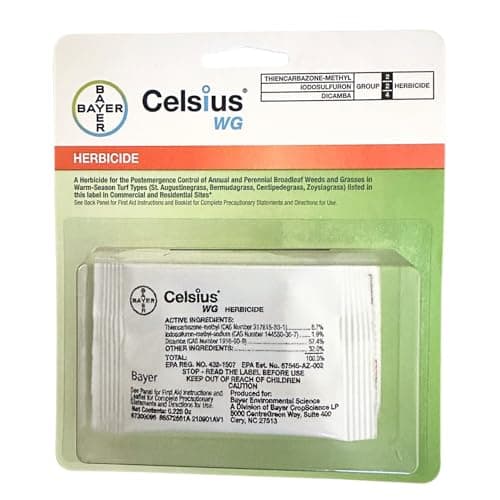
- Celsius WG (thiencarbazone-methyl + iodosulfuron + dicamba): Widely regarded as one of the best all-around post-emergents for Zoysia, controlling both broadleaf and grassy weeds with minimal risk of turf damage.
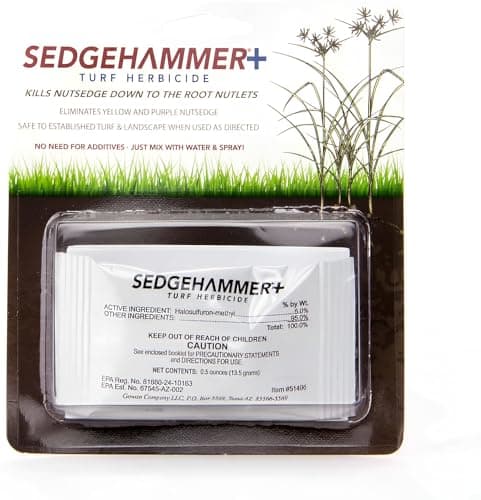
- Sedgehammer (halosulfuron): Targeted for nutsedge, a notoriously difficult weed in Zoysia lawns.
Mixing and applying these products correctly is essential. Here’s my go-to process:
- Identify your weed type-use a weed ID guide or extension service to avoid mistakes.
- Mix according to label directions, using a backpack or pump sprayer for even coverage.
- Apply on a calm, dry day with temperatures between 65-85°F. Avoid mowing or watering for 24 hours post-treatment.
- Monitor for results within 7-14 days. Some tough weeds may require a repeat treatment after 2-3 weeks.
Always read and follow product labels. Applying during Zoysia’s dormancy, drought stress, or high heat can result in turf injury or slow recovery.
To make herbicide selection foolproof, here is how the common active ingredients sort out for Zoysia by safety tier:
| Active Ingredient | Tier | Why | Example Product |
|---|---|---|---|
| Prodiamine | Safe | Pre-emergent labeled for established Zoysia; strong crabgrass and poa control | Barricade |
| Dithiopyr | Safe | Pre- and early post-emergent, labeled for Zoysia | Dimension |
| Quinclorac | Safe | Broadly labeled safe on Zoysia; controls crabgrass post-emergent | Quinclorac blends |
| Halosulfuron | Safe | Selective nutsedge control, labeled for Zoysia | Sedgehammer |
| Thiencarbazone + iodosulfuron + dicamba | Safe | Broad broadleaf and grassy weed control with low Zoysia injury risk | Celsius WG |
| 2,4-D blends | Safe (below 85°F) | Broadleaf control tolerated by established Zoysia at labeled rates | Trimec, Weed-B-Gon for Southern Lawns |
| Atrazine | Caution | Labeled for dormant-season use only on Zoysia under most labels | Atrazine products |
| Fenoxaprop | Caution | Can injure Zoysia at some rates; follow label carefully | Fenoxaprop products |
| Weed-and-feed (during spring green-up) | Caution | Herbicide plus fertilizer can stress Zoysia if applied before full green-up | Weed-and-feed blends |
| MSMA | Never | Restricted-use organic arsenical; not for home lawns | MSMA products |
| Sethoxydim | Never | Kills Zoysia along with the target weeds | Sethoxydim products |
| Glyphosate on green turf | Never | Non-selective; kills any green Zoysia it contacts (dormant spot use only) | Glyphosate products |
Organic and Manual Post-Emergent Methods
For those who prefer to avoid chemicals or have only a handful of weeds, hand-pulling is both effective and sustainable. The best time to pull weeds is after a rain or irrigation, when the soil is soft and roots are easier to extract. For deep-rooted weeds like dandelion, use a weeding tool to remove the entire taproot.
Vinegar (acetic acid) and boiling water can kill young, annual weeds, but these methods are non-selective-they’ll damage Zoysia if contact is made. Use only for spot treatments on driveways, patios, or in cracks-not in your lawn. Flame weeding is an option for advanced users with significant hardscape or non-turf areas, but it’s rarely practical or safe in most home lawns.
Cultural and Preventive Practices: Building a Weed-Resistant Zoysia Lawn
Mowing Best Practices for Weed Control
Our Grass Database recommends a mowing height of 1-2.5 inches for Zoysiagrass, with a minimum mow height of 0.75 inches. Maintaining Zoysia at the higher end of this range encourages deeper roots and denser turf, which shades out weed seeds and makes it harder for invaders to get established.
Sharpen mower blades regularly for a clean cut-dull blades shred grass, opening the door for pests and disease. Mow frequently enough to remove no more than one-third of the leaf blade at a time, and always vary your mowing pattern to avoid soil compaction and ruts. If you scalp your Zoysia, you’ll create thin spots where weeds can germinate rapidly.
Watering and Fertilization Strategies
Deep, infrequent watering is key. Our Grass Database shows Zoysiagrass needs about 1 inch of water per week in summer. Watering lightly and often encourages shallow roots and creates moist soil surfaces where weed seeds thrive. Instead, water deeply to moisten the root zone (about 6 inches), then allow the soil to partially dry before watering again.
Zoysia responds well to moderate fertilization-generally about 2 to 4 lbs of nitrogen per 1,000 sq ft annually, in line with our Zoysia fertilizer guide. Split the season so most nitrogen lands during peak summer growth, with the remainder in late summer. Do not apply nitrogen within 6 to 8 weeks of your first expected frost, since late feeding raises the risk of large patch disease and winterkill (see Clemson HGIC). Picking the right product matters here; see our guide to the best fertilizer for Zoysia grass for specific N-P-K picks. Balanced fertilization keeps Zoysia thick and able to outcompete weeds. Avoid excess nitrogen, which can stimulate weed growth and disease pressure.
Soil Health and Lawn Aeration
Soil compaction is a silent but major contributor to weed problems in Zoysia lawns. Compacted soils favor weeds like goosegrass and poa annua while stunting Zoysia’s root growth. Core aeration-removing plugs of soil-once a year (preferably in late spring or early summer) relieves compaction and improves water and nutrient movement.
If you notice bare patches, overseed with a compatible Zoysia variety or use plugs/sod to restore density. Amending soil with compost or sand (for heavy clay soils) can further boost drainage and promote healthy Zoysia growth, tipping the balance against weeds.
Creating a Year-Round Maintenance Schedule
Integrating weed control with your overall lawn care routine is the best way to ensure long-term success. Here’s a basic seasonal checklist for Zoysia lawns:
- Late Winter/Early Spring: Apply pre-emergent herbicide as soil hits 55°F. Begin mowing as Zoysia greens up.
- Spring: Fertilize after full green-up. Spot-treat any surviving weeds. Monitor for pest or disease outbreaks.
- Summer: Water deeply, mow regularly, and watch for summer weeds like nutsedge. Avoid herbicide applications during drought or extreme heat.
- Early Fall: Apply pre-emergent for winter weeds (especially in transition zones). Fertilize lightly to prepare for dormancy.
- Late Fall/Winter: Minimize traffic and avoid herbicides-Zoysia is dormant and highly sensitive during this period.
For more on seasonal Zoysia care, see guides like Lawn Fertilization Schedules for Zoysia Grass and How to Repair Bare Spots in Zoysia Lawns.
Advanced Weed Control Tactics for Zoysia Grass
Dealing With Hard-to-Control or Herbicide-Resistant Weeds
Certain weeds are especially tough in Zoysia lawns, often developing resistance to common herbicides or thriving under stress conditions. Examples include:
- Nutsedge: Requires targeted products like halosulfuron (Sedgehammer) and consistent moisture control.
- Dallisgrass: A perennial grassy weed that often requires physical removal or repeated spot treatments with non-selective herbicides, followed by Zoysia repair.
- Poa annua: Pre-emergent timing is crucial (fall application). If established, removal often combines manual pulling, spot treatments, and cultural controls.
The best approach is to rotate herbicide modes of action each season to prevent resistance. For persistent patches, combine mechanical removal (digging or plugging), targeted spot sprays, and improving lawn density. Document what works and adjust your plan each year.
Integrated Pest Management (IPM) for Zoysia Lawns
Integrated Pest Management (IPM) combines all available tools-cultural, mechanical, biological, and chemical-based on careful monitoring and threshold-setting. Start by regularly inspecting your lawn for weed outbreaks, recording locations and types. Set action thresholds (e.g., treat if 10% of a given area is infested).
Choose the least-risk solution first: improve soil or mowing, hand-pull, try organic controls, and reserve chemicals for when thresholds are exceeded. Keep records of what you’ve applied and when, so you can refine your approach season after season. This detective-style approach not only reduces chemical use but also builds a healthier, more resilient Zoysia lawn over time.
Customizing Weed Control for Specific Regions
Our Regional Climate Data highlights just how much timing and weed pressure can vary across the country. In the Southeast, apply pre-emergent herbicides as early as mid-February, well before Zoysia greens up. In the transition zone or coastal mid-Atlantic, you might wait until late April or even May, targeting cool-season weeds like poa annua and adjusting for a shorter growing season.
Local weed calendars are invaluable-your county extension office or state university can provide region-specific guidance on peak weed germination and control windows. Always match timing and product selection to your local climate and observed lawn conditions for the best results.
- NC State Extension recommends applying pre-emergent herbicide to Zoysiagrass when soil temps reach 55°F for three consecutive days in spring and again in late summer/early fall for winter annuals.
Best Weed Killers for Zoysia Grass: Reviews & Recommendations
Top Pre-Emergent and Post-Emergent Products (With Mini-Reviews)
Choosing the right product is about balancing safety, effectiveness, and ease of use. Below is a comparative table of the most popular weed control products for Zoysia grass lawns:
| Product | Type | Weeds Controlled | Safe for Zoysia | Approx. Cost (2026) |
|---|---|---|---|---|
| Barricade (Prodiamine) | Pre-emergent | Crabgrass, goosegrass, poa annua, many broadleafs | Yes | $40/10,000 sq ft |
| Dimension (Dithiopyr) | Pre/emergent | Crabgrass (pre & early post), broadleafs | Yes | $35/10,000 sq ft |
| Pendulum (Pendimethalin) | Pre-emergent | Crabgrass, annual grasses, some broadleafs | Yes | $30/8,000 sq ft |
| Celsius WG | Post-emergent | Broadleaf, grassy weeds (incl. sedges) | Yes | $70/10,000 sq ft |
| 2,4-D blends (Trimec, Weed-B-Gon Southern) | Post-emergent | Broadleafs (clover, dandelion) | Yes | $25/5,000 sq ft |
| Sedgehammer (Halosulfuron) | Post-emergent | Nutsedge, kyllinga | Yes | $15/1,000 sq ft |
When shopping, always check the label for “safe for Zoysia” and target weeds. Be wary of counterfeits or untested products-buy from reputable garden centers or direct from manufacturer-approved dealers. If you’re not sure about a product, look for EPA registration numbers and consult your county extension office for confirmation.
Tools and Equipment for Effective Weed Control
Proper tools make all the difference in achieving even coverage and minimizing product waste. Essential equipment includes:
- Broadcast or drop spreaders: For granular pre-emergents and fertilizers.
- Backpack or pump sprayers: For liquid post-emergents-clean thoroughly between uses.
- Protective gear: Gloves, goggles, long sleeves, and a mask for chemical applications.
- Calibration tools: Measuring cups and catch pans for accurate mixing and application rates.
For pet- and child-safe applications, keep everyone off treated areas until the product has dried (liquid) or been watered in (granular), following the label’s re-entry guidelines.
Is Weed and Feed Safe for Zoysia Grass?
Short answer: yes, as long as the bag lists Zoysia on the label. The best weed and feed for Zoysia grass pairs fertilizer with broadleaf weed killers like 2,4-D and dicamba, which established Zoysia tolerates at labeled rates. Timing matters more than brand here. Apply once the lawn is fully green and actively growing, never during spring green-up or drought stress, and skip it entirely on newly sprigged or sodded lawns.
One caution: weed and feed is a compromise product. The fertilizer and the herbicide each have an ideal window, and they rarely line up perfectly. If weed pressure is heavy, you will get better results applying a dedicated post-emergent weed killer while weeds are young, then fertilizing on your normal schedule. And if you prefer chemical-free options, see our guide to the best natural weed killers.
Common Mistakes to Avoid
Many online guides miss key details that make or break Zoysia weed control. Here’s what I see most often-and how to avoid it:
Applying Herbicides at the Wrong Time
Missing the pre-emergent window is a top reason for weed outbreaks. Remember, the product must be down before soil temps hit 55°F for several days. Post-emergent herbicides, meanwhile, should never be applied to dormant or drought-stressed Zoysia-this can cause yellowing, thinning, or even permanent damage.
Failing to Confirm Weed and Grass Types
Misidentification is costly. Applying crabgrass killer to nutsedge, or using herbicides labeled for cool-season grasses on Zoysia, can kill large patches of healthy turf. Use a weed ID guide or contact your local extension office to confirm before treating.
- Contact your local extension office
Over- or Under-Applying Products
Too much herbicide can injure Zoysia, while too little won’t control weeds. Calibrate your spreader or sprayer carefully, and never exceed label rates. Overlapping applications can cause yellowing or stunted growth; skipping areas leaves gaps for weeds to flourish.
Ignoring Regional and Seasonal Differences
What works in the Southeast may fail in the Midwest. Adjust timing and product choice to fit your local climate and weed spectrum. Don’t assume national advice fits your situation-always check local soil temperatures and extension recommendations.
Neglecting Safety Precautions (Especially With Pets and Children)
Re-entry intervals matter. Keep pets and kids off treated lawns until the product is fully dry (liquids) or watered in (granulars). Non-selective herbicides are especially risky in high-traffic areas.
Conclusion
The best weed control for Zoysia grass comes down to a seasonally tailored, integrated approach: prevent weeds with dense, healthy turf and timely pre-emergent applications; suppress them with proper mowing, watering, and fertilization; and eradicate stubborn invaders with carefully chosen post-emergent or organic solutions. Always align your methods to Zoysia’s growth cycle and your local climate for the most reliable results.
Start by assessing your lawn-identify thin spots, test soil, and confirm weed types-then build a year-round weed control plan that fits your goals and region. For more help, check out related guides such as How to Repair Bare Spots in Zoysia Lawns, Lawn Fertilization Schedules for Zoysia Grass, and How to Identify Common Lawn Weeds. If you have questions or need personalized advice, leave a comment below-I’m here to help you solve the root of your weed problems, not just treat the symptoms.
Top Picks
 Celsius WG Herbicide (Easy Mix Packet)Check price on Amazon
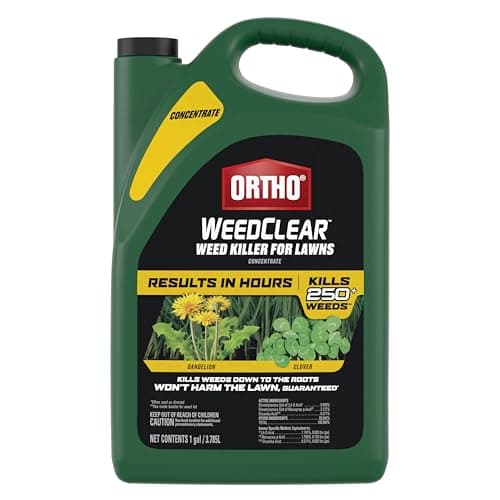
 Ortho WeedClear Weed Killer for Lawns Concentrate (1 gal)Check price on Amazon
 Sedgehammer Plus Turf SolutionCheck price on Amazon
As an Amazon Associate we earn from qualifying purchases.
Free Lawn Care Tools
Apply pre-emergent herbicide when soil temperatures consistently reach 55°F for several days. This timing varies by region but is usually early spring (February-March in the Southeast, April-May in cooler climates).
Products containing prodiamine, dithiopyr, Celsius WG, or 2,4-D blends labeled 'safe for Zoysia' are effective and minimize risk. Always check the label for compatibility before applying.
Vinegar and boiling water are non-selective and will kill or damage Zoysia grass as well as weeds. Use these methods only on hard surfaces, not on your lawn.
Use a targeted post-emergent herbicide like halosulfuron (Sedgehammer) applied directly to the nutsedge. Improve drainage and avoid overwatering to prevent future outbreaks.
No, pre-emergent herbicides prevent all seed germination, so follow your product label before overseeding. Prodiamine labels typically require about 4 months minimum before reseeding, while dithiopyr requires less at low rates.
Post-emergent herbicides show visible effects within 7-14 days. Pre-emergent treatments keep working for months, roughly 3 to 6 months for prodiamine and 3 to 4 months for dithiopyr depending on rate, but won’t affect weeds that have already emerged.

Beat weeds and brown spots from your phone
Snap a photo, get the fix, and follow a plan timed to your soil and weather. Free on iPhone.
Related Articles
 Weed Control
Best Weed Killer for Bermuda Grass: Safe Products That Won't Kill It
Mar 30, 2026•7 min read Weed Control
Summer Weed Control: Best Products and Timing for Crabgrass and Nutsedge (2026)
Apr 25, 2026•7 min read Weed Control
Can You Overseed After Applying Scotts Weed and Feed?
Mar 31, 2026•6 min read