Scotts Halts Crabgrass Preventer Instructions: How to Apply, Water, and Time It
 James ThorntonLawn Equipment & Maintenance Expert | 20 Years
As an Amazon Associate we earn from qualifying purchases.
Every season, homeowners wage a battle against crabgrass, only to see those wiry, invasive blades return stronger each year. The real secret to a lush, healthy lawn is stopping crabgrass before it starts-using the right product, at the right time, and with the right technique. Scotts Turf Builder Halts Crabgrass Preventer is one of the most trusted tools for this job, but plenty of folks get tripped up by the details: exact timing, application steps, and troubleshooting when things don’t go as planned. After maintaining thousands of lawns, the pattern is clear-a precise, regionally-tuned approach makes all the difference between thick, green grass and a patchy, weedy yard. This guide covers everything you need: from timing and detailed application instructions to advanced pro strategies and the critical mistakes most other guides miss.
Scotts Turf Builder Halts Crabgrass Preventer works best when applied in early spring, just before crabgrass seeds germinate-typically when soil temperature hits 55°F for several days in a row. Confirm the right timing with a soil thermometer, not just the calendar, and use a properly calibrated spreader to ensure even coverage across your lawn. Water the product in with about half an inch within 24 hours to activate the herbicide barrier, and keep kids and pets off the grass until it dries and the watering is complete-usually about 24 hours total. If you miss the window and see crabgrass breaking through, switch to targeted post-emergent options, but avoid applying Halts to newly seeded lawns as it will stop new grass from sprouting. Expect results within a few weeks, and check out our troubleshooting section if issues arise.
Understanding Scotts Turf Builder Halts Crabgrass Preventer
What Is Scotts Turf Builder Halts Crabgrass Preventer?
Scotts Turf Builder Halts Crabgrass Preventer is a dual-action pre-emergent herbicide and lawn food. Its active ingredient, pendimethalin, creates a chemical barrier in the soil that stops crabgrass seeds (and some other annual weeds) from sprouting. At the same time, it delivers a balanced dose of fertilizer, helping your existing grass grow thicker and greener. This product is best suited for established lawns, both cool-season (like Kentucky bluegrass, fescue, and ryegrass) and warm-season (such as Bermuda, zoysia, and St. Augustine), but it should never be used on new seedings or sod until the grass is mature.
Benefits of Using Scotts Turf Builder Halts
The main advantage of using Scotts Halts is its two-in-one formula: you feed your lawn and stop crabgrass in a single pass. Compared to plain pre-emergent herbicides, Halts gives your turf a head start with nutrients, supporting root development and early spring green-up. Unlike some cheaper weed preventers, it’s less likely to burn your grass when used as directed. Skip the marketing claims-here’s what I’ve actually seen work: Halts consistently outperforms bargain brands on both crabgrass suppression and overall turf vigor, especially when paired with proper mowing and watering.
How Pre-Emergent Crabgrass Preventers Work
Pre-emergent herbicides like Halts form an invisible barrier at the soil surface, targeting weed seeds as they begin to sprout. The science is straightforward: if the product is in place before the seeds germinate, crabgrass never gets a chance to emerge. Timing is everything here-apply too early and the barrier may break down before weeds germinate, too late and seeds will already be sprouting. For more on crabgrass identification and removal, see How to Identify and Control Crabgrass in Your Lawn.
What Is the Active Ingredient in Scotts Halts?
The active ingredient in Scotts Turf Builder Halts Crabgrass Preventer is pendimethalin, carried on a 30-0-4 lawn food. Pendimethalin is the part that stops crabgrass, foxtail, and other annual grassy weed seeds from establishing, while the 30-0-4 fertilizer feeds your established grass at the same time. The exact percentage of active ingredient is printed on the bag, and Scotts occasionally reformulates, so check your label rather than assuming. This is the same active ingredient used in the standalone Scotts Halts Crabgrass and Grassy Weed Preventer with no lawn food; both rely on pendimethalin, and the difference is simply that this Turf Builder version also carries the 30-0-4 fertilizer, so read whichever bag you actually bought to confirm the rate.
When to Apply Scotts Turf Builder Halts Crabgrass Preventer
Understanding Crabgrass Growth Cycles
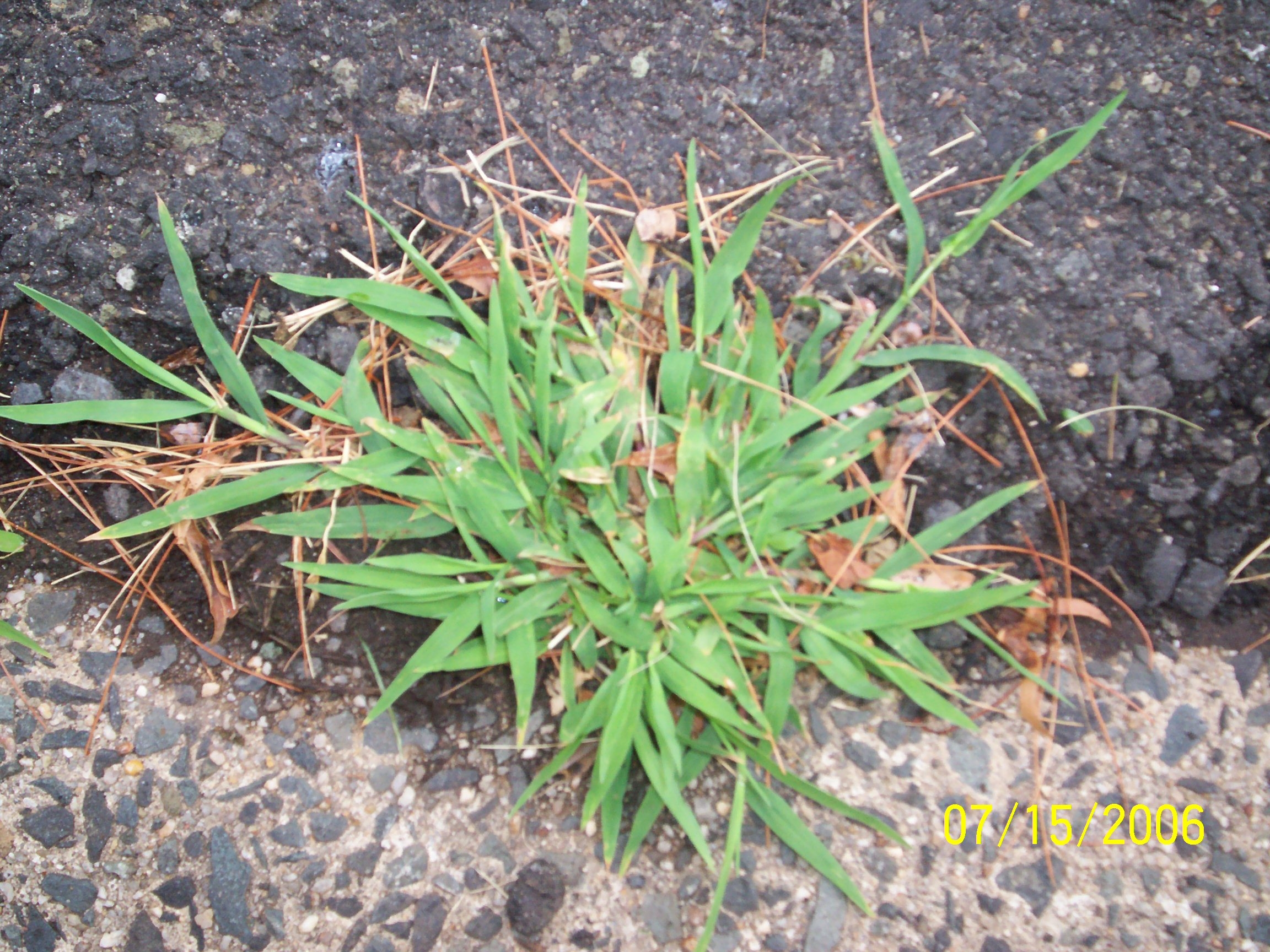
Crabgrass is an annual grassy weed, meaning it completes its entire life cycle in one year. Seeds germinate in spring when soil temperatures reach about 55°F for 3-5 consecutive days, grow all summer, then drop thousands of new seeds in late summer and fall. Those seeds lie dormant through winter, ready to sprout the following spring. The window for effective crabgrass prevention is just before those seeds wake up and start growing. If you wait until you see crabgrass, it’s already too late for a pre-emergent like Halts-at that stage, only a post-emergent herbicide will work.
Best Time to Apply by Region
Application timing depends heavily on your climate zone. According to our Regional Climate Data:
- In the Northeast (cool-season lawns), the ideal pre-emergent window is March 15 - April 15.
- For the Southeast (warm-season lawns), apply Halts between February 15 - March 15.
- In the Upper Midwest (cool-season lawns with shorter seasons), the best window is April 15 - May 15.
Forget guessing by calendar date-soil temperature is your best guide. Use a soil thermometer to check for 55°F at 2 inches deep for several days in a row. Local weather stations or online soil temp maps can help, but direct measurement is more accurate. The Scotts label frames the same window as early spring, before your third or fourth mowing or before daytime temps regularly hit the 80s. For more on feeding cycles, see Best Time to Apply Lawn Fertilizer.
Here’s a table summarizing regional timing and soil temperature thresholds:
| Region | Pre-Emergent Window | Soil Temp Target | Primary Grass Types |
|---|---|---|---|
| Northeast | March 15 - April 15 | 55°F | Kentucky Bluegrass, Fescue, Ryegrass |
| Southeast | February 15 - March 15 | 55°F | Bermudagrass, Zoysia, St. Augustine |
| Upper Midwest | April 15 - May 15 | 55°F | Kentucky Bluegrass, Fescue, Ryegrass |
Remember, these dates are averages-always confirm with a soil thermometer for best results. For a broader multi-product timing breakdown by region, see our granular pre-emergent timing guide.
Loading Herbicide Timing Calculator...
Enter your ZIP code above to find your exact local pre-emergent timing window for Scotts Turf Builder Halts Crabgrass Preventer.
Seasonal Application Windows
Spring is the primary season for crabgrass prevention. In most regions, a single well-timed application is enough, but in areas with persistent weeds or extended warm seasons, a second light application may be allowed by the label. Fall applications are less common for crabgrass, but some use Halts to suppress other annual winter weeds. If you miss the spring window, skip Halts and switch to a selective post-emergent herbicide for breakthrough weeds-don’t double up with late pre-emergent, as it won’t kill existing crabgrass and may stress your turf.
Can You Apply Scotts Halts Twice a Year?
Yes-the Scotts label allows up to two applications per year. Most lawns only need one well-timed spring pass, but a second application about 6 to 8 weeks later is reasonable where crabgrass pressure is heavy, the growing season is long, or you are also targeting stubborn weeds like prostrate spurge. Do not stack a second dose just to feel safe; overapplying pre-emergent wastes product and can stress turf. If you want a full-season schedule with rates, our Scotts pre-emergent schedule guide lays it out.
Step-by-Step Application Instructions
Preparation Checklist
Proper prep is the foundation for effective crabgrass prevention. Here’s what you’ll need:
- Scotts Turf Builder Halts Crabgrass Preventer (correct bag size for your lawn)
- A broadcast (rotary), drop, or handheld spreader
- Soil thermometer (for best timing)
- Gloves and eye protection
- Rake for debris removal
Mow your lawn to normal height (not scalped), rake up leaves and sticks, and wait for the grass to dry if it’s wet from dew or rain. Never apply to snow or frozen ground-the product must reach the soil to work.
Should You Apply Scotts Halts to Wet or Dry Grass?
Apply Scotts Halts to a dry lawn, not wet grass. If the blades are wet from dew, rain, or irrigation, the granules stick to the foliage instead of dropping to the soil where the barrier needs to form, and clumped product can streak your coverage. Let the lawn dry, spread the product evenly, then water it in with about 1/2 inch to move the granules down into the soil. The simple rule: dry going down, watered in right after.
Calculating Coverage & Spreader Settings
First, measure your lawn’s square footage. Most homeowners guess and end up wasting product or missing spots. Walk the area with a measuring wheel or use an online mapping tool, multiplying length by width for each section. Each bag of Halts lists the coverage on the front-typically 5,000 or 15,000 sq ft.
Set your spreader according to the Scotts label chart. The settings below are common starting points, but the number printed on your specific bag always wins, since Scotts adjusts them when the formula changes:
| Spreader Type | Typical Starting Setting | Coverage per Bag |
|---|---|---|
| Scotts Broadcast / Rotary (EdgeGuard) | 3 to 3.5 | 5,000 sq ft |
| Scotts Drop Spreader | 5.5 to 6 | 5,000 sq ft |
| Scotts Hand-Held Spreader | 4 | 5,000 sq ft |
If you’re using a non-Scotts spreader, use the manufacturer’s conversion chart or calibrate with a test run over a tarp. Adjust settings for your grass type only if the label instructs. Don’t crank up the setting “just to be sure”-overuse can damage turf and waste money.
Applying the Product: Step-by-Step
Here’s the proven process I follow after 20 years of spring lawn work:
- Fill your spreader on the driveway or sidewalk, not over the grass (to avoid spills).
- Divide your lawn into zones-front, back, side-to keep track and avoid overlap.
- Walk at a steady pace, overlapping each pass by a few inches to prevent skips.
- Close the spreader when turning or stopping to avoid dumping product in one spot.
- Apply evenly in two directions (north-south then east-west) on problem lawns for better coverage.
Don’t rush-uneven application is the #1 reason for crabgrass breakthrough. One key detail most guides skip: if you use the two-direction method, set your spreader to half the labeled rate for each pass so the north-south and east-west passes together add up to the full bag rate, not double it. Running the full rate in both directions doubles your dose and can stress the turf.
Post-Application Watering and Care
Watering is critical: apply at least 1/2 inch of water within 24 hours of applying Halts. This settles the product into the topsoil, forming the weed barrier. If rain is forecast, you can let nature do the job, but don’t rely on a light drizzle. Skip mowing, raking, or heavy foot traffic for a day to avoid disturbing the barrier. For more on watering schedules, see How Often Should You Water Your Lawn?
- Purdue Extension recommends watering in pre-emergent herbicides with 0.5 inch of water within 24 hours to ensure proper activation and coverage.
Advanced Tips for Maximum Crabgrass Prevention
Integrating Halts with Your Lawn Care Program
Halts fits best as the first step in your spring lawn care sequence. If you plan to fertilize again, wait at least 6-8 weeks after Halts before using another high-nitrogen or weed-and-feed product. Avoid combining Halts with other herbicides on the same day unless the label specifically allows it. When overseeding, time your seeding at least 4 months after Halts-or use a seed-safe starter fertilizer instead. For more detail, see Lawn Overseeding After Using Pre-Emergent Herbicides.
Addressing Difficult Lawn Areas
Some spots-like curb edges, driveways, and high-traffic zones-are notorious for crabgrass. Double-check these areas during application and spot-treat if necessary. On steep slopes, apply slowly to avoid runoff, and consider a second light application 6-8 weeks later if the label permits and crabgrass pressure is high. For shaded or compacted areas, improve grass density through aeration and overseeding in the fall, as thin grass is more vulnerable to weed invasion.
Combining Preventative and Remedial Strategies
If you see crabgrass break through later in the season, spot-treat with a selective post-emergent herbicide labeled for crabgrass (like quinclorac). Don’t apply Halts again mid-season-too much pre-emergent can harm your lawn. Healthy, dense grass is your best defense: maintain proper mowing height, consistent feeding, and good irrigation to help your turf outcompete weeds naturally.

Can You Apply Scotts Halts and DiseaseEx Together?
Yes, you can apply Scotts Turf Builder Halts and Scotts DiseaseEx on the same day. They do different jobs and do not cancel each other out. Halts is a granular pre-emergent (active ingredient pendimethalin) that forms a barrier in the top layer of soil, while DiseaseEx is a granular systemic fungicide (active ingredient azoxystrobin) that the grass takes up through its blades and roots. Because both are dry granules that get watered in, most homeowners run one product through the spreader, refill, then run the second in a perpendicular pass so coverage stays even.
A few things to keep straight so you don’t shortchange either product:
- Apply both to a dry lawn, then water once to activate them. Halts wants about 1/2 inch of water within 24 hours, and DiseaseEx is fine with that same soak, so one watering covers both.
- Don’t water so hard that you cause runoff on slopes or near driveways-one good 1/2 inch soak is enough for both.
- Read both bags. Rates and re-entry times are printed on each label, and the label always wins over any general guidance here.
If you would rather not put the two down together, there’s no harm in splitting them a day or two apart. The key is that Halts goes down before crabgrass germinates, while DiseaseEx timing follows disease pressure rather than the crabgrass calendar. When the two windows line up, same-day application just saves you a trip across the lawn.
Special Considerations for Different Grass Types
Cool-Season vs. Warm-Season Grasses
Scotts Turf Builder Halts is safe for most established cool-season grasses (Kentucky bluegrass, perennial ryegrass, fine fescue, tall fescue) and warm-season types (Bermuda, zoysia, St. Augustine, centipede). Our Regional Climate Data puts the Northeast and Upper Midwest pre-emergent windows later than the Southeast due to cooler spring soil temps. Adjust application timing to your regional climate and primary grass type-applying too early or late reduces effectiveness.
Newly Seeded or Sodded Lawns
Never use Halts right before or after seeding or sodding-pre-emergents stop all seeds, including grass. Wait at least 4 months after applying Halts before overseeding, and ensure new sod is fully rooted and mowed at least three times before using any pre-emergent. For brand-new lawns, use only seed-safe starter fertilizers until turf is established.
Here’s a quick reference for how long to wait, hedged to the label-your bag is the final word:
| Situation | Typical Wait Before Seeding |
|---|---|
| Overseed after applying Halts | About 4 months (per label) |
| Apply Halts after new spring seeding | Wait until new grass has been mowed 3 to 4 times |
| Apply Halts after new sod | Until sod is fully rooted and mowed 3 times |
| You need to seed this spring | Skip Halts; use a seed-safe starter fertilizer instead |
Treating Weedy or Neglected Lawns
For lawns with heavy weed infestations, combine a late summer or fall renovation with a spring Halts application the following year. Remove existing weeds with appropriate post-emergent herbicides, overseed or resod thin areas in the fall, and use Halts in spring once new grass is mature. This approach rebuilds dense, resilient turf while keeping future weeds at bay.
Safety, Pets, and Environmental Considerations
Safe Application Around Children and Pets
Keep children and pets off the lawn during application and until the product is watered in and the grass is dry-typically 24 hours. After that, normal use is safe. Always follow the label’s re-entry instructions for best results and peace of mind.
Environmental Impact and Runoff Prevention
Never apply Halts to sidewalks, driveways, or near storm drains-runoff can pollute waterways. Sweep up any spilled product and return it to the bag. Avoid applying before heavy rain to reduce the risk of product washing away. To protect pollinators and beneficial insects, only treat turf (not flowering beds), and don’t exceed the recommended rate.
- NC State Extension warns that improper pre-emergent application near hard surfaces increases the risk of water pollution and recommends careful cleanup to protect the environment.
Storage and Disposal of Scotts Products
Store unused Halts in a cool, dry place, sealed tightly and away from children or pets. Never reuse empty bags-dispose of them according to local regulations, usually with household trash. Don’t pour leftover product down drains or onto bare ground.
Troubleshooting Scotts Halts
Rain, Weather, and Application Delays
If heavy rain occurs right after application, some product might wash away-especially on slopes. If you notice runoff or bare patches, you may need to spot-treat those areas with a post-emergent later. If unexpected cold snaps freeze the ground post-application, the product will still work once the soil warms and you water it in.
Reapplying or Combining with Other Treatments
Only reapply Halts if the label allows, typically for high-pressure areas or very long growing seasons. Never mix with other weed control products unless specifically stated on the label. When using other fertilizers or insecticides, follow a safe interval of at least 4-6 weeks unless otherwise directed.
Common Mistakes to Avoid
Most online guides gloss over the details that actually make or break your results. Here are the top mistakes I see after two decades in the field:
Misjudging Soil Temperature and Timing
Relying on calendar dates alone is a recipe for poor results-every spring is different. Use a soil thermometer to hit the 55°F threshold, as recommended in our Regional Climate Data. If you’re in a transition zone, err on the side of earlier rather than later, and confirm the temperature at 2 inches deep each morning for a week before applying.
Overlapping or Skipping Sections During Application
Uneven coverage leads to crabgrass breakthrough and wasted product. Avoid this by mapping your lawn into zones, using landmarks to track progress, and checking your spreader output with a test run. Most homeowners use too much on some areas and miss others entirely.

Applying to New Lawns or Before/After Seeding
Halts can kill new grass seed-never use it on lawns seeded or sodded less than 4 months ago. Always confirm lawn maturity before applying any pre-emergent.
Not Watering In Correctly or Allowing Runoff
Activation requires 0.5 inch of water within 24 hours. Delaying watering, or applying before heavy rain, can reduce effectiveness and cause environmental harm. Monitor weather closely and use irrigation if needed.
Safety Gaps with Pets and Children
Ignoring re-entry intervals is a common oversight. Always wait until the lawn is dry and Halts is watered in before allowing kids or pets back on the grass.
Conclusion
Scotts Turf Builder Halts Crabgrass Preventer is a powerful tool-when used precisely. Timing, application technique, and matching your approach to your grass type and region are what separate a weed-free lawn from a disappointing result. Avoid the common mistakes, integrate Halts into your full lawn care program, and you’ll enjoy thick, healthy turf all season long. For more on related topics, see How to Identify and Control Crabgrass in Your Lawn, Lawn Overseeding After Using Pre-Emergent Herbicides, and Best Time to Apply Lawn Fertilizer. Ready for a crabgrass-free lawn? Gather your tools, follow these instructions, and watch your grass thrive.
Related Scotts Guides
Top Picks
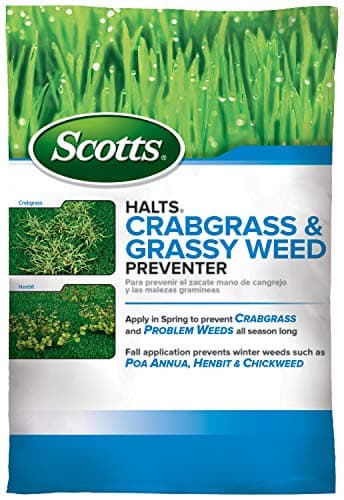
 Scotts Halts Crabgrass & Grassy Weed Preventer, 20.12 lbs.Check price on Amazon
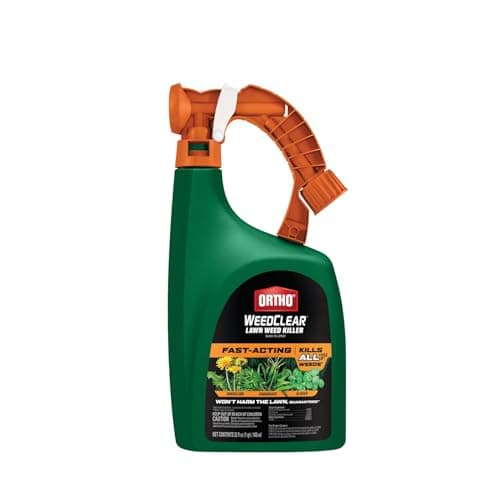
 Ortho WeedClear Lawn Weed Killer Ready-To-Spray (32 oz, covers 5,000 sq ft)Check price on Amazon
As an Amazon Associate we earn from qualifying purchases.
Free Lawn Care Tools
Apply in early spring when soil temperatures reach 55°F for several days. Use a soil thermometer for best accuracy, as calendar dates vary by region.
Water the product in with 0.5 inch of water within 24 hours of application. This ensures the pre-emergent barrier forms and the product works effectively.
No. Do not use Halts on new seed or sod. Wait until your lawn is mature - at least 4 months after seeding or until new sod has been mowed 3 times.
Keep pets and children off the lawn until Halts is watered in and the grass is dry - usually 24 hours. After that, normal use is safe.
Heavy rain within 24 hours can wash away the product, especially on slopes. Check for runoff and spot-treat bare areas with a post-emergent if needed.
Wait at least 4 months after using Halts before overseeding. Halts blocks all seeds, including desirable grass, so applying it before seeding will prevent new grass from germinating. If you need to seed in spring, use a starter fertilizer without pre-emergent instead. For full reseeding schedules, see our guide to lawn overseeding after using pre-emergent herbicides.
Wait about 24 hours after applying Scotts Halts before letting kids, pets, or heavy foot traffic back on the lawn, and wait until the product has been watered in and the grass is fully dry. For overseeding, the wait is much longer: at least 4 months before putting down new grass seed, because the pre-emergent barrier stops desirable seed from germinating right alongside crabgrass. If you are planning other treatments, leave at least 4 to 6 weeks between Scotts Halts and the next fertilizer or weed-and-feed unless the label specifically says they can be combined.
You should water Scotts Halts in as soon as possible after application, ideally within 24 hours. Put down about 0.5 inch of water, enough to carry the granules off the blades and into the top layer of soil where the pre-emergent barrier actually forms. If rain of a similar amount is in the forecast within 24 hours you can let nature handle it, but a light drizzle is not enough. Do not water so hard that you cause runoff on slopes or near driveways, because that pushes product off the lawn and can pollute storm drains. After the initial watering, return to normal irrigation.
One standard bag of Scotts Turf Builder Halts typically covers 5,000 or 15,000 square feet, printed on the front of the bag. For Scotts spreaders, start at setting 3 to 3.5 on a Scotts EdgeGuard broadcast, 5.5 to 6 on a Scotts drop spreader, and 4 on a Scotts handheld, then confirm with the chart on your bag because formulas change. If you use a non-Scotts spreader, match the Scotts setting using the manufacturer conversion chart or calibrate over a tarp. Apply in two perpendicular passes (north-south then east-west) for even coverage, and sweep any stray granules off driveways and sidewalks to avoid runoff.
Yes. Scotts Turf Builder Halts (pre-emergent, active ingredient pendimethalin) and Scotts DiseaseEx (fungicide, active ingredient azoxystrobin) can be applied on the same day because they do different jobs and are both granules watered in after application. Put both down on a dry lawn, running the second product in a perpendicular pass for even coverage, then water once with about 0.5 inch to activate both. Read each bag for its own rate and re-entry time, and avoid watering hard enough to cause runoff. If you prefer, you can also split the two applications a day or two apart with no downside.
The active ingredient in Scotts Turf Builder Halts Crabgrass Preventer is pendimethalin, carried on a 30-0-4 lawn food that feeds established grass while the pendimethalin stops crabgrass and other annual grassy weed seeds from sprouting. The exact percentage is printed on the bag and Scotts occasionally reformulates, so confirm on your label. Note the standalone Scotts Halts Crabgrass and Grassy Weed Preventer without lawn food is a separate product, so check whichever bag you bought.
Apply Scotts Halts to a dry lawn, not wet grass. Wet blades cause granules to stick to the foliage and clump instead of falling to the soil where the barrier forms, which leads to streaky coverage. Let the lawn dry first, spread the product evenly, then water it in with about 0.5 inch to move the granules into the soil. In short: dry when you spread it, watered in right afterward.
The Scotts label allows up to two applications per year. Most lawns only need one well-timed spring pass, but a second application about 6 to 8 weeks later makes sense in high-pressure areas, long growing seasons, or when targeting weeds like prostrate spurge. Do not apply more than the label allows, since overapplying pre-emergent wastes product and can stress your turf.
The main culprits are usually timing, uneven application, or skipping the watering step. Confirm with a soil probe or thermometer that you applied before the soil hit 55°F, and check for missed or thin coverage zones. If crabgrass is present, spot-treat with a post-emergent product labeled for crabgrass, and adjust your timing or technique next year.
Photos: OakleyOriginals / Openverse, simpleinsomnia / Openverse, Egor Komarov / Pexels

Beat weeds and brown spots from your phone
Snap a photo, get the fix, and follow a plan timed to your soil and weather. Free on iPhone.