

Fine Fescue Vs Tall Fescue: Differences, Pros and Cons

Choosing between fine fescue and tall fescue is a decision that puzzles many homeowners, especially those in cool-season regions. Both grasses are popular for their ability to thrive where summers are moderate and winters are cold, but their differences can have a big impact on the way your lawn looks, feels, and survives seasonal challenges. The right choice determines how much time you’ll spend mowing, how your grass handles drought or shade, and even how well it recovers from backyard soccer games or pet traffic. For full references, see the Fine Fescue guide and the Tall Fescue guide.
The debate between fine fescue vs tall fescue is more than just texture and color-it's about matching the grass to your climate, soil, sunlight, and expectations. Some swear by the low-input, shade-loving nature of fine fescues, while others need the tough, deep-rooted durability of tall fescue for high-traffic yards. As a lawn diagnostics specialist, I’ve seen lawns thrive or struggle based on this foundational choice.
In this comprehensive guide, I’ll break down the differences, pros, and cons of fine fescue and tall fescue based on real-world results, research, and our database findings. Whether you’re a first-time homeowner or an experienced lawn enthusiast, you’ll find clear comparisons, actionable tips, and expert insights to help you make the right decision for your yard.
If you want a soft, fine-textured lawn with high shade tolerance and don’t need it to handle heavy play or pet traffic, fine fescue is a strong pick. Confirm your site’s suitability by checking for 4+ hours of daily shade and well-drained soil. For higher-traffic areas, sun-drenched lawns, or if you need drought and wear resistance, tall fescue’s deeper roots and bunch-type growth make it the better choice. Check your soil pH-both prefer 5.5-7.0, but tall fescue is a bit more forgiving on the high end.
Don’t mix seed types blindly: identify your existing grass with a blade and growth pattern test before overseeding. If you’re switching types, plan for a full renovation in early fall or spring. Expect 14-28 days for fine fescue to establish and 14-21 for tall fescue under ideal conditions. Avoid mowing below the minimum heights-2.0 inches for fine fescue, 2.5 for tall-to prevent thinning and stress.
Understanding Fescue Grasses: The Basics
Fescue grasses, part of the genus Festuca, are cool-season turfgrasses prized for their adaptability and resilience. They thrive in regions with cold winters and moderate summers, maintaining green color and active growth when warm-season grasses go dormant. Their greatest strength is versatility-different fescue species can be selected to handle shade, drought, traffic, or low-input needs.
What is Fescue?
Fescue refers to a group of more than 400 grass species, but in lawn care, the focus is on cool-season types. The two main categories are fine fescue and tall fescue, each with distinct growth habits and visual appeal. Both are C3 grasses, meaning they grow most vigorously in cool spring and fall temperatures, slowing in summer heat and going dormant in winter.

Fine Fescue Overview
Fine fescue is not a single species but a group of closely related types: creeping red fescue, chewings fescue, hard fescue, and sheep fescue. These grasses are known for their slender, hair-like blades, soft texture, and elegant, wispy appearance. Fine fescues are often used in shade mixes, eco-lawns, or areas where low maintenance is a priority. Their growth is denser and more carpet-like than tall fescue, especially in low-traffic, partially shaded locations.
They spread primarily through short rhizomes (creeping red) or as bunch-types (chewings, hard, and sheep), with limited self-repair ability after damage. Fine fescues thrive where soil is sandy or low in fertility, and their high shade tolerance makes them favorites under trees or in north-facing yards.
Tall Fescue Overview
Tall fescue (Festuca arundinacea) is a robust, deep-rooted bunch-type grass. Modern turf-type tall fescues have been bred for finer texture and denser growth, while older “K-31” varieties are coarser but extremely tough. Tall fescue is widely used in lawns, parks, and sports fields for its durability, drought resistance, and ability to thrive in sun or partial shade. Its main growth is upright and clumping, so it’s less likely to spread into bare spots unless overseeded. In transition zones-areas too hot for Kentucky bluegrass but too cold for bermuda-tall fescue is often the best choice for year-round green.
Fine Fescue vs Tall Fescue: Key Differences
Let’s diagnose this step by step: the true distinctions between fine fescue and tall fescue go beyond appearance. They affect everything from mowing routines to long-term resilience.
Appearance and Texture
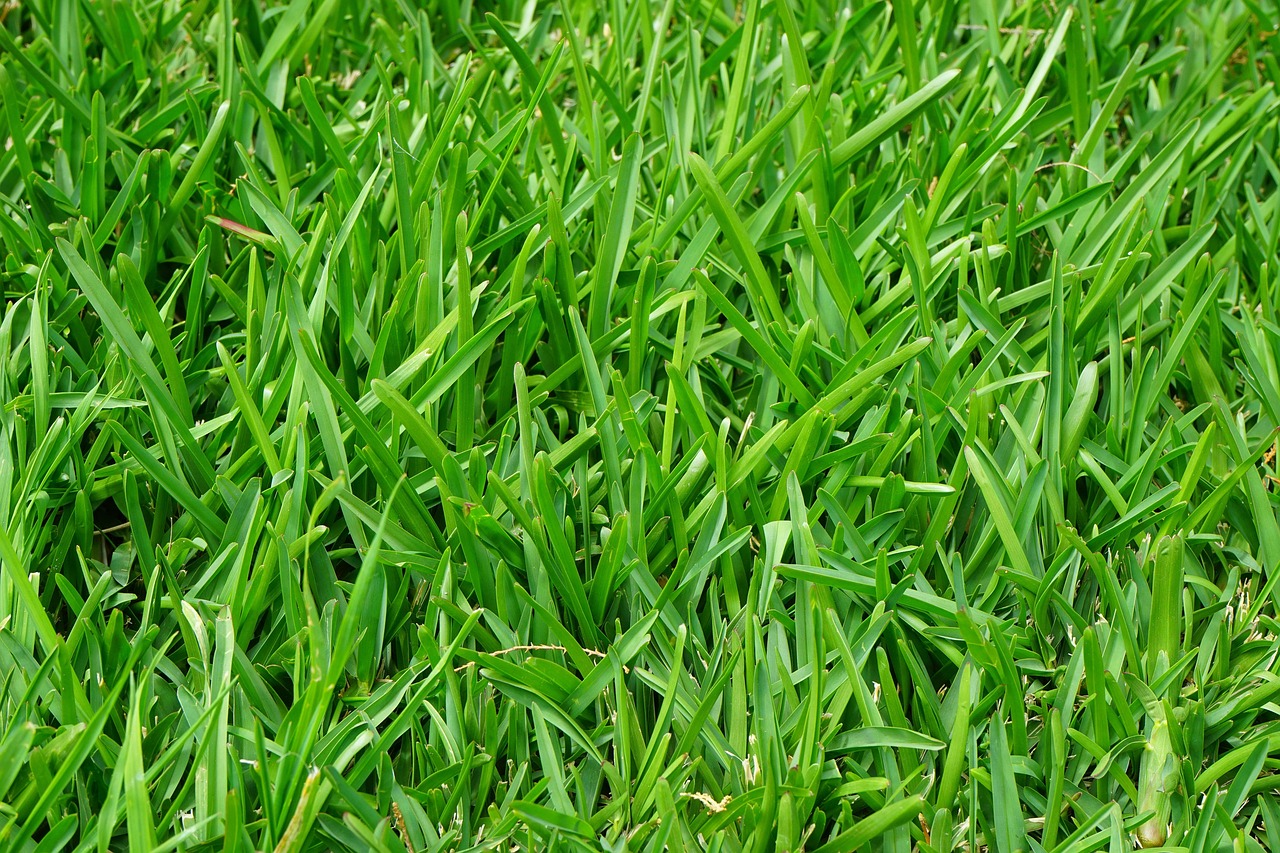
The most immediate difference is in the leaf blade. Fine fescues have needle-thin, soft blades that feel silky underfoot and create a delicate, uniform turf. Tall fescue, even in modern turf-type varieties, has broader blades-often 2-3 times wider than fine fescue-and a more upright, slightly coarser look. Color can range from medium green (fine fescue) to deep green (tall fescue), depending on fertility and cultivar.
Growth Habits and Spread
Fine fescues (except creeping red) grow as bunch-types, forming dense tufts but with limited ability to fill in bare patches. Creeping red fescue adds some rhizomatous spread, but recovery from damage is still slow. Tall fescue is a true bunch-type: it grows in clumps and spreads mainly by tillering, not by rhizomes or stolons. This means tall fescue lawns can develop thin spots if not overseeded annually, but they recover better than fine fescue after heavy use due to their vigor and deeper root system.
Climate and Regional Suitability
Both fescues are cool-season grasses, but their climate preferences differ. Fine fescues excel in northern climates with cool summers and are especially valuable where shade is present. They struggle in prolonged heat or humidity. Tall fescue’s deeper roots (up to 12 inches, compared to fine fescue’s 6 inches) give it a distinct advantage in the transition zone-regions like the Midwest, Mid-Atlantic, and parts of the Pacific Northwest-where heat and drought are more common.
Our Grass Database shows fine fescue is a cool-season grass with high drought and shade tolerance but low traffic resistance. Tall fescue, also a cool-season grass, offers high drought and traffic tolerance and outperforms fine fescue in sunny, high-use lawns.
Soil and Shade Tolerance
Fine fescue prefers slightly acidic to neutral soils (pH 5.5-7.0) and tolerates low fertility and sandy conditions. Drainage is important-these grasses dislike soggy soil. Tall fescue handles a broader pH range (5.5-7.5) and adapts to clay, loam, or sandy soils, provided they’re well-drained. In deep shade (less than 4 hours of sun daily), fine fescue is the clear winner. Tall fescue will thin out in dense shade but does well in sun to moderate shade.
Maintenance Requirements
Fine fescue is the classic low-maintenance grass. Our Grass Database shows mowing height should be 2.5-4 inches, with a minimum of 2.0. Fertilization is light-just 1.5 lbs of nitrogen per 1,000 sq ft per year, split as 30% spring, 10% summer, 50% fall, and 10% winter. Watering needs are low: about 1 inch per week in summer. Tall fescue requires a bit more: mow at 3-4 inches (minimum 2.5), fertilize 2.5 lbs N per 1,000 sq ft per year, and maintain roughly the same weekly watering. However, tall fescue’s deeper roots allow it to withstand short droughts better than fine fescue.
Pest and Disease Susceptibility
The symptom you’re seeing usually points to one of a few things: brown patch disease, red thread, billbug, or grub damage. Fine fescues are generally more disease-resistant, especially to brown patch in cool, moist conditions, but can suffer from red thread or dollar spot if under-fertilized. Tall fescue is more susceptible to brown patch during hot, humid spells, especially if overwatered or overfertilized in summer. Both are vulnerable to white grubs, but tall fescue’s deeper roots provide some resilience against surface-feeding pests.
Comparison Table: Fine Fescue vs Tall Fescue Key Characteristics
This table compares core characteristics to help you quickly visualize the major differences and see which grass better fits your site and expectations.
| Characteristic | Fine Fescue | Tall Fescue |
|---|---|---|
| Blade Texture | Fine, soft, needle-like | Medium to coarse, upright |
| Mowing Height | 2.5-4" (min 2.0") | 3-4" (min 2.5") |
| Shade Tolerance | High | Medium |
| Traffic Tolerance | Low | High |
| Drought Tolerance | High, but shallow roots | Very high, deep roots |
| Fertilization Needs | 1.5 lbs N/1,000 sq ft/yr | 2.5 lbs N/1,000 sq ft/yr |
| Root Depth | 6 inches | 12 inches |
| Establishment Time | 14-28 days | 14-21 days |
| Best Use | Shade, low-input lawns | High-traffic, sun/partial shade |
Pros and Cons of Fine Fescue
Advantages of Fine Fescue
Fine fescue shines where low maintenance and shade tolerance are top priorities. Its soft, fine texture is comfortable for barefoot walking and creates a plush, uniform appearance. Because it needs less fertilizer (just 1.5 lbs of N annually per our Grass Database) and less water, it’s ideal for eco-lawns and sustainable landscaping. Disease and pest problems are uncommon if the grass is not stressed or overwatered. Fine fescue also thrives in poor soils where other grasses fail, making it perfect for difficult sites.
Disadvantages of Fine Fescue
However, fine fescue’s low traffic tolerance is a significant drawback. Regular play, dog runs, or heavy foot traffic can quickly wear patches thin-and recovery is slow due to limited spreading. In hot, humid summers or on poorly drained soil, fine fescue may go dormant or thin out. It also doesn’t tolerate close mowing, so keeping your grass above 2.5 inches is crucial.
Pros and Cons of Tall Fescue
Advantages of Tall Fescue
Tall fescue’s main strengths are its durability and adaptability. With a deep, extensive root system (up to 12 inches), it tolerates drought, heat, and high traffic better than most cool-season grasses. Tall fescue is often recommended for athletic fields, playgrounds, or any situation where wear and tear are a concern. It’s also less likely to thin out in the sun and can handle moderate shade.
The versatility of tall fescue makes it a good choice for homeowners who want a sturdy, year-round green lawn with reasonable maintenance. Its ability to prevent erosion makes it valuable on slopes and in areas prone to runoff.
Disadvantages of Tall Fescue
The main trade-off is texture. Even the finest turf-type cultivars are coarser than fine fescue, and if not mowed at the right height, tall fescue can clump or look uneven. It also requires more frequent mowing and slightly higher fertilization (2.5 lbs N per 1,000 sq ft annually, according to our Grass Database). While drought-tolerant, it may need supplemental water in prolonged dry periods, especially during establishment. In dense shade, tall fescue will thin and may require overseeding with fine fescue or another shade-tolerant grass.
How to Decide: Fine Fescue vs Tall Fescue for Your Lawn
Step-by-Step Lawn Assessment
Choosing the right grass starts with a thorough assessment of your site and needs. Here’s a diagnostic checklist to guide your decision:
- How many hours of direct sun does your lawn receive? Less than 4 favors fine fescue; more than 6 is ideal for tall fescue.
- Test your soil pH (home kits are available): fine fescue prefers 5.5-7.0, tall fescue can handle 5.5-7.5.
- Check drainage: water should drain within 24 hours after a heavy rain. Fine fescue dislikes soggy soil.
- Assess usage: Is your lawn mostly for looks, or does it serve as a play area or dog run?
- Consider local climate: Is your region northern (cool, short summers), transition (hot summers, cold winters), or southern (long, hot summers)?
Matching Grass to Region and Lifestyle
In northern regions (New England, upper Midwest), fine fescue is often unbeatable in shade or low-input lawns. In the transition zone (Mid-Atlantic, lower Midwest, inland Northwest), tall fescue is preferred for its heat and drought resilience. For families with pets or kids, or if you want a lawn that survives backyard gatherings, tall fescue is usually the better fit. If you have a shaded, ornamental lawn and want to minimize mowing and inputs, fine fescue wins out.

Mixing Fescues: Is a Blend Right for You?
Many professional seed mixes combine fine fescue with tall fescue to balance strengths and weaknesses. Blends work best where lawns have both sun and shade, or where you want improved pest and disease resilience. When overseeding, match the mix to your primary need-don’t add tall fescue to a mostly fine fescue lawn unless you’re ready for a coarser look. If transitioning, overseed in early fall for best results, and plan on several seasons to achieve a consistent blend.
Budget, Time, and Sustainability Factors
Fine fescue typically means lower fertilizer and water bills, less mowing, and fewer chemical inputs. Tall fescue requires slightly more maintenance but may save money on repairs, overseeding, and irrigation in high-use or drought-prone areas. If sustainability is a priority, fine fescue or a fine fescue-heavy blend is optimal. For long-term cost, consider both your initial seeding and ongoing maintenance when making your choice.
Planting and Care: Best Practices for Both Fescues
Seeding and Establishment
Seeding is best done in early fall (September in most regions), when soil temperatures are above 55°F and weeds are less competitive. Spring seeding is possible but riskier due to summer heat. Prepare soil by removing debris, loosening the top 2-3 inches, and testing pH-adjust if needed with lime or sulfur. Seed at 3-5 lbs per 1,000 sq ft for fine fescue, 6-8 lbs for tall fescue. Lightly rake, then roll to ensure good seed-to-soil contact. Water daily (keep surface moist) until germination-14-28 days for fine fescue, 14-21 for tall fescue.
Watering, Fertilizing, and Mowing
Once established, apply 1 inch of water per week in summer, either by rainfall or irrigation. Water deeply and infrequently to encourage deep roots. Fertilize according to species needs: fine fescue, 1.5 lbs N per 1,000 sq ft per year; tall fescue, 2.5 lbs N. Split applications as directed in our Grass Database-avoid heavy spring feeding, which encourages disease. Mow fine fescue at 2.5-4 inches, tall fescue at 3-4 inches. Keep mower blades sharp to prevent tearing, and never remove more than 1/3 of the blade in one cut.
Seasonal Lawn Care Calendar
Maintaining a healthy fescue lawn means adjusting care throughout the year. Here’s a simplified year-round checklist for both grass types:
| Season | Fine Fescue Tasks | Tall Fescue Tasks |
|---|---|---|
| Early Spring | Light N (30%), mow, spot overseed | Light N (30%), mow, spot overseed |
| Late Spring | Monitor for disease, water as needed | Monitor for brown patch, water as needed |
| Summer | Minimal mowing, water 1"/week | Water 1"/week, avoid high N |
| Early Fall | Main N (50%), overseed, aerate if compacted | Main N (45%), overseed, aerate if compacted |
| Late Fall | Final mow, light N (10%) | Final mow, light N (10%) |
| Winter | Dormant, avoid foot traffic | Dormant, avoid foot traffic |
Dealing with Weeds, Pests, and Diseases
Integrated pest management (IPM) is your best defense. Monitor regularly for brown patch (circular, tan patches in summer), red thread (pinkish, threadlike growth in spring/fall), and grubs (spongy turf, animals digging). If you find 10+ grubs per square foot, treat with a labeled insecticide within 48 hours. Prevent diseases by mowing at the right height, avoiding overwatering, and applying fertilizer only as needed. Use herbicides sparingly, and always choose pet-safe products if animals have access to the lawn.
- Penn State Extension recommends mowing tall fescue at 3-4 inches and fine fescue at 2.5-4 inches, and stresses that proper mowing height is the single most important cultural practice for disease prevention.
Fine Fescue vs Tall Fescue: Performance in Special Situations
Eco-Lawns and Low Input Lawns
Fine fescue is unmatched for sustainable landscapes and eco-lawns. It requires less water, fertilizer, and mowing, and tolerates infrequent care. Many “no-mow” or “low-mow” seed mixes are based on blends of fine fescues, ideal for boulevards, naturalized yards, or areas where you want minimal intervention.
Playgrounds, High Traffic, and Sports Fields
Tall fescue is the standard for high-traffic zones. Its wear tolerance and ability to recover from compaction make it the first choice for play areas, dog runs, and athletic fields. In situations where traffic is extreme, overseed annually and consider soil aeration each fall to maintain density.
Slopes, Erosion Control, and Problem Areas
If you’re dealing with hills or erosion-prone sites, tall fescue’s deep roots provide superior soil stabilization compared to fine fescue. Its bunch-type growth holds soil in place and prevents runoff, especially after heavy rains. Fine fescue can be used on mild slopes but isn’t as effective on steep terrain or where water flows quickly.
Pet-Friendly Lawns
Both fescues are safe for pets, but tall fescue handles urine spots and digging better due to its vigor and deeper roots. Fine fescue can be damaged by repeated pet use, so choose accordingly if your yard is also your dog’s playground. Always apply fertilizers and weed controls when pets are off the lawn and as directed on the label for re-entry times.
Common Mistakes to Avoid
What other guides miss is that success isn’t just about the seed you buy-it's about timing, site matching, and ongoing care. Here are the top pitfalls I see in the field:
Mistake 1: Failing to Confirm Grass Type Before Overseeding or Renovation
Many homeowners assume what’s growing is fine or tall fescue, but blends or mixed lawns are common. To confirm, examine the blade width and growth pattern: fine fescue is thin and soft, tall fescue is broader and more upright. Pull up a small clump-rhizomatous spread suggests creeping red fescue, bunching indicates tall fescue or non-creeping fine fescue. Overseeding with the wrong type can lead to an uneven, patchy look and mismatched maintenance needs.
Mistake 2: Poor Timing for Planting and Maintenance
Seeding too late in fall or too early in spring often results in poor germination and weak new turf. Always check soil temperature (aim for 55°F+ for seeding) and plan major lawn renovations for early fall. Spring seeding is possible but requires diligent watering as summer approaches.
Mistake 3: Misunderstanding Shade and Sun Requirements
Fine fescue tolerates shade, but in full sun and heat it can quickly thin out. Tall fescue tolerates some shade but will struggle in deep, dense tree cover. Don’t overestimate either grass’s ability to thrive outside its preferred light range.
Mistake 4: Incorrect Mowing Heights and Fertilizer Application
Cutting fine fescue below 2.0 inches or tall fescue below 2.5 inches stresses the grass, increases weed pressure, and invites disease. Over-fertilizing fine fescue encourages disease and rapid growth that can’t be sustained. Stick to recommended rates and schedules-fine fescue needs only 1.5 lbs N/1,000 sq ft/year, tall fescue 2.5.
Mistake 5: Overlooking Pet Safety with Lawn Treatments
Some weed and insect control products can be hazardous if pets are allowed on the lawn before they dry or settle. Always read labels, and when in doubt, consult your veterinarian or local extension office for pet-safe options.
- Contact your local extension office for region-specific grass recommendations and safe product lists.
Conclusion
Fine fescue and tall fescue each offer unique strengths and drawbacks. Fine fescue excels in shade, low-maintenance, and eco-friendly landscapes but struggles with heavy use and extreme heat. Tall fescue delivers durability, drought and heat resistance, and better recovery from traffic, making it ideal for active families and sun-exposed lawns. The difference between a thriving, resilient lawn and one that struggles often comes down to matching grass to site conditions, care routines, and your expectations.
As a quick guide: choose fine fescue for shaded, ornamental, or sustainable lawns with low traffic. Opt for tall fescue where play, pets, sun, and drought are factors. Use the assessment checklist above to guide your decision, and don’t hesitate to blend types where your yard has mixed conditions.
Ready to take the next step? Check out our guides on How to Overseed a Lawn with Fescue, The Best Cool Season Grass Types, and Year-Round Lawn Care Calendar for more detailed, season-by-season advice. I welcome your questions and experiences in the comments-let’s build healthier, more resilient lawns together.
Free Lawn Care Tools
Common questions about this topic
Check the blade width and texture: fine fescue has very thin, soft blades and a wispy growth, while tall fescue blades are broader and more upright. Pull up a clump—fine fescue is denser and softer, tall fescue forms noticeable bunches.
Fine fescue is superior for shade, thriving with as little as 4 hours of sunlight daily, while tall fescue may thin out in dense shade and prefers more sun.
Fine fescue needs light fertilization, typically 1-2 times per year (1.5 lbs N/1,000 sq ft), while tall fescue benefits from 2-3 feedings (2.5 lbs N/1,000 sq ft) split across spring and fall.
Yes, blends are common and can balance shade and traffic tolerance. Make sure to match the blend to your site—too much tall fescue will dominate in sun, while fine fescue will persist in shade.
Early fall is ideal, when soil temperatures are above 55°F and weeds are declining. Spring is possible but requires more watering and care through summer heat.
Fine fescue typically establishes in 14-28 days, while tall fescue takes 14-21 days under optimal moisture and temperature conditions.
Loading product recommendations...
Related Articles
Bermuda grass greens up when soil remains at 65°F for 3-5 days. Transition zone lawns may lag by 2-3 weeks. Use a soil thermometer for best timing.
Apply Scotts pre-emergent when soil hits 55°F—not just by the calendar. Includes 2026 regional windows, exact rates, and troubleshooting for best results.
Bermuda grass thrives in full sun and high traffic, while St. Augustine excels in shade. Includes pH ranges, mowing heights, and seasonal care calendars.