

Peat Moss vs Topsoil: Which Should You Use on Your Lawn?
Updated June 19, 2026
As an Amazon Associate we earn from qualifying purchases. Disclosure.
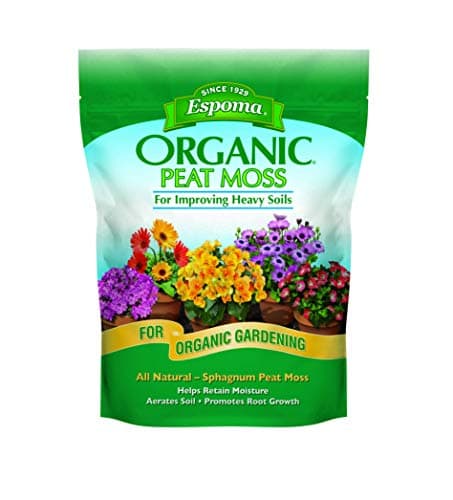
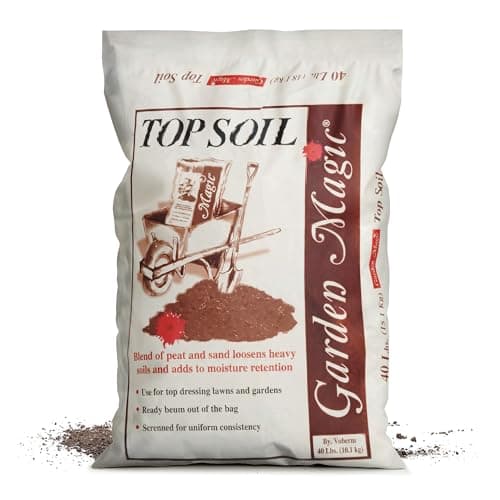
Peat moss and topsoil get thrown around as if they are interchangeable bags of dirt, but they do almost opposite jobs. Peat moss is an organic amendment: partially decomposed sphagnum moss that holds many times its weight in water, lightens heavy clay, and gives seed a moist bed to germinate in. It adds almost no nutrients and is strongly acidic. Topsoil is screened mineral soil, the sand, silt, and clay you use to add volume, fill low spots, and build grade. It has body and stays put; peat moss decomposes and compresses.
The right choice is entirely about the job. If you are amending poor soil or topdressing a fresh seeding to hold moisture, peat moss (or compost) is the tool. If you are leveling ruts, filling holes, or raising a low area, topsoil is the tool. Reaching for the wrong one is a common and frustrating mistake: peat moss used to level a lawn will sink as it breaks down, and topsoil spread thin over new seed often cakes and crusts. For routine topdressing of an established lawn, many turf pros skip both in favor of screened compost.
Quick verdict
Peat moss wins for amending soil and topdressing new seed to hold moisture. Topsoil wins for leveling, filling, and adding volume. They solve different problems and are not substitutes.
Sphagnum Peat Moss vs Bagged Topsoil: at a glance
Primary use
Material
pH
Nutrient content
Water retention
Weight
Good for leveling low spots
Good for amending clay or sand
Good for starting seed
Risk when fully dry
Sustainability
Cost per cubic foot
Best for
APick peat moss if...
- You are amending sandy or heavy clay soil to improve moisture retention and structure.
- You are topdressing a newly seeded area with a thin layer to hold moisture during germination.
- You are establishing acid-loving plants or genuinely need to lower soil pH.
- You want a lightweight amendment that is easy to spread and rake in.
- You are mixing a seed-starting or raised-bed blend rather than filling volume.
BPick topsoil if...
- You need to level low spots, fill ruts or holes, or build up grade.
- You are establishing a new lawn area and need a volume of soil to work with.
- You want a budget-friendly bulk material for filling.
- You are building new garden beds and need body, not just amendment.
- You need a material that stays in place rather than decomposing and sinking.
Where to buy

As an Amazon Associate we earn from qualifying purchases. Disclosure.
Prefer other options? Browse organic, acidic, moisture-holding soil amendment and screened mineral soil for leveling and fill in our catalog.
Get your seasonal lawn care calendar for your ZIP
Every task, from feeding to weed control to aeration, has a window that shifts by region. Add your ZIP and we will email your 12-month lawn calendar right away, starting with this month.
Seasonal reminders and tips. No spam. Unsubscribe anytime.
Frequently asked questions
Should I use peat moss or topsoil for overseeding?
For topdressing seed, a thin layer of peat moss holds moisture far better than topsoil and gives faster, more even germination. Poor or unscreened topsoil tends to cake and crust over seed; screened topsoil can work in a thin layer, but compost is usually better. The best topdressing for overseeding is usually screened compost, which holds moisture like peat moss but also adds nutrients and beneficial biology.
Can you level a lawn with peat moss?
No, peat moss is a poor leveling material. It decomposes and compresses over a season or two, so any low spot you fill with peat moss will sink and reappear. For leveling, use topsoil, a sand and soil mix, or a sand and compost blend that holds its volume. Peat moss belongs mixed into the soil as an amendment, not piled on top to change grade.
Is peat moss or topsoil better for grass seed?
Peat moss is the better seed cover because it keeps the seedbed consistently moist, which is the single biggest factor in germination. Topsoil only works well if it is high quality and screened fine, and even then it dries and crusts faster than peat moss. Compost performs as well as peat moss and adds nutrients, so it is often the top pick of the three for starting seed.
What is the difference between peat moss and topsoil?
Peat moss is an organic soil amendment: acidic, lightweight, nutrient-poor, and prized for holding water and improving soil structure. Topsoil is mineral soil (sand, silt, and clay) used to add volume, fill, and level. Peat moss changes how soil behaves; topsoil changes how much soil you have. They are complementary, not interchangeable.
Is peat moss bad for the environment?
Peat moss is harvested from bogs that regenerate very slowly, so it is considered a non-renewable resource and its harvest releases stored carbon. Many gardeners now prefer coconut coir or compost as renewable alternatives that do similar jobs. If sustainability matters to you, compost is the best all-around substitute for both peat moss (as an amendment) and topsoil (as a topdressing).
Do you need to mix peat moss into the soil?
For amending, yes; till peat moss 2 to 3 inches into the top layer of soil so it improves structure throughout the root zone rather than forming a water-shedding crust on top. The exception is topdressing new seed, where you apply just a thin quarter-inch layer over the seed to hold moisture. Never leave a thick layer of dry peat moss sitting on the surface, because it can repel water once it dries out.