

Common lawn weeds
Identify what's invading your lawn and treat it at the right time. Each guide covers visual identification, prevention windows tuned to soil temperature, and products that are safe for your grass type.
Fastest route: photograph the weed and let the AI identify it.
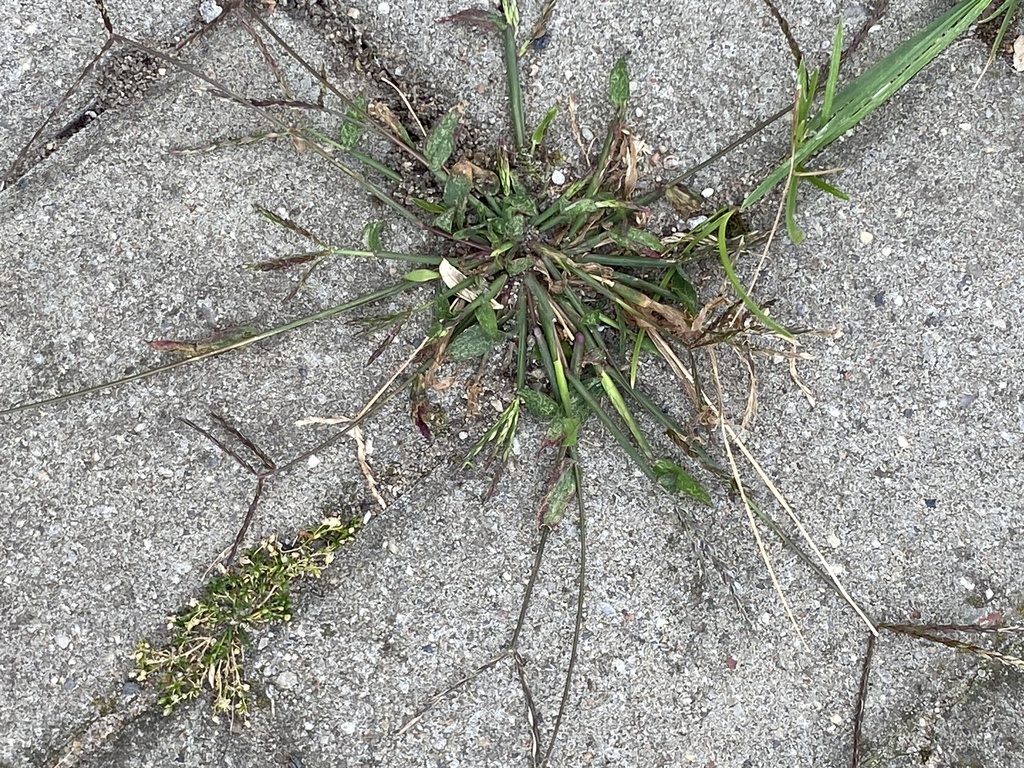
Crabgrass
Crabgrass is the most common summer annual weed in American lawns. It germinates when soil hits the mid-50s in spring, sprawls into wide, crab-legged clumps through summer, then dies at frost and leaves bare spots that reseed next year. Prevention timing beats curative spraying almost every time.
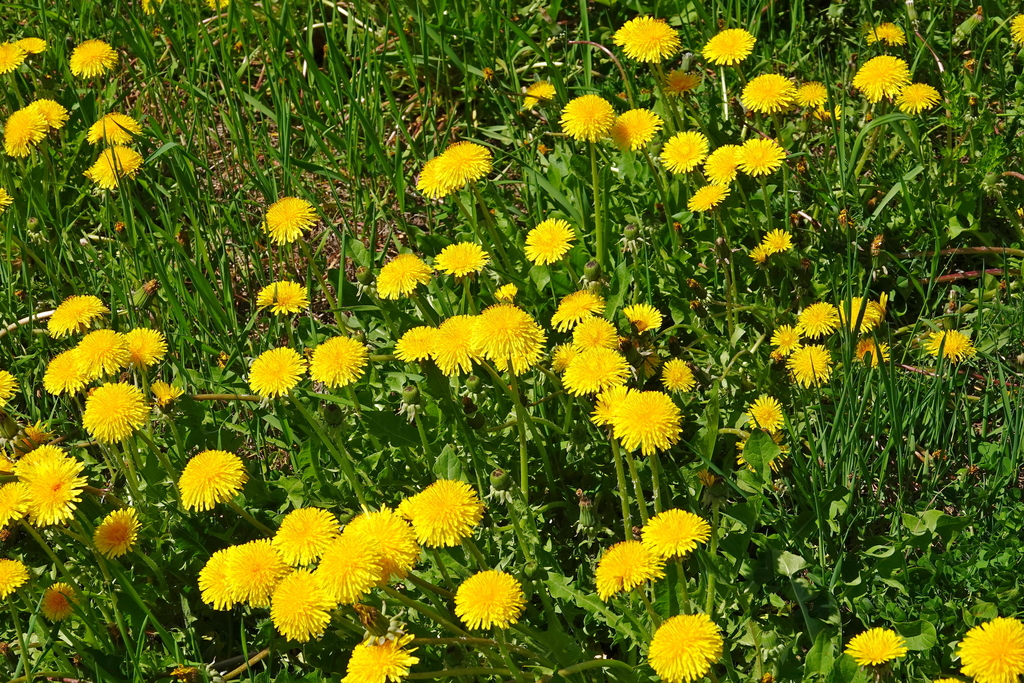
Dandelions
Dandelions are broadleaf perennials with a taproot that can reach ten inches deep, which is why mowing the flowers off never kills the plant. Fall is the best kill window, when the plant pulls herbicide down into the root along with winter reserves.
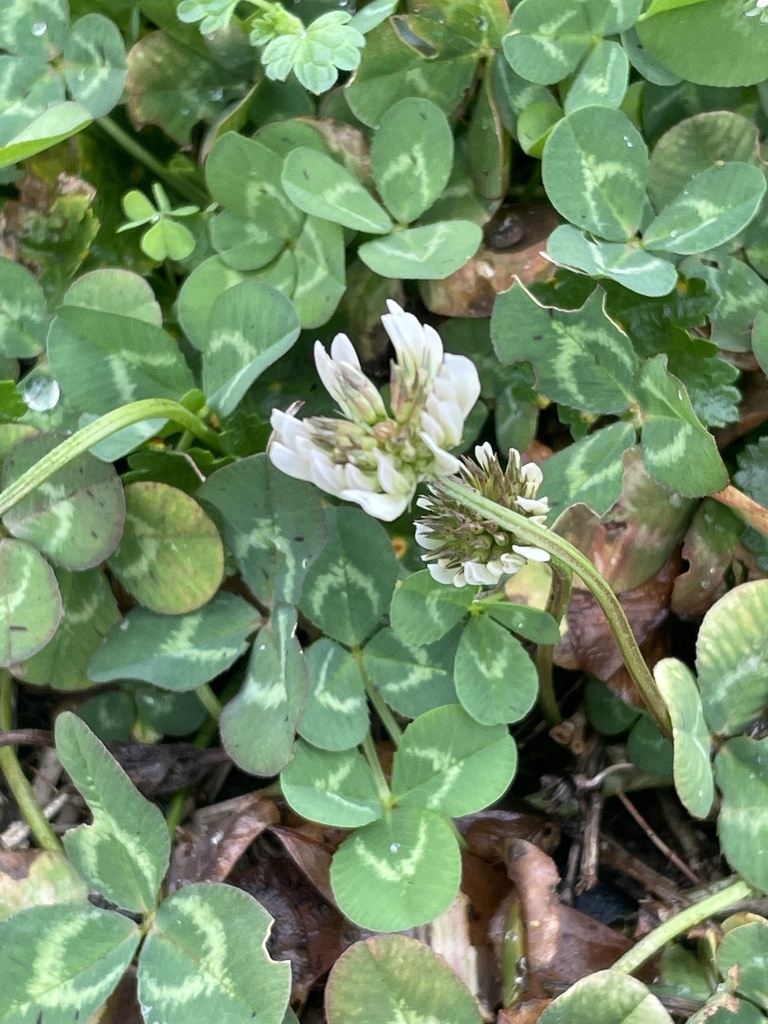
White Clover
White clover is a low, creeping perennial legume with the classic three-leaflet shape and white pom-pom flowers. It thrives exactly where grass struggles, in low-nitrogen soil, because it fixes its own nitrogen. Heavy clover is usually a message that the lawn is underfed.
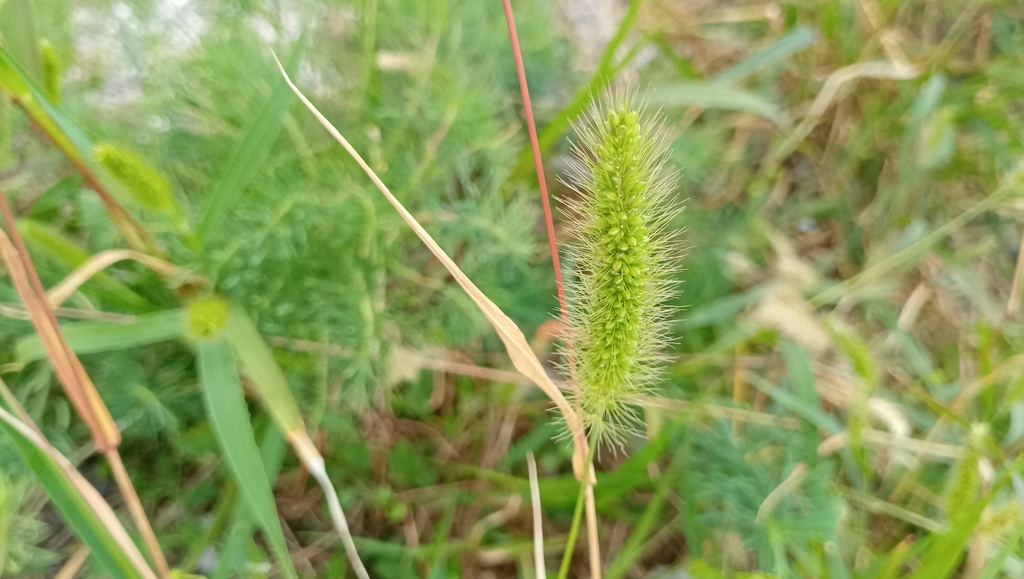
Foxtail
Foxtail is a summer annual grass named for its fuzzy, bottlebrush seed head. It germinates a little after crabgrass in spring, grows fast in thin or compacted areas, and its barbed seeds can be hazardous to dogs. Like crabgrass, it dies at frost and depends entirely on its seed bank.
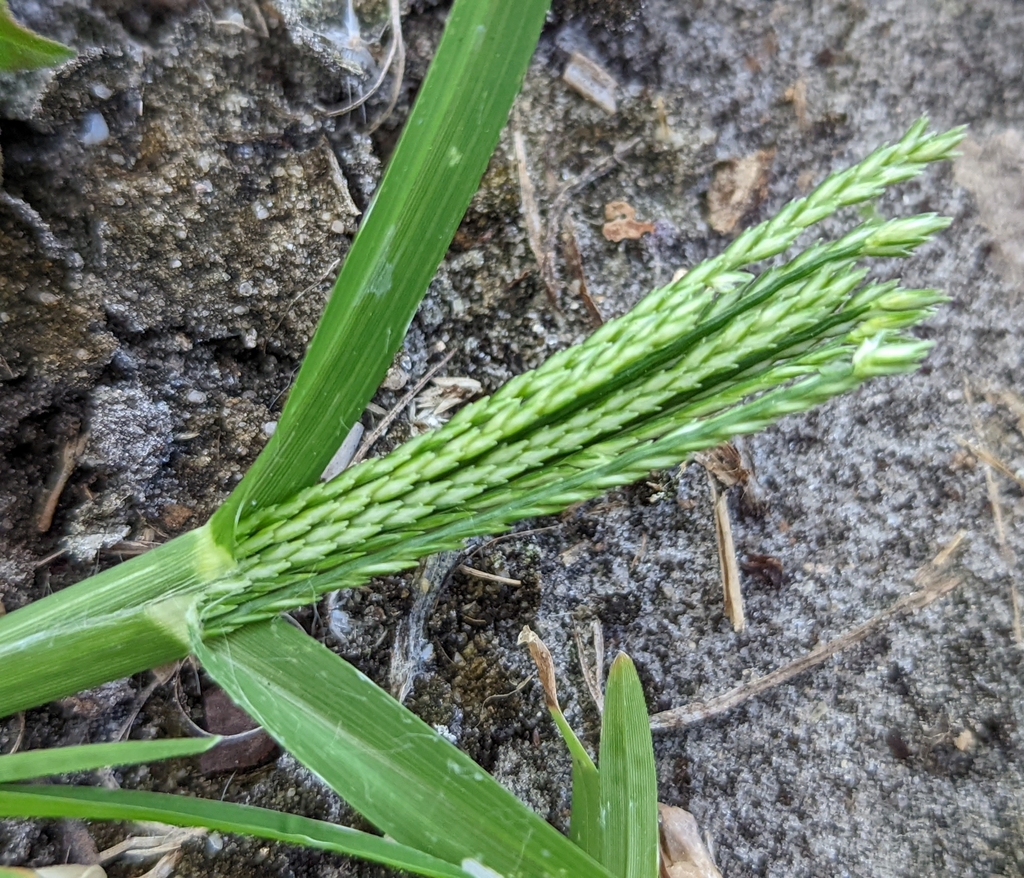
Goosegrass
Goosegrass is a summer annual that germinates two to three weeks after crabgrass and thrives where lawns are compacted, along paths, play areas, and driveway edges. Its flattened, silvery-white center makes it easy to confirm. Long-term control is as much about relieving compaction as it is about herbicide.
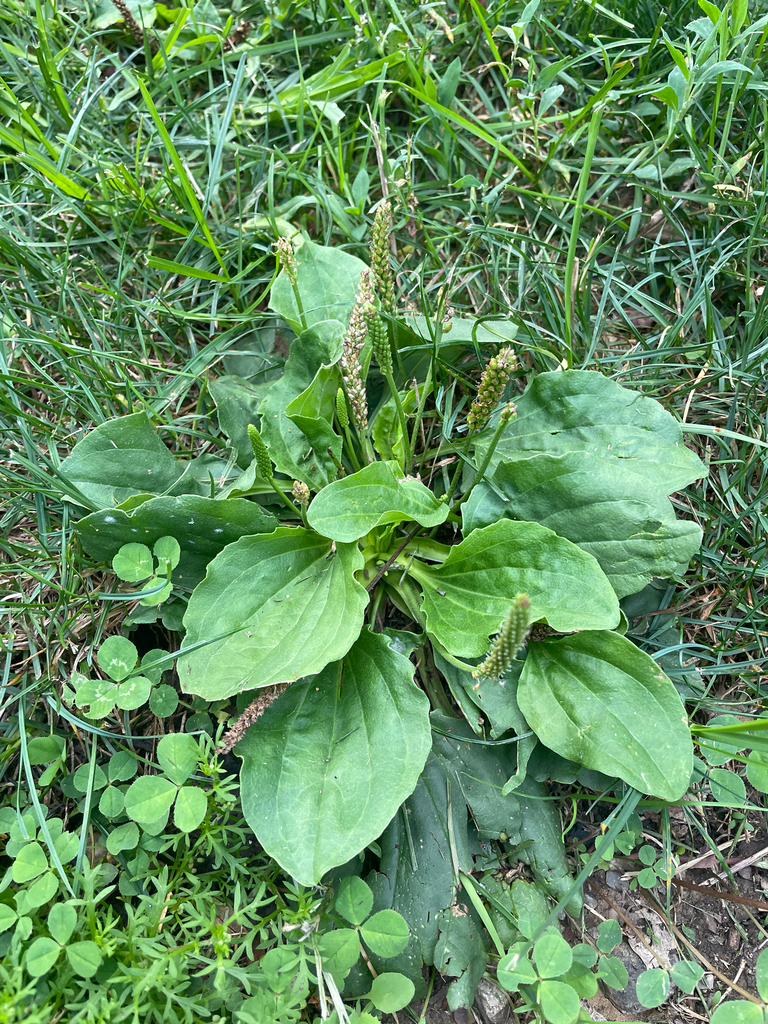
Broadleaf Plantain
Broadleaf plantain is a perennial rosette weed with wide, ribbed, oval leaves that hug the ground below mower height. Like goosegrass, it flags compacted soil. It regrows from a fibrous root crown each year and sends up distinctive rat-tail seed stalks all summer.
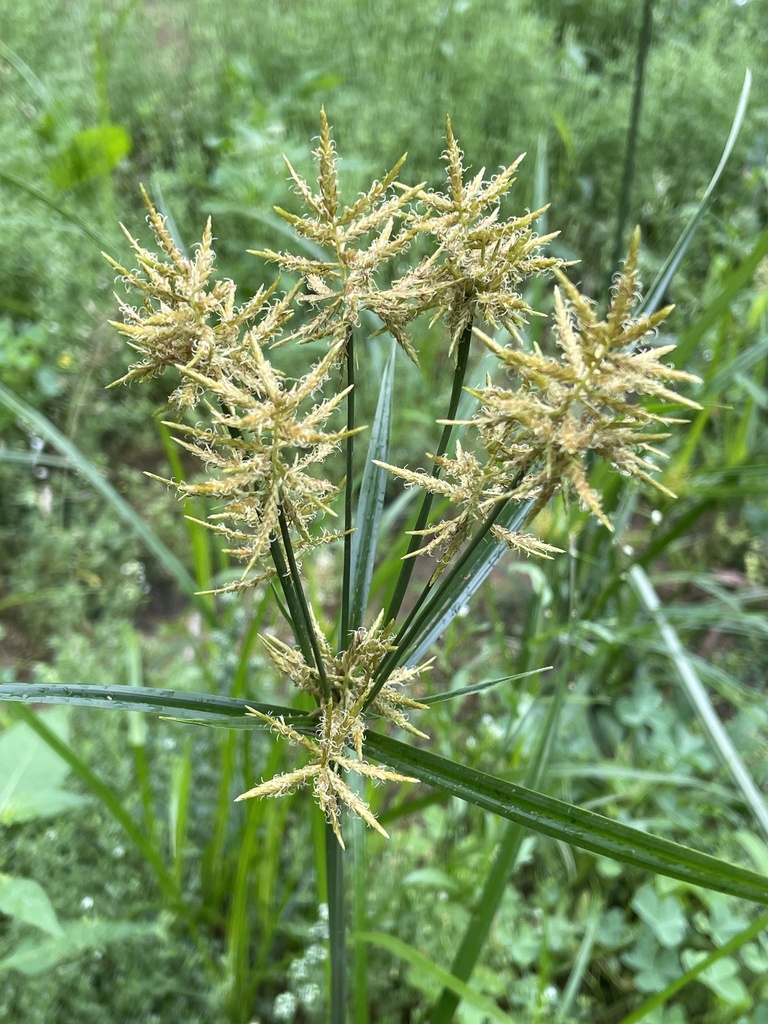
Yellow Nutsedge
Yellow nutsedge is not a grass or a broadleaf, it is a sedge, which is why regular lawn herbicides do nothing to it. It grows faster and lighter-green than turf, loves wet spots, and spreads by underground tubers (nutlets) that survive winter and hand-pulling alike.
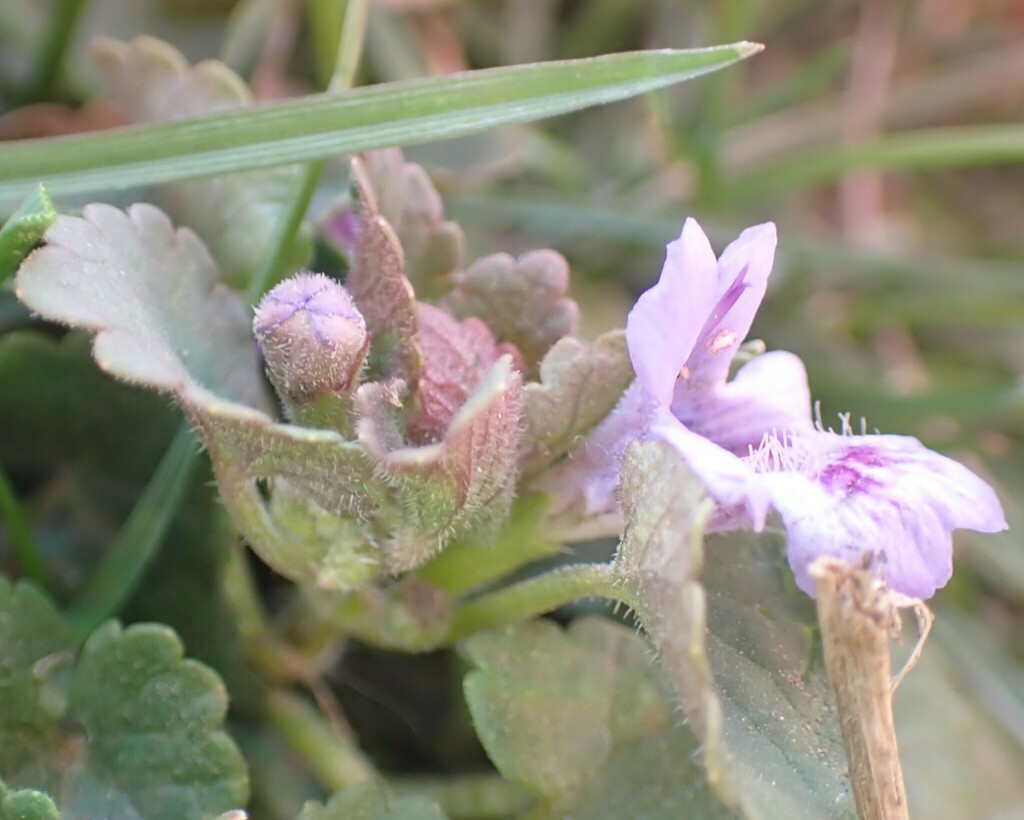
Creeping Charlie
Creeping Charlie is a shade-loving perennial in the mint family that spreads by above-ground runners, rooting at every node into dense mats that smother turf. It is one of the hardest common lawn weeds to eradicate, and the realistic plan is a fall herbicide window plus fixing the shady, damp conditions it prefers.
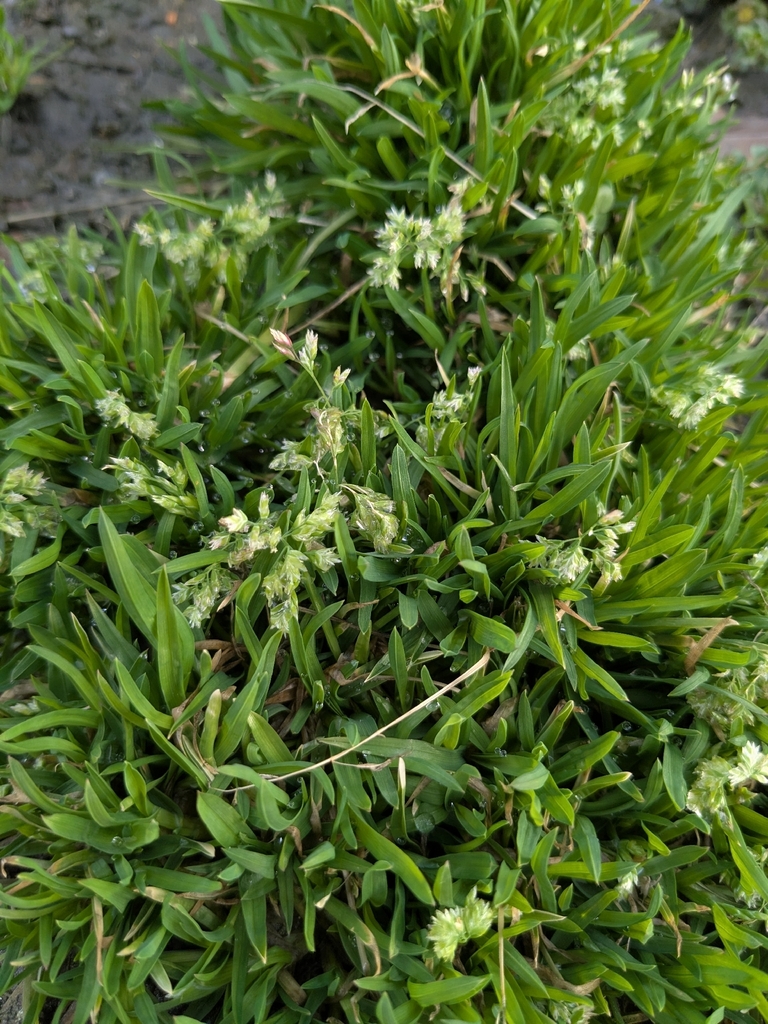
Annual Bluegrass (Poa annua)
Annual bluegrass, or Poa annua, is a cool-season weed that germinates in early fall, looks innocently lush all winter and spring, and seeds prolifically even at low mowing heights. The common annual biotypes then die with summer heat and leave brown patches, though some perennial biotypes persist in irrigated lawns. Either way, the control window is fall, before germination.
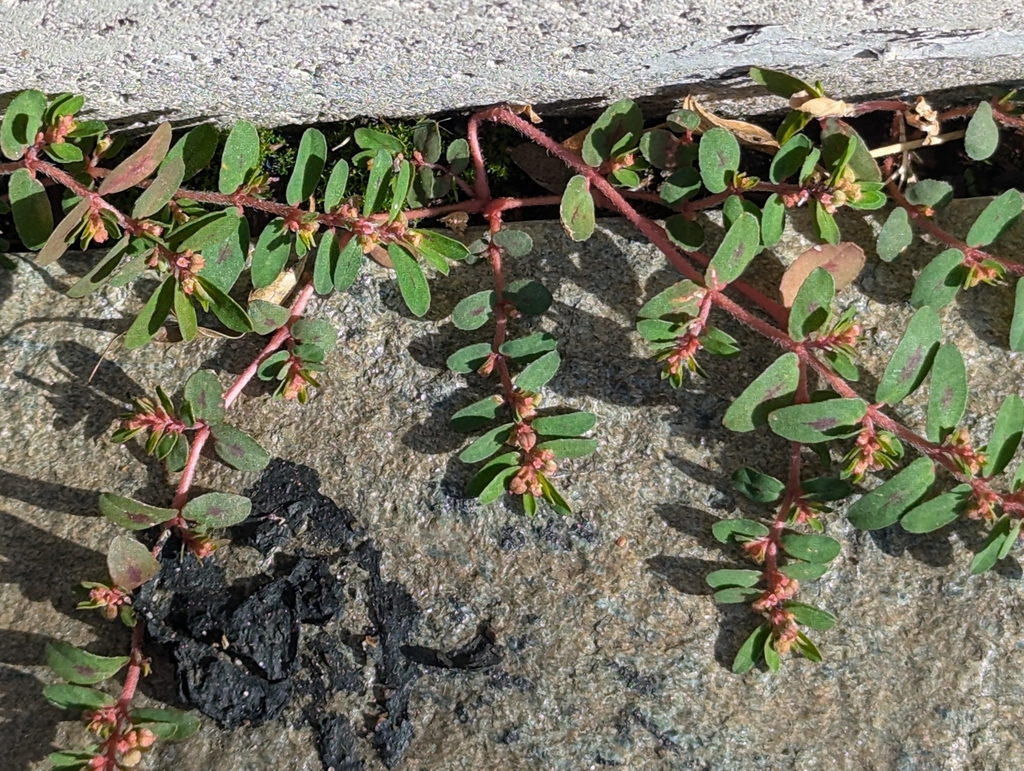
Spotted Spurge
Spotted spurge is a heat-loving summer annual that forms flat, dense mats from a single taproot, often in thin lawn edges, sidewalk cracks, and droughty spots. It goes from seed to producing new seed in under five weeks, so a small June patch becomes a colony by August.
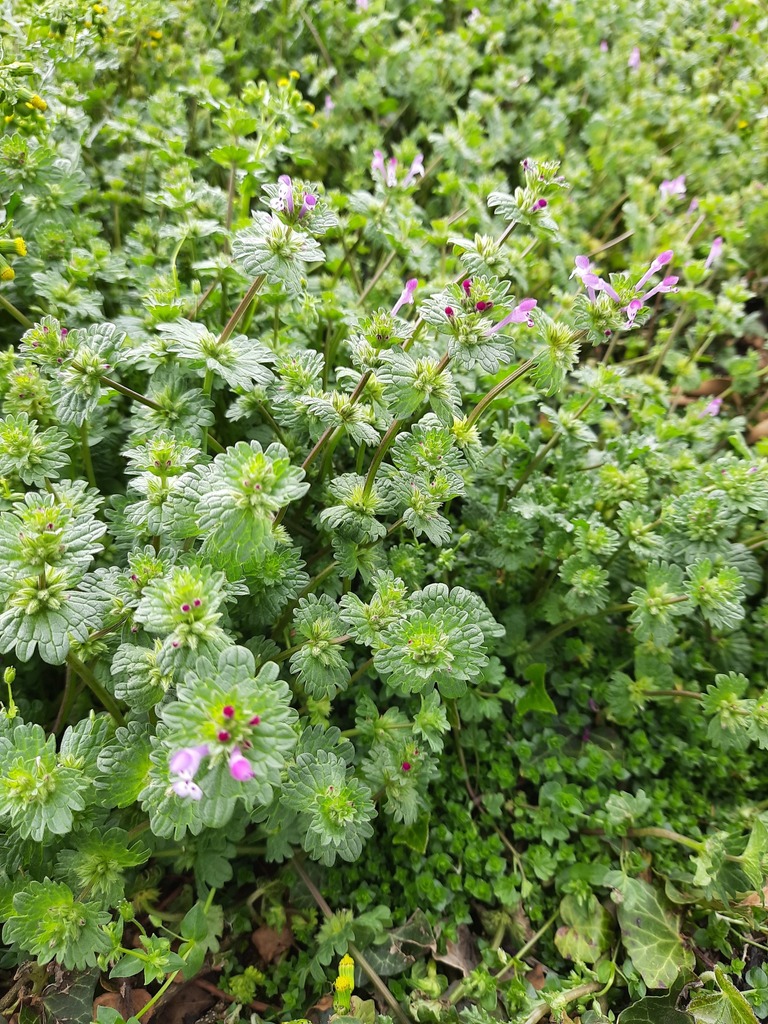
Henbit
Henbit is a winter annual in the mint family: it germinates in fall, overwinters as a small rosette, then paints thin lawns purple in early spring before setting seed and dying by summer. If your lawn blooms purple every March, the fix happens the previous September.
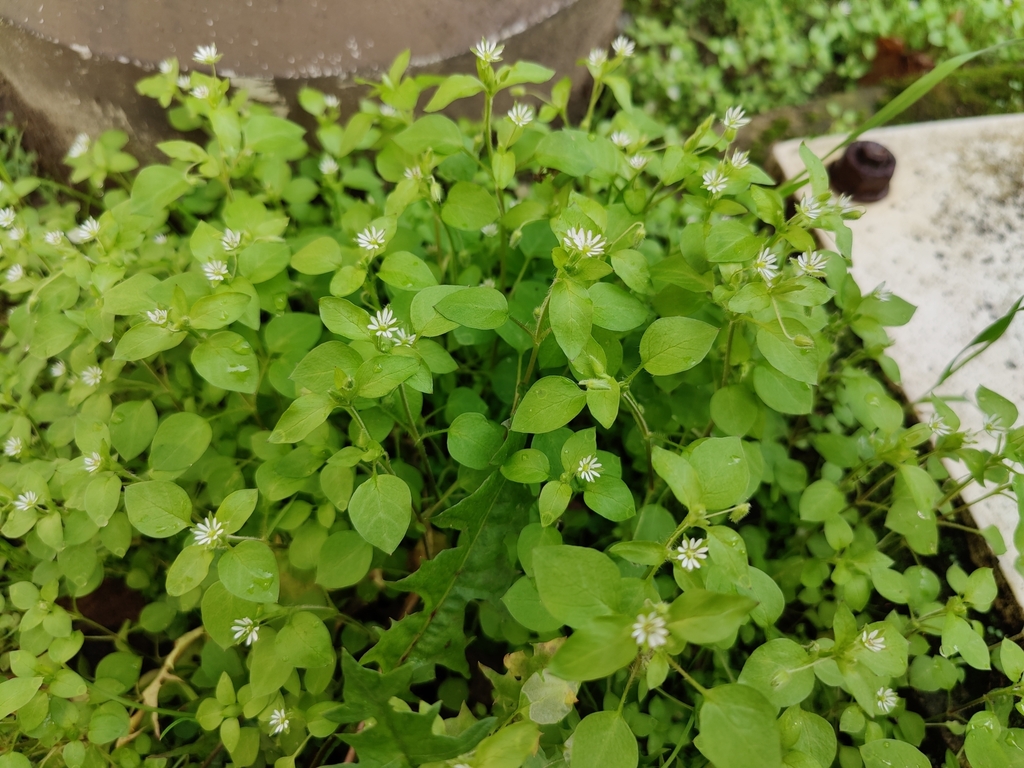
Common Chickweed
Common chickweed is a low, sprawling winter annual that forms bright green mats in cool, damp, shaded parts of the lawn. It germinates in fall, flowers through winter mild spells, and can produce seed within five weeks, but it is shallow-rooted and one of the easier weeds to remove once you know its season.
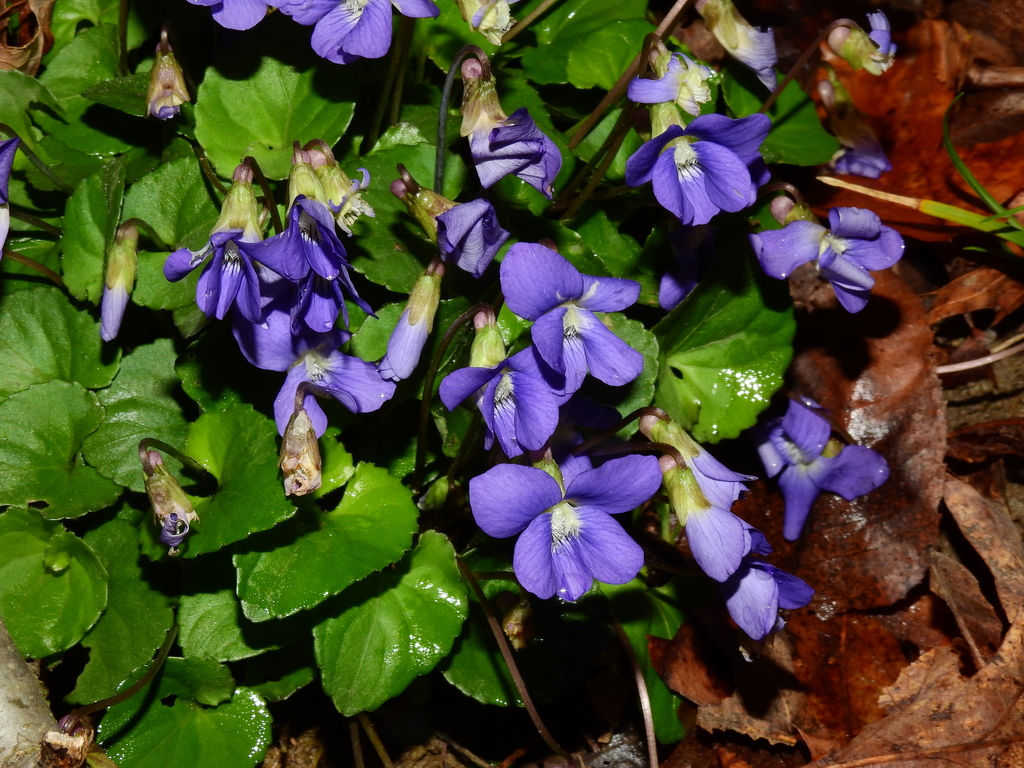
Wild Violet
Wild violet is a shade-tolerant perennial with waxy, heart-shaped leaves and spring purple flowers. It spreads by thick underground rhizomes and even sets self-pollinating seed pods underground, which makes it arguably the most stubborn broadleaf weed in northern lawns. Control is a multi-season project, not a single spray.
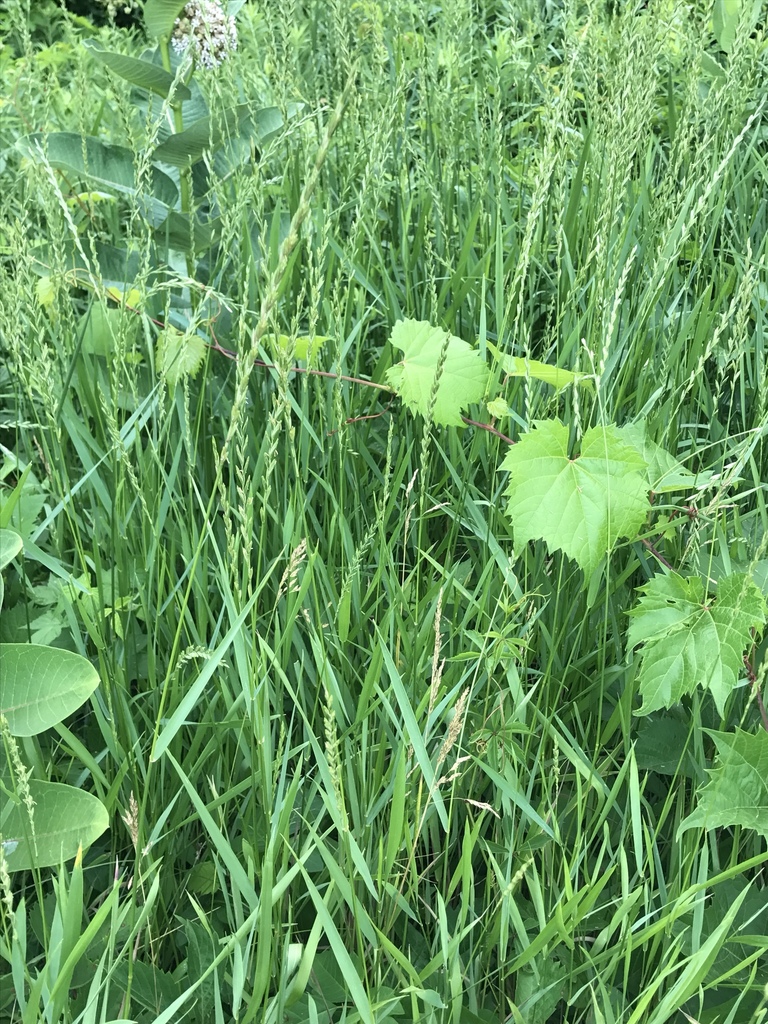
Quackgrass
Quackgrass is a cool-season perennial that spreads underground on tough white rhizomes, which is why it comes back from the same patch every year no matter how often you mow or pull it. It looks coarse and blue-green against the lawn and grows faster than the turf around it, so the patch is obvious a few days after every mowing. There is no selective herbicide that removes it from a cool-season lawn, so the honest plan is mechanical removal, spot treatment, and reseeding.
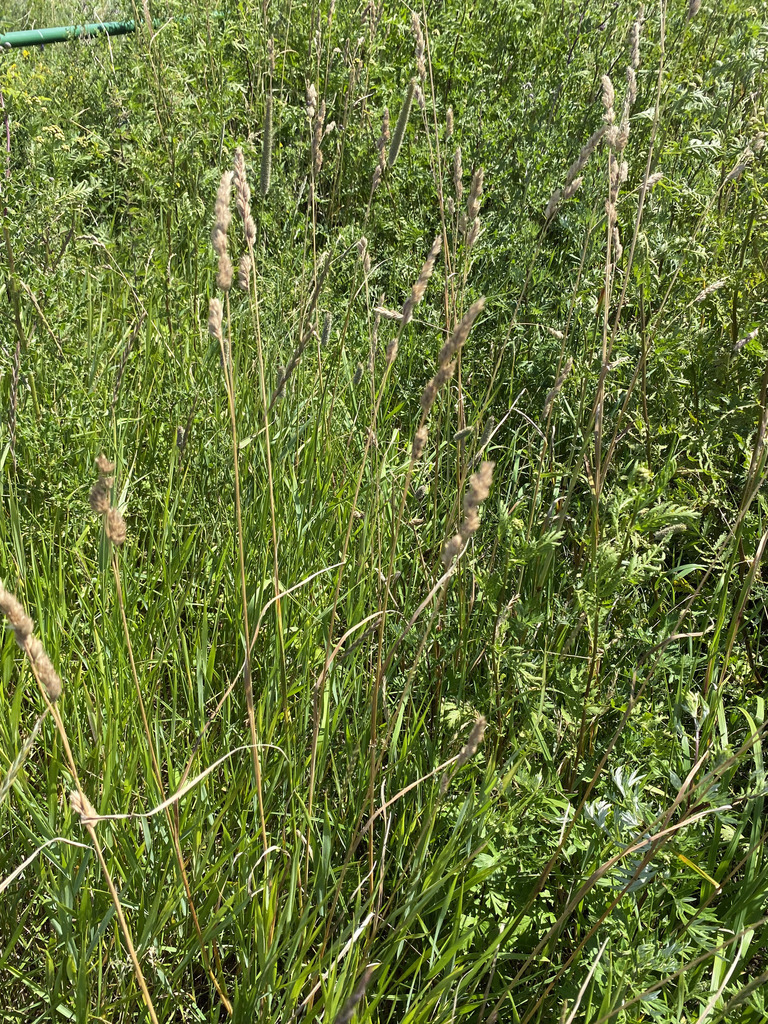
Orchardgrass
Orchardgrass is a cool-season perennial bunchgrass that was bred for pasture and hay, not for lawns. It shows up as coarse gray-green clumps that shoot back above the turf within a couple of days of mowing, and it almost always arrives as a contaminant in a cheap seed mix or as seed blown in from a nearby field. There is no selective herbicide that takes it out of a cool-season lawn, so honest control comes down to digging, spot treating, and buying better seed.
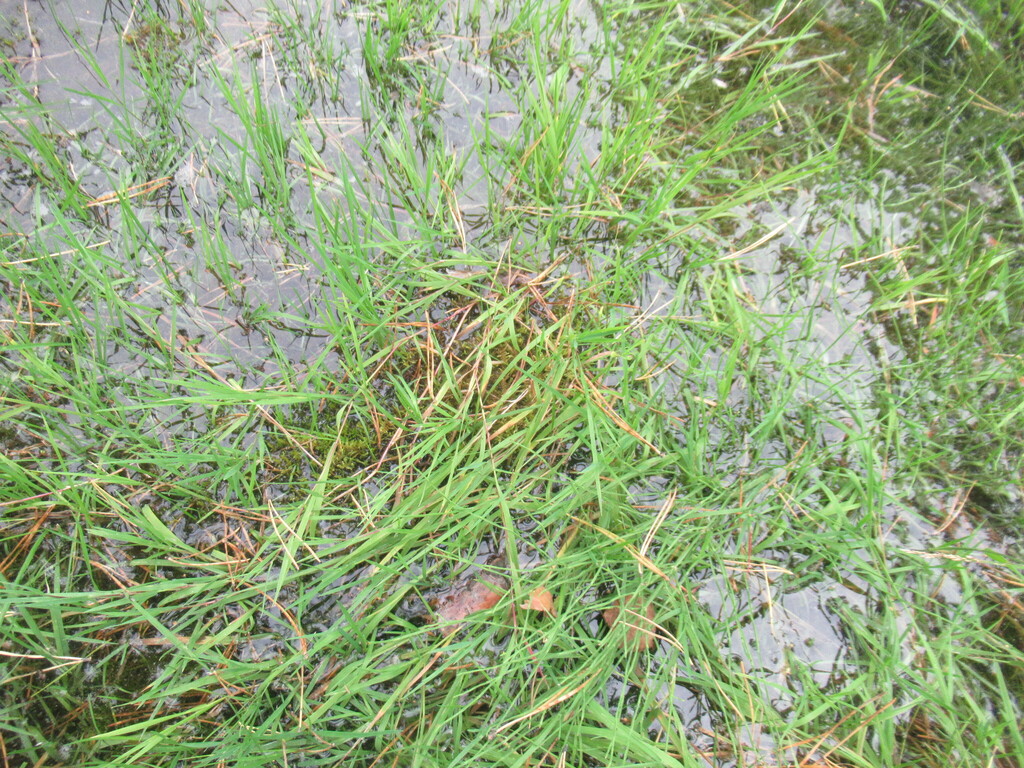
Creeping Bentgrass
Creeping bentgrass is a real turfgrass with a real job. It is the fine, dense surface on most northern golf greens, where it gets mowed near an eighth of an inch and watered almost every day. Put that same grass in a home lawn and its creeping habit turns it into one of the hardest weeds to remove, because it spreads by above-ground runners into puffy, felt-like mats instead of reseeding each spring. On a putting green it is the grass. In your yard it is an invader.
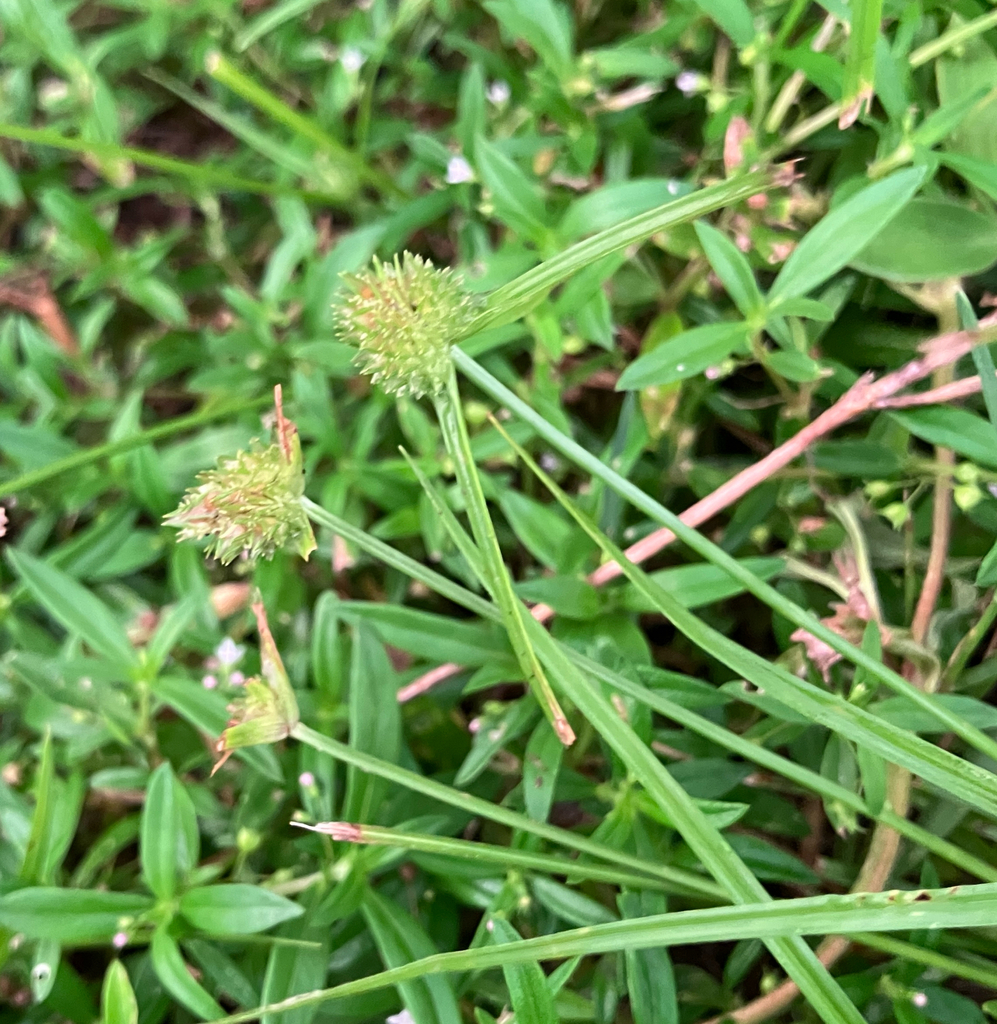
Kyllinga
Is there a low, dense mat spreading out from a sprinkler head or a soggy corner of your lawn? Kyllinga is a perennial sedge that runs on underground rhizomes and thrives where the soil stays wet. Confirm it by its single round seed head, fix the water problem, and then treat the mat with a sedge herbicide more than once.
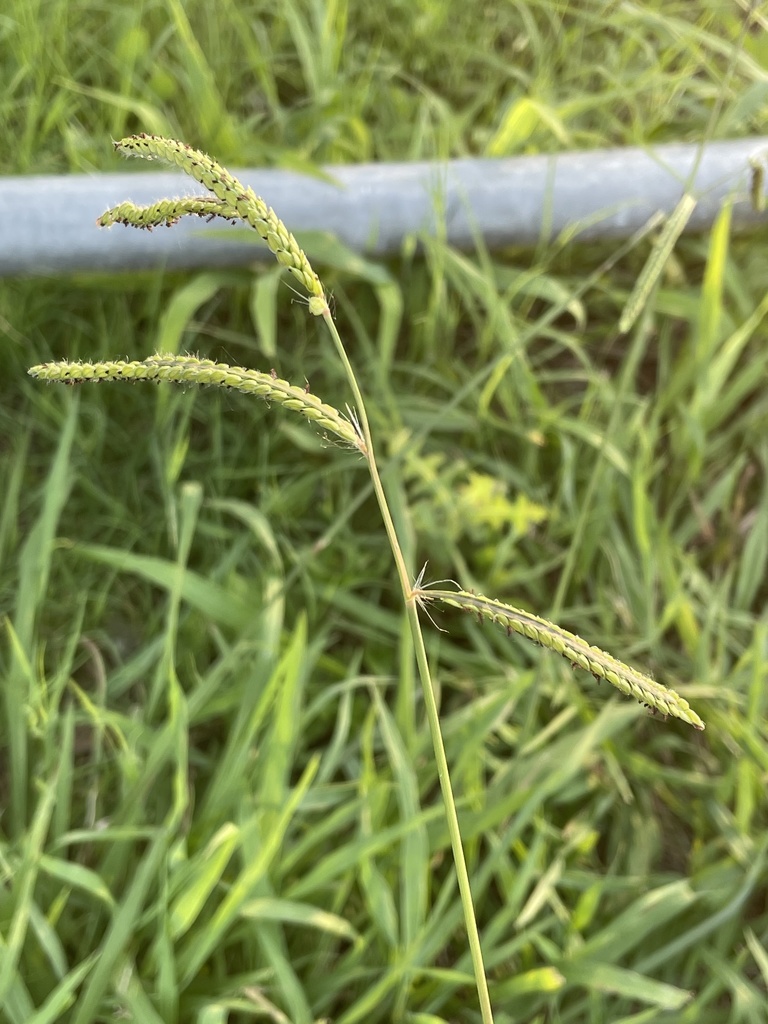
Dallisgrass
Do you have coarse, light green clumps that stand above the lawn two days after you mow, in the same spots every year? Dallisgrass is a warm-season perennial that widens on short rhizomes, so crabgrass preventer and a single summer spray rarely touch it. Texas A&M calls it one of the most problematic turf weeds in the South, and controlling it usually takes several applications over more than one season.
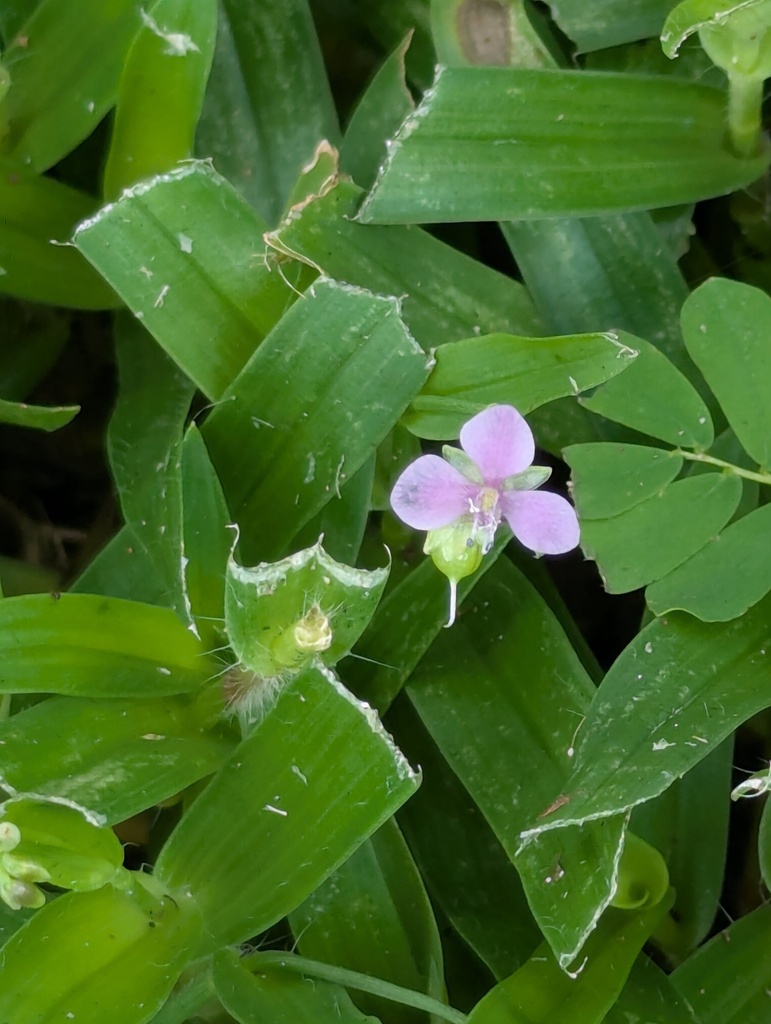
Doveweed
Is there a patch in your St. Augustine or centipede that looks a shade too bright and a little too shiny? Doveweed is a summer annual with thick, grass-like leaves that hides in warm-season turf until it has spread into a mat. It sprouts late in spring, after most crabgrass preventer has faded, so the fix is a later pre-emergent, repeat treatments, and drier soil.
Understanding lawn weeds
A lawn weed is simply a plant growing where you wanted grass. Nearly all of them fall into three groups, and the group matters because it decides which treatment works. Broadleaf weeds like dandelions, white clover, and plantain have wide leaves and branching veins. Grassy weeds like crabgrass and foxtail look like out-of-place grass blades. Sedges like yellow nutsedge have triangular stems and favor wet, poorly drained spots.
Weeds are also a signal. Most of them move into weak areas, so a heavy stand usually points to something the lawn needs: more fertility, less compaction, a higher mowing height, or better drainage. That is why the guides below pair identification with the underlying fix, not just a product to spray. Start by matching the leaf shape and growth habit to a guide above.
If what you are looking at is damage rather than a plant, grass that is chewed, thinning, or lifting away from the soil, that is an insect question rather than a weed question. Our lawn pest identification guides cover the grubs, caterpillars, and tunnelers that leave those patterns.
Lawn weed FAQs
What are the most common lawn weeds?
Most lawns deal with the same short list. This guide covers Crabgrass, Dandelions, White Clover, Foxtail, Goosegrass, Broadleaf Plantain, Yellow Nutsedge, Creeping Charlie, Annual Bluegrass (Poa annua), Spotted Spurge, Henbit, Common Chickweed, Wild Violet, Quackgrass, Orchardgrass, Creeping Bentgrass, Kyllinga, Dallisgrass, Doveweed. They split into three types: broadleaf weeds like dandelions and white clover, grassy weeds like crabgrass and foxtail, and sedges like yellow nutsedge.
What are the three types of lawn weeds?
Broadleaf, grassy, and sedge. Broadleaf weeds have wide leaves and branching veins, such as dandelions, clover, and plantain. Grassy weeds look like out-of-place grass blades, such as crabgrass and foxtail. Sedges have triangular stems and thrive in wet spots, such as yellow nutsedge. The type decides which herbicide works, so identify it first.
How do I identify a weed in my lawn?
Start with leaf shape and growth habit: broad leaves in a flat rosette, a low creeping mat, or grass-like blades. Match those against the guides here, or photograph the plant and let the AI weed identifier name it. Correct identification is what tells you the right treatment and the right timing.
Are lawn weeds a sign of a bigger problem?
Often, yes. Most weeds move into weak spots, so heavy weeds usually point to thin turf, low fertility, compaction, or a mowing or watering habit that favors them. Fixing the underlying condition does more lasting good than spraying alone.