

Pennington vs Scotts Grass Seed: Which Is Better?
Updated June 14, 2026
As an Amazon Associate we earn from qualifying purchases. Disclosure.
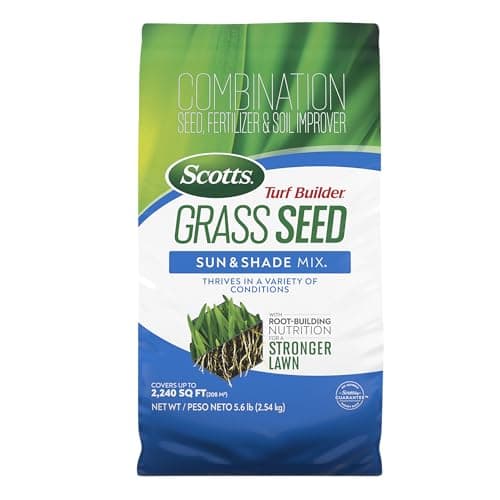
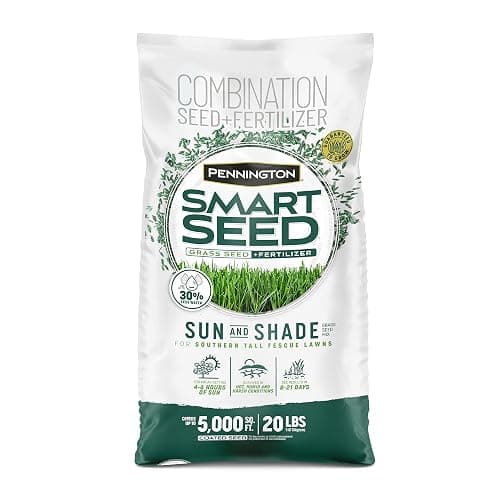
Scotts and Pennington are the two most-sold grass seed brands in the US, and almost every homeowner reseeding a lawn has stood in front of both bags in the same Home Depot aisle. The brands look similar on the shelf and ship comparable retail prices, but the seed inside the bag is meaningfully different. Scotts Turf Builder Grass Seed leads with the WaterSmart Plus coating story (a starter fertilizer and absorbent polymer coating each seed) and aggressive marketing. Pennington Smart Seed leads on cultivar quality and a stronger emphasis on drought-tolerant turf-type tall fescue cultivars.
Both brands sell solid mid-tier seed; both will give you a viable lawn. The differences show up over 2 to 3 growing seasons as cultivar quality compounds. Pennington Smart Seed cultivars tend to use less water once established (Pennington claims up to 30 percent less), have finer texture, and produce a denser stand. Scotts seed tends to germinate faster because of the coating but the underlying cultivar genetics are usually one notch down from Pennington Smart Seed. For premium results choose Pennington; for fast cheap coverage Scotts is fine.
Quick verdict
Pennington Smart Seed wins on cultivar quality and long-term drought tolerance. Scotts wins on fastest germination, ease of finding the right product on a big-box shelf, and slightly lower upfront cost.
Scotts Turf Builder Grass Seed vs Pennington Smart Seed: at a glance
Product positioning
Seed coating
Pure seed by weight
Cultivar quality
Germination time
Drought tolerance claim
Cool-season blends
Warm-season blends
Bag size availability
Price per pound (typical retail)
Germination guarantee
Endophyte enhancement
Where to buy
Best for
Bag clarity
APick Scotts grass seed if...
- You want the fastest germination and the coating helps you avoid the watering mistakes most DIY seeders make in the first 2 weeks.
- You are doing a small overseeding job or patching bare spots and want the cheapest viable option per 1,000 sq ft.
- You want the most retail availability (Scotts is in literally every big-box and grocery garden section).
- You are not particularly fussy about cultivar quality and just want green grass to fill in.
- You are reseeding a high-foot-traffic lawn where the Scotts High Traffic blend specifically targets your use case.
BPick Pennington Smart Seed if...
- You want the best long-term cultivar quality and are willing to pay 10 to 20 percent more upfront.
- You want the drought-tolerance benefit to last for years, not just the establishment window.
- You can read a seed label and want to know which specific cultivars are in the bag (Smart Seed lists them).
- You are seeding cool-season grass and want endophyte-enhanced cultivars (better pest resistance built-in).
- You are reseeding a premium lawn where the visual quality of the established stand matters more than the upfront cost.
Where to buy


As an Amazon Associate we earn from qualifying purchases. Disclosure.
Prefer other options? Browse retail-tier coated grass seed blends and drought-tolerant cultivar grass seed blends in our catalog.
Get your seasonal lawn care calendar for your ZIP
Every task, from feeding to weed control to aeration, has a window that shifts by region. Add your ZIP and we will email your 12-month lawn calendar right away, starting with this month.
Seasonal reminders and tips. No spam. Unsubscribe anytime.
Frequently asked questions
Is Pennington Smart Seed worth the extra cost over Scotts?
For most homeowners reseeding a lawn they plan to keep for more than 3 years, yes. Pennington Smart Seed uses higher-quality cultivars and lists specific cultivar names on the bag (Scotts typically does not), and the drought-tolerance benefit lasts for the life of the established lawn rather than just the establishment window. The price premium of 10 to 20 percent per pound is small compared to the cost difference between a great lawn and a mediocre one over 5 years.
Does the Scotts WaterSmart coating actually work?
The Scotts WaterSmart Plus coating works, but only for the establishment window (the first 2 to 6 weeks). The coating absorbs water and releases it slowly to the germinating seed, which helps homeowners who forget to water consistently. After the seed has germinated and rooted, the coating provides no further benefit. The Pennington Smart Seed approach (premium cultivars rather than coatings) provides drought tolerance that persists for the life of the lawn.
Which brand has better tall fescue?
Pennington Smart Seed Tall Fescue is generally a higher-quality blend than Scotts Turf Builder Tall Fescue. Pennington lists specific turf-type tall fescue cultivars on the bag (often named cultivars from the National Turfgrass Evaluation Program) while Scotts uses generic blend descriptions. If you can find the same cultivar names on independent NTEP ratings, Pennington usually selects from the top performers.
Can you mix Scotts and Pennington seed in the same lawn?
Yes, mixing Scotts and Pennington grass seed in the same lawn is fine as long as both blends are designed for the same grass type and climate. Different brand bags of the same species (e.g., Scotts tall fescue + Pennington Smart Seed tall fescue) will establish and blend together without issue. Do not mix bags meant for different climates (Scotts cool-season + Pennington warm-season bahiagrass would not work in the same lawn).
Which brand has a stronger germination guarantee?
Scotts and Pennington both offer the same standard money-back guarantee if the seed fails to germinate when used according to the bag instructions. Neither brand offers a stronger guarantee than the other. In practice, both brands honor the guarantee with proof of purchase if seed fails (rare with either brand when sown correctly).
Is Pennington grass seed worth more than generic or store-brand seed?
For a lawn you plan to keep, yes. Pennington Smart Seed uses named, tested turf cultivars and lists them on the bag, while most generic and store-brand seed relies on unnamed, lower-tier cultivars with a higher percentage of inert filler and occasional weed seed. The difference shows up over 2 to 3 seasons: Smart Seed produces a denser, finer, more drought-tolerant stand. Generic seed will still germinate and fill in for less money upfront, so it is fine for a temporary lawn or a rental, but for a lawn you care about, the small premium for named cultivars is worth it.
Pennington Smart Patch vs Scotts EZ Seed: which is better for bare spots?
Both are all-in-one bare-spot repair products that combine seed, mulch, and starter fertilizer, and both work well for small patches. Scotts EZ Seed uses a water-absorbing mulch that swells and darkens when it needs water, which makes watering nearly foolproof. Pennington Smart Patch pairs its mulch with the same higher-tier Smart Seed cultivars, so the repaired patch blends into a quality lawn better over time. For the easiest watering experience choose EZ Seed; for the best long-term match to a premium lawn choose Smart Patch. For large areas, buy straight seed instead, since both repair products are expensive per square foot.