
The backwards annual
Everything about Poa annua is reversed from the summer weeds. It germinates in early fall as soils cool through the low 70s, grows lush and innocent-looking all winter and spring, then seeds heavily and (in its annual forms) dies abruptly when summer heat arrives, leaving the brown patches that finally make owners notice it. By the time you see the damage in June, the plant finished its life months of work ago.
Its seeding is the nastiest trick: Poa sets viable seed heads below almost any mowing height, even putting-green height, so mowing never interrupts reproduction. The whitish seed heads appear nearly year-round, each plant contributing to a seed bank that persists for years. Warm-season lawns get hit hardest because Poa exploits their winter dormancy, growing green and seeding freely while the bermuda or zoysia around it sleeps.
The boat-shaped blade tip it shares with its cousin catches a lot of people out, so if you are not certain which bluegrass you are looking at, start with poa annua vs Kentucky bluegrass, which separates them on color, seeding height, and what happens in June.
Win it in September, not June
Mark the prevention window now: late summer into early fall, when soil temperatures drop back through about 70°F, before fall germination begins. That single pre-emergent application, repeated annually, is the entire foundation of Poa control. Spring spraying is pointless, and by June the annual biotypes are dying on their own schedule anyway.
Plan on a multi-year campaign because the seed bank is deep. Combine the fall barrier with summer density work: whatever thickens your lawn in July and August shrinks the bare soil Poa needs in September. In irrigated lawns watch for the perennial biotypes that survive summer; those patches need spot renovation rather than waiting for heat to clear them. Two to three consistent falls usually turns a speckled lawn into a clean one.
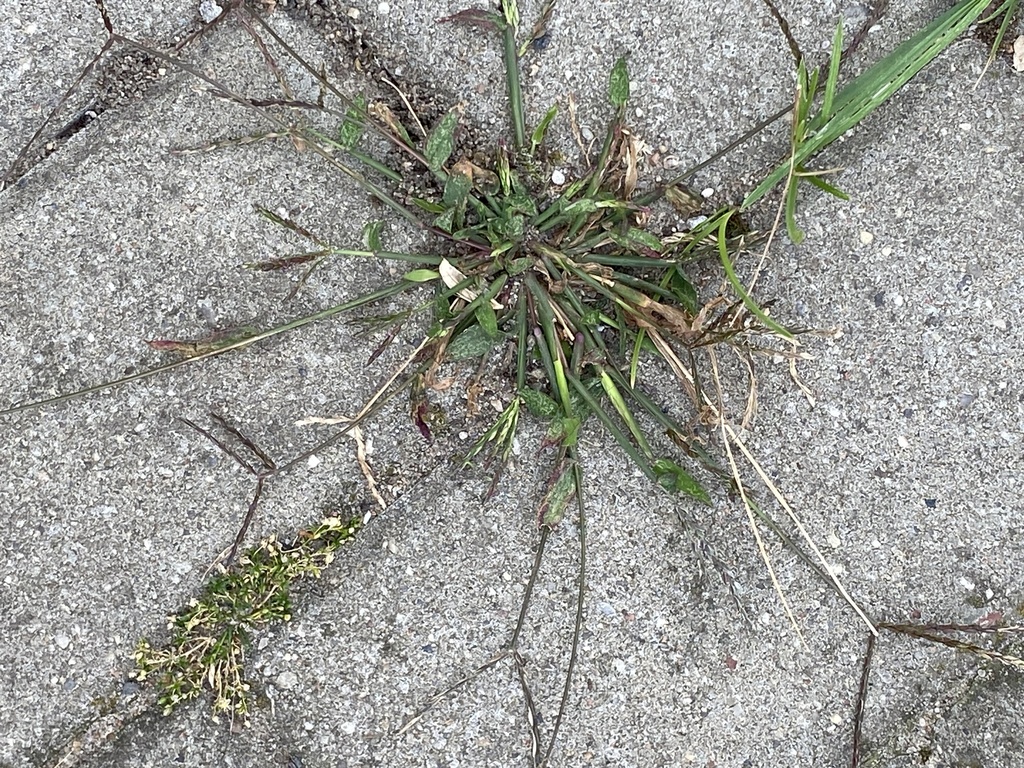
How to identify annual bluegrass (poa annua)
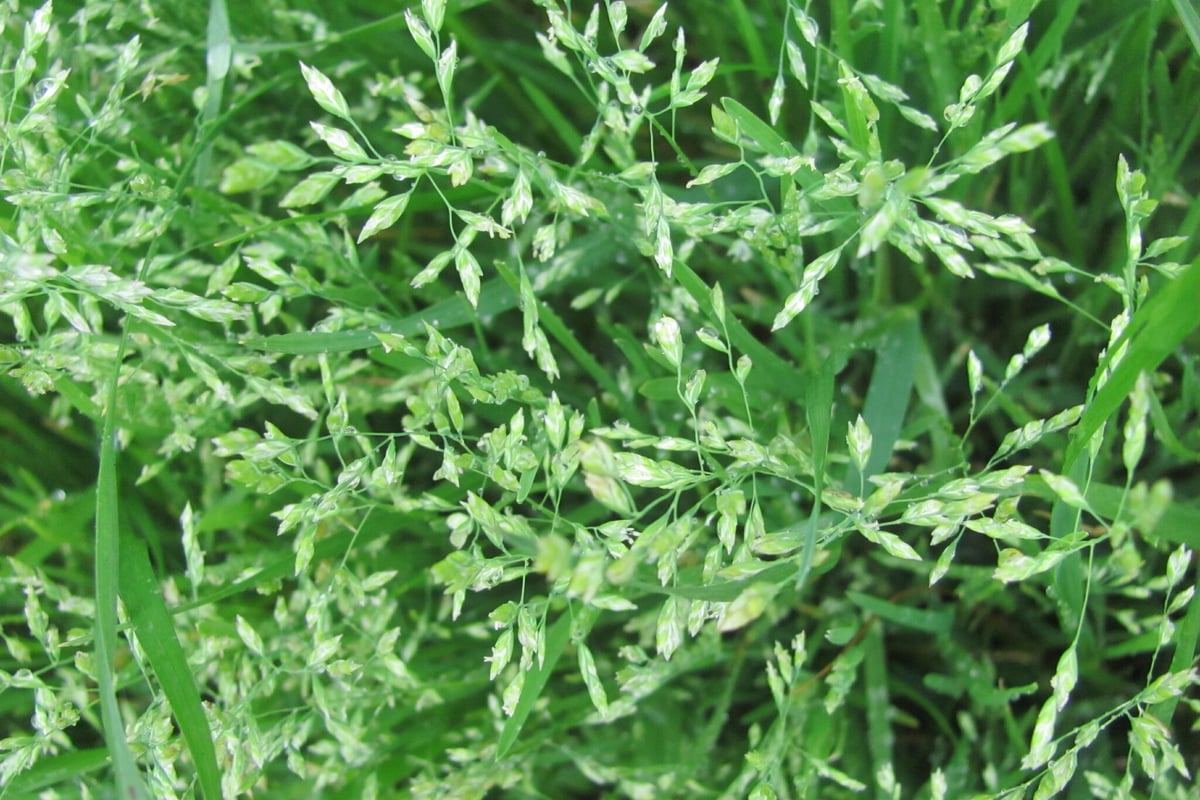
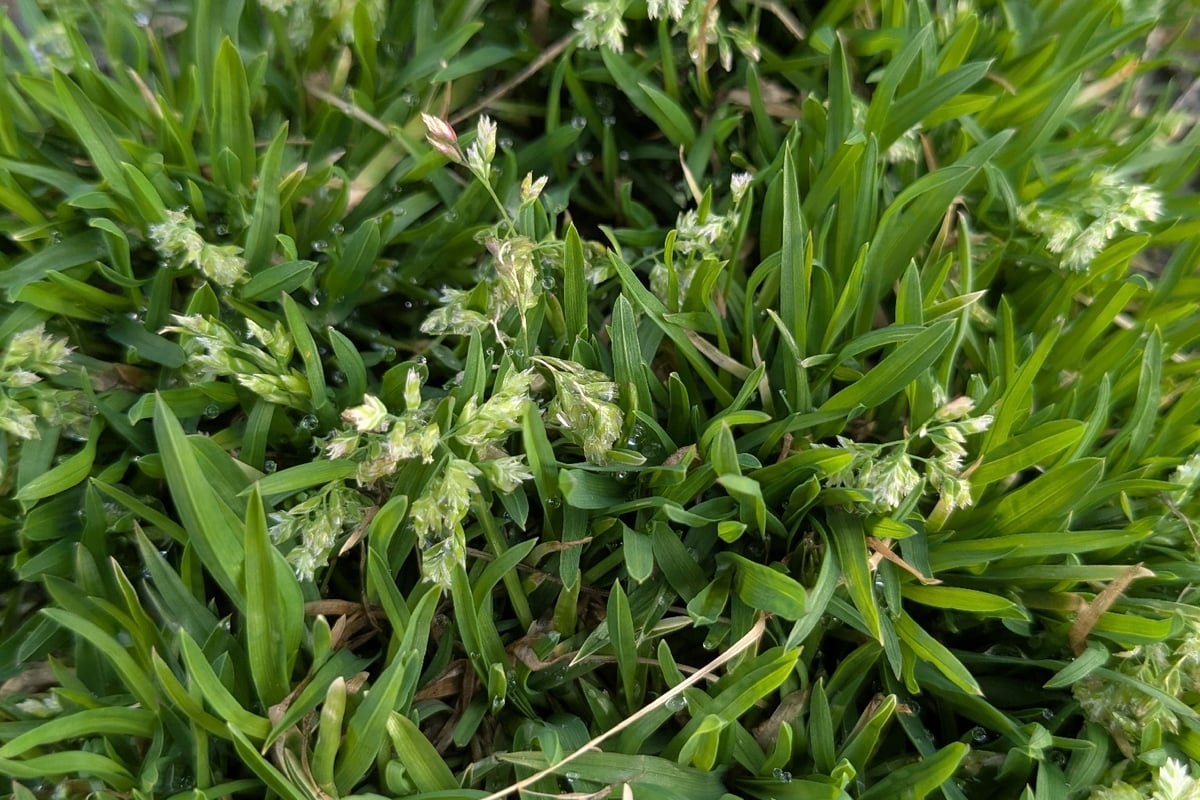
- Lighter, lime-green patches that stand out against the main lawn in cool months
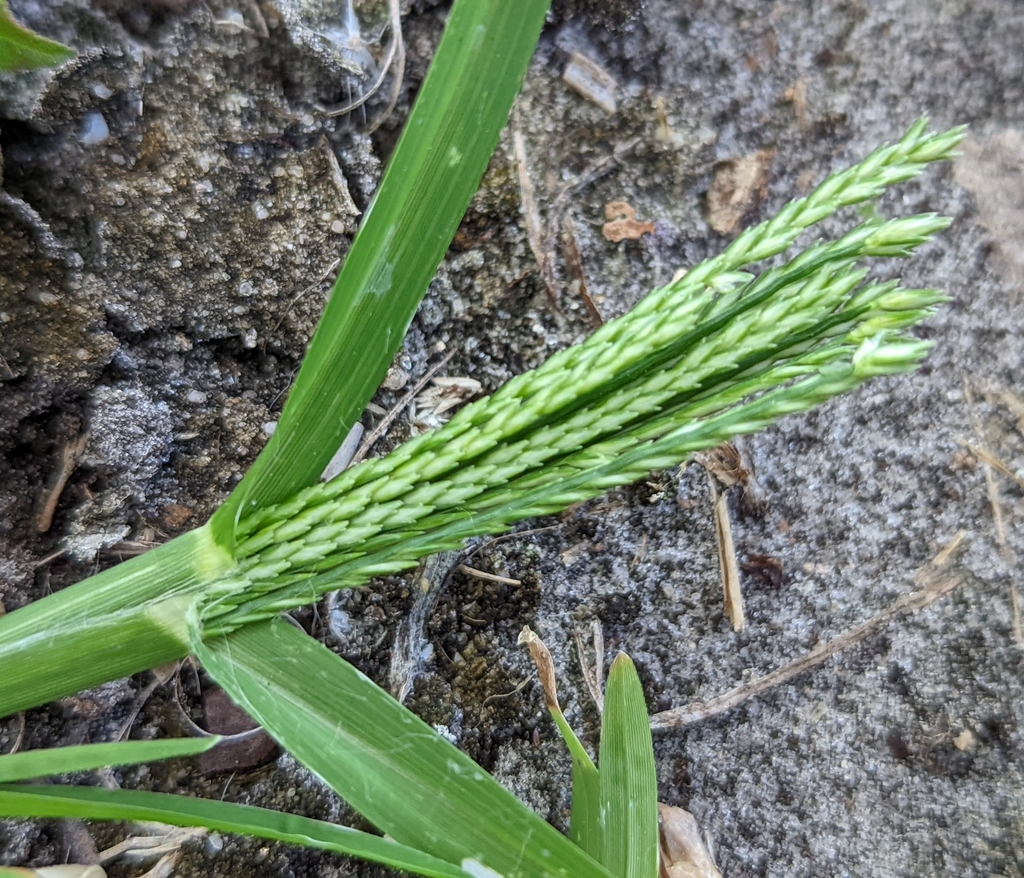
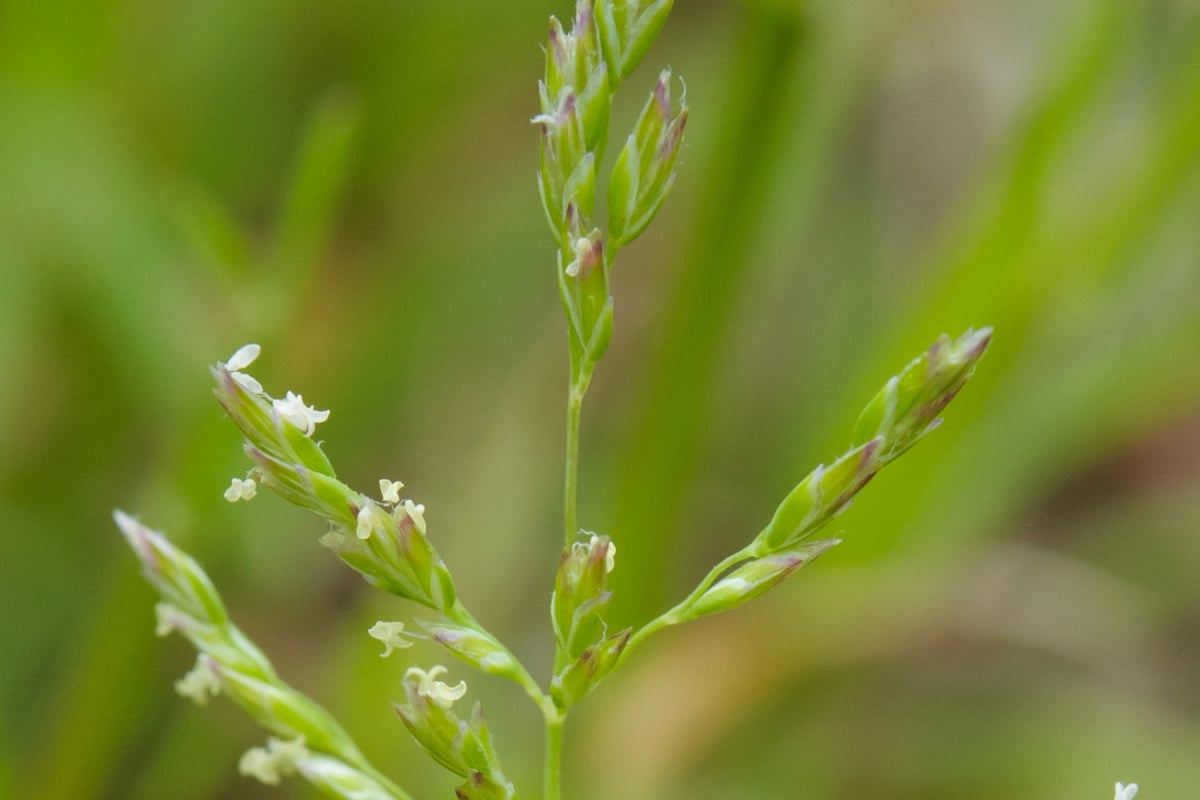
- Whitish, greenish seed heads produced almost year-round, even below mower height
- Soft, boat-tipped blades typical of bluegrasses
- Patches brown and die abruptly in early summer heat
Don't confuse it: Kentucky bluegrass shares the boat-shaped blade tip but is darker, deeper-rooted, and does not die off in June.
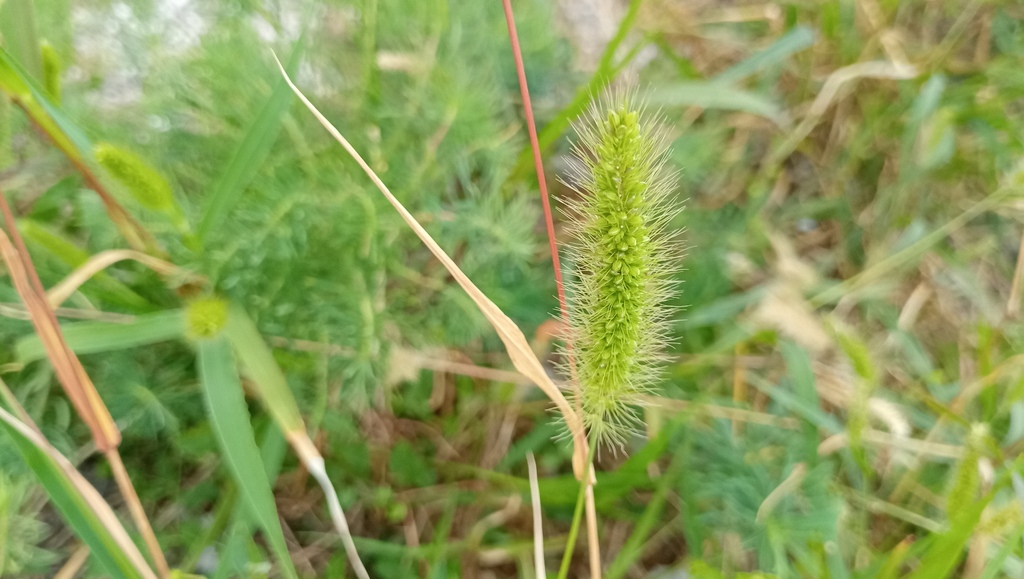
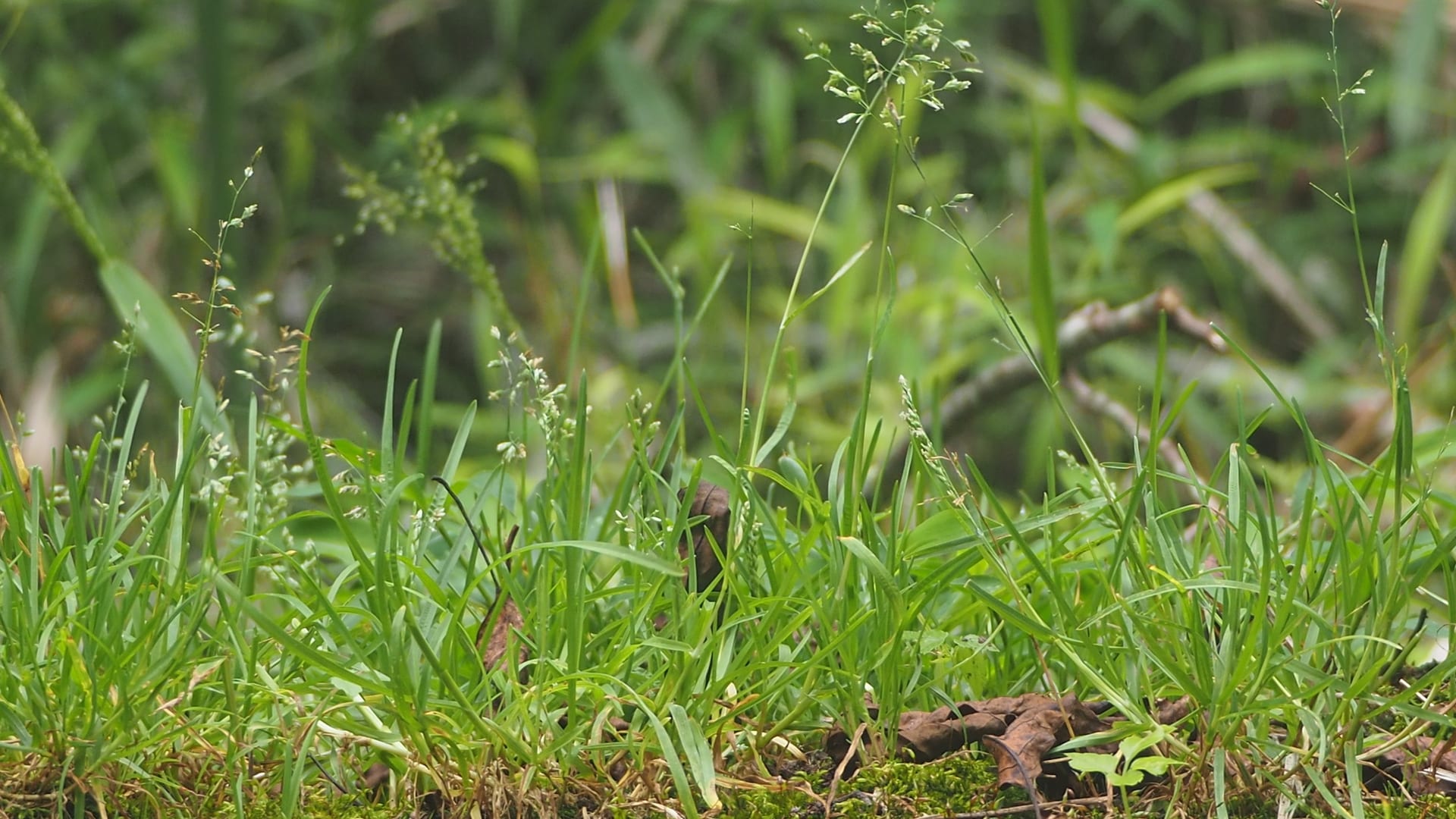
What annual bluegrass (poa annua) looks like
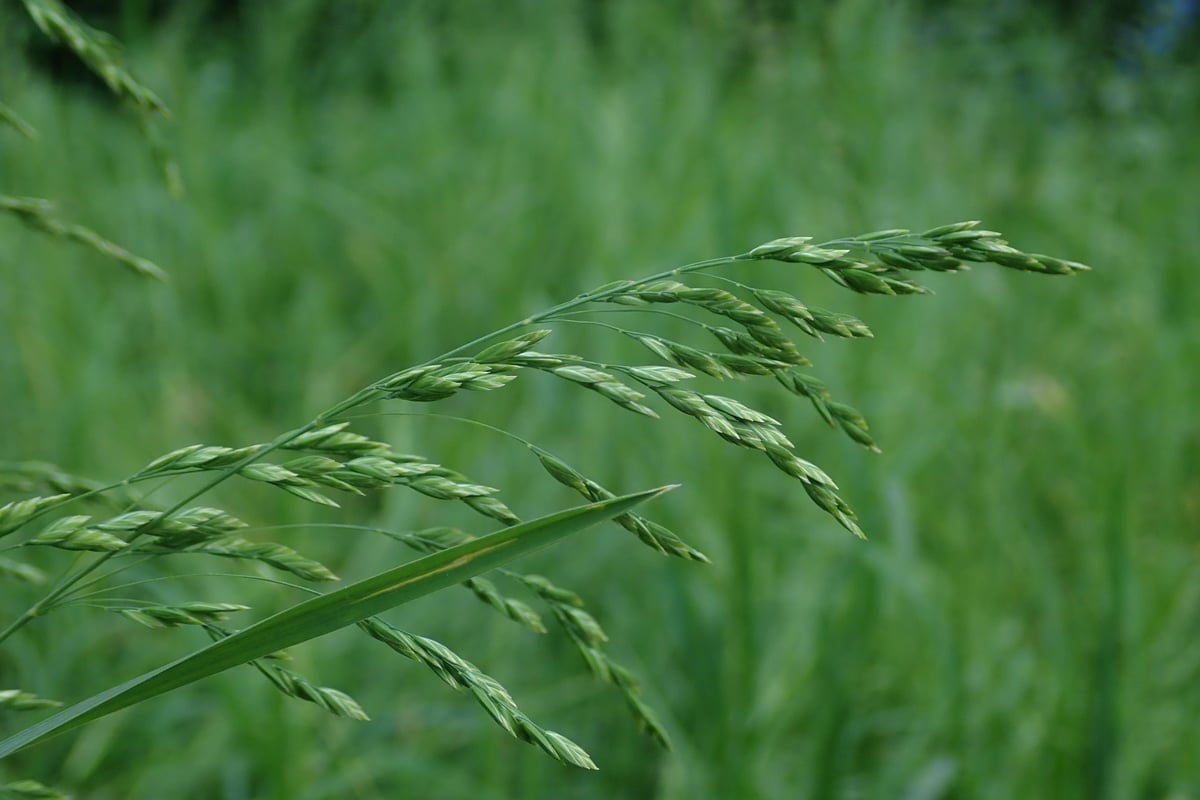
Not sure this is annual bluegrass (poa annua)? Snap a photo and our AI will identify the weed with treatments matched to your grass type.
When to treat annual bluegrass (poa annua)
Prevention (pre-emergent)
Apply before germination, when soil reaches about 70°F.
Window: Late summer to early fall (August-September)
Typical dates: Before soil drops below 70°F in fall (seeds germinate in fall, not spring)
Treatment (post-emergent)
Best time: Late fall or early spring when actively growing
Target stage: Young plants before seed head production
Conditions: Apply when weeds are dry · No rain for 24 hours · Temps 50-70°F
Germination starts around 45°F soil temperature (optimal 55°F). Track your ZIP's live soil temperature or get an exact plan from the herbicide timing calculator.
How to control annual bluegrass (poa annua)
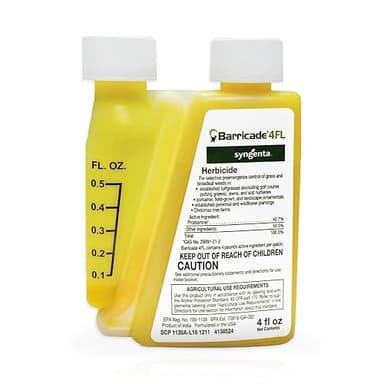
- 1Apply pre-emergent in early fall before soil drops below 70°F. Prodiamine and dithiopyr are both labeled for it.
- 2Ethofumesate (Prograss) provides both pre- and post-emergent control in cool-season turf
- 3In warm-season lawns, foramsulfuron (Revolver) can selectively remove Poa annua from bermudagrass
- 4Improve turf density through fall overseeding with desirable species to outcompete it
Good to know
- • Light-green annual (sometimes short-lived perennial) that produces seed heads even at low mowing heights
- • Germinates in fall, not spring like crabgrass, so the timing is opposite of most grassy weed programs
- • Each plant can produce hundreds of seeds, building a large seed bank in the soil
- • Dies off in summer heat leaving bare patches, especially visible in bermudagrass and warm-season lawns
Weed control quotes
Get matched with local weed control pros on Angi. Free quotes, no obligation.
Angi is a partner; we may earn a commission if you request quotes there.
Products that work on annual bluegrass (poa annua)
These picks are not filtered to your lawn. Some herbicides damage certain grasses (atrazine is for warm-season lawns; Trimec harms St. Augustine). Verify your grass type on the product label before applying, or use the herbicide timing calculator for grass-filtered recommendations.
Recommended Products
- 1Check price
 Top pick
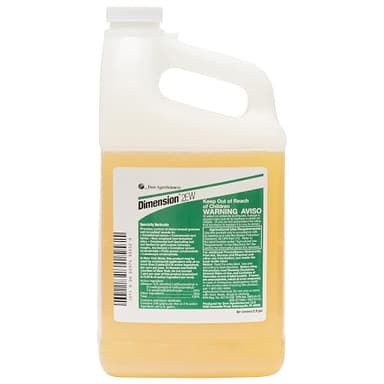
Dimension 2EW
Dithiopyr pre-emergent that also provides early post-emergent activity on young crabgrass escapes. Dithiopyr is a second fall prevention option for Poa annua when its label matches the lawn.
- 2Check price
 Best value
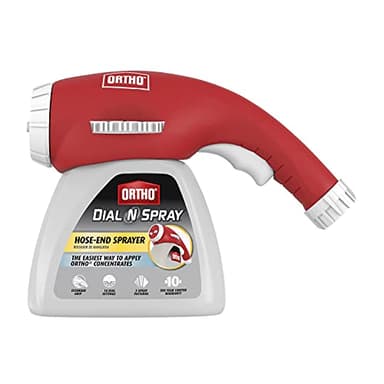
Ortho Dial N Spray Hose-End Sprayer (14 Dilution Settings)
Adjustable metered hose-end sprayer for liquid herbicides, iron, wetting agents, and foliar recovery products. Barricade 4FL and Dimension 2EW are liquid concentrates, so even spray coverage decides how well prevention works.
As an Amazon Associate we earn from qualifying purchases.
Where annual bluegrass (poa annua) shows up
Most common in these regions: