
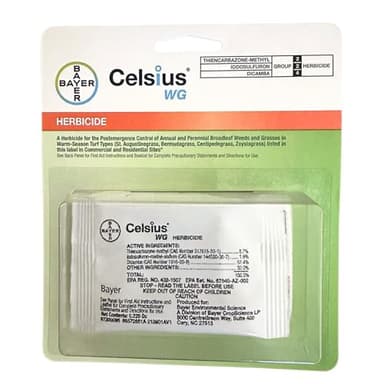
A perennial built for abused ground
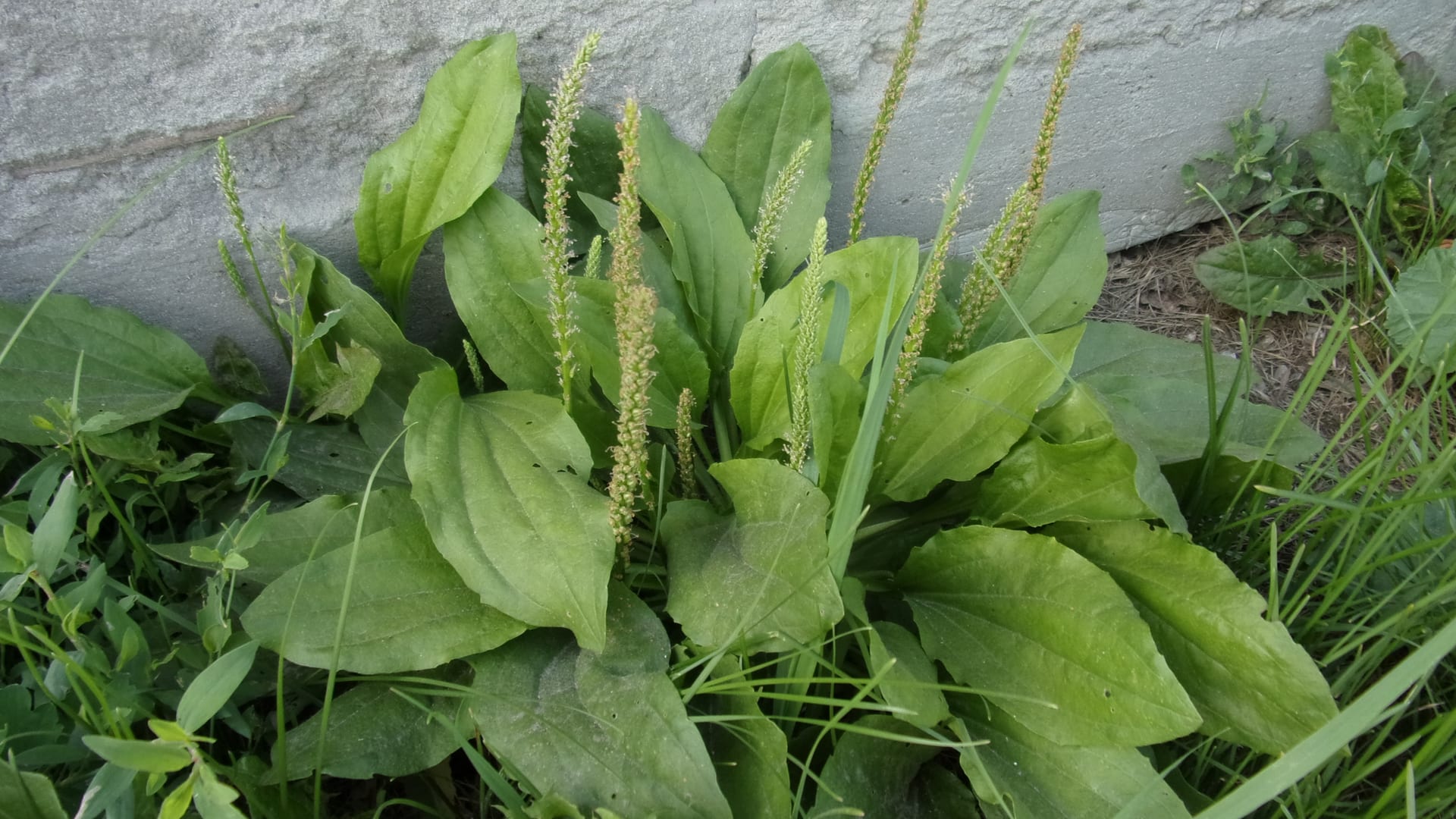
Plantain thrives on being stepped on. The broad ribbed leaves grow in a rosette flat enough to duck every mower pass, the fibrous crown shrugs off traffic that shreds grass, and the whole plant tolerates compacted, poorly drained soil that starves turf roots of air. That combination is why plantain owns the same strips year after year: path edges, play areas, the compacted band along the sidewalk.
Because it is a perennial, the rosette you see in May is usually the same individual you saw last year, regrown from the crown, plus a ring of new seedlings from the rat-tail seed stalks it sent up all summer. Ignore one plant for a season and you inherit a patch.
Kill the crown, then fix the strip
The dandelion logic applies: treat in fall, when the crown is banking energy downward and a selective broadleaf herbicide translocates into the root instead of just burning leaves. A 3-way product handles plantain reliably. For scattered plants, digging works better than it does for dandelions because the fibrous root ball lifts out whole; just seed the divot the same week.
Then change the conditions. Aerate the compacted strip, raise the mowing height so grass can shade the crowns, and improve drainage where water sits. Plantain pressure is a symptom of ground that grass cannot fully occupy; once turf can actually root and compete there, the weed loses the only advantage it had.
How to identify broadleaf plantain
- Wide oval leaves with prominent parallel veins, arranged in a flat rosette
- Leathery, often wavy leaf edges; leaves can look almost cabbage-like in rich soil
- Skinny green seed stalks like rat tails rising a few inches above the rosette
- Persists in the same spots year after year, especially compacted areas
What broadleaf plantain looks like
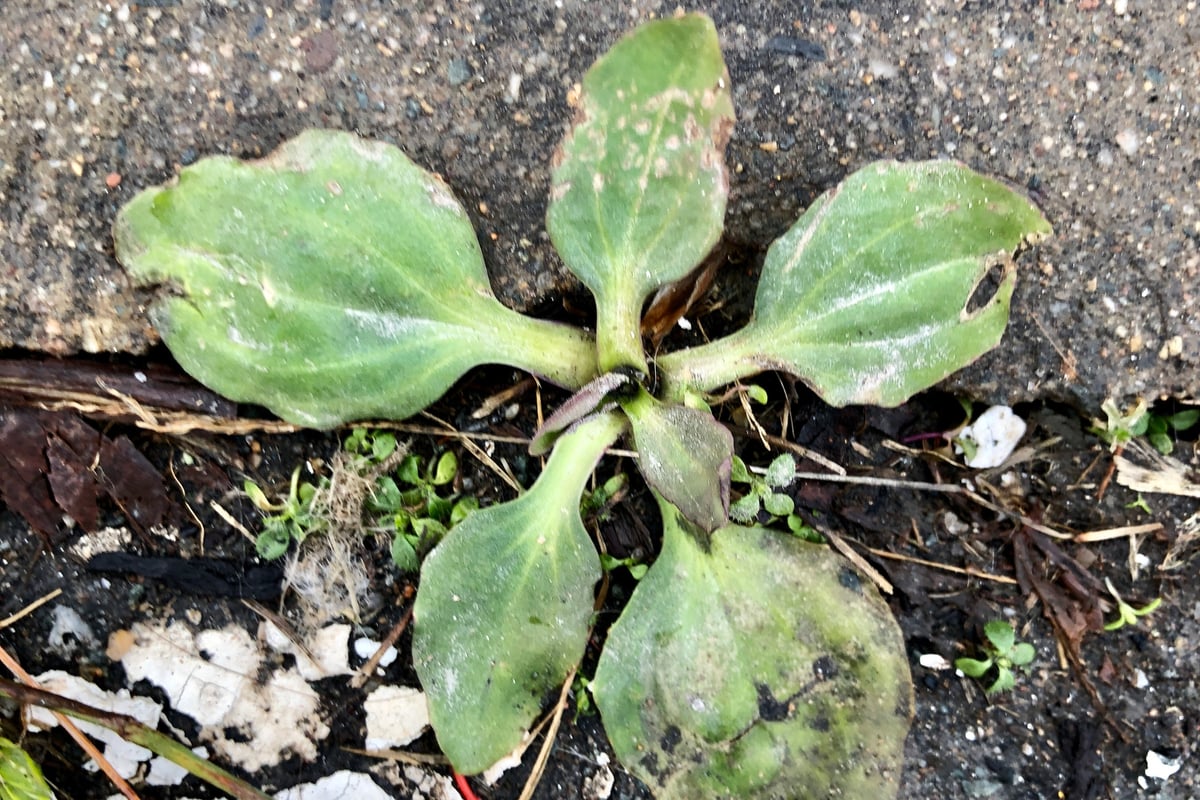
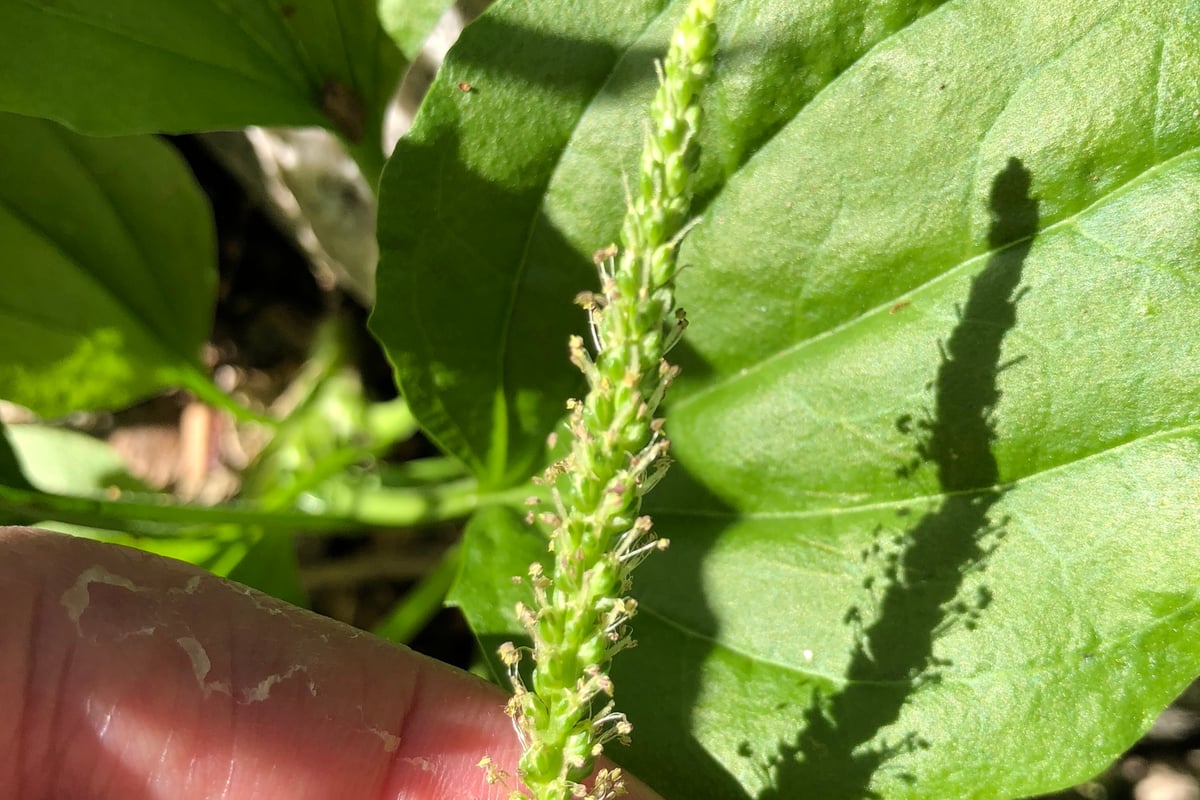
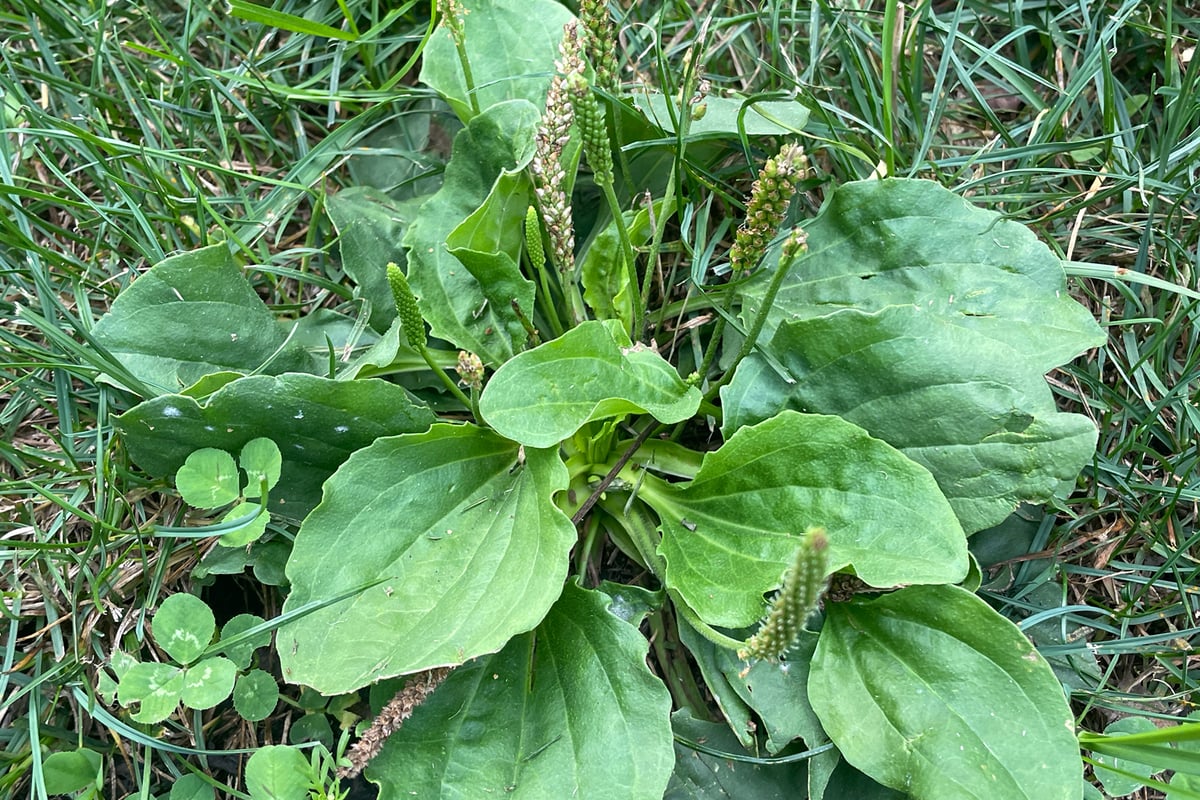
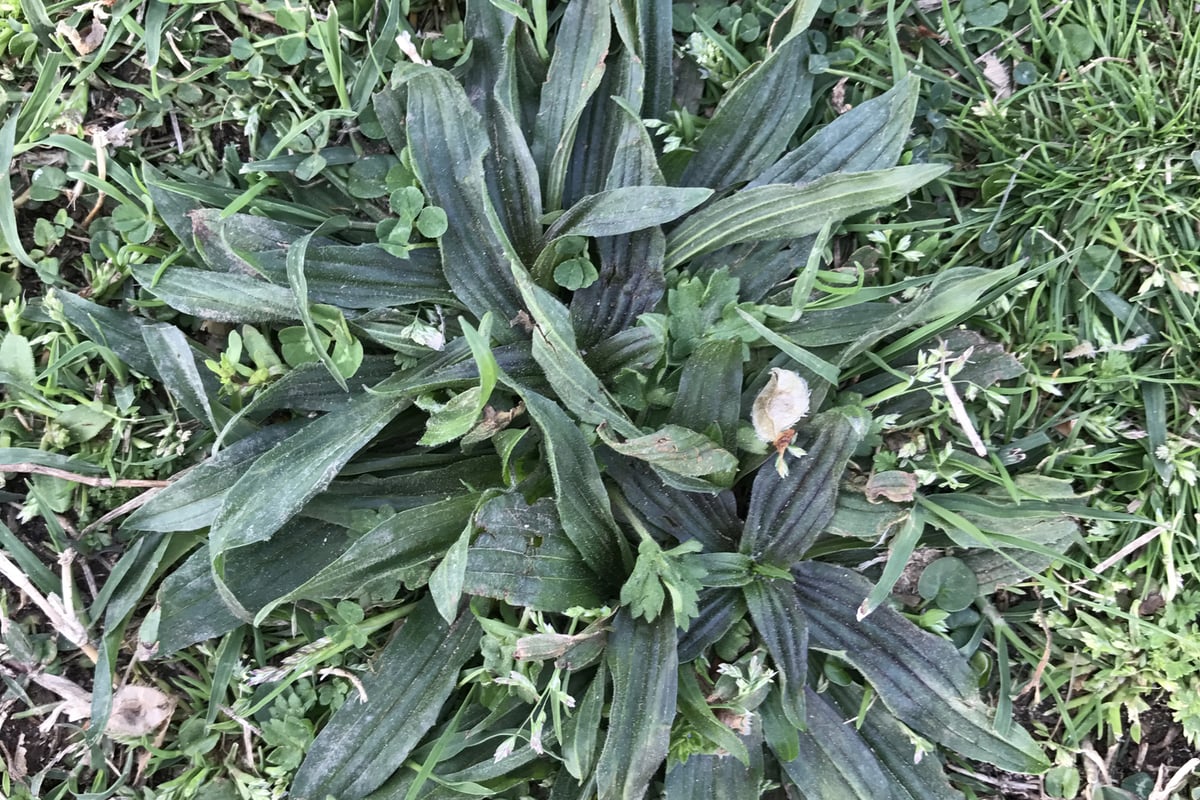
Not sure this is broadleaf plantain? Snap a photo and our AI will identify the weed with treatments matched to your grass type.
When to treat broadleaf plantain
Treatment (post-emergent)
Best time: Spring or fall
Target stage: Actively growing
Conditions: Apply when weeds are dry · No rain for 24 hours · Temps 60-80°F
Germination starts around 45°F soil temperature (optimal 60°F). Track your ZIP's live soil temperature or get an exact plan from the herbicide timing calculator.
How to control broadleaf plantain
- 1Improve soil aeration to address underlying cause
- 2Use selective herbicides in spring or fall
- 3Remove manually if few plants present
- 4Improve lawn density to prevent establishment
Good to know
- • Indicates compacted soil conditions
- • Has medicinal properties but unwanted in lawns
- • Can be controlled with selective herbicides
- • Often found in high-traffic areas
Weed control quotes
Get matched with local weed control pros on Angi. Free quotes, no obligation.
Angi is a partner; we may earn a commission if you request quotes there.
Products that work on broadleaf plantain
These picks are not filtered to your lawn. Some herbicides damage certain grasses (atrazine is for warm-season lawns; Trimec harms St. Augustine). Verify your grass type on the product label before applying, or use the herbicide timing calculator for grass-filtered recommendations.
Recommended Products
- 1Check price
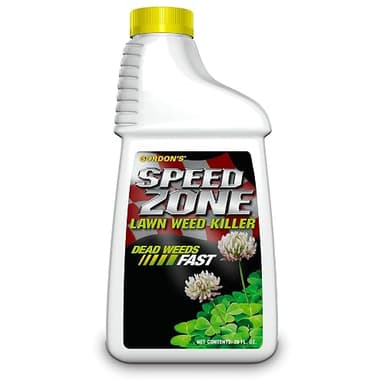 Top pick
SpeedZone EW Lawn Weed Killer
Fast-acting lawn weed killer for cool-season lawns that targets dandelion, clover, spurge, plantain, and other listed weeds. SpeedZone gives fast broadleaf knockdown when plantain is actively growing.
- 2Check price
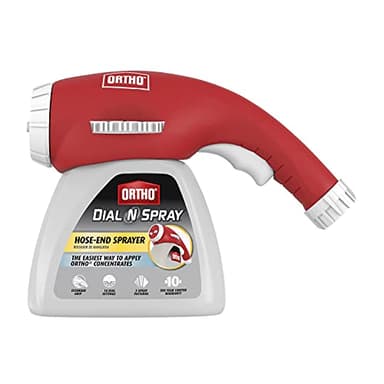 Best value
Ortho Dial N Spray Hose-End Sprayer (14 Dilution Settings)
Adjustable metered hose-end sprayer for liquid herbicides, iron, wetting agents, and foliar recovery products. Celsius and SpeedZone are liquid concentrates; a metered hose-end sprayer applies them evenly over a whole lawn.
As an Amazon Associate we earn from qualifying purchases.
Where broadleaf plantain shows up
Most common in these regions: