
The mat that grows all winter
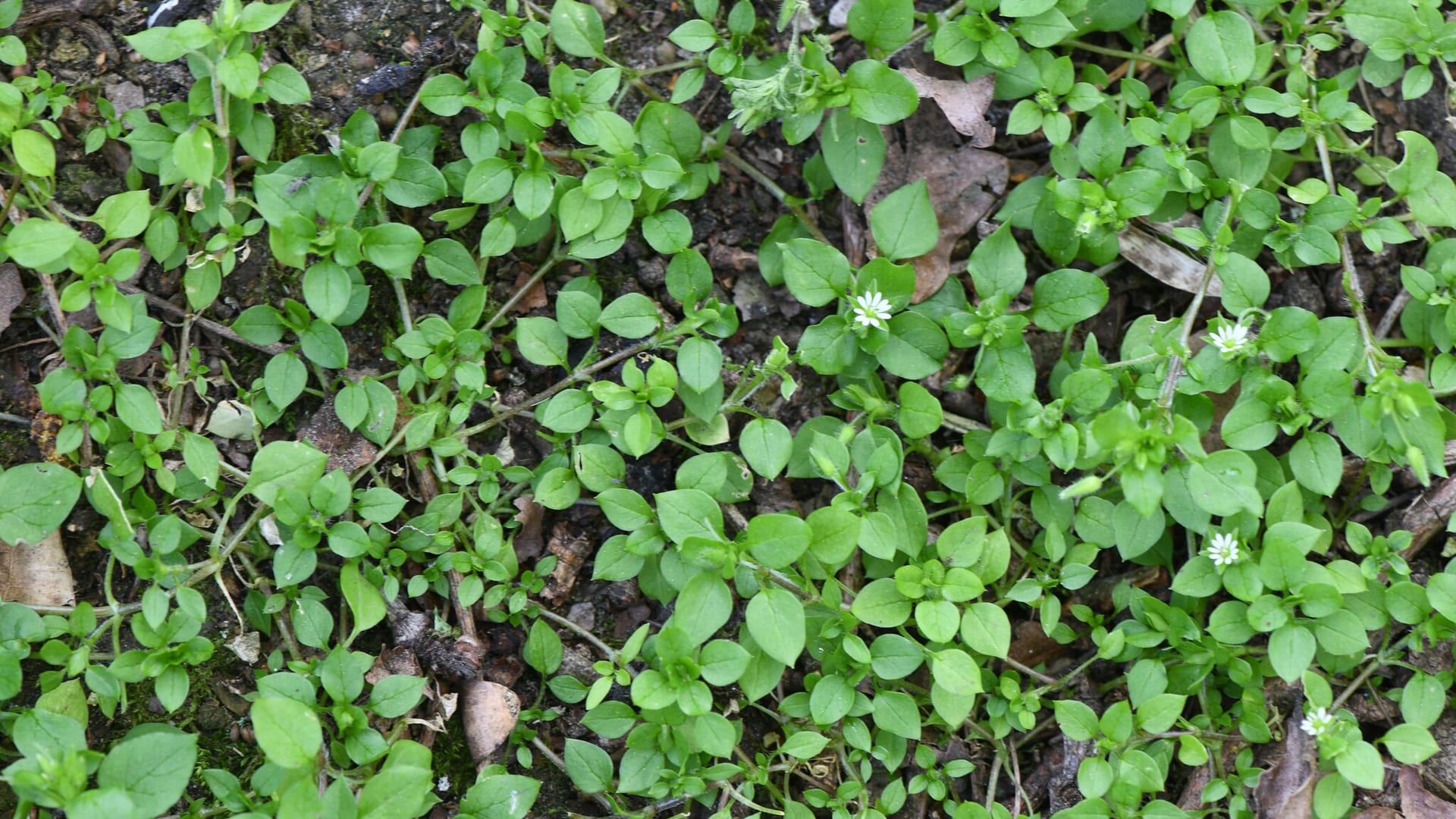
Chickweed works the same off-season shift as henbit: fall germination, quiet winter growth, spring seed, summer death. Its niche is the cool, damp, shaded corner where turf thins out, and given a mild winter it can flower and set seed multiple times before June, with each cycle taking as little as five weeks. The single line of hairs running up one side of the stem is the classic confirmation tell.
The good news is that it is shallow. Chickweed roots barely grip, its mats peel up like a rug after rain, and it has none of the taproots, tubers, or rhizomes that make other weeds a campaign. It is one of the easiest lawn weeds to control once you time it right.
Time it right, then fix the corner
Prevent it with an early-fall pre-emergent (the shared Poa annua and henbit window), or catch young plants with a selective broadleaf spray in late fall. Hand-pulling before seed set works genuinely well; overseed the cleared patch so the next fall flush lands on grass instead of soil. Skip the spring panic spray: mature chickweed is about to die of heat anyway.
If the same spot fills back in every year, read it as a site diagnosis. Cool, wet, shaded, thin: improve drainage, limb trees up for light, and switch to a shade-tolerant grass mix so the ground is not bare each September. Chickweed is rarely a stubborn weed; it is usually a stubborn microclimate.
How to identify common chickweed
- Tiny white star-like flowers, five deeply split petals that look like ten
- Small, smooth, egg-shaped leaves in opposite pairs on delicate stems
- A single visible line of hairs running up one side of the stem, a classic ID tell
- Bright green sprawling mats in damp, shady, or recently disturbed areas
Not sure this is common chickweed? Snap a photo and our AI will identify the weed with treatments matched to your grass type.
When to treat common chickweed
Treatment (post-emergent)
Best time: Late fall or early spring when actively growing
Target stage: Before flowering for best control
Conditions: Apply when weeds are dry · No rain for 24 hours · Temps 45-65°F
Germination starts around 54°F soil temperature (optimal 68°F). Track your ZIP's live soil temperature or get an exact plan from the herbicide timing calculator.
How to control common chickweed
- 1Apply broadleaf herbicide (2,4-D, dicamba, or triclopyr) in fall or early spring
- 2Reduce watering frequency and improve drainage
- 3Increase sunlight by pruning overhanging branches where possible
- 4Maintain proper mowing height to encourage turf density
Good to know
- • Cool-season annual/perennial with small white star-shaped flowers
- • Forms dense, low-growing mats in moist shady areas
- • One of the first weeds to appear in late winter/early spring
- • Thrives in overwatered and heavily shaded lawns
Weed control quotes
Get matched with local weed control pros on Angi. Free quotes, no obligation.
Angi is a partner; we may earn a commission if you request quotes there.
Products that work on common chickweed
These picks are not filtered to your lawn. Some herbicides damage certain grasses (atrazine is for warm-season lawns; Trimec harms St. Augustine). Verify your grass type on the product label before applying, or use the herbicide timing calculator for grass-filtered recommendations.
Recommended Products
- 1Check price
 Top pick
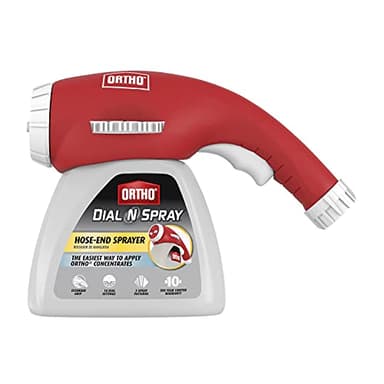
Ortho Dial N Spray Hose-End Sprayer (14 Dilution Settings)
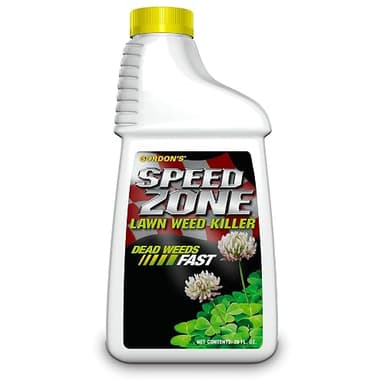
Adjustable metered hose-end sprayer for liquid herbicides, iron, wetting agents, and foliar recovery products. A metered hose-end sprayer applies SpeedZone evenly over low chickweed mats.
- 2Check price
 Best value
The Andersons PGF Complete 16-4-8
Balanced slow-release fertilizer for established lawns that need steady feeding without a quick flush of top growth. Dense turf is the best follow-up after chickweed control.
As an Amazon Associate we earn from qualifying purchases.
Where common chickweed shows up
Most common in these regions: