
Why crabgrass keeps winning: the lifecycle
Understanding why this happens helps you prevent it next time. Crabgrass runs a one-year sprint: germinate in spring when soil warms through the mid 50s, sprawl and out-compete turf all summer, drop thousands of seeds per plant, then die at the first hard frost. The plant you pull in July is already gone by November either way. What persists is the seed bank, and a single neglected season can bank enough seed to keep pressure on your lawn for several years.
That lifecycle is also its weakness. Because crabgrass must restart from seed every single spring, one well-timed pre-emergent barrier interrupts the whole cycle. The plants that slip through show up first along driveways, sidewalks, and thin sunny patches because pavement radiates heat and those soils cross the germination threshold one to two weeks before the rest of the yard. If you spot-check anywhere in April, check there.
Before you build a plan around that timing, confirm the ID, because the three most common lookalikes all break it. Coarse upright clumps are often tall fescue rather than crabgrass. Clumps that return in the same spots every year are usually dallisgrass, which pre-emergent does not stop. And a spreading mat you cannot pull is probably bermudagrass, not crabgrass.
The two-season plan to get ahead of it
Season one is about the barrier: apply pre-emergent at the 55°F soil trigger, water it in within a few days, and consider a second half-rate application 6 to 8 weeks later where pressure is heavy. Spot-spray any breakthrough with quinclorac while plants are small, and mow tall all summer so sunlight never reaches bare soil.
Season two is about density. Overseed thin areas in fall (cool-season lawns) or push spreading growth in early summer (warm-season lawns), fix the compacted or droughty edges where crabgrass got its first foothold, and repeat the spring barrier. Most lawns that follow the timing for two consecutive years drop from a visible infestation to a handful of stragglers, because the seed bank finally starts to starve.
How to identify crabgrass
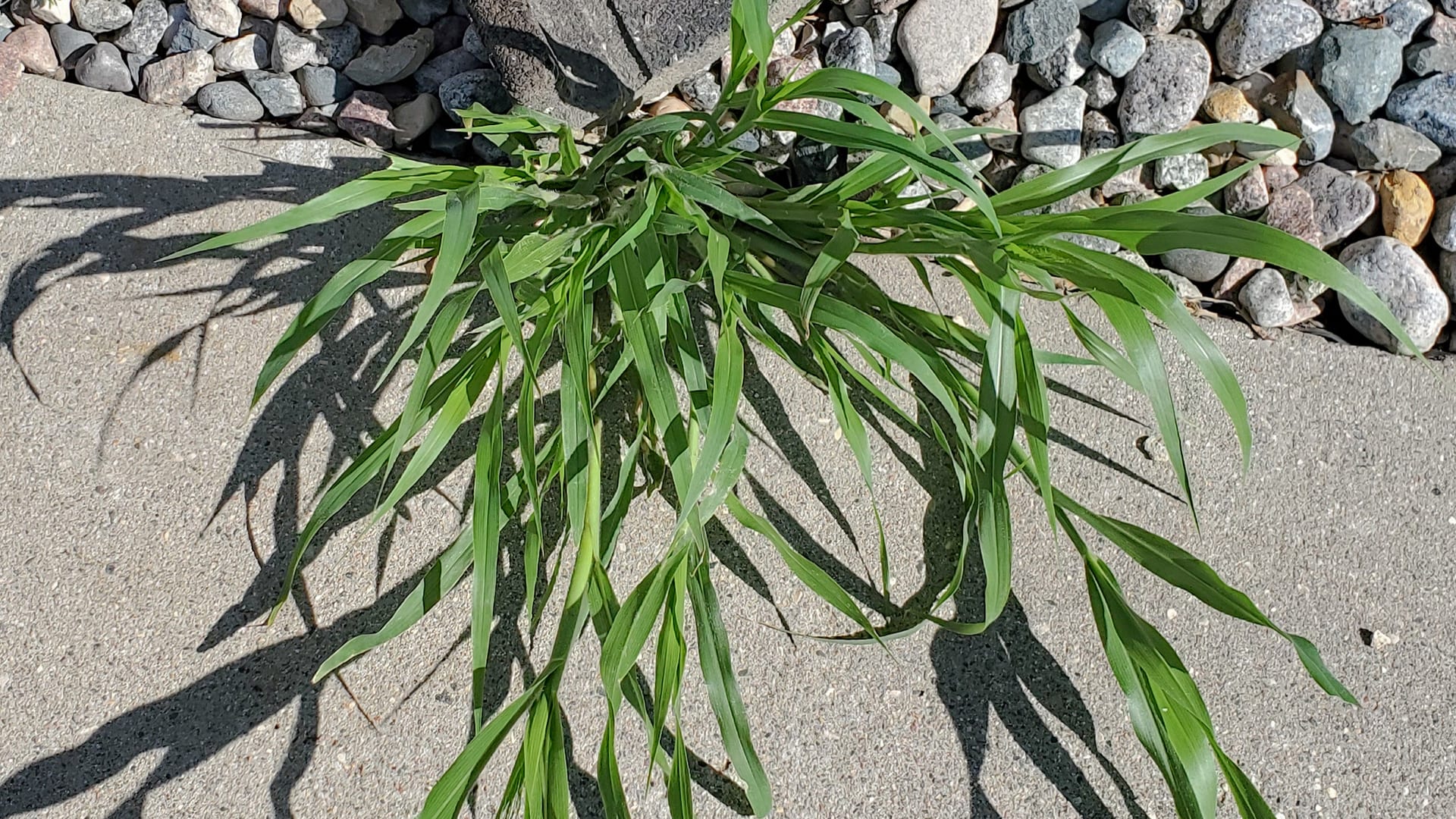
- Wide, flat blades that are noticeably lighter green than the surrounding lawn
- Stems radiate from a central point like crab legs, hugging the ground
- Clumps show up first along driveways, sidewalks, and thin sunny spots where soil warms fastest
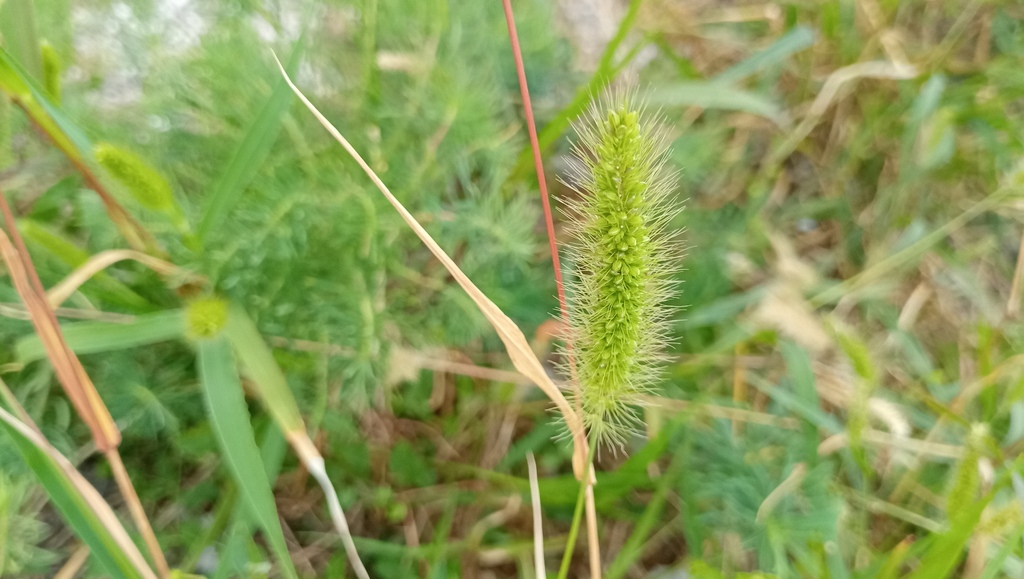
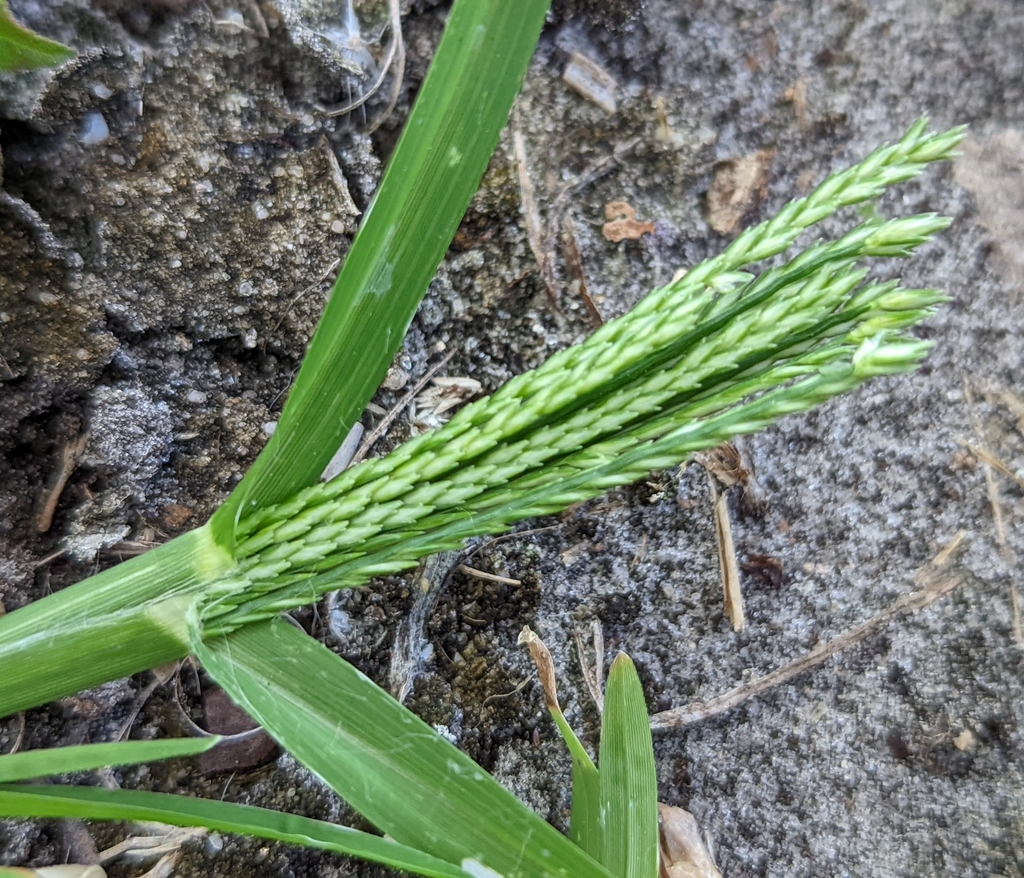
- Finger-like seed heads splay from the stem tips in late summer
- Pulls up easily as a single rosette with shallow roots
Don't confuse it: Often confused with tall fescue clumps (darker green, upright, deep-rooted) and dallisgrass (perennial, returns from the same spot each year).
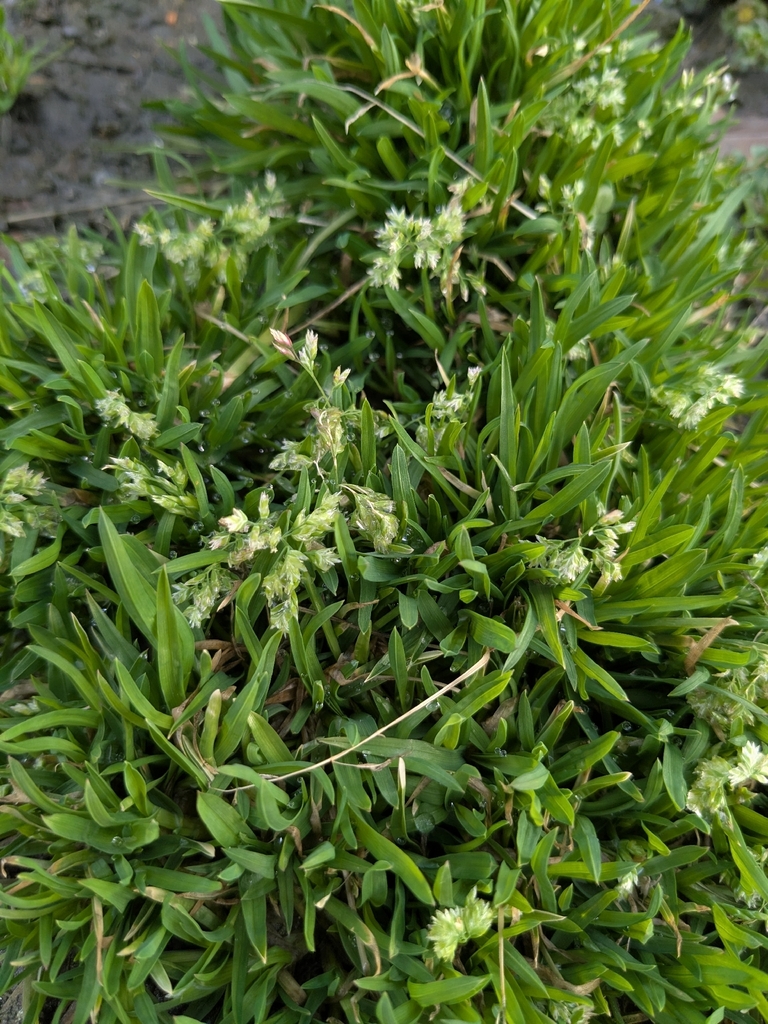
What crabgrass looks like
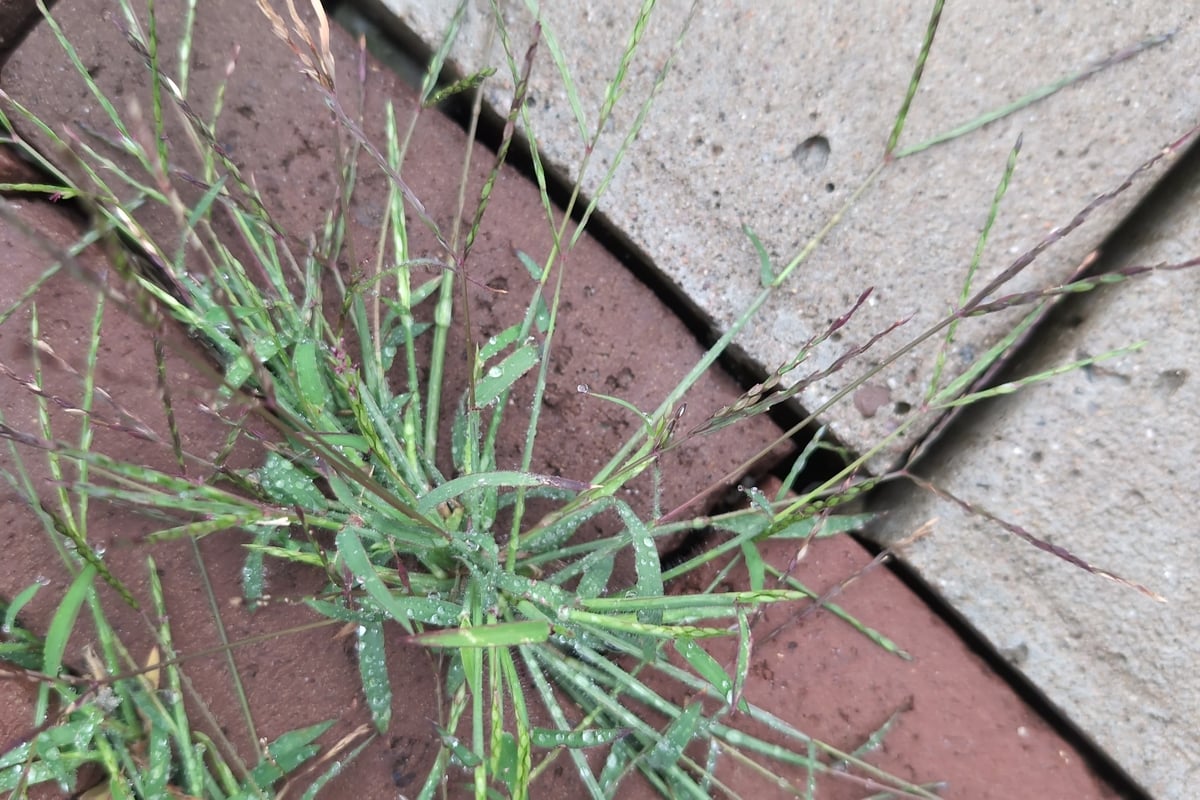
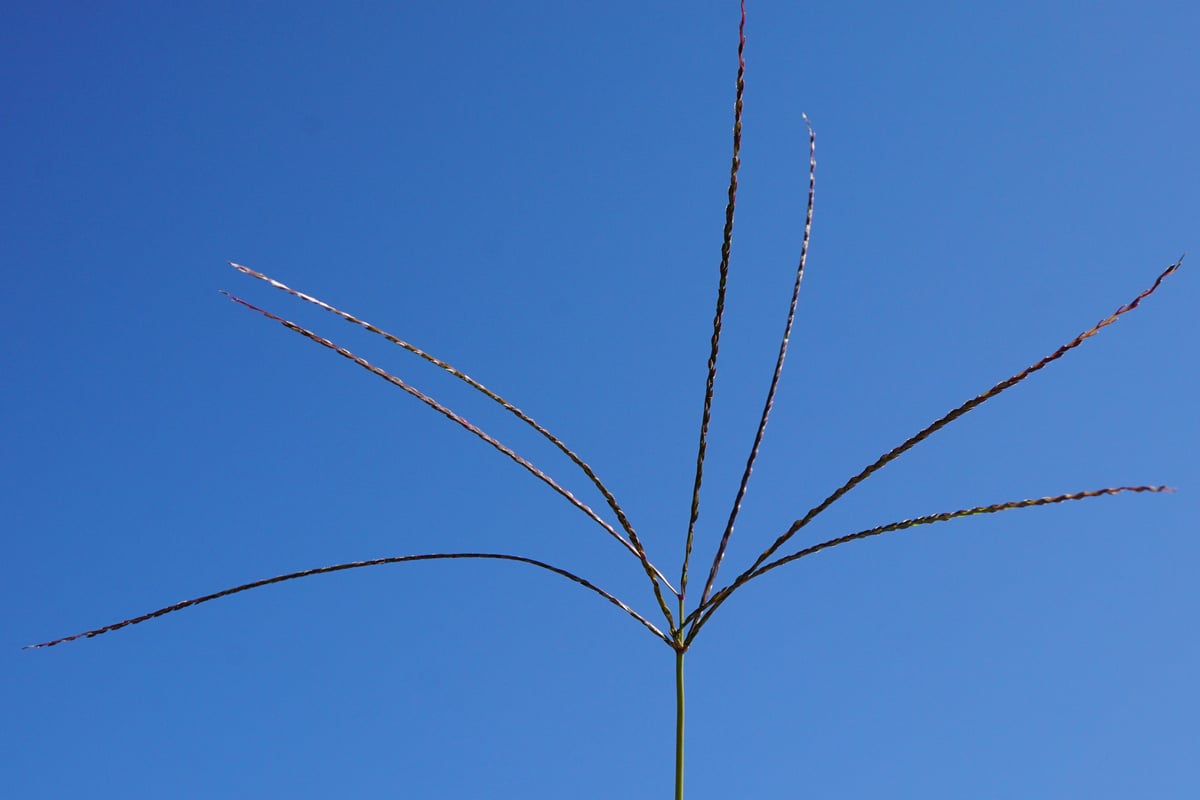
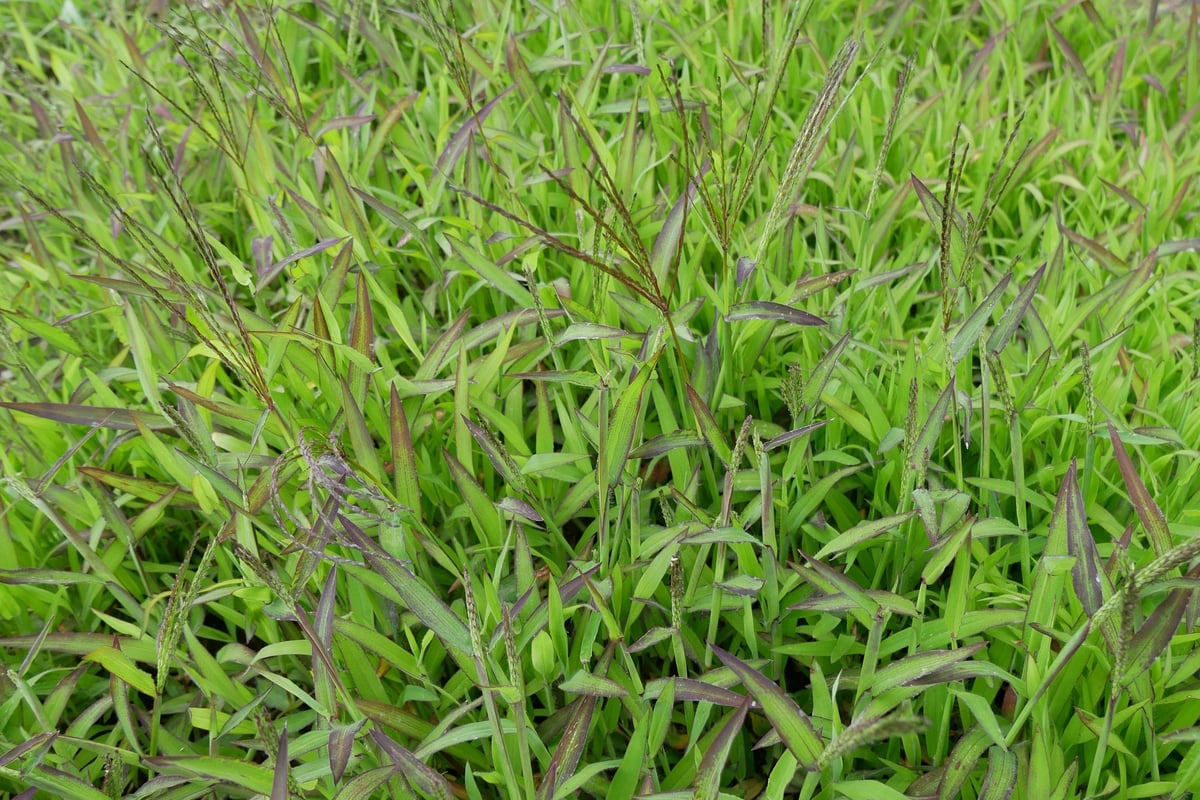
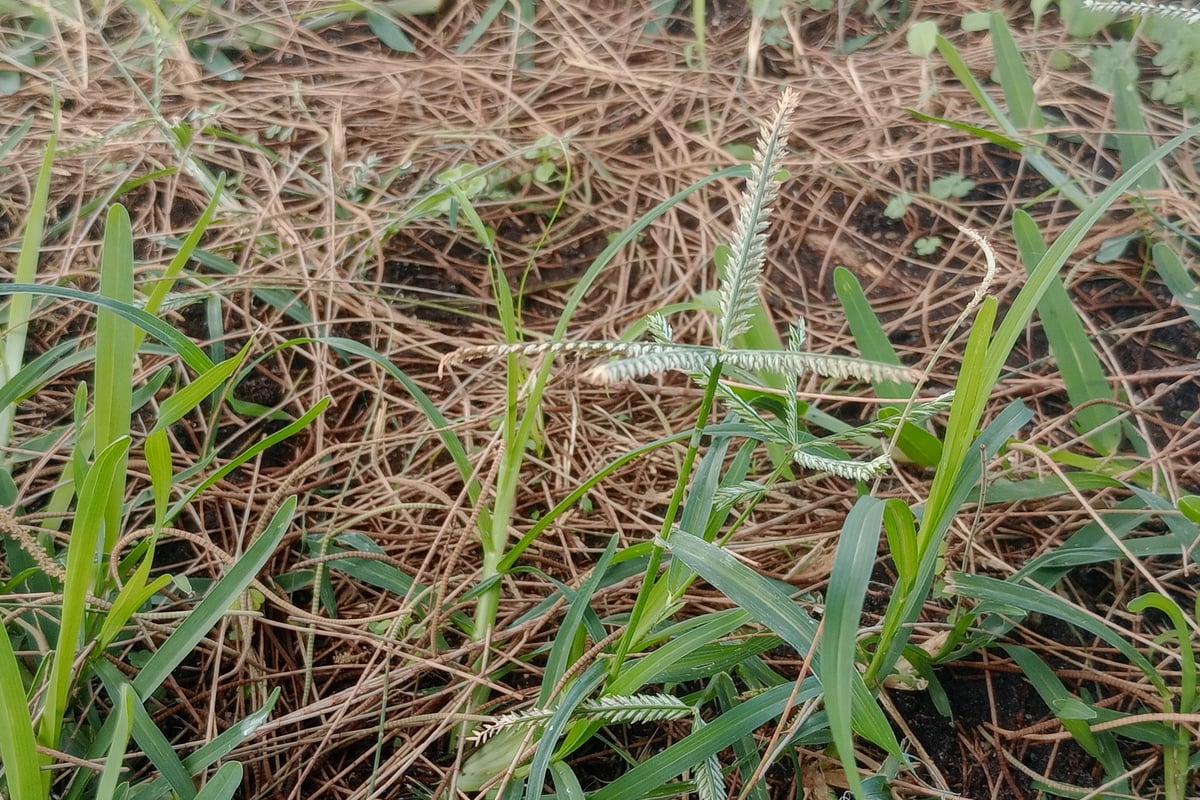
Not sure this is crabgrass? Snap a photo and our AI will identify the weed with treatments matched to your grass type.
When to treat crabgrass
Prevention (pre-emergent)
Apply before germination, when soil reaches about 55°F.
Window: Late winter to early spring
Typical dates: Before soil reaches 55°F for 3 consecutive days
Treatment (post-emergent)
Best time: Early summer when young
Target stage: Before tillering (4-6 leaf stage)
Conditions: Apply when weeds are dry · No rain for 24 hours · Temps below 85°F
Germination starts around 55°F soil temperature (optimal 65°F). Track your ZIP's live soil temperature or get an exact plan from the herbicide timing calculator.
How to control crabgrass
- 1Apply pre-emergent before soil reaches 55°F
- 2Maintain thick, healthy grass to prevent establishment
- 3Avoid overwatering in summer
- 4Consider overseeding in fall to improve density
Good to know
- • Most effective as pre-emergent
- • Can be controlled post-emergent when young
- • Produces thousands of seeds per plant
- • Thrives in compacted soil
Weed control quotes
Get matched with local weed control pros on Angi. Free quotes, no obligation.
Angi is a partner; we may earn a commission if you request quotes there.
Products that work on crabgrass
These picks are not filtered to your lawn. Some herbicides damage certain grasses (atrazine is for warm-season lawns; Trimec harms St. Augustine). Verify your grass type on the product label before applying, or use the herbicide timing calculator for grass-filtered recommendations.
Recommended Products
- 1Check price
 Top pick
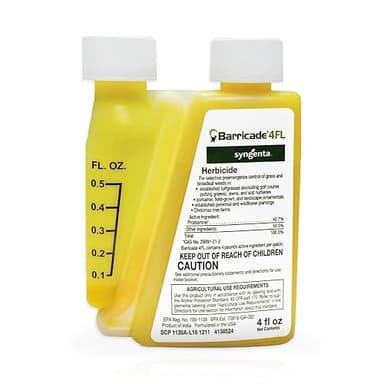
Barricade 4FL Herbicide Concentrate (4 Fl Oz)
Prodiamine pre-emergent concentrate for established lawns when the guide specifically calls for long-residual crabgrass prevention. The 4 oz bottle treats roughly half an acre at the standard label rate. Prodiamine prevents the next crabgrass wave before it germinates.
- 2Check price
 Best value
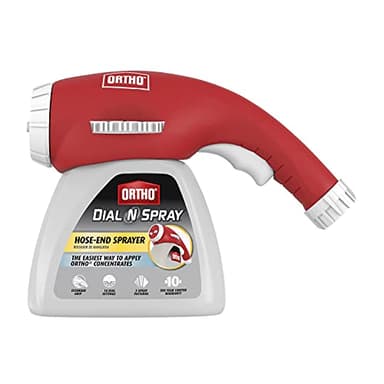
Ortho Dial N Spray Hose-End Sprayer (14 Dilution Settings)
Adjustable metered hose-end sprayer for liquid herbicides, iron, wetting agents, and foliar recovery products. Quinclorac, Barricade 4FL, and Dimension 2EW are liquids; a metered hose-end sprayer keeps the label rate even.
As an Amazon Associate we earn from qualifying purchases.
Where crabgrass shows up
Most common in these regions: