
Why it beats casual spraying
Creeping Charlie is a mint, and it behaves like one: square stems, that minty smell when you mow it, and an aggressive creeping habit. Every runner roots wherever a node touches soil, so a single plant becomes a network of dozens of rooted crowns sharing resources. Spray one section and the surviving crowns refill it. Rip a mat out by hand and every fragment you miss re-roots. Its waxy leaves shed casual herbicide applications too, which is why generic weed-and-feed rarely dents it.
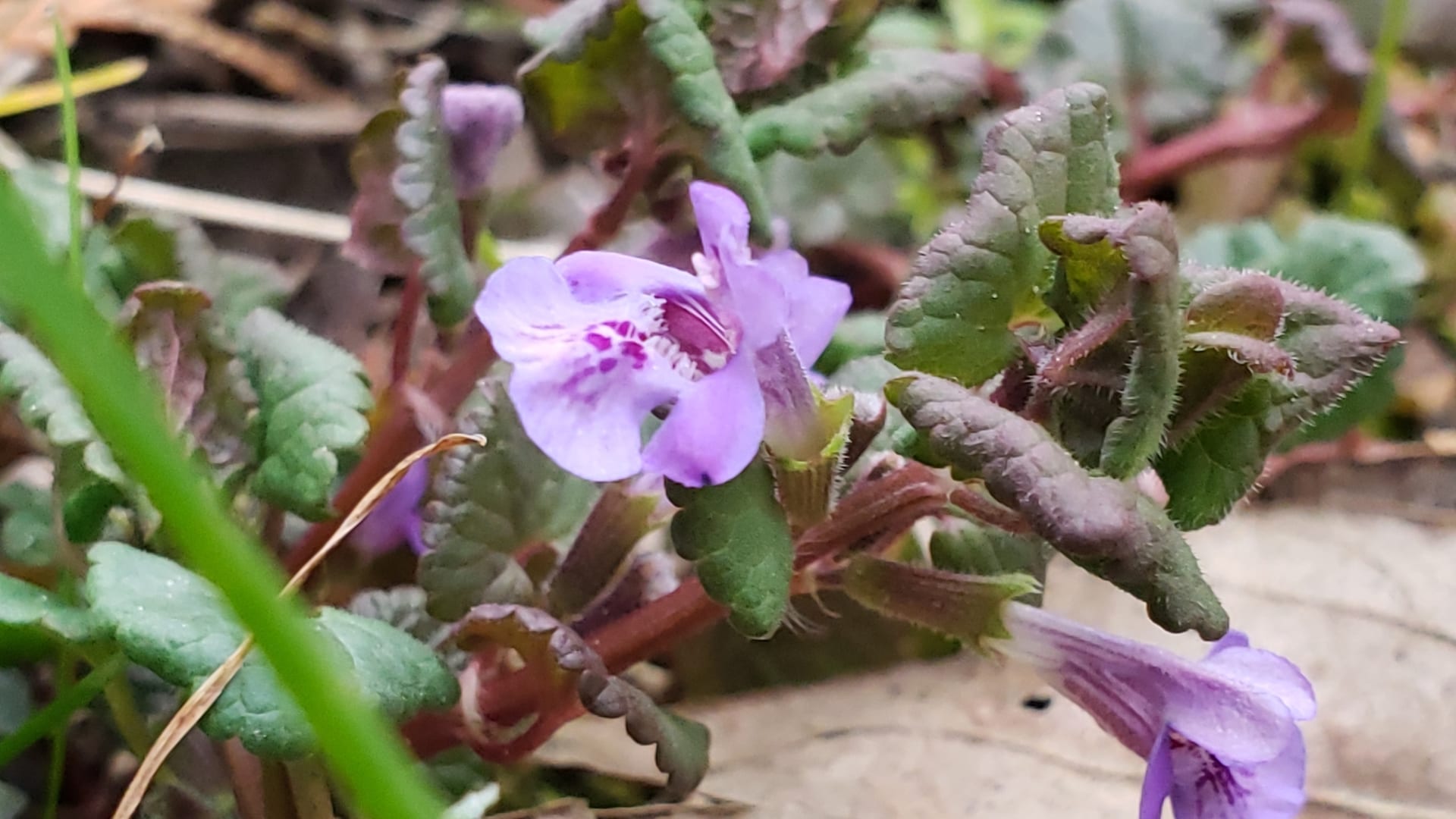
It also plays a different climate game than most lawn weeds: it prefers the moist shade where grass is already weakest, blooming purple in spring and expanding steadily in conditions where turf can barely photosynthesize. In deep shade, the competition is simply unfair.
One herbicide window plus a habitat change
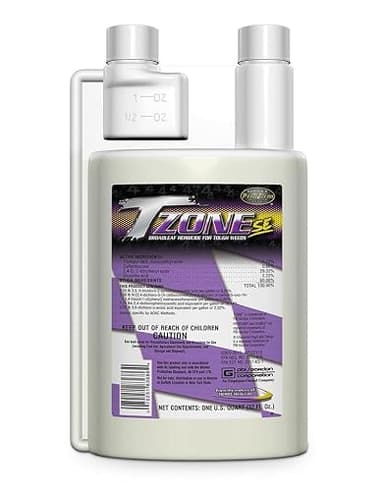
Chemically there is one right answer: a triclopyr-based selective herbicide in fall, ideally after the first light frost when the plant is moving reserves to its roots. Coverage matters more than concentration, and a repeat the following fall is normal for established mats. Skip the borax home remedy; the effective dose is nearly the grass-damaging dose, and extensions stopped recommending it years ago.
Then change the habitat, or it returns. Limb up trees to add light, dial back irrigation in shady zones, and raise the mowing height so grass can hold ground. Where a corner will always be damp shade, plant it to a shade groundcover or mulch it deliberately. That is not surrender, it is refusing to referee an unwinnable match every single year.
How to identify creeping charlie
- Round to kidney-shaped leaves with scalloped edges on square stems
- Strong minty-herbal smell when mowed or crushed
- Small purple-blue funnel flowers in spring
- Long runners that root at each node, forming carpets in shade
Don't confuse it: Henbit has similar purple flowers and square stems but grows upright as a winter annual, while creeping Charlie hugs the ground year-round.
Not sure this is creeping charlie? Snap a photo and our AI will identify the weed with treatments matched to your grass type.
When to treat creeping charlie
Treatment (post-emergent)
Best time: Fall (mid-September to November) when plant is moving sugars to roots
Target stage: Actively growing after first fall frost is ideal
Conditions: Apply when weeds are dry · No rain for 24 hours · Temps 50-70°F
Germination starts around 40°F soil temperature (optimal 55°F). Track your ZIP's live soil temperature or get an exact plan from the herbicide timing calculator.
How to control creeping charlie
- 1Apply triclopyr-based herbicide (e.g., Turflon Ester) in fall for best translocation to roots
- 2Combination of triclopyr + 2,4-D + dicamba is more effective than 2,4-D alone
- 3Expect 2-3 annual applications over multiple years for heavy infestations
- 4Improve turf density and reduce shade to prevent reinvasion
Good to know
- • Aggressive perennial broadleaf that spreads by stolons forming dense mats
- • Round scalloped leaves with distinctive minty odor when crushed
- • Thrives in shady, moist areas where turf is thin
- • Extremely difficult to control with a single application; creeping stems root at every node
Weed control quotes
Get matched with local weed control pros on Angi. Free quotes, no obligation.
Angi is a partner; we may earn a commission if you request quotes there.
Products that work on creeping charlie
These picks are not filtered to your lawn. Some herbicides damage certain grasses (atrazine is for warm-season lawns; Trimec harms St. Augustine). Verify your grass type on the product label before applying, or use the herbicide timing calculator for grass-filtered recommendations.
Recommended Products
- 1Check price
 Top pick
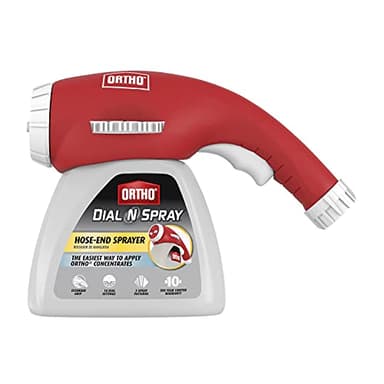
Ortho Dial N Spray Hose-End Sprayer (14 Dilution Settings)
Adjustable metered hose-end sprayer for liquid herbicides, iron, wetting agents, and foliar recovery products. Ground ivy needs thorough leaf coverage; a metered hose-end sprayer applies the concentrate evenly.
- 2Check price
 Best value
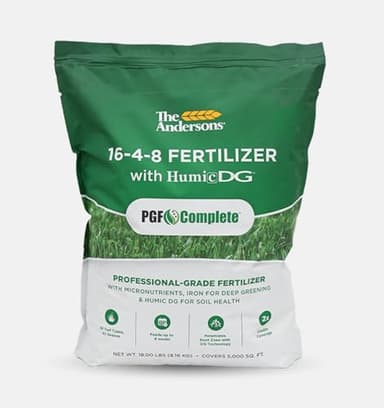
The Andersons PGF Complete 16-4-8
Balanced slow-release fertilizer for established lawns that need steady feeding without a quick flush of top growth. Thicker compatible turf helps close the damp, thin gaps ground ivy occupies.
As an Amazon Associate we earn from qualifying purchases.
Where creeping charlie shows up
Most common in these regions: