
The taproot is the whole problem
Every failed dandelion battle comes down to the same organ: a fleshy taproot that can reach ten inches into the soil and store enough energy to rebuild the entire plant from nothing. Mow the flowers, the root does not care. Snap the rosette off pulling by hand, the root sends up a new one within weeks. Even a spring herbicide pass often burns the top while the root shrugs and regrows by midsummer.
The seeds are the second front. Those white puffballs each carry up to 200 seeds that ride the wind for miles, germinate in any thin or bare patch, and spend their first season quietly building a root you will not notice until the flower appears the following spring. That is why dandelions concentrate in stressed lawns: they do not out-muscle dense turf, they colonize the gaps it leaves.
Fall is when you actually win
From September until the first hard freeze, dandelions reverse their plumbing: instead of pushing energy up into leaves, they pull carbohydrates down into the taproot for winter. A selective broadleaf herbicide applied in that window rides the same current straight into the root, which is why fall applications kill the whole plant while spring ones so often just singe it.
For a handful of plants, a dandelion fork after rain beats spraying: lever the taproot out whole, drop seed in the divot, and the spot heals over. For dozens, spray in fall, then thicken the lawn so the next wave of wind-borne seed lands on shade instead of soil. A dense stand mowed at 3 inches is the only permanent dandelion control there is.
How to identify dandelions
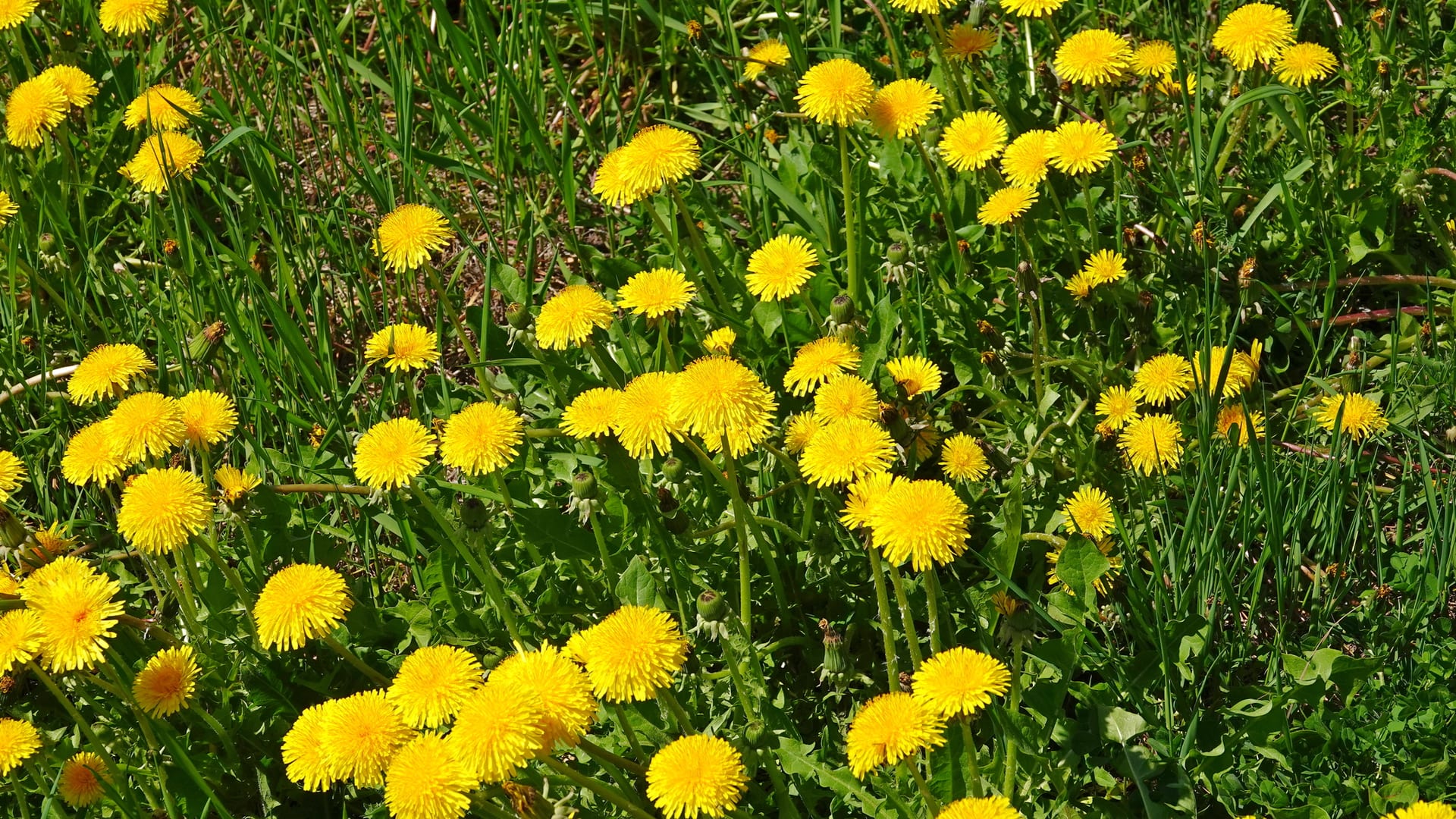
- Bright yellow flowers on smooth, hollow stems in spring and fall
- White puffball seed heads that scatter in wind
- Deeply toothed leaves in a flat rosette at ground level
- Regrows from the same spot after mowing or hand-pulling that snaps the taproot
Don't confuse it: Catsear (false dandelion) looks nearly identical in flower but has hairy leaves and branched, solid stems.
Not sure this is dandelions? Snap a photo and our AI will identify the weed with treatments matched to your grass type.
When to treat dandelions
Treatment (post-emergent)
Best time: Fall or early spring
Target stage: Actively growing, not flowering
Conditions: Apply when weeds are dry · No rain for 24 hours · Temps 60-80°F
Germination starts around 40°F soil temperature (optimal 55°F). Track your ZIP's live soil temperature or get an exact plan from the herbicide timing calculator.
How to control dandelions
- 1Apply post-emergent in fall when dandelions are actively growing
- 2Use selective herbicides safe for your grass type
- 3Remove seed heads before they mature
- 4Improve lawn density to prevent establishment
Good to know
- • Deep taproot makes mechanical removal difficult
- • Produces seeds that spread easily
- • Most effective control is post-emergent in fall
- • Can be controlled with selective herbicides
Weed control quotes
Get matched with local weed control pros on Angi. Free quotes, no obligation.
Angi is a partner; we may earn a commission if you request quotes there.
Products that work on dandelions
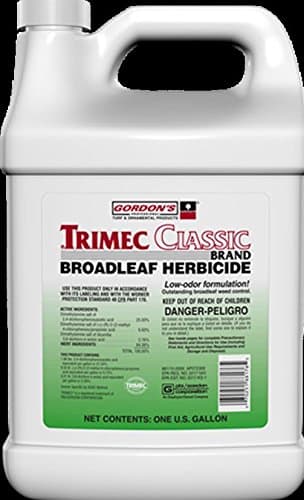
These picks are not filtered to your lawn. Some herbicides damage certain grasses (atrazine is for warm-season lawns; Trimec harms St. Augustine). Verify your grass type on the product label before applying, or use the herbicide timing calculator for grass-filtered recommendations.
Recommended Products
- 1Check price
 Top pick
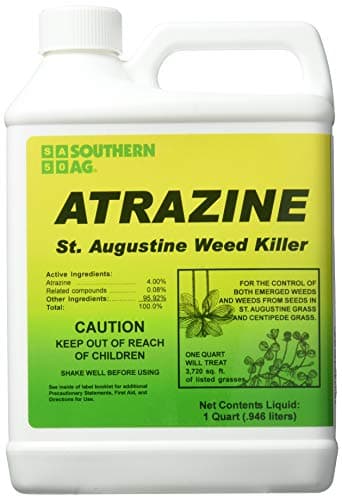
Southern Ag 006130 Atrazine St. Augustine Weed Killer 32oz Specialty Herbicide
Southern-grass herbicide option for St. Augustine and centipede lawns where three-way broadleaf products are unsafe. Southern option for St. Augustine and centipede lawns that cannot take Trimec.
- 2Check price
 Best value
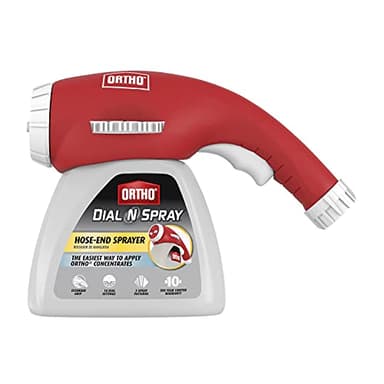
Ortho Dial N Spray Hose-End Sprayer (14 Dilution Settings)
Adjustable metered hose-end sprayer for liquid herbicides, iron, wetting agents, and foliar recovery products. Trimec and 2,4-D are liquid concentrates; a metered hose-end sprayer puts them down at an even label rate.
As an Amazon Associate we earn from qualifying purchases.
Where dandelions shows up
Most common in these regions: