
Crabgrass rules apply, with a dog-owner warning
Foxtail runs the same annual playbook as crabgrass: spring germination once soil warms, fast summer growth in any thin or disturbed spot, heavy seed drop, death at frost. It tends to start a week or two after crabgrass and stands more upright, which is why the two are easy to confuse until the unmistakable bottlebrush seed head appears in midsummer. Everything that prevents crabgrass prevents foxtail, on the same calendar.
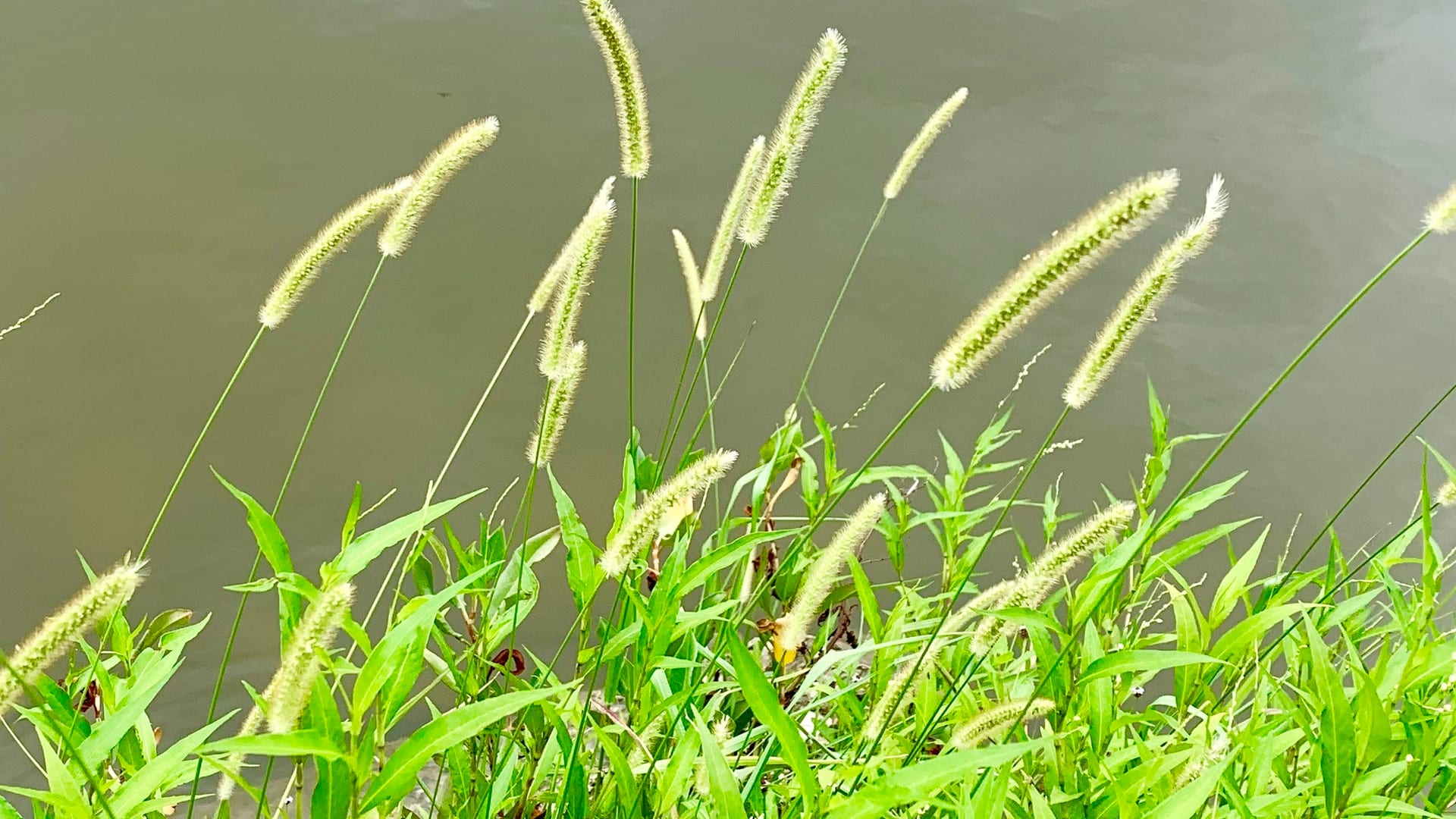
The one difference that matters is the seed head itself. Each awn is barbed like a fishhook, and once mature they detach and work their way into dog paws, ears, and noses, sometimes migrating deep enough to need a vet. If you have dogs, foxtail is not a cosmetic weed. Mow seed heads off before they brown, and clear plants along fence lines and paths where dogs run.
Fix the soil that invited it
Foxtail flags compacted and newly disturbed ground: construction edges, dog runs, the strip where cars cut the corner. Core aerate those areas in the appropriate season, then get grass established before the next spring flush, because bare, hard soil in June is a foxtail invitation.
Chemically, one spring pre-emergent at the crabgrass trigger (soil holding about 55°F) covers both weeds, with a half-rate follow-up 6 to 8 weeks later where pressure is heavy. Spot-treat young escapes with quinclorac. Once a plant has seeded out in late summer, spraying buys nothing: frost will kill it, and your job becomes catching next year's generation at the barrier.
How to identify foxtail
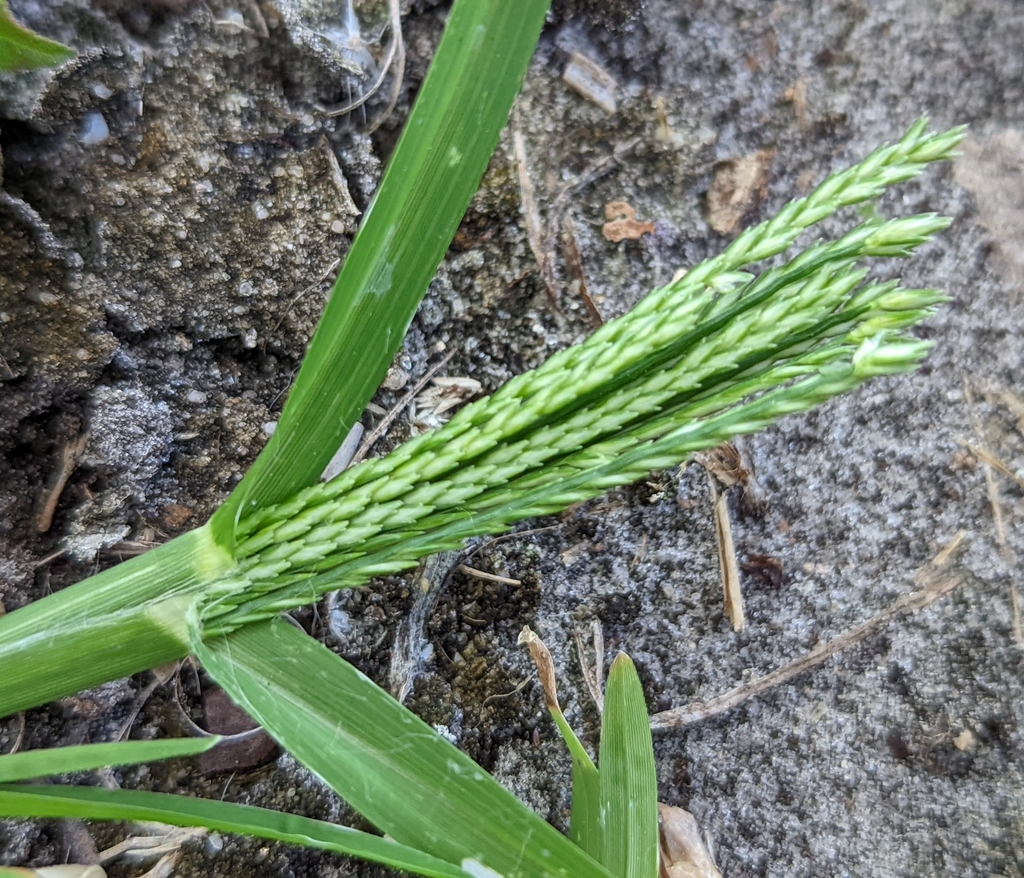
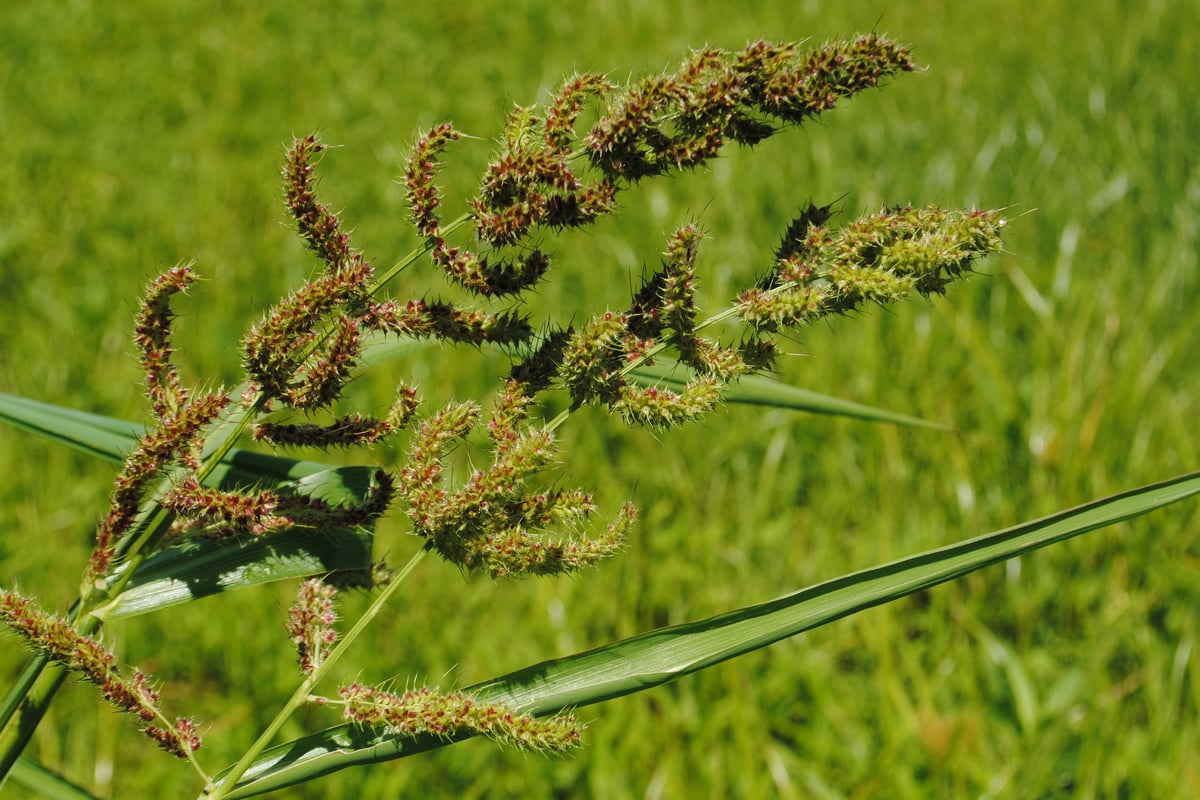
- Distinctive soft, bristly seed head shaped like a fox tail or bottlebrush from midsummer on
- Flat, wide blades, often with a spiral twist and hairy leaf edges near the base
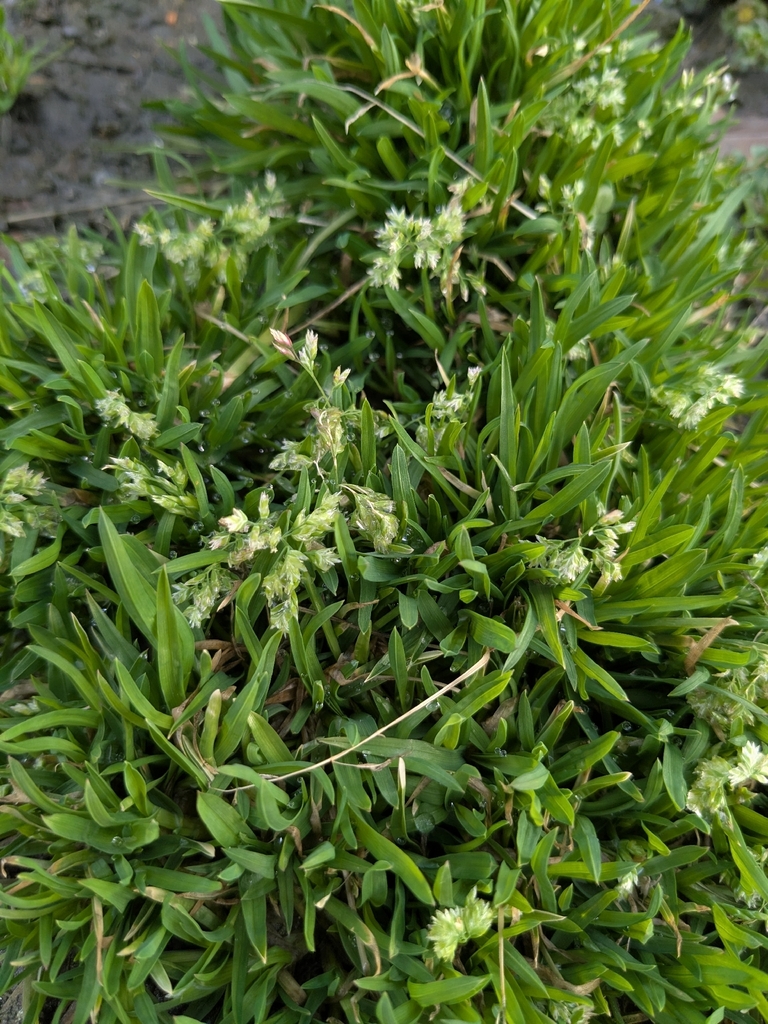
- Upright clumps taller than the mowed lawn between cuts
- Shows up in compacted, droughty, or newly disturbed soil first
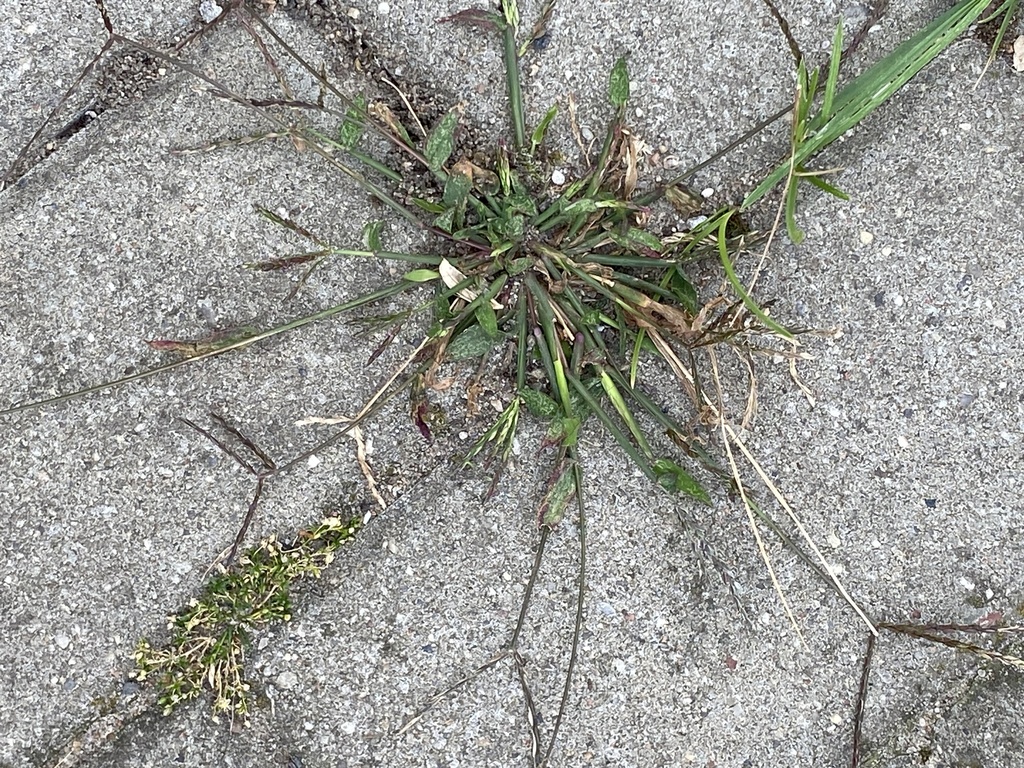
Don't confuse it: Before the seed head appears it is easily mistaken for crabgrass; foxtail grows more upright while crabgrass sprawls flat.
What foxtail looks like
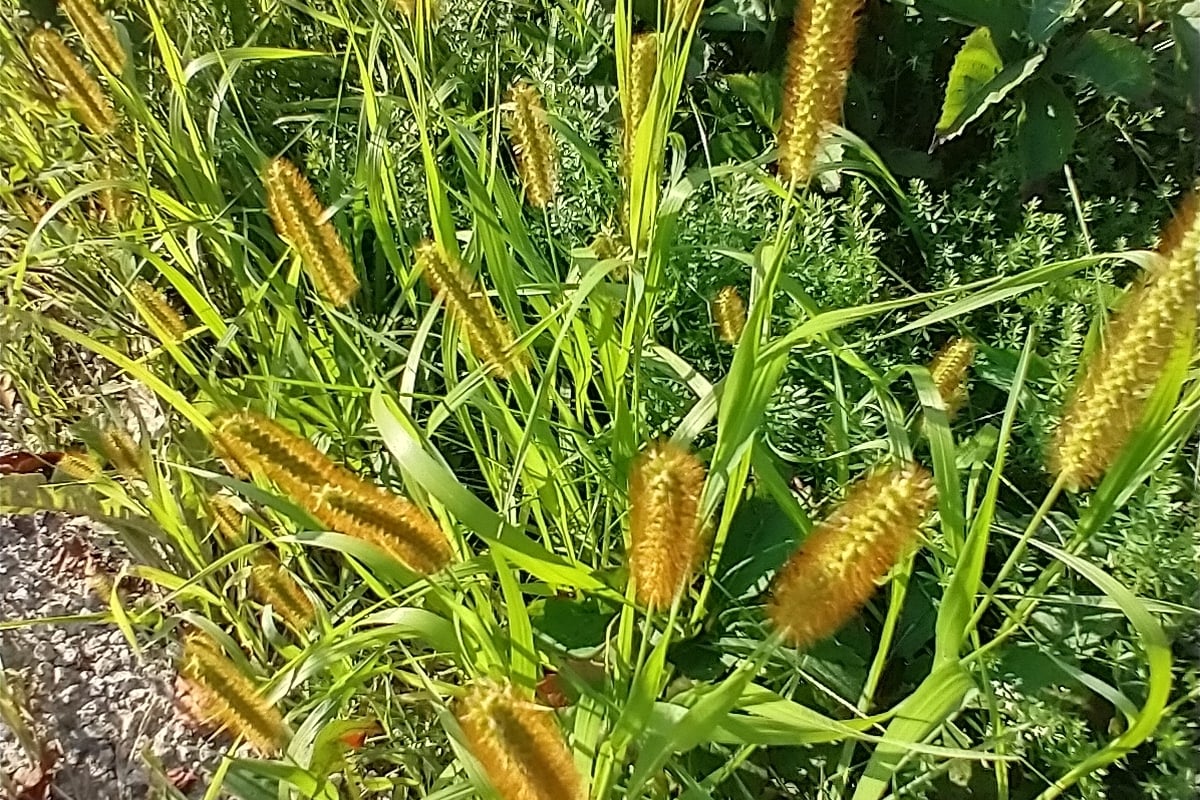
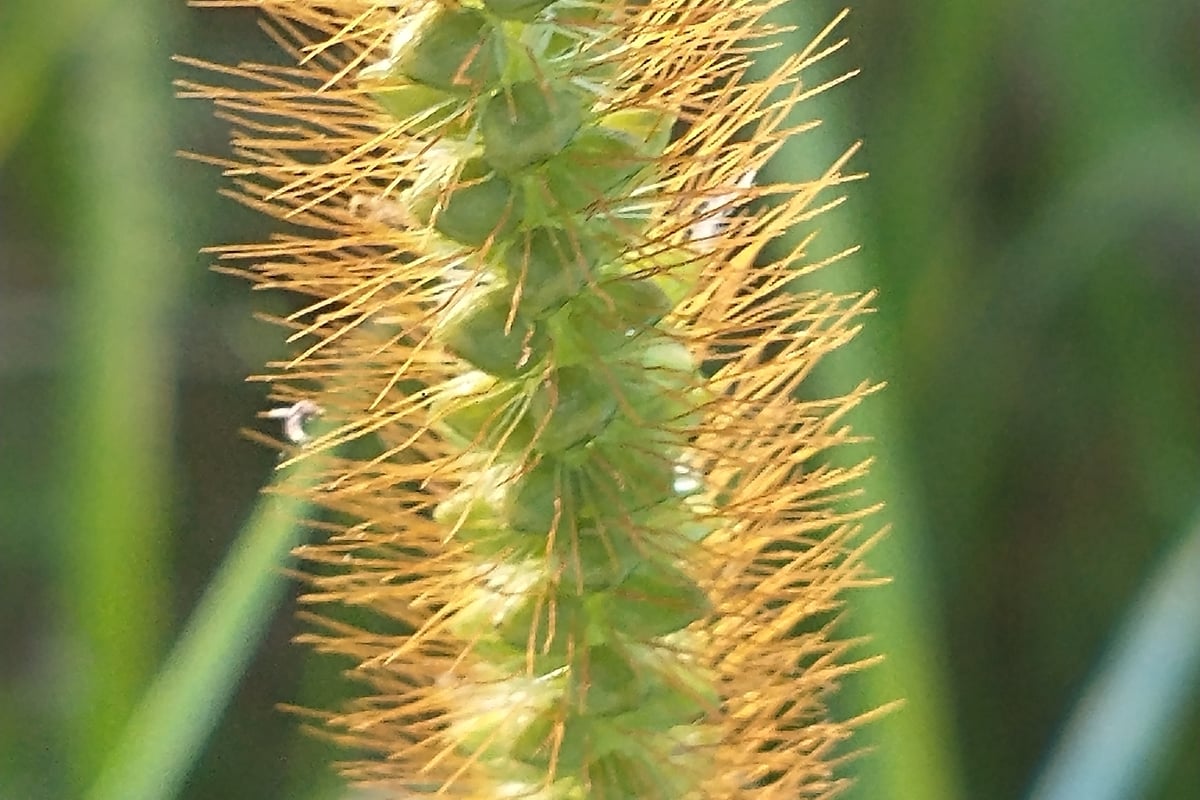
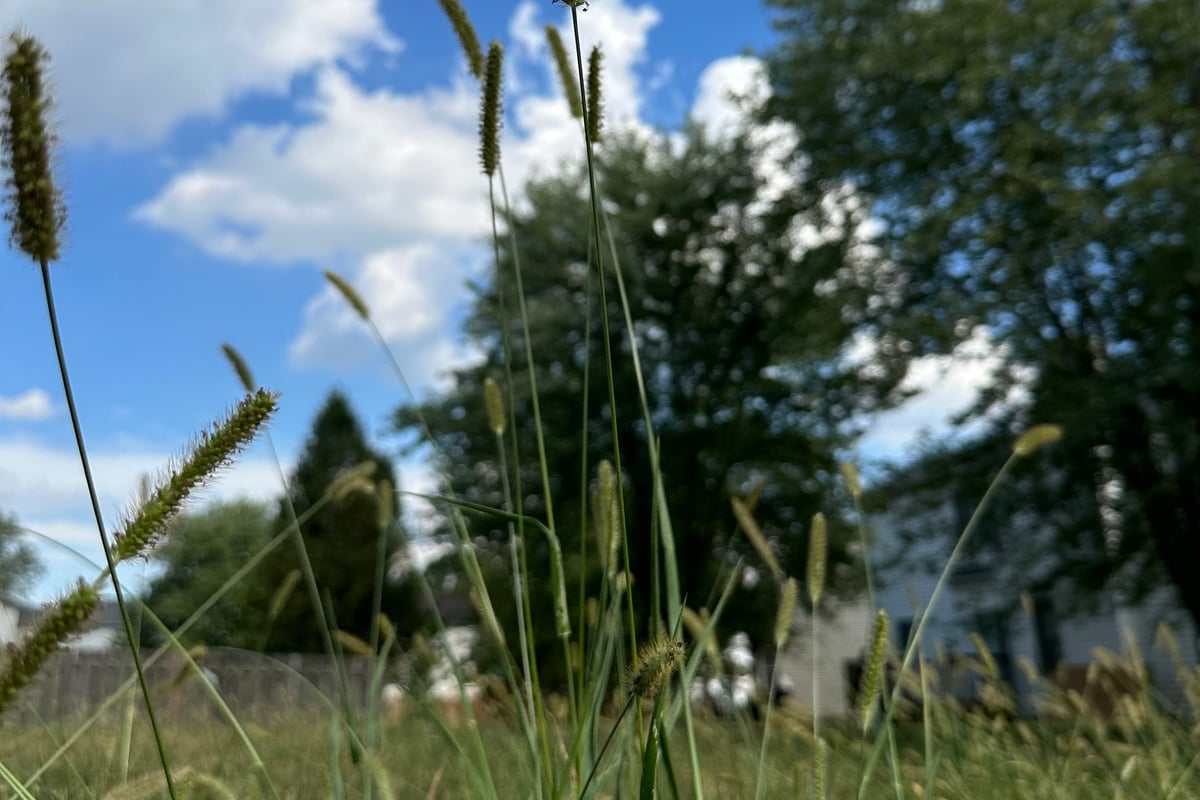
Not sure this is foxtail? Snap a photo and our AI will identify the weed with treatments matched to your grass type.
When to treat foxtail
Prevention (pre-emergent)
Apply before germination, when soil reaches about 60°F.
Window: Late spring
Typical dates: Before soil reaches 60°F
Treatment (post-emergent)
Best time: Early summer
Target stage: Young plants (2-4 inches)
Conditions: Apply when weeds are dry · No rain for 24 hours · Temps below 90°F
Germination starts around 60°F soil temperature (optimal 75°F). Track your ZIP's live soil temperature or get an exact plan from the herbicide timing calculator.
How to control foxtail
- 1Apply pre-emergent in late spring
- 2Control when young for best results
- 3Improve soil aeration to prevent establishment
- 4Use selective herbicides safe for your grass type
Good to know
- • Warm-season annual grass
- • Produces distinctive seed heads
- • Prefers compacted soil
- • Can be controlled with selective herbicides
Weed control quotes
Get matched with local weed control pros on Angi. Free quotes, no obligation.
Angi is a partner; we may earn a commission if you request quotes there.
Products that work on foxtail
These picks are not filtered to your lawn. Some herbicides damage certain grasses (atrazine is for warm-season lawns; Trimec harms St. Augustine). Verify your grass type on the product label before applying, or use the herbicide timing calculator for grass-filtered recommendations.
Recommended Products
- 1Check price
 Top pick
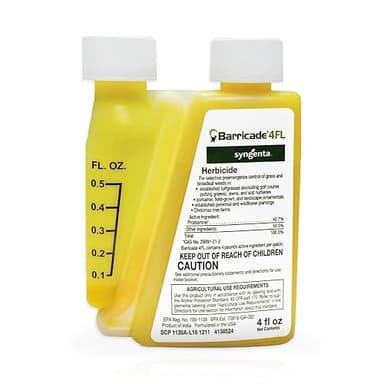
Barricade 4FL Herbicide Concentrate (4 Fl Oz)
Prodiamine pre-emergent concentrate for established lawns when the guide specifically calls for long-residual crabgrass prevention. The 4 oz bottle treats roughly half an acre at the standard label rate. Use a labeled prevention pass before late-spring foxtail germination.
As an Amazon Associate we earn from qualifying purchases.
Where foxtail shows up
Most common in these regions: