
The purple bloom is the finish line, not the start
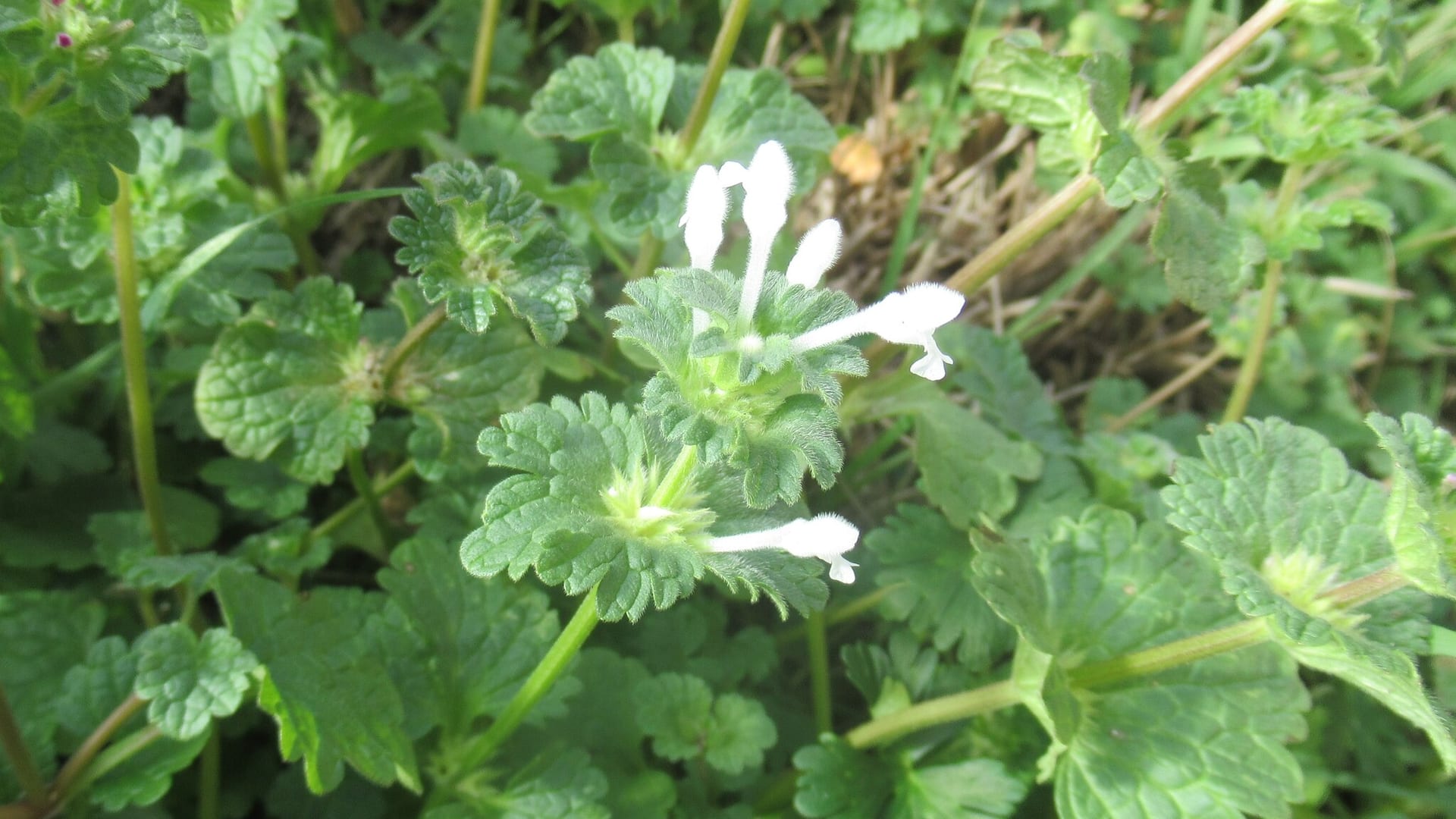
If your lawn turns purple every March, understand what you are looking at: plants that germinated the previous September, overwintered as small rosettes you never noticed, and are now finishing their lives in a final burst of flower and seed. Henbit is a winter annual in the mint family (roll the square stem to confirm), and its whole strategy is doing its growing while your lawn and your attention are dormant.
The spring flowers exist to drop seed for next fall, and mature spring henbit is both weeks from dying naturally and mostly herbicide-resistant. That is why spring spraying feels so futile: you are fighting a plant that has already won its season.
Shift the fight to September
The calendar is the entire trick. Apply pre-emergent in early fall as soil temperatures fall through the low 70s, the exact same window as Poa annua prevention, and one application covers both weeds. Where a few plants slip through, young fall rosettes are easy kills with a selective broadleaf spray in October or November.
Then close the seedbed. Henbit loves disturbed, bare autumn soil: garden bed edges, thin lawn margins, anywhere renovation left ground open going into fall. Mulch beds before September germination, overseed thin lawn areas in early fall so new grass occupies the ground first, and each spring's purple show gets smaller until it stops.
How to identify henbit
- Purple-pink tubular flowers in whorls near the stem tops in early spring
- Square stems (roll one, you will feel four corners), typical of mints
- Rounded, scalloped leaves that clasp directly around the upper stem
- Upright growth to about a foot, unlike its ground-hugging relative creeping Charlie
Don't confuse it: Purple deadnettle blooms alongside henbit and looks similar; its upper leaves are triangular, stalked, and often purple-tinged rather than clasping.
Not sure this is henbit? Snap a photo and our AI will identify the weed with treatments matched to your grass type.
When to treat henbit
Prevention (pre-emergent)
Apply before germination, when soil reaches about 65°F.
Window: Early to mid fall
Typical dates: Before soil drops below 65°F in fall (winter annual germinates in fall)
Treatment (post-emergent)
Best time: Late fall or early spring before flowering
Target stage: Actively growing rosette stage
Conditions: Apply when weeds are dry · No rain for 24 hours · Temps 45-65°F
Germination starts around 40°F soil temperature (optimal 50°F). Track your ZIP's live soil temperature or get an exact plan from the herbicide timing calculator.
How to control henbit
- 1Apply fall pre-emergent before soil drops below 65°F
- 2Post-emergent with 2,4-D or triclopyr in fall or early spring
- 3Improve lawn density to prevent fall germination
- 4Plants die naturally in late spring but will have already set seed
Good to know
- • Winter annual broadleaf with purple flowers in early spring
- • Square stems and scalloped leaves in opposite pairs
- • Germinates in fall, flowers and dies in late spring
- • Often appears in thin or newly seeded lawns
Weed control quotes
Get matched with local weed control pros on Angi. Free quotes, no obligation.
Angi is a partner; we may earn a commission if you request quotes there.
Products that work on henbit
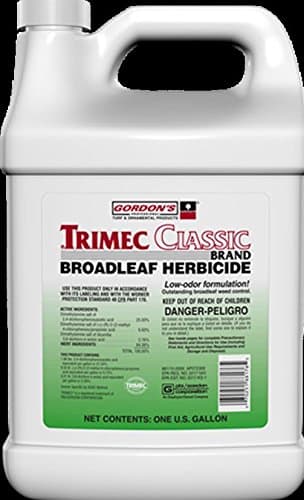
These picks are not filtered to your lawn. Some herbicides damage certain grasses (atrazine is for warm-season lawns; Trimec harms St. Augustine). Verify your grass type on the product label before applying, or use the herbicide timing calculator for grass-filtered recommendations.
Recommended Products
- 1Check price
 Top pick
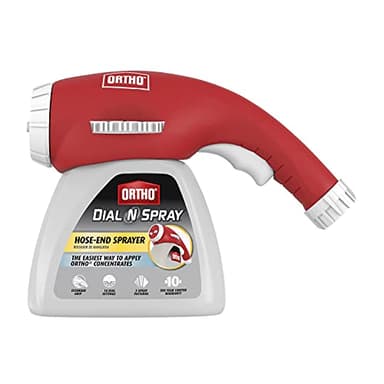
Ortho Dial N Spray Hose-End Sprayer (14 Dilution Settings)
Adjustable metered hose-end sprayer for liquid herbicides, iron, wetting agents, and foliar recovery products. A metered hose-end sprayer applies a liquid broadleaf treatment evenly across the lawn.
- 2Check price
 Best value
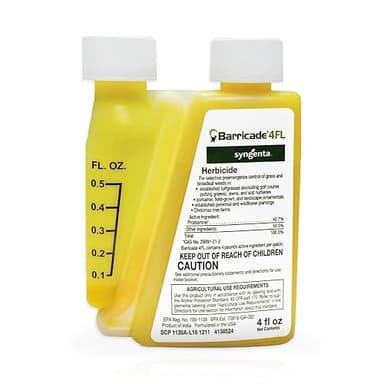
Barricade 4FL Herbicide Concentrate (4 Fl Oz)
Prodiamine pre-emergent concentrate for established lawns when the guide specifically calls for long-residual crabgrass prevention. The 4 oz bottle treats roughly half an acre at the standard label rate. A labeled fall prevention pass targets the next winter-annual germination cycle.
As an Amazon Associate we earn from qualifying purchases.
Where henbit shows up
Most common in these regions: