
A third category of weed entirely
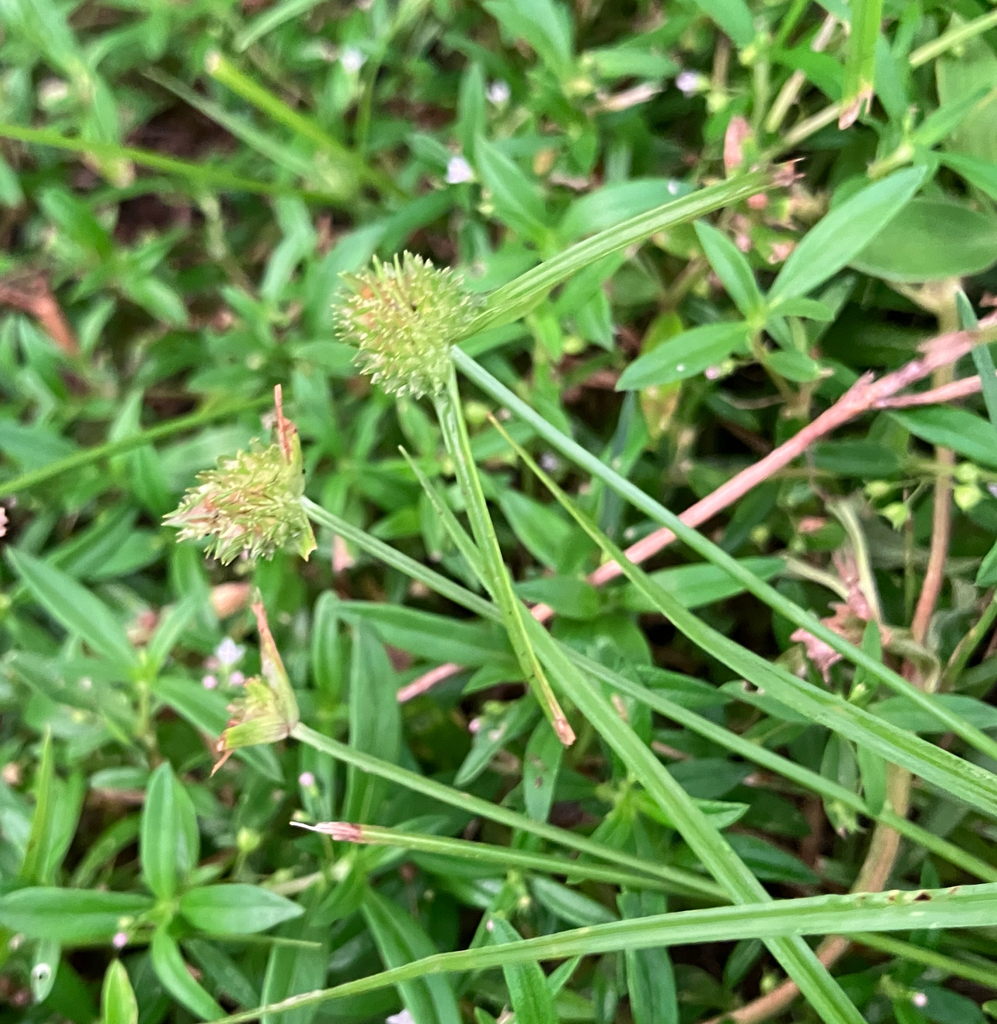
The reason your weed killer did not touch nutsedge is that it was never designed to. Lawn herbicides target two plant families: grasses and broadleaves. Sedges are a third lineage with different biology, which is why a product that flattens dandelions and crabgrass leaves nutsedge glossy and thriving. Roll a stem between your fingers and you will feel the triangular cross-section that gives the family away.
Below ground it plays an even longer game. Each plant sets small tubers (nutlets) on its root system through summer. Pull the shoot and the tuber simply sends up another; each tuber can resprout several times. A patch you see in July may represent dozens of tubers banked in the soil, which is why nutsedge control is measured in seasons, not weekends.
If you want the three-second version of the ID before you spend anything, our nutsedge vs grass comparison walks the stem test, the three-ranked leaves, and the growth-speed tell side by side.
Dry the site, drain the tuber bank
Start with water, because nutsedge pressure is a moisture map of your lawn. It concentrates in low spots, over-irrigated zones, and anywhere drainage is poor. Cut irrigation frequency (deeper, less often), fill low areas, and fix downspout discharge, and you remove the conditions that let tubers thrive.
Then work the chemistry on a schedule: a sedge-specific herbicide (halosulfuron or sulfentrazone) applied while plants are young, repeated per label as new tubers sprout. Early season pulling genuinely helps too, but only before roughly the 5-leaf stage, before new tubers form; after that, pulling stimulates more shoots than it removes. Expect visible progress the first year and real control the second, as the tuber bank exhausts itself against a drier, denser lawn.
How to identify yellow nutsedge
- Glossy, yellow-green blades that outgrow the lawn within days of mowing
- Stems are triangular, roll one between your fingers and you will feel three edges
- Leaves emerge in threes from the stem, unlike flat two-ranked grass leaves
- Concentrated in damp, poorly drained areas or over-irrigated zones
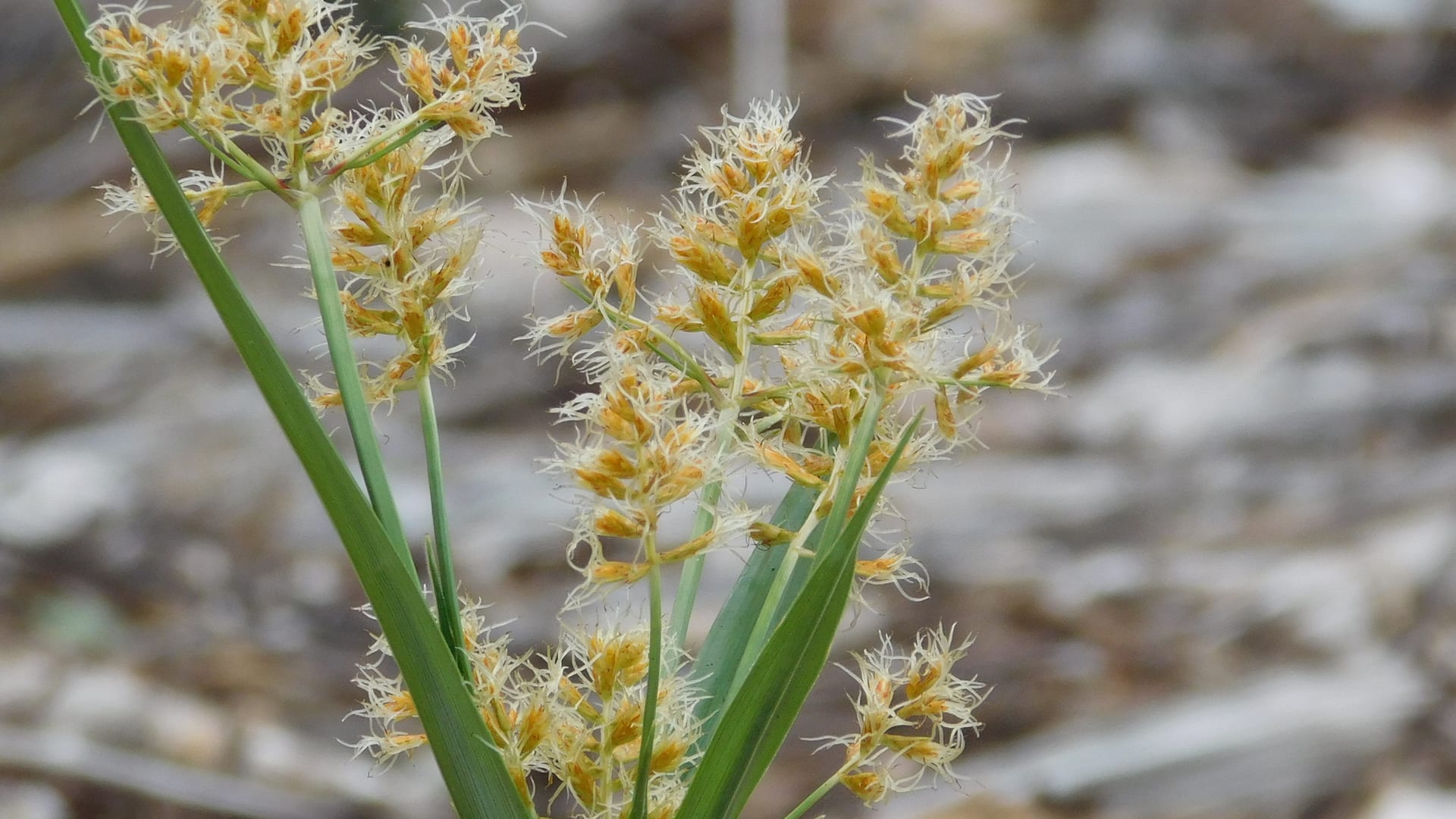
- Spiky golden seed heads if left unmowed
Not sure this is yellow nutsedge? Snap a photo and our AI will identify the weed with treatments matched to your grass type.
When to treat yellow nutsedge
Treatment (post-emergent)
Best time: Late spring to early summer when actively growing
Target stage: 3-8 leaf stage, before plants produce new tubers
Conditions: Apply when weeds are dry · No rain for 4 hours · Temps 60-90°F
Germination starts around 60°F soil temperature (optimal 75°F). Track your ZIP's live soil temperature or get an exact plan from the herbicide timing calculator.
How to control yellow nutsedge
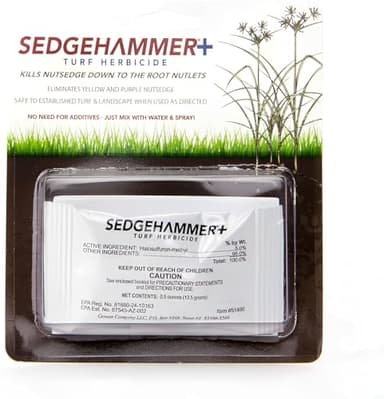
- 1Apply SedgeHammer (halosulfuron) or Certainty (sulfosulfuron) in late spring/early summer
- 2Treat when plants are young (3-8 leaves) before new tubers form in July
- 3Improve drainage; nutsedge thrives in wet, poorly drained areas
- 4Multiple applications over 2-3 years are usually needed to exhaust tuber bank
Good to know
- • Not a grass or broadleaf; it is a sedge (triangular stem, "sedges have edges")
- • Spreads via underground tubers (nutlets) that persist for years in soil
- • Grows faster than most turf grasses in warm weather
- • Standard broadleaf herbicides like 2,4-D are ineffective; requires sedge-specific products
Weed control quotes
Get matched with local weed control pros on Angi. Free quotes, no obligation.
Angi is a partner; we may earn a commission if you request quotes there.
Products that work on yellow nutsedge
These picks are not filtered to your lawn. Some herbicides damage certain grasses (atrazine is for warm-season lawns; Trimec harms St. Augustine). Verify your grass type on the product label before applying, or use the herbicide timing calculator for grass-filtered recommendations.
Recommended Products
- 1Check price
 Top pick
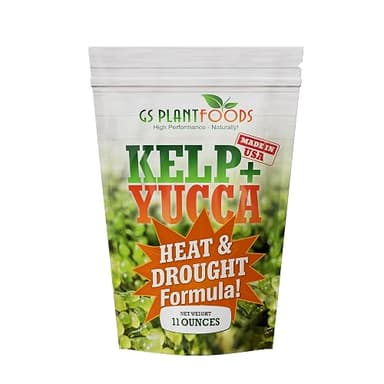
GS Plant Foods Kelp + Yucca Wetting Agent
Natural wetting agent that improves water penetration and heat/drought stress tolerance for lawns. Fix wet, poorly draining areas so nutsedge pressure drops.
As an Amazon Associate we earn from qualifying purchases.
Where yellow nutsedge shows up
Most common in these regions: