
Armored above ground, networked below
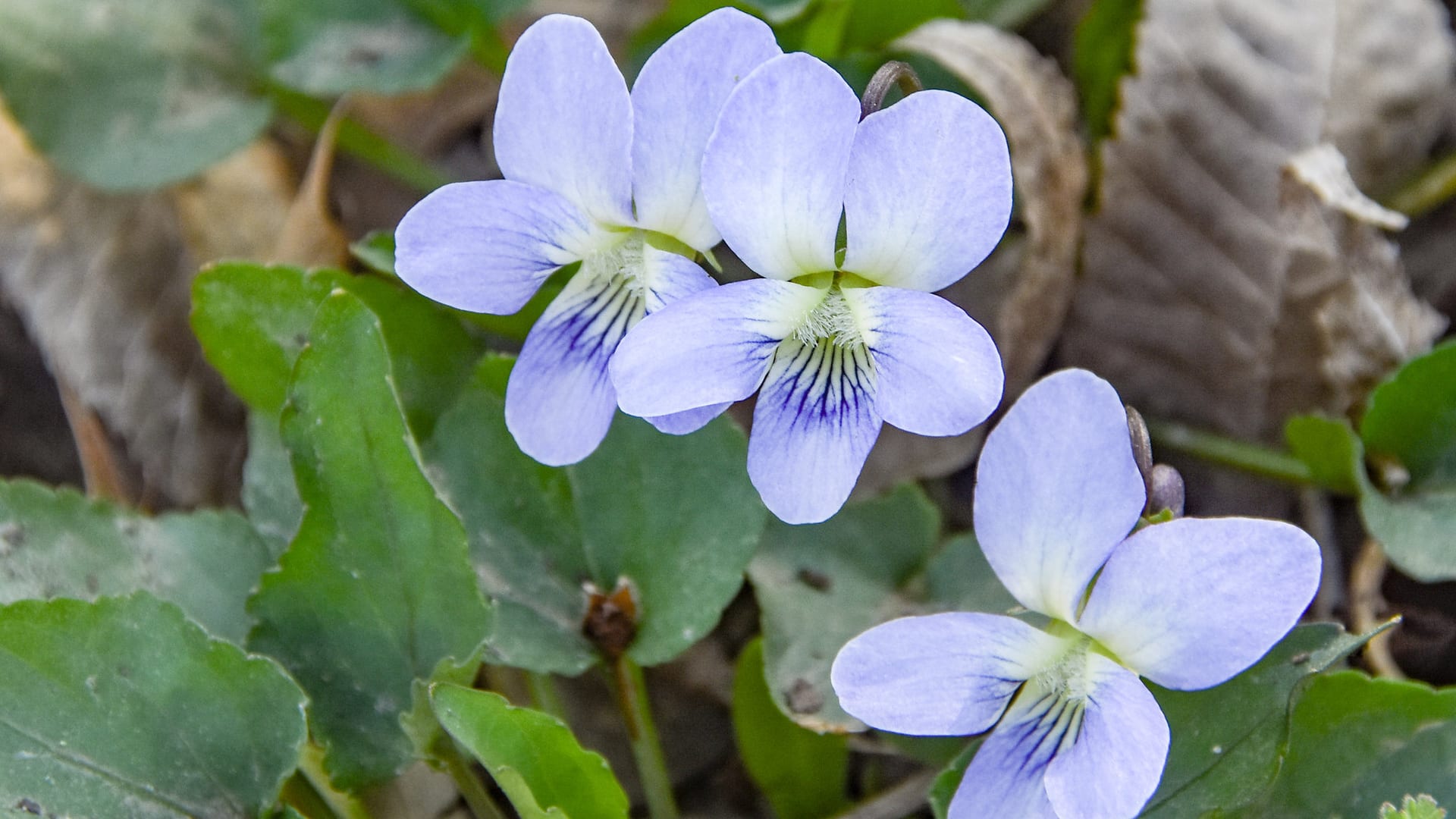
Wild violet defends itself twice. Above ground, the waxy heart-shaped leaves shed herbicide droplets the way a raincoat sheds drizzle, which is why standard weed-and-feed passes barely mark it. Below ground, thick knuckle-like rhizomes store energy and regrow whatever the spray does manage to burn, expanding the colony outward year over year.
It even reproduces in secret: alongside the spring flowers, violets set self-pollinating seed pods at or below the soil surface that never open to view. That is why colonies persist in part shade where nothing else blooms and why a patch that looks defeated in August is often back, slightly wider, the following May.
A multi-season campaign, honestly stated
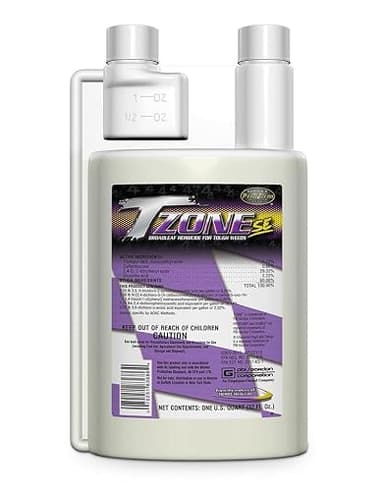
Set expectations first: no single application kills an established violet colony, and anyone who promises otherwise has not fought one. The playbook is triclopyr with a surfactant (so the spray actually sticks to that waxy leaf), applied in fall when the rhizomes are drawing reserves down, repeated for two or three seasons. Partial regrowth after a good application is the rhizome network shrinking, not the treatment failing.
For small drifts, digging plus immediate reseeding beats spraying alone, if you remove the rhizomes too. And be honest about the site: violets own shady, moist corners because turf cannot thrive there. If that corner will never grow dense grass, a deliberate groundcover bed (or simply letting the native violets keep it) is often the better landscape decision than an annual chemical stalemate.
How to identify wild violet
- Heart-shaped, glossy leaves with a waxy surface that sheds spray droplets
- Purple, blue, or white five-petaled flowers in mid to late spring
- Dense colonies that expand outward year over year, especially in part shade
- Thick, knuckle-like rhizomes just below the surface if you dig a clump
Not sure this is wild violet? Snap a photo and our AI will identify the weed with treatments matched to your grass type.
When to treat wild violet
Treatment (post-emergent)
Best time: Fall (October-November) when plant is moving energy to roots
Target stage: Actively growing with full leaf development
Conditions: Apply when weeds are dry · No rain for 24 hours · Temps 50-75°F
Germination starts around 40°F soil temperature (optimal 55°F). Track your ZIP's live soil temperature or get an exact plan from the herbicide timing calculator.
How to control wild violet
- 1Apply triclopyr-based herbicide in fall for best results (spring treatments are less effective)
- 2Add a surfactant/sticker to help herbicide penetrate waxy leaves
- 3Expect 2-3 annual fall applications for heavy infestations
- 4Repeated hand-pulling can control small patches if entire root system is removed
Good to know
- • Perennial broadleaf with heart-shaped leaves and purple flowers
- • Waxy leaf coating makes herbicide absorption difficult
- • Spreads aggressively by rhizomes and self-seeding
- • Thrives in moist, shady areas but tolerates full sun
Weed control quotes
Get matched with local weed control pros on Angi. Free quotes, no obligation.
Angi is a partner; we may earn a commission if you request quotes there.
Products that work on wild violet
These picks are not filtered to your lawn. Some herbicides damage certain grasses (atrazine is for warm-season lawns; Trimec harms St. Augustine). Verify your grass type on the product label before applying, or use the herbicide timing calculator for grass-filtered recommendations.
Recommended Products
- 1Check price
 Top pick
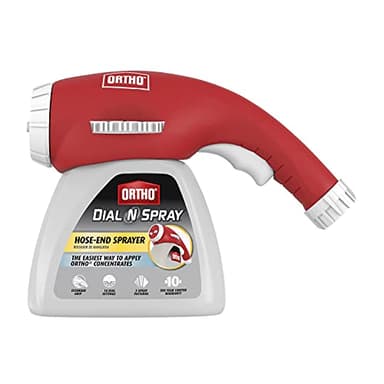
Ortho Dial N Spray Hose-End Sprayer (14 Dilution Settings)
Adjustable metered hose-end sprayer for liquid herbicides, iron, wetting agents, and foliar recovery products. Waxy violet leaves need full coverage; a metered hose-end sprayer applies the concentrate evenly.
- 2Check price
 Best value
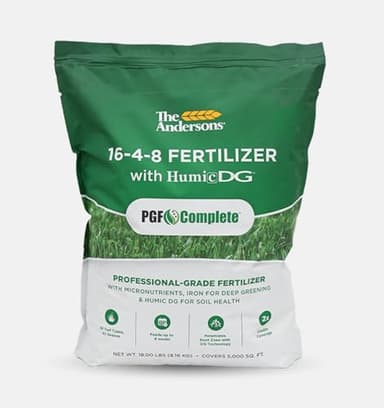
The Andersons PGF Complete 16-4-8
Balanced slow-release fertilizer for established lawns that need steady feeding without a quick flush of top growth. Thicker turf helps close the gaps wild violet uses.
As an Amazon Associate we earn from qualifying purchases.
Where wild violet shows up
Most common in these regions: