Best Weed Killer for Bermuda Grass: Safe Products That Won't Kill It
 Sarah MitchellLawn Diagnostics Specialist | 12 Years
As an Amazon Associate we earn from qualifying purchases.
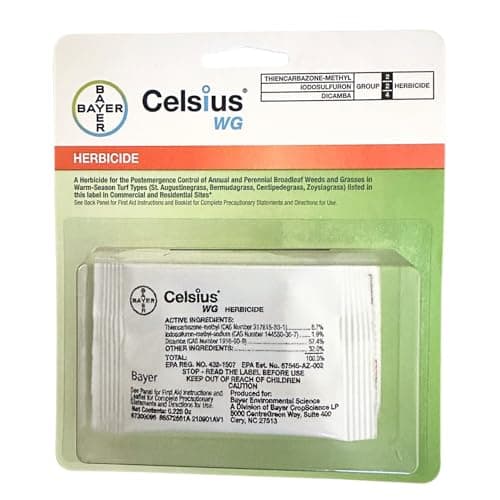
The best weed killer for bermuda grass is Celsius WG, a selective post-emergent that controls over 120 weeds and is one of the safer options on bermuda in summer heat, as long as you follow the label's temperature guidance. The principle behind every safe pick is the same: selective herbicides target the weed and spare the grass, while non-selective products like glyphosate kill everything green, bermuda included. Below you'll find our ranked bermuda-safe picks, plus the timing and temperature rules that keep your turf out of trouble.
Struggling with stubborn weeds invading your Bermuda grass lawn? You’re not alone-Bermuda is one of the toughest warm-season grasses, but it’s not immune to weed pressure. The wrong weed control products, or poor timing, can easily damage or even kill Bermuda grass, causing brown patches and frustration for homeowners and professionals alike. With so many products on the market, knowing which weed controls are truly safe for Bermuda, which weeds pose the biggest threats, and how to keep your lawn thick and weed-free year-round can feel overwhelming. For the complete reference, see the Bermudagrass pillar guide.
This comprehensive guide will break down the best weed control for Bermuda grass (safe products that won't kill it), including advanced lawn care strategies, product recommendations, application tips, seasonal timelines, and common mistakes to avoid. Whether you’re fighting crabgrass, sedges, or persistent broadleaf weeds, you’ll learn both prevention and cure-without sacrificing the health of your Bermuda lawn. Let’s get to the root of effective, safe weed control and finally achieve that lush, weed-free Bermuda you’ve been aiming for.
If weeds are taking over your Bermuda grass, first identify the problem: look for patches of grassy weeds like crabgrass or sedges, or broadleaf invaders like clover and dandelion. Confirm the main offenders by examining leaf shape and growth pattern (see How to Identify Weeds in Your Lawn for more detail). The fix depends on timing-apply a pre-emergent herbicide in early spring before soil hits 55°F, and spot-treat existing weeds with a post-emergent product labeled safe for Bermuda (like Celsius WG or Certainty for sedges). Avoid using non-selective weed killers or the wrong rates, as these will damage Bermuda grass. Expect visible results in 7-21 days after treatment, and always patch-test new products on a small section of lawn before broad use.
Understanding Bermuda Grass and Its Weed Challenges
What Makes Bermuda Grass Unique
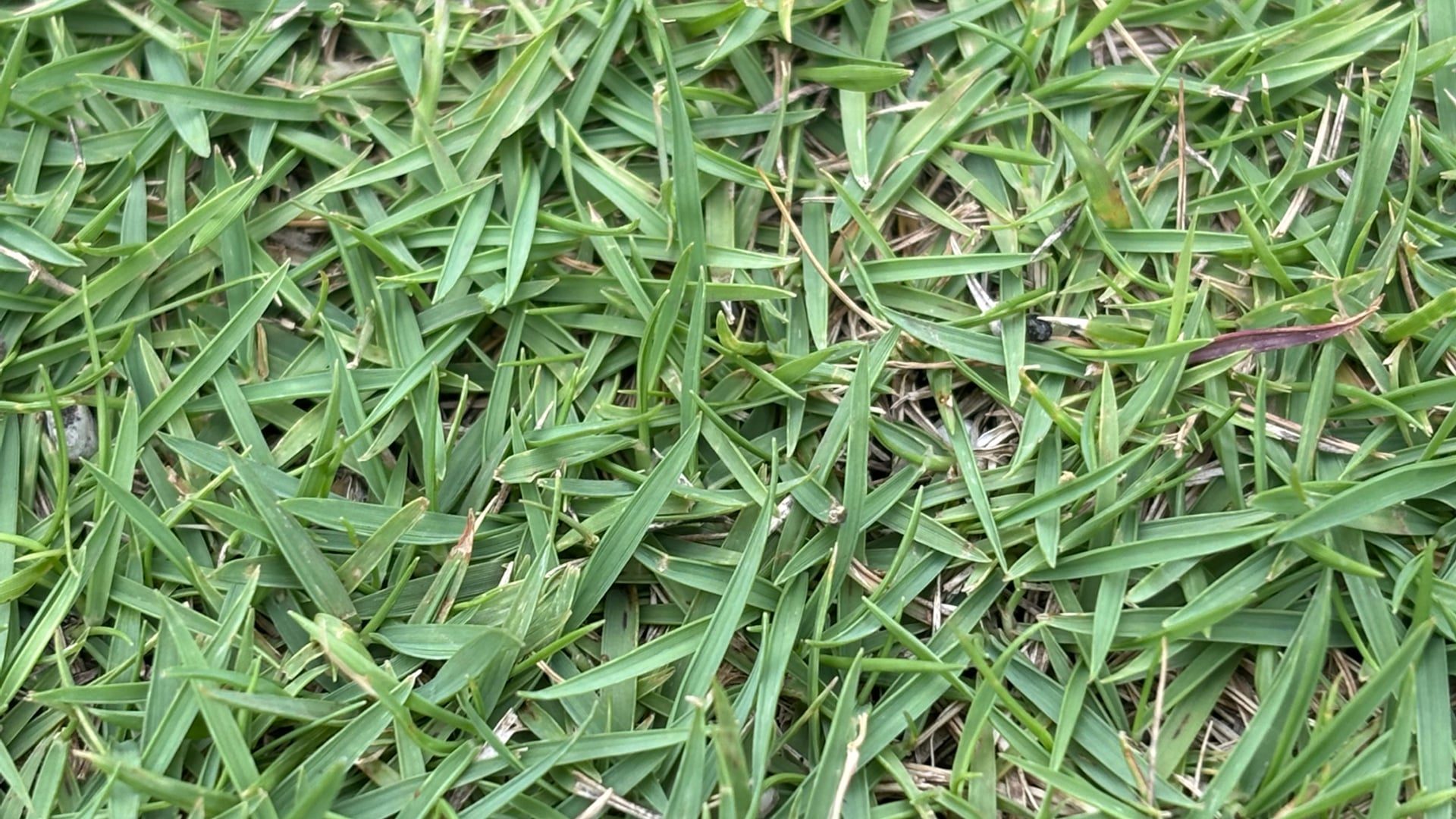
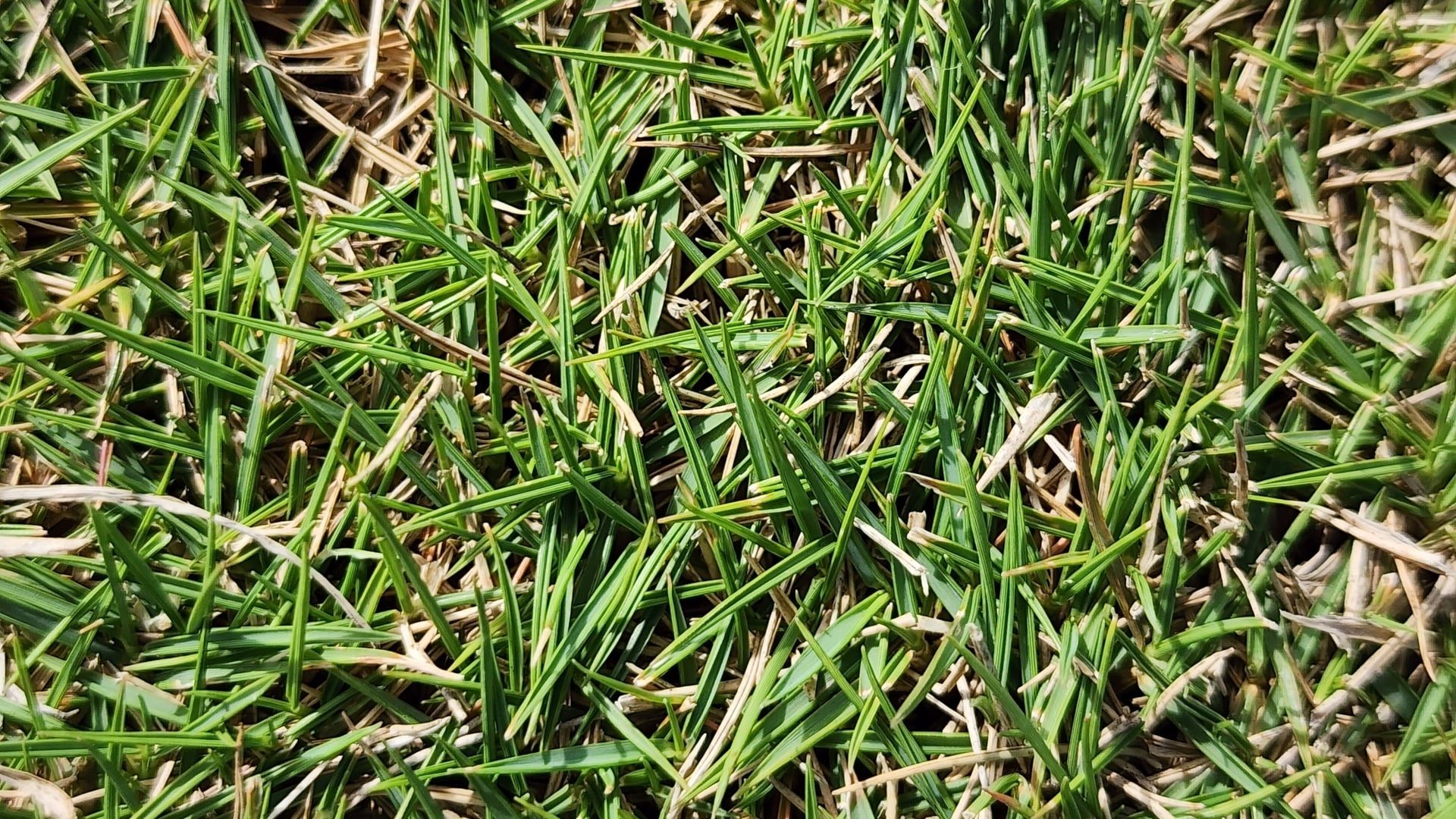
Bermuda grass stands out as a vigorous, warm-season turf known for its dense, aggressive growth and resilience to heat, drought, and heavy foot traffic. Our Grass Database shows Bermudagrass thrives when mowed between 0.5-2 inches and requires high maintenance, including heavy fertilization and weekly watering during peak summer. Its strength is also its vulnerability: Bermuda’s aggressive runners quickly fill in bare spots, but any injury or stress opens the door for opportunistic weeds.
Bermuda grass has a relatively shallow root system (about 6 inches), which means it can rapidly recover from surface damage but can also suffer during drought or compaction, leading to thin areas where weeds take hold. Its peak growth occurs from May to September, so weed competition is fiercest during these months. However, Bermuda’s low shade tolerance means that in shadier or thinning zones, weeds with broader shade tolerance often outcompete the grass. Understanding these growth habits is essential for tailoring weed control so you don’t unintentionally harm the lawn you’re trying to protect.

Common Weeds in Bermuda Lawns
Let’s diagnose this step by step: the weeds most likely to trouble Bermuda grass fall into several categories. Grassy weeds like crabgrass (wide-bladed, light green, low-growing) and poa annua (annual bluegrass, with boat-shaped tips and pale green color) often emerge in thin or scalped areas. Sedges, such as yellow nutsedge, have triangular stems and yellow-green leaves, popping up especially in moist, poorly-drained soils. Broadleaf weeds like clover (three round leaflets), dandelion (jagged leaves, yellow flowers), and spurge (prostrate growth, small leaves with red stems) can invade both healthy and stressed Bermuda lawns.
Understanding weed growth cycles helps target control measures. Annual weeds, like crabgrass and poa annua, emerge from seed each year-making pre-emergent herbicides effective if timed before germination. Perennial weeds, such as nutsedge and dandelion, return from roots or tubers, requiring persistent spot treatment. For a deep dive on weed identification, see How to Identify Weeds in Your Lawn, which provides photos and diagnostic tips for the most common Bermuda invaders.
Weed Killers That Won't Kill Bermuda Grass
Why Not All Weed Killers Are Safe for Bermuda
Many homeowners assume all weed killers are safe on all lawns, but that’s a costly mistake-especially with Bermuda grass. Herbicides fall into two broad categories: selective (targeting only certain weeds, sparing the grass) and non-selective (killing everything green, including your turf). Non-selective products like glyphosate (Roundup) can wipe out Bermuda along with the weeds, especially if sprayed carelessly or at the wrong rate.
Look for these label terms: “Safe for Bermuda grass,” “selective,” “post-emergent” (for treating visible weeds), or “pre-emergent” (for preventing weed seeds from sprouting). Always check the active ingredient list-prodiamine and dithiopyr are common pre-emergent actives safe for Bermuda, while quinclorac and Celsius WG are post-emergent options that won’t harm established Bermuda at the correct rates. Avoid products with “non-selective” or “total vegetation killer” anywhere on the label if you want to keep your Bermuda intact.
Integrated Weed Management Strategies
The best weed control for Bermuda grass isn’t just about chemical products-it’s about integration. Healthy Bermuda outcompetes weeds when it’s thick, well-fed, and mowed at the recommended height (0.5-2 inches, per our Grass Database). Proper mowing, deep but infrequent watering (about 1 inch per week in summer), and heavy but split fertilization keep Bermuda strong and less prone to weed invasion. Hand-pulling or using weeding tools is effective for isolated weeds, especially deep-rooted types like dandelion or nutsedge.
Chemical herbicides are best used as a last resort or when cultural and manual methods fall short. For more on creating a robust lawn foundation, see Bermuda Grass Lawn Care Calendar, which outlines seasonal practices to reduce weed pressure naturally.
Best Weed Killer for Bermuda Grass (Ranked)
Here are the bermuda-safe picks, ranked by overall usefulness for a typical bermuda lawn:
- Celsius WG (thiencarbazone + iodosulfuron + dicamba): the best all-around post-emergent, labeled for bermudagrass. Spray it when temperatures are below 90°F as Clemson advises, and never add a spray adjuvant above 90°F, which is the only heat rule on the label that applies to bermudagrass; the label sets no temperature ceiling on the herbicide itself.
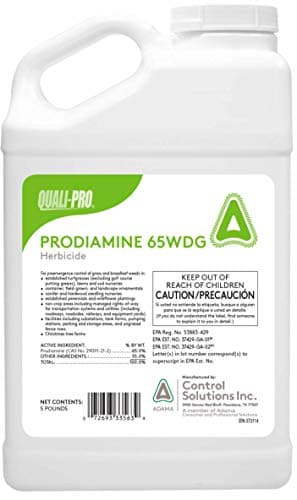
- Prodiamine (Barricade): the best pre-emergent for stopping crabgrass and poa annua before they sprout.
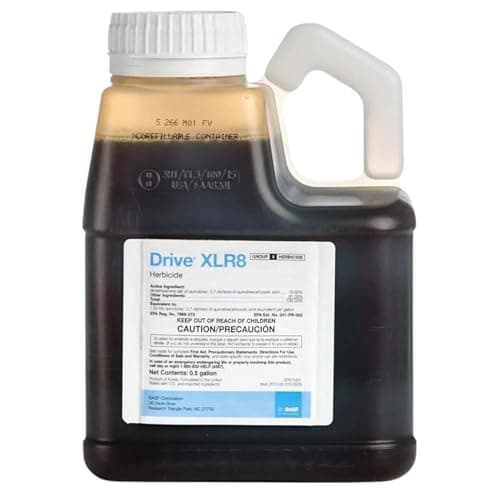
- Quinclorac (Drive XLR8): the best rescue for crabgrass that already broke through.
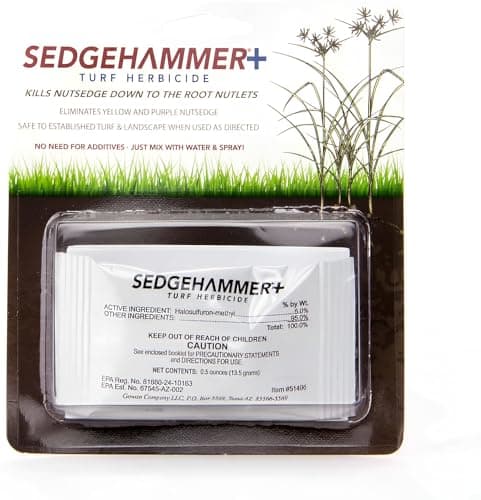
- Sedgehammer (halosulfuron): the best pick for nutsedge and other sedges.
- 3-way broadleaf mixes (2,4-D + dicamba + MCPP): the budget pick for dandelion and clover, spring and fall only, below 85°F.
Each one is covered in detail below, grouped by how and when you use it.
Pre-Emergent Herbicides: Preventing Weeds Before They Start
Pre-emergent herbicides are your first line of defense against annual weeds like crabgrass and poa annua. These products create a chemical barrier in the soil, stopping new weed seeds from germinating-without harming established Bermuda grass. Timing is critical: for most regions, apply pre-emergent in early spring when soil temperatures reach 55°F for several consecutive days. According to our Regional Climate Data, the Southeast pre-emergent window is February 15 - March 15, while the Northeast is March 15 - April 15. Missing this window means most annual weeds will have already germinated, making post-emergent control your only option.
The top pre-emergent herbicides safe for Bermuda include:
- Prodiamine (Barricade, generic): Highly effective on crabgrass and annual bluegrass, long-lasting, safe for Bermuda when applied at labeled rates.
- Dithiopyr (Dimension): Also controls early germinated crabgrass and offers some post-emergent activity. Common and hybrid bermudagrass varieties are tolerant, but the Dimension 2EW label says not to use it on Tifgreen (328) hybrid bermudagrass because undesirable turfgrass injury may result.

Here’s how to apply pre-emergent herbicide to Bermuda grass:
- Check soil temperature with a probe or online map-target 55°F for 3-5 days.
- Calibrate your spreader or sprayer for even coverage, then use the rate printed on the label of the exact product in your hand, because the two common bermuda pre-emergents do not share a rate. Barricade 65WG (prodiamine) is labeled at 1.0 to 2.3 lb of product per acre on bermudagrass (0.36 to 0.83 oz per 1,000 sq ft), with no more than 2.3 lb per acre in a calendar year, and that cap counts every application including a fall repeat. On newly sprigged or plugged bermudagrass the label limits it to 0.80 lb per acre (0.30 oz per 1,000 sq ft). Dimension 2EW (dithiopyr) is labeled at 1 to 2 pints of product per acre per application (0.25 to 0.5 lb of active ingredient), and no more than 6 pints per acre per year.
- Apply evenly over the entire lawn, avoiding overlaps or skips.
- Water in with 0.25-0.5 inches of irrigation within 24 hours, unless label advises otherwise.
Pro tip: If you plan to overseed thin Bermuda areas, time your pre-emergent carefully-most will also prevent Bermuda seed from sprouting for several weeks. For split-application strategies (spring and fall), always follow label intervals to avoid buildup and turf injury.
For those looking for exact timing in your region, enter your ZIP code below to find your pre-emergent application window:
Loading Herbicide Timing Calculator...
| Region | Pre-Emergent Window | Soil Temp Target |
|---|---|---|
| Southeast (Bermuda dominant) | Feb 15 - Mar 15 | 55°F |
| Northeast | Mar 15 - Apr 15 | 55°F |
| Upper Midwest | Apr 15 - May 15 | 55°F |
This table shows pre-emergent windows by region based on our Regional Climate Data. Use it alongside local soil temperature tracking for best results.
Post-Emergent Herbicides: Targeting Existing Weeds
Even with well-timed pre-emergent, some weeds will break through-especially perennials or late-germinating annuals. Post-emergent herbicides are designed to kill visible weeds without harming Bermuda, but only when you choose the right product. Timing is important: apply post-emergents when Bermuda is actively growing (soil temps above 65°F) and weeds are young and not drought-stressed. Avoid application during peak summer heat (above 90°F), as Bermuda can be sensitive to many herbicides under stress.
Safe post-emergent options for Bermuda include:
- Metsulfuron (MSM Turf, Manor): Controls tough broadleaf weeds and bahiagrass at very low rates and is labeled for use on bermudagrass lawns. The MSM Turf label warns that some chlorosis or stunting of the turf can follow an application, and it says not to apply to turf less than 1 year old. It is the modern residential replacement for MSMA, which the EPA canceled for residential lawns in 2009.
- Quinclorac (Drive XLR8): Excellent for crabgrass, some broadleaf weeds; safe for Bermuda at recommended rates.
- Celsius WG: Broad-spectrum, controls many broadleaf and grassy weeds, works well even in summer, very safe on Bermuda.
- Certainty: Targets sedges and poa annua, highly selective for Bermuda lawns.
- Image Kills Nutsedge: For yellow and purple nutsedge, safe for warm-season grasses including Bermuda.
Match the herbicide to the weed type: use quinclorac or Celsius for crabgrass and broadleaf weeds, Certainty or Image for sedges, and always check the label for Bermuda safety. For spot-treating, mix the product in a pump sprayer and apply only to weed patches. For blanket applications, follow precise mixing instructions and calibrate your sprayer for even coverage. Never exceed the labeled rate-this is a common cause of Bermuda damage.
Two cautions worth flagging: skip atrazine on Bermuda (it is a St. Augustine and centipede product that can thin Bermuda, especially in heat), and avoid Tenacity (mesotrione), which is built for cool-season lawns and can bleach Bermuda white.
Always consider Bermuda’s stress level: avoid spraying if the lawn is drought-stressed, recently mowed/scalped, or under disease pressure. Wait 2-3 days after mowing and irrigate lightly 24 hours before application for best uptake.
Selective Herbicides for Bermuda: How They Work
A selective herbicide is simply a weed killer that targets weeds while leaving bermuda grass unharmed at labeled rates, and it is the phrase to look for on any product you consider. These products exploit biochemical differences between plants: the active ingredient blocks an enzyme or growth pathway the weed depends on, while bermuda either absorbs too little of it or breaks it down before damage occurs. The proven selective options for bermuda grass weed control are Celsius WG for a broad range of broadleaf and grassy weeds even in summer heat, Certainty for sedges and Johnson grass in bermuda, quinclorac for crabgrass, and the classic 3-way broadleaf mixes (2,4-D, dicamba, MCPP) for dandelion and clover. Anything labeled as a non-selective weed and grass killer, like glyphosate, kills bermuda just as readily as the weeds, so reserve those for driveway cracks and full renovations. When you are comparing options at the store, the quickest filter is simple: any herbicide for bermuda grass worth buying will name bermudagrass on the label as a tolerant turf type.
Organic and Natural Weed Control Options
For those seeking chemical-free methods, there are a few organic options for Bermuda lawns, though they tend to be less effective than synthetics. Corn gluten meal acts as a natural pre-emergent, preventing seedling root formation. It must be applied heavily (about 20 lbs per 1,000 sq ft) just before weed seeds germinate, and watered in according to label instructions. Results are mixed-corn gluten can reduce annual weed pressure by 50% or more over several seasons, but it is not a silver bullet.
Vinegar and soap-based sprays can “burn” young broadleaf weeds, but results are temporary-they rarely kill roots, and can also burn Bermuda blades if misapplied. Manual removal remains a cornerstone for organic lawn care: use a narrow weeding tool or soil knife to extract deep-rooted weeds like dandelion or nutsedge, taking care to remove as much root as possible. This is labor-intensive but effective for small infestations.
For a bigger-picture approach to chemical-free maintenance, see Organic Lawn Care for Bermuda Grass, which covers soil health, overseeding, and cultural strategies to minimize weed problems long-term.
Best Weed and Feed for Bermuda Grass: Is It Worth Using?
Weed and feed products are popular with Bermuda owners because they knock out two chores at once. Most major formulas are safe on established Bermuda since the common active ingredients (2,4-D, dicamba, and quinclorac) target broadleaf weeds and crabgrass without harming warm-season turf. This article covers straight herbicides; if you want a combination fertilizer plus herbicide product instead, our best weed and feed for Bermuda grass guide ranks those picks, matched to broadleaf-focused blends for dandelions and clover or crabgrass-preventer combos in early spring.
Two rules keep you out of trouble. First, apply only when Bermuda is fully green and actively growing, not during spring transition or drought dormancy. Second, do not lean on weed and feed as your only strategy: a dedicated weed killer applied while weeds are small always beats a combination product applied late. If you want to skip synthetics entirely, our roundup of the best natural weed killers covers grass-safe organic options.
How to Apply Weed Control Products Safely to Bermuda Grass
Read and Interpret Product Labels for Bermuda Safety
The symptom you’re seeing usually points to one of a few things: either the wrong herbicide, the wrong rate, or a misapplied product. Always read the label before applying anything to your Bermuda lawn. Look for terms like “safe for use on Bermudagrass,” “selective broadleaf control,” or “use only on established warm-season turf.” Labels also specify maximum safe rates (e.g., “apply no more than 1.0 oz per 1,000 sq ft per application”) and reapplication intervals (often 21-28 days). Exceeding these rates is a leading cause of Bermuda injury.
Pay close attention to mixing instructions-concentrates require accurate measurement and dilution. Some products specify a certain number of gallons per 1,000 sq ft for even coverage. Always err on the side of caution: if in doubt, apply to a small, inconspicuous patch first and wait 7-10 days for any signs of turf injury before treating the entire lawn.
Application Checklist: Steps for Optimal Results
Successful weed control is all about precision. Here’s a proven checklist for Bermuda lawns:
- When to apply: Early morning or late afternoon, when temperatures are below 85°F and wind is minimal. Never spray on drought-stressed or dormant Bermuda.
- Equipment needed: Use a calibrated pump or backpack sprayer for liquid products, and a broadcast or drop spreader for granular pre-emergents. Wear gloves, long sleeves, and safety glasses (PPE) as instructed by the label.
- Calibrating your sprayer: Measure your lawn area, fill sprayer with water, and practice spraying to determine your walking speed and coverage rate before adding herbicide.
- Watering in: Some products (like pre-emergents) require watering in with 0.25-0.5 inches of irrigation, while most post-emergents should remain on the foliage for at least 24 hours. Always follow label instructions.
- Post-application care: Avoid mowing for 2 days before and after application. Restrict foot traffic and pets until the product has dried or as specified on the label.
Pro Tips for Maximizing Weed Control Without Harming Bermuda
Timing is everything: apply pre-emergents just before weed seeds germinate, and post-emergents when weeds are small and Bermuda is actively growing (soil temps above 65°F, as our Grass Database recommends for first fertilizer application). Layer your defense by using pre-emergent in early spring, followed by spot-treating breakthroughs with a post-emergent that matches your weed type. After removing large weed patches, overseed with Bermuda to prevent bare soil from inviting more weeds-see How to Repair Bare Spots in Bermuda Grass for overseeding tips.
Keep a lawn care journal to track what products you used, when, and with what results. This helps refine your approach and avoid repeating mistakes.
Seasonal Weed Control Guide for Bermuda Grass
Spring: Pre-Emergent and Early Detection Strategies
Spring is the most important season for weed prevention in Bermuda lawns. Apply pre-emergent herbicide as soon as soil temperatures reach 55°F for several days (see table above for regional dates). Walk your lawn weekly to spot early weed outbreaks-treat small patches with a safe post-emergent while weeds are young. Early control is easier and reduces the weed seed bank for the rest of the year.
Summer: Managing Warm-Season Weeds
Summer brings both rapid Bermuda growth and a flush of summer weeds like crabgrass, nutsedge, and spurge. Mow at the upper end of the recommended height (1.5-2 inches) to shade soil and reduce weed germination. Water deeply but infrequently (about 1 inch per week), as shallow, frequent watering encourages annual weeds. If needed, spot-treat weeds with post-emergent herbicides labeled safe for Bermuda, but avoid application during extreme heat or drought stress. Celsius WG is the more forgiving choice here. Its label sets no temperature ceiling on the herbicide itself, and the only heat rule that applies to bermudagrass is that you cannot use a spray adjuvant above 90°F. Clemson still advises spraying when temperatures are below 90°F to reduce injury to the lawn, and the Celsius label warns that some warm-season grasses may discolor temporarily when the turf is under stress from drought, disease, or extreme hot weather. 2,4-D products should wait for temperatures back under 85°F. Fertilize according to our Grass Database’s summer split (about 60% of annual nitrogen), as vigorous Bermuda can crowd out many weeds on its own.

Fall: Prepping for Dormancy and Winter Annual Weeds
As Bermuda growth slows in fall, winter annual weeds like poa annua and henbit begin to germinate. Apply a second round of pre-emergent (using prodiamine or dithiopyr) before soil temperatures drop below 70°F-typically September to early October in the Southeast. Monitor for winter weeds and spot-treat as needed. If overseeding is planned, go by the label of the pre-emergent you actually used, because the interval depends on the product, the rate and what you are seeding. The Dimension 2EW label says reseeding, overseeding or sprigging within 3 months of a single application may inhibit establishment, but it names one exception: overseeding bermudagrass with perennial ryegrass 8 weeks after an application, or as early as 6 weeks if slight injury to the ryegrass is acceptable. Barricade 65WG is stricter and has no such exception for lawns outside Arizona, California, Nevada and Texas: its overseeding table starts at 4 months at its lowest listed rate of 0.75 lb of product per acre and runs to 12 months in the South at 2.30 lb per acre.
Late fall is also an excellent time to address thin or bare spots-overseed with Bermuda or patch with plugs. Thick turf heading into winter is your best natural defense against early spring weeds.
Winter: Off-Season Maintenance
Bermuda grass goes dormant in winter, turning straw-colored and temporarily losing its competitive edge. Walk your lawn monthly to monitor for winter weed outbreaks-especially in mild climates or warm spells. Spot-treat with post-emergent herbicides labeled for use on dormant Bermuda if weeds are actively growing. Avoid heavy chemical use during dormancy, as uptake is minimal and injury risk is higher. Rake up winter debris, aerate compacted areas if ground isn’t frozen, and plan your pre-emergent schedule for spring.
Advanced Tips: Combining Cultural and Chemical Methods for a Weed-Free Bermuda Lawn
Building a Thick, Healthy Bermuda Sward
Weed control always works best when paired with robust Bermuda growth. Follow a fertilization schedule that matches Bermuda’s needs: our Grass Database recommends 3.5 lbs of nitrogen per 1,000 sq ft per year, split as 20% spring, 60% summer, and 20% fall. Regular soil testing helps identify pH or nutrient issues-Bermuda prefers a pH of 6.0-7.0. Correct deficiencies with lime or sulfur and balanced fertilizers as needed. Mow frequently at the recommended height (never removing more than 1/3 of the blade at once) to promote dense, lateral growth that shades out weeds.
Integrated Pest Management (IPM) for Bermuda Lawns
IPM means rotating herbicide modes of action to avoid resistance, using surfactants (when label allows) for better herbicide uptake, and combining chemical, manual, and cultural controls. Monitor your lawn regularly, keeping a journal of weed outbreaks, application dates, product types, and results. This detective work helps you adapt your approach for even better results next season.
- NC State Extension recommends alternating pre- and post-emergent herbicides and maintaining dense turf through fertilization and mowing to suppress weeds in Bermuda lawns.
Common Mistakes to Avoid With Weed Control in Bermuda Grass
Misreading Labels and Overapplying Products
The issue I see most often is misreading product labels or overapplying herbicides. Excessive rates or too-frequent applications can yellow or even kill Bermuda grass. Always perform a patch test: treat a small section, wait 7-10 days, and inspect for discoloration or thinning before treating the whole lawn. Never mix products unless the label explicitly allows it, as chemical interactions can increase turf injury risk.
Poor Timing: Missing the Pre-Emergent Window
Missing the optimal pre-emergent window is a common reason crabgrass and poa annua control fails. Our Regional Climate Data puts the Southeast pre-emergent window at February 15 - March 15, but many homeowners wait until April-by then, weeds are already germinating. Adjust timing based on your local soil temperatures and region, especially if you live in the Transition Zone or coastal areas where seasons shift quickly.
Ignoring Safety for Pets, Kids, and the Environment
All weed control products have re-entry intervals-wait until sprays are dry or as specified on the label before allowing kids or pets back on the lawn. Choose eco-friendly or pollinator-safe products where possible, and never apply herbicides near open water or during rain to reduce runoff.
Skipping Confirmation Tests or Ignoring Product Compatibility
Always confirm that your Bermuda variety is compatible with the herbicide selected-hybrid and common Bermuda types can differ in sensitivity. When using a new product, treat a small area first and watch for negative effects before full-scale application. If in doubt, contact your local extension office for advice on product selection and compatibility.
- Contact your local extension office
Conclusion
The best weed control for Bermuda grass (safe products that won't kill it) is a multi-layered approach: choose selective herbicides labeled safe for Bermuda, apply them at the right times, and combine them with proper mowing, watering, and fertilization. Pre-emergents like prodiamine and dithiopyr prevent most annual weeds when timed before soil hits 55°F, while post-emergents like Celsius WG and Certainty target existing invaders without harming your turf. Avoid common mistakes by reading labels, patch-testing new products, and matching your strategy to the season and region. Strong, healthy Bermuda is the best defense against weeds year-round.
For next steps, check out Bermuda Grass Lawn Care Calendar for month-by-month maintenance, How to Identify Weeds in Your Lawn for photo-based weed ID, and How to Repair Bare Spots in Bermuda Grass for overseeding and patch repair tips. With the right tools and timing, you can achieve a lush, weed-free Bermuda lawn that thrives in every season.
Top Picks
 Celsius WG Herbicide (Easy Mix Packet)Check price on Amazon
 Prodiamine 65 WDG (Generic Barricade)Check price on Amazon
 BASF Drive XLR8 Crabgrass KillerCheck price on Amazon
As an Amazon Associate we earn from qualifying purchases.
Free Lawn Care Tools
For most lawns, Celsius WG is the best overall pick: it controls over 120 broadleaf and grassy weeds, is labeled safe on bermuda, and handles summer heat better than 2,4-D products, though you should still follow the label's temperature guidance. Pair it with a prodiamine pre-emergent in spring and fall for full-season control.
Selective herbicides labeled for use on bermuda are the answer: Celsius WG, Certainty, quinclorac, and 3-way broadleaf mixes with 2,4-D, dicamba, and MCPP all control weeds without harming established bermuda at labeled rates, as long as you spray when daytime highs are under 85 degrees F. Avoid anything labeled kills grass and weeds, such as glyphosate, and double check the label if your lawn is newly sprigged or sodded, since young bermuda is more sensitive. A quick label check for bermudagrass listed as a tolerant turf type settles it before you buy.
Yes, with the right product. Celsius WG is the more forgiving summer choice on bermudagrass: its label sets no temperature ceiling on the herbicide itself, and the only heat rule that applies to bermudagrass is that you cannot use a spray adjuvant above 90°F. Clemson still advises spraying when temperatures are below 90°F to reduce injury to the lawn. Hold off on 2,4-D and other 3-way mixes once temperatures pass 85 to 90°F, and never spray a drought-stressed lawn.
Apply pre-emergent herbicide when soil temperature consistently reaches 55°F for several days. In the Southeast, this is typically between February 15 and March 15.
Celsius WG, Certainty, and quinclorac are among the most effective post-emergent herbicides that are safe for established Bermuda lawns when used at labeled rates.
Vinegar-based sprays can burn weeds but may also injure Bermuda grass. Corn gluten meal is a safer organic pre-emergent, though results are less reliable than with synthetic herbicides.
Check the product label for 'safe for Bermuda grass' or 'selective' wording, and always perform a patch test on a small section of your lawn before full application.
Wait at least 2 days after applying post-emergent herbicide before mowing to allow for maximum weed uptake and best results.
Crabgrass, nutsedge, clover, dandelion, poa annua, spurge, and other sedges are the most frequent invaders in Bermuda grass lawns.
Pick a weed and feed explicitly labeled for bermudagrass and apply it only when the lawn is fully green and actively growing, typically late spring. Products built on a three-way broadleaf herbicide plus fertilizer are the safest combo class for bermuda. That said, separate applications usually beat the combo: a dedicated pre-emergent in early spring, fertilizer on your normal schedule, and a targeted post-emergent like Celsius WG when weeds actually show up gives you better timing on all three jobs.
For mild weather, a three-way mix of 2,4-D, dicamba, and mecoprop labeled for bermudagrass handles most broadleaf weeds like clover, dandelion, and plantain. Once summer highs pass about 85 degrees, a 2,4-D product gets risky on bermuda and Celsius WG is the more forgiving choice: its label sets no temperature ceiling on the herbicide itself, though you cannot use a spray adjuvant with it above 90 degrees, and Clemson still advises spraying when temperatures are below 90 degrees. Always check that bermudagrass is on the label and skip newly sprigged or freshly greened-up turf.
Photos: Egor Komarov / Pexels, Mayur Chauhan / Unsplash, Elly M / Unsplash

Beat weeds and brown spots from your phone
Snap a photo, get the fix, and follow a plan timed to your soil and weather. Free on iPhone.