How Often Should You Apply Scotts Weed and Feed? Safe Frequency (2026)
 Sarah MitchellLawn Diagnostics Specialist | 12 Years
As an Amazon Associate we earn from qualifying purchases.
Most lawns should only receive Scotts Weed and Feed once per season, ideally in spring or fall depending on your region and grass type. For cool-season grasses like Kentucky Bluegrass or Tall Fescue, spring application as weeds begin to grow is optimal, while warm-season lawns may benefit from late spring timing. Always confirm your grass type, current weed pressure, and follow product label intervals - over-applying can burn the lawn or harm beneficial soil life.
Unsure how much to apply for your lawn size? Use our fertilizer rate calculator to get the right amount for your grass type and ZIP.
Never apply weed and feed to newly seeded or sodded lawns, and avoid spreading it during periods of drought or extreme heat. The fix is to diagnose your lawn's needs, wait at least 6-8 weeks between applications if a second treatment is required, and monitor results within 2-4 weeks. If in doubt, prioritize proper mowing, watering, and spot-treating weeds rather than relying solely on repeated weed and feed applications.
Standard once-per-season pick: Scotts Turf Builder Weed and Feed 3 - wait 6-8 weeks before any second application.
You want a lush, weed-free lawn, but you're not sure how often you should apply Scotts Weed and Feed to get the best results. Timing and frequency are critical for both weed control and the long-term health of your grass - too little, and weeds rebound; too much, and you risk damaging your turf and the environment. Many homeowners struggle with the balance: when exactly should you apply weed and feed, and how do you adapt for your region, grass type, or specific lawn problems?
This expert-level guide breaks down everything you need to know: how often to apply Scotts Weed and Feed by grass type and season, why frequency matters, regional climate and timing factors, step-by-step application instructions, and the critical mistakes even experienced homeowners make. You'll get diagnostic tips, real-world timelines, and sustainable lawn care strategies based on more than a decade of hands-on experience.
Understanding Scotts Weed and Feed: What It Does and Why Frequency Matters
What Is Scotts Weed and Feed?
Recommended products
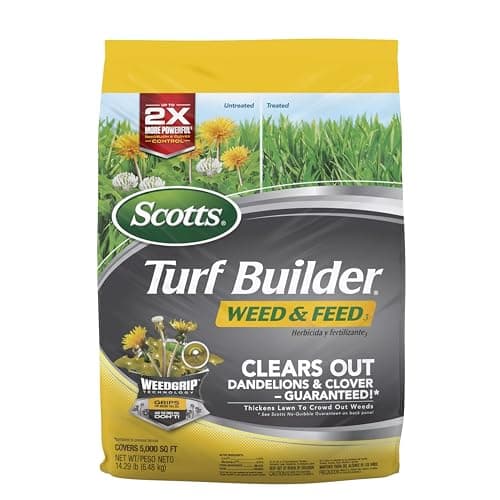
Scotts Turf Builder Weed and Feed 3
Most common cool-season pick.
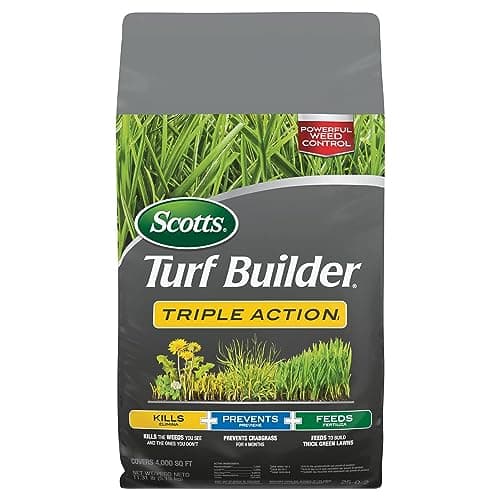
Scotts Turf Builder Triple Action
Pick this when crabgrass is also a concern.
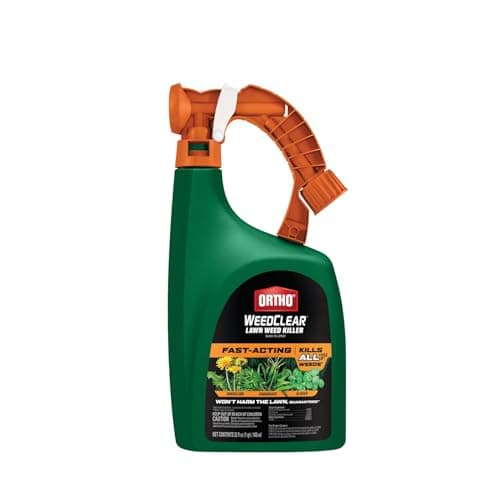
Ortho WeedClear Lawn Weed Killer Ready-to-Spray
Spot-spray alternative when only patches of weeds need attention, no need to blanket the whole lawn.
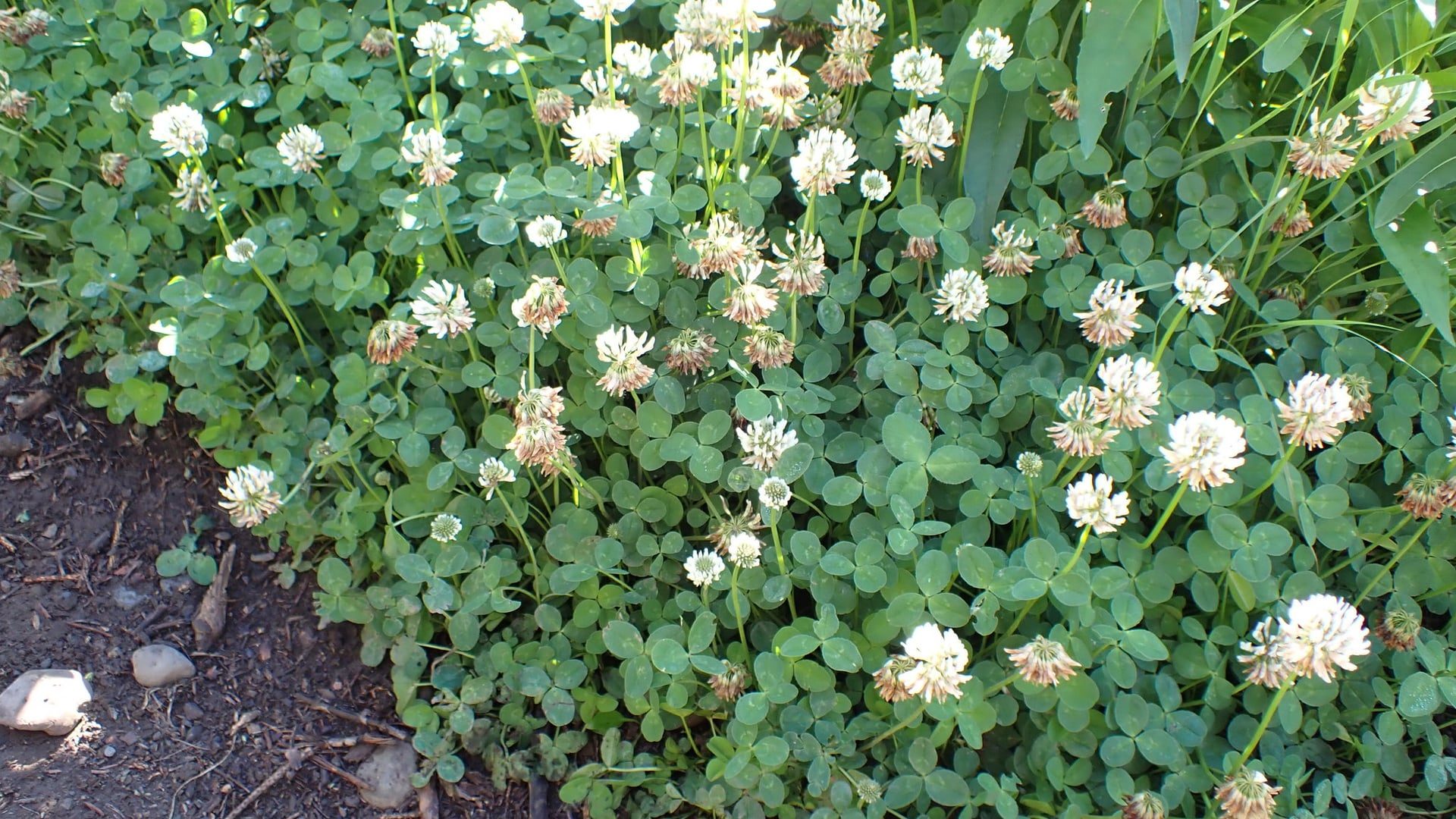
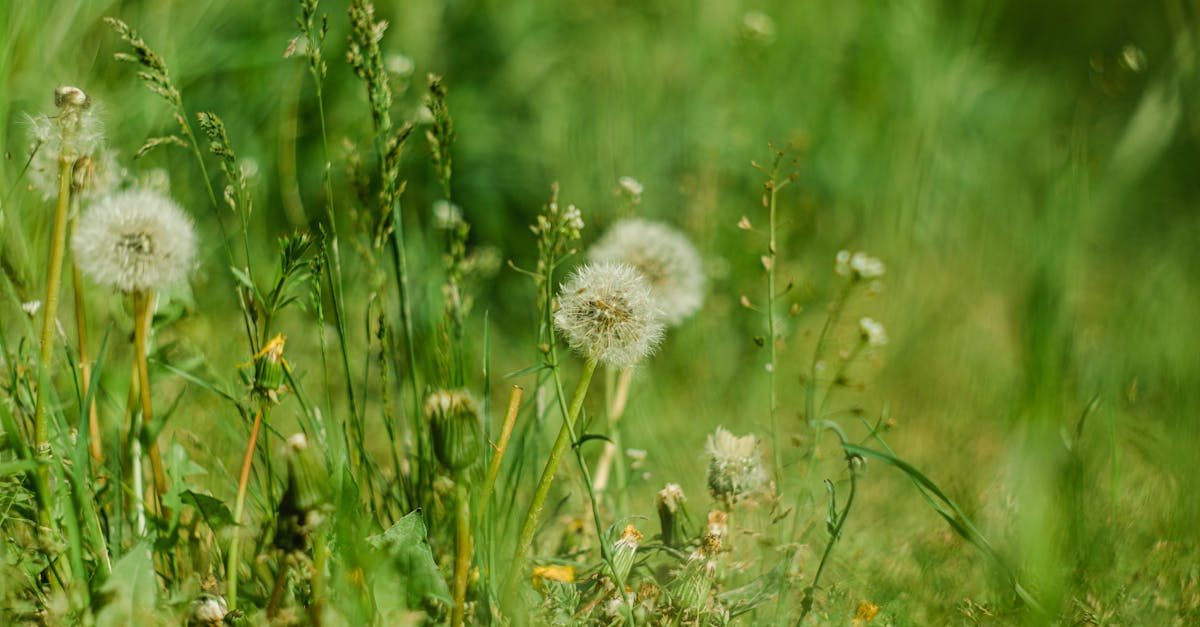
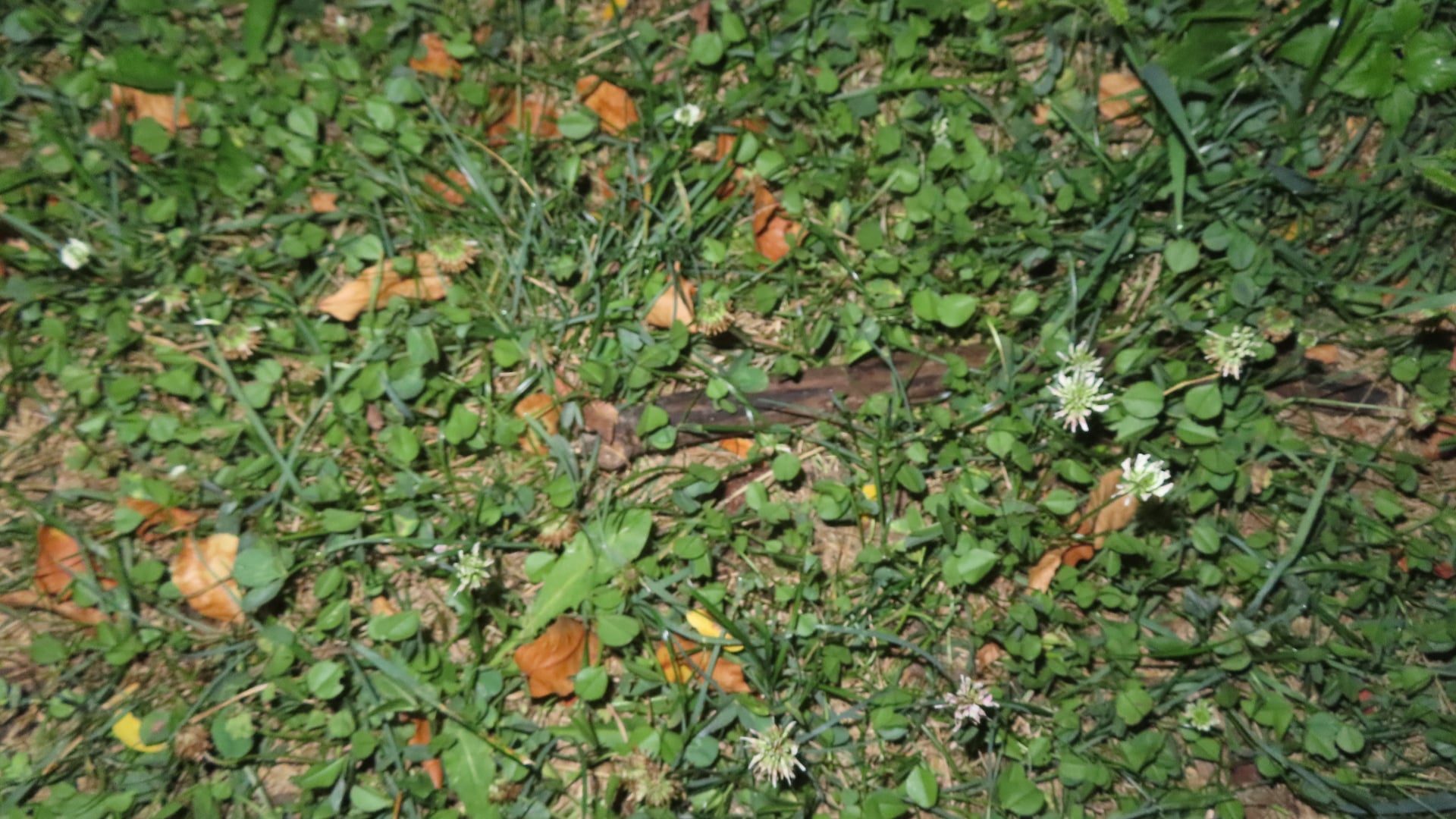
Scotts Weed and Feed is a combination lawn product that delivers both fertilizer and selective herbicides in a single application. The fertilizer component contains essential nutrients (mainly nitrogen, phosphorus, and potassium) to support lush, green turf. The herbicide component targets broadleaf weeds like dandelions and clover while sparing most common lawn grasses when used correctly.
There are several types of Scotts Weed and Feed products, each tailored for different grass types and climates. For instance, Scotts Turf Builder Weed and Feed 3 is designed for cool-season and many warm-season lawns, while the Southern Triple Action formula adds insect control for Southern grasses like St. Augustine or Zoysia. The product works by delivering fertilizer granules and herbicide particles that stick to moist weed leaves, entering the plant and disrupting its growth without harming the grass (if instructions are followed).

Why Frequency of Application Is Critical
Applying weed and feed too frequently can cause more harm than good. Over-application increases the risk of fertilizer burn (yellow or brown patches), chemical resistance in weeds, and leaching of nutrients or herbicides into waterways. On the other hand, under-applying or skipping applications in high-pressure weed situations can result in persistent weed infestations and nutrient deficiencies, weakening your lawn's natural ability to crowd out invaders.
The right frequency is essential for integrating weed and feed into your overall lawn care calendar. It should complement, not replace, targeted weed removal, proper mowing, irrigation, and soil health practices. For a truly resilient, weed-resistant lawn, consider how weed and feed fits into a year-round plan - not just a one-time fix. For more guidance, see How to Create a Year-Round Lawn Care Calendar.
How Often Should You Apply Scotts Weed and Feed?
Scotts’ Official Guidelines
According to Scotts’ product labels and official recommendations, most weed and feed formulations should be applied no more than twice per year. The label minimum between applications is about 30 days, though waiting 6-8 weeks is the safer real-world spacing most pros recommend. For many lawns, one well-timed application per season is sufficient. Scotts Turf Builder Weed and Feed 3, for example, is labeled for a single spring or fall application, depending on your weed problems and local climate. Overlapping with other weed control or fertilizer products should be avoided unless specified on the label.
Oregon State University research shows that maintaining proper mowing height is the single most effective weed prevention strategy, label instructions represent the safe maximum frequency. Real-world best practices often call for even less frequent use, especially as your lawn matures and weed pressure declines. Always read and follow your specific product's label, as some Southern formulas differ in timing and permissible frequency.
How Often Should You Weed and Feed Your Lawn? (Any Brand)
The same rules hold no matter which brand is on the bag. For most lawns, you should weed and feed your lawn once per growing season. You can weed and feed your lawn up to twice per year if weed pressure stays high, but nearly every product on the market, from Scotts to Pennington to store brands, caps applications at two per year with at least 6 to 8 weeks between treatments. The herbicide load is the limiting factor, not the fertilizer. If weeds creep back between applications, spot treat them with a liquid broadleaf herbicide instead of putting down another full round of weed and feed.
Factors That Affect Application Frequency
Several factors influence how often you should apply Scotts Weed and Feed:
- Grass Type: Cool-season grasses (Kentucky Bluegrass, Fescue, Ryegrass) respond best to spring or fall applications, while warm-season grasses (Bermuda, Zoysia, St. Augustine) often benefit from late spring timing as growth ramps up.
- Regional Climate: Growing zones affect both weed cycles and safe application windows. For example, our Regional Climate Data puts the Northeast pre-emergent window at March 15 - April 15, while the Southeast's is February 15 - March 15.
- Lawn Age and Health: Mature, dense lawns crowd out weeds and need fewer weed and feed treatments. Thin or newly established lawns should avoid weed and feed altogether until well-rooted.
- Weed Pressure: Heavy weed infestations may justify a second application, but only if spaced safely and paired with spot treatments.
- Soil Type and Fertility: Sandy soils may leach nutrients faster, but even then, more frequent weed and feed is rarely justified unless directed by a soil test.
Seasonal Windows by Region and Grass Type
Timing your weed and feed application is often more important than frequency. Here's how it breaks down by season and region:
- Spring: The best time for most lawns, as weeds are actively growing and grass is emerging from dormancy. Apply when daytime highs reach 60-90°F and weeds are visible but not mature. This typically falls between March and May, depending on your region and soil temperatures.
- Fall: Fall applications can help control perennial weeds and strengthen cool-season grass roots before winter. However, not all products are labeled for fall use, and results are less dramatic if weeds are dormant. Scotts sells two fall-specific bags, Max Fall at 25-0-3 and WinterGuard Fall at 26-0-2, and the regional windows and spreader settings for both are in our Scotts fall weed and feed guide.
- Summer: Avoid applying weed and feed during hot, dry summer months. High temperatures and drought stress can amplify the risk of fertilizer burn and herbicide injury.
- Winter: Never apply weed and feed to dormant or frozen lawns - it's both ineffective and environmentally risky.
Regional climate matters. For instance, our Regional Climate Data shows the Upper Midwest has a shorter window, with the pre-emergent period running April 15 - May 15 due to a late thaw. In the Southeast, you could be applying as early as late February. For a deeper dive on exactly when to put it down, including month-by-month timing and spreader settings, see our Scotts Weed and Feed application guide.
Below is a comparative timing table for common U.S. regions:
| Region | Best Application Window | Primary Grasses |
|---|---|---|
| Northeast | March 15 - April 15 (Spring) | Kentucky Bluegrass, Fescue, Ryegrass |
| Southeast | February 15 - March 15 (Spring) | Bermuda, Zoysia, St. Augustine |
| Upper Midwest | April 15 - May 15 (Spring) | Kentucky Bluegrass, Fescue, Ryegrass |
This table highlights why a one-size-fits-all answer for how often you should apply Scotts Weed and Feed doesn't work. Always adjust your schedule to local conditions and grass type.
For readers seeking precise local timing, especially for pre-emergent weed control, try the tool below:
Loading Herbicide Timing Calculator...
When to Apply Weed and Feed: Timing Beats Frequency
If you only remember one thing from this guide, make it this: when to apply weed and feed matters more than how many times you do it. The best window for most lawns is spring, once broadleaf weeds like dandelions and clover are up and actively growing and daytime highs sit in that 60-90°F label range. For cool-season lawns that usually means March through May; in the Southeast you could be putting it down as early as late February, while the Upper Midwest often waits until mid April or May. Fall is the second-best window, especially for knocking back perennial weeds and feeding cool-season roots before winter, as long as your specific product is labeled for fall use.
Conditions on the day matter just as much as the month. Granular weed and feed needs damp weed leaves to stick, which is why applying in the morning while dew is still on the grass works so well (a light watering the night before does the same job). Then you want 24-48 hours of dry weather afterward, so never spread it right before rain washes the herbicide off the leaves, and skip windy days that cause drift.
Just as important is when not to apply: hold off during drought stress or summer heat waves, when fertilizer burn and herbicide injury risks spike, and never treat a dormant or frozen lawn. If the calendar says go but your grass is stressed and weeds are not actively growing, wait. A well-timed single application will beat two poorly timed ones every time.
Step-by-Step: How to Apply Scotts Weed and Feed Correctly
Preparation Checklist
Before applying any weed and feed product, confirm your lawn is compatible. Not all grasses tolerate all herbicides - for example, St. Augustinegrass is sensitive to some broadleaf herbicides. Identify your grass species and check the product label for compatibility. Next, mow your lawn 1-2 days before application to ensure even coverage and help granules reach the soil surface, but do not scalp or cut too low.
Water the lawn lightly the night before to ensure weed leaves are damp (for granular products), which helps the herbicide stick. Avoid heavy watering or rainfall immediately after application. Always check the weather forecast: aim for 24-48 hours of dry weather after spreading, and avoid windy days to prevent drift.

Application Process
Follow these steps for a successful application:
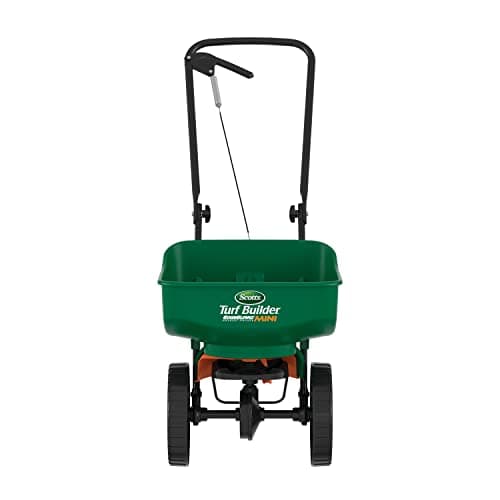
- Set your spreader: Calibrate your broadcast or drop spreader using the settings listed on your product bag (settings vary by brand and product). Test on a small area to ensure even distribution and coverage.
- Apply evenly: Walk at a steady pace, overlapping wheel tracks slightly but not doubling up. For problem areas, consider a split application: cover the area in two directions at half rate for even coverage.
- Granular vs. Liquid: Most Scotts Weed and Feed products are granular, but if using a liquid, mix and apply with a hose-end sprayer as instructed. Granular products are usually easier for DIYers to apply evenly.
- Calculate coverage: Scotts Turf Builder Weed and Feed 3 covers 5,000 sq ft per bag. Measure your lawn and only apply what is needed - excess product increases risk of burn and runoff.
Let's diagnose this step by step: If you notice streaks or patches after previous applications, the issue is usually uneven spreading or overlapping passes. Confirm by checking for "burn" lines or greener strips; recalibrate your spreader before the next application.
Post-Application Care
After application, wait at least 24 hours before watering to allow the herbicide to work on the leaf surface. Resume regular watering (aim for 1-1.5 inches per week) after this waiting period. Avoid mowing for 2-3 days post-application to prevent removing treated weed leaves prematurely.
Signs of successful weed control should appear within 2-4 weeks: weeds will curl, yellow, and die back, while grass should thicken and green up. If you see little to no improvement after this period, reassess your timing, weather conditions, and spreading technique.
Adjusting Application Frequency for Special Circumstances
High Weed Pressure or Problem Lawns
Some lawns with severe weed problems may require a second weed and feed application. Only do this if:
- At least 6-8 weeks have passed since the first application.
- Lawn shows no signs of fertilizer burn or herbicide stress.
- Weed pressure remains high and grass is actively growing.
Even in these situations, spot-treating with a selective herbicide is often safer and more effective than blanket reapplication. See The Best Selective Herbicides for Lawns for targeted options. Remember, each additional application increases potential for environmental impact and turf injury.
Newly Seeded or Sodded Lawns
It is critical NOT to apply any weed and feed product to newly seeded or sodded lawns. The herbicides in these products can damage tender grass shoots and roots, leading to thinning or even total loss. Wait until your lawn has been mowed at least 3-4 times and is fully established, usually 8-12 weeks after seeding or sodding, before considering weed and feed (and always check the label for specific waiting periods).
During establishment, focus on gentle fertilization, frequent light watering, and manual weed removal. For more on this, see guides on How to Seed a Lawn Successfully and Common Lawn Weeds and How to Remove Them.
Regional & Climate Considerations
Weather extremes demand adjustments to your weed and feed schedule. During drought, postpone applications until rainfall resumes and turf is actively growing. After heavy rains, wait for the soil to drain to avoid runoff and wasted product. In cooler climates with shorter seasons, like the Upper Midwest, stick to a single, well-timed spring application as our Regional Climate Data confirms the season is brief and unpredictable.
For USDA zones with longer growing seasons, you may have a broader window but should still avoid summer heat waves and winter dormancy periods. Always use local soil temperature and forecast as your guide, not just the calendar.
Integrating Scotts Weed and Feed Into a Complete Lawn Care Program
Scotts Weed and Feed Schedule: The 4-Step Annual Plan
Scotts Weed and Feed (Step 2) is designed to slot into the brand's 4-step annual program. Here is how the full-year schedule lines up and where your one or two weed and feed applications belong. Most lawns only need Step 2 once per year, spaced at least 6 to 8 weeks from any other treatment.
| Step | Product | When to apply | Purpose |
|---|---|---|---|
| Step 1 | Crabgrass Preventer + Fertilizer | Early spring, when soil reaches 55°F | Stops crabgrass before it sprouts and feeds early growth |
| Step 2 | Weed and Feed | Mid to late spring, weeds actively growing | Kills broadleaf weeds and feeds the lawn |
| Step 3 | SummerGuard | Early summer | Feeds and protects against heat and insects |
| Step 4 | WinterGuard | Fall | Builds root reserves for winter and spring green-up |
How Weed and Feed Fits With Fertilizer and Other Treatments
Weed and feed should be only one part of your lawn care program. Avoid applying it within 3-4 weeks of other high-nitrogen fertilizers to prevent nutrient overload. If planning core aeration, dethatching, or overseeding, schedule these tasks before your weed and feed application, as herbicides may inhibit new seed germination or root growth.
For timing with other treatments, see How Soon Can You Fertilize After Using Weed and Feed? and How to Control Grubs in Your Lawn (remember, products like Scotts GrubEx1 Season Long Grub Killer should be applied in a different window, not mixed with weed and feed treatments). Build your custom schedule around your lawn’s needs, not just the calendar.

Organic and Eco-Friendly Alternatives
There are times when skipping weed and feed is the best choice: if your lawn is newly seeded, if you are transitioning to organic management, or if you have a low-weed, established turf. In these cases, hand pulling, spot-treating, and improving soil health can be just as effective. See Organic Lawn Care Basics for a full rundown on sustainable practices, including corn gluten meal for pre-emergent weed control and compost-based fertilization.
Integrating organic methods reduces reliance on synthetic products and promotes long-term soil and turf health, but may require more patience and precision in your weed control efforts.
Common Mistakes to Avoid
Mistake #1: Skipping the Confirmation Test
Applying weed and feed without confirming your grass and weed types can lead to disaster. Some products are not safe for certain grasses (for example, St. Augustine and Centipede are sensitive to many broadleaf herbicides), and not all weeds are controlled by standard weed and feed blends. Always identify your dominant grass and main weed problems first, then select the right product for your lawn - see Common Lawn Weeds and How to Remove Them for ID tips.
Mistake #2: Poor Timing or Misreading Regional Guidelines
One of the most common errors is applying weed and feed too early, too late, or outside your region’s recommended window. Our Regional Climate Data shows, for example, that the Upper Midwest lawn care window is short, and missing it means wasted product and poor results. Applying before rain or during drought also reduces effectiveness and increases environmental risk.
Mistake #3: Safety and Application Errors
Overlapping spreader passes, not wearing gloves, and failing to keep pets or children off the lawn for the recommended period (usually until the product is dry or as specified on the label) are frequent oversights. Always use personal protective equipment and follow all label precautions to protect yourself and your family.
- Purdue Extension recommends calibrating your spreader before each application and only applying weed and feed when soil moisture is adequate and weeds are young and actively growing.
Conclusion
How often should you apply Scotts Weed and Feed? For most lawns, once per growing season is sufficient, with a rare second application only for severe weed pressure and always spaced at least 6-8 weeks apart. Timing is everything - tailor your applications to your grass type, regional climate, and the unique needs of your yard. Over-application risks damaging your lawn and the environment, while under-application leaves room for weeds to take hold.
Your next steps: Study How to Read Fertilizer Labels, Lawn Watering Best Practices, and How to Control Weeds Naturally to deepen your lawn care skills and build a truly healthy, resilient lawn. For those wanting the thickest, greenest turf on the block, understanding the "why" behind each product and timing is your best tool.
Related Scotts Guides
- Lawn Weed Control: The Complete Guide
- Lawn Fertilizing: A Complete Guide
- Scotts Weed and Feed Instructions: When, How & Settings (2026)
- How Long Does Scotts Weed and Feed Take to Work? (3-7 Days, Full Timeline)
- Can You Overseed After Applying Scotts Weed and Feed?
- Is Scotts Weed and Feed a Pre-Emergent? (Short Answer: No)
Top Picks
 Scotts Turf Builder Weed and Feed 3Check price on Amazon
 Scotts Turf Builder EdgeGuard Mini Broadcast SpreaderCheck price on Amazon
 MySoil Soil Test KitCheck price on Amazon
As an Amazon Associate we earn from qualifying purchases.
Free Lawn Care Tools
Apply Scotts Weed and Feed once per growing season for most lawns. Only use a second application if weed pressure remains high, and always wait at least 6-8 weeks between treatments.
Weed and feed your lawn once per growing season for most lawns, and no more than twice per year for Scotts products (other brands vary, so check your label). Space any second application at least 6 to 8 weeks after the first, and only make it if weed pressure is still heavy. Between applications, spot treat surviving weeds with a liquid broadleaf herbicide rather than blanketing the whole lawn again. Over-applying weed and feed risks fertilizer burn, herbicide buildup that blocks reseeding, and runoff into waterways.
Yes, you can apply weed and feed twice in the spring if weed pressure is heavy, but the Scotts label requires at least 30 days between applications (6-8 weeks is the safer spacing) and caps you at 2 applications per year. Keep in mind that a second spring round uses up your yearly allowance, so many lawns do better saving the second application for fall and spot treating stragglers with a liquid broadleaf herbicide in between.
Over-application can burn your lawn, cause nutrient runoff, and harm beneficial soil life. Always follow product label intervals and avoid more than two applications per year.
Most weed and feed products limit you to 2 applications per growing season, spaced at least 6 to 8 weeks apart. Always check the specific product label because some allow up to 3 applications and others cap at 1. The deeper rule is that frequency matters less than timing: a single well-timed application when broadleaf weeds are actively growing (60-90°F daytime temps) usually outperforms multiple poorly-timed treatments. Applying weed and feed too often can also burn the lawn, build up herbicide residue that blocks reseeding, and stress the grass before summer heat or winter dormancy.
Apply weed and feed in spring once broadleaf weeds are up and actively growing and daytime highs are in the 60-90°F range; fall is the second-best window for perennial weeds and cool-season root strength (check that your product is labeled for fall use). For cool-season grasses like Kentucky Bluegrass and Fescue, that usually means early to mid-spring when soil temps reach about 55°F. Pick a morning when the grass is damp with dew so granules stick to weed leaves, make sure 24-48 hours of dry weather follow, and skip drought-stressed, dormant, or heat-stressed lawns entirely.
For most lawns the answer is March through May, when weeds are actively growing and daytime highs sit between 60-90°F. Your region shifts that window: the Southeast can start as early as mid to late February, the Northeast runs roughly March 15 to April 15, and the Upper Midwest waits until April 15 to May 15 because of the late thaw. Fall is the backup month range for cool-season lawns if your product is labeled for it. Go by conditions, not just the calendar - soil temperature and active weed growth beat any fixed month.
No, do not apply weed and feed to new lawns. Wait until the grass has been mowed at least 3-4 times and is fully established, usually 8-12 weeks after seeding or sodding.
Wait at least 24 hours before watering and 2-3 days before mowing after application. This allows herbicides to be absorbed by the weeds for maximum effectiveness.
A typical Scotts Weed and Feed schedule lines up with their 4-step program: Step 1 (Crabgrass Preventer + Fertilizer) in early spring when soil hits 55°F, Step 2 (Weed and Feed) in mid to late spring once broadleaf weeds are actively growing, Step 3 (SummerGuard) in early summer for heat protection, and Step 4 (WinterGuard) in fall to build root reserves. Most lawns only need Step 2 once per year, and applications should always be spaced at least 6-8 weeks apart.
Scotts Weed and Feed feeds the lawn for about 6-8 weeks per application, with the herbicide portion staying active in plant tissue for roughly 2-4 weeks after application. You should see weeds yellowing within 1-2 weeks and dying off by week 3-4. After 8 weeks, both the fertilizer and the broadleaf control are largely spent, which is why most label directions cap frequency at 2 applications per year spaced at least 6-8 weeks apart.
Photos: Eric Schmidt / iNaturalist · CC BY 4.0, Masood Aslami / Pexels, Pascal Küffer / Pexels, Engin Akyurt / Pexels

Beat weeds and brown spots from your phone
Snap a photo, get the fix, and follow a plan timed to your soil and weather. Free on iPhone.