Best Weed and Feed for Bermuda Grass (2026 Guide)
 Sarah MitchellLawn Diagnostics Specialist | 12 Years
As an Amazon Associate we earn from qualifying purchases.
Battling weeds in your Bermuda grass lawn can feel like fighting an uphill battle. One week your turf looks lush and thick, and the next you're spotting dandelions, clover, or worse - patches of yellowing, thin grass where Bermuda should be thriving. The truth is, using the wrong weed and feed product can set your lawn back for months or even cause permanent damage. As new formulas hit the shelves for 2026, it's more important than ever to choose the best weed and feed for Bermuda grass based on your region, lawn age, and specific weed pressures. For the complete reference, see the Bermudagrass pillar guide.
Bermuda grass stands apart from other lawn types with its aggressive growth, drought resilience, and sensitivity to certain herbicides. Many homeowners get tripped up by confusing product labels, poorly timed applications, or using blends designed for cool-season grasses. The result? Weeds persist, or worse, the Bermuda suffers setbacks just as it's entering peak growth.
This 2026 guide cuts through the confusion. We’ll break down the science behind weed and feed for Bermuda, compare the year’s top-rated products, explain how to match the right blend to your lawn’s needs, and walk you through foolproof application techniques. I’ll also share advanced strategies for weed prevention and sustainable Bermuda care, plus the most common mistakes I see in the field - and how to avoid them.
If your Bermuda lawn is showing patches of weeds mixed with otherwise healthy grass, confirm the weed types present before applying any weed and feed product. Pull a few weeds and check for broadleaf shapes (like dandelions) or grassy weeds (like crabgrass) - this will guide your product choice. Verify that soil temps are above 65°F and your Bermuda is fully greened up before starting, as applying too early can harm the grass or reduce weed control.
The fix is to apply a weed and feed labeled specifically for Bermuda grass, using the correct rate for your lawn size and weed type. Avoid generic “Southern” lawn products unless they list Bermuda as safe, and never use weed and feed while Bermuda is dormant or newly seeded. Most results are visible within 2-4 weeks, but tough weeds may need a follow-up spot treatment. Don't mow for 2-3 days before or after application and keep kids and pets off until the label's re-entry time has passed.
How Weed and Feed Works for Bermuda Grass
Understanding Bermuda Grass Growth & Needs
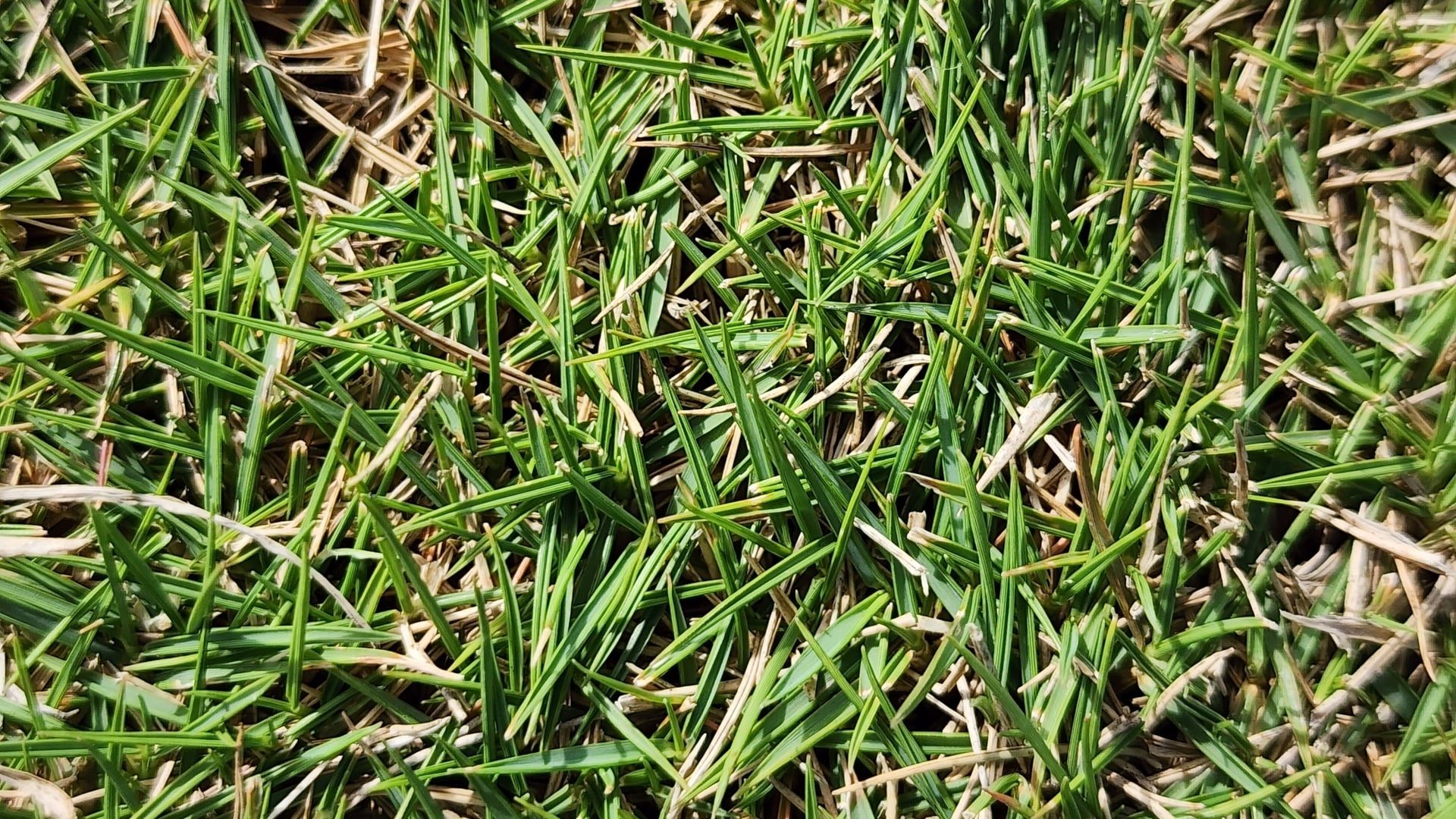
Bermuda grass is a warm-season powerhouse. Its dense, spreading habit comes from above-ground stolons and below-ground rhizomes, allowing it to recover quickly from damage and crowd out many weed species. But this aggressiveness also means Bermuda has high nutrient needs, especially for nitrogen, and is sensitive to some herbicides used in weed and feed products designed for other grass types.
Because Bermuda leans so hard on nitrogen, pairing your weed control with the right feeding program matters. If you want that feeding side dialed in, our guide to the best fertilizer for bermuda grass breaks the top picks down by NPK and season.
Unlike cool-season grasses that thrive in spring and fall, Bermuda peaks in summer heat. Weed and feed products must be matched to this growth cycle. Applying the wrong type, or at the wrong time, can stress Bermuda or let weeds escape control. The science behind these products combines two main tools: herbicides (to kill or prevent weeds) and fertilizers (to feed the grass). Herbicides may be pre-emergent (preventing weed seeds from sprouting) or post-emergent (killing existing weeds). Fertilizers can be quick-release for a fast green-up or slow-release for sustained feeding, which is especially important for Bermuda's long growing season.
Types of Weed and Feed Products
Weed and feed comes primarily in two forms: granular and liquid. Granular products are popular with homeowners for their ease of application using a broadcast or drop spreader. Liquids can offer faster absorption and are often better for spot-treating specific weed outbreaks. For Bermuda grass, both can be effective, but granulars are generally preferred for full-lawn coverage and ease of use.
There’s also a distinction between pre-emergent and post-emergent weed and feed. Pre-emergent formulas prevent weeds like crabgrass from germinating, while post-emergent blends target weeds already present. Bermuda lawns benefit from both, but timing is crucial. Organic weed and feed products typically use corn gluten meal for pre-emergent control and natural fertilizers, but their effectiveness on established weeds is limited. Synthetic options offer stronger weed control but carry more risk of turf injury and environmental impact if misapplied.
Safety is a growing concern, especially for homes with pets and kids. Look for products labeled as pet-safe or with minimal runoff risk. Some formulas are also designed to protect pollinators by avoiding ingredients harmful to bees and beneficial insects. Always check the label, as not every weed and feed is safe for every situation.
Factors to Consider When Choosing the Best Weed and Feed for Bermuda Grass
Key Ingredients & Their Functions
Not all weed and feed blends are safe for Bermuda grass. The active herbicides matter most. Common post-emergent options include 2,4-D, Dicamba, and Quinclorac, which control broadleaf weeds (like dandelion and clover) and some grassy weeds (like crabgrass). Atrazine is another common herbicide, but it can damage Bermuda if used at the wrong rate or timing. For pre-emergent control, dithiopyr and prodiamine are safe and effective for crabgrass and annual weed prevention in Bermuda lawns.
Fertilizer ratios are another critical consideration. Bermuda thrives on nitrogen, so look for high first numbers in the N-P-K (Nitrogen-Phosphorus-Potassium) analysis - often in the range of 24-0-10 or similar. Some blends include iron for deep green color and micronutrients to address trace deficiencies. Additives like weed preventers or humic acid can boost results but aren’t substitutes for proper main ingredients.
Reading the Label: What Matters for Bermuda Lawns
Labels are your first line of defense against lawn damage. Always look for “Bermuda safe” or “for use on Bermuda grass” on the front and back of the package. Some herbicides are selective (targeting weeds but sparing Bermuda) while others can cause yellowing or stunting. Avoid products with herbicides intended for centipede, St. Augustine, or zoysia unless specifically listed as safe for Bermuda.

Check the recommended application rate (often given in pounds per 1,000 square feet) and the total area each bag or bottle covers. Applying too little means poor weed control, while too much risks burning your Bermuda or causing runoff. Coverage is especially important for granular products - for example, a typical bag might cover 5,000 square feet. Double-check the weed list on the label to ensure your target weeds are included.
Seasonal Timing: When to Apply Weed and Feed for Maximum Effect
Timing is everything. For pre-emergent weed and feed, apply in early spring when soil temperatures reach 55°F for several days in a row (often late February to March in the Deep South, March to April in the transition zone). For post-emergent control, wait until Bermuda is fully out of dormancy and actively growing, with soil temperatures above 65°F - typically late spring through early summer. Applying too early can stress dormant Bermuda or be wasted on weeds not yet germinated.
Regional climate matters as well. Coastal and arid regions may see earlier or later green-up. Always avoid weed and feed during extreme heat (above 90°F) or drought, as this can burn Bermuda and reduce herbicide effectiveness. If you’re not sure, use a soil thermometer at 2-inch depth to check for the right timing window.
- NC State Extension recommends applying pre-emergent herbicide when soil temperatures consistently reach 55°F, and post-emergent weed and feed only after Bermuda is fully greened up in spring.
2026’s Top-Rated Weed and Feed Products for Bermuda Grass
Comprehensive Comparison Table
Here’s a breakdown of the leading products for Bermuda grass in 2026. This table compares key features, so you can quickly match the best weed and feed to your lawn’s needs.
| Product | Features | N-P-K | Herbicides | Coverage | Price Range | User Rating |
|---|---|---|---|---|---|---|
| Scotts Turf Builder Weed & Feed Southern Triple Action (2026) | Kills broadleaf weeds, prevents crabgrass, feeds Bermuda | 29-0-10 | 2,4-D, MCPP, Pendimethalin | 4,000-5,000 sq ft | $$ | 4.5/5 |
| Pennington UltraGreen Southern Weed & Feed | Broadleaf control, slow-release feeding, added iron | 34-0-4 | 2,4-D, Dicamba | 5,000 sq ft | $$ | 4.3/5 |
| Lesco Bermuda Lawn Weed & Feed Pro | Professional-grade, high N, fast green-up | 24-0-11 | Triclopyr, Quinclorac | 10,000 sq ft | $$$ | 4.6/5 |
| Espoma Organic Weed Preventer Plus Lawn Food | Organic, safe for kids/pets, pre-emergent only | 9-0-0 | Corn Gluten Meal | 2,500 sq ft | $$ | 4.0/5 |
| BioAdvanced Bermudagrass Weed & Feed Liquid (2026) | Liquid, rainfast in 1 hour, targets tough weeds | 25-0-2 | 2,4-D, Quinclorac | 5,000 sq ft | $$ | 4.4/5 |
Detailed Reviews of the Best Weed and Feed for Bermuda Grass (2026)
Scotts Turf Builder Weed & Feed Southern Triple Action (2026)
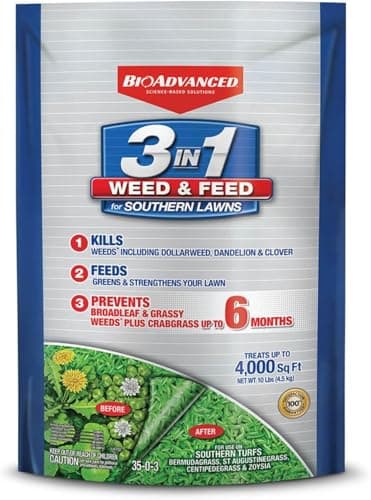
This perennial favorite gets high marks for its triple-action formula: it feeds Bermuda grass, kills broadleaf weeds (like dandelion, dollarweed, and clover), and prevents crabgrass all in one step. The 29-0-10 ratio provides a strong nitrogen boost for rapid green-up. Its granular design makes it easy for homeowners to apply evenly with a typical broadcast spreader. The main herbicides - 2,4-D and MCPP - are safe for established Bermuda when applied at label rates, while Pendimethalin offers pre-emergent crabgrass protection.
The main drawback is that it’s not ideal for lawns with heavy infestations of grassy weeds already established, as it’s less effective post-emergence on crabgrass. This product is best for established Bermuda lawns (at least one full growing season old) with a mix of broadleaf weeds and a need for routine spring feeding. Avoid using on newly seeded or sodded Bermuda (wait 3-6 months).
Pennington UltraGreen Southern Weed & Feed
Pennington’s UltraGreen is a strong contender for those seeking a slow-release nitrogen source (34-0-4) and added iron for deep color. It uses 2,4-D and Dicamba - both effective on a wide array of broadleaf weeds. The slow-release formula means less risk of burning and longer-lasting feeding, which matches Bermuda’s sustained summer growth. It’s a good pick for lawns with persistent clover, dandelion, or plantain, but less so for heavy crabgrass outbreaks.
This product stands out for its easy-to-read coverage instructions and fast visual results (often within 2 weeks). It’s best suited for established Bermuda grass, especially in the transition zone or Deep South where iron deficiencies are common. Not ideal for brand-new lawns or for those wanting organic solutions.
Lesco Bermuda Lawn Weed & Feed Pro
Lesco’s pro-grade blend is my top choice for heavy weed pressure or for homeowners who want a real “golf course” look. Its 24-0-11 N-P-K is balanced for aggressive feeding, while the inclusion of Triclopyr and Quinclorac tackles both broadleaf and grassy weeds - including young crabgrass. This product covers twice as much area per bag as most competitors, making it a value for large Bermuda lawns.
The trade-off is a higher price and the need for careful application. Lesco is best used with a calibrated spreader and on lawns that are actively growing, not dormant or newly seeded. It’s ideal for experienced DIYers or those who want maximum weed control with minimal repeat treatments.
Honorable Mentions / Alternatives
For organic and pet-safe needs, Espoma Organic Weed Preventer Plus Lawn Food uses corn gluten meal as a pre-emergent. It’s safe for use around kids and pets but won’t control established weeds - use it for preventing new outbreaks. For those seeking liquid options, BioAdvanced Bermudagrass Weed & Feed Liquid (2026) delivers post-emergent control and is rainfast within an hour, making it suitable for regions with unpredictable spring showers. Specialty products are available for heavy clay soils or for turf with unique micronutrient needs - always match product features to your specific lawn.
Step-by-Step Guide: How to Apply Weed and Feed to Bermuda Grass
Pre-Application Checklist
Let’s diagnose this step by step before you reach for the spreader:
- Check lawn health: Is your Bermuda fully green or still showing yellow/tan dormancy? Only apply weed and feed when at least 80% of the lawn is greened up.
- Inspect for recent treatments: Wait at least 4 weeks after seeding, sodding, or previous herbicide applications before using weed and feed.
- Mow and water: Mow 2-3 days before application to the recommended height (1-1.5 inches), and ensure the lawn is slightly damp but not saturated.
- Identify weeds: Pull samples of broadleaf (dandelion, clover) and grassy weeds (crabgrass, goosegrass, sedges) to match your product choice.
Application Instructions
For granular products: Use a calibrated broadcast or drop spreader. Set the spreader to the manufacturer’s recommended setting (usually found on the bag) and walk at a steady pace, overlapping slightly for even coverage. Apply when the lawn is moist to help granules stick to weed leaves, but avoid soaking wet conditions.
Water in as directed: most granular weed and feed for Bermuda requires light watering (0.25-0.5 inches) within 24 hours, but some post-emergent formulas need to remain dry for 24 hours before watering. Read the label carefully.
For liquid products: Mix according to label directions. Use a hose-end or pump sprayer for even distribution. Calibrate the sprayer to deliver the correct amount per 1,000 square feet - too little won’t control weeds, too much risks injury. Spray on a calm day with temps below 85°F to reduce drift and stress.
Safety: Wear gloves, long sleeves, and eye protection. Keep children and pets off the lawn until the label’s reentry interval passes - usually 24-48 hours for most products. Avoid overspray near vegetable gardens or flower beds, as some herbicides can drift and injure non-target plants.
Weather & timing: Apply when no rain is forecast for 24 hours (unless label directs watering in). Avoid applications during windy or excessively hot days. For best results, treat in the morning or late afternoon when grass is not under heat stress.
Post-Application Care
After applying weed and feed:
- Watering: Follow label instructions, but most products require light irrigation within 24 hours. Avoid heavy watering that could cause runoff.
- Mowing: Wait 2-3 days after application before mowing again, to allow herbicides to fully absorb into weeds.
- Monitoring: Watch for weed curling, yellowing, or death within 7-14 days. If weeds persist after 3 weeks, spot-treat with a compatible post-emergent herbicide.
- Signs of stress: If you see yellowing of Bermuda blades or stunted growth, water deeply (1 inch) to flush excess fertilizer and reduce stress. If symptoms persist, contact your local extension office for diagnosis.
- Contact your local extension office for region-specific weed and feed recommendations and application timing.
Advanced Tips for Bermuda Grass Weed and Feed Success
Integrating Weed and Feed with a Year-Round Bermuda Care Program
Weed and feed is just one piece of Bermuda grass management. For best results, use pre-emergent weed control in early spring, followed by a post-emergent weed and feed after green-up. Aeration and dethatching in late spring or early summer can improve fertilizer uptake and root growth. Overseeding with Bermuda (or rye, if desired for winter color) should be done outside of herbicide windows to avoid injury.
Rotate products year to year if possible to prevent herbicide resistance. For example, alternate between products with 2,4-D and those with Quinclorac or Triclopyr. This reduces the risk of resistant weed populations building up in your lawn.
Dealing with Tough or Resistant Weeds
Some weeds, like sedges, crabgrass, or oxalis, are notoriously difficult to control with standard weed and feed. Spot-treat these areas with a targeted post-emergent herbicide labeled for Bermuda grass. For crabgrass, if you miss the pre-emergent window, use a product containing Quinclorac for post-emergent control.

If weeds persist after two applications, switch to a different herbicide class or combine mechanical removal (hand-pulling, digging) with chemical control. Monitor for new weed seedlings every 10-14 days throughout the growing season. For more details, see Common Lawn Weeds and How to Remove Them and How to Kill Crabgrass and Prevent It from Returning.
Caring for New vs. Established Bermuda Lawns
New Bermuda sod or seed is highly sensitive to weed and feed. Wait at least 8 weeks after sodding or 3 months after seeding before applying any weed and feed product. Use half the labeled rate for the first application on new lawns, and avoid any products containing strong herbicides until the turf is well-established.
Once Bermuda is dense (after the first full growing season), you can transition to full-rate, routine weed and feed applications. Use a lighter hand if your lawn is recovering from renovation or drought stress.
Recovering a Bermuda Lawn You Damaged
Fertilizer burn, herbicide injury, or a double-overlapped pass can leave browning leaf tips, wilt, or outright dead spots, usually showing up 1 to 3 days after application. Irrigate right away with about 1 inch of water to flush the excess through the root zone, then leave the lawn alone: no mowing and no further feeding until you see new green growth.
For larger bare areas, overseed with Bermuda once the herbicide interval on the label has passed, and topdress with a thin layer of compost or sand to hold seed-to-soil contact. Recheck soil pH, and hold off on any further weed and feed until the lawn has clearly recovered, which normally takes 3 to 6 weeks.
If the lawn fails to respond after two properly timed weed and feed cycles, or you are seeing widespread dieback, heavy thatch, or disease symptoms, bring in a turf professional who works with warm-season grass. Ask about their diagnostic process, not just their treatment plan.
Regional and Seasonal Nuances for Bermuda Grass Weed and Feed (2026)
Adapting to Different Climates
Bermuda grass grows from the Deep South up through the transition zone, each with unique challenges. In the Deep South, warm springs mean earlier green-up and an earlier window for pre- and post-emergent weed and feed (as early as February or March). In the transition zone (mid-South, lower Midwest), Bermuda may not green up until April - wait until at least 80% green before treating. Coastal regions often face salt spray and humidity, so select products with added micronutrients and iron to combat chlorosis.
Arid regions require blends with slow-release nitrogen to avoid burn and support steady growth. For overseeded Bermuda (with ryegrass for winter color), avoid weed and feed until the Bermuda resumes dominant growth in late spring, as many herbicides will damage rye and other cool-season grasses.
Weather-Driven Application Strategies
Rain, drought, and heat waves all impact weed and feed timing. Never apply before heavy rain is forecast, as this can cause runoff and waste product. In drought, water your Bermuda deeply (1 inch) a day or two before application to reduce stress. If a heat wave hits (temps above 90°F for several days), postpone weed and feed until cooler weather returns.
If surprise rain interrupts your application, check the label - some products require reapplication, while others remain effective after light showers. Always prioritize label guidance over generic advice.
Common Mistakes to Avoid with Bermuda Grass Weed and Feed
The symptom you're seeing usually points to one of a few things - and many guides miss these critical pitfalls:
- Misreading product labels: Using a weed and feed not labeled for Bermuda is the fastest way to cause yellowing, stunting, or even dead patches. Confirm the label says “safe for Bermuda grass” before use.
- Poor timing: Applying weed and feed too early in spring (before Bermuda greens up) or too late in fall (when grass is slowing down) reduces control and can stress your turf.
- Improper rates: Guessing spreader or sprayer settings often leads to burned or missed spots. Calibrate your equipment using the manufacturer’s instructions and test on a small area first.
- Skipping weed ID: Not confirming which weeds are present can result in choosing the wrong herbicide. For example, some products won’t touch grassy weeds like crabgrass - always check first.
- Ignoring safety protocols: Failing to keep pets and children off treated areas, or not following reentry intervals, can pose health risks. Always respect label directions.
- One-size-fits-all schedules: What works in Florida may not work in Oklahoma. Adjust your timing and product choice for your specific region, soil, and climate.
Understanding why these mistakes happen helps you prevent them next time - leading to a thicker, greener Bermuda lawn with fewer weeds and less frustration.
Conclusion
Choosing the best weed and feed for Bermuda grass in 2026 comes down to matching the right product, timing, and application method to your specific lawn needs. Pay close attention to label details and regional timing windows, and always confirm your target weeds before treating. With careful diagnosis and precision, you’ll not only control weeds but also set your Bermuda up for a season of vigorous growth and rich green color.
For more in-depth Bermuda care strategies, check out related guides like How to Overseed Bermuda Grass, Best Pre-Emergent Herbicides for Bermuda Lawns, and How Often to Fertilize Bermuda Grass. If you’ve found success (or run into roadblocks), share your results or questions - and keep exploring advanced Bermuda grass solutions for the healthiest lawn on the block.
Free Lawn Care Tools
Apply weed and feed when Bermuda grass is fully greened up and soil temperatures are above 65°F—usually late spring. For pre-emergent formulas, apply in early spring when soil temps reach 55°F.
No, only use weed and feed products labeled as safe for Bermuda grass. Some herbicides in generic products can damage or kill Bermuda, so always check the label carefully.
If weeds persist 2-3 weeks after application, spot-treat remaining areas with a compatible post-emergent herbicide labeled for Bermuda. Reapply only if the label allows and confirm correct weed identification.
Organic weed and feed, usually made with corn gluten meal, can prevent some weed seeds from germinating but is less effective on established weeds. It's a safe option for prevention but may require supplemental treatments.
Wait 2-3 days after application before mowing to allow the herbicide to fully absorb into the weeds. Always follow the product label for specific guidance.
No, avoid weed and feed on new Bermuda lawns for at least 8 weeks after sodding or 3 months after seeding. Young Bermuda is sensitive to herbicides and high fertilizer rates.
Our Grass Database puts Bermuda at 3.5 lbs of nitrogen per 1,000 sq ft per year, best split roughly 20% in spring, 60% through summer, and 20% in fall. Count the nitrogen in your weed and feed toward that total so you do not overfeed.

Your lawn plan, in your pocket all season
Grass ID, a season plan, soil-timed reminders, and a lawn journal that remembers what you did. Free on iPhone.