Best Weed and Feed for St. Augustine Grass (2026)
 Sarah MitchellLawn Diagnostics Specialist | 12 Years
As an Amazon Associate we earn from qualifying purchases.
Frustrated with persistent weeds and patchy St. Augustine grass? You’re not alone. As we head into 2026, finding the best weed and feed for St. Augustine grass is more important than ever, especially with new product formulations and evolving environmental regulations shaping what’s available for your lawn. St. Augustine grass, prized for its lush, carpet-like look, can be surprisingly sensitive-many homeowners struggle with the right balance between effective weed control and healthy feeding. Choosing an off-the-shelf product not labeled for St. Augustine often leads to stunted growth or even severe damage. For the complete reference, see the St. Augustinegrass pillar guide.
This comprehensive guide dives deep into the best weed and feed products for St. Augustine grass in 2026. I’ll review new and proven formulations, step-by-step application techniques, troubleshooting for stubborn weed problems, and expert tips for thriving, weed-free St. Augustine all year.
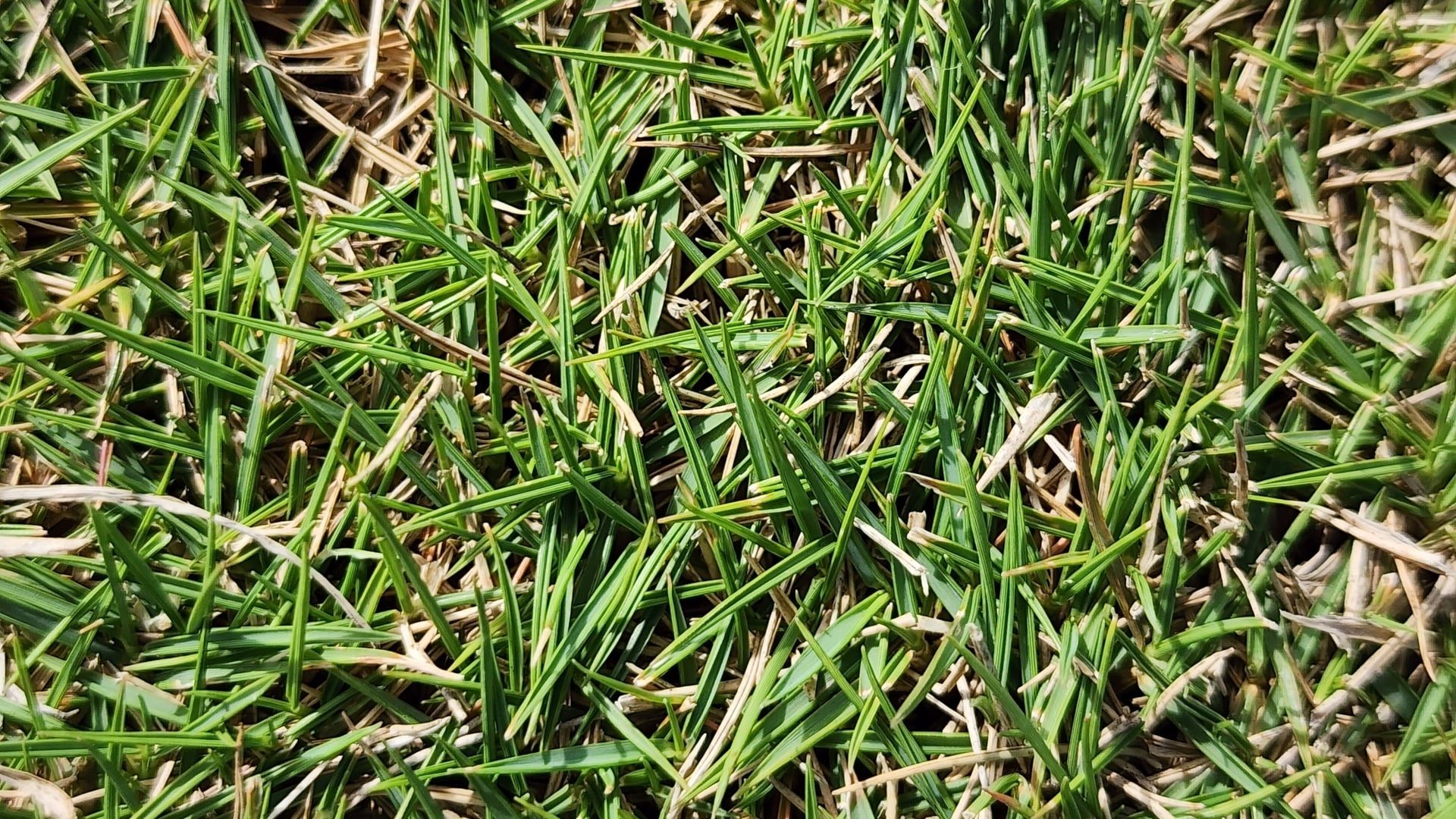
If you’re seeing thin, patchy St. Augustine grass with clusters of broadleaf or grassy weeds, start by confirming your grass type-St. Augustine’s wide, flat blades and dense runners are distinctive. To verify, gently tug at a runner; if it lifts with visible stolons, you have St. Augustine. For weed and feed, use only products clearly labeled as safe for St. Augustine-others may cause yellowing or dieback within days.
Apply granular weed and feed in late spring after full green-up, when weeds are actively growing and the grass is out of dormancy. Avoid applying to stressed or dormant grass, and never use products containing atrazine or 2,4-D unless the label lists St. Augustine compatibility. Results typically show in 10-21 days, but avoid mowing for 2-3 days after application and delay watering if the product requires it. Repeat only as the label directs-over-application can burn or thin your lawn.
Understanding St. Augustine Grass and Its Unique Needs
Let’s diagnose this step by step. St. Augustine grass (Stenotaphrum secundatum) is widely chosen in warm, humid regions for its lush texture and high shade tolerance. It spreads by thick stolons, forming a dense, carpet-like mat that can crowd out many weeds-if properly maintained. However, it’s also highly sensitive to herbicides and fertilizer rates, making it less forgiving than other warm-season grasses.
Our Grass Database recommends 3 lbs of nitrogen per 1,000 sq ft annually for St. Augustinegrass, split across spring, summer, and fall. Apply the first feeding in late spring, after the grass greens up. Unlike Bermuda or Zoysia, St. Augustine prefers a higher mowing height (2.5-4 inches) and needs moderate, consistent moisture-without it, you’ll see thinning or browning, especially during summer stress.
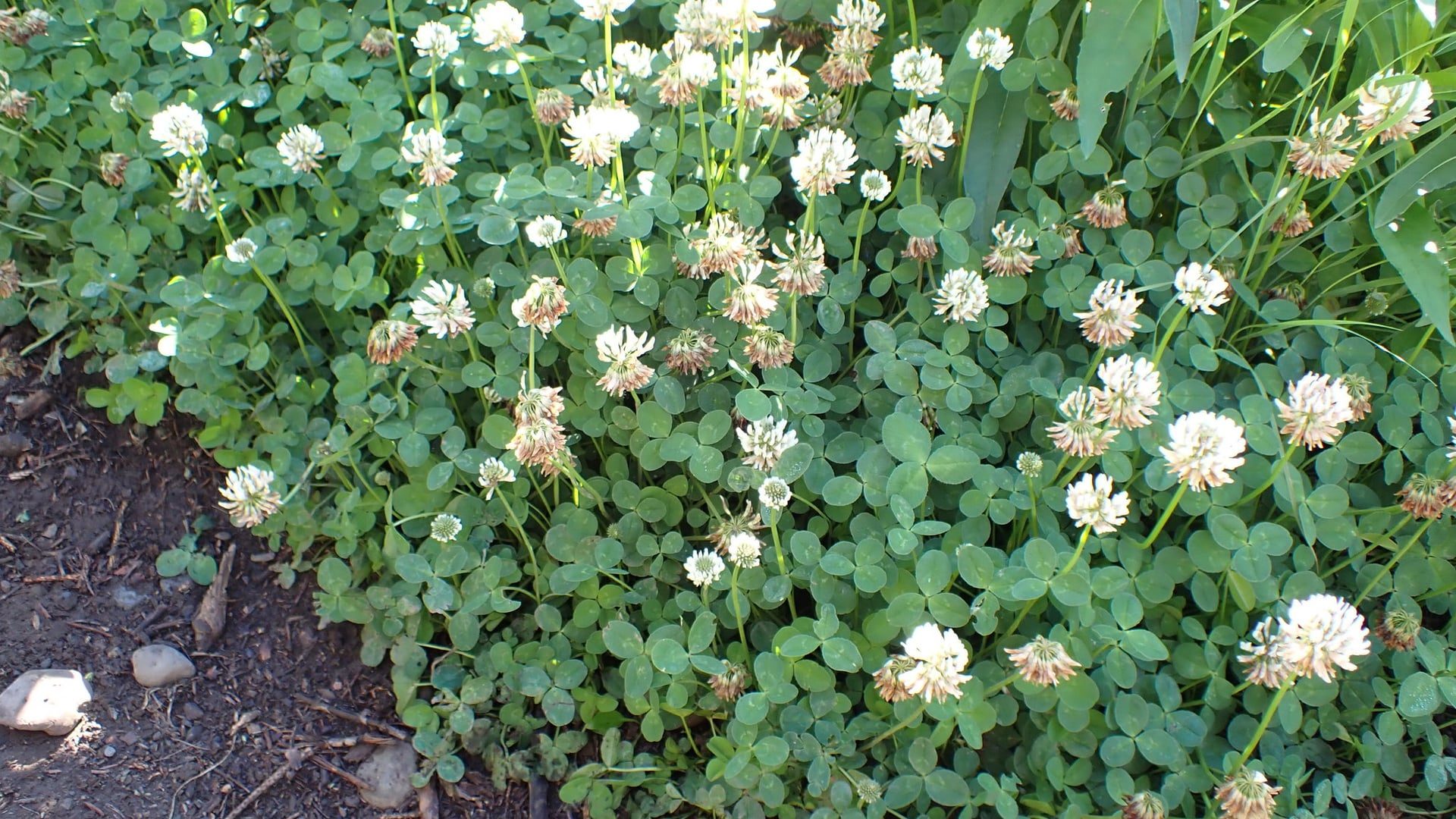
Common weed threats for St. Augustine include crabgrass, dollarweed, sedges (like nutsedge), spurge, and clover. These weeds thrive in thin or poorly fed lawns and can quickly spread if not addressed with targeted products. St. Augustine enters dormancy from November to March, making it especially vulnerable to over-fertilization or herbicide damage outside its active growth period.
How St. Augustine Differs from Other Warm-Season Grasses
St. Augustine’s unique needs set it apart from other warm-season grasses like Bermuda, Zoysia, and Centipede. It prefers a soil pH of 6.0-7.5 and relies on shallow root systems (typically 4 inches deep). Its nutrient uptake is less aggressive than Bermuda, which means too much fertilizer-or the wrong type-can burn or stress the turf.
Herbicide sensitivity is another critical difference. Many broadleaf and grassy weed killers that are safe for Bermuda or Zoysia can severely damage St. Augustine. For example, high concentrations of 2,4-D and certain sulfonylurea herbicides can leave your lawn yellowed, stunted, or dead. Always check that a product is specifically labeled safe for St. Augustine before use.
Compared to Bermuda (which tolerates low mowing and heavy traffic), St. Augustine does best with a higher cut and less foot traffic. Centipede grass, often grown in similar climates, needs even less fertilizer and is more sensitive to phosphorus, but Centipede is generally less susceptible to brown patch than St. Augustine. Understanding these nuances helps you avoid common mistakes and select the right weed and feed for your lawn.
How Weed and Feed Products Work (2026 Advances)
Weed and feed products combine selective herbicides (to kill weeds) with fertilizer (to feed your grass) in a single application. In 2026, advances in formulations have improved both safety and efficacy for St. Augustine lawns. Most products are available in granular or liquid forms, with new pet-safe and slow-release options reflecting tighter environmental standards.
Key active ingredients safe for St. Augustine include atrazine (at labeled rates), metsulfuron-methyl, and certain newer herbicide blends like penoxsulam. These ingredients target broadleaf weeds (like dollarweed and clover) and some grassy weeds (like crabgrass) without harming St. Augustine-when applied as directed. On the fertilizer side, products often feature a balanced NPK ratio with slow-release nitrogen, plus added micronutrients (like iron or manganese) to enhance color and root health.
Environmental and regulatory updates for 2026 have led to new bans on some older chemistries and expanded requirements for runoff reduction and pet safety. Many brands now offer OMRI-listed (organic) or low-phosphorus options in response to water quality regulations. Always review the label for local restrictions-especially in coastal areas or regions with strict fertilizer laws.
The Science Behind Selective Herbicides and Fertilizers
Selective herbicides are designed to target specific weed species without harming desirable turf. For St. Augustine, this means using chemicals that disrupt weed growth cycles but leave the grass unharmed. For example, atrazine is absorbed primarily by roots and shoots of broadleaf weeds but is tolerated by established St. Augustine when used at labeled rates. However, using the wrong concentration or applying to newly sodded lawns can result in injury.

Fertilizers in weed and feed products are typically a blend of slow-release and quick-release nitrogen. Slow-release forms feed the grass steadily over weeks, reducing the risk of burn and promoting even growth, while quick-release forms provide an initial green-up. Micronutrient enhancements, like added iron, support color without promoting excessive top growth that can increase disease risk.
Factors to Consider When Choosing the Best Weed and Feed for St. Augustine Grass (2026)
Selecting the best weed and feed for St. Augustine grass in 2026 requires more than picking the most popular bag at the store. You need to assess your lawn’s current weed pressure, nutrient status, and overall health. If your lawn is mostly healthy but dotted with a few weeds, a lighter application or even spot treatment may suffice. If it’s thin and overrun, a full-coverage weed and feed may be warranted-but only with a product labeled for St. Augustine.
Reading product labels is essential. Look for explicit statements like “Safe for St. Augustinegrass” or “For use on St. Augustine lawns.” Avoid products that are formulated for cool-season grasses or list only Bermuda, Zoysia, or Fescue. Organic options in 2026 have improved, offering chelated iron and low-burn nitrogen sources, but most organic weed-and-feed products rely on corn gluten meal (a pre-emergent, not post-emergent weed killer) and may not be as effective on established weeds.
Climate and regional factors are critical. Our Regional Climate Data shows that the Southeast pre-emergent window is February 15-March 15, while Texas and Florida often see earlier soil warm-up. Humid Gulf Coast areas may require more frequent applications due to extended weed germination windows, while drier inland regions should time applications around rainfall and drought conditions.
Matching Product to Season and Lawn Condition
Timing is everything. For pre-emergent weed control (targeting seeds before they sprout), apply products in late winter or early spring when soil temps hit 55°F for several days. Post-emergent weed and feed is best applied in late spring after green-up and when weeds are actively growing (usually April to May in the Southeast, March on the Gulf Coast). Avoid applications during dormancy (November-March), as St. Augustine cannot absorb nutrients or recover from herbicide stress then.
Newly sodded St. Augustine lawns are especially sensitive. Wait at least 60-90 days after installation before applying any weed and feed product, and confirm root establishment with a gentle tug test. For established lawns, align applications with the grass’s peak growth: May through September, according to our Grass Database, with the highest fertilizer rates in summer (55% of annual nitrogen).
Loading Herbicide Timing Calculator...
Top 2026 Weed and Feed Products for St. Augustine Grass: In-Depth Reviews
To identify the best weed and feed for St. Augustine grass in 2026, I evaluated dozens of products based on safety, weed control spectrum, fertilizer quality, price, availability, and user feedback. Below are my top picks, including both traditional and eco-friendly options. Each has been vetted for St. Augustine compatibility and balanced performance.
Product 1: Scotts Turf Builder Southern Triple Action
Features: This granular product combines a post-emergent broadleaf weed killer (atrazine), crabgrass pre-emergent, and slow-release fertilizer. It’s specifically labeled for St. Augustine, centipede, and zoysia lawns.
Ideal Use Cases: Best for established St. Augustine lawns with mixed weed issues, especially in the Southeast and Gulf Coast. Apply in late spring after green-up.
Pros: Controls dollarweed, clover, oxalis, and prevents new crabgrass. Delivers steady nitrogen for 6-8 weeks. Reliable green-up. Widely available.
Cons: Not for use on newly sodded lawns (wait 60+ days). Contains atrazine, so check local restrictions. May require follow-up for sedges and tough perennial weeds.
User Testimonial: “After two weeks, most of my dollarweed was gone, and my St. Augustine looked greener than it has in years.”
Product 2: Pennington Ultragreen Southern Weed & Feed 34-0-4
Features: Contains slow-release nitrogen, iron, and metsulfuron-methyl for broadleaf weed control. Designed for Southern lawns, with explicit labeling for St. Augustine.

Ideal Use Cases: Effective for lawns struggling with broadleaf weeds like spurge, chickweed, and clover. Best applied in late spring or early summer when weeds are actively growing.
Pros: High nitrogen content for lush growth. Iron for deep green color. Pet- and child-safe after watering in. Good value per sq ft.
Cons: Not a pre-emergent; won’t prevent crabgrass. May not fully control sedges or grassy weeds. Follow-up spot treatment may be needed.
User Testimonial: “Handled stubborn clover and gave my lawn a real boost. No yellowing or burn on my St. Augustine.”
Product 3: Espoma Organic Weed Preventer Plus Lawn Food
Features: Corn gluten meal-based organic formula, safe for children and pets immediately after application. Provides slow-release nitrogen but is a pre-emergent only-won’t kill existing weeds.
Ideal Use Cases: For homeowners seeking an eco-friendly option to prevent new annual weeds (crabgrass, dandelion) and feed the lawn. Apply in early spring before soil temps hit 55°F.
Pros: OMRI-listed, safe for all ages and pets, won’t burn grass. Adds organic matter to soil.
Cons: Only prevents (does not kill) weeds. Results vary; not effective for established weed infestations. Higher cost per application.
User Testimonial: “My lawn has fewer weeds each year, and I love that it’s safe for the kids and dog to play right after.”
Product 4: BioAdvanced Southern Weed & Feed 3-in-1
Features: Combines post-emergent broadleaf weed control (2,4-D, dicamba) with slow-release fertilizer. Labeled for St. Augustine, but always confirm with a patch test.
Ideal Use Cases: For lawns with tough weeds like dollarweed, dandelion, and plantain. Apply after full green-up and only to healthy, established turf.
Pros: Broad weed spectrum, long-lasting green-up, easy to spread.
Cons: Not for newly sodded lawns or when temps exceed 85°F. Risk of injury if over-applied or applied to stressed grass.
User Testimonial: “Worked great on the weeds, but I had to be careful-followed the label exactly to avoid any damage.”
The table below summarizes key features for each product:
| Product | Active Ingredients | Application Rate | Coverage (sq ft) | Price Range | Pet Safety |
|---|---|---|---|---|---|
| Scotts Southern Triple Action | Atrazine, pre-emergent, NPK | 4.0 lbs/1,000 sq ft | 4,000-5,000 | $$ | Safe after watering in |
| Pennington Ultragreen 34-0-4 | Metsulfuron-methyl, NPK, Fe | 3.5 lbs/1,000 sq ft | 5,000 | $$ | Safe after watering in |
| Espoma Organic | Corn gluten meal (natural pre-emergent) | 20 lbs/1,000 sq ft | 2,500-5,000 | $$$ | Safe immediately |
| BioAdvanced 3-in-1 | 2,4-D, dicamba, NPK | 3.2 lbs/1,000 sq ft | 4,000 | $$ | Safe after drying |
How These Products Stack Up Against Each Other
Effectiveness varies based on weed species, timing, and lawn conditions. Scotts Southern Triple Action offers the broadest control-especially for dollarweed and crabgrass-while Pennington Ultragreen excels at boosting color and handling broadleaf weeds. Espoma Organic is the top pick for prevention and eco-safety but won’t address existing infestations. BioAdvanced 3-in-1 is aggressive on tough weeds but requires careful use to avoid St. Augustine injury, especially in hot weather or on stressed lawns.
Oregon State University research shows that maintaining proper mowing height is the single most effective weed prevention strategy, Scotts and Pennington are reliable for most St. Augustine lawns with mixed weed pressure, while Espoma is best for proactive, organic-focused homeowners. BioAdvanced is a good backup when standard options fail, but always patch-test first. Reapplication intervals range from 8-12 weeks, depending on product and rainfall.
Prefer the classic Scotts option? Scotts Bonus S Southern Weed and Feed is the atrazine-based bag built specifically for St. Augustine; see our Scotts Bonus S instructions and timing guide for exactly when and how to apply it.
Step-by-Step Guide: How to Apply Weed and Feed to St. Augustine Grass
Applying weed and feed to St. Augustine grass correctly is crucial-missteps can cause injury or waste your efforts. Here’s the step-by-step process I recommend, based on 12 years of hands-on diagnostics:
Pre-application Checklist
- Check that your grass is actively growing (full green-up, not dormant)
- Mow to 2.5-3 inches, then remove clippings and debris
- Water lawn lightly 1-2 days before application if soil is dry
- Review weather: avoid rain for 24-48 hours after applying (unless label says to water in)
- Confirm product compatibility-read the label for St. Augustine safety
Step 1: Timing Your Application for Maximum Impact
Apply granular weed and feed in late spring (April-May in the Southeast, March-April in Florida/Gulf) after the grass has fully greened up and weeds are actively growing. Avoid applying during drought, heat stress, or just before heavy rain. For organic pre-emergent (like Espoma), apply in early spring before soil temperatures hit 55°F.
Step 2: Calculating and Measuring Product for Your Lawn Size
Determine your lawn’s square footage (length x width), then divide by 1,000 to calculate application rate. For example, a 4,000 sq ft lawn with a product labeled “4 lbs per 1,000 sq ft” requires 16 lbs total. Use a scale to measure the correct amount.
Step 3: Evenly Applying Granular vs. Liquid Weed and Feed
For granular products, use a broadcast or drop spreader. Start along the lawn’s perimeter, then fill in with overlapping passes in a crisscross pattern. For liquid, use a hose-end or backpack sprayer, walking at a steady pace to ensure even coverage. Always calibrate your equipment beforehand.
Step 4: Watering In (or Not) - Product-Specific Instructions
Some products require watering in immediately to activate the fertilizer and help herbicide reach weed roots (e.g., Scotts Southern Triple Action). Others, especially those targeting leaf uptake (like Pennington Ultragreen), need to remain on the foliage for 24-48 hours before watering. Check your product’s instructions carefully.
Step 5: Post-application Care
- Keep children and pets off the lawn until the product has been watered in and the grass is dry
- Avoid mowing for 2-3 days after application
- Monitor for signs of fertilizer burn: yellow or brown streaks, wilting within 3-5 days
- Repeat only as directed-most products require 8-12 weeks between applications
Pro Tips for Best Results
- Spot-treat persistent weeds with a targeted herbicide labeled for St. Augustine if needed
- Combine weed and feed with core aeration or dethatching in early spring for improved uptake
- Watch for symptoms of over-application: rapid yellowing, stunted growth, or dead patches
- Always patch-test a small area before full application, especially with new or unfamiliar products
Year-Round Weed and Feed Schedule for St. Augustine Grass
Maintaining a healthy, weed-free St. Augustine lawn requires a year-round plan, not just one or two applications. Here’s a seasonal calendar, adjusted for key regions, so you can align your weed and feed with your grass’s natural growth and weed pressure. This schedule integrates with broader seasonal tasks like aeration, dethatching, and disease management (see Brown Patch Prevention and Spring Lawn Care Checklist for more details).
| Region | Early Spring | Late Spring | Summer | Fall |
|---|---|---|---|---|
| Southeast | Pre-emergent (Feb 15-Mar 15) | Weed & Feed (Apr-May) | Light feeding, spot treat | Final feeding (Sep) |
| Florida/Gulf Coast | Pre-emergent (Feb-Mar) | Weed & Feed (Mar-Apr) | Light feeding, spot treat | Final feeding (Aug/Sep) |
| Texas | Pre-emergent (Feb 15-Mar 15) | Weed & Feed (Apr-May) | Light feeding, spot treat | Final feeding (Sep) |
Adjust for weather: If drought conditions persist, skip weed and feed and focus on watering (1 inch per week, per our Grass Database) to avoid stressing the turf. After heavy rain, wait for soil to dry before applying granular products, as wet soil can cause clumping and uneven application.
Integrate weed and feed with other lawn care tasks: dethatch or aerate in early spring before your first application, and monitor for pests like chinch bugs or brown patch during summer. If you’re tackling challenging weed infestations, combine a weed and feed program with targeted spot treatments for best results. For more on seasonal timing, see When to Apply Pre-Emergent to St. Augustine Grass.
Advanced Strategies & Troubleshooting for St. Augustine Lawns
Persistent weeds, nutrient deficiencies, or recurring lawn stress often point to underlying issues that weed and feed alone can’t solve. Here’s how to diagnose and tackle advanced problems in St. Augustine lawns:
- Stubborn or Resistant Weeds: If you notice sedges (shiny, triangular stems), wild violets, or grassy weeds like dallisgrass surviving weed and feed, spot-treat with a selective herbicide labeled for St. Augustine. Repeat applications may be needed every 3-4 weeks. Always confirm weed ID using our guide on Common Lawn Weeds and How to Remove Them.
- Nutrient Deficiencies: Yellowing or pale green grass may signal a lack of nitrogen or iron. Confirm with a soil test-if nitrogen is below recommended levels (less than 3 lbs/1,000 sq ft per our Grass Database), supplement with a slow-release fertilizer after your main weed and feed application. For iron deficiency (chlorosis), apply a chelated iron product during active growth.
- Combining Weed and Feed with Spot Treatments: Use a pump sprayer or spot granules on isolated weed clumps, waiting at least 2 weeks after your main application. Avoid mixing different herbicides unless the label permits it-chemical interactions can damage St. Augustine.
- Pest and Disease Management: Chinch bugs, brown patch, and take-all root rot often mimic weed or nutrient issues. If you see irregular brown patches with a yellow halo, inspect for insect pests or fungal activity. Reference Brown Patch Prevention and Common Lawn Diseases in St. Augustine Grass for diagnostic steps.
- NC State Extension recommends soil testing every 2-3 years to diagnose nutrient imbalances and adjust fertilizer rates for St. Augustine lawns.
Common Mistakes to Avoid with Weed and Feed for St. Augustine Grass
Many online guides miss several critical pitfalls that can ruin your St. Augustine lawn-or at least set you back an entire season. Here’s what I see most often in my diagnostic calls, and what to do instead:
- Using Products Not Labeled for St. Augustine: Many popular weed and feeds formulated for cool-season grasses or Bermuda can severely injure or kill St. Augustine due to incompatible herbicides. Always read the label-when in doubt, do a small patch test.
- Mis-timing Applications: Applying weed and feed too early in spring (before full green-up) or late in fall (during dormancy) often leads to minimal weed control and can stress the grass. Wait until the lawn is actively growing and weeds are present.
- Skipping Confirmation Tests: Before treating your whole lawn, apply the product to a 2x2 ft section, wait 10-14 days, and watch for injury (yellowing, stunting) or weed dieback. Only proceed with full application if the test patch looks healthy.
- Over-application and Overlap Errors: Applying too much product, or double-applying at spreader overlaps, causes fertilizer burn-look for yellow or brown streaks 2-5 days after use.
- Ignoring Regional Caveats: Adjust application windows for your local climate and rainfall. Our Regional Climate Data puts the Southeast pre-emergent window at February 15-March 15, but this can shift by weeks in Texas or Florida. Always align with your grass’s growth stage and soil temperature.
- Neglecting Pet and Child Safety: Even pet-safe products require drying or watering in before re-entry. Check the label and err on the side of caution.
- Failing to Integrate with a Holistic Lawn Care Plan: Weed and feed works best in conjunction with proper mowing (2.5-4 inches for St. Augustine, per our Grass Database), watering, aeration, and disease control. Reference Best Mowing Height for St. Augustine Grass and Lawn Watering Schedule for more details.
Conclusion
Choosing the best weed and feed for St. Augustine grass in 2026 is about more than just grabbing the most advertised bag. The right product, applied at the right time and rate, makes all the difference between a patchy, weed-infested mess and a lush, thriving lawn. Focus on products labeled for St. Augustine, confirm with a patch test, and always align your application with your region’s growing season and weather patterns. Remember, timing and moderation are everything-overdoing it can set your lawn back months.
For next steps, start with a soil test to identify any nutrient shortcomings, then develop a year-round care routine that integrates weed and feed with proper mowing, watering, and disease management. Check out our guide on Common Lawn Weeds and How to Remove Them for targeted weed solutions, and stay tuned for region-specific updates and troubleshooting tips to keep your St. Augustine at its best.
Top Picks
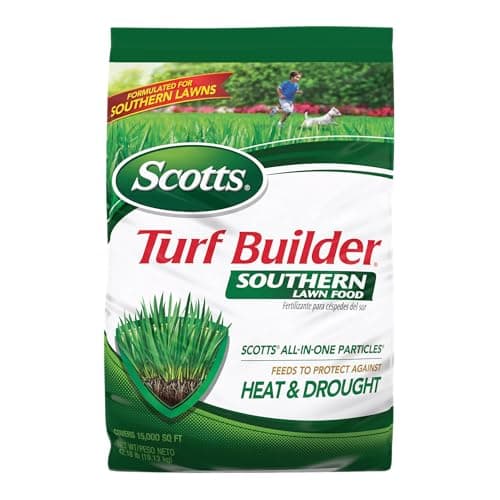
 Scotts Turf Builder Southern Lawn FoodCheck price on Amazon
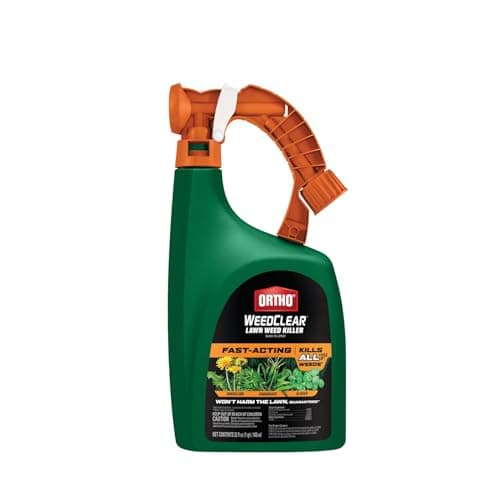
 Ortho WeedClear Lawn Weed Killer Ready-To-Spray (32 oz, covers 5,000 sq ft)Check price on Amazon
As an Amazon Associate we earn from qualifying purchases.
Free Lawn Care Tools
Top options include Scotts Southern Triple Action, Pennington Ultragreen Southern Weed & Feed, and Espoma Organic for prevention. Always check the label for St. Augustine compatibility before applying.
Apply after full green-up in late spring when the grass is actively growing and weeds are present. Avoid application during dormancy or extreme heat for best results.
No, only use products specifically labeled for St. Augustine. Many standard weed and feeds can damage or kill this sensitive grass type.
Measure carefully, avoid overlapping passes, and never exceed the label rate. Water in if the product requires it, and patch-test a small area before full application.
Yes, Espoma Organic Weed Preventer uses corn gluten meal to prevent new weeds and is safe for St. Augustine. However, it won't kill existing weeds.
Most weed and feed products show visible weed control and greener grass within 10-21 days, but timing can vary based on weather and lawn condition.
Photos: Engin Akyurt / Pexels, John-Morgan / Openverse, OakleyOriginals / Openverse

Your lawn plan, in your pocket all season
Grass ID, a season plan, soil-timed reminders, and a lawn journal that remembers what you did. Free on iPhone.